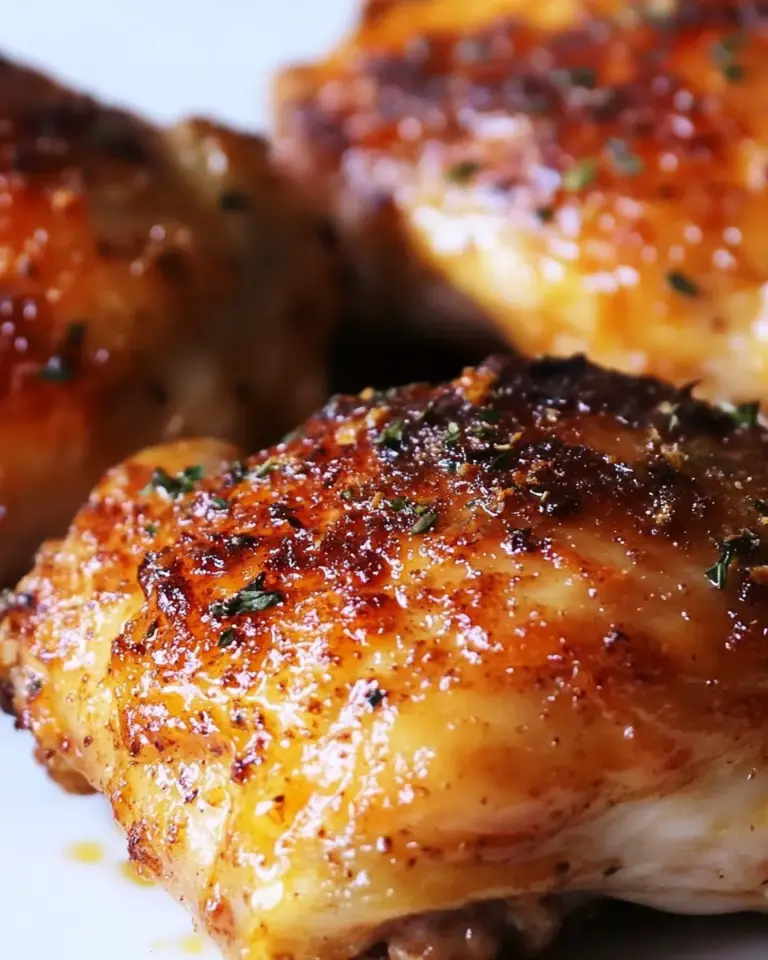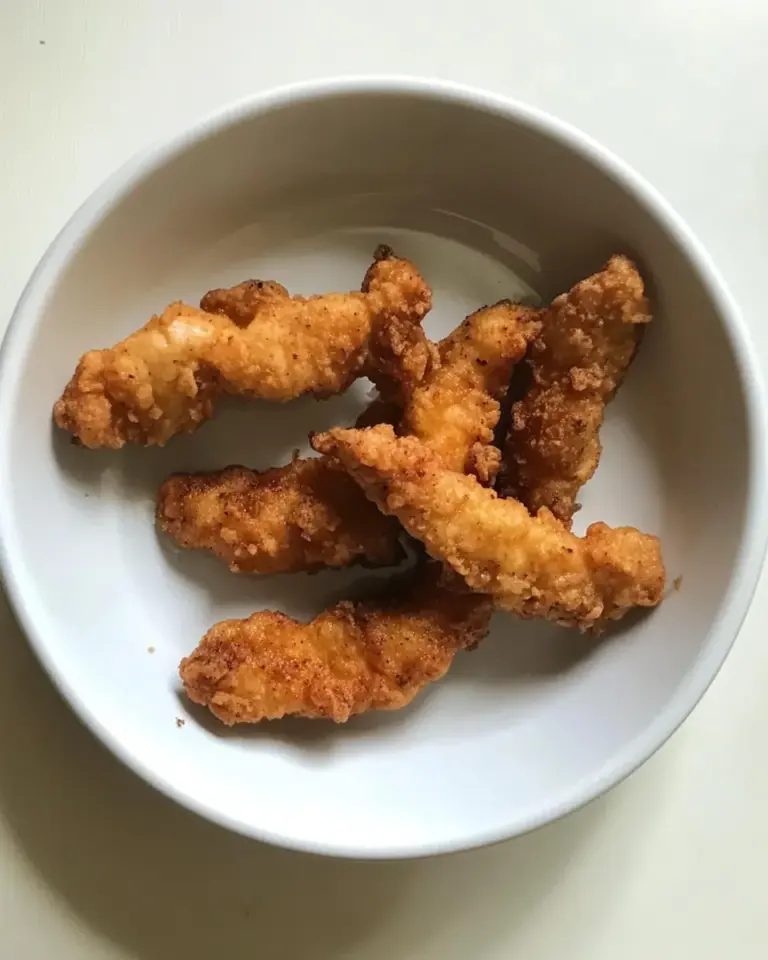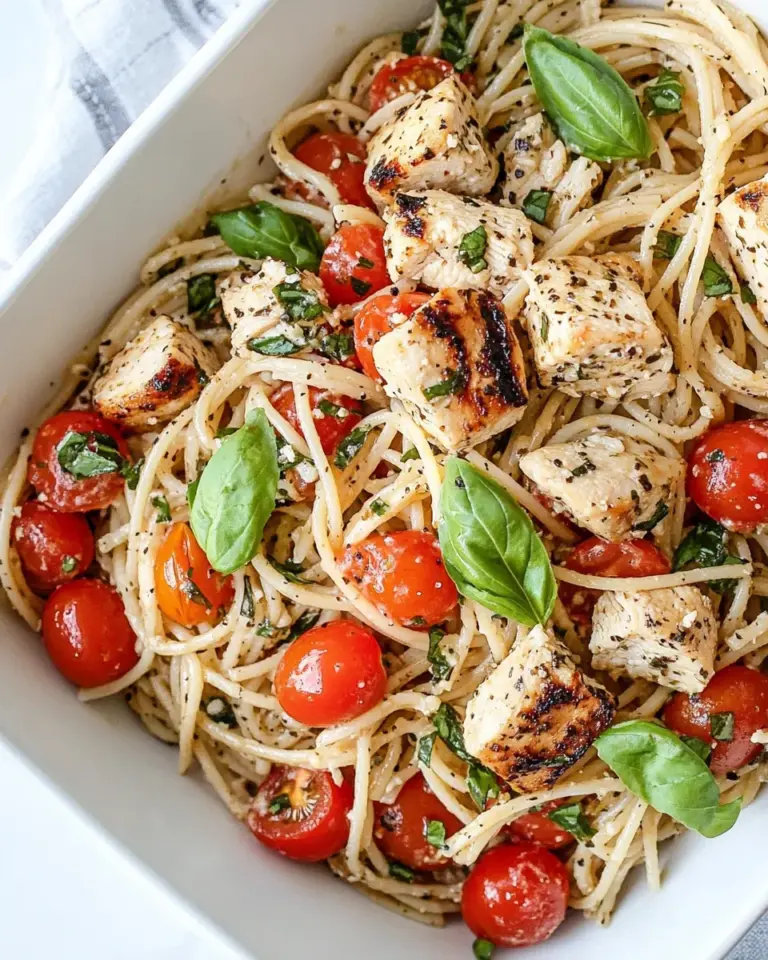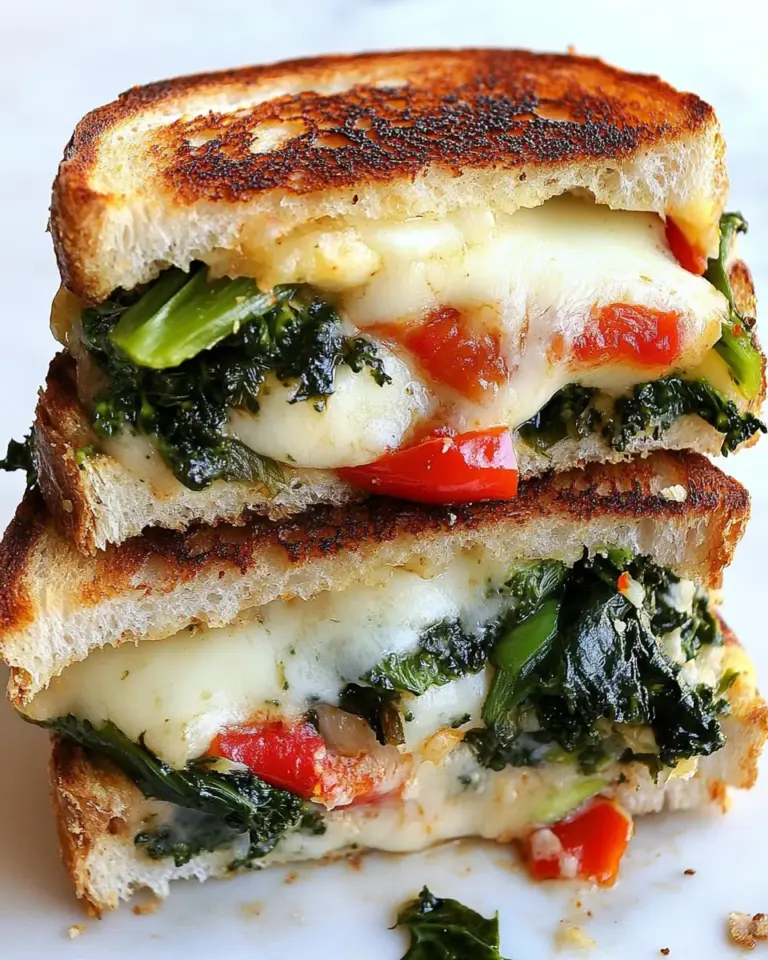
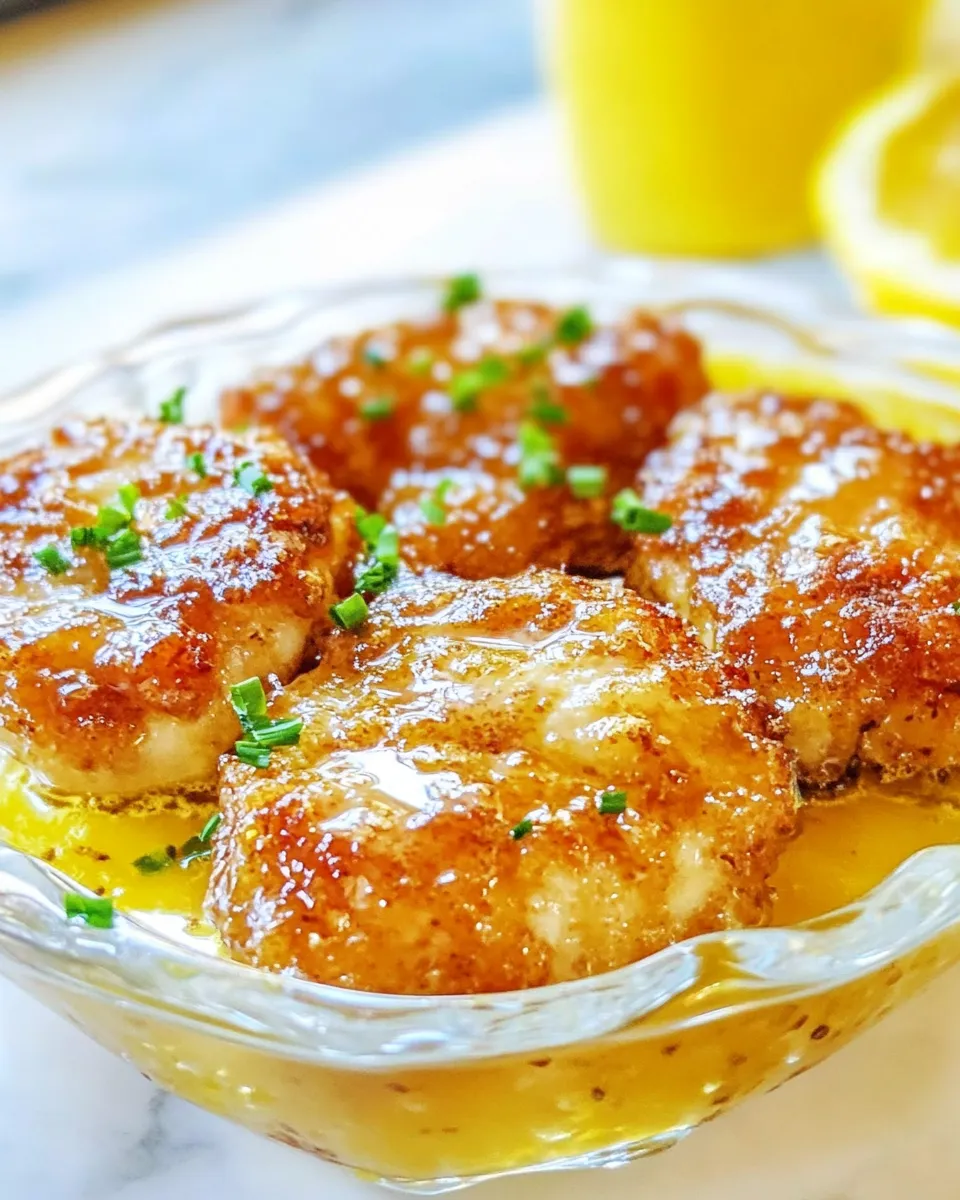
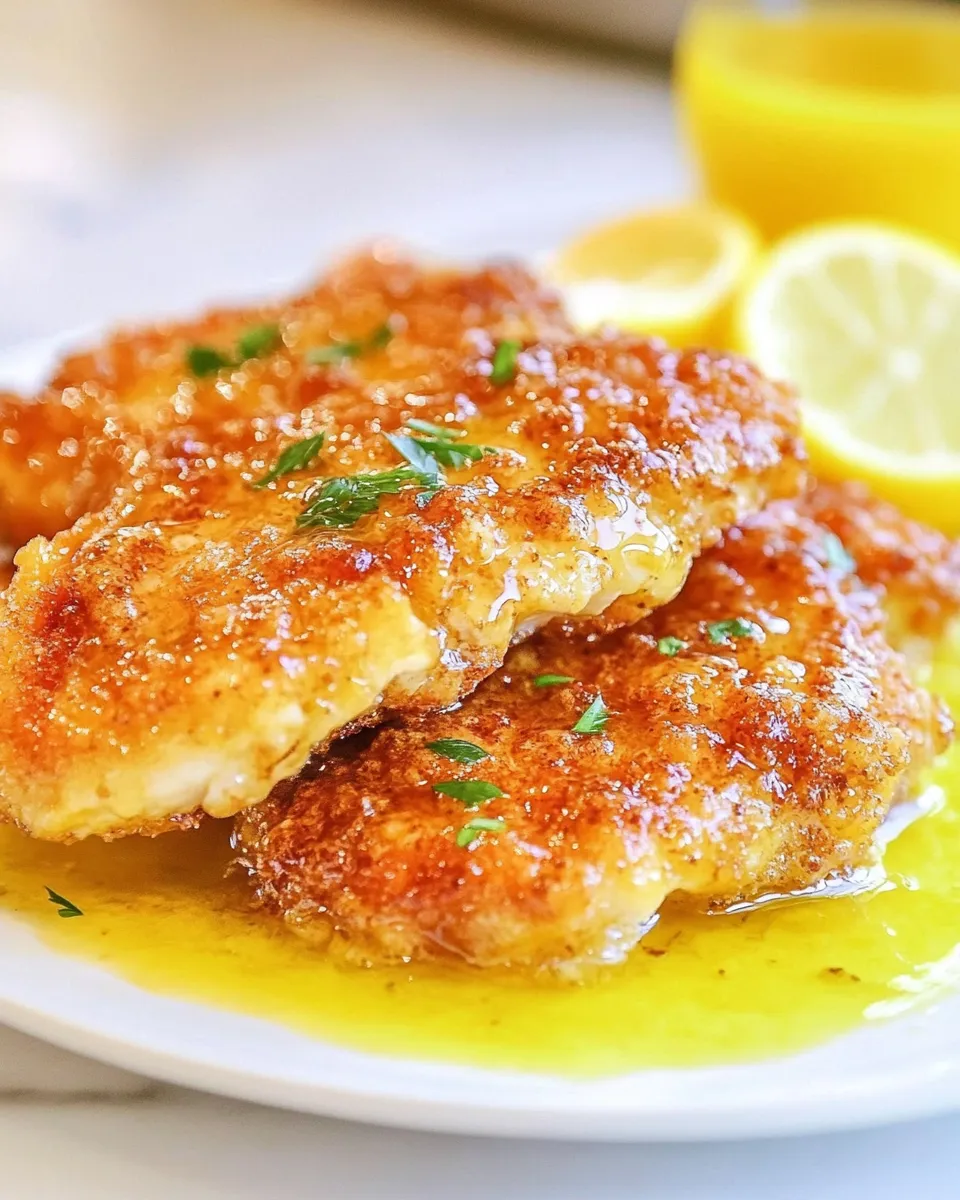
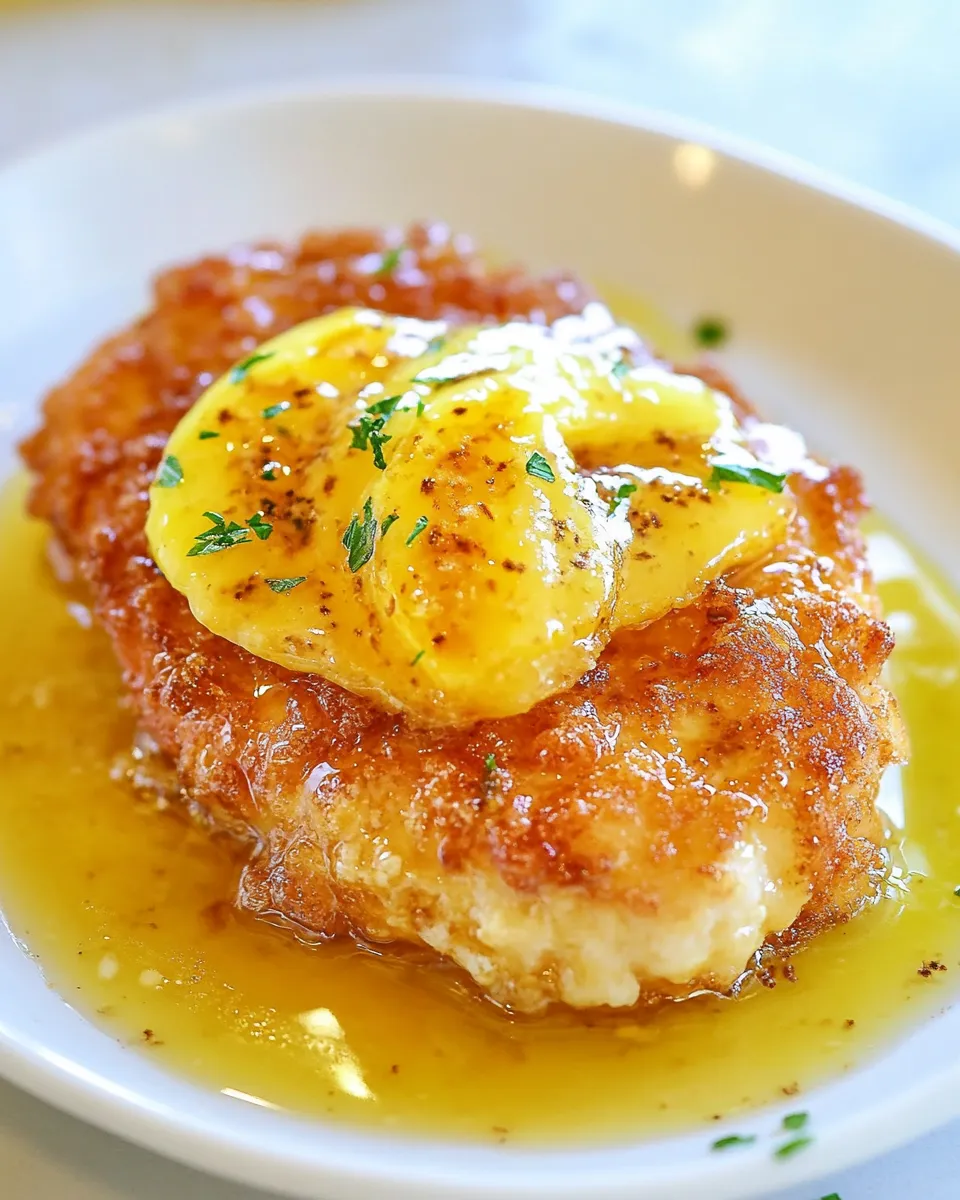
This recipe is my attempt to capture the honey-truffle-sweet-and-savory charm that makes the Cheesecake Factory version so memorable. It pairs crunchy, golden-fried chicken with a restrained drizzle of truffle honey and a bright side of roasted asparagus. The result is impressive without being fussy — friendly enough for a weeknight celebration, and elegant enough to serve company.
I tested the technique until the coating turned reliably crisp while the interior stayed juicy. The method is straightforward: pound, dredge, rest, fry, finish with truffle honey and a whisper of truffle oil. Small steps — like letting the flour set into a paste and finishing in a low oven — make a big difference in texture.
If you like layered flavors — crunchy, sweet, earthy and citrusy — this will work for you. The recipe uses simple pantry staples and a couple of specialty touches (truffle honey and optional white truffle oil) to recreate that restaurant feel at home. Read through the full method before you start; timing matters once the oil is hot.
Ingredient Checklist
- 2-4 chicken breasts — main protein; pound to even thickness so they cook evenly.
- 1 cup buttermilk* — tenderizes and helps the flour coating stick.
- 2 cup all-purpose flour — primary coating for a golden crust.
- 1 teaspoon garlic powder — adds savory depth to the flour mix.
- 1 teaspoon onion powder — rounds the savory notes in the coating.
- 1 teaspoon paprika — gives color and a mild smoky sweetness to the crust.
- 1/2 teaspoon salt — seasons the coating; adjust to taste.
- 1/2 ground black pepper — for background spice in the dredge.
- 2 qt vegetable oil — for frying; needs to be deep enough for even browning.
- 2 tablespoons truffle honey — the signature sweet-earthy finish for each breast.
- 1 teaspoon white truffle oil — optional — but will add extra flavor.
- 1 bunch thin asparagus spears — trimmed; simple roasted vegetable side.
- 3 tablespoons olive oil — to dress and roast the asparagus.
- 1 teaspoon sea salt — seasons the asparagus.
- 1/2 teaspoon ground black pepper — for the asparagus.
- 1/2 teaspoon garlic powder — flavors the asparagus without overpowering it.
- 1 tablespoon lemon juice — brightens the roasted asparagus at the end.
The Method for Cheesecake Factory Honey Truffle Chicken Copycat
- Place plastic wrap over the 2-4 chicken breasts and gently pound both sides to an even thickness (about 1/2–3/4 inch).
- In a large resealable plastic bag combine 2 cup all-purpose flour, 1 teaspoon garlic powder, 1 teaspoon onion powder, 1 teaspoon paprika, 1/2 teaspoon salt, and 1/2 teaspoon ground black pepper. Seal and shake to mix.
- Pour 1 cup buttermilk into a shallow plate. Dip each chicken breast in the buttermilk to coat, then place the chicken into the flour mixture bag, seal, and shake to coat thoroughly. Transfer the coated chicken to a plate or tray, cover with a clean dish towel or waxed paper, and let rest until the flour coating becomes paste-like, about 10–15 minutes.
- While the chicken rests, preheat the oven to 400°F. Trim the 1 bunch thin asparagus spears and place them in a mixing bowl.
- Add 3 tablespoons olive oil, 1 teaspoon sea salt, 1/2 teaspoon ground black pepper, and 1/2 teaspoon garlic powder to the asparagus. Toss to coat, arrange the asparagus in a single layer on a baking sheet, and put the sheet in the preheated oven. Roast until just tender, 12 to 15 minutes depending on thickness. When done, sprinkle the asparagus with 1 tablespoon lemon juice and set aside.
- Pour the 2 qt vegetable oil into a large, heavy skillet or Dutch oven so the oil is about 1/3 to 1/2 full. Heat the oil over medium-high until hot and shimmering (or about 350°F if using a thermometer).
- Working in batches so the pieces do not overlap, carefully add the coated chicken breasts to the hot oil. Brown the chicken on both sides for 2–3 minutes per side until golden.
- After browning, reduce the heat to low and cover the skillet. Cook for about 10 minutes, until the chicken is cooked through (internal temperature 165°F) or no longer pink in the center.
- Remove the lid, increase the heat to medium-high, and continue frying briefly to crisp the exterior, about 1–3 minutes per side, until deep golden and crispy. Transfer the cooked chicken to a plate or tray lined with paper towels to drain. If needed, keep finished chicken warm in a low oven while you finish remaining batches.
- When all chicken is cooked, drizzle each breast with 2 tablespoons truffle honey and 1 teaspoon white truffle oil (optional). Let the chicken rest 3–5 minutes, then serve with the roasted asparagus.
Why I Love This Recipe
First, the contrasts: crunchy, hot crust against a tender, juicy interior, followed by a pop of sweet and earthy from the truffle honey. Those contrasts make every bite interesting. The roasted asparagus with lemon keeps the plate from feeling heavy and adds a clean, green counterpoint.
The technique is forgiving. Pounding the breasts to an even thickness means you get consistent cook times. Letting the flour film set before frying helps the coating adhere and develop that signature, near-perfect crust. You don’t need fancy equipment. A heavy skillet, steady heat, and attention will do the job.
I also appreciate how small touches — like finishing with a teaspoon of truffle oil — transform the dish. The dish feels special without being complicated. That’s restaurant-quality cooking you can realistically do at home.
Substitutions by Category
- Protein — Use boneless, skinless chicken thighs or thin cutlets if you prefer darker meat; watch the cooking time and test for doneness.
- Coating — Panko can replace part of the flour for extra crunch; combine it with the seasoned flour so flavors still penetrate.
- Frying fat — Any neutral oil with a high smoke point works for frying; maintain a steady 350°F-ish oil temperature for best results.
- Finish — If you don’t have truffle honey, a mild honey with a tiny pinch of flaky sea salt adds interest; omit the truffle oil if you prefer a lighter finish.
- Vegetable side — Substitute thin green beans or broccolini for asparagus, roasting them the same way until just tender and finishing with lemon.
Cook’s Kit
- Heavy skillet or Dutch oven (large enough to hold oil at 1/3–1/2 full).
- Deep-fry thermometer (very helpful for consistent oil temperature).
- Resealable plastic bag for the flour mix and dredging.
- Meat mallet or heavy pan to pound the chicken to even thickness.
- Wire rack or paper towels to drain fried chicken.
- Baking sheet for roasting asparagus.
- Instant-read thermometer to confirm chicken reaches 165°F.
Learn from These Mistakes
Don’t skip the resting step after dredging. Letting the flour coating sit 10–15 minutes helps it adhere and creates a paste-like bond that crisps properly. If you skip it, the coating can fall off while frying.
A common error is frying at too high a temperature. If the oil is scorching hot, the exterior will brown before the interior cooks. Conversely, oil that’s not hot enough makes the chicken greasy and limp. Aim for that hot-shimmering zone or about 350°F.
Overcrowding the pan is another pitfall. Crowding drops the oil temperature and causes uneven browning. Work in batches so each breast has room. Rest cooked pieces in a single layer on paper towels or a rack while you finish the rest.
In-Season Flavor Ideas
Spring: Pair the chicken with roasted asparagus (as written) and a side of lemon-herb new potatoes. Young herbs like chives and parsley brighten everything.
Summer: Swap asparagus for grilled zucchini and summer squash. Add a quick tomato salad on the side dressed with olive oil and a splash of lemon.
Fall/Winter: Swap the asparagus for roasted Brussels sprouts tossed with a little balsamic glaze. The earthiness of roasted greens pairs nicely with truffle honey.
Cook’s Commentary
When I test fried recipes, I watch for three things: texture of the coating, juiciness of the meat, and harmony of final flavors. This method addresses all three with small, intentional steps. Pounding the breasts is non-negotiable for even cooking. The buttermilk soak is mild but effective for tenderizing. The rest period for the dredge is where many home cooks skip a step and end up with a fragile crust.
Use the truffle honey like a flavor accent, not a sauce. Two tablespoons per breast is enough to be noticed without overwhelming. If your truffle oil is assertive, go lighter with it; a little can go a long way. Finally, keep an eye on your asparagus — thin spears roast quickly and turn limp if overcooked.
Store, Freeze & Reheat
Store: Keep leftover chicken in an airtight container in the refrigerator for up to 3 days. Store the asparagus separately to preserve texture.
Freeze: You can freeze cooked, cooled chicken breasts for up to 2 months. Wrap tightly in plastic and then foil or use a freezer-safe container. Note: the crust loses some crispness after thawing and reheating.
Reheat: For best texture, reheat in a 350°F oven on a wire rack over a baking sheet until warmed through; this helps re-crisp the coating. Microwave will heat faster but soften the crust. Add a fresh drizzle of truffle honey after reheating.
FAQ
- Can I bake the chicken instead of frying? Yes, but the texture will differ. Baking gives a lighter crust; consider spraying the coating with oil and baking at a high temperature until golden and cooked through.
- Is white truffle oil necessary? No. It’s optional. The truffle honey provides most of the flavor lift. Use the oil sparingly if you do include it.
- How do I know when the oil is ready? It should shimmer and move fluidly in the pan. If you have a thermometer, aim for about 350°F. Test with a small pinch of flour; it should sizzle immediately.
- Why let the coated chicken rest before frying? Resting lets the flour and buttermilk meld into a paste that adheres better and fries up crispier.
Ready to Cook?
If you’ve read through the steps, prepped your mise en place, and grabbed your thermometer, you’re set. This recipe rewards attention to small details: even thickness, a proper oil temperature, and a short rest for the coating. Follow the method, finish with the truffle honey, and plate alongside the roasted asparagus. Invite a friend or enjoy solo — either way, you get a crunchy, juicy piece of comfort with a restaurant-worthy finish.
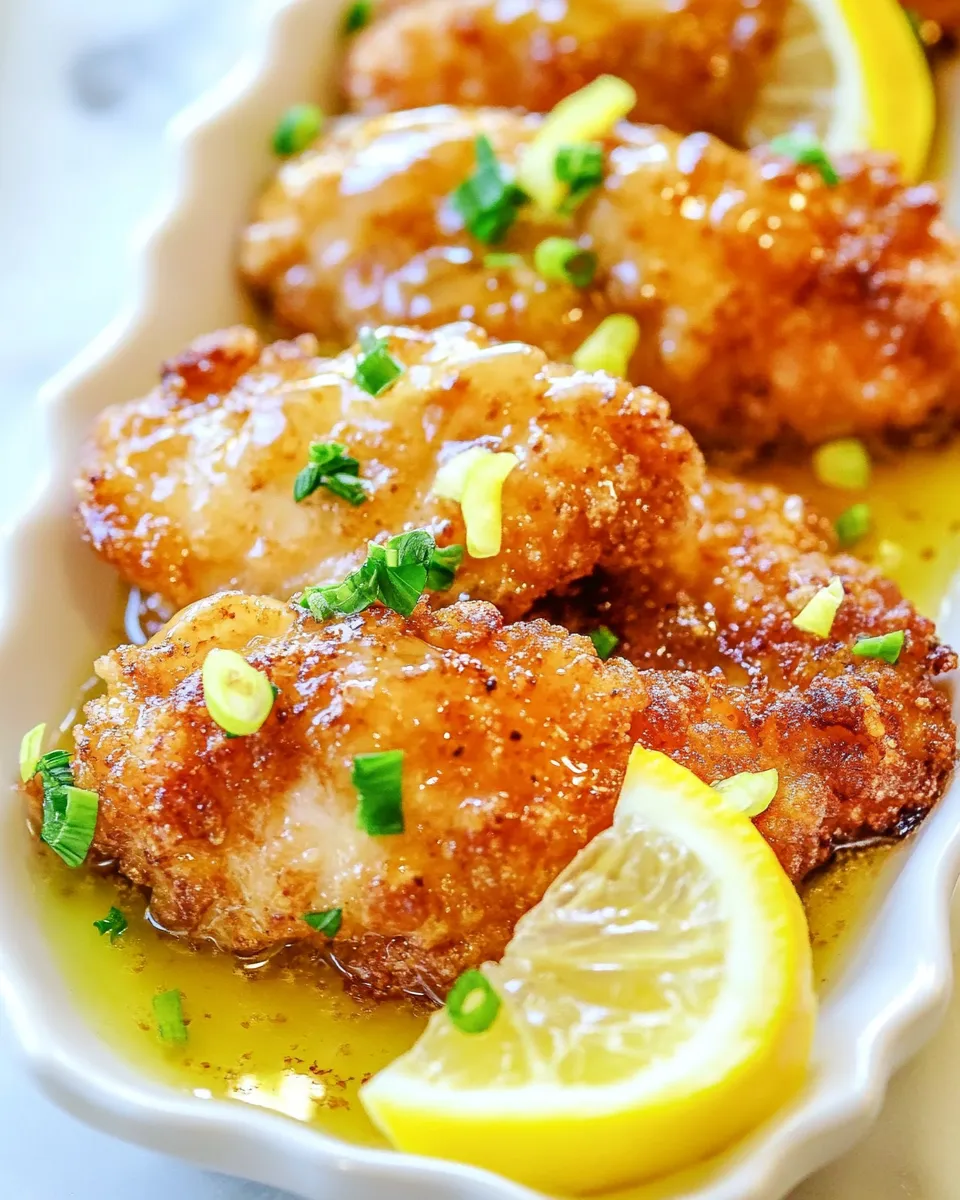
Cheesecake Factory Honey Truffle Chicken Copycat
Equipment
- Plastic Wrap
- Resealable Plastic Bag
- shallow plate
- Mixing Bowl
- Baking Sheet
- large heavy skillet or Dutch oven
- Paper Towels
- Oven
- Thermometer
Ingredients
Ingredients
- 2-4 chicken breasts
- 1 cupbuttermilk*
- 2 cupall-purpose flour
- 1 teaspoongarlic powder
- 1 teaspoononion powder
- 1 teaspoonpaprika
- 1/2 teaspoonsaltto taste
- 1/2 ground black pepperto taste
- 2 qtvegetable oilfor frying
- 2 tablespoonstruffle honey
- 1 teaspoonwhite truffle oiloptional – but will add extra flavor
- 1 bunchthin asparagus spearstrimmed
- 3 tablespoonsolive oil
- 1 teaspoonsea salt
- 1/2 teaspoonground black pepper
- 1/2 teaspoongarlic powder
- 1 tablespoonlemon juice
Instructions
Instructions
- Place plastic wrap over the 2-4 chicken breasts and gently pound both sides to an even thickness (about 1/2–3/4 inch).
- In a large resealable plastic bag combine 2 cup all-purpose flour, 1 teaspoon garlic powder, 1 teaspoon onion powder, 1 teaspoon paprika, 1/2 teaspoon salt, and 1/2 teaspoon ground black pepper. Seal and shake to mix.
- Pour 1 cup buttermilk into a shallow plate. Dip each chicken breast in the buttermilk to coat, then place the chicken into the flour mixture bag, seal, and shake to coat thoroughly. Transfer the coated chicken to a plate or tray, cover with a clean dish towel or waxed paper, and let rest until the flour coating becomes paste-like, about 10–15 minutes.
- While the chicken rests, preheat the oven to 400°F. Trim the 1 bunch thin asparagus spears and place them in a mixing bowl.
- Add 3 tablespoons olive oil, 1 teaspoon sea salt, 1/2 teaspoon ground black pepper, and 1/2 teaspoon garlic powder to the asparagus. Toss to coat, arrange the asparagus in a single layer on a baking sheet, and put the sheet in the preheated oven. Roast until just tender, 12 to 15 minutes depending on thickness. When done, sprinkle the asparagus with 1 tablespoon lemon juice and set aside.
- Pour the 2 qt vegetable oil into a large, heavy skillet or Dutch oven so the oil is about 1/3 to 1/2 full. Heat the oil over medium-high until hot and shimmering (or about 350°F if using a thermometer).
- Working in batches so the pieces do not overlap, carefully add the coated chicken breasts to the hot oil. Brown the chicken on both sides for 2–3 minutes per side until golden.
- After browning, reduce the heat to low and cover the skillet. Cook for about 10 minutes, until the chicken is cooked through (internal temperature 165°F) or no longer pink in the center.
- Remove the lid, increase the heat to medium-high, and continue frying briefly to crisp the exterior, about 1–3 minutes per side, until deep golden and crispy. Transfer the cooked chicken to a plate or tray lined with paper towels to drain. If needed, keep finished chicken warm in a low oven while you finish remaining batches.
- When all chicken is cooked, drizzle each breast with 2 tablespoons truffle honey and 1 teaspoon white truffle oil (optional). Let the chicken rest 3–5 minutes, then serve with the roasted asparagus.
Notes
Drain the chicken on a wire rack instead of setting it directly on paper towels for extra crispy chicken.
Be sure the chicken is at room temperature before frying it.
Keep an eye on the oil temperature. After the first batch of chicken, please wait for it to get back up to 350 degrees F before frying the next batch.
Do not flip the chicken repeatedly, or the breading may fall off.
Use the truffle oil as a finishing touch; never cook with it, as the heat will make the flavor undetectable.