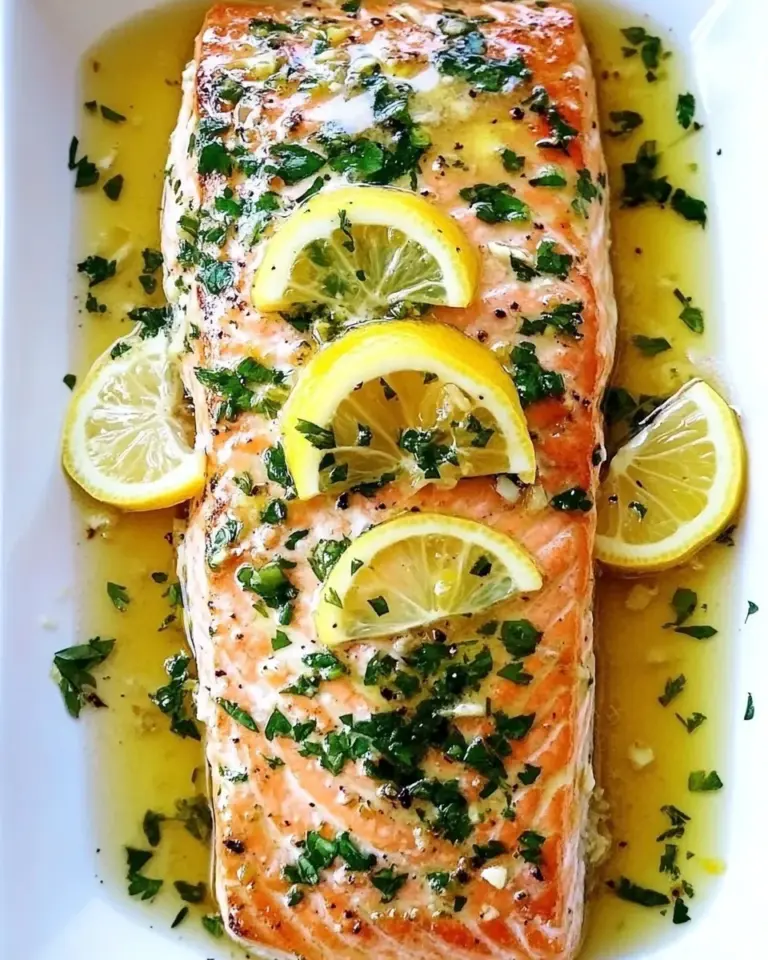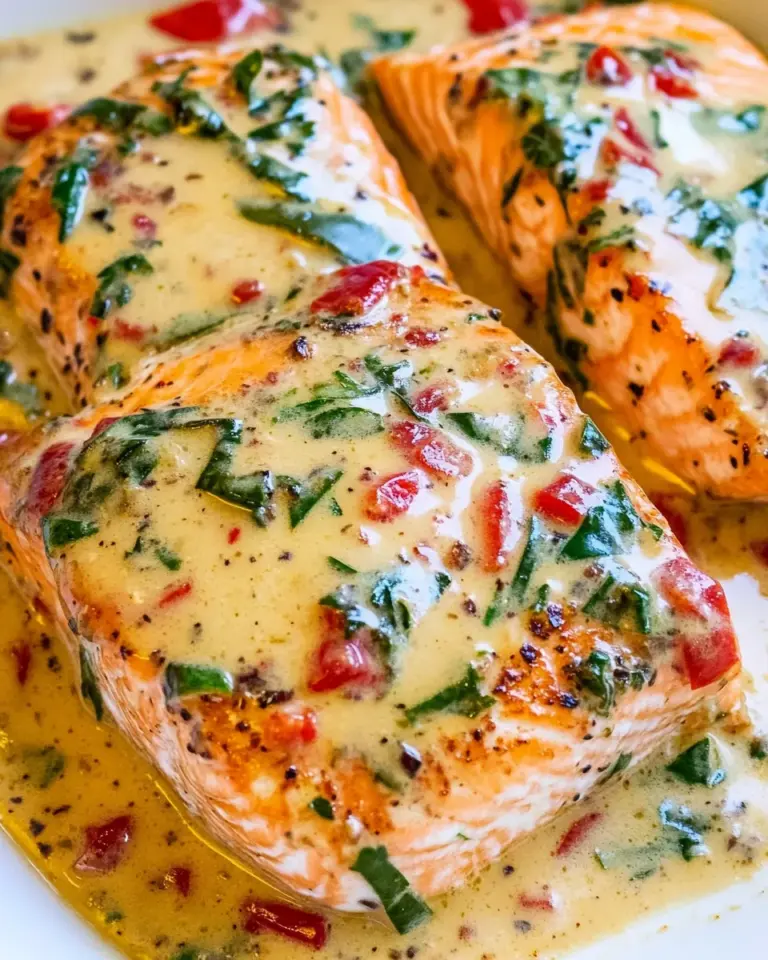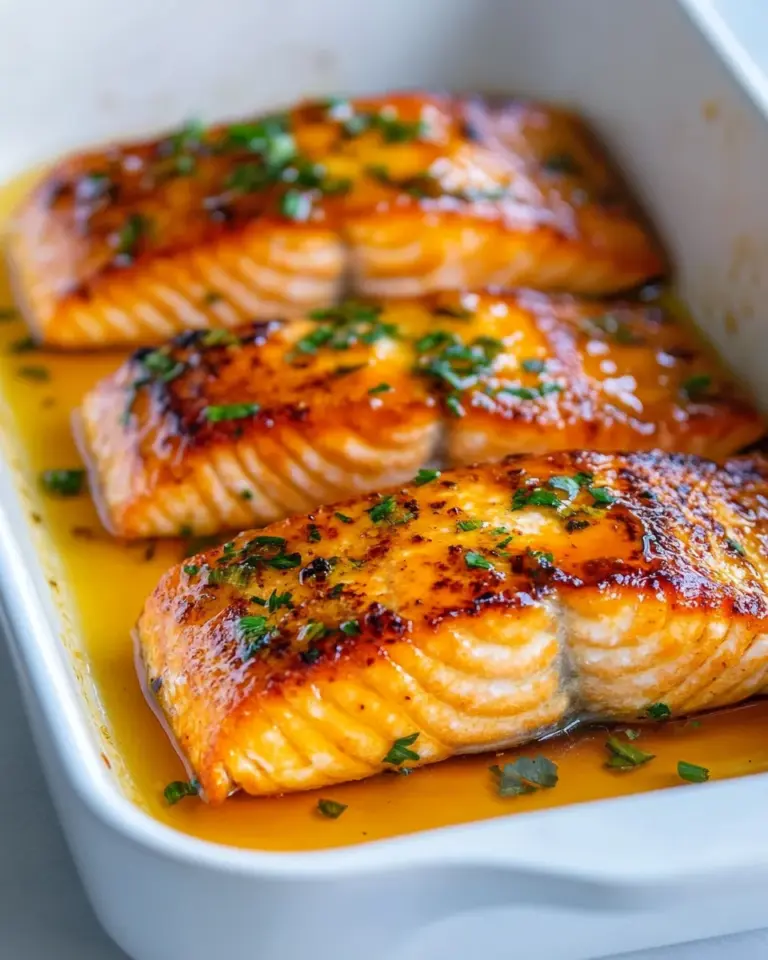
Salmon is simple and stunning when it’s treated with the right balance of sweet, smoky, and savory. This seasoning blend is my go-to when I want a dependable, ready-for-any-method rub that highlights the fish without masking it. It’s quick to make, stores beautifully, and performs well whether you’re grilling in summer or searing on a weeknight.
I tested this mix across pan-searing, baking, and grilling to make sure it behaves predictably. The brown sugar caramelizes, smoked paprika gives that barbecue whisper, and the ginger and thyme add subtle warmth. You’ll get a crust that sings while the flesh stays tender.
I write recipes to be used, not idolized. Expect practical notes for measuring, pressing the rub, and scaling the amount depending on your fillet sizes. If you want reliable results every time, follow the steps and the simple portion guidance in the instructions.
What We’re Using
Ingredients
- 2 teaspoons brown sugar — adds a touch of sweetness and helps form a caramelized crust when cooking.
- 2 teaspoons smoked paprika — brings smoky depth without needing a grill; use mild or hot depending on heat preference.
- 1 teaspoon garlic powder — concentrated garlic flavor that disperses evenly through the mix.
- 1 teaspoon kosher salt or ½ teaspoon table salt — choose kosher for a gentler salt texture; table salt is fine if that’s what you have.
- ½ teaspoon onion powder — rounds out the savory backbone without adding moisture.
- ½ teaspoon ground ginger — bright, warm note that pairs well with salmon’s natural richness.
- ½ teaspoon ground cumin — subtle earthiness that complements the paprika and thyme.
- ½ teaspoon dried thyme — herbaceous lift that keeps the seasoning from tasting one-dimensional.
Salmon Seasoning: From Prep to Plate
- Measure and add to a medium bowl: 2 teaspoons brown sugar, 2 teaspoons smoked paprika, 1 teaspoon garlic powder, 1 teaspoon kosher salt or 1/2 teaspoon table salt, 1/2 teaspoon onion powder, 1/2 teaspoon ground ginger, 1/2 teaspoon ground cumin, and 1/2 teaspoon dried thyme.
- Whisk the mixture until evenly combined and free of clumps.
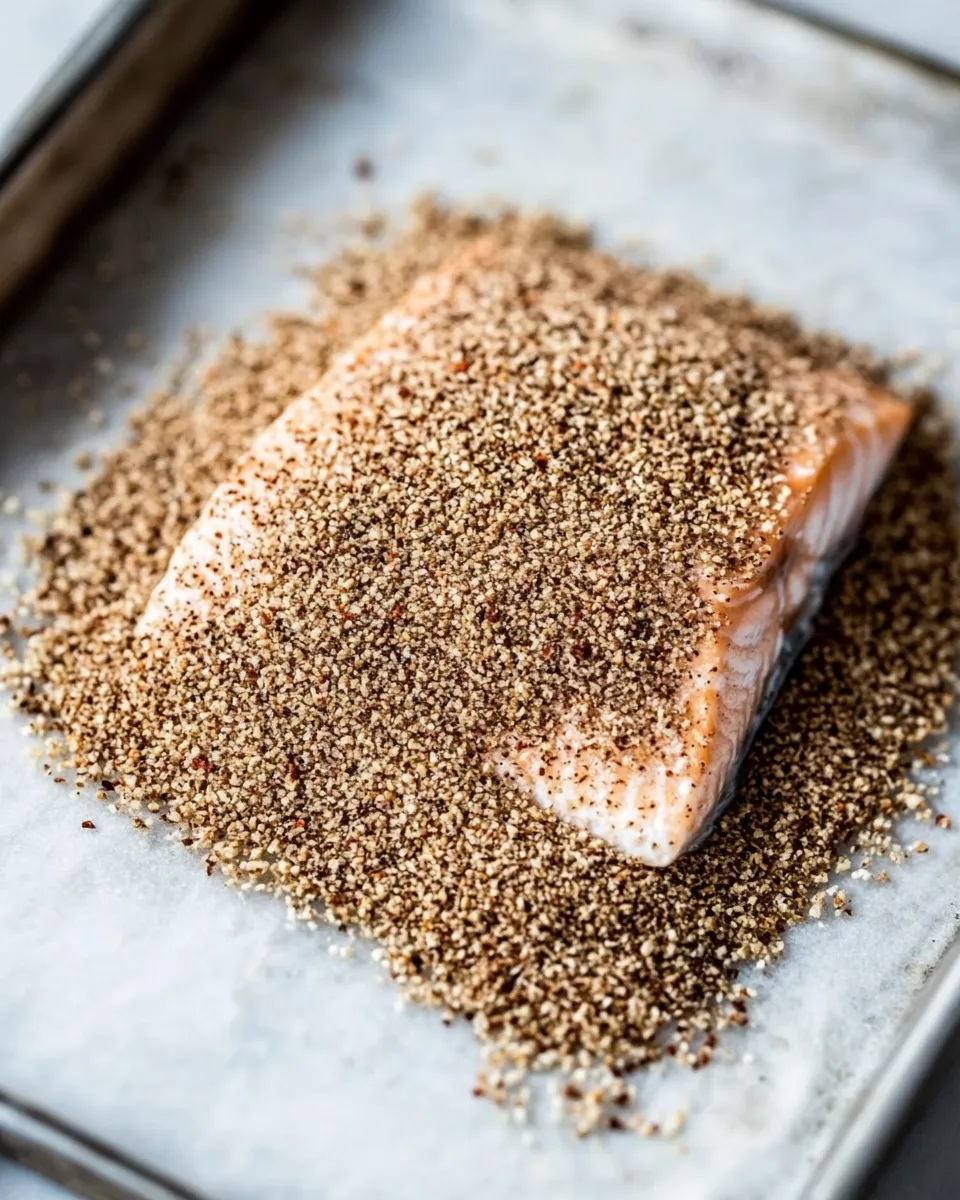
- To season salmon: pat fillets dry with paper towels. Sprinkle the seasoning over the salmon using 1 tablespoon of seasoning for every 8 ounces of salmon, then lightly press the seasoning onto the surface so it adheres.
- Cook the seasoned salmon as desired (grill, bake, pan-sear, etc.).
- Store any remaining seasoning in an airtight jar, label with the date, and keep in a cool, dry place for up to 6–12 months.
Why You’ll Love This Recipe
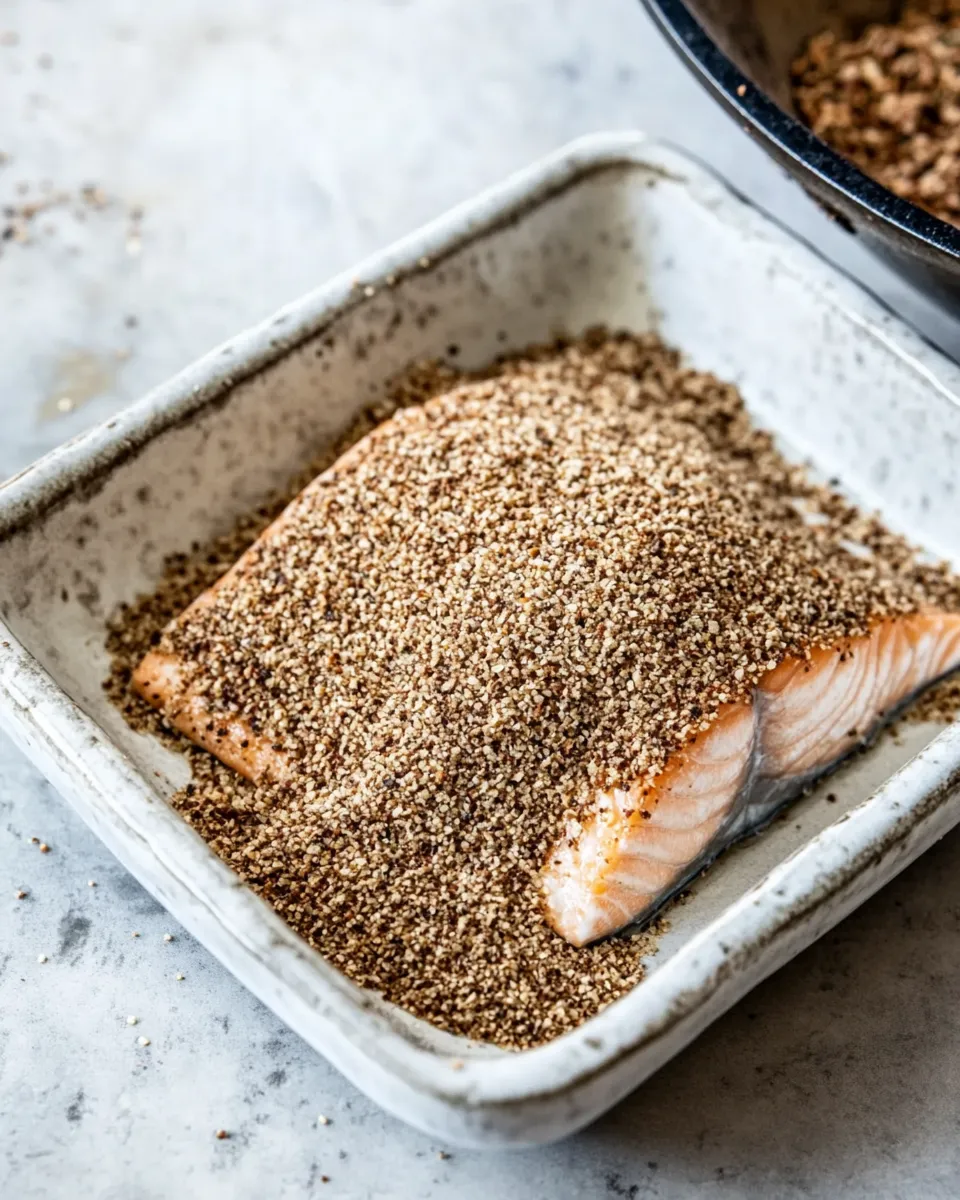
This blend is designed to be balanced and forgiving. It’s not hyper-spicy or overly salty, so it enhances the salmon rather than fighting it. The brown sugar helps get that appealing browned edge whether you’re using a hot skillet or a broiler. Smoked paprika gives an instant hint of grill smoke without needing charcoal or a smoker.
It’s quick to assemble and easy to scale. Make a single batch for dinner, or double it to keep a jar in the pantry for weeks. The seasoning works on all salmon preparations: fillets, steaks, and even salmon portions wrapped in foil for the oven.
The ratio of aromatics to salt is deliberately moderate. That means you can season confidently even if you’re serving people who prefer less salt, and you can increase the seasoning per fish weight if you like a bolder crust.
Texture-Safe Substitutions
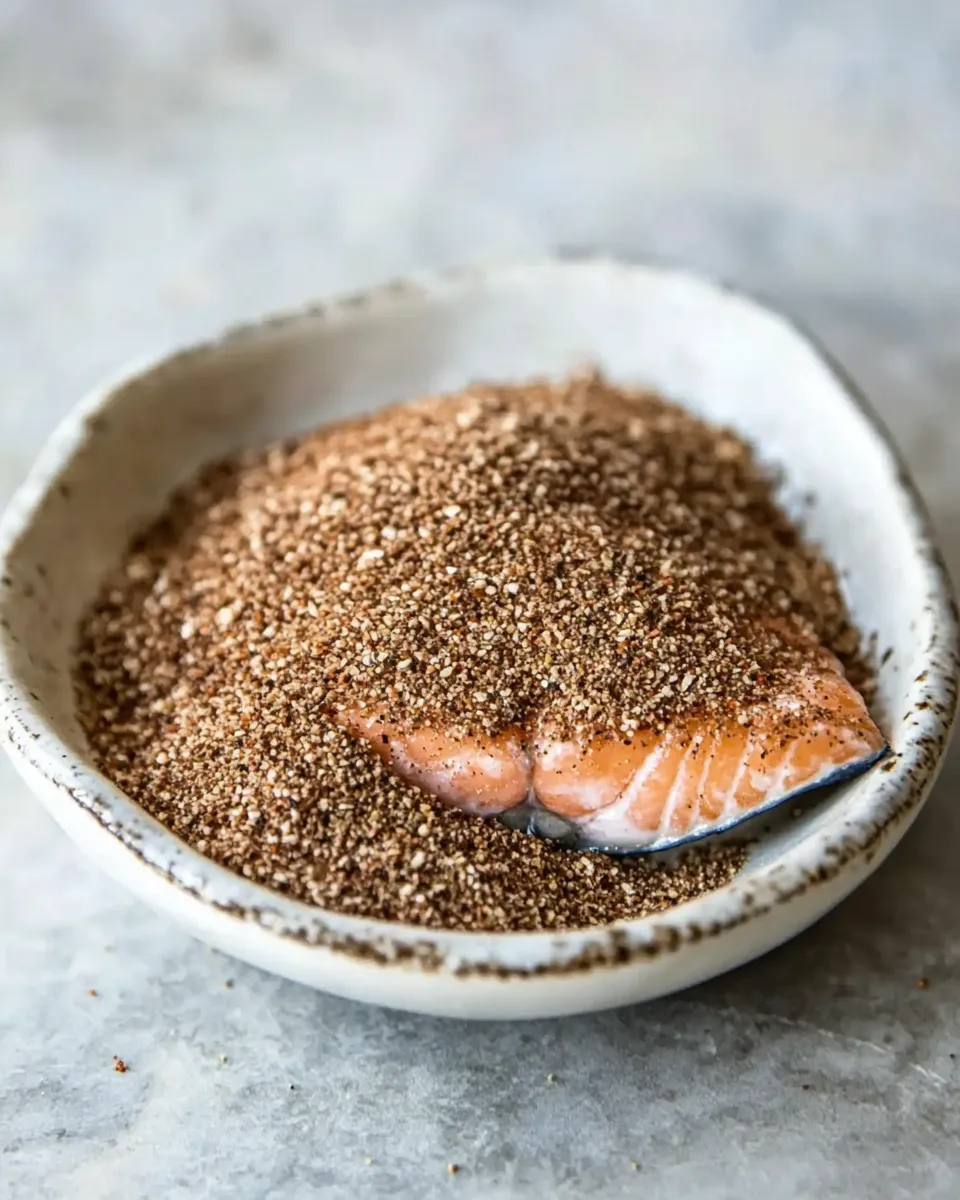
If you need to swap anything while keeping texture and behavior similar, choose ingredients that serve the same function: sweetener, smoke, savory, and herb. Keep in mind these swaps change flavor, so adjust to taste.
- Brown sugar: Use an equal amount of coconut sugar or granulated sugar if you need a drier crystal that still browns — coconut sugar will add a deeper caramel note.
- Smoked paprika: If you don’t have smoked paprika, use sweet paprika plus a pinch of ground chipotle or a drop of liquid smoke. Use sparingly: these are stronger.
- Garlic powder/onion powder: Fresh garlic or shallot will add moisture, so only use in cooked applications and reduce amounts (about ½ teaspoon minced fresh garlic for every 1 teaspoon powder).
- Kosher salt/table salt: If substituting fine sea salt, reduce the amount by half compared to kosher; measure by weight when possible for precision.
- Dried thyme: You can use dried oregano or dried dill if you want a different herbal profile; dill pairs naturally with fish but has a distinct character.
Toolbox for This Recipe
Keep your setup simple. You’ll need items most home cooks already own. I list what I use and why.
- Medium bowl — for mixing the spices so they’re evenly distributed.
- Measuring spoons — accurate teaspoons and ½ teaspoons make the blend consistent every time.
- Whisk or fork — to break up clumps and get a uniform powder.
- Airtight jar — for storing leftover seasoning without moisture or odor transfer.
- Paper towels — patting salmon dry is crucial for adhesion and browning.
- Nonstick or heavy skillet / grill / baking sheet — any of these will work; choose based on the cooking method you prefer.
Easy-to-Miss Gotchas
Small things make or break results. I learned these the hard way and now call them out so you don’t repeat my mistakes.
- Don’t skip patting the salmon dry. Moisture prevents the seasoning from sticking and stops you from getting a crust.
- Measure salt thoughtfully. Different salts have different volumes. Kosher salt isn’t the same weight-for-weight as table salt.
- Press the rub gently. Firm pressure helps the mix adhere without compressing the flesh or forcing it apart.
- Avoid overcrowding the pan or grill. Pieces too close together steam instead of sear.
- Watch cooking time more than temperature. Salmon cooks fast and can go from perfectly moist to overdone in a minute or two.
Seasonal Spins
This seasoning is a year-round player, but a few small additions make it seasonal and complimentary to produce on hand.
- Spring: Sprinkle fresh lemon zest over cooked fillets and serve with a side of tender asparagus for brightness.
- Summer: Grill the seasoned salmon and finish with a quick peach salsa — the sugar in the rub echoes the fruit’s sweetness.
- Fall: Add a tiny pinch more ground ginger and serve with roasted root vegetables to lean into warm spice notes.
- Winter: Pair the seasoned salmon with braised greens and a mustardy brown-butter sauce for comfort and depth.
What Could Go Wrong
Expectation management: this is a seasoning blend, not a miracle cure. Here are specific failures and how to avoid them.
- Burnt exterior, raw interior — Usually from too-high heat or too-thick fillets. Start medium-high and slide down to medium after searing, or finish thicker pieces in the oven.
- Rub sliding off — Happens when fish is wet or oils are excessive. Pat dry and lightly oil the fish if necessary before applying the rub, then press to adhere.
- Clumpy seasoning — If your spices have been stored in humidity, use a fork or sieve to break up lumps before measuring. Whisk well in step 2.
- Overpowering smoke or sweetness — If the smoked paprika or brown sugar dominates, reduce those elements by 25% next time until it matches your taste.
Keep It Fresh: Storage Guide
Spice blends keep best when kept dry, cool, and dark. Follow these simple rules and your jar will stay bright and functional for many months.
- Use an airtight jar and label it with the date you mixed the seasoning.
- Store in a pantry away from the stove, oven, or any heat source. Heat and light fade spices more quickly.
- This blend will stay usable for up to 6–12 months. The aroma and potency decline over time, so if it smells weak, refresh with a small pinch of smoked paprika or brown sugar to revive it.
- Do not store the mix near moisture. Once it gets damp, it will clump and can spoil.
Reader Questions
How much seasoning should I use per fillet?
Use 1 tablespoon of seasoning for every 8 ounces of salmon. For a typical 6-ounce fillet, scale down to about 3/4 tablespoon. Press it on lightly so it sticks without compacting the flesh.
Can I use this on other fish or proteins?
Yes. The mix works on trout, cod, and even firm white fish. It also seasons chicken thighs or pork chops well; reduce the brown sugar slightly for pork if you prefer less sweetness.
Is this gluten-free?
The ingredients listed are naturally gluten-free. If you’re cooking for someone with celiac or severe sensitivities, double-check that your spices are processed in gluten-free facilities.
Can I make a larger batch?
Absolutely. Multiply the ingredient quantities and store the extra in an airtight jar. Label with the date. The directions recommend up to 6–12 months of shelf life.
Make It Tonight
Pat your fillets dry, measure out the seasoning, and get your skillet hot. Use 1 tablespoon of seasoning per 8 ounces of salmon, press it on, and cook to your preferred doneness. For my favorite simple finish: pan-sear skin-side down until the skin is crisp (about 4–5 minutes), flip for a minute more, then rest two minutes. Squeeze a little lemon and serve with a quick salad or roasted vegetables.
Keep a jar of this mix in your pantry. It saves time, elevates weeknight dinners, and offers a reliable flavor profile you can lean on again and again. If you try variations, tell me what worked — I love hearing how readers adapt blends to their kitchens.
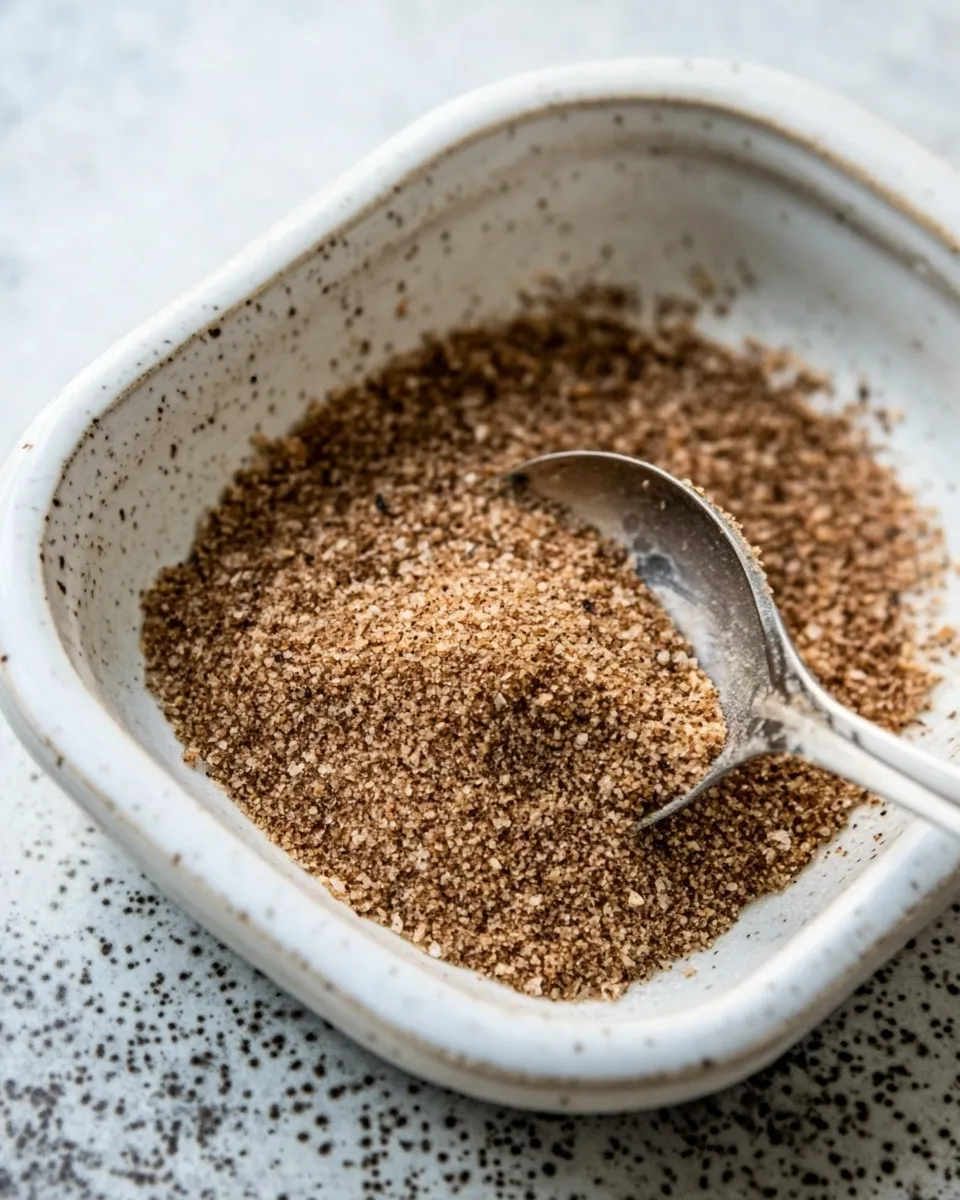
Salmon Seasoning
Equipment
- Medium Bowl
- Whisk
- Paper Towels
- airtight jar
Ingredients
Ingredients
- ?2 teaspoonsbrown sugar
- ?2 teaspoonssmoked paprika
- ?1 teaspoongarlic powder
- ?1 teaspoonkosher saltor 1/2 teaspoon table salt
- ?1/2 teaspoononion powder
- ?1/2 teaspoonground ginger
- ?1/2 teaspoonground cumin
- ?1/2 teaspoondried thyme
Instructions
Instructions
- Measure and add to a medium bowl: 2 teaspoons brown sugar, 2 teaspoons smoked paprika, 1 teaspoon garlic powder, 1 teaspoon kosher salt or 1/2 teaspoon table salt, 1/2 teaspoon onion powder, 1/2 teaspoon ground ginger, 1/2 teaspoon ground cumin, and 1/2 teaspoon dried thyme.
- Whisk the mixture until evenly combined and free of clumps.
- To season salmon: pat fillets dry with paper towels. Sprinkle the seasoning over the salmon using 1 tablespoon of seasoning for every 8 ounces of salmon, then lightly press the seasoning onto the surface so it adheres.
- Cook the seasoned salmon as desired (grill, bake, pan-sear, etc.).
- Store any remaining seasoning in an airtight jar, label with the date, and keep in a cool, dry place for up to 6–12 months.
Notes
Use 1 tablespoon for every ½ pound or 8 ounces of salmon.