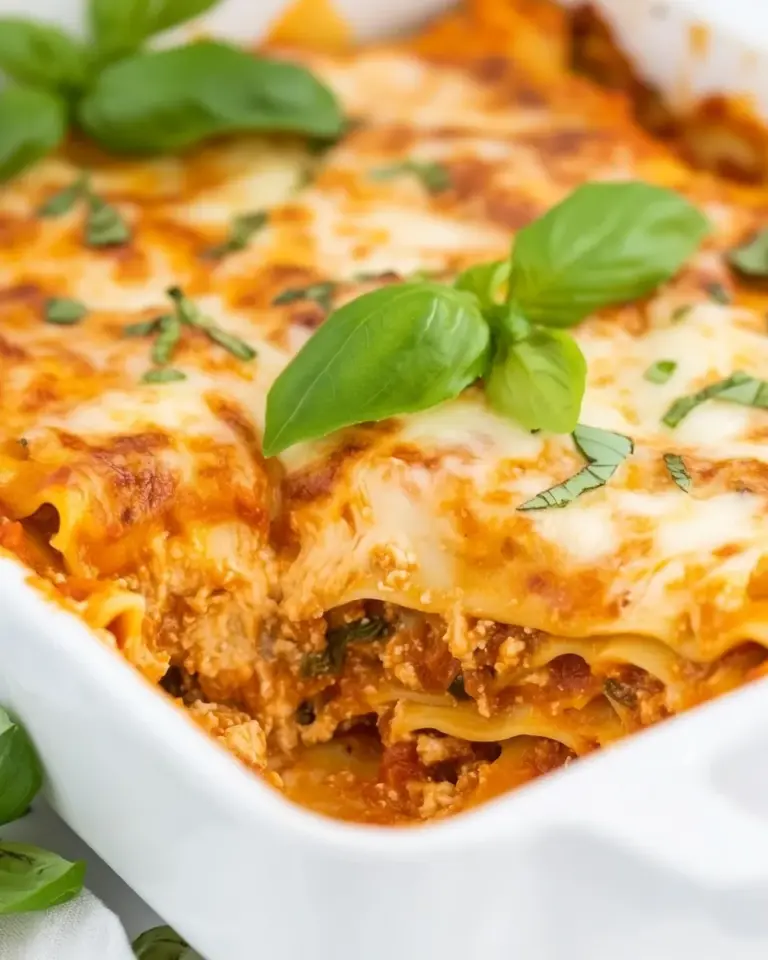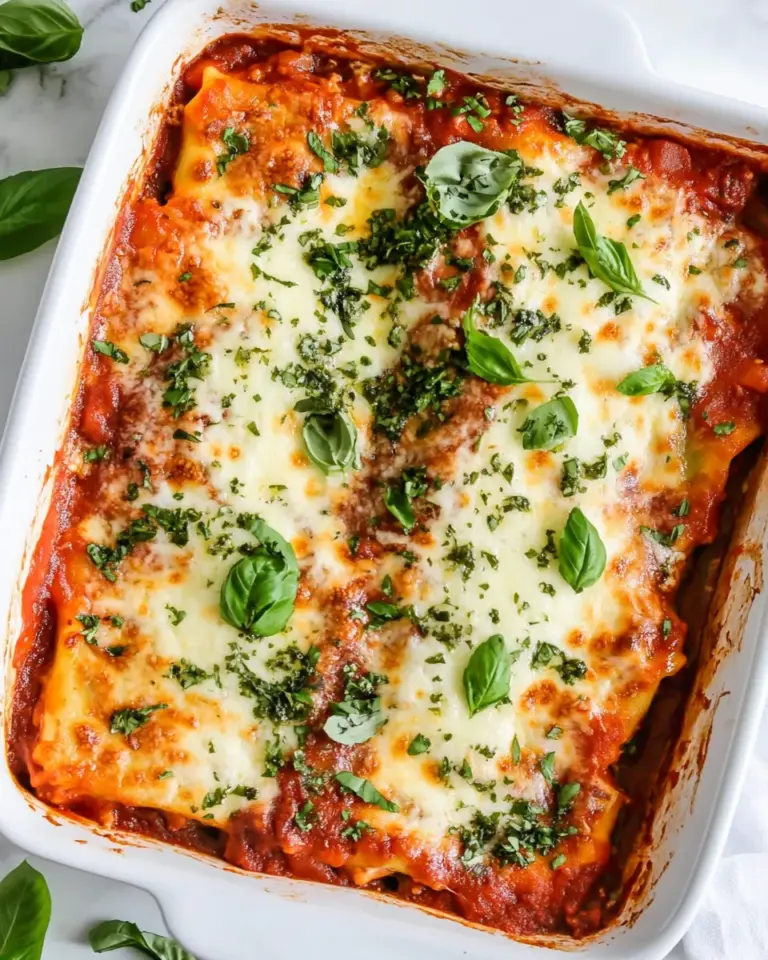
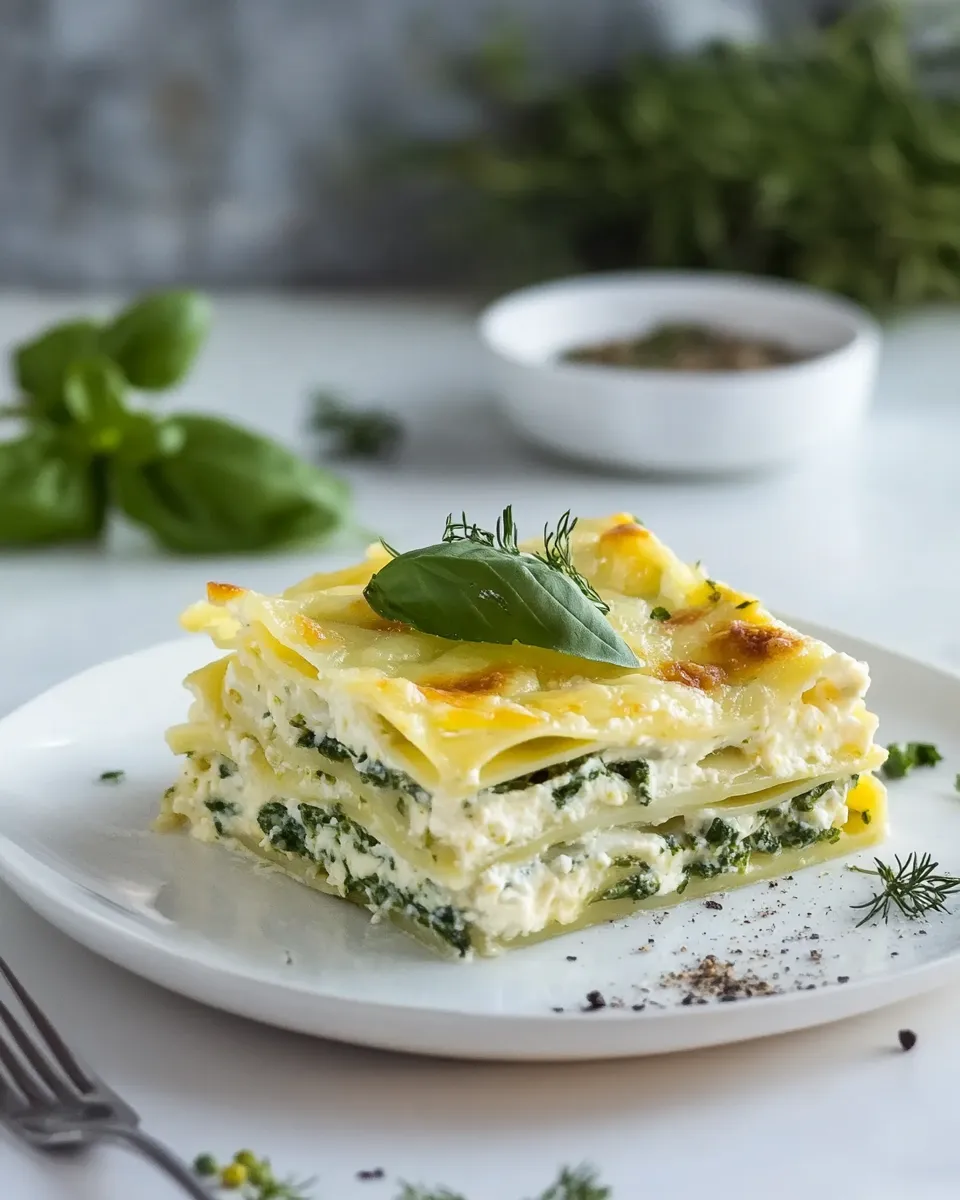
There’s something deeply comforting about layers of pasta, soft cheese, verdant spinach and thin slices of potato tucked into a baking dish, all held together by a luxuriously creamy sauce. This Vegetarian Lasagna with No-Cook White Sauce is the kind of meal that works for a cozy weeknight or a relaxed weekend dinner when you want something special but not fussy. The no-cook white sauce is quick to whisk together, relying on fresh ricotta and milk for creaminess and a whisper of nutmeg for warmth—no roux required. Fresh spinach, sautéed with shallot and olive oil, gives bright color and a mild savor, while pesto and mozzarella add familiar Italian flavor. Thinly sliced steamed potatoes add an unexpectedly wonderful texture between the sheets of pasta.
This is a straightforward, layered lasagna that feels indulgent without needing hours at the stove. It uses simple ingredients—500 g fresh ricotta cheese, 220 ml fresh milk, and a handful of pantry staples—and transforms them into something that looks and tastes special. The recipe is built to be clear and accessible: I’ll walk you through the prep, assembly, and baking with easy, step-by-step instructions so you can relax and enjoy the process.
Why this lasagna works
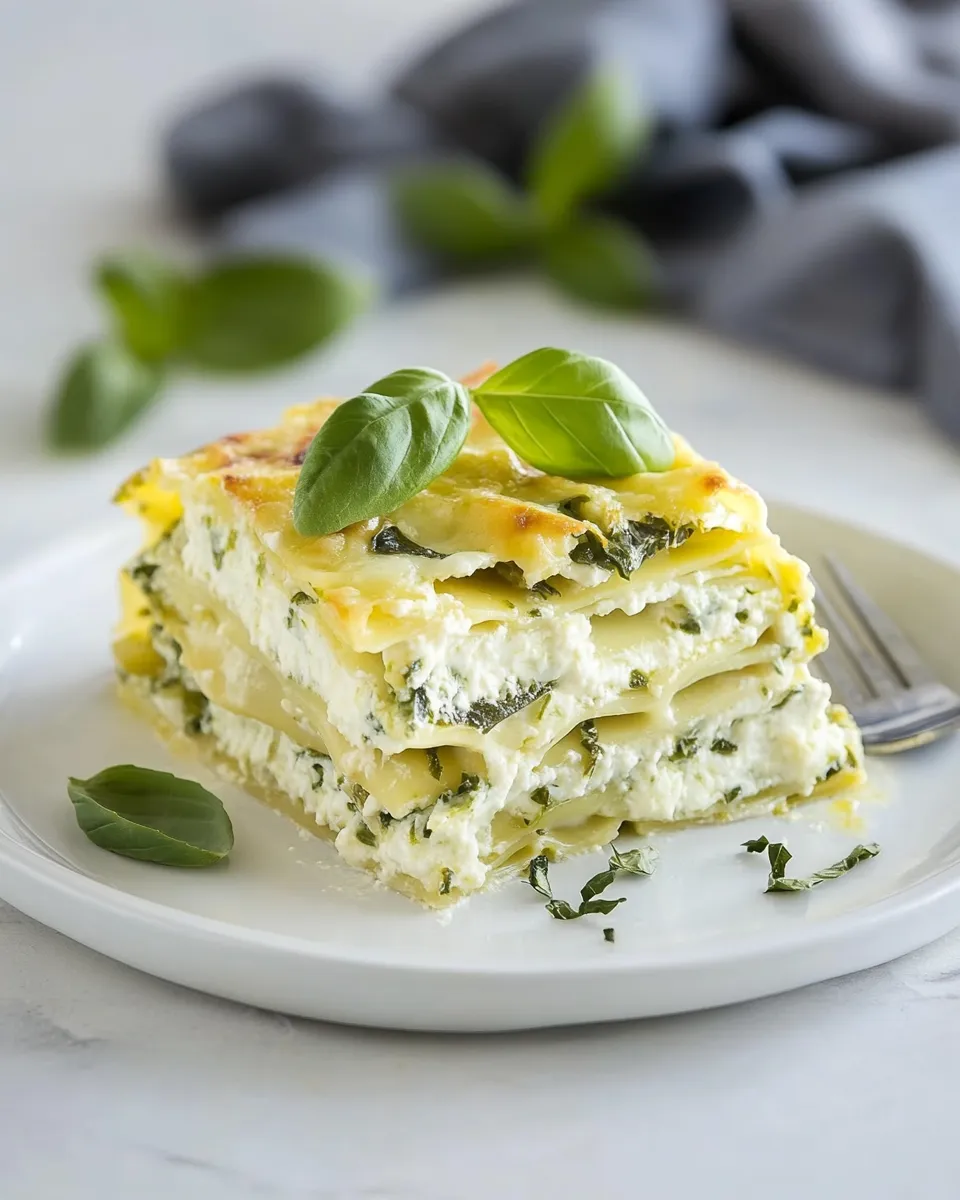
- The no-cook white sauce is fast and forgiving: the ricotta and milk emulsify into a creamy binder that needs no pre-cooking.
- Spinach and shallot give balance—earthy greens and a touch of sweet onion without overpowering the cheese.
- Pesto adds bright herbaceous flavor without extra chopping.
- Thinly sliced steamed potatoes offer a silky, substantial layer that keeps the dish interesting and filling.
- Mozzarella melts beautifully and browns on top for that irresistible cheesy finish.
Ingredients
Use the list below exactly as written when measuring and preparing the dish.
- 500 g fresh ricotta cheese
- 220 ml fresh milk
- 2 tablespoon vegetarian Italian-style hard cheese, or Parmesan for non-veggies, grated
- 1 tablespoon extra-virgin olive oil
- ⅛ teaspoon grated nutmeg
- Sea salt and freshly cracked black pepper, to taste
- 2 tablespoon extra-virgin olive oil
- 300 g fresh or defrosted spinach leaves
- 1 medium shallot or red onion, finely minced
- 8–10 fresh lasagna pasta sheets
- 1 cup pea pesto
- 2 mozzarella balls, very well drained, thinly sliced
- 2 steamed potatoes, peeled and thinly sliced
- Handful of basil leaves
Equipment
- Large skillet
- Mixing bowl
- 9×13-inch (or similar) baking dish
- Sharp knife and cutting board
- Vegetable steamer or pot with a steamer insert (for potatoes)
- Spoons and spatula
Before you begin
Preheat your oven to 190°C (375°F). If your pasta sheets need softening before assembly, have a shallow pan of hot water ready to briefly dunk the sheets so they’re flexible but not falling apart. Drain mozzarella thoroughly so excess moisture doesn’t make the lasagna watery. Steam the potatoes until tender and slice them thinly while still warm so they’ll layer easily.
Step-by-step directions
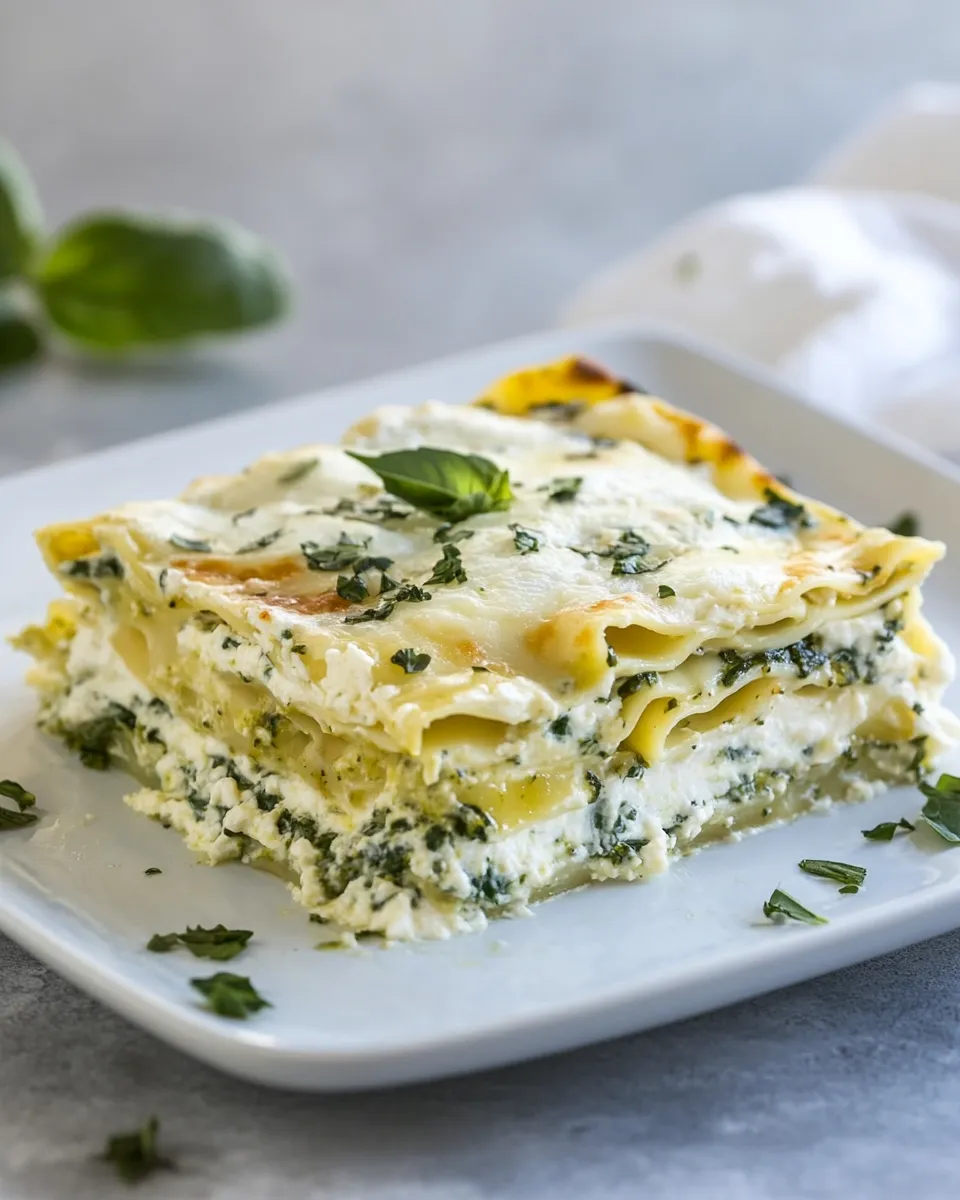
- Make the no-cook white sauce: In a medium bowl, combine 500 g fresh ricotta cheese and 220 ml fresh milk. Add 2 tablespoon vegetarian Italian-style hard cheese (or Parmesan if you prefer), 1 tablespoon extra-virgin olive oil, and ⅛ teaspoon grated nutmeg. Season with sea salt and freshly cracked black pepper to taste. Whisk or stir the mixture until smooth and homogenous. The sauce should be creamy but spreadable—adjust seasoning as needed.
- Sauté the spinach and shallot: Heat 2 tablespoon extra-virgin olive oil in a large skillet over medium heat. Add 1 medium shallot or finely minced red onion and cook, stirring occasionally, until softened and translucent, about 3–4 minutes. Add 300 g fresh or defrosted spinach leaves to the pan. Cook, stirring, just until the spinach is wilted and any excess liquid has mostly evaporated, about 2–3 minutes. Season lightly with salt and pepper. Remove from heat and let the mixture cool slightly.
- Prepare the pasta sheets: If your fresh lasagna pasta sheets require brief softening, dunk them briefly in hot water until flexible. Lay them out on a clean surface so they’re ready to use. Keep the number of sheets between 8 and 10 depending on your pan size and how many layers you desire.
- Assemble the lasagna – Base layer: Spread a thin smear of the ricotta-milk white sauce across the bottom of your baking dish to prevent sticking. Place the first layer of lasagna pasta sheets so they cover the base without overlapping too much. If your sheets don’t fully cover the dish, a light overlap is fine.
- Layer with potato, pesto and spinach: Arrange a portion of the thinly sliced steamed potatoes in an even layer over the pasta. Spoon about one-quarter of the sautéed spinach and shallot mixture across the potatoes. Dollop or spread about 1/4 cup of pea pesto in a thin layer over the spinach (save the rest for another layer). Add a few spoonfuls of the white sauce and spread gently to coat.
- Add mozzarella and basil: Lay thin slices from one of the mozzarella balls over the white sauce. Scatter a few basil leaves across this layer for freshness. Cover with another layer of lasagna pasta sheets and repeat the layering process—potato, spinach, a spoonful of pesto, white sauce, mozzarella slices, and basil—until you reach your final layer or run out of ingredients. Reserve enough white sauce and mozzarella for the top layer.
- Finish the top layer: For the final layer, place pasta sheets to cover the dish. Spread the remaining no-cook white sauce evenly across the top. Arrange the remaining mozzarella slices over the sauce, ensuring an even distribution so the top browns and bubbles uniformly. If you like, add a light drizzle of the remaining extra-virgin olive oil to encourage a golden finish.
- Bake: Place the assembled lasagna in the preheated oven and bake at 190°C (375°F) for 30–40 minutes, until the top is bubbling and begins to turn golden brown. If the top is browning too quickly, tent it loosely with aluminum foil for the remaining cooking time. Baking ensures the layers meld together and the cheese melts through.
- Rest and serve: Remove the lasagna from the oven and allow it to rest for 10–15 minutes before slicing. Resting helps the layers set and makes for cleaner slices. Garnish with extra fresh basil leaves before serving if desired. Serve warm, with a simple green salad or crusty bread.
Troubleshooting and tips
- Ricotta consistency: If your ricotta is very dry, stir in a splash more milk to reach a spreadable consistency. If it’s too runny, allow it to drain briefly in a fine sieve before mixing.
- Spinach moisture: Squeezing excess liquid from defrosted spinach helps prevent a watery lasagna. After sautéing, press the mixture gently in the pan with a spatula to evaporate extra moisture.
- Pasta flexibility: Fresh lasagna sheets should be flexible but not fragile. If you find them brittle, a quick dunk in hot water for 10–20 seconds softens them without cooking through.
- Slicing neat pieces: Letting the lasagna rest after baking is essential for tidy slices. Use a sharp knife and wipe it clean between cuts if cheese builds up on the blade.
- Make-ahead: You can assemble the lasagna up to a day in advance, cover and refrigerate, then bake straight from the fridge—add an extra 5–10 minutes to the baking time.
Variations and substitutions
- If you prefer a nuttier cheese profile, swap the vegetarian Italian-style hard cheese for a quality grated Parmesan where suitable.
- For extra green goodness, add a handful of chopped chard or kale to the sautéed spinach—cook until tender to avoid extra liquid.
- If you like a little heat, stir a pinch of red pepper flakes into the spinach while it sautés.
- To make it lighter, use lower-fat ricotta and part-skim mozzarella, keeping the same measurements.
How to store and reheat
- Refrigerate any leftovers in an airtight container for up to 3 days. To reheat, warm individual portions in a microwave until heated through, or reheat slices in a 180°C (350°F) oven, covered with foil for about 15–20 minutes.
- For longer storage, assemble the lasagna and freeze it before baking. Cover tightly and freeze for up to 2 months. Thaw overnight in the refrigerator before baking, and add an extra 10–20 minutes to the bake time if still cold from the fridge.
Serving suggestions
This Vegetarian Lasagna with No-Cook White Sauce pairs wonderfully with a crisp green salad dressed with lemon and olive oil, a simple tomato salad, or roasted vegetables. A light drizzle of extra-virgin olive oil and a few torn basil leaves on top right before serving brighten the dish and make it look dinner-party-ready.
Final thoughts
This lasagna is proof that a comforting, layered pasta can be both elegant and uncomplicated. The no-cook white sauce keeps the process quick and lets the fresh ricotta and milk take center stage while supporting the bright pesto and tender spinach. Thinly sliced steamed potatoes add a pleasant, almost silky texture that keeps every bite interesting. Follow the straightforward assembly steps and you’ll end up with a beautiful, aromatic dish that’s equally satisfying to make and to eat.
Enjoy the process, and don’t be afraid to make this recipe your own by nudging in a favorite herb or swapping cheeses to suit your pantry. When you serve this up, the warm aroma, the golden cheese, and the contrasting layers will do the rest.
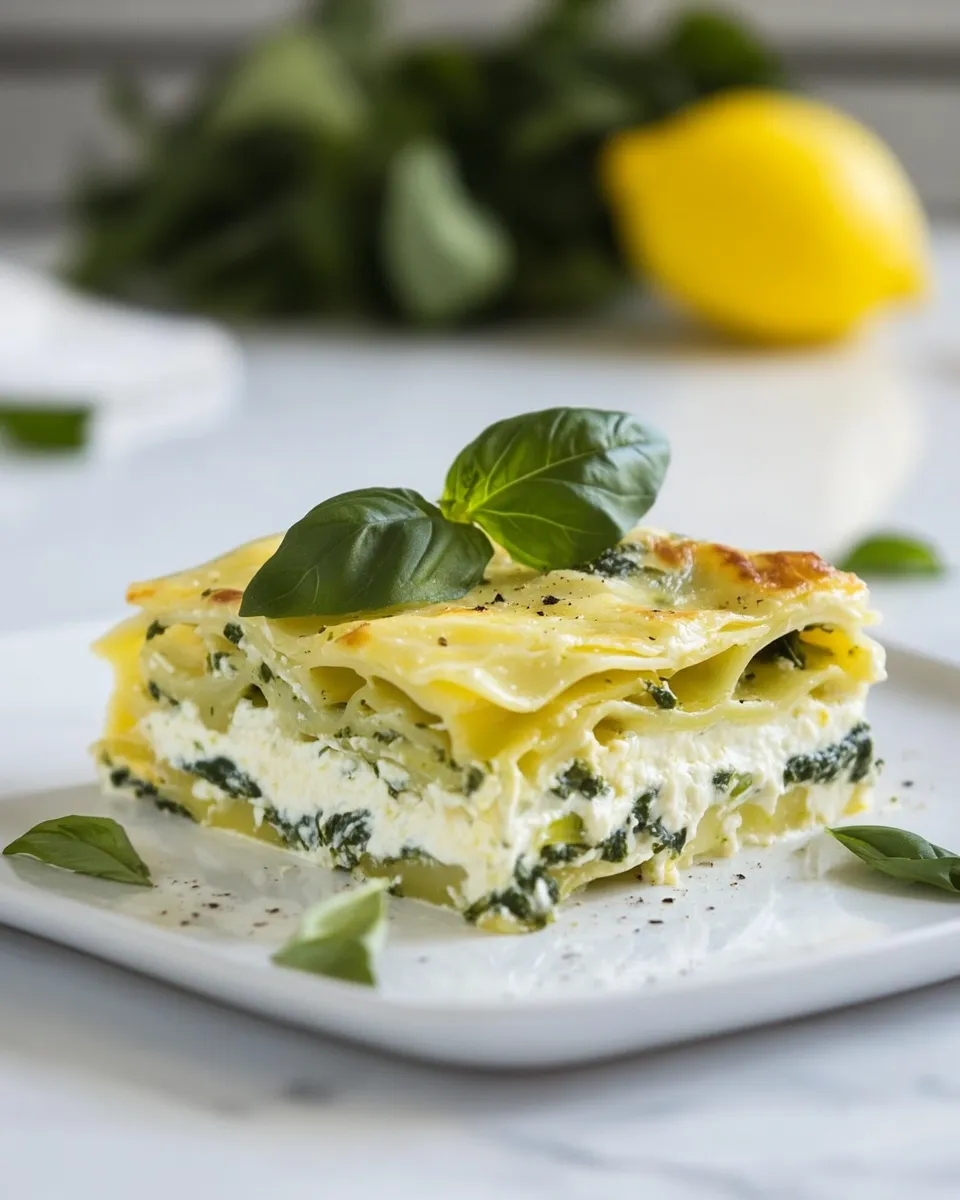
Vegetarian Lasagna with No-Cook White Sauce
Equipment
- Blender
- Large Skillet
- 6x8-inch baking dish
- Knife
- Cutting Board
- Spatula or spoon
- Oven
Ingredients
- 500 g fresh ricotta cheese
- 220 ml fresh milk
- 2 tablespoons vegetarian Italian-style hard cheese or Parmesan, grated
- 1 tablespoon extra-virgin olive oil
- 1/8 teaspoon grated nutmeg
- sea salt to taste
- freshly cracked black pepper to taste
- 2 tablespoons extra-virgin olive oil for sautéing
- 300 g fresh or defrosted spinach leaves
- 1 medium shallot or red onion finely minced
- 8-10 fresh lasagna pasta sheets trimmed to fit a 6x8-inch dish
- 1 cup pea pesto divided
- 2 mozzarella balls very well drained and thinly sliced
- 2 steamed potatoes peeled and thinly sliced
- handful basil leaves
Instructions
- Make the ricotta white sauce by combining ricotta, grated hard cheese, milk and 1 tablespoon olive oil in a blender; blend until smooth and creamy, adding a little more milk if needed. Season with salt, pepper and nutmeg.
- Heat 2 tablespoons olive oil in a large skillet over medium-low heat. Add the minced shallot and the spinach, cover and cook 2 minutes, then remove the lid, stir and cook another 2 minutes until wilted. Remove from heat and set aside.
- Preheat the oven to 180°C (350°F) and place a rack in the middle position.
- Brush the bottom of a 6x8-inch baking dish with a layer of the ricotta white sauce.
- Place a layer of lasagna sheets over the sauce, trimming sheets with a knife so they fit the dish exactly.
- Spread half of the pea pesto evenly over the noodles, then top with half of the sliced potatoes, half the sliced mozzarella and half the basil leaves.
- Add another layer of lasagna sheets, then spread an even layer of ricotta white sauce over them and top with the sautéed spinach.
- Add another layer of lasagna sheets and spread the remaining pea pesto evenly; arrange the remaining sliced potatoes, mozzarella and basil on top.
- Finish with a final layer of lasagna sheets and spread the remaining ricotta white sauce all over the top to form a thick white layer.
- Bake for about 20 minutes, until the pasta is cooked through and the top is gently bubbling.
- For golden spots, place the lasagna under the grill for about 5 minutes more, then remove from the oven and let rest briefly before serving.
Notes
- Ricotta white sauce may be drier than béchamel, so spread it generously.
- Trim fresh lasagna sheets to fit your baking dish for even layers.
- Drain mozzarella well to avoid excess moisture.
- Use fresh or well-thawed spinach for best texture.
- Let the lasagna rest a few minutes before slicing.