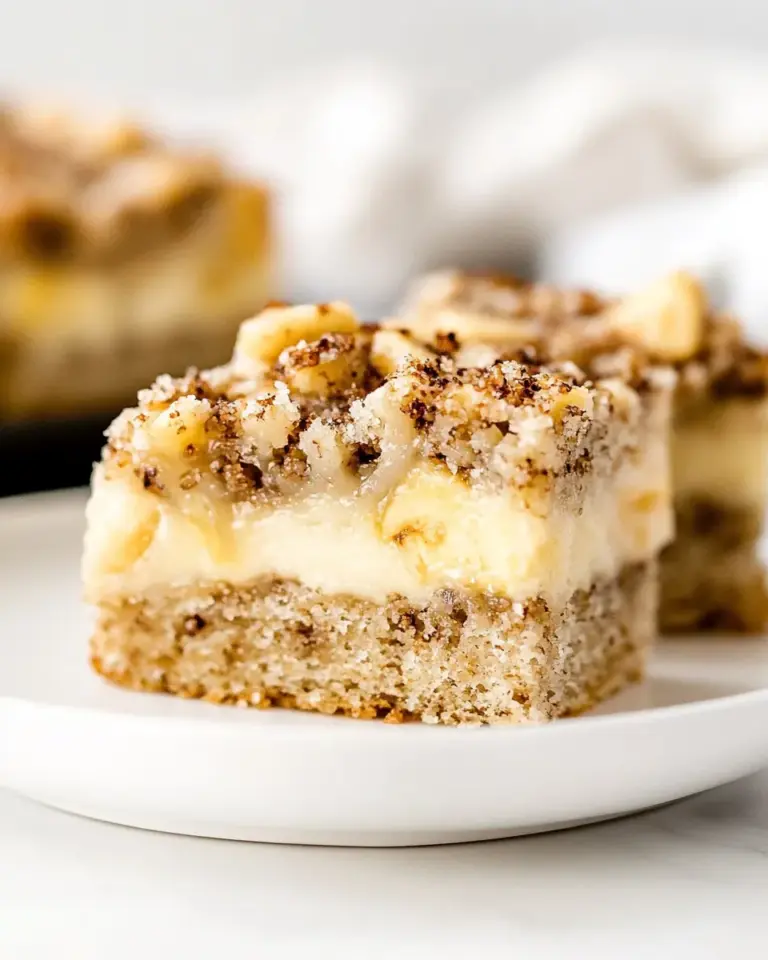
There’s a quiet joy in simple ingredients coming together to make something wholesome, soft, and reliable. This High Protein Cottage Cheese Bread is one of those recipes: minimal fuss, maximum comfort, and surprisingly versatile. It’s dense in protein, naturally moist from full-fat cottage cheese, and bound together with rolled oats and eggs. It’s an excellent base for open-faced sandwiches, a savory breakfast, or a nutrient-rich snack. Whether you’re meal-prepping, feeding a busy family, or looking for a high-protein bread option, this loaf is an easy winner.
Why you’ll love this loaf
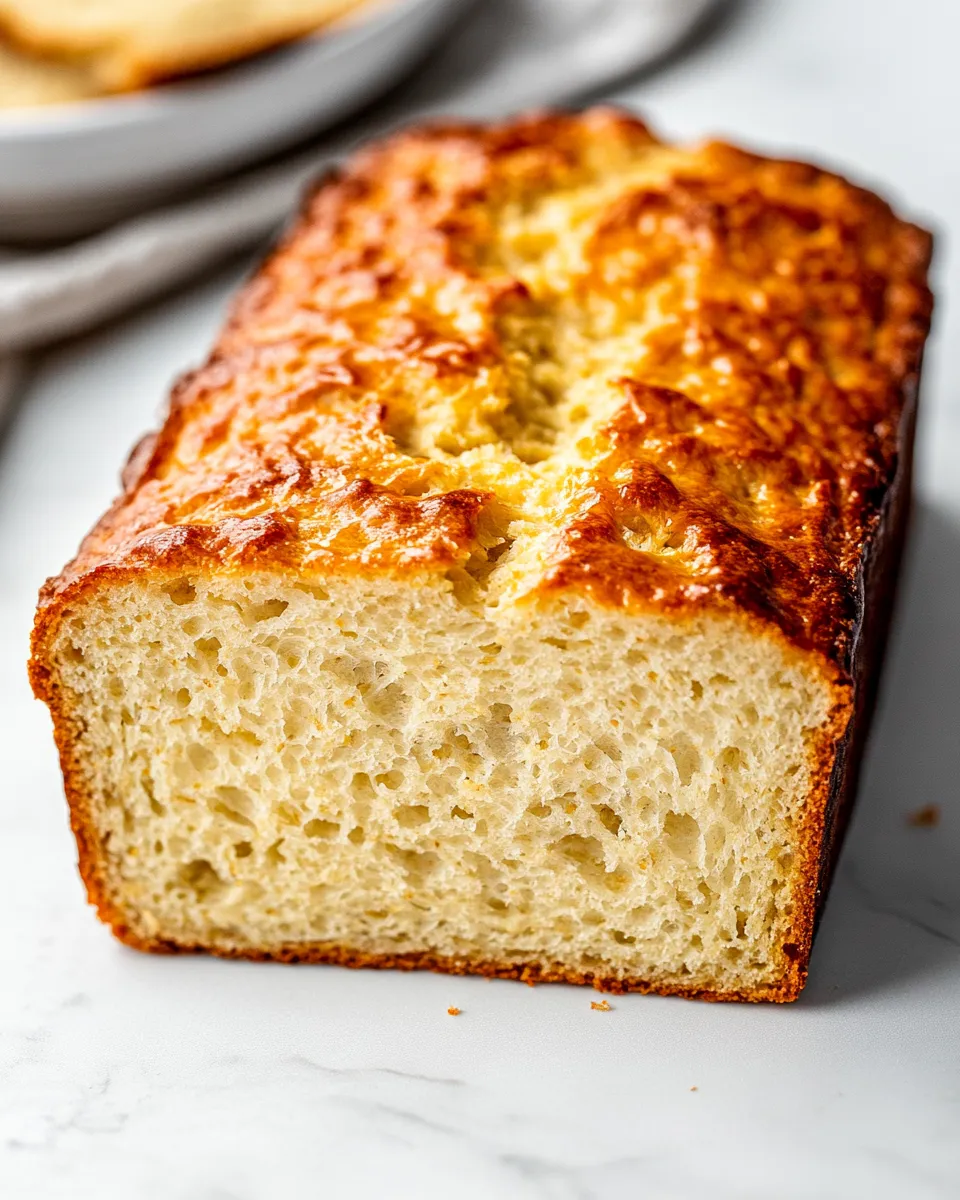
This recipe feels like the kitchen equivalent of a warm, reassuring hug. A few reasons to try it:
- High Protein Cottage Cheese Bread delivers a hearty protein boost from cottage cheese and eggs, making it a filling choice for breakfasts and snacks.
- Rolled oats give it body and a pleasant, slightly chewy crumb without needing any refined flour.
- It’s forgiving and quick — if you have a blender or food processor, you can bring the batter together in minutes.
- The texture is moist and sliceable, so it toasts beautifully and pairs with sweet or savory toppings alike.
Ingredients
Make sure you have the following on hand. The ingredient list is the source of truth for quantities and names.
- 24 ounces full-fat cottage cheese (about 2 ¼ cups)
- 2 ½ cups old fashioned rolled oats
- 5 large eggs
- 2 tablespoons olive oil
- 1 tablespoon baking powder
- 2 teaspoons granulated sugar (or keto sweetener)
- ¾ teaspoon salt
Equipment
- Standard 9×5-inch loaf pan (or similar)
- Blender, food processor, or high-powered upright blender
- Bowl for mixing (optional)
- Spatula or wooden spoon
- Cooling rack
Prep tips
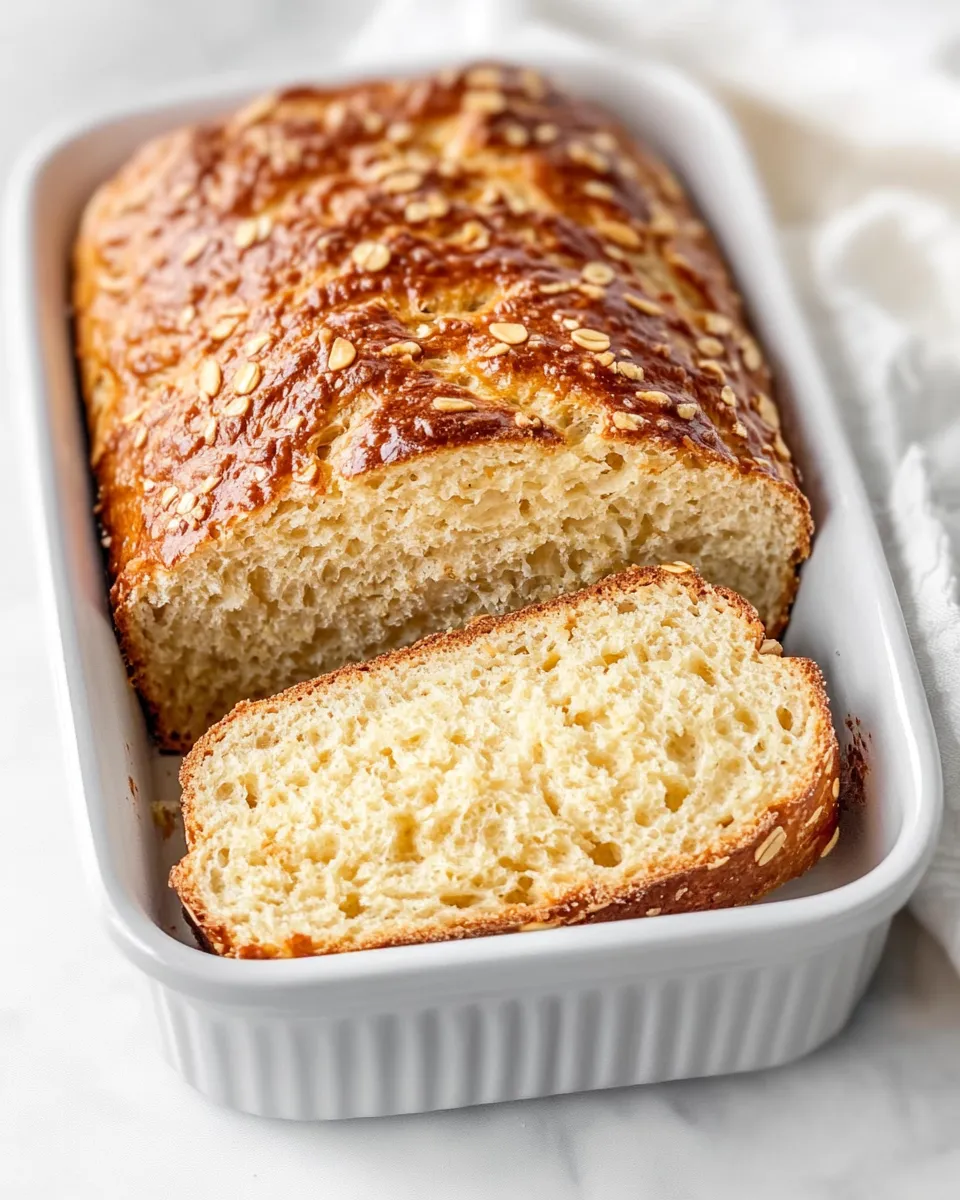
There are a few small steps that make this loaf turn out reliably well:
- Measure the oats by scooping and leveling with a knife, or weigh them if you prefer precision.
- If your cottage cheese is very wet, you don’t need to drain it; its moisture helps create a tender crumb. Full-fat is specified for richness and texture.
- Let the bread cool completely before slicing to avoid a gummy interior; patience pays off.
Flavor variations and add-ins
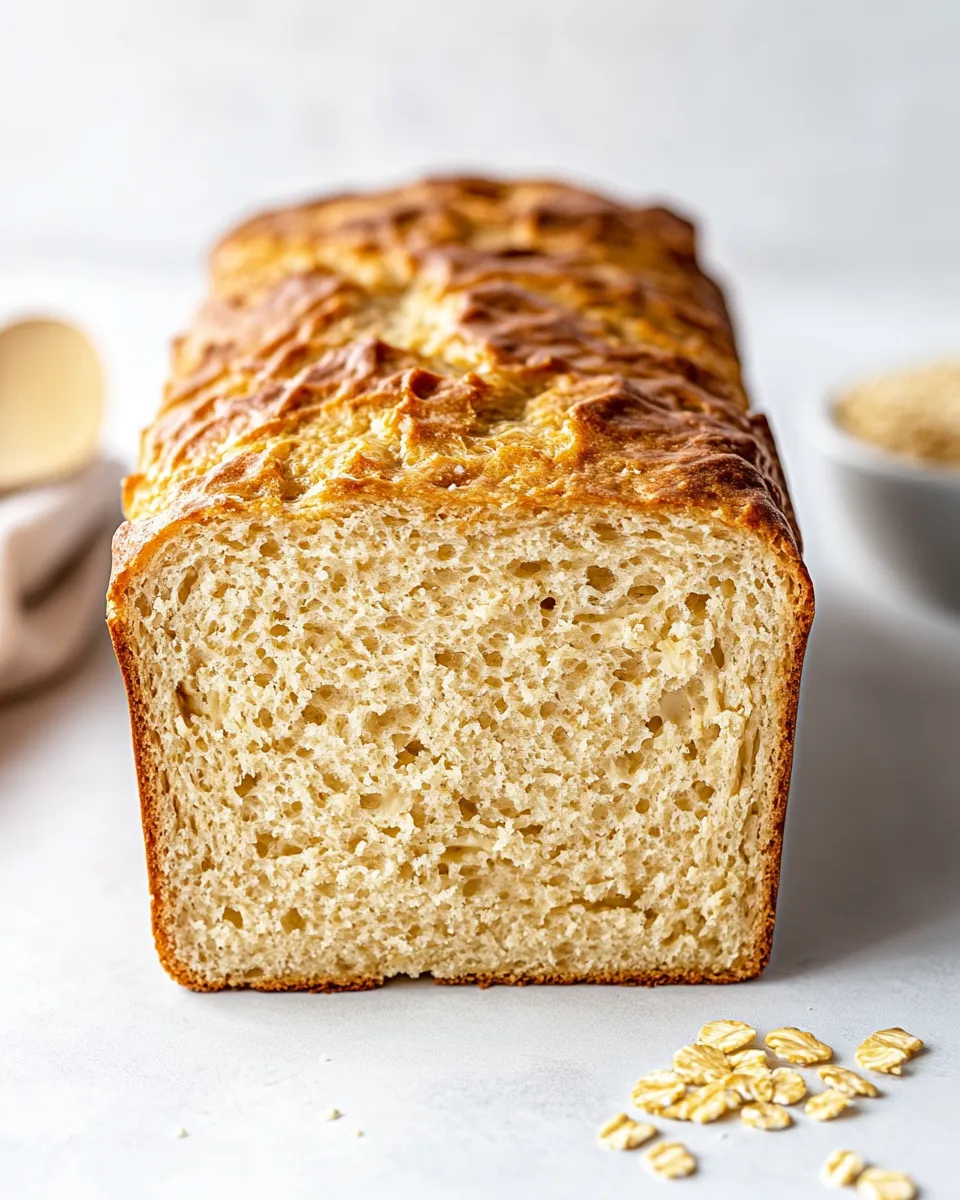
This basic loaf is a versatile canvas. Here are some simple, complementary ideas to tweak the flavor:
- Herbed: Stir in 2 tablespoons of chopped fresh herbs like chives, parsley, or dill, plus a pinch of cracked black pepper for a savory twist.
- Garlic & onion: Add 1/2 teaspoon garlic powder and 1/2 teaspoon onion powder to the batter before baking for a toasty savory note.
- Seeds: Fold in 2 tablespoons of mixed seeds (sunflower, pumpkin, sesame) for extra crunch and nutrients.
- Cheesy: Sprinkle 1/2 cup shredded hard cheese into the batter or over the top for a golden finish.
Serving suggestions
This High Protein Cottage Cheese Bread works with many toppings and uses:
- Toast slices and spread with mashed avocado, cherry tomatoes, and a squeeze of citrus for a bright breakfast.
- Use thick slices as a base for open-faced sandwiches with sliced turkey, lettuce, and mustard.
- Serve warm with a smear of butter and a drizzle of honey for a simple, satisfying treat.
Step-by-step baking instructions
Below are clear, step-by-step directions rewritten for ease of use. The order follows the original method and uses the ingredient names and amounts exactly as listed above.
- Preheat your oven to 350°F (175°C). Lightly grease a 9×5-inch loaf pan with olive oil or line it with parchment paper to prevent sticking and make removal easier.
- Place 2 ½ cups old fashioned rolled oats into a blender or food processor. Pulse until the oats reach a coarse flour-like texture; some small flakes are fine. This creates the oat base for the bread.
- Into the blender or processor with the ground oats, add 24 ounces full-fat cottage cheese (about 2 ¼ cups). Add 5 large eggs, 2 tablespoons olive oil, 1 tablespoon baking powder, 2 teaspoons granulated sugar (or keto sweetener), and ¾ teaspoon salt.
- Blend the mixture on medium-high speed until it forms a smooth, homogenous batter. Stop to scrape down the sides as needed so all ingredients incorporate evenly. The batter will be fairly thick but pourable.
- Pour the batter into the prepared loaf pan and use a spatula to spread it evenly into the corners. Smooth the top so the loaf bakes uniformly.
- Bake in the preheated oven for 45 to 55 minutes. Start checking at about 40 minutes: the bread is done when the top is golden and a toothpick inserted into the center comes out mostly clean with a few moist crumbs but no raw batter.
- Once baked, remove the loaf from the oven and set the pan on a cooling rack. Let it cool in the pan for about 10 to 15 minutes so it firms up slightly and becomes easier to remove.
- After the short cooling period, carefully lift the bread from the pan using the parchment or invert the pan onto the rack if you didn’t line it. Allow the loaf to cool completely on the rack before slicing. Cooling fully prevents a gummy texture and produces clean slices.
- Slice and serve. Store any leftovers wrapped in plastic or in an airtight container in the refrigerator for up to 5 days. For longer storage, slice and freeze portions for up to 2 months; thaw or toast straight from frozen.
Nutrition and portioning
This loaf is built to be filling and protein-forward. Exact nutrition will depend on specific brands and portion sizes, but the combination of cottage cheese, eggs, and oats offers a balanced mix of protein, fats, and complex carbohydrates. Cutting the loaf into 10 to 12 slices provides a satisfying, protein-packed serving appropriate for breakfast or a hearty snack.
Troubleshooting
Quick fixes for common issues:
- If the bread is too dense: Make sure the oats were processed to a fine texture; very large oat flakes can produce a heavier crumb. Also confirm your baking powder is fresh.
- If it’s undercooked in the center: Bake a bit longer and tent the top with foil if the exterior is browning too quickly. Ovens vary, so extra 5–10 minutes may be necessary.
- If slices fall apart: Allow the loaf to cool completely before slicing. This step is essential for structure.
Make-ahead and storage
This bread is a great candidate for meal prep. After cooling completely, wrap slices individually in parchment or plastic and refrigerate for up to 5 days. For longer storage, place slices in a freezer-safe bag and store in the freezer for up to 2 months. Toast or warm slices directly from frozen for quick breakfasts or snacks.
Final notes
There’s comfort in a recipe that doesn’t demand fancy ingredients or complicated techniques. This High Protein Cottage Cheese Bread is straightforward, dependable, and adaptable to many tastes. Whether you keep it plain and simple or fold in herbs and seeds, it’s a nourishing loaf that shows how a handful of pantry staples can yield something genuinely satisfying.
Enjoy this loaf warm with your favorite toppings, or keep it in the fridge for quick, protein-rich slices throughout the week.
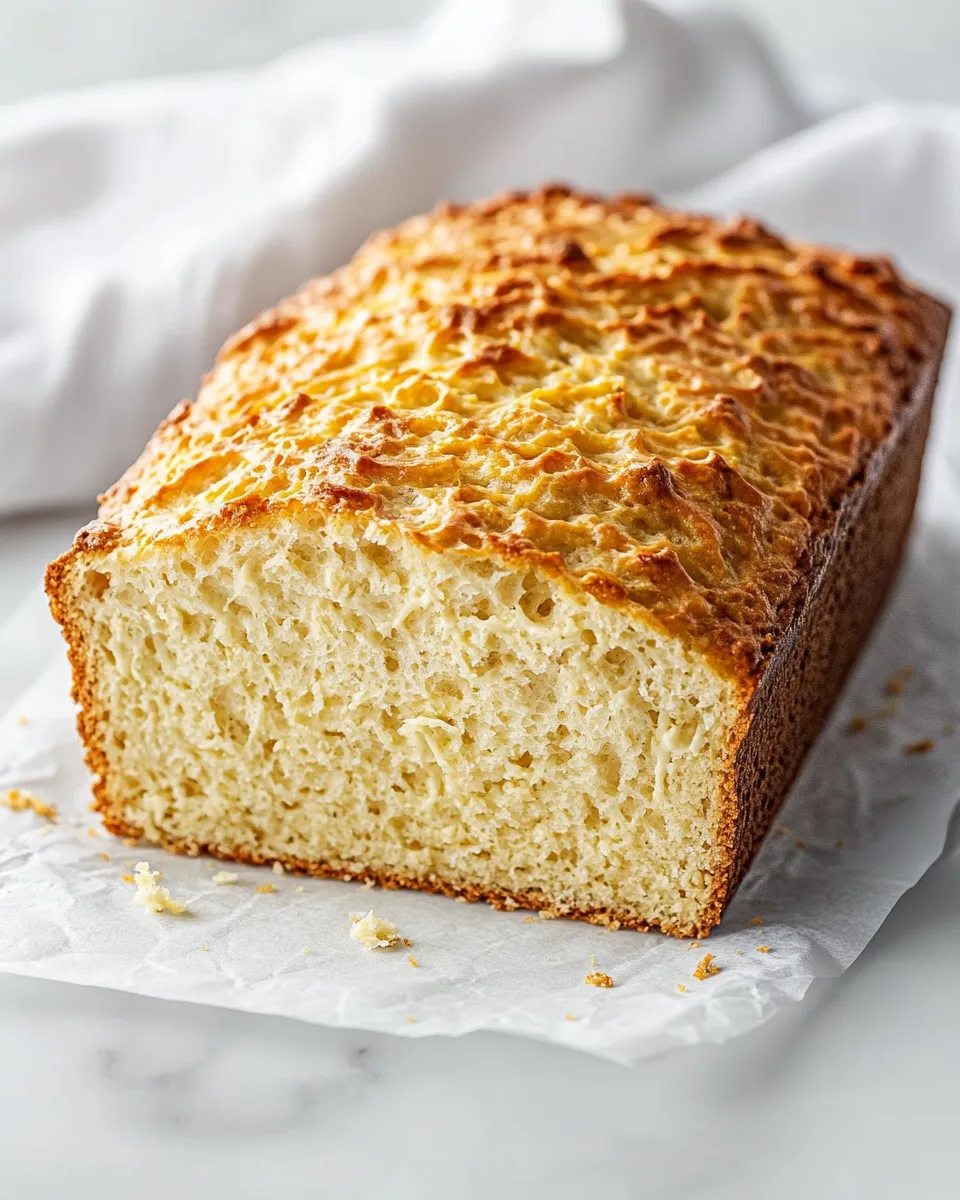
High Protein Cottage Cheese Bread
Equipment
- 9 x 5 inch loaf pan
- Parchment Paper
- Food Processor
- Measuring cups and spoons
- Spatula
- Aluminum foil (optional)
Ingredients
- 24 ounces full-fat cottage cheese about 2 1/4 cups
- 2 1/2 cups old-fashioned rolled oats
- 5 large eggs
- 2 tablespoons olive oil divided
- 1 tablespoon baking powder
- 2 teaspoons granulated sugar or keto sweetener
- 3/4 teaspoon salt
- 1 teaspoon rolled oats optional, for sprinkling on top
Instructions
- Preheat the oven to 350°F (175°C). Line a 9 x 5 inch loaf pan with a piece of parchment paper that fits the bottom and long sides, folding the paper over the sides; use 1 tablespoon of olive oil to grease the short sides so the parchment stays in place.
- In a food processor combine the cottage cheese, rolled oats, eggs, the remaining 1 tablespoon olive oil, baking powder, sugar (or sweetener), and salt.
- Purée until the oats are mostly ground and the batter is smooth and homogenous.
- Pour the batter into the prepared pan and, if desired, sprinkle about 1 teaspoon of oats over the top.
- Bake for 60 to 70 minutes, until a toothpick inserted into the center comes out clean; if the top browns too quickly in the last 10–15 minutes, loosely tent with foil.
- Cool the loaf in the pan for at least 10 minutes, then lift it out using the parchment paper and cool to room temperature before slicing.
Notes
- If your cottage cheese is watery, drain excess liquid before processing.
- Use full-fat cottage cheese for best texture.
- Greasing the short sides of the pan helps hold the parchment in place.
- If the top gets too dark, tent with foil during the last minutes of baking.
- Cool completely before slicing for cleaner slices.