These baked ground turkey meatballs are one of my go-to weeknight wins: simple to assemble, forgiving to cook, and versatile at the table. They get just enough fat and flavor from Parmesan, Greek yogurt, and a touch of olive oil to stay tender without feeling heavy. I love that they crisp and brown in the oven or take on a golden crust in a skillet—either method works beautifully.
No fluff here—just a practical walk-through so you can make consistent, juicy meatballs every time. The grated onion and the combination of fresh herbs keep the turkey from tasting bland, while panko keeps the texture light. Read through the notes and the common mistakes section; those tiny adjustments are what make a good meatball great.
Make a double batch and freeze portions for quick dinners later. They reheat well and pair with everything from a simple salad to pasta, rice bowls, or tucked into a pita. Let’s walk through the ingredients, technique, and sensible variations so you can get it done confidently.
Ingredient Breakdown
Ingredients
- 1/2 small yellow onion, peeled — grated to add moisture and subtle sweetness without large onion pieces.
- 1 egg — binder that helps the meatballs hold together and stay tender.
- 2 tablespoons plain Greek yogurt (light or whole) — adds fat and acidity for moisture; easier on calories than extra oil.
- 1/2 cup panko breadcrumbs — provides structure and lift so meatballs don’t get dense.
- 1/2 cup freshly grated Parmesan cheese — savory umami that seasons the meat throughout.
- 3 cloves garlic, minced (may sub 3/4 tsp garlic powder) — primary aromatic; powder is fine if you’re short on fresh garlic.
- 2 tablespoons chopped fresh basil, or 1 tsp dried — fresh basil brightens flavor; dried is a workable shortcut.
- 2 tablespoons chopped fresh parsley, or 1 tsp dried — adds freshness and a clean herb note.
- 1 tablespoon chopped fresh rosemary, or 1/2 tsp dried, lightly crushed — rosemary gives an earthy, pine-like depth; use sparingly.
- 1/2 teaspoon dried oregano — rounds out the Italian-herb profile.
- 1 teaspoon granulated beef bouillon or 1 crushed cube (optional, see notes) — boosts savory depth; optional but helpful in very lean mixes.
- 1/2 tsp salt — seasons the entire mixture; adjust to taste if using low-sodium bouillon.
- 1/2 tsp pepper — basic seasoning to balance flavors.
- 1 pound ground turkey 93% lean — the main protein; 93% lean has enough fat to stay moist when baked.
- olive oil for brushing or cooking spray — used to encourage browning (brush if baking; oil the pan for frying).
How to Prepare Baked Ground Turkey Meatballs
- Preheat and prep for baking (if baking): line a baking sheet with foil and place a baking rack on top; lightly spray the rack with cooking spray. Preheat the oven to 400°F.
- Prep for pan frying (if pan frying): lay a sheet of parchment paper on the counter beside the stove to hold formed meatballs while you cook.
- Grate the 1/2 small yellow onion on the largest holes of a box grater directly into a large bowl, grating until you have about 1/2 cup of combined grated onion and juices.
- To the bowl with the grated onion, add: 1 egg, 2 tablespoons plain Greek yogurt, 1/2 cup panko breadcrumbs, 1/2 cup freshly grated Parmesan cheese, 3 cloves minced garlic (or 3/4 teaspoon garlic powder), 2 tablespoons chopped fresh basil (or 1 teaspoon dried), 2 tablespoons chopped fresh parsley (or 1 teaspoon dried), 1 tablespoon chopped fresh rosemary (or 1/2 teaspoon dried, lightly crushed), 1/2 teaspoon dried oregano, 1 teaspoon granulated beef bouillon (or 1 crushed cube) if using, and 1/2 teaspoon each salt and pepper. Mix these ingredients thoroughly.
- Add 1 pound ground turkey to the bowl. Mix the turkey into the seasoned mixture gently with your hands just until combined—do not overmix.
- Wet your hands with water or lightly spray them with cooking spray. Using a 1½ tablespoon cookie scoop (or a heaping 1 tablespoon), portion the mixture and gently roll each portion between your palms to form meatballs. Do not compact them tightly. Place formed meatballs on the prepared baking rack (if baking) or on the parchment paper (if pan frying), spacing them so they are not touching.
- If baking: lightly brush each meatball with olive oil or spray with cooking oil.
- Baking method: transfer the baking sheet to the preheated 400°F oven and bake 16–21 minutes, until an instant-read thermometer inserted into the center of a meatball reads 160°F. Remove from oven and let the meatballs rest for 5 minutes (they should reach 165°F during the rest). If you want extra color, you may broil for about 1 minute after baking—watch carefully.
- Pan-frying method: heat enough olive oil in a large nonstick skillet to lightly cover the pan surface. Heat over medium heat (or medium-low if your skillet runs hot).
- Working in batches, place meatballs in a single layer in the hot skillet without touching. Cook, turning as needed, until browned on all sides and cooked through, about 5–7 minutes per batch, until an instant-read thermometer reads 160°F.
- Transfer cooked meatballs to a paper towel–lined plate and tent with foil to keep warm; let rest 5 minutes (they should reach 165°F during the rest). Repeat frying remaining meatballs, adding more oil between batches if needed.
Why It Deserves a Spot
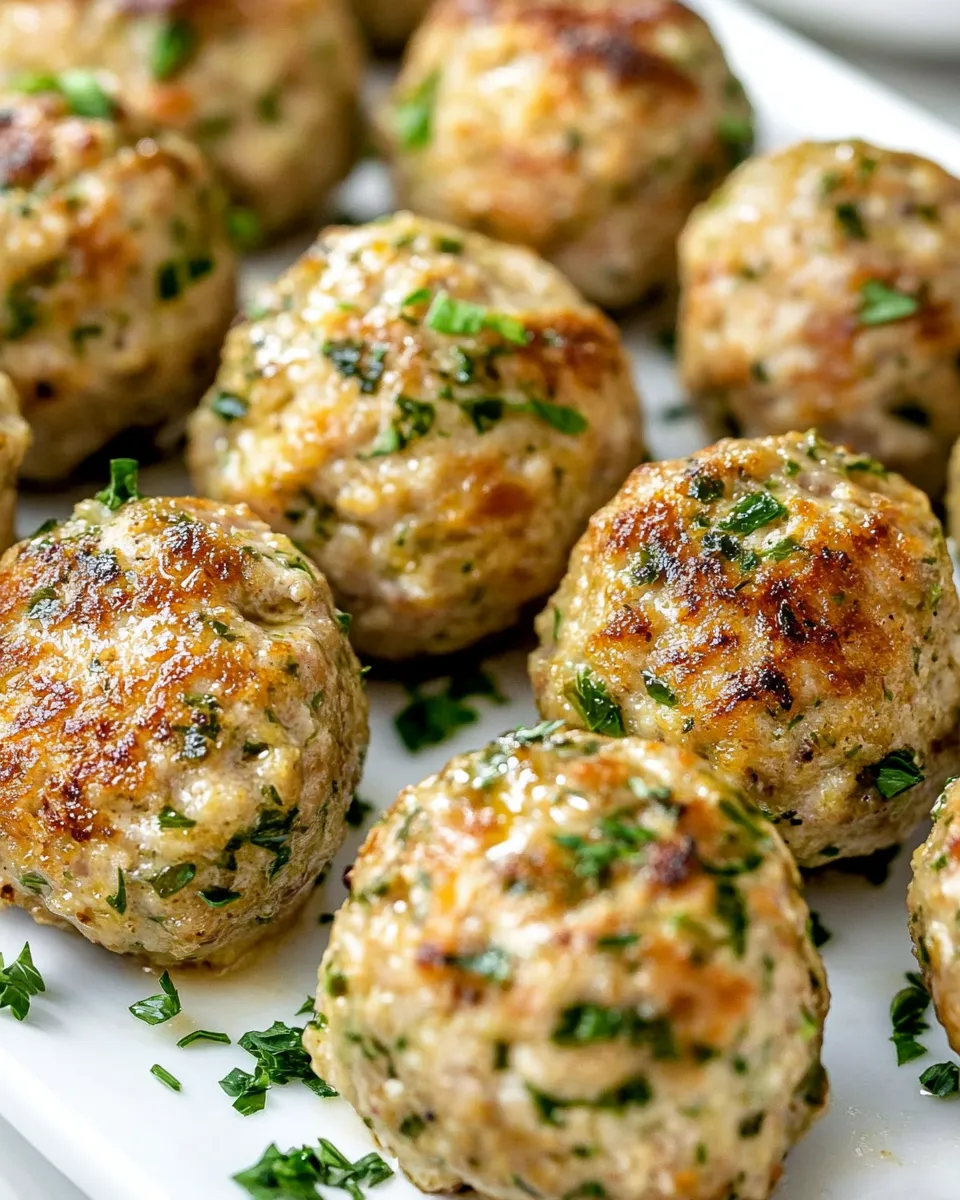
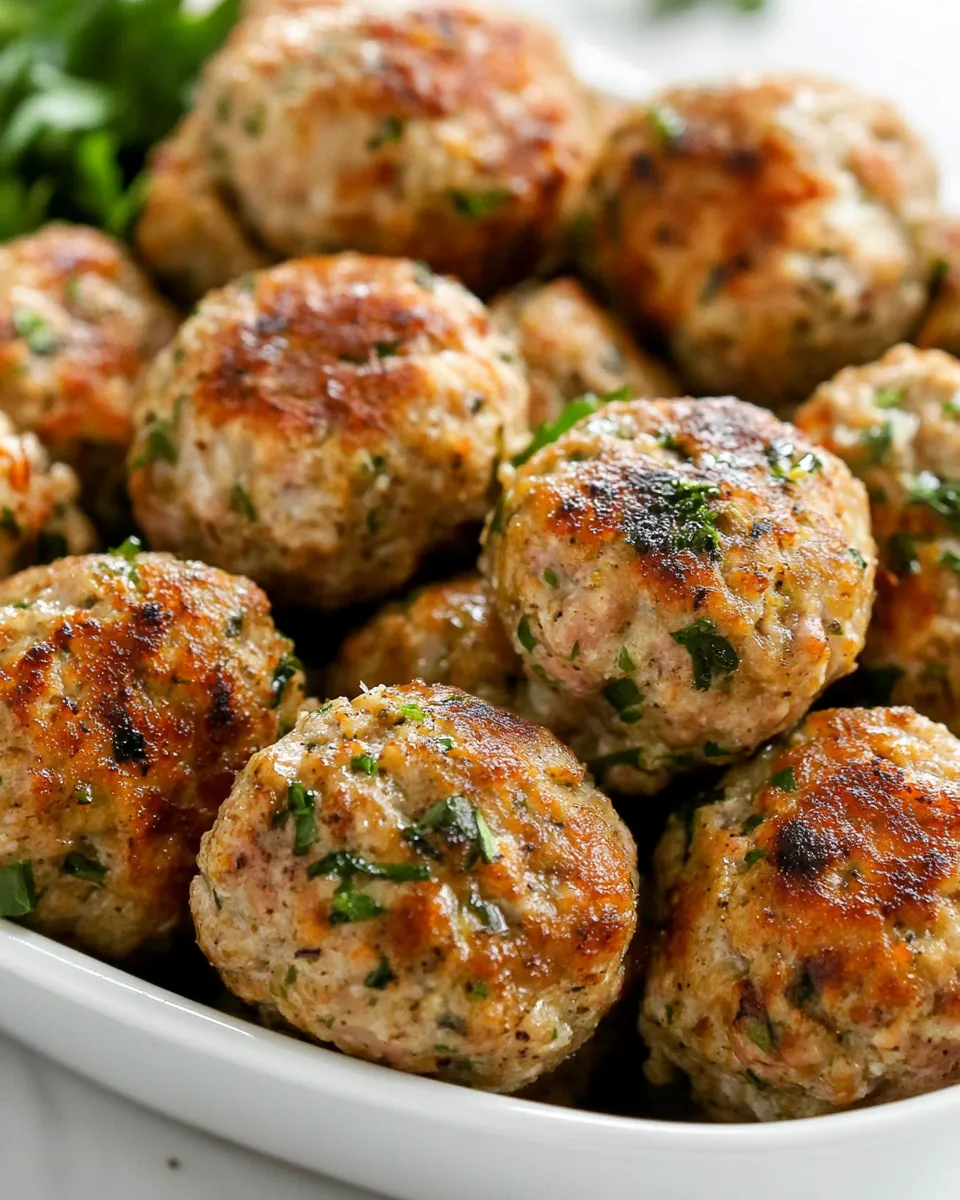
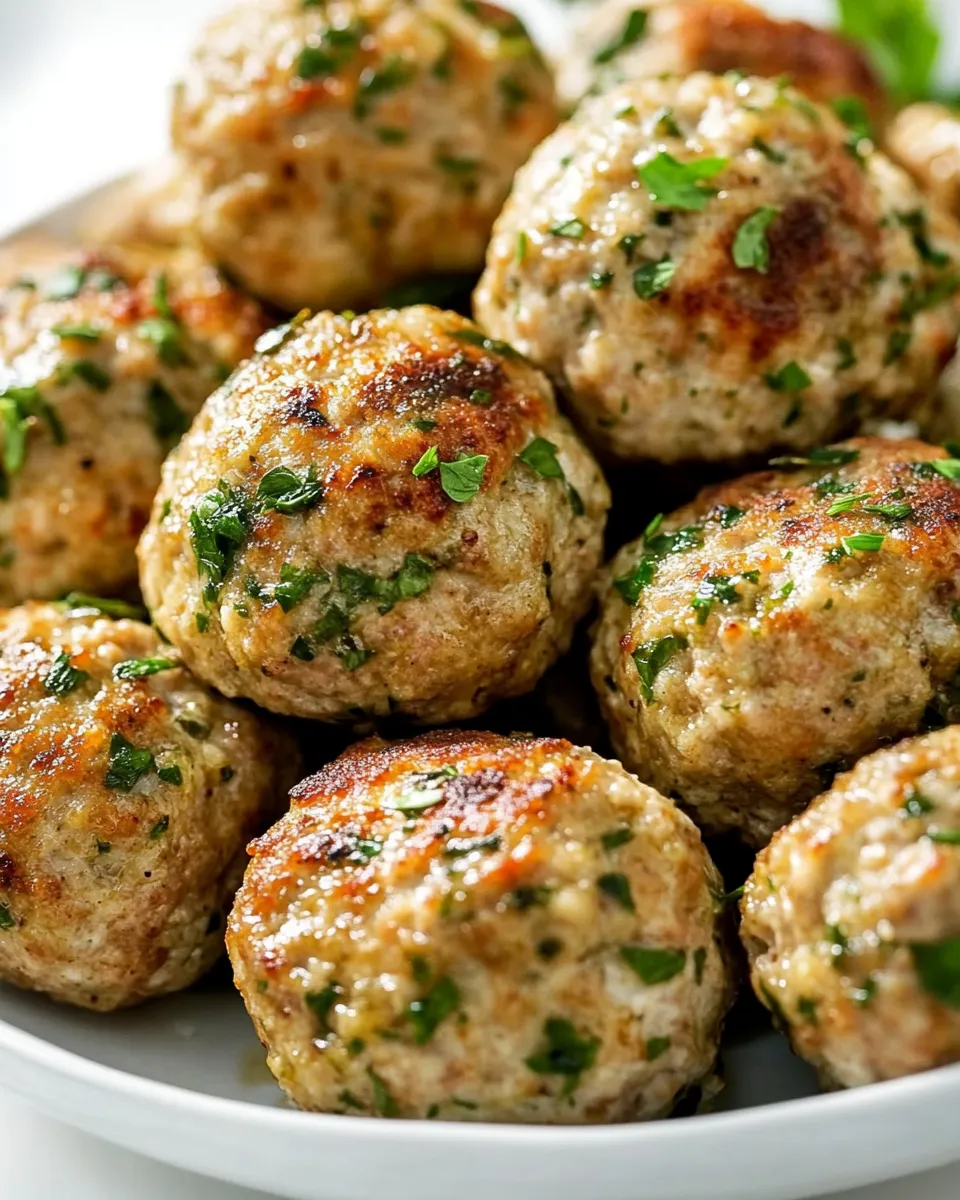
These meatballs are reliable. Ground turkey can be frustratingly dry on its own, but the recipe balances moisture and structure so each bite stays tender. The grated onion melts into the mixture, eliminating harsh onion bites while boosting juiciness. Panko keeps them light and prevents a gummy interior. Fresh herbs—especially basil and parsley—lift the flavor so they don’t taste like plain poultry.
They’re flexible, too. Bake them for an easy hands-off sheet pan dinner, or pan-fry when you want that extra golden, caramelized exterior. Because they freeze and reheat so well, they’re a time-saving protein for busy nights, and they work with many cuisines—from Italian-style tomato sauce to bowls and wraps.
Healthier Substitutions
Keep in mind the recipe already leans towards a lighter profile by using lean turkey and Greek yogurt. If you want to adjust further without changing texture dramatically:
- Garlic powder can replace fresh garlic when you need convenience—recipe allows 3/4 tsp as an alternative.
- Dried herbs may be used in place of fresh basil, parsley, or rosemary as noted in the ingredients—use the amounts listed alongside each fresh herb.
- Omit or reduce bouillon if you’re monitoring sodium; the meatballs will still be flavorful from cheese and herbs.
- Swap panko with whole-wheat panko if you prefer whole grains—same volume substitution works.
Equipment at a Glance
- Box grater (largest holes) — for the onion; it brings moisture without big chunks.
- Large mixing bowl — big enough to toss everything gently by hand.
- 1½ tablespoon cookie scoop or a heaping 1 tablespoon measure — creates even-size meatballs for even cooking.
- Baking sheet + baking rack lined with foil (for baking) — rack allows air circulation for even browning.
- Nonstick skillet (large) — for pan-frying to a golden crust.
- Instant-read thermometer — essential to check 160°F and ensure safe doneness.
- Parchment paper — to rest formed meatballs before frying.
- Paper towels and foil — for draining and tenting cooked meatballs to keep them warm.
Learn from These Mistakes
Overmixing is the top killer of tender meatballs. When you add the ground turkey, fold it in gently just until the meat and seasonings come together. Overworking develops protein and makes them dense.
Don’t compact them tightly when you roll. A light touch keeps interior air pockets that give a soft texture. If you press them hard, they’ll be firm.
Avoid skipping the grated onion step. The juices from the grated onion are key to moisture distribution. Chopping onion into bits can give you pockets of pungent raw onion.
Skip crowding the skillet or the baking rack. Meatballs need space to brown; touching leads to steaming instead of caramelization. Also, rely on an instant-read thermometer rather than color alone—turkey meat can be safely done before significant browning.
Year-Round Variations
Spring/Summer: Serve warm or room-temperature meatballs over a simple salad or with a lemony yogurt dip for lighter fare. Fresh herbs in the mix already nod to brighter plates.
Fall/Winter: Simmer baked or fried meatballs in a warm sauce—tomato, mushroom gravy, or a slow-simmered stew—then serve over pasta, mashed potatoes, or polenta for comforting dinners.
Make-ahead: Form meatballs and freeze uncooked on a baking sheet until solid, then transfer to a freezer bag. When you need them, bake from frozen adding a few extra minutes, or thaw overnight in the fridge and cook as directed.
Testing Timeline
- Prep time (grating, mixing, forming): plan for about 15–20 minutes depending on speed.
- Baking time: 16–21 minutes at 400°F, with a 5-minute rest to reach final temperature.
- Pan-frying time: about 5–7 minutes per batch, turning to brown on all sides; rest 5 minutes after cooking.
- Total active time will depend on batch size and whether you’re baking or frying; using a cookie scoop keeps portioning efficient.
Shelf Life & Storage
Refrigerate cooked meatballs in an airtight container for up to 3–4 days. Reheat gently in a skillet, in sauce over low heat, or in the oven until they reach 165°F before serving. To freeze, place cooked or raw-formed meatballs on a baking sheet until solid, then transfer to a freezer-safe bag; they keep well for up to 3 months. Thaw overnight in the refrigerator before reheating or finishing in sauce.
Frequently Asked Questions
Can I use ground chicken or another ground meat? Yes. Ground chicken will behave similarly but may be slightly leaner—watch for dryness. If using a fattier ground beef or pork, reduce added fats when pan-frying.
Why grate the onion instead of chopping it? Grating releases the onion’s juices and distributes moisture evenly so the meatballs stay tender. Chopped onion can create uneven bites and raw pockets of onion.
Are these safe to eat when the thermometer reads 160°F? Yes. Insert an instant-read thermometer into the center; remove at 160°F. Let them rest 5 minutes—carryover heat should bring them to about 165°F, which is safe for poultry.
Can I skip the Parmesan or yogurt? You can, but expect a change in texture and flavor. Parmesan adds savory depth; yogurt contributes moisture. If you omit one, consider replacing it with a small substitute from your pantry and be mindful of texture.
See You at the Table
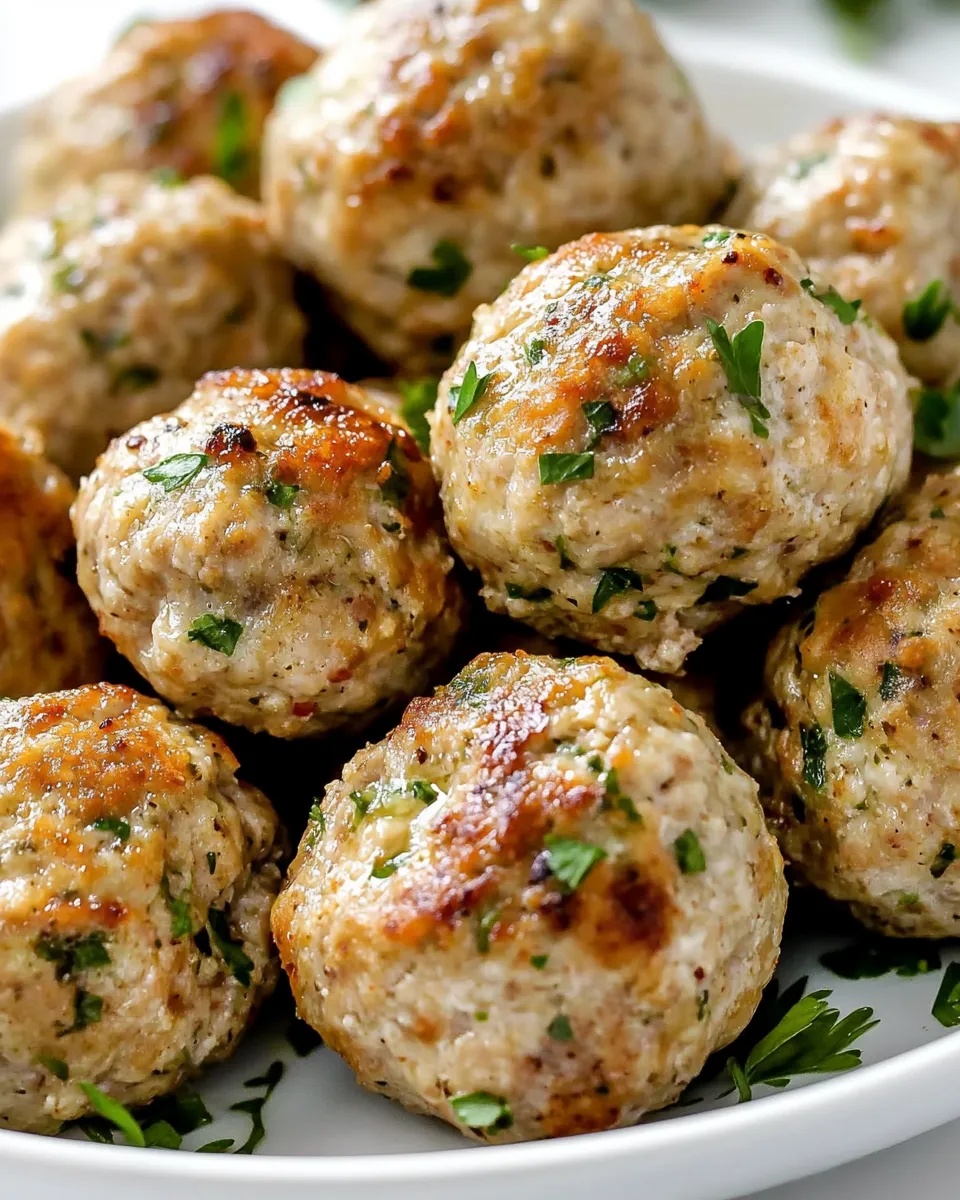
These Baked Ground Turkey Meatballs are simple to execute, built around reliable little swaps and techniques that keep turkey juicy and flavorful. The combination of grated onion, Greek yogurt, Parmesan, and panko is what lifts them above ordinary. Make them for a busy weeknight, double the batch for freezer dinners, and don’t skimp on the thermometer—it’s the best shortcut to consistently good meatballs.
Let me know how you like to serve them—over sauce, in a bowl, or tucked into a sandwich—and I’ll share more quick ideas for turning leftovers into new meals. See you at the table.
Baked Ground Turkey Meatballs
Equipment
- Baking Sheet
- Foil
- baking rack
- Cooking spray
- Oven
- Parchment Paper
- Box grater
- Large Bowl
- cookie scoop (1 1/2 tablespoon) or tablespoon
- nonstick skillet
- Instant Read Thermometer
- Paper Towels
Ingredients
Ingredients
- 1/2 small yellow onion peeled
- 1 egg
- 2 tablespoonsplain Greek yogurt light or whole
- 1/2 cuppanko breadcrumbs
- 1/2 cupfreshly grated Parmesan cheese
- 3 clovesgarlic minced (may sub 3/4 tsp garlic powder)
- 2 tablespoonschopped fresh basil or 1 tsp dried
- 2 tablespoonchopped fresh parsley or 1 tsp dried
- 1 tablespoonchopped fresh rosemary or 1/2 tsp dried, lightly crushed
- 1/2 teaspoondried oregano
- 1 teaspoongranulated beef bouillon or 1 crushed cube optional, see notes*
- 1/2 tsp EACHsalt pepper
- 1 poundground turkey 93% lean
- olive oil for brushing or cooking spray
Instructions
Instructions
- Preheat and prep for baking (if baking): line a baking sheet with foil and place a baking rack on top; lightly spray the rack with cooking spray. Preheat the oven to 400°F.
- Prep for pan frying (if pan frying): lay a sheet of parchment paper on the counter beside the stove to hold formed meatballs while you cook.
- Grate the 1/2 small yellow onion on the largest holes of a box grater directly into a large bowl, grating until you have about 1/2 cup of combined grated onion and juices.
- To the bowl with the grated onion, add: 1 egg, 2 tablespoons plain Greek yogurt, 1/2 cup panko breadcrumbs, 1/2 cup freshly grated Parmesan cheese, 3 cloves minced garlic (or 3/4 teaspoon garlic powder), 2 tablespoons chopped fresh basil (or 1 teaspoon dried), 2 tablespoons chopped fresh parsley (or 1 teaspoon dried), 1 tablespoon chopped fresh rosemary (or 1/2 teaspoon dried, lightly crushed), 1/2 teaspoon dried oregano, 1 teaspoon granulated beef bouillon (or 1 crushed cube) if using, and 1/2 teaspoon each salt and pepper. Mix these ingredients thoroughly.
- Add 1 pound ground turkey to the bowl. Mix the turkey into the seasoned mixture gently with your hands just until combined—do not overmix.
- Wet your hands with water or lightly spray them with cooking spray. Using a 1½ tablespoon cookie scoop (or a heaping 1 tablespoon), portion the mixture and gently roll each portion between your palms to form meatballs. Do not compact them tightly. Place formed meatballs on the prepared baking rack (if baking) or on the parchment paper (if pan frying), spacing them so they are not touching.
- If baking: lightly brush each meatball with olive oil or spray with cooking oil.
- Baking method: transfer the baking sheet to the preheated 400°F oven and bake 16–21 minutes, until an instant-read thermometer inserted into the center of a meatball reads 160°F. Remove from oven and let the meatballs rest for 5 minutes (they should reach 165°F during the rest). If you want extra color, you may broil for about 1 minute after baking—watch carefully.
- Pan-frying method: heat enough olive oil in a large nonstick skillet to lightly cover the pan surface. Heat over medium heat (or medium-low if your skillet runs hot).
- Working in batches, place meatballs in a single layer in the hot skillet without touching. Cook, turning as needed, until browned on all sides and cooked through, about 5–7 minutes per batch, until an instant-read thermometer reads 160°F.
- Transfer cooked meatballs to a paper towel–lined plate and tent with foil to keep warm; let rest 5 minutes (they should reach 165°F during the rest). Repeat frying remaining meatballs, adding more oil between batches if needed.
Notes
Beef bouillon:My secret ingredient that will change your turkey world! It infuses the turkey meatballs with rich, beefy goodness. If using cubes, finely crush and then add to mixture, don’t dissolve in water first. If you don’t eat meat, then eliminate the bouillon and increase the salt to ¾ teaspoon.
Gluten free:Use your favorite gluten free panko, crackers or toasted gluten free bread in place of the panko.
Don’t skip grating the onion:I have tried this recipe with grated onion, dried minced onions and onion powder and the recipe with grated onion was by far the juiciest. If you do skip grating, then increase the yogurt but 1 tablespoon or so.
Use cold ingredients:Start with cold eggs, yogurt and add cold turkey straight from the fridge to make the mixture easier to work with.
Nonstick trick:For even colder/easier to work with meatballs, I like to either refrigerate the meatball mixture and remove portions at a time to roll or scoop the meatballs onto a parchment paper lined baking sheet, flash freeze for 3-5 minutes to let them firm up, then gently roll them, taking a few out of the freezer at a time. If the meatballs are still too wet, add panko 1 tablespoon at a time, taking care not to overmix.
Don’t overcook:Overcooked meatballs are dry meatballs. I recommend using aninstant read thermometerfor the juiciest meatballs.
Prep ahead:Roll the meatballs up to 24 hours ahead of time, cover with plastic wrap, refrigerate, then bake when ready. Let the meatballs sit on the counter for 30 minutes to help come to room temperature before cooking.
Recipe variations:See post for tasty recipe variations and ingredient substitutions.
Ways to serve:See post for TONS of ways to gobble up these turkey meatballs!
To storage:Let meatballs cool to room temperature. Transfer to an airtight container and store in the refrigerator for up to 5 days.
To freeze:Let the meatballs cool then then transfer to a freezer safe bag, squeeze out excess air and seal or transfer to an airtight container. Freeze for up to 3 months. Let the meatballs thaw in the refrigerator overnight before reheating.
To reheat in the microwave:Transfer meatballs to a microwave safe plate and microwave for 60 seconds then at 15 second intervals until warmed through. I like to cut my meatballs in half so they reheat more evenly.
To reheat on the stove:Heat a drizzle of oil or melt some butter in a large nonstick skillet over medium-low heat. Add the meatballs and reheat, stirring often until warmed through.