This Baked Salmon Recipe is the kind of weeknight winner that looks and tastes like you spent hours in the kitchen, but actually comes together in minutes. It’s bright, simple, and forgiving—perfect for busy evenings or when you want a dish that feels a little special without fussy steps. The salmon stays moist, the surface caramelizes just right thanks to a touch of brown sugar, and a sprinkle of Stone House Seasoning adds a savory lift. Finish with fresh parsley and lemon wedges for a restaurant-style plate in your own home.
Why this Baked Salmon Recipe works
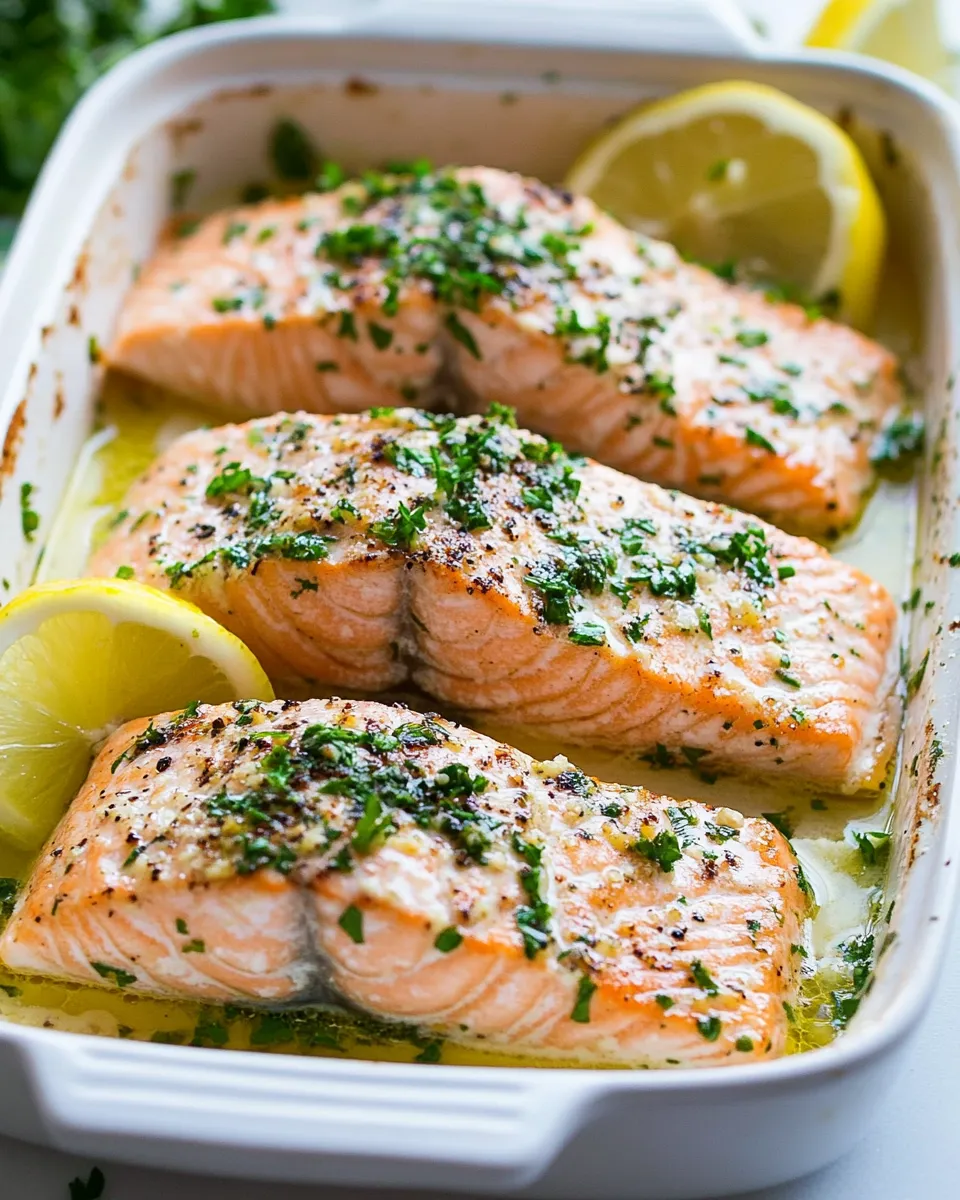
There are a few reasons this recipe reliably delivers. A whole salmon filet keeps juices locked in during baking, preventing the dry, overcooked texture you sometimes get with individual portions. The 1/2 teaspoon of brown sugar encourages a gentle caramelization on the surface while not overpowering the fish. Stone House Seasoning brings a balanced savory note—think herbs, garlic, and a little salt—which pairs beautifully with lemon and parsley. The result is an everyday fish dish that feels elevated yet remains effortless.
Ingredients
- 1 salmon filet, about 2 pounds, left whole
- 1/2 teaspoon brown sugar
- 1/2 teaspoon Stone House Seasoning
- fresh parsley, chopped
- 1 lemon, cut into wedges
Equipment you’ll need
- Baking sheet or shallow roasting pan
- Parchment paper or aluminum foil (optional, for easy cleanup)
- Small bowl for mixing
- Brush or spoon for applying seasonings
- Instant-read thermometer (optional, but helpful)
Prep tips
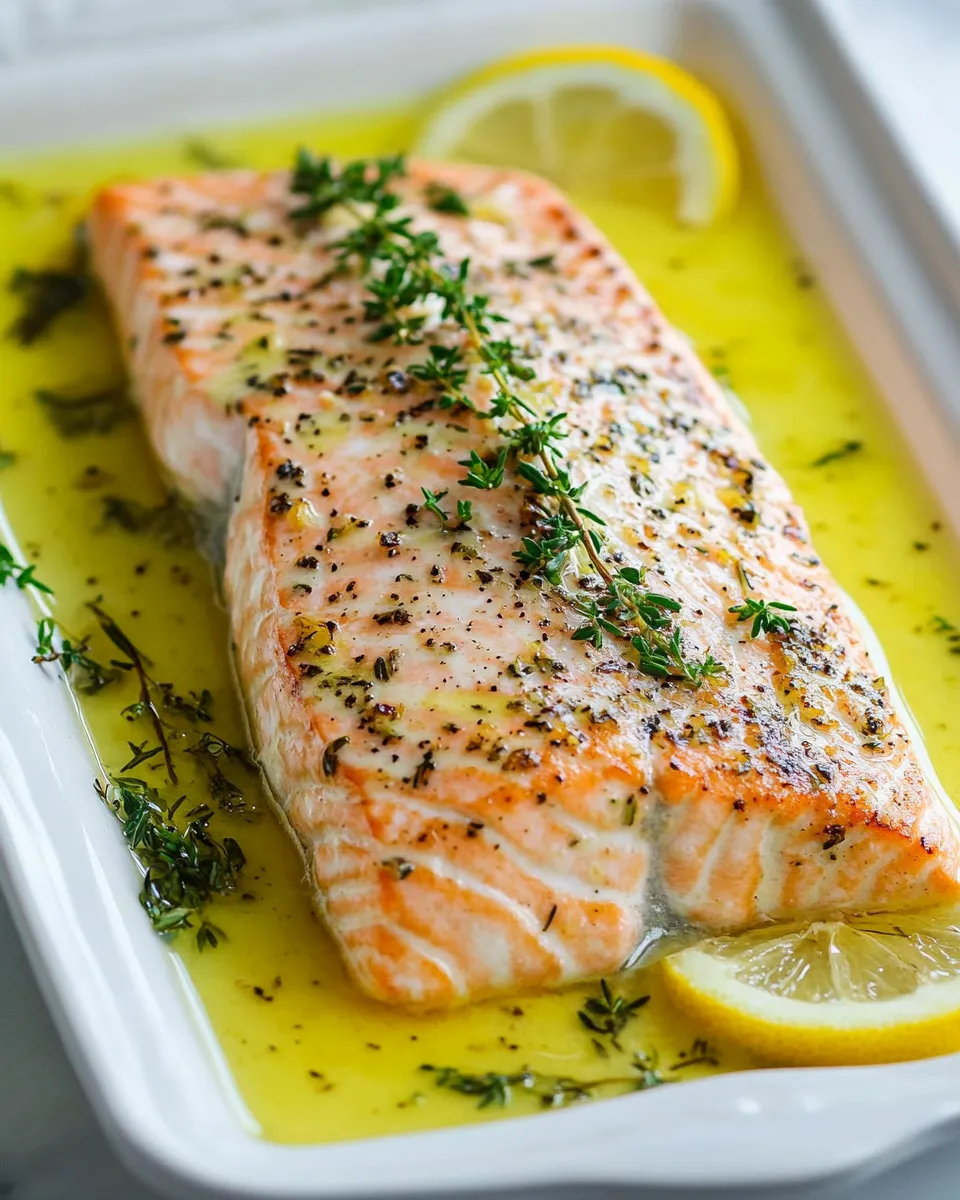
Bring the salmon to nearly room temperature before baking—remove it from the refrigerator 15–20 minutes ahead of time. This helps the filet cook evenly. Pat the skin and flesh dry with paper towels so the seasoning adheres and the exterior gets a slight crust. If you prefer to work with skin-on fish, leave the skin intact; it helps hold the filet together and protects the flesh from overcooking. If the filet has pin bones, run your fingers along the surface and remove them with tweezers.
Flavor variations
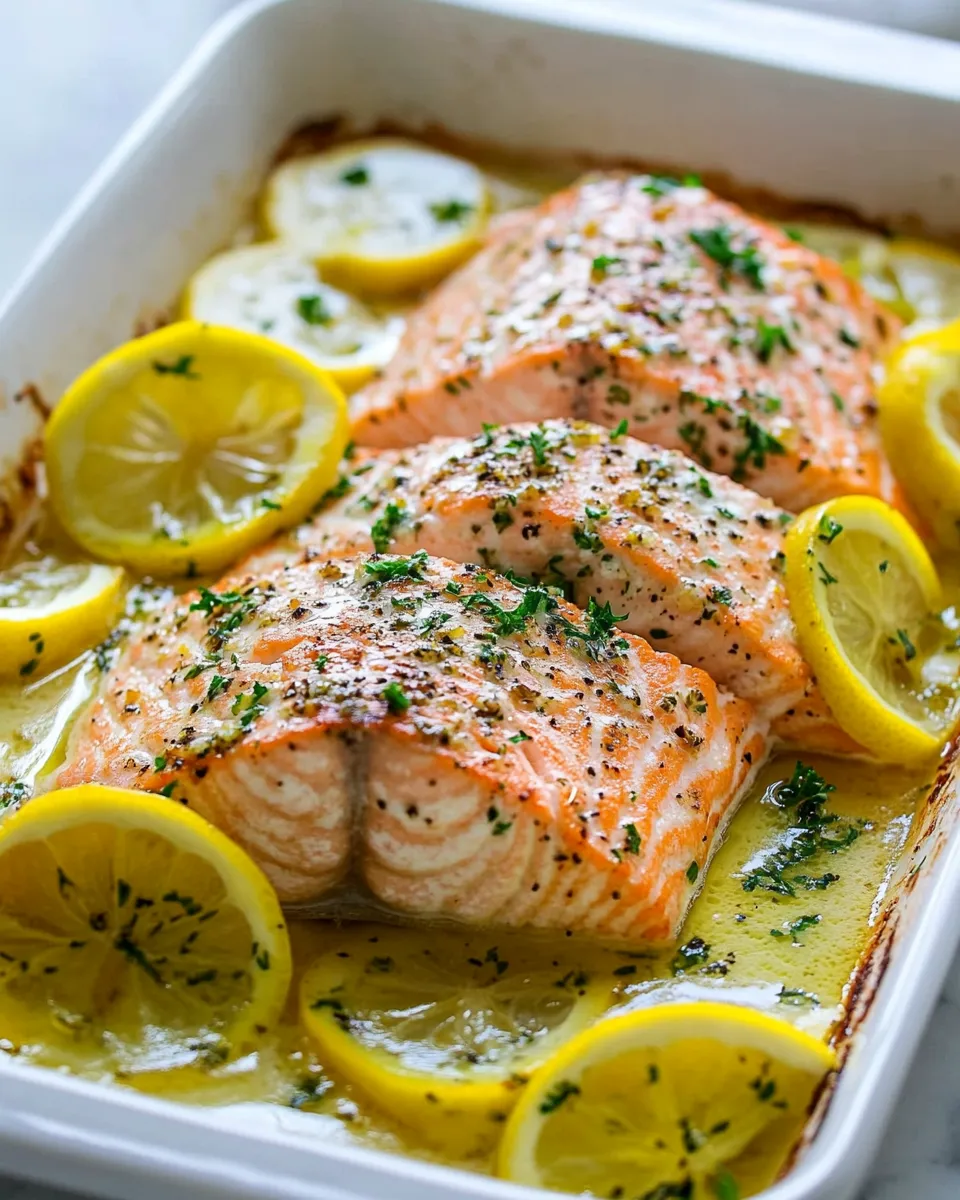
If you want to play with flavors, try any of these simple swaps:
- Swap the Stone House Seasoning for a homemade blend of garlic powder, smoked paprika, and a pinch of dried thyme.
- Add a light brush of olive oil or melted butter before the dry seasoning for a richer crust.
- Scatter thin lemon slices over the top before baking for an extra citrus note that steams into the fish.
Step-by-step directions
Follow these rewritten steps to make the Baked Salmon Recipe with clear, easy-to-follow instructions. The directions below keep the sequence the same as the source but are clarified for home cooks.
- Preheat the oven. Set your oven to 400°F (200°C). Arrange a rack in the center so the salmon cooks evenly.
- Prepare the baking surface. Line a baking sheet or shallow roasting pan with parchment paper or aluminum foil for easy cleanup. Lightly oil the paper or foil if you like to prevent sticking.
- Dry the salmon filet. Pat the entire salmon filet gently with paper towels to remove excess moisture. Dry fish will take on seasoning better and brown more attractively.
- Place the salmon on the prepared sheet. Lay the whole 2-pound salmon filet, skin-side down if it has skin, on the lined baking sheet. Position it so there’s room around the filet for heat to circulate.
- Mix and apply the seasoning. In a small bowl, combine the 1/2 teaspoon brown sugar and 1/2 teaspoon Stone House Seasoning. Sprinkle this mixture evenly across the top surface of the salmon. Use a spoon or your fingers to press the seasoning lightly into the flesh so it adheres.
- Bake the salmon. Slide the baking sheet into the preheated oven. Bake the filet at 400°F (200°C) until the thickest part of the salmon reaches your desired doneness. For a moist, slightly translucent center, aim for an internal temperature of 125–130°F (52–54°C). This typically takes about 12–18 minutes, depending on thickness. If you prefer the salmon more well done, cook to 145°F (63°C). Check the thickest section with an instant-read thermometer for accuracy.
- Rest the fish. Remove the salmon from the oven and let it rest on the baking sheet for 3–5 minutes. Resting allows the juices to redistribute and the residual heat to finish cooking the fish gently.
- Garnish and serve. Sprinkle chopped fresh parsley over the baked salmon. Serve with lemon wedges on the side so each person can squeeze fresh lemon juice over their portion right before eating.
How to tell when the salmon is done
There are three reliable ways to judge doneness for this Baked Salmon Recipe:
- Use an instant-read thermometer inserted into the thickest part of the filet. 125–130°F (52–54°C) gives slightly rare, moist salmon; 145°F (63°C) is fully cooked and flakes easily.
- Check the color and texture. Properly cooked salmon changes from translucent to opaque and flakes easily when prodded with a fork.
- Look at the center. If it still looks a bit translucent and shiny, it needs a few more minutes. If it’s uniformly opaque, it’s ready.
Serving suggestions
This Baked Salmon Recipe pairs beautifully with simple, bright sides. Consider:
- Steamed or roasted vegetables (asparagus, broccoli, or green beans)
- Light grain salads like quinoa with cucumber and herbs
- Buttery mashed potatoes or a lemony orzo
- A crisp green salad with a tangy vinaigrette
Finish each plate with an extra squeeze of lemon and a little more chopped parsley for color and freshness.
Storage and reheating
Leftover baked salmon stores well for a quick lunch or dinner. Keep the cooked filet in an airtight container in the refrigerator for up to 3 days. Reheat gently in a low oven (275°F / 135°C) for 10–12 minutes, or warm slices in a skillet over low heat just until heated through. You can also flake cold salmon into salads or mix with yogurt and herbs for a quick spread.
Notes and troubleshooting
- If your salmon cooks too quickly on the edges but stays underdone in the center, your oven rack may be too low. Move the rack to the middle position and check the internal temperature earlier.
- If the seasoning seems sparse, you can increase the quantity slightly next time, but keep the proportions balanced—this Baked Salmon Recipe is meant to be subtly seasoned so the fish’s flavor shines.
- For a crisper top, broil the salmon for the final 1–2 minutes, watching closely to prevent burning.
Final thoughts
This Baked Salmon Recipe proves that a handful of pantry ingredients and a modest amount of time can yield something impressive. Whether you’re feeding family, cooking for guests, or prepping a confident solo meal, the method is adaptable and forgiving. The brown sugar gives a gentle caramelized edge, the Stone House Seasoning adds savory depth, and the parsley and lemon provide freshness. Serve it with your favorite sides, and you’ll have a memorable plate every time.
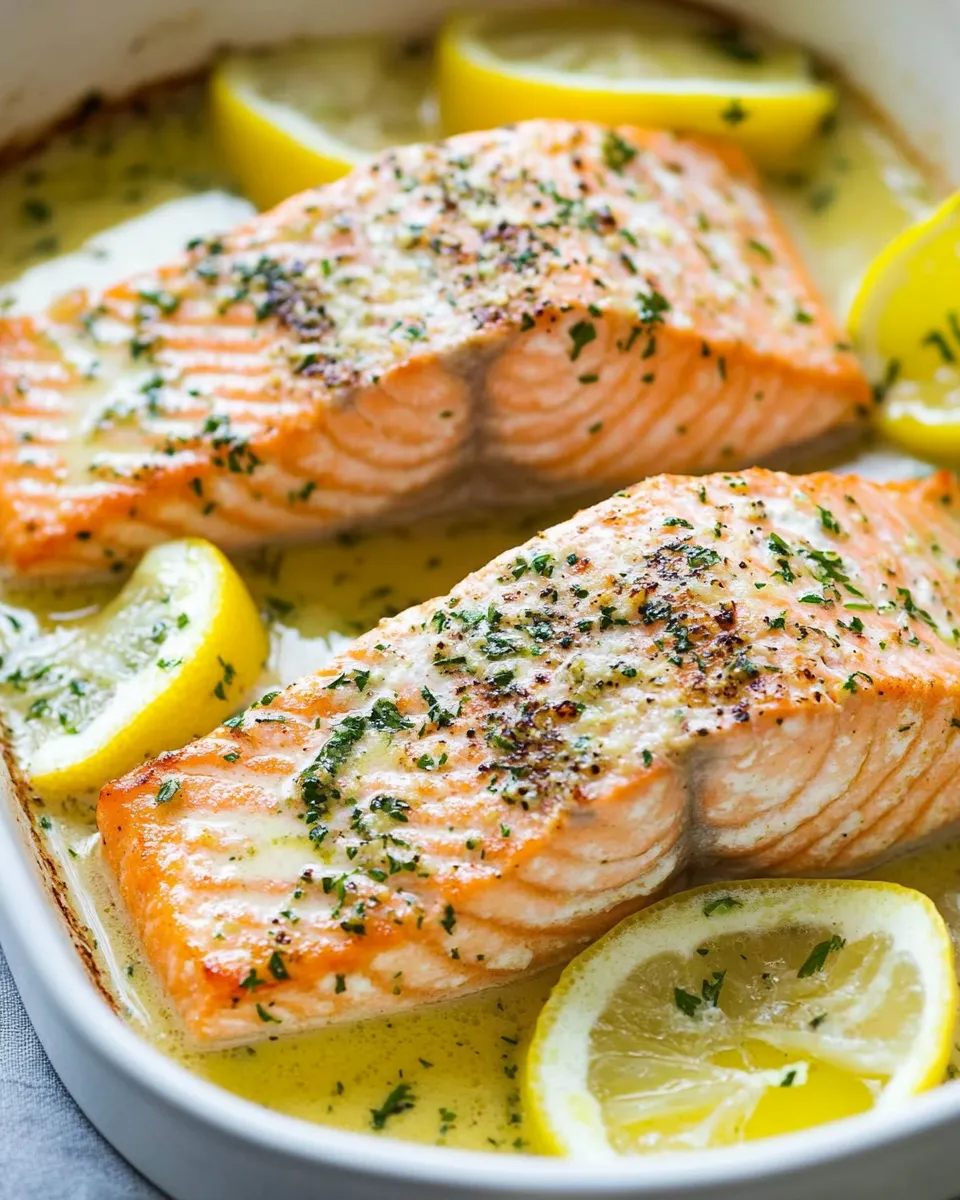
Baked Salmon Recipe
Equipment
- Rimmed Baking Sheet
- parchment paper or aluminum foil
Ingredients
- 2 pound salmon fillet left whole
- 1/2 teaspoon brown sugar
- 1/2 teaspoon Stone House Seasoning
- fresh parsley chopped, for garnish
- 1 lemon cut into wedges, for serving
Instructions
- Preheat the oven to 425°F (220°C). Line a rimmed baking sheet with parchment paper or aluminum foil.
- Place the salmon fillet skin-side down on the prepared baking sheet, leaving it whole.
- Evenly sprinkle 1/2 teaspoon brown sugar over the flesh of the salmon so it has a light dusting across the surface.
- Sprinkle 1/2 teaspoon Stone House Seasoning evenly over the salmon.
- Bake the salmon in the preheated oven until cooked through and opaque in the center, about 12–15 minutes depending on thickness.
- Remove from the oven and top with chopped fresh parsley and lemon wedges before serving.
Notes
- Bake time varies with fillet thickness; check for flakiness.
- Use parchment or foil for easier cleanup.
- Adjust seasoning amount to taste.