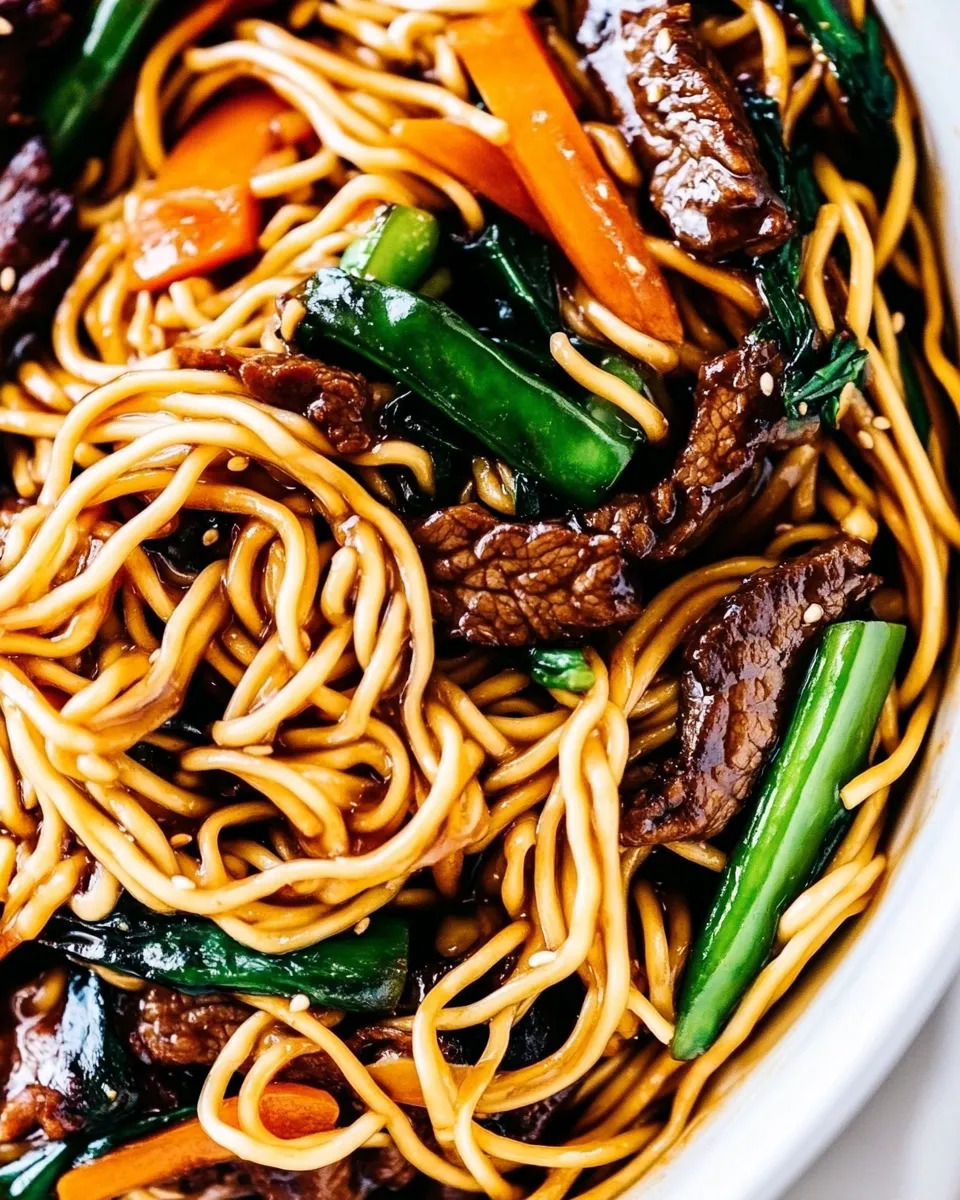
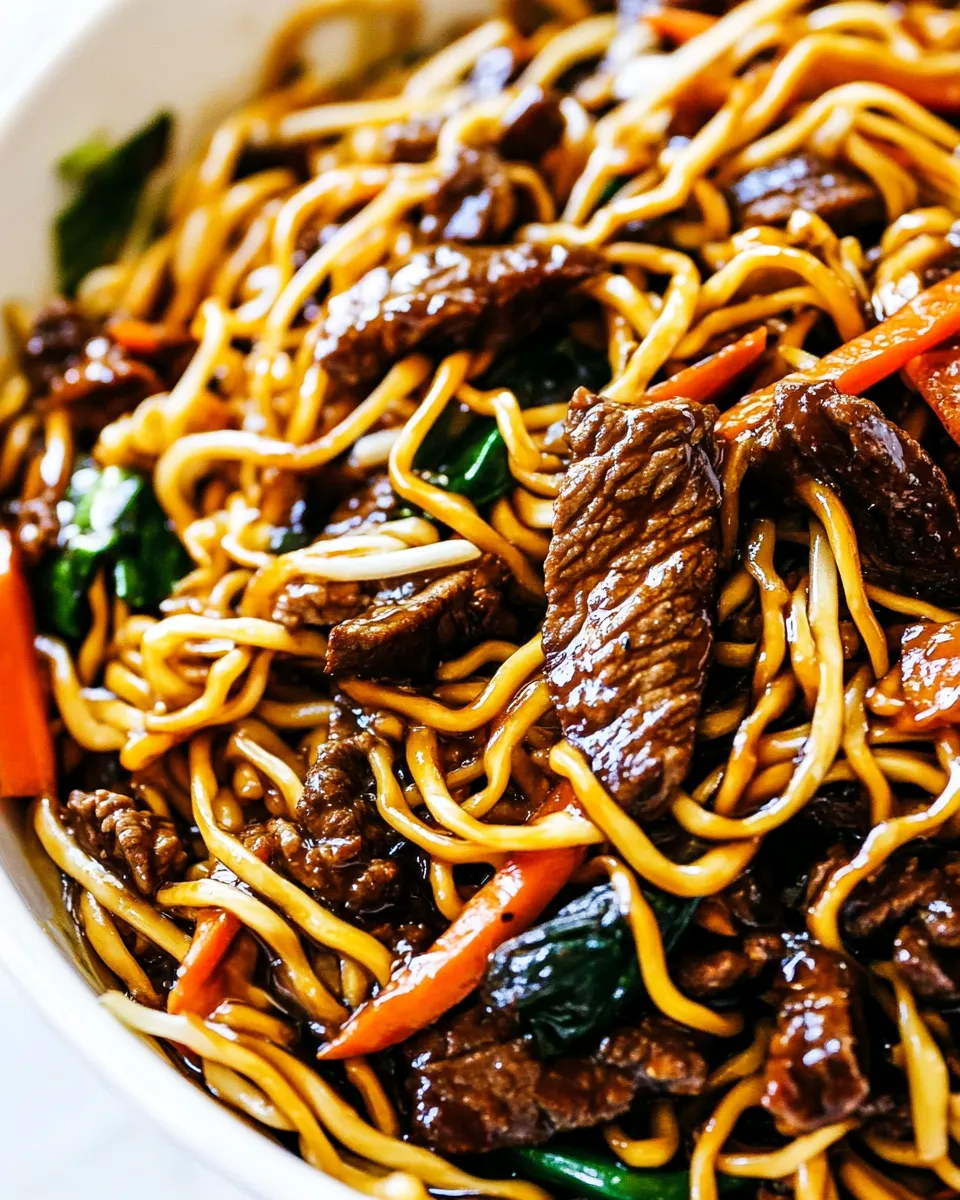
I make Beef Chow Mein when I want something fast, flexible, and deeply satisfying. It’s one of those stir-fry recipes that rewards a bit of prep work up front: slice the beef thin, mix a quick sauce, and keep your vegetables ready. The technique is forgiving, and the result is a dish with tender strips of beef, crisp-tender vegetables, and crunchy chow mein noodles for contrast.
This recipe walks you through each stage in plain terms so you can reproduce it on a weeknight. I’ll cover what to watch for at the stove, how to keep the beef tender, and a few practical swaps for low-carb diets. No unnecessary tricks—just clear, usable steps.
Make sure you read the ingredient notes below before you start. A quick mise en place makes all the difference. When everything is prepped and within reach, the cooking moves fast and the flavors come together beautifully.
Ingredient List
- 2 cups shredded green cabbage — provides bulk, crunch, and a mild sweetness; shred finely if not pre-shredded for quick wilting.
- 2 teaspoons minced fresh ginger — adds brightness and a warm bite; mince finely so it disperses quickly while stir-frying.
- 1/4 cup green onions — slice thinly and separate whites from greens; whites flavor the stir-fry, greens finish the dish.
- 1-1/2 teaspoons minced garlic — aromatic backbone; add late so it doesn’t burn.
- 1/2 tablespoon cornstarch — for the sauce; helps it thicken and cling to the ingredients.
- 1-1/2 tablespoons reduced-sodium soy sauce — salty, savory base for the sauce; reduced-sodium keeps it balanced.
- 1-1/2 tablespoons oyster sauce — adds depth and umami; contributes sweetness and richness.
- 1/3 cup beef stock or broth — thins the sauce and carries flavor; use a decent stock for best results.
- 1 tablespoon brown sugar (not packed) — balances savory notes and gives a touch of caramel character.
- 1/2 teaspoon toasted sesame oil — finishing oil for fragrance; a little goes a long way.
- 1/2 teaspoon pepper — plain black pepper to season the sauce and beef.
- 1/2 pound flank steak, thinly sliced against the grain — lean, flavorful cut; slicing against the grain ensures tenderness.
- 3/4 teaspoon baking soda — used briefly to tenderize the beef; rinse thoroughly after resting.
- 1 (10-ounce) package frozen stir-fry vegetables — saves prep time; stir-fry from frozen as instructed for best texture.
- 1-1/2 tablespoons vegetable oil — neutral oil with a high smoke point for stir-frying.
- 1 (6-ounce) package crispy chow mein noodles — provides crunch and noodle texture; follow package directions for separating.
- Toasted sesame seeds — optional garnish for nutty flavor and visual finish.
Directions: Beef Chow Mein
- Prepare aromatics and vegetables: finely shred the 2 cups shredded green cabbage (if not already shredded). Mince the 2 teaspoons minced fresh ginger and 1-1/2 teaspoons minced garlic. Thinly slice the 1/4 cup green onions, separating the white parts from the green tops; set the green tops aside.
- Make the sauce: In a small bowl, whisk the 1/2 tablespoon cornstarch into the 1-1/2 tablespoons reduced-sodium soy sauce until smooth. Add the 1-1/2 tablespoons oyster sauce, 1/3 cup beef stock or broth, 1 tablespoon brown sugar (not packed), 1/2 teaspoon toasted sesame oil, and 1/2 teaspoon pepper. Whisk until smooth and set the sauce aside.
- Prepare the beef for tenderizing: Thinly slice the 1/2 pound flank steak against the grain into about 1/4-inch slices, then cut the long slices into 2–3 shorter strips. Toss the sliced beef with the 3/4 teaspoon baking soda in a small bowl, cover, and refrigerate for 15 minutes.
- Rinse and marinate the beef: After 15 minutes, rinse the beef thoroughly in a fine-mesh sieve and drain. In a clean bowl, combine the rinsed beef with 1-1/2 tablespoons of the sauce you set aside, cover, and marinate in the refrigerator for 15 minutes to 1 hour. When ready to cook, remove the beef from the marinade and pat it dry with paper towels.
- Prepare the chow mein noodles: Follow the package directions for the 1 (6-ounce) package crispy chow mein noodles; separate and set aside as directed on the package.
- Cook the frozen vegetables: Heat a large nonstick skillet or wok over high heat. Add the 1 (10-ounce) package frozen stir-fry vegetables to the dry, hot pan (do not thaw). Stir frequently until the vegetables are mostly thawed and any liquid has mostly evaporated, about 4–6 minutes. If the vegetables begin to stick, add some of the 1-1/2 tablespoons vegetable oil. Transfer the vegetables to a plate and set aside.
- Heat oil and soften onion whites: Keep the pan over high heat and add the 1-1/2 tablespoons vegetable oil (or the remainder if you added some when cooking the vegetables). Add the white parts of the sliced green onions and cook, stirring, for 1–2 minutes until slightly softened.
- Cook aromatics and sear the beef: Add the minced garlic and minced ginger to the pan with the onion whites and stir constantly for 10–20 seconds so they become fragrant but do not burn. Add the marinated, patted-dry beef and stir-fry, stirring constantly, for about 1 minute until the beef is lightly browned on the outside but not fully cooked through.
- Add cabbage and wilt: Add the 2 cups shredded green cabbage to the pan and stir continuously for 1–2 minutes, until the cabbage is wilted but still slightly crisp.
- Combine everything: Return the reserved stir-fry vegetables to the pan. Add the prepared chow mein noodles and the remaining sauce (the rest of the sauce you set aside after removing 1-1/2 tablespoons for the marinade). Toss everything together with tongs or a spatula for about 1 minute, until the sauce thickens and the beef finishes cooking.
- Finish and serve: Stir in the reserved green onion tops. Taste and adjust only by following the recipe ingredients (no additional ingredients are required). Transfer to a serving dish.
- Optional: Sprinkle with toasted sesame seeds and serve immediately.
Why Beef Chow Mein is Worth Your Time
Beef Chow Mein delivers contrasting textures: tender beef, crisp-tender vegetables, and crunchy chow mein noodles. That contrast makes each bite interesting. It’s also fast once the mise en place is done. The steps are straightforward, and you’ll find most of the time is hands-off—marinating, rinsing, or waiting for a pan to heat up.
This recipe scales well. Use it to stretch a small amount of meat across more servings with vegetables and noodles. The sauce is balanced: salty, slightly sweet, and lightly fragrant from sesame oil. Because the sauce includes cornstarch, it clings to ingredients and comes together quickly under high heat.
Low-Carb/Keto Alternatives
If you’re cutting carbs, keep the same sauce and vegetables but swap the crispy chow mein noodles for one of these options:
- Shirataki noodles — rinse and dry thoroughly, then toss just to warm through at the end.
- Spiralized daikon or kohlrabi — stir-fry briefly so they stay crisp-tender, then combine with the beef and sauce.
- Skip the noodles — serve the stir-fry over a bed of sautéed cabbage or extra stir-fry vegetables for a noodle-free bowl.
Note: do not change the sauce quantities; they’re balanced for the listed amounts of meat and vegetables. If you remove the crunchy chow mein noodles, the dish will be saucier—thicken to preference with the existing cornstarch if needed.
Setup & Equipment
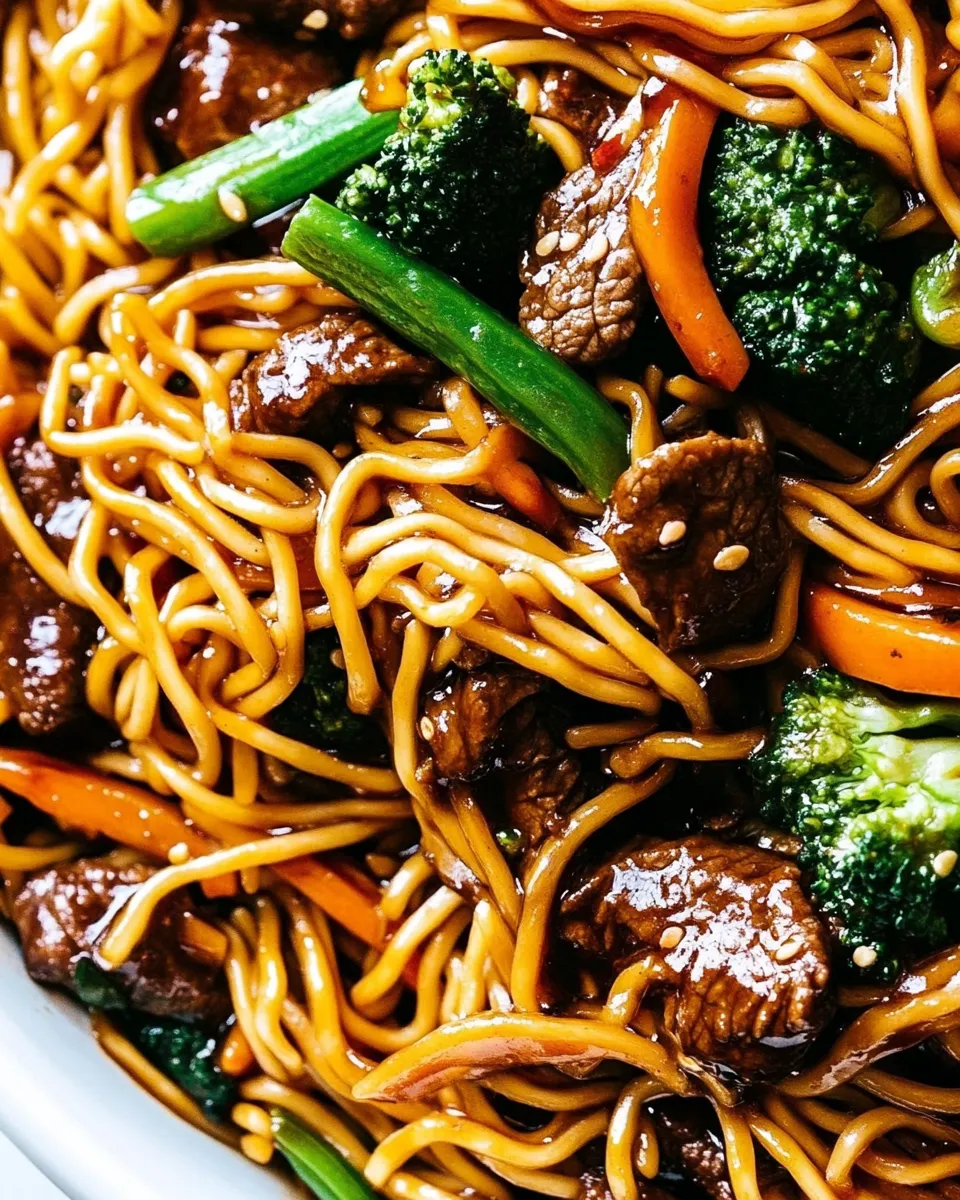
A hot, roomy pan is the single most important tool here. Use a large nonstick skillet or a wok. It must hold everything and let you stir-fry quickly. A wok will circulate heat best; a large nonstick pan works if you don’t have one.
- Sharp chef’s knife: for thin, clean slices of flank steak and quick chopping of aromatics.
- Cutting board: use one for meat and another for vegetables, or wash thoroughly between uses.
- Small bowls: for the sauce and for holding prepped ingredients.
- Fine-mesh sieve: required to rinse the baking-soda-treated beef as directed.
- Tongs or spatula: to toss the noodles and vegetables together quickly.
Avoid These Traps
Don’t overcrowd the pan. If you try to cook too much at once, the beef will steam and the vegetables will turn soggy. Work quickly over high heat and keep ingredients moving.
Do not skip the rinsing step after the baking soda tenderize. Rinse thoroughly and drain. Baking soda left on the meat will give an unpleasant soapy flavor. Also, don’t let the garlic or ginger sit in a hot pan without stirring—they burn fast and turn bitter.
Season-by-Season Upgrades
Spring: Add thinly sliced snap peas or baby bok choy to take advantage of lighter, fresher produce. Reduce the brown sugar by a pinch if you want a brighter profile.
Summer: Brighten the dish with a squeeze of fresh lime at the table. Add thinly sliced bell pepper for color and sweetness.
Fall: Stir in sautéed shiitake mushrooms for earthiness. A splash more beef stock can make it feel heartier.
Winter: Swap in frozen vegetables with mixes that include carrots, cabbage, and celery for a warm, comforting plate. Keep the sesame oil and oyster sauce—they add depth on colder nights.
Recipe Notes & Chef’s Commentary
On the beef
Flank steak is lean and flavorful. Slice it thin and against the grain. The quick baking soda treatment tenderizes the surface fibers. That short step makes a noticeable difference in bite and texture.
On the noodles
The recipe uses crispy chow mein noodles for texture contrast. Follow the package directions to separate them. They should be added near the end so they warm and absorb a little sauce but remain pleasantly crisp.
On the sauce
The cornstarch is important; it thickens the sauce rapidly under heat and helps it cling to the beef and vegetables. Use reduced-sodium soy sauce to avoid an overly salty result given the oyster sauce.
Quick timing tip
Everything happens fast once the pan is hot. Have your aromatics and vegetables prepped and the sauce mixed. When the beef goes in, you’ll be moving quickly for the next few minutes. That’s normal—stay focused and keep stirring.
Storage & Reheat Guide
Store leftovers in an airtight container in the fridge for up to 3 days. The noodles will soften over time. To reheat, warm gently in a skillet over medium heat with a splash of beef stock or water to loosen the sauce. Toss until heated through. Microwave reheating works too; cover and heat in short bursts, stirring between intervals. If you want to restore crunch to the noodles, crisp them separately in a dry pan and scatter on top at serving time.
Reader Questions
Q: Can I use a different cut of beef?
A: Yes. Skirt steak, hanger, or a thin-cut sirloin can work if sliced thin against the grain. Adjust cooking time slightly for thicker cuts.
Q: My vegetables released too much water—what went wrong?
A: High heat is key. Cook frozen vegetables from frozen in a hot pan and stir frequently. If they start to steam too much, increase the heat and let liquid evaporate or add a touch more oil to prevent sticking.
Q: Can I make the sauce ahead?
A: Yes. Whisk the sauce and hold it covered in the fridge for up to a day. Remove 1-1/2 tablespoons for marinating the beef per the instructions.
That’s a Wrap
Beef Chow Mein is a reliable weeknight winner. It gives you bright aromatics, a sticky-silky sauce, and that satisfying noodle crunch. The technique—high heat, quick cooking, and smart prep—translates to many other stir-fries, so once you’ve made this a couple times, you’ll be able to improvise confidently.
Set aside about 30–45 minutes from start to finish if you include marinating time. Read through the steps before you begin, get everything ready, and enjoy the rhythm of a fast, hot wok. Serve right away and savor the mix of textures. Happy cooking.
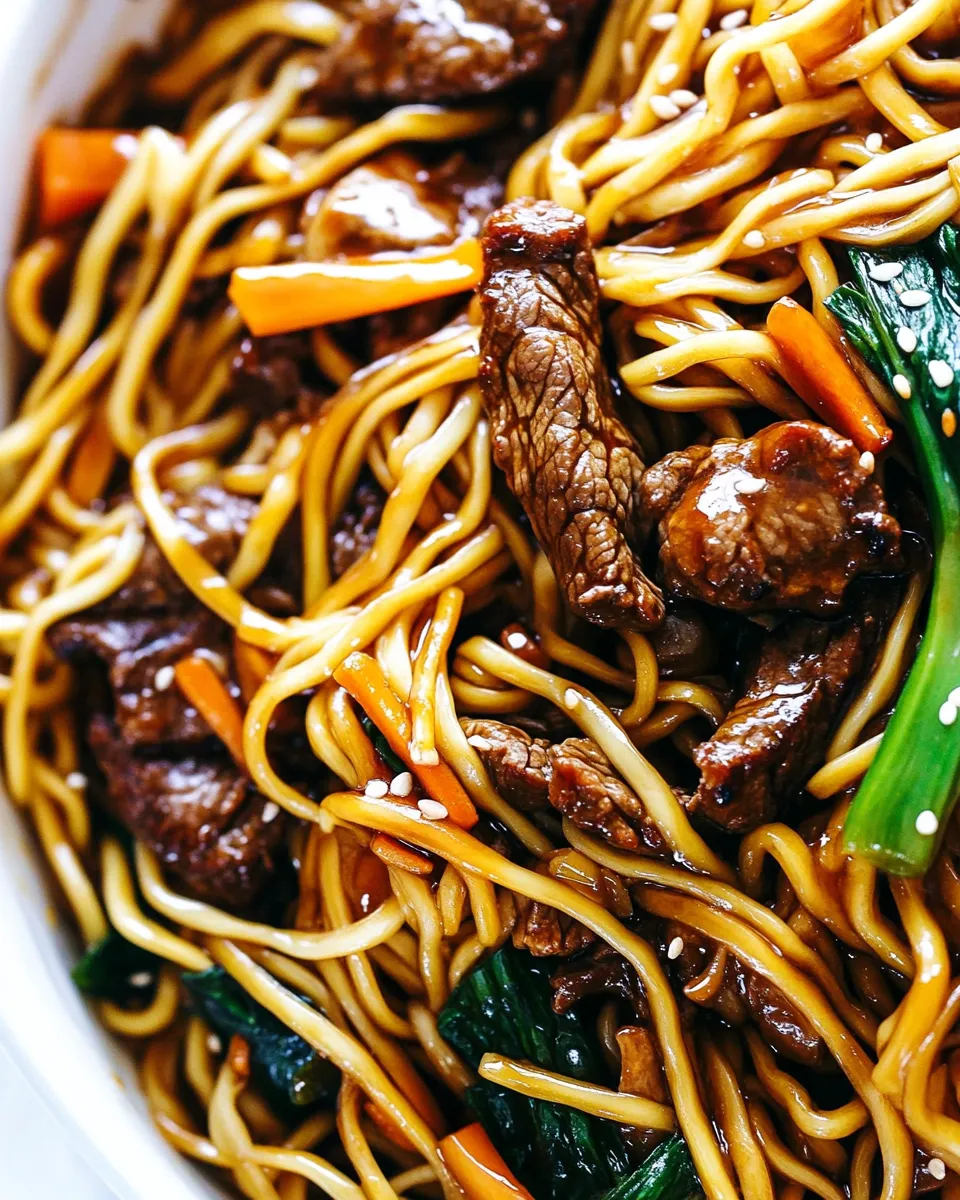
Beef Chow Mein
Equipment
- Large pannon-stick
Ingredients
Ingredients
- 2 cupsshredded green cabbage
- 2 teaspoonsminced fresh ginger
- 1/4 cupgreen onions
- 1-1/2 teaspoonsminced garlic
- 1/2 tablespooncornstarch
- 1-1/2 tablespoonsreduced-sodium soy sauce
- 1-1/2 tablespoonsoyster sauce
- 1/3 cupbeef stockor broth
- 1 tablespoonbrown sugarnot packed
- 1/2 teaspoontoasted sesame oil
- 1/2 teaspoonpepper
- 1/2 poundflank steakthinly sliced against the grain
- 3/4 teaspoonbaking soda
- 1 10-ounce packagefrozen stirfry vegetables
- 1-1/2 tablespoonsvegetable oil
- 1 6-ounce packagecrispy chow mein noodles
- Toasted sesame seedsoptional
Instructions
Instructions
- Prepare aromatics and vegetables: finely shred the 2 cups shredded green cabbage (if not already shredded). Mince the 2 teaspoons minced fresh ginger and 1-1/2 teaspoons minced garlic. Thinly slice the 1/4 cup green onions, separating the white parts from the green tops; set the green tops aside.
- Make the sauce: In a small bowl, whisk the 1/2 tablespoon cornstarch into the 1-1/2 tablespoons reduced-sodium soy sauce until smooth. Add the 1-1/2 tablespoons oyster sauce, 1/3 cup beef stock or broth, 1 tablespoon brown sugar (not packed), 1/2 teaspoon toasted sesame oil, and 1/2 teaspoon pepper. Whisk until smooth and set the sauce aside.
- Prepare the beef for tenderizing: Thinly slice the 1/2 pound flank steak against the grain into about 1/4-inch slices, then cut the long slices into 2–3 shorter strips. Toss the sliced beef with the 3/4 teaspoon baking soda in a small bowl, cover, and refrigerate for 15 minutes.
- Rinse and marinate the beef: After 15 minutes, rinse the beef thoroughly in a fine-mesh sieve and drain. In a clean bowl, combine the rinsed beef with 1-1/2 tablespoons of the sauce you set aside, cover, and marinate in the refrigerator for 15 minutes to 1 hour. When ready to cook, remove the beef from the marinade and pat it dry with paper towels.
- Prepare the chow mein noodles: Follow the package directions for the 1 (6-ounce) package crispy chow mein noodles; separate and set aside as directed on the package.
- Cook the frozen vegetables: Heat a large nonstick skillet or wok over high heat. Add the 1 (10-ounce) package frozen stir-fry vegetables to the dry, hot pan (do not thaw). Stir frequently until the vegetables are mostly thawed and any liquid has mostly evaporated, about 4–6 minutes. If the vegetables begin to stick, add some of the 1-1/2 tablespoons vegetable oil. Transfer the vegetables to a plate and set aside.
- Heat oil and soften onion whites: Keep the pan over high heat and add the 1-1/2 tablespoons vegetable oil (or the remainder if you added some when cooking the vegetables). Add the white parts of the sliced green onions and cook, stirring, for 1–2 minutes until slightly softened.
- Cook aromatics and sear the beef: Add the minced garlic and minced ginger to the pan with the onion whites and stir constantly for 10–20 seconds so they become fragrant but do not burn. Add the marinated, patted-dry beef and stir-fry, stirring constantly, for about 1 minute until the beef is lightly browned on the outside but not fully cooked through.
- Add cabbage and wilt: Add the 2 cups shredded green cabbage to the pan and stir continuously for 1–2 minutes, until the cabbage is wilted but still slightly crisp.
- Combine everything: Return the reserved stir-fry vegetables to the pan. Add the prepared chow mein noodles and the remaining sauce (the rest of the sauce you set aside after removing 1-1/2 tablespoons for the marinade). Toss everything together with tongs or a spatula for about 1 minute, until the sauce thickens and the beef finishes cooking.
- Finish and serve: Stir in the reserved green onion tops. Taste and adjust only by following the recipe ingredients (no additional ingredients are required). Transfer to a serving dish.
- Optional: Sprinkle with toasted sesame seeds and serve immediately.
Notes
Nutrition Note:
The nutritional information includes chow mein noodles, but using a different type will affect the calculations.
Storage:
Cool leftover beef chow mein before storing in airtight containers; refrigerate and eat within 5 days. Freeze fully cooled dish in an airtight container or freezer bag. Label with the date and freeze for up to 3 months.