There’s something undeniably satisfying about a perfectly seared steak roasted in a hot cast iron skillet. The crust sings, the aroma fills the kitchen, and the simple combination of ingredients lets the beef shine. Today I’m sharing a straightforward, dependable method for making cast iron steak that yields a deeply caramelized exterior and a juicy, tender interior. This recipe is intentionally simple: just two ribeye steaks, butter, olive oil, salt, and pepper. It’s the sort of weeknight-or-weekend dinner that feels special without requiring a lot of fuss.
Before we dive into the step-by-step, a short note on equipment and timing. A heavy cast iron skillet is essential here because it retains and distributes heat so well; it gives you the best sear. Make sure the pan is very hot before the steaks hit the surface. Also, allow the steaks to rest after cooking so the juices redistribute — that’s the secret to a juicy bite.
Why this method works
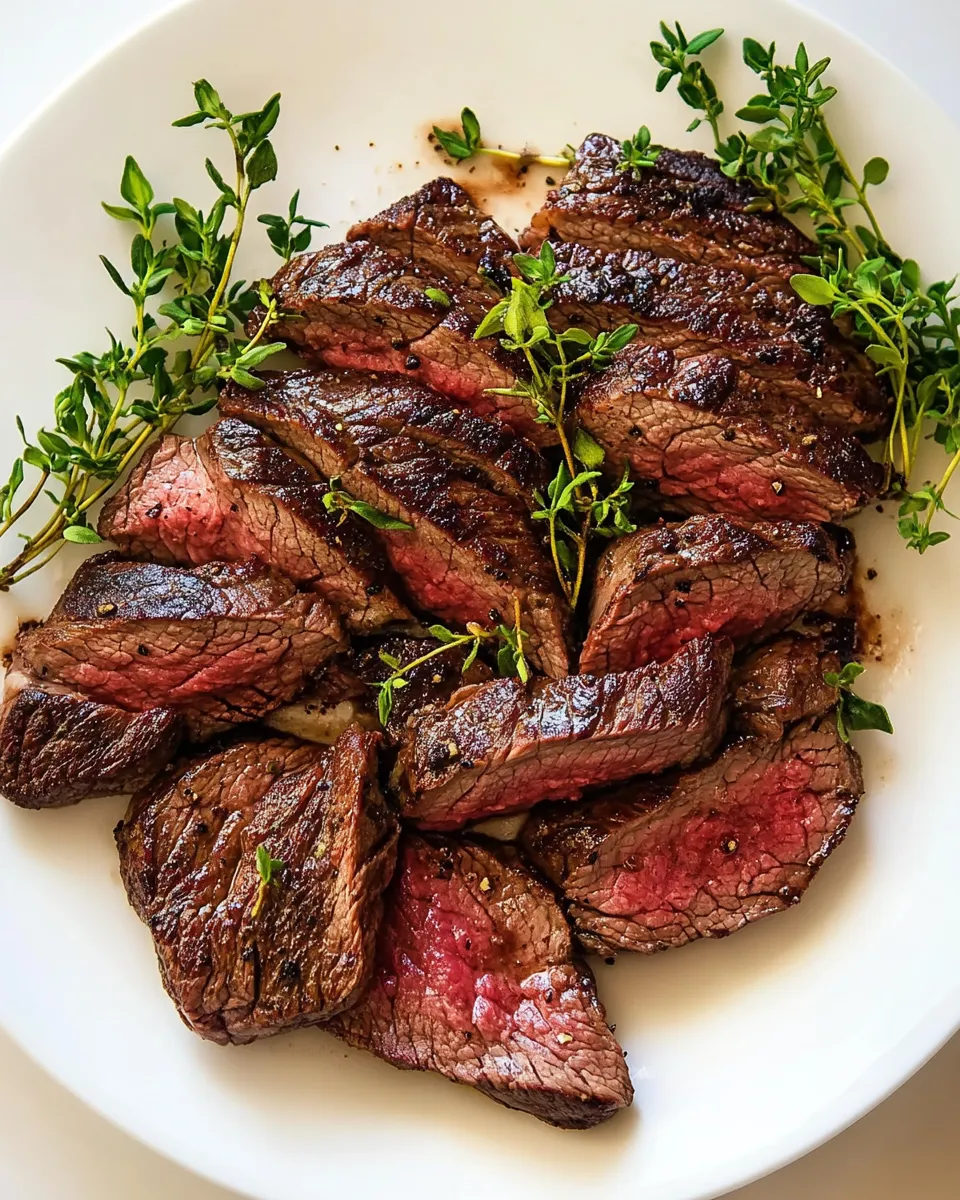
Searing steak in a cast iron skillet creates an immediate and intense Maillard reaction, the chemical process that browns and flavors the meat. Olive oil helps the heat travel evenly and keeps the surface from sticking, while a pat of butter at the end boosts flavor and helps finish the crust. Salt and pepper are all the seasoning you need here; they enhance the beef’s natural flavors rather than cover them.
Ingredients
- ▢2 ribeye steaks boneless
- ▢1 tablespoon butter
- ▢1 tablespoon olive oil
- ▢1/2 teaspoon salt
- ▢1/2 teaspoon pepper
Prep tips
Bring the steaks to room temperature before cooking — about 20 to 30 minutes on the counter. This helps them cook more evenly. Pat the steaks dry with paper towels; moisture on the surface steams the meat and prevents a proper crust from forming. Measure the salt and pepper so they’re ready to go, and have the butter and oil nearby since the cooking goes quickly once the pan is hot.
Step-by-step method
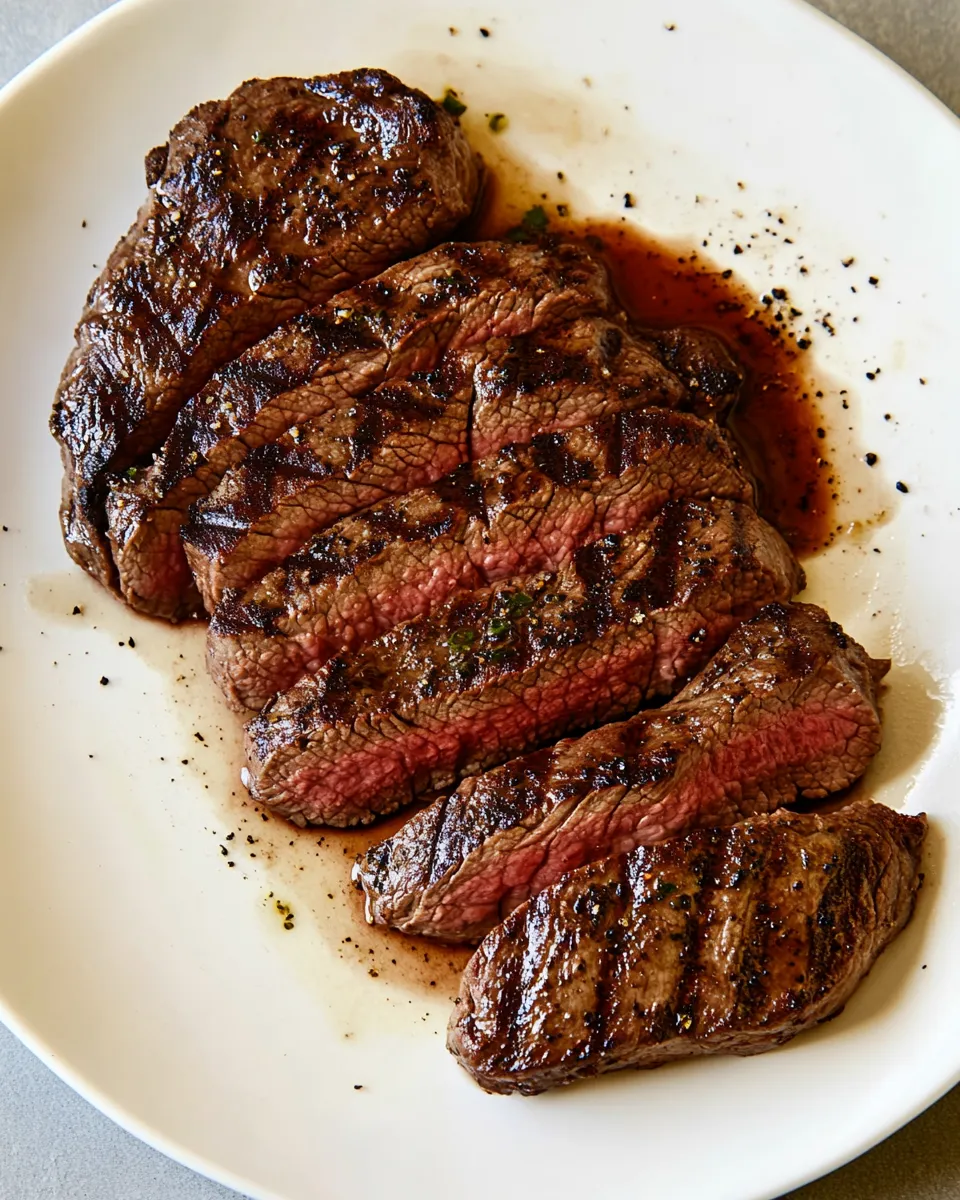
Follow these clear, practical steps to make cast iron steak that’s delicious every time. I’ve kept the original ingredient amounts exactly the same and rewritten the directions so each step is precise and easy to follow.
- Prepare the steaks: Remove the 2 ribeye steaks boneless from the refrigerator and let them come to room temperature for 20–30 minutes. This ensures even cooking. While they sit, place paper towels nearby.
- Season: Pat each steak dry thoroughly with paper towels to remove any surface moisture. Even dryness is essential for a good sear. Sprinkle 1/2 teaspoon salt evenly over both sides of the steaks, then sprinkle 1/2 teaspoon pepper evenly over both sides as well. Press the seasonings gently so they adhere.
- Heat the pan: Place a heavy cast iron skillet on the stovetop over medium-high to high heat. Allow the skillet to heat for several minutes until it is very hot; it should be almost smoking when water droplets sizzle and evaporate on contact. A hot skillet is key to achieving a deep crust.
- Add oil: Pour 1 tablespoon olive oil into the hot skillet and swirl to coat the bottom evenly. The oil should shimmer but not burn. If it smokes heavily, reduce the heat slightly for a moment and then proceed.
- Sear the steaks: Carefully lay the seasoned steaks into the skillet, placing them away from you to avoid splatter. Sear the first side without moving the steaks for 3–4 minutes, until a rich, dark crust forms. Use tongs to lift an edge briefly to check color; it should be deeply browned.
- Flip and add butter: Flip both steaks and immediately add 1 tablespoon butter to the pan. Tilt the pan slightly and spoon the melted butter over the tops of the steaks as they finish cooking. Continue cooking the second side for 3–4 minutes for medium-rare to medium depending on thickness and personal preference. Adjust time for rarer or more well-done steaks.
- Check doneness: Use an instant-read thermometer to check internal temperature: about 125°F for rare, 135°F for medium-rare, 145°F for medium. Remove the steaks from the skillet when they are 5°F lower than your target; carryover heat will raise the temperature slightly while resting.
- Rest the steaks: Transfer the steaks to a cutting board or plate and tent loosely with foil. Let them rest for 5–10 minutes to allow the juices to redistribute. This step is essential to keep the steaks juicy when you slice into them.
- Slice and serve: Slice the steaks against the grain into desired thickness. Spoon any buttery pan juices over the slices before serving. Enjoy with simple sides like roasted vegetables, a crisp salad, or buttery mashed potatoes.
Timing and doneness guide
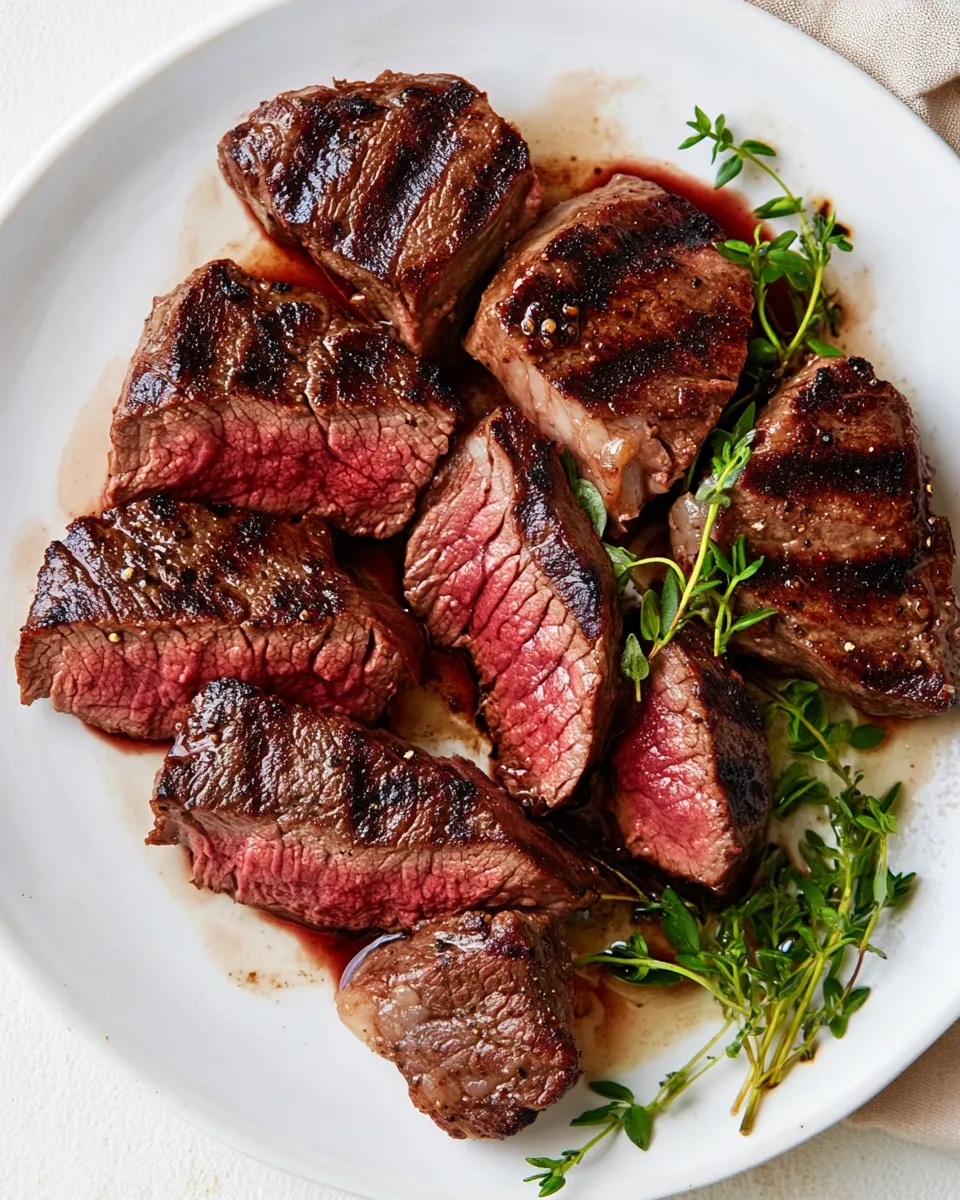
Steak doneness depends on thickness and stove heat, but here is a general guide for a 1-inch ribeye using the times above with a hot cast iron skillet:
- Rare: 3 minutes per side, remove at 120–125°F
- Medium-rare: 3–4 minutes per side, remove at 130–135°F
- Medium: 4–5 minutes per side, remove at 140–145°F
- Medium-well: 5–6 minutes per side, remove at 150–155°F
Always use an instant-read thermometer for accuracy. Because cast iron retains heat so effectively, checks can be done quickly and you’ll get consistent results once you get comfy with your pan and stove.
Flavor notes and small variations
This recipe is intentionally minimal so that the steak’s flavor can be the star. That said, there are a few small tweaks you can make while keeping the same ingredient quantities:
- Fresh herbs: If you like, add a sprig of rosemary or thyme to the pan when you add the butter. Spoon the herb-infused butter over the steaks during the last minute of cooking to add fragrant notes.
- Garlic: Add a crushed garlic clove to the pan with the butter for a quick garlic-butter baste. Remove the garlic before serving if you prefer just a hint of garlic.
- Finishing salts: After resting, a tiny sprinkle of a flaky finishing salt across the sliced steak adds a delightful crunch and pop of flavor.
What to serve with cast iron steak
Because the steaks are rich and satisfying, I often pair them with bright or textural sides to create balance. Here are a few fast, uncomplicated options:
- Simple green salad with lemon vinaigrette to cut through the richness.
- Garlic mashed potatoes or roasted baby potatoes tossed in olive oil and herbs.
- Sautéed or roasted green vegetables like broccolini, asparagus, or Brussels sprouts.
- A crisp baguette or warm dinner rolls to mop up pan juices.
Make-ahead and leftovers
Cooked steak stores well in the refrigerator for up to 3 days. Slice and cool quickly, then store in an airtight container. To reheat without drying out, warm gently in a low oven (about 250°F) until heated through, or sear briefly in a hot skillet with a splash of oil and a pat of butter. Leftover steak is also excellent in salads, sandwiches, or thinly sliced for stir-fries.
Common mistakes and how to avoid them
Even simple recipes have pitfalls. Here are the most common mistakes people make when cooking cast iron steak and how to avoid them:
- Steak too cold: Don’t cook steaks straight from the fridge. Bringing them closer to room temperature promotes even cooking.
- Pan not hot enough: If the skillet isn’t hot, you won’t get a good crust. Wait until it shimmers and is nearly smoking, then add the oil.
- Overcrowding the pan: Cook only as many steaks as fit without crowding. Overcrowding lowers the pan temperature and causes steaming instead of searing.
- Skipping the rest: Cutting the steak right away lets juices escape. Rest for at least 5 minutes to keep the meat juicy.
Final thoughts
This cast iron steak approach is built on simple, reliable techniques that highlight the star ingredient. Using just the ingredient list — 2 ribeye steaks boneless, 1 tablespoon butter, 1 tablespoon olive oil, 1/2 teaspoon salt, and 1/2 teaspoon pepper — you can achieve a restaurant-worthy steak at home. The heavy skillet, high heat, and a short rest are the three pillars of success. Once you’ve mastered this method, it becomes a go-to for special dinners or a satisfying weeknight meal.
Printable recipe card
Quick reference:
- Ingredients: ▢2 ribeye steaks boneless; ▢1 tablespoon butter; ▢1 tablespoon olive oil; ▢1/2 teaspoon salt; ▢1/2 teaspoon pepper.
- Prep: Bring steaks to room temperature, pat dry, and season with salt and pepper.
- Cook: Heat cast iron skillet until very hot, add olive oil, sear steaks 3–4 minutes per side, add butter when flipping, baste, and cook to desired doneness.
- Rest: 5–10 minutes before slicing.
Enjoy your perfectly seared cast iron steak. The straightforward ingredient list keeps things pure and delicious, and the technique is one you’ll reach for again and again. Happy cooking!
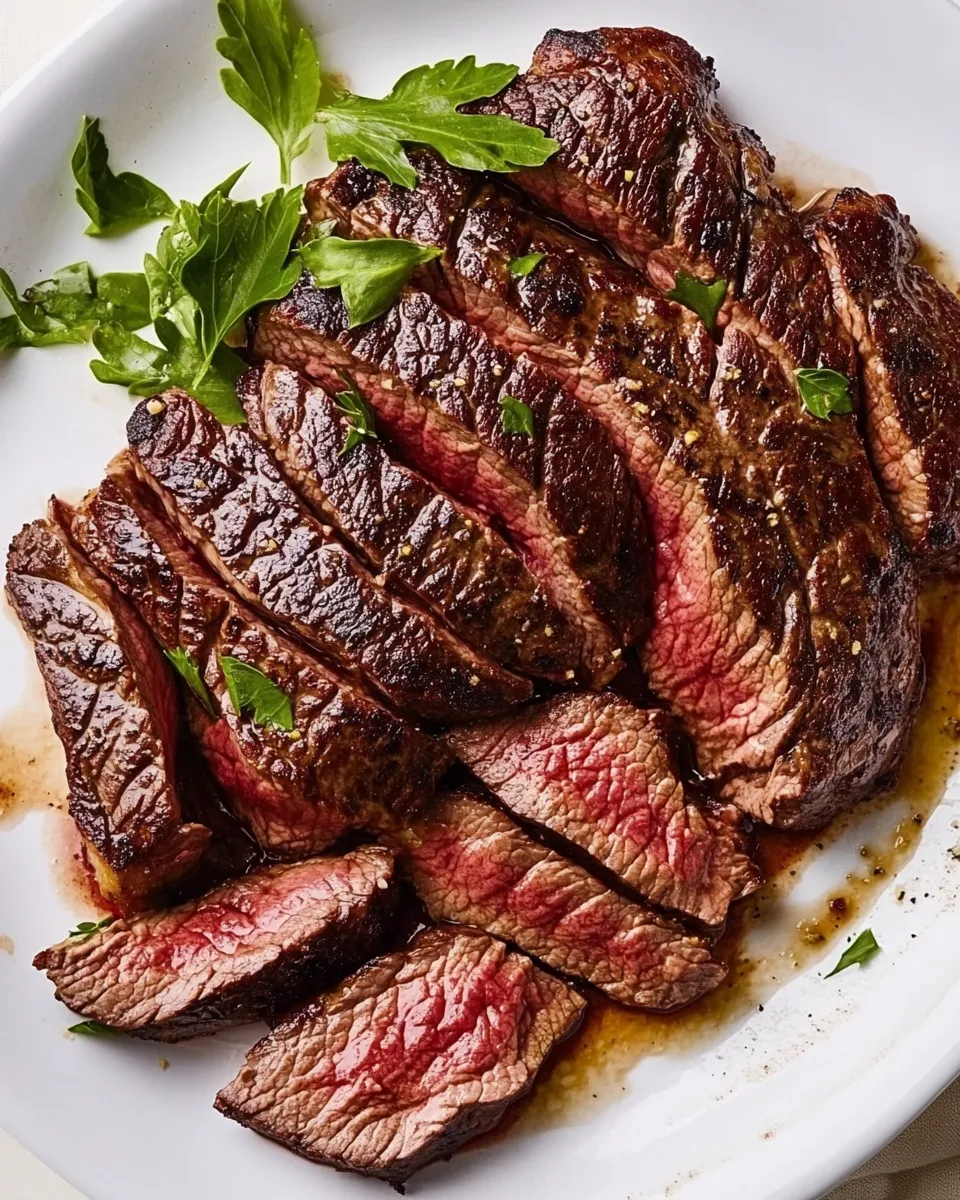
Cast Iron Steak
Equipment
- Cast-Iron Skillet
- Tongs
- Instant Read Thermometer
- Cutting Board
- Knife
Ingredients
- 2 ribeye steaks, boneless
- 1 tablespoon butter
- 1 tablespoon olive oil
- 1/2 teaspoon salt
- 1/2 teaspoon pepper
Instructions
- Remove the ribeye steaks from the refrigerator and bring to room temperature, about 20–30 minutes.
- Pat steaks dry with paper towels, then rub both sides with the olive oil. Season both sides evenly with the salt and pepper.
- Heat a well-seasoned cast iron skillet over medium-high heat until very hot and beginning to smoke slightly.
- Add the butter to the skillet and let it melt and foam.
- Place the steaks in the skillet and cook without moving for 4–5 minutes. Flip and cook the other side 4–5 minutes, or until an instant-read thermometer reaches your desired doneness (see notes for temperatures).
- Transfer steaks to a cutting board and let rest for 5 minutes to allow juices to redistribute.
- Slice the steaks against the grain, spoon pan juices over the slices, and serve.
Notes
- Rare: 120°F.
- Medium-rare: 130°F.
- Medium: 135°F.
- Medium-well: 140°F.
- Well done: 150°F.
- When melting the butter, add fresh rosemary or thyme and minced garlic to infuse more flavor.