I love cooking Chilean sea bass because it feels like a small luxury that’s easy enough for a weeknight. The flesh is rich and buttery, and when you treat it simply — salt, pepper, garlic, butter, and a squeeze of lemon — the fish shines. This recipe is short on fuss and long on flavor.
There are two things I always focus on: dryness and timing. Patting the fillets dry and keeping an eye on the pan makes the difference between perfectly seared fillets and a sad, soggy result. Follow the sequence below and you’ll have tender, flaky sea bass with a delicate golden crust.
If you’re cooking for company, this method scales well and looks elegant on the plate. For a quick dinner, it takes about 15 minutes from skillet to table. Read through the notes and tools below so you’re confident before you start — the rest is straightforward.
Ingredient Notes
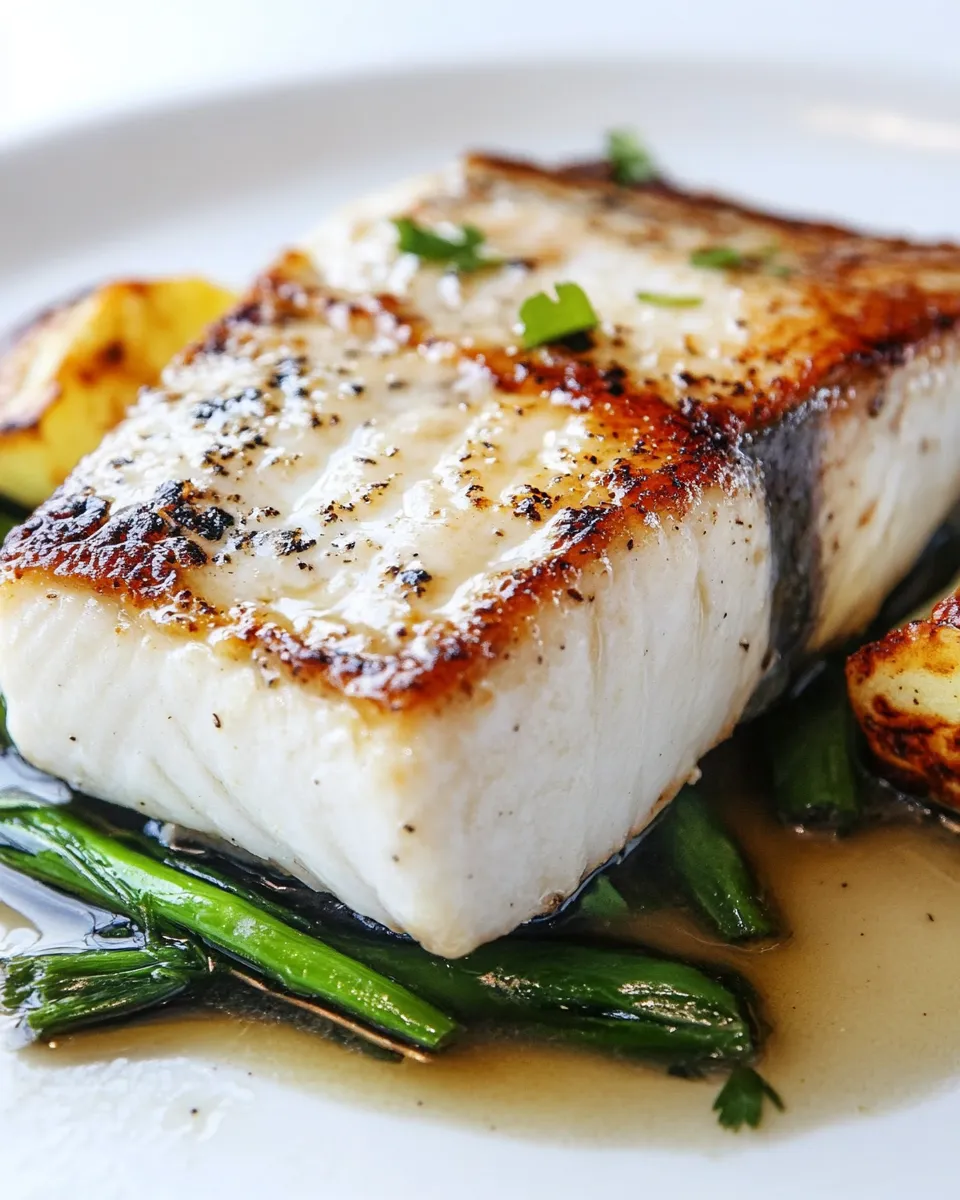
Chilean sea bass is prized for its high oil content and silky texture. That richness tolerates a little butter without becoming greasy. The fish’s subtle flavor pairs perfectly with garlic and lemon — the acid brightens the fat and completes the palate. Use fresh lemon and good-quality salted butter; they’re doing most of the flavor work here.
Salt and pepper are the quiet stars: they season the fish externally and help with crust formation. Dry the fillets before seasoning so you get a proper sear. The simple ingredients mean technique matters more than complex seasoning. Keep it gentle and steady at the stove.
Ingredients
- 2 fillets of Chilean sea bass — main protein; choose similar thickness for even cooking.
- Salt and pepper — basic seasoning; salt brings out the fish’s natural sweetness, pepper adds a touch of heat.
- 2 tablespoons salted butter — used for pan-searing and flavor; provides a rich, golden crust.
- 2 cloves garlic sliced — infuses the butter with aromatic flavor; slice thin so it releases flavor quickly.
- 1/4 lemon — finish with juice to brighten and balance the richness.
From Start to Finish: Chilean Sea Bass
- Pat the 2 fillets of Chilean sea bass dry on all sides with a paper towel.
- Sprinkle salt and pepper evenly over both sides of each fillet.
- Heat a nonstick skillet over medium-high heat.
- Add 2 tablespoons salted butter to the hot skillet and let it melt.
- Add the 2 sliced garlic cloves to the melted butter, then place the sea bass fillets in the skillet skin-side down. Cook undisturbed for 5 minutes.
- Carefully turn the fillets over, squeeze the 1/4 lemon over the fish, and cook for another 5 minutes.
- Cook until the fish is opaque and flakes easily with a fork, then remove from the skillet and serve.
Why It Works Every Time
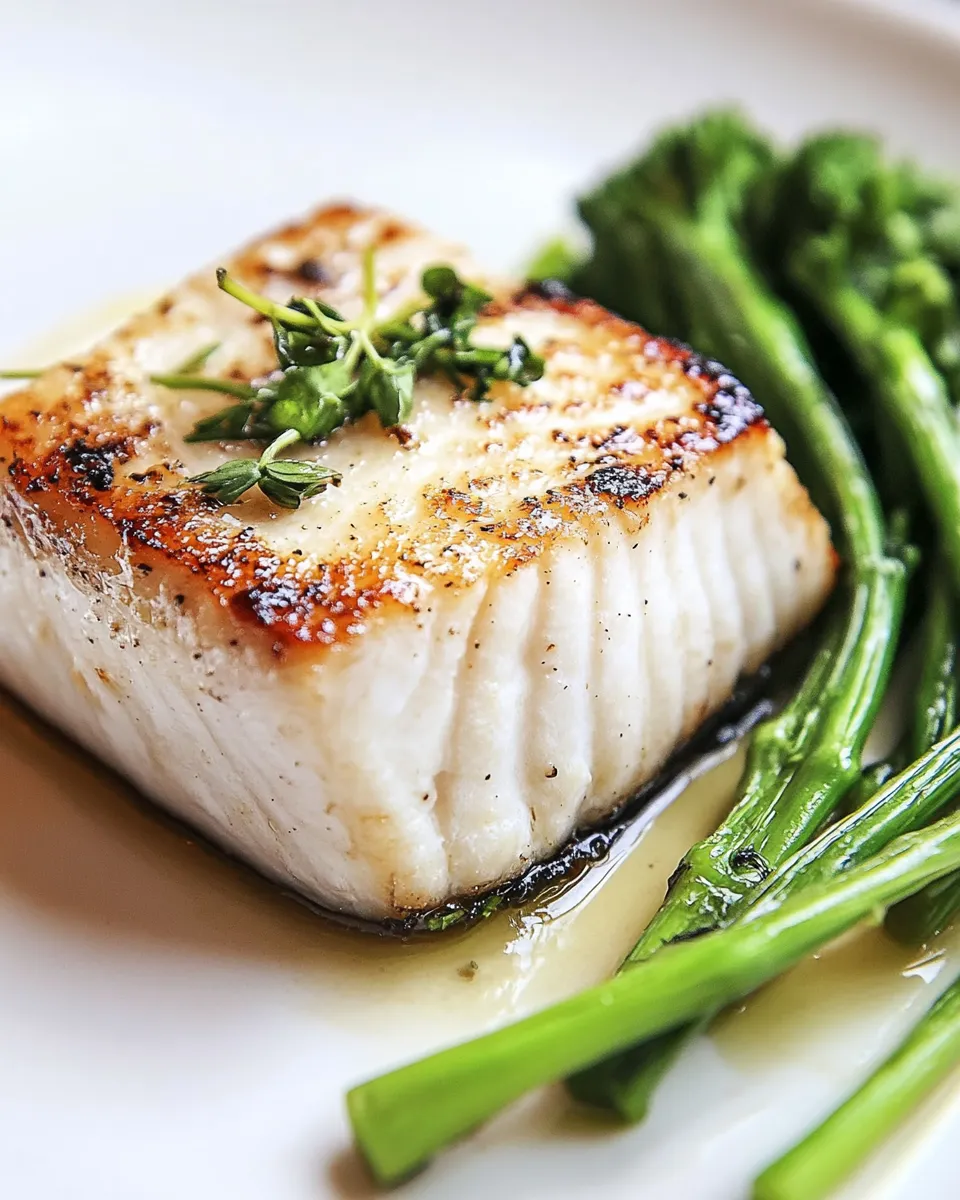
This method relies on simple science: dry surface + hot fat = good sear. Patting the fillets removes surface moisture that would otherwise steam the fish instead of browning it. Salt draws out a little moisture at first, then helps create a concentrated, seasoned surface.
Using a nonstick skillet and a steady medium-high heat keeps the fish moving from raw to gently cooked without sticking or tearing. The brief cook time preserves the fish’s natural oils and silky texture. Garlic in the butter imparts an aromatic layer without overpowering the delicate flavor, and the lemon at the end lifts the richness.
Quick Replacement Ideas
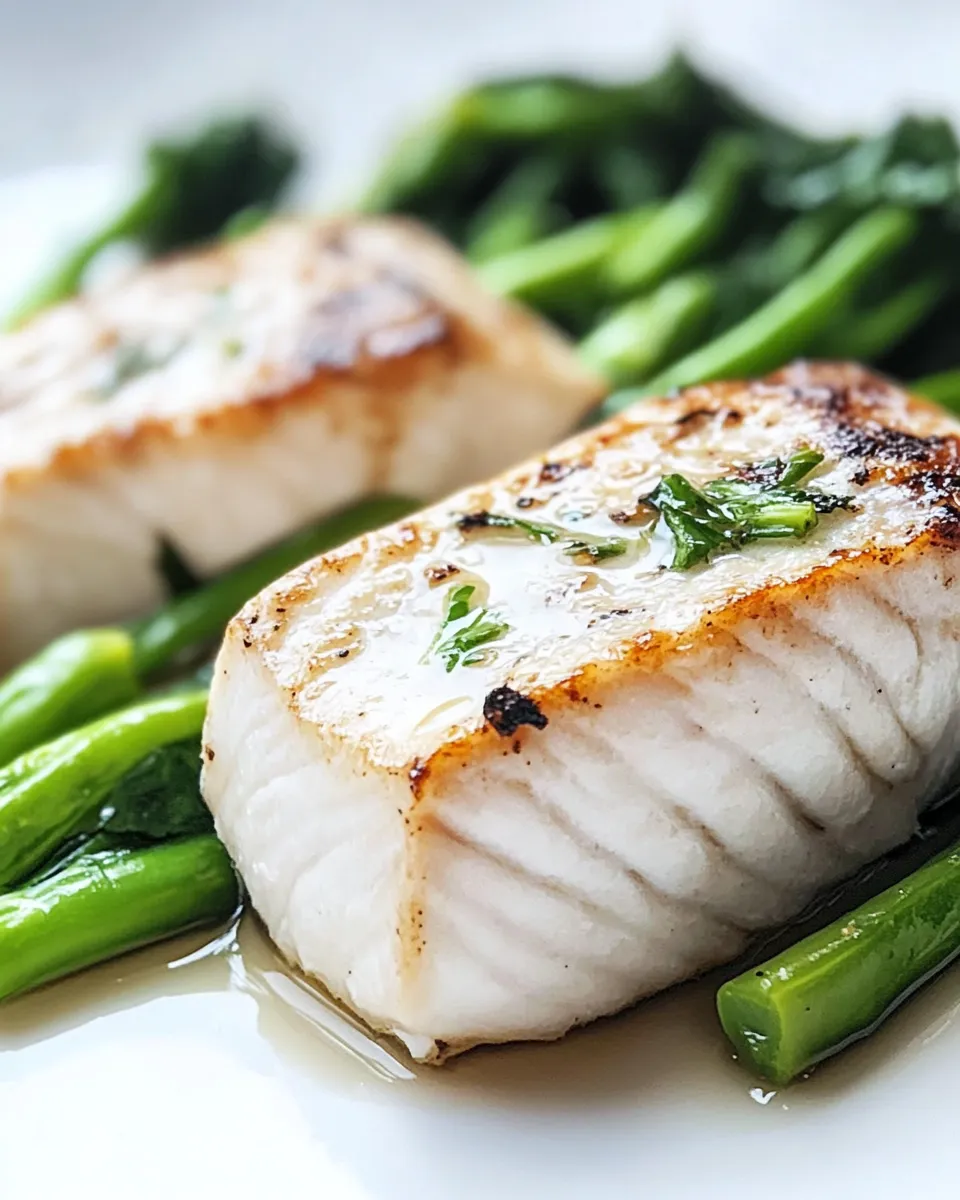
- Swap the sea bass for another firm, white-fleshed fish of similar thickness if you can’t source Chilean sea bass.
- If you prefer, use unsalted butter and add a pinch of finishing salt at the end to control sodium.
- Omit garlic if you want a cleaner, more citrus-forward finish; a lemon twist will still brighten the dish.
Recommended Tools
- Nonstick skillet — reduces sticking and makes flipping easier.
- Paper towels — for drying the fillets thoroughly before cooking.
- Tongs or a fish spatula — helps you flip the fillets gently without breaking them.
- Citrus reamer or small squeezer — for a quick, controlled squeeze of lemon.
- Instant-read thermometer (optional) — to check doneness if you prefer precision.
Problems & Prevention
Problem: Fish sticks to the pan and tears. Prevention: Make sure the fillets are dry and the pan is properly preheated. Use a nonstick skillet and let the fish form a crust before you try to flip it. If it resists when you lift it, give it another 30 seconds; it’ll release when the crust is set.
Problem: Overcooked, dry fish. Prevention: The cook time in this method is brief. Cook with confidence and check for flakiness at the earlier end of the time range. If you have an instant-read thermometer, aim for about 125–135°F for a moist, flaky texture (carryover heat will bring it slightly higher).
Problem: Burned butter or garlic. Prevention: Medium-high heat is enough; avoid high heat. Add the garlic after the butter has melted and keep an eye on it — remove the pan from the heat or reduce the temperature if the garlic begins to brown too quickly.
Make It Fit Your Plan
Weeknight dinner: This is a 15-minute main that pairs well with quick sides — steamed vegetables, a simple salad, or quick-cooked couscous. Keep sides light to complement the richness of the fish.
Low-carb: Serve with sautéed greens or a cauliflower mash instead of starchy sides. The fish’s natural oils and butter provide satisfying richness without carbs.
Entertaining: Plate the fillets on warmed plates and finish with a lemon wedge per person. If you want to make a small sauce, gently warm a little more butter with a splash of lemon and spoon it over each fillet just before serving.
Insider Tips
Bring the fillets to room temperature for 10–15 minutes before cooking if you have time. That reduces the risk of the outside overcooking before the center is done. Pat them dry twice if they feel damp after seasoning; a truly dry surface sears better.
When you flip the fillet, do it with a confident, single motion. Use a fish spatula or a wide turner to support the fillet fully. Let the fish rest on a warmed plate for a minute after cooking — that short rest helps the juices redistribute.
If the garlic starts to brown too quickly, tip the pan and spoon some of the melted butter over the fillets to keep them moist and to carry the garlic flavor without burning it.
Refrigerate, Freeze, Reheat
Refrigerate cooked sea bass in an airtight container for up to 2 days. Wrap gently to preserve texture. Freezing cooked fillets is not ideal; freezing fresh fish is better if you need longer storage. If you must freeze cooked portions, wrap tightly and use within 1 month for best quality.
To reheat without drying out: warm gently in a low oven (about 275–300°F) on a baking sheet for 8–10 minutes, or rewarm in a covered skillet over very low heat with a splash of butter to keep the fish moist. Avoid the microwave when possible, as it can overcook and toughen the fish.
Top Questions & Answers
Q: Can I use olive oil instead of butter? A: Yes. Olive oil will sear the fish and reduce the dairy flavor. Butter adds richness and a golden crust that many people prefer, but olive oil is a fine substitute — consider a mix of butter and oil to raise the smoke point.
Q: How do I know the fish is done? A: The flesh should be opaque and flake easily with a fork. For precise cooks, an instant-read thermometer inserted into the thickest part should read around 125–135°F for moist, flaky fish.
Q: What if my fillets are thicker or thinner? A: Cook time scales with thickness. Use the 5 minutes per side as a guide for fillets around 1-inch thick. Thicker fillets may need extra time; thinner ones will cook faster. Watch for opacity and flake to judge doneness.
Q: Can I make this ahead? A: You can cook the fillets slightly underdone, chill them, and finish them in the pan just before serving. That preserves texture and allows you to prepare sides in advance.
Bring It Home
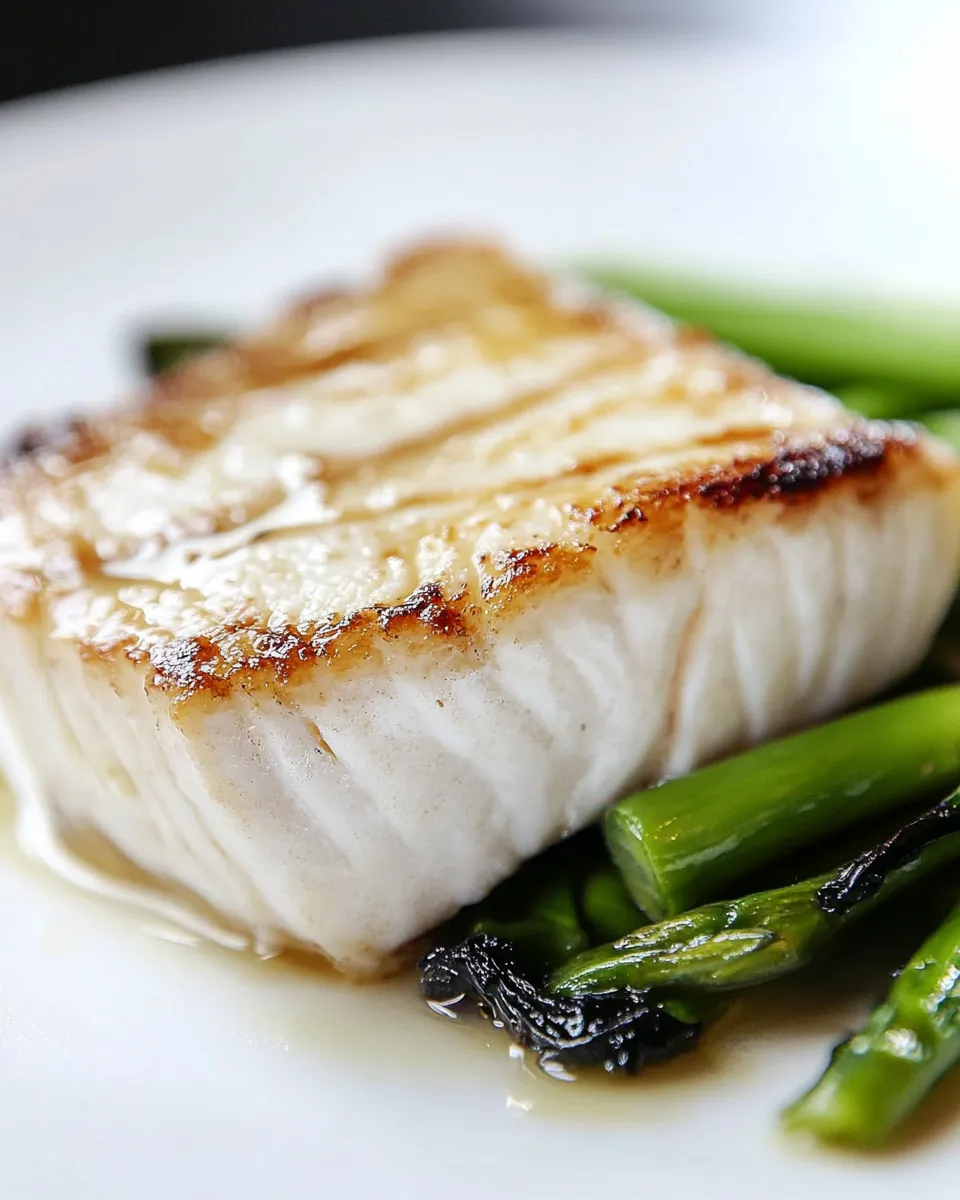
This Chilean sea bass recipe is proof that simple ingredients, handled correctly, deliver something special. A crisped exterior, soft interior, roasted garlic notes and a bright hit of lemon — that’s all you need. Keep the technique steady: dry the fish, season, use good butter, and time the pan work. The rest is easy, and the result is elegant enough for guests yet approachable enough for a busy weeknight.
Make a plan for your sides, give the fish a moment to rest after cooking, and serve immediately. Enjoy the texture and balance — and don’t forget the lemon wedge for extra brightness at the table.
Chilean Sea Bass
Equipment
- Paper Towel
- nonstick skillet
Ingredients
Ingredients
- 2 fillets of Chilean sea bass
- Salt and pepper
- 2 tablespoonssalted butter
- 2 clovesgarlicsliced
- 1/4 lemon
Instructions
Instructions
- Pat the 2 fillets of Chilean sea bass dry on all sides with a paper towel.
- Sprinkle salt and pepper evenly over both sides of each fillet.
- Heat a nonstick skillet over medium-high heat.
- Add 2 tablespoons salted butter to the hot skillet and let it melt.
- Add the 2 sliced garlic cloves to the melted butter, then place the sea bass fillets in the skillet skin-side down. Cook undisturbed for 5 minutes.
- Carefully turn the fillets over, squeeze the 1/4 lemon over the fish, and cook for another 5 minutes.
- Cook until the fish is opaque and flakes easily with a fork, then remove from the skillet and serve.