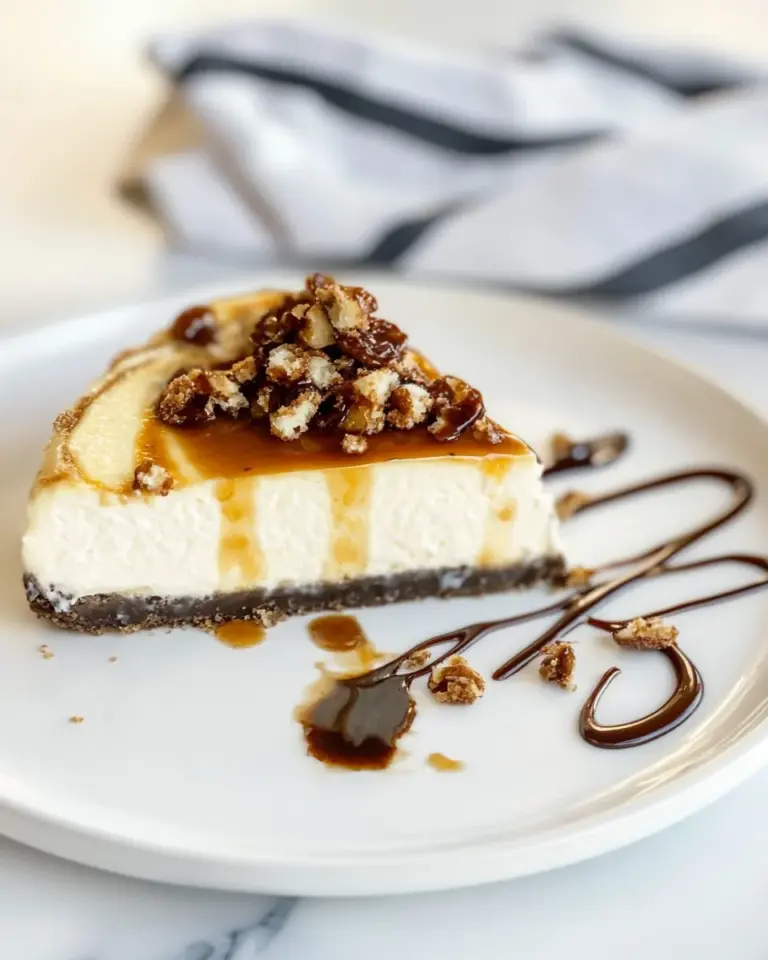
I love a cheesecake that feels light without losing that comfortingly rich mouthfeel. This Cottage Cheese Cheesecake balances tang and creaminess, and it’s forgiving enough for a weeknight bake or a weekend project. The crust is simple, the filling blends smooth, and the longer chill does the heavy lifting.
There’s no complicated water bath or tempering eggs here. You’ll machine-blend the filling so the cottage cheese becomes velvety, fold in eggs, and bake until the center just wobbles. It’s a strategy that gives you the classic cheesecake notes with a touch less heaviness.
Below I’ll walk you through exactly what you need, step by step, and share practical swaps, equipment notes, and the small techniques that keep this cheesecake from cracking or becoming grainy. Read the method once, then follow the numbered steps when you’re ready to bake.
What You’ll Gather
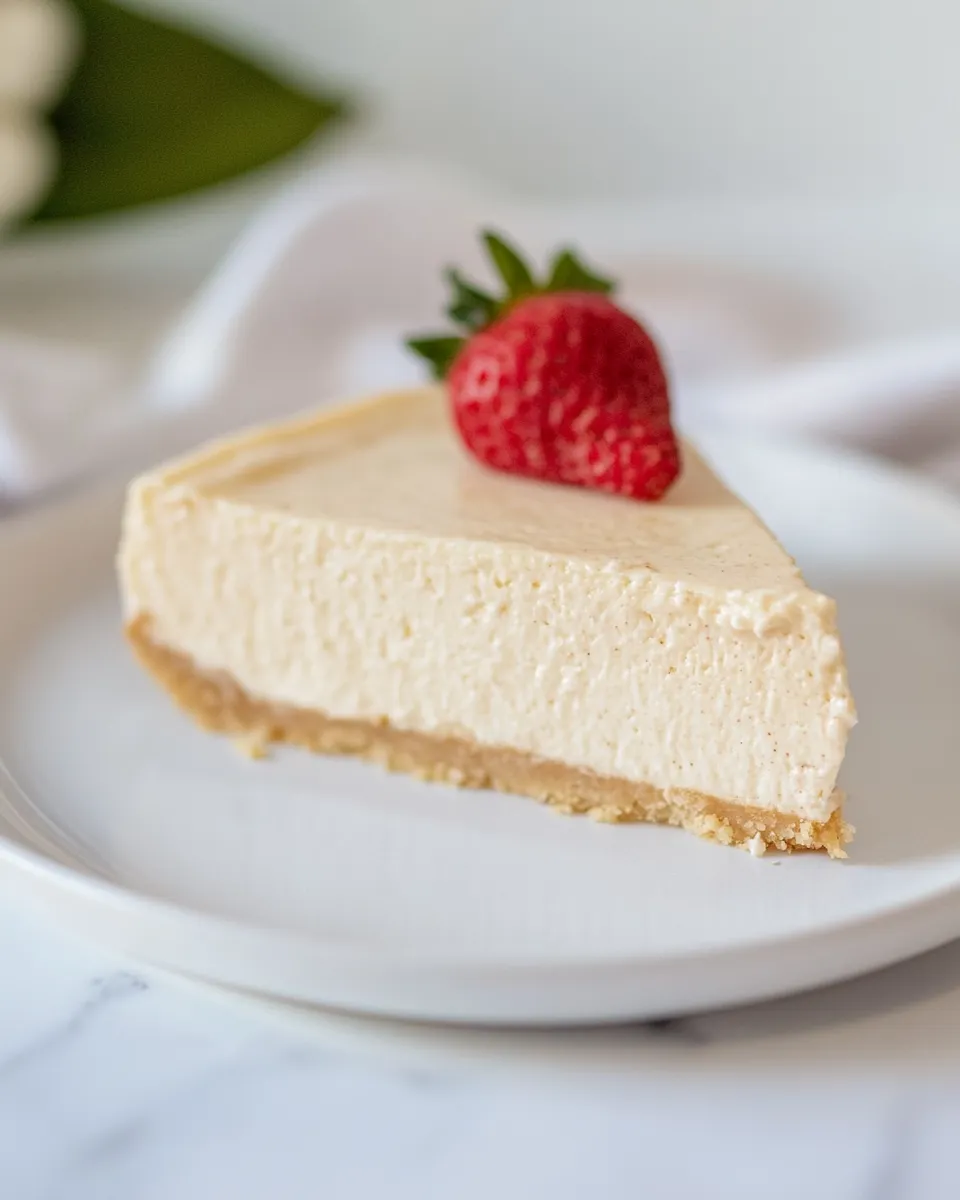
Gather the ingredients and tools before you start. Having everything in place — chilled butter, room-temperature eggs, a lined springform — keeps the process smooth. The recipe is straightforward: a graham cracker crust, a blended cream-and-cottage cheese filling, and a gentle bake with a long chill.
Ingredients
- 6 sheets graham crackers (3.5 oz total) — base for the crust; pulse into fine crumbs so they bind with butter.
- 2 tablespoons monk fruit sweetener, or use granulated sugar — sweetens the crust; monk fruit cuts calories without changing texture.
- 3 tablespoons cold whipped butter — binds crumbs; cold butter helps the crust hold texture without becoming greasy.
- 8 ounces cream cheese, I like Philadelphia — gives that classic cheesecake richness and structure.
- 2 1/3 cups 2% cottage cheese — the lighter component that keeps the cake tender; it’s blended smooth to avoid graininess.
- 1 teaspoon lemon zest, not packed — brightens the filling and balances the dairy.
- 2 large eggs — add structure and help the filling set; add one at a time to ensure even incorporation.
- 1/3 cup monk fruit, or sugar — primary sweetener for the filling; use whatever you prefer.
- 2 teaspoons all purpose flour — stabilizes the batter so the center sets without overbaking.
- 1 tablespoon vanilla extract — rounds and deepens flavor.
- optional fruit, for topping — fresh berries or a light compote lift the finished slices.
Stepwise Method: Cottage Cheese Cheesecake
- Preheat oven to 350°F. Line the bottom of a 9-inch springform pan with parchment paper and spray the sides with cooking spray.
- Make the crust: place 6 sheets graham crackers (3.5 oz total), 2 tablespoons monk fruit sweetener (or granulated sugar), and 3 tablespoons cold whipped butter into a food processor. Pulse until the mixture is a coarse crumb and the butter is evenly distributed — continue until the crumbs hold together when pressed.
- Press the crumb mixture firmly and evenly into the bottom (and slightly up the sides if you like) of the prepared springform pan. Set pan aside.
- Make the filling: in a blender add 8 ounces cream cheese, 2 1/3 cups 2% cottage cheese, and 1 teaspoon lemon zest. Blend until very smooth.
- Add 2 large eggs to the blender one at a time, blending briefly after each egg until incorporated.
- Add 1/3 cup monk fruit (or sugar), 2 teaspoons all-purpose flour, and 1 tablespoon vanilla extract to the blender. Blend until the batter is smooth and uniform, scraping down the sides as needed.
- Pour the cheesecake batter into the prepared crust and smooth the top.
- Bake at 350°F for about 45 minutes, until the edges are set and the center is mostly set with a slight jiggle (a toothpick inserted near the center should come out mostly clean).
- Remove the cheesecake from the oven and let it cool on a wire rack to room temperature. Then refrigerate for at least 4 hours or up to overnight to fully set.
- Before serving, run a knife around the pan edge, release the springform, top with optional fruit if desired, and cut into 12 slices.
Why This Recipe Works
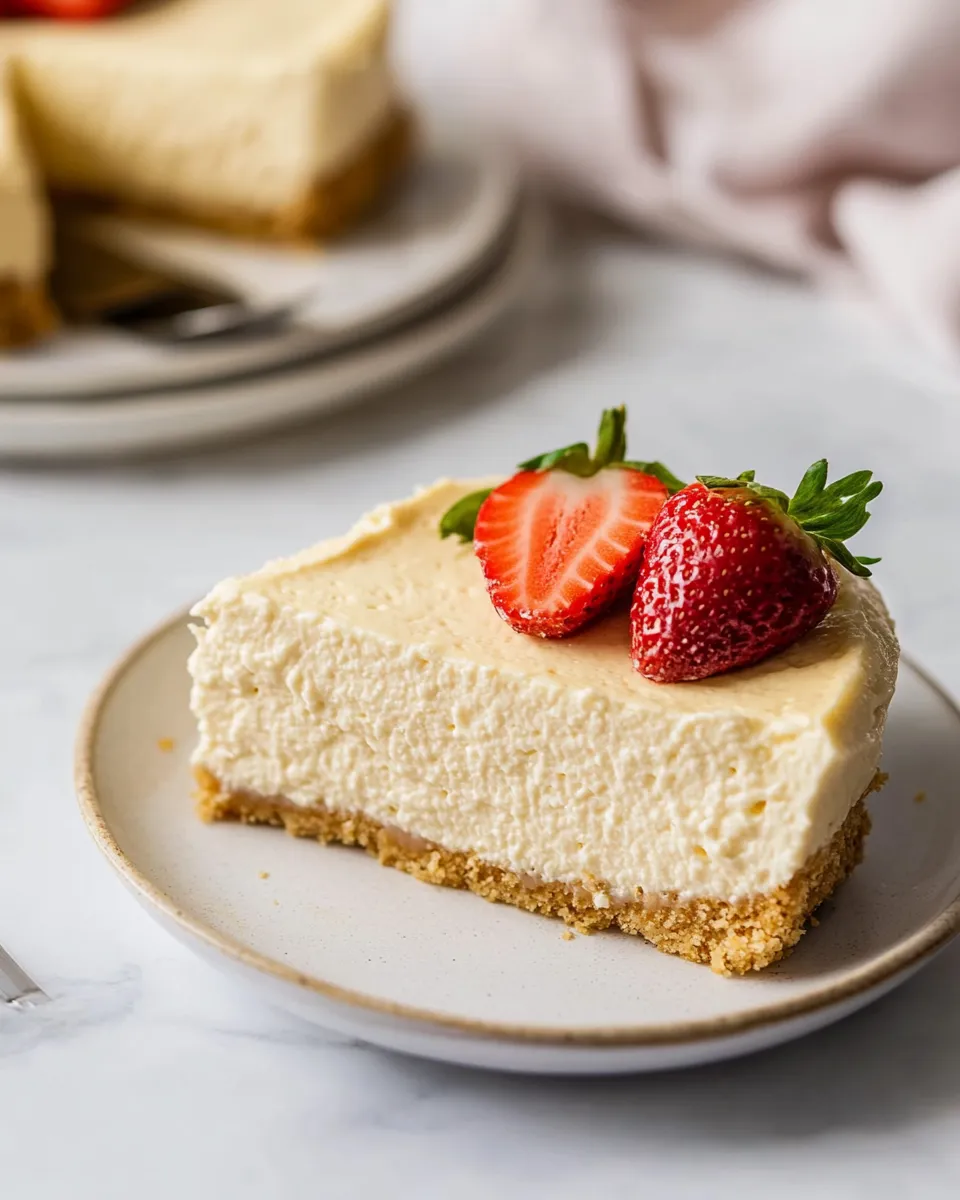
There are three big reasons this cheesecake comes out reliably: the blended cottage cheese, the small amount of flour, and the moderate bake with a long chill. Blending cottage cheese with cream cheese removes any graininess and creates a silky texture without needing heavy cream or sour cream. The flour acts as a gentle stabilizer, so the center can set without drying out the edges.
Baking at 350°F for about 45 minutes gives enough time for the eggs to coagulate evenly. You want the center to have a slight jiggle — overbake and it becomes dense; underbake and it won’t hold slices. Finally, the long refrigeration is essential: the chilling firms the structure and lets the flavors harmonize.
Easy Ingredient Swaps
- Monk fruit or sugar — either works. Monk fruit won’t affect texture but keeps sugar lower.
- Cream cheese brand — I prefer Philadelphia for consistency, but any full-fat cream cheese works. Avoid low-fat cream cheese; it changes texture.
- Cottage cheese — 2% is in the recipe to balance richness and texture. Full-fat cottage cheese will add creaminess; low-fat can make it less satisfying.
- Butter — cold whipped butter is called for; you can use regular cold unsalted butter if that’s what you have, cut into small pieces before processing.
- Graham crackers — if you only have other plain crackers, they’ll work for the crust; flavor will shift slightly.
Equipment Breakdown
- 9-inch springform pan — makes removal easy and protects your cake’s edges.
- Food processor — for the crust; it makes fine, uniform crumbs quickly.
- Blender — used here to get the cottage cheese ultra-smooth. A high-speed blender or a good countertop blender does the job; a food processor can be a backup but you may need to scrape more.
- Wire rack — for cooling without trapping steam underneath.
- parchment paper and cooking spray — parchment on the bottom prevents sticking; spray helps the sides release cleanly.
Avoid These Traps
- Overblending the filling can warm it up. Blend just until smooth, and scrape down the sides so everything incorporates evenly without overheating.
- Skipping the chill. Cutting too soon gives you sloppy slices. Chill at least 4 hours, ideally overnight.
- Overbaking. Watch the center. It should be mostly set with a slight jiggle; residual heat finishes it during cooling.
- Not pressing the crust firmly. If the crust is loose, slices will crumble. Press firmly and evenly; a flat-bottomed glass helps.
- Using warm eggs. Cold eggs can help keep the batter chilled while blending; room-temperature is fine, but avoid warm eggs from just-out-of-fridge extremes.
Seasonal Serving Ideas
Top the cheesecake with seasonal fruit for brightness and color. Late spring and summer call for fresh strawberries, raspberries, or a mixed berry compote. In fall, warm pear slices poached with a little cinnamon pair nicely. Winter feels right with a spoonful of cherry compote or a scattering of pomegranate arils for brightness.
You can also serve thin slices with a drizzle of honey and toasted nuts. Keep toppings light so the delicate tang of the cottage cheese and the creamy base shine through.
Little Things that Matter
Small choices change the final slice. Zest the lemon finely — it disperses flavor evenly. Use a warm, clean knife when slicing (dip in hot water, wipe dry) to get clean edges. Press the crust a little up the sides if you want a thicker edge bite; otherwise keep it just on the base for a thinner crust profile.
When blending, pause to scrape the jar’s sides so the cream cheese and cottage cheese fully combine. That prevents bits that might make the filling uneven. And label the pan after you chill it if you’re refrigerating overnight — it saves you from accidental fridge-snacking.
Keep-It-Fresh Plan
Store slices in the fridge covered tightly for up to 4 days. If you need to keep it longer, freeze whole or individual slices wrapped in plastic and placed in an airtight container for up to 1 month. Thaw overnight in the fridge.
Don’t leave the cheesecake at room temperature for more than two hours. Dairy fillings are best kept cold until right before serving. If you add fruit topping, store it separately and add just before serving to keep the surface pristine.
Popular Questions
- Can I use a water bath? Yes. A water bath can reduce cracking and give an even lighter texture. If you choose this, wrap the springform pan in foil before placing it in a hot water bath to prevent leaks.
- Why blend the cottage cheese? Blending removes the curd texture and creates a silky filling while preserving the lighter character of cottage cheese.
- Can I make this gluten-free? Use gluten-free graham-style crackers for the crust. The filling itself is gluten-free.
- Can I halve the recipe? Yes, but adjust baking time and pan size accordingly. A smaller pan will require less time—watch for the center set.
The Last Word
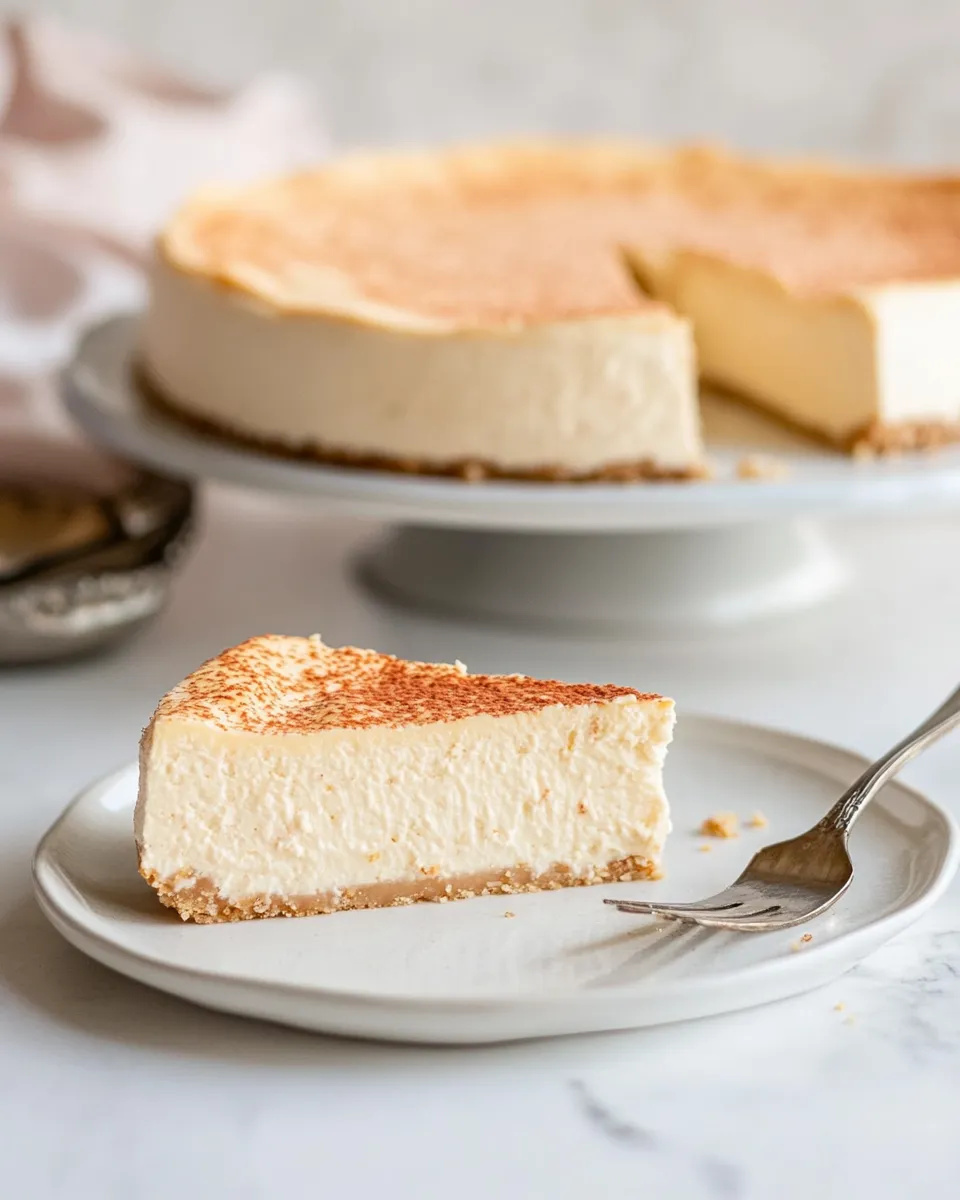
This Cottage Cheese Cheesecake is honest and practical: lighter than a classic, but still satisfying. The technique is forgiving. Blend the filling until smooth, press the crust firmly, and give the cake time to chill. Follow the steps and you’ll have twelve elegant slices that cut clean, plate beautifully, and get compliments without the fuss.
Make it once exactly as written to understand the rhythm, then adapt toppings and small swaps to suit your pantry. Keep it simple, and enjoy the bright, creamy payoff.
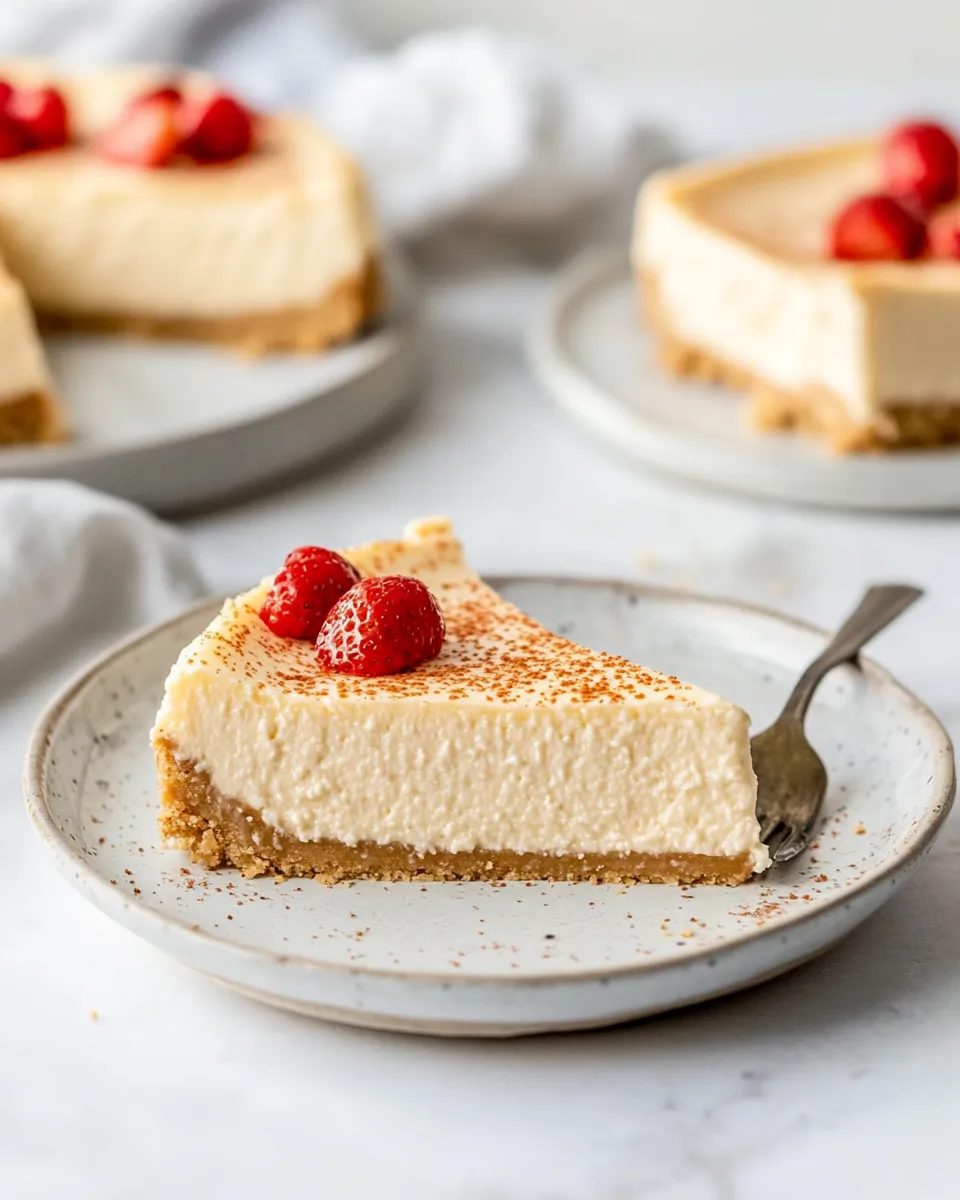
Cottage Cheese Cheesecake
Equipment
- 9-inch spring form pan
- Food Processor
Ingredients
Ingredients
- 6 sheetsgraham crackers 3.5 oz total*
- 2 tablespoonsmonk fruit sweetener or use granulated sugar
- 3 tablespoonscold whipped butter
- 8 ouncescream cheese I like Philadelphia
- 2 1/3 cups2 % cottage cheese
- 1 teaspoonlemon zest not packed
- 2 largeeggs
- 1/3 cupmonk fruit or sugar
- 2 teaspoonsall purpose flour
- 1 tablespoonvanilla extract
- optional fruit for topping
Instructions
Instructions
- Preheat oven to 350°F. Line the bottom of a 9-inch springform pan with parchment paper and spray the sides with cooking spray.
- Make the crust: place 6 sheets graham crackers (3.5 oz total), 2 tablespoons monk fruit sweetener (or granulated sugar), and 3 tablespoons cold whipped butter into a food processor. Pulse until the mixture is a coarse crumb and the butter is evenly distributed — continue until the crumbs hold together when pressed.
- Press the crumb mixture firmly and evenly into the bottom (and slightly up the sides if you like) of the prepared springform pan. Set pan aside.
- Make the filling: in a blender add 8 ounces cream cheese, 2 1/3 cups 2% cottage cheese, and 1 teaspoon lemon zest. Blend until very smooth.
- Add 2 large eggs to the blender one at a time, blending briefly after each egg until incorporated.
- Add 1/3 cup monk fruit (or sugar), 2 teaspoons all-purpose flour, and 1 tablespoon vanilla extract to the blender. Blend until the batter is smooth and uniform, scraping down the sides as needed.
- Pour the cheesecake batter into the prepared crust and smooth the top.
- Bake at 350°F for about 45 minutes, until the edges are set and the center is mostly set with a slight jiggle (a toothpick inserted near the center should come out mostly clean).
- Remove the cheesecake from the oven and let it cool on a wire rack to room temperature. Then refrigerate for at least 4 hours or up to overnight to fully set.
- Before serving, run a knife around the pan edge, release the springform, top with optional fruit if desired, and cut into 12 slices.