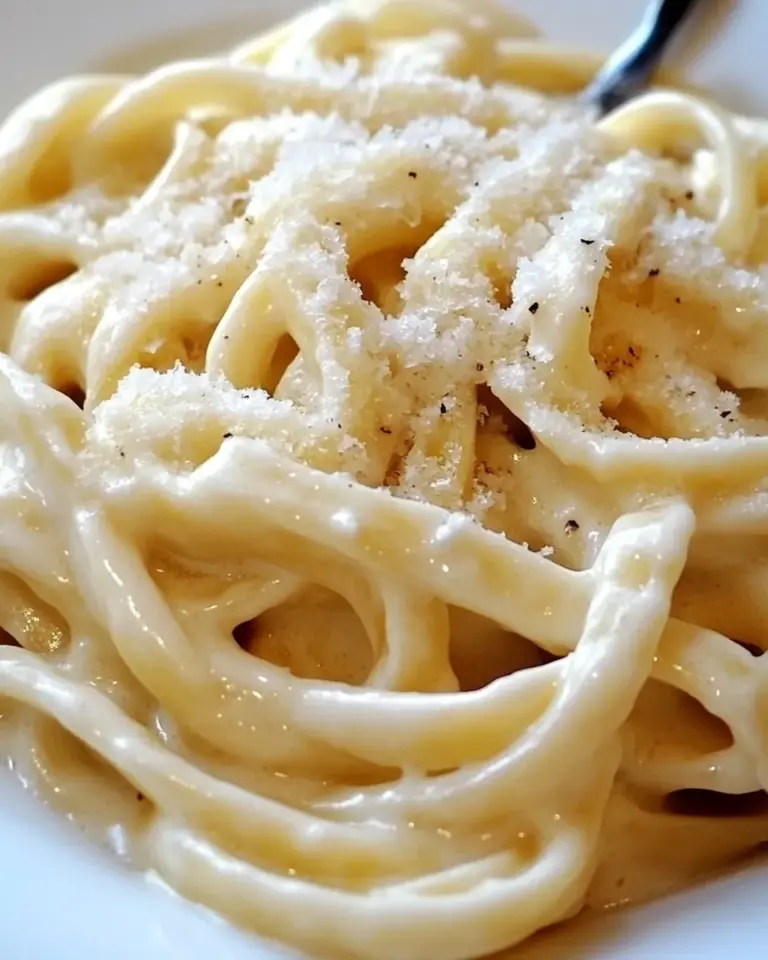
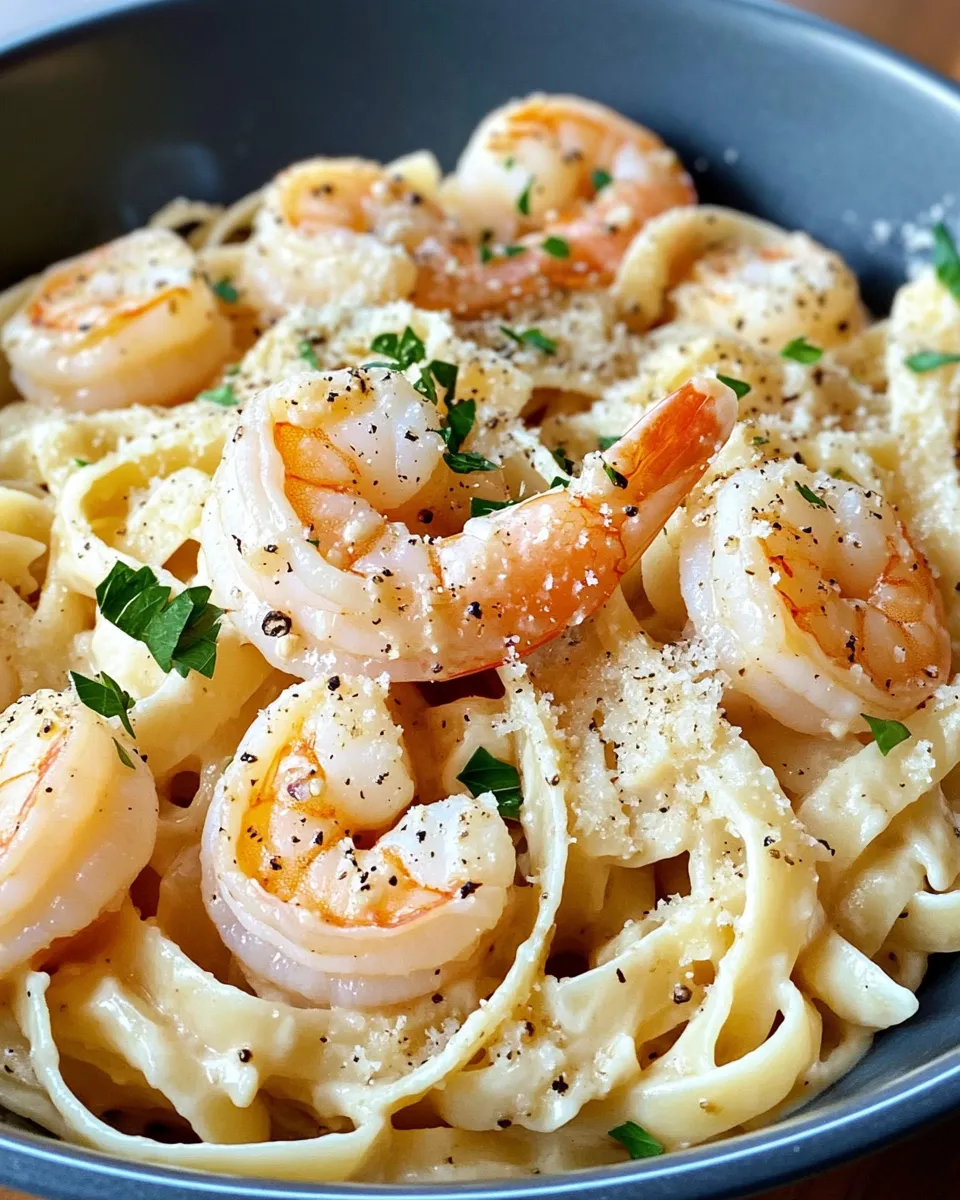
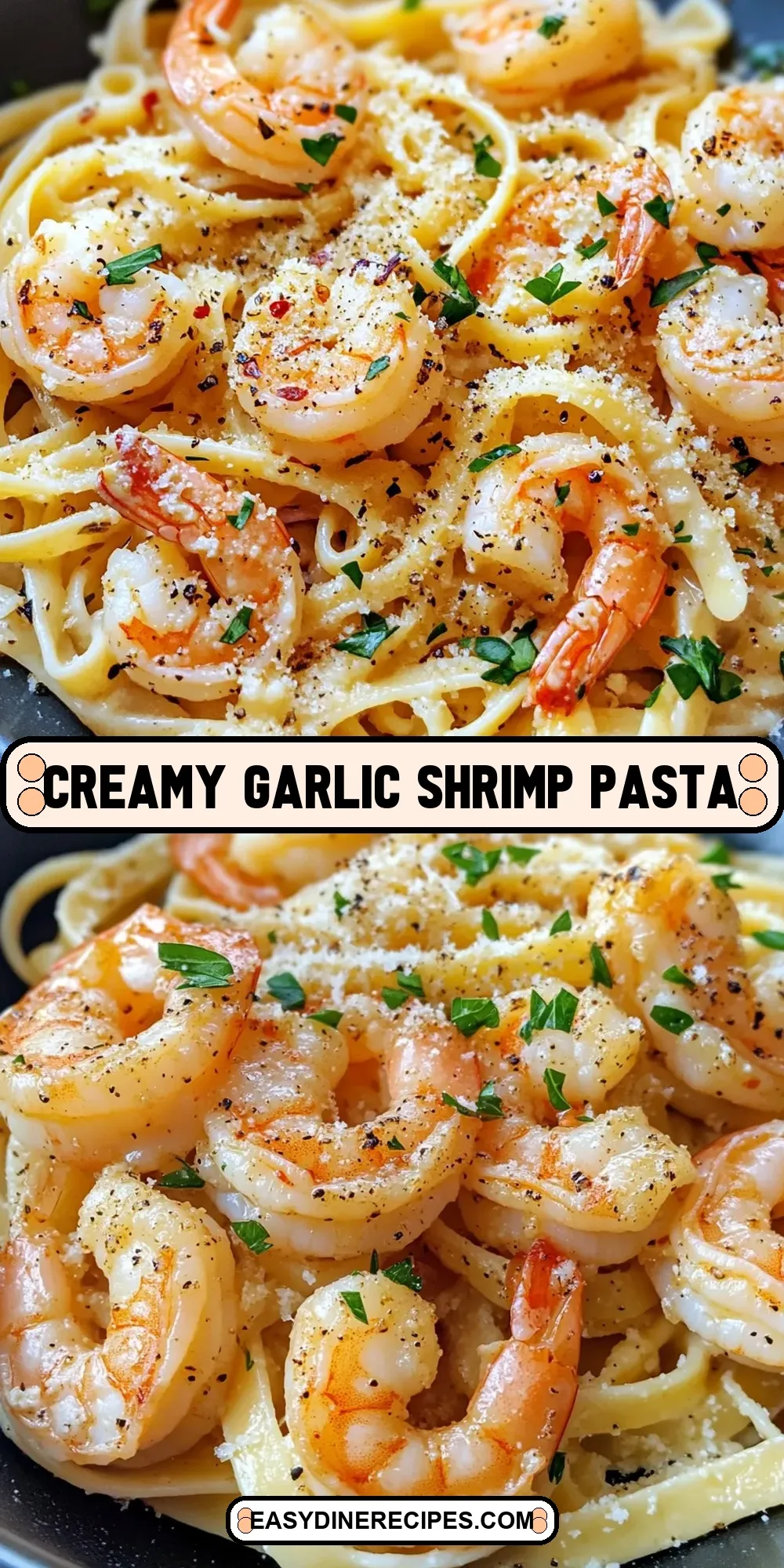
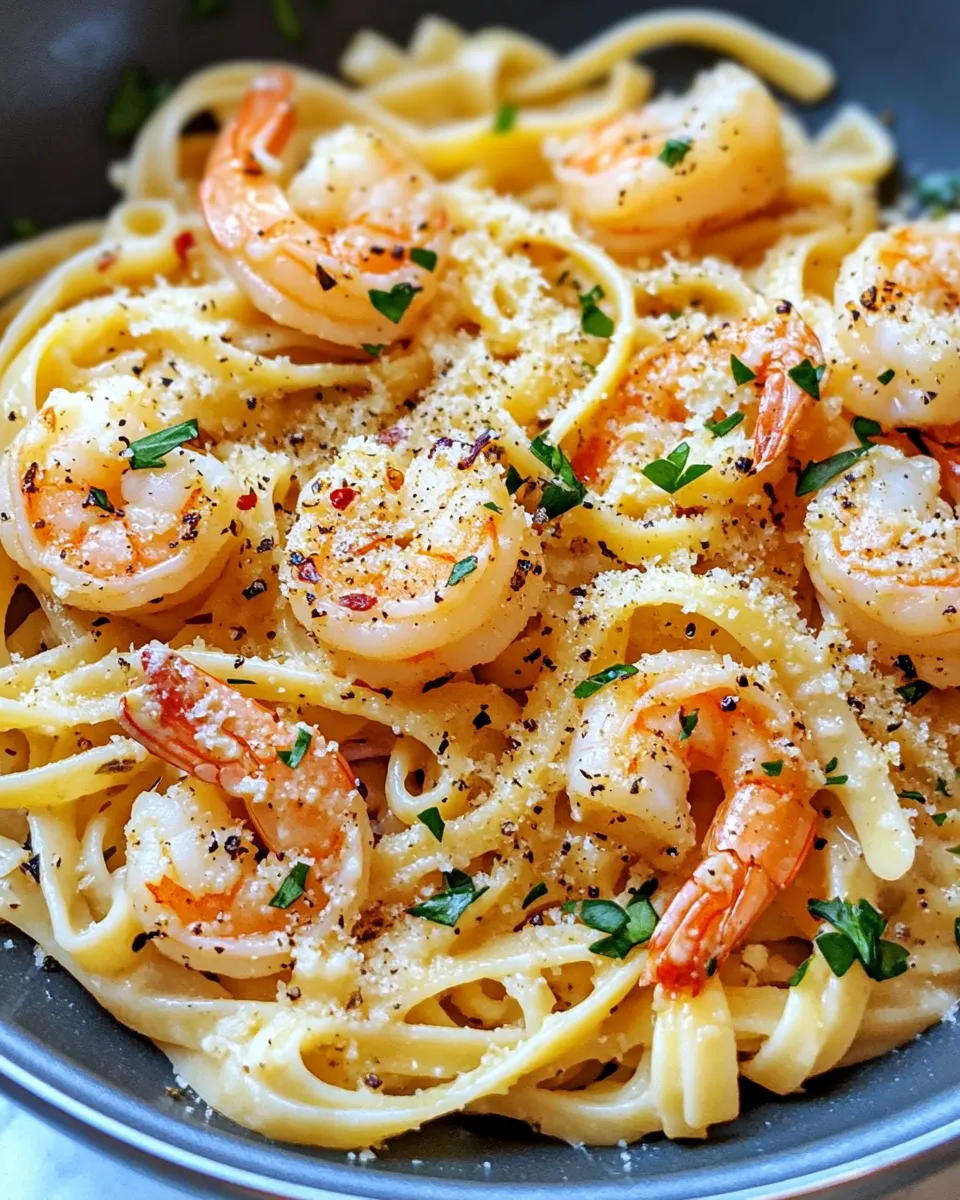
I love a recipe that comes together quickly, tastes indulgent, and feels like a little celebration on a weeknight. This Creamy Garlic Shrimp Pasta does all three: juicy shrimp, a silky Parmesan cream sauce, and tender linguine. It’s one of those dishes I turn to when I want comfort without a lot of drama in the kitchen.
There are moments when technique matters more than ingredients: don’t overcook the shrimp, save a cup of pasta water, and cook the garlic just until fragrant. Those small moves keep the sauce glossy and the shrimp tender. I’ll walk you through the steps, explain the why behind choices, and give practical swaps so you can make this routine into something reliably delicious.
Whether you’re cooking for two or feeding a hungry family, this pasta scales easily and feels special. Read on for the ingredient details, exact steps, equipment notes, troubleshooting, storage tips, and a few product swaps so it fits what’s in your pantry.
Ingredients at a Glance
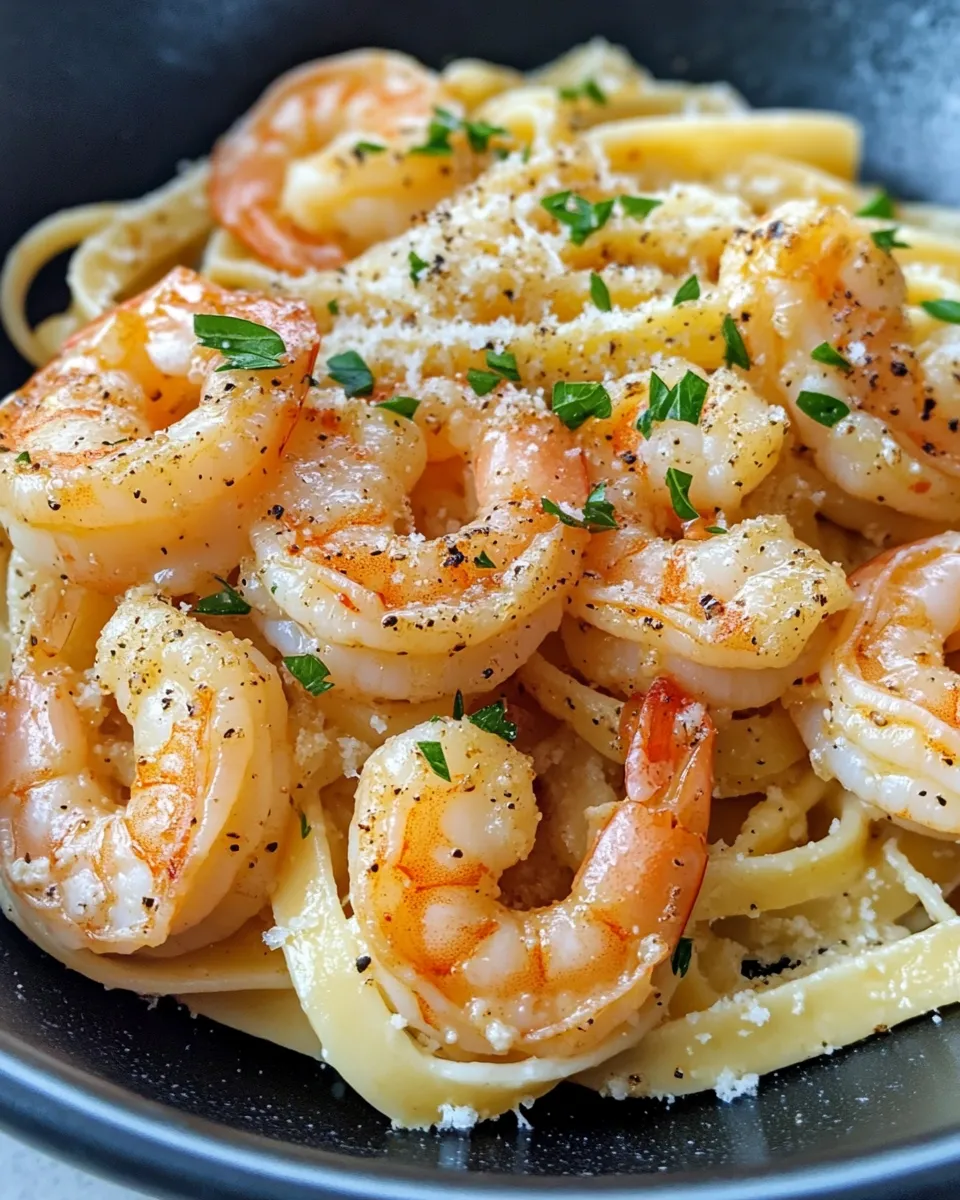
- 8 ounces (225 grams) linguine pasta — the strands catch the sauce without weighing it down; cook al dente for best texture.
- 1 tablespoon olive oil — adds flavor and helps the shrimp get a quick, even sear.
- 1 ½ tablespoons butter, divided — divided so some browns with the shrimp and some flavors the sauce; butter adds richness.
- 1 pound (450 grams) raw shrimp, buy frozen, peeled, and deveined shrimp — quick-cooking protein; thaw fully and pat dry for a good sear.
- ½ teaspoon salt — seasons the shrimp and the sauce; taste and adjust at the end.
- ¼ teaspoon ground black pepper — a touch of heat and balance.
- 1 tablespoon Old Bay seasoning, optional – or smoked paprika or cajun — brings savory, warm spice; use what you like or omit.
- 1 clove garlic, minced — key aromatic; cook briefly so it becomes fragrant but not bitter.
- ½ cup (120 ml) heavy cream (double cream in the UK) — builds the silky sauce; simmer gently to avoid breaking.
- ½ cup (40 grams) Parmesan, grated — melts into the cream for a savory, umami-rich finish.
- ¼ cup chopped fresh parsley, chopped — brightens the dish at the end and adds color.
Creamy Garlic Shrimp Pasta: From Prep to Plate
- If your shrimp are frozen, thaw them (overnight in the fridge or under cold running water), then pat dry with paper towels.
- Bring a large pot of water to a boil and salt it. Add 8 ounces (225 g) linguine and cook according to package directions until al dente. Before draining, reserve 1 cup of the pasta cooking water, then drain the pasta and set it aside.
- While the pasta cooks, heat a large skillet over medium heat. Add 1 tablespoon butter and 1 tablespoon olive oil and swirl until the butter melts.
- Season the shrimp with ½ teaspoon salt, ¼ teaspoon ground black pepper, and 1 tablespoon Old Bay seasoning (optional). Add the shrimp to the skillet in a single layer (work in batches if necessary) and cook about 1–2 minutes per side, until pink and opaque. Avoid overcooking. Transfer the cooked shrimp to a plate and set aside.
- Reduce the heat to medium-low. In the same skillet, add the remaining ½ tablespoon butter. Add 1 clove minced garlic and cook about 30 seconds, until fragrant (do not let it brown).
- Pour in ½ cup (120 ml) heavy cream and use a spatula to scrape up any browned bits from the bottom of the pan. Bring the cream to a gentle simmer for 1–2 minutes.
- Stir in ½ cup (40 g) grated Parmesan until melted and the sauce is smooth. If the sauce is too thick, add reserved pasta water a few tablespoons at a time (start with ¼ cup) until it reaches a saucey consistency. Taste and add more salt or pepper if needed.
- Add the drained linguine to the skillet and toss to coat the pasta evenly with the sauce. Add the cooked shrimp back to the pan and toss gently until the shrimp are heated through, about 30–60 seconds.
- Remove from heat, sprinkle with ¼ cup chopped fresh parsley, toss briefly, and serve immediately.
Why This Recipe is a Keeper
This pasta hits the trifecta: speed, flavor, and straightforward technique. The shrimp cook fast, so the meal is ready in about the same time it takes water to boil. A minimal ingredient list keeps the kitchen uncluttered, but the cream and Parmesan form a sauce that feels indulgent. Using reserved pasta water to loosen the sauce is the trick pros use; it creates a glossy emulsion that clings to the noodles without thinning the flavor.
It’s also very forgiving. Swap Old Bay for smoked paprika and you have a different profile. Skipping the seasoning only to add a squeeze of lemon at the end changes the tone again. For dinner parties, cook the pasta and sauce up to the point of adding the shrimp, then finish and toss with the cooked shrimp just before serving to keep everything warm and perfectly textured.
Ingredient Flex Options
Flexibility is one of the best parts of this recipe. Here are safe swaps and why they work.
- Protein — You can use scallops or thinly sliced chicken breast instead of shrimp. Cook time changes: scallops sear fast; chicken needs longer and should be cooked through.
- Pasta shape — Spaghetti, fettuccine, or penne all work. Thicker noodles hold the sauce differently; toss and taste to decide if you need more pasta water.
- Seasoning — If you don’t have Old Bay, smoked paprika, Cajun spice, or Italian seasoning are fine substitutes. Start with 1 teaspoon if swapping a milder spice.
- Dairy — If you only have half-and-half, the sauce will be lighter; reduce the simmer time to prevent splitting. For a richer finish, mix a tablespoon of cream cheese into the sauce before adding Parmesan.
Equipment at a Glance
- Large pot — for boiling pasta; have enough water so the pasta moves freely.
- Large skillet — a wide skillet gives shrimp space to sear without overcrowding.
- Spatula or tongs — for tossing pasta and scraping browned bits.
- Fine grater — freshly grated Parmesan melts more smoothly than pre-shredded.
Watch Outs & How to Fix
Here are predictable problems and quick solutions so dinner doesn’t derail.
- Shrimp rubbery or tough — likely overcooked. Cook shrimp 1–2 minutes per side depending on size, and remove from heat when just opaque. If they’re already overcooked, fold them into the sauce at the end briefly to warm through, then serve immediately.
- Sauce too thick — add the reserved pasta water, a few tablespoons at a time, until the sauce loosens. The starchy water helps emulsify and bind the sauce to the pasta.
- Sauce broken or split — lower the heat. Stir in a splash of cold cream or milk off the heat to bring it back together, then return to very low heat and stir gently.
- Pasta bland — salt the boiling water well and taste before draining. If needed, finish the tossed pasta with a pinch more salt or a squeeze of lemon to brighten.
Better-for-You Options
You can make this dish lighter without losing much pleasure. Use half-and-half instead of heavy cream for fewer calories, or choose a light olive oil and reduce butter by half. Swap linguine for whole-grain pasta or a legume-based pasta to add fiber and protein. Keep in mind that nontraditional pastas absorb sauce differently, so use more reserved pasta water to adjust consistency.
If you want to up the veg, toss in baby spinach or halved cherry tomatoes after you add the linguine; they wilt quickly and add freshness and color. A handful of steamed peas stirred in at the end works nicely too.
Cook’s Notes
Small adjustments I use every time:
- Pat shrimp very dry before seasoning. Moisture prevents a proper sear.
- Reserve at least 1 cup of pasta water. I often end up using ¼–½ cup depending on how much sauce I want.
- Grate Parmesan fresh from the wedge. It melts better and the flavor is brighter than pre-grated packets.
- Have parsley chopped and ready. Fresh herbs go in at the end to keep them lively.
Storage Pro Tips
Cool leftovers to room temperature within two hours and store in an airtight container in the refrigerator for up to 2 days. Reheat gently in a skillet over low heat with a splash of water or milk to loosen the sauce; high heat will tighten the sauce and can overcook the shrimp. Avoid freezing the shrimp pasta—frozen then reheated shrimp tend to be rubbery. If you must freeze, store just the sauce (without shrimp) for up to one month—thaw and reheat slowly, add fresh shrimp at the end.
Reader Questions
Q: Can I make this ahead for a dinner party?
A: Yes. Cook the linguine and make the sauce, then cool and refrigerate separately from the shrimp for up to 24 hours. Finish by reheating the sauce gently, tossing in the pasta with reserved water, and warming the cooked shrimp briefly in the pan for service.
Q: I don’t have Old Bay—how much smoked paprika should I use?
A: Use 1 teaspoon smoked paprika for a milder, smoky note. Taste and adjust if you want more punch.
Q: Can I use frozen shrimp straight from the freezer?
A: Thawing first is best. Frozen shrimp released into a hot pan will lower the pan temperature and steam rather than sear, which affects texture.
See You at the Table
This Creamy Garlic Shrimp Pasta is a dependable weeknight winner that feels a little luxurious without much fuss. Timing and small techniques—thawing and drying shrimp, using reserved pasta water, and gentle simmering of the cream—make a big difference. Make it once, and you’ll know the rhythm: pasta in, shrimp seared, sauce finished, parsley scattered, plates served hot.
If you try it, tell me how you tweaked the seasoning or what swap you made. I love hearing which small change turned a good weeknight dinner into a household favorite.
Creamy Garlic Shrimp Pasta
Equipment
- Saucepan
- Skillet
- Spatula
Ingredients
Ingredients
- ?8 ounces 225 gramslinguine pasta
- ?1 tablespoonolive oil
- ?1 1/2 tablespoonsbutterdivided
- ?1 pound 450 gramsraw shrimpbuy frozen, peeled, and deveined shrimp
- ?1/2 teaspoonsalt
- ?1/4 teaspoonground black pepper
- ?1 tablespoonOld bay seasoningoptional – or smoked paprika or cajun
- ?1 clovegarlicminced
- ?1/2 cup 120 mlheavy cream(double cream in the UK)
- ?1/2 cup 40 gramsparmesangrated
- ?1/4 cupchopped fresh parsleychopped
Instructions
Instructions
- If your shrimp are frozen, thaw them (overnight in the fridge or under cold running water), then pat dry with paper towels.
- Bring a large pot of water to a boil and salt it. Add 8 ounces (225 g) linguine and cook according to package directions until al dente. Before draining, reserve 1 cup of the pasta cooking water, then drain the pasta and set it aside.
- While the pasta cooks, heat a large skillet over medium heat. Add 1 tablespoon butter and 1 tablespoon olive oil and swirl until the butter melts.
- Season the shrimp with ½ teaspoon salt, ¼ teaspoon ground black pepper, and 1 tablespoon Old Bay seasoning (optional). Add the shrimp to the skillet in a single layer (work in batches if necessary) and cook about 1–2 minutes per side, until pink and opaque. Avoid overcooking. Transfer the cooked shrimp to a plate and set aside.
- Reduce the heat to medium-low. In the same skillet, add the remaining ½ tablespoon butter. Add 1 clove minced garlic and cook about 30 seconds, until fragrant (do not let it brown).
- Pour in ½ cup (120 ml) heavy cream and use a spatula to scrape up any browned bits from the bottom of the pan. Bring the cream to a gentle simmer for 1–2 minutes.
- Stir in ½ cup (40 g) grated Parmesan until melted and the sauce is smooth. If the sauce is too thick, add reserved pasta water a few tablespoons at a time (start with ¼ cup) until it reaches a saucey consistency. Taste and add more salt or pepper if needed.
- Add the drained linguine to the skillet and toss to coat the pasta evenly with the sauce. Add the cooked shrimp back to the pan and toss gently until the shrimp are heated through, about 30–60 seconds.
- Remove from heat, sprinkle with ¼ cup chopped fresh parsley, toss briefly, and serve immediately.
Notes
Don’t forget to reserve about a cup of the pasta cooking water, it’s quite starchy and great for loosening up the sauce. You will most probably need much less than a cup, but to stay on the safe side I always reserve 1 cup and drain the rest.
This pasta makes 4 normal servings, or 3 big ones.
Storein the fridge in a sealed container for up to 3 days.
Reheatthe pasta in a skillet over low-medium heat, and add a splash of water to loosen the sauce. Do the same if using the microwave. I don’t recommend freezing this creamy shrimp pasta.