I love this dish because it feels fancy without asking for much time or fuss. Flaky salmon, garlic-forward butter sauce, and a handful of pantry basics come together in one skillet. Weeknight friendly, dinner-party worthy—this is one of those recipes I turn to when I want something reliable and satisfying.
There’s a rhythm to it: a pot for the pasta, a hot pan for the salmon, then a quick sauce that ties everything together. You don’t need special skills to get lovely results. A few small techniques—drying the fish, reserving pasta water, and gently breaking the salmon—make the final plate sing.
Below I’ll walk you through notes on ingredients, exact steps, smart substitutions, equipment to have on hand, and troubleshooting tips so you can make this again and again with confidence.
Ingredient Notes
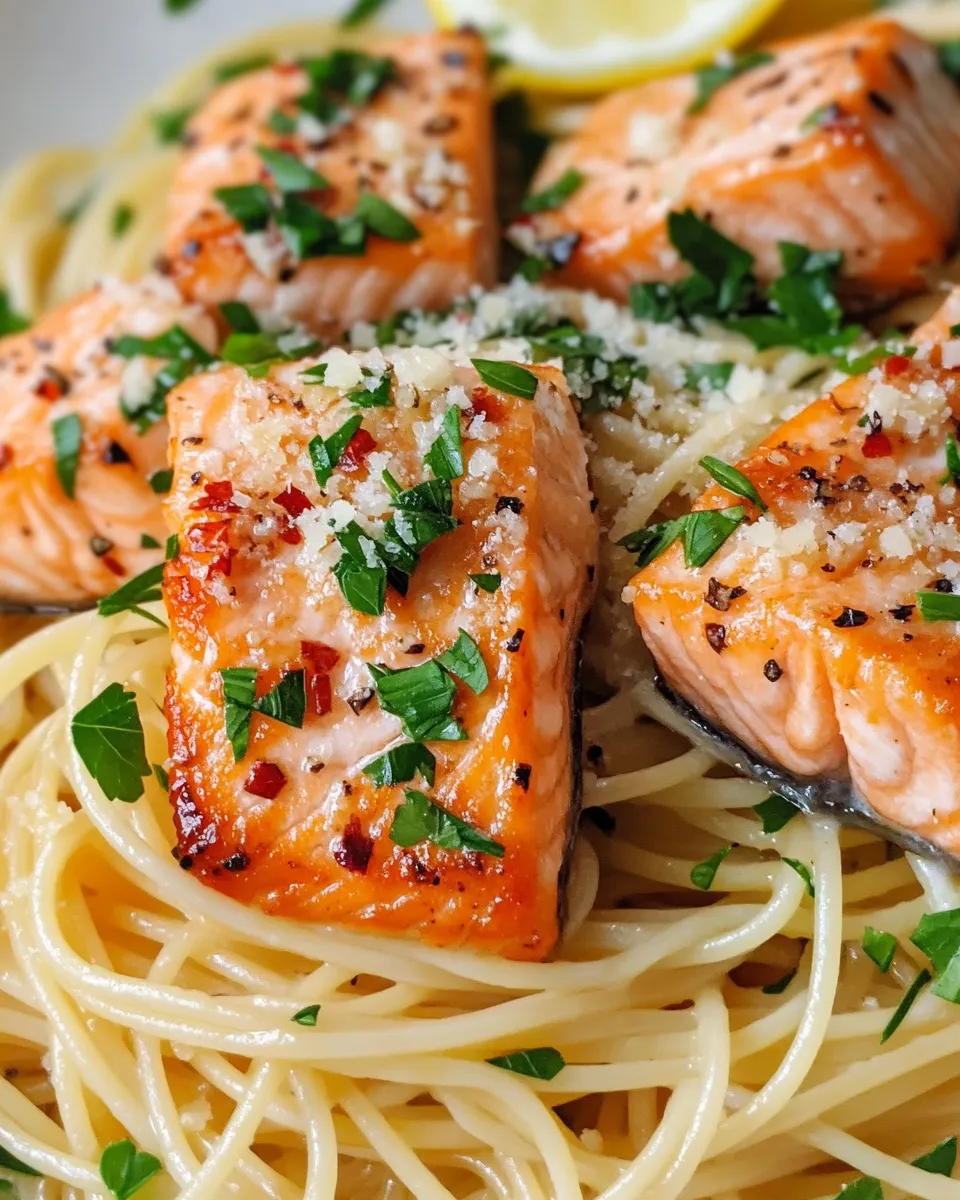
Short notes on the key components so you know what each one contributes and how to get the best results.
Ingredients
- 4 ounces uncooked pasta — provides the base and soaks up the garlic-butter sauce; use a shape with some surface so sauce clings (spaghetti, linguine, or small tubes).
- 1/2 pound fresh salmon — the star protein; skin-on or skinless works, but pat dry for a good sear.
- Salt & pepper to taste — simple seasoning that highlights both pasta and salmon; season lightly before cooking and adjust at the end.
- Flour for dredging — a light coating helps the salmon form a golden crust and thickens the sauce slightly when it cooks off.
- 1 tablespoon olive oil — keeps the salmon from sticking and contributes a clean frying fat.
- 2 tablespoons butter — for flavor and the silky sauce; add to the olive oil so it doesn’t burn.
- 1/2 cup chicken broth or veg broth — builds the pan sauce and adds savory depth without heaviness.
- 1 tablespoon lemon juice — brightens the sauce and balances the butter’s richness.
- 3-4 cloves garlic minced — the aromatic backbone; adjust to taste but don’t skip it.
- Optional garnish: fresh parsley, red pepper flakes, parmesan cheese — finishing touches for color, heat, and umami.
How to Prepare Garlic Butter Salmon Pasta
- Bring a pot of salted water to a boil. Add 4 ounces uncooked pasta and cook until al dente according to package directions. Before draining, reserve a little pasta cooking water (a few tablespoons) and then drain the pasta.
- While the water heats (or while the pasta cooks), pat 1/2 pound fresh salmon dry with paper towels. Season both sides with salt and pepper to taste, then dredge the salmon lightly in flour to coat.
- Heat 1 tablespoon olive oil and 2 tablespoons butter in a large skillet over medium-high heat until the butter is melted and the pan is hot.
- Add the floured salmon to the hot skillet and cook about 2 minutes per side. If the salmon has skin you do not want to eat, you can peel it off after this step. Transfer the cooked salmon to a plate and set aside.
- Reduce the skillet heat to medium. Add 1/2 cup chicken or vegetable broth, 3–4 cloves minced garlic, and 1 tablespoon lemon juice to the pan. Scrape up any browned bits from the bottom of the skillet and simmer the mixture for about 1 minute.
- Return the salmon to the skillet and use a spoon to break it into bite-size pieces. Cook for a few more minutes, until the salmon is cooked through and the sauce has reduced slightly.
- Add the drained pasta to the skillet and toss to combine, adding a little of the reserved pasta water as needed to loosen the sauce and coat the pasta.
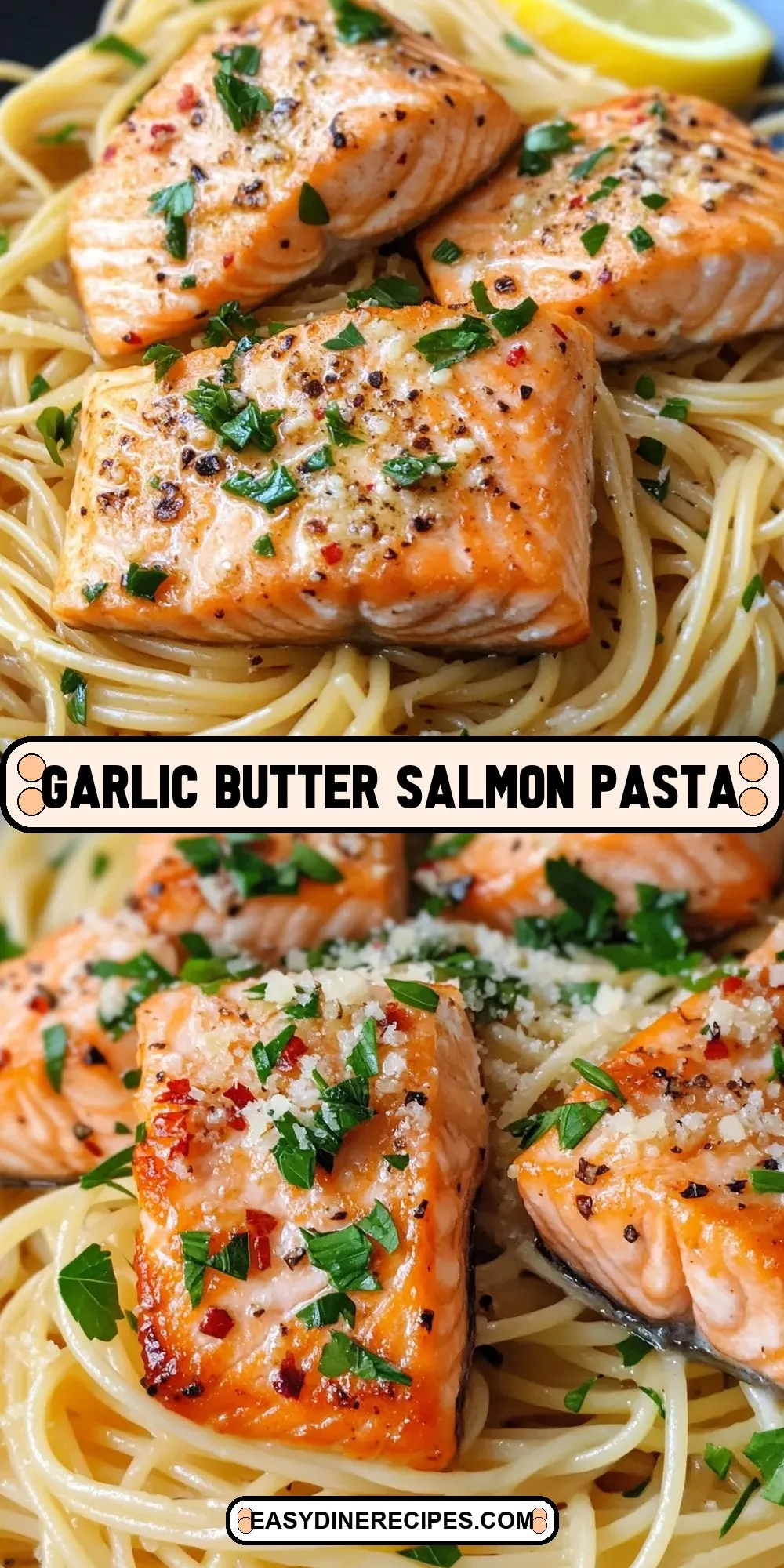
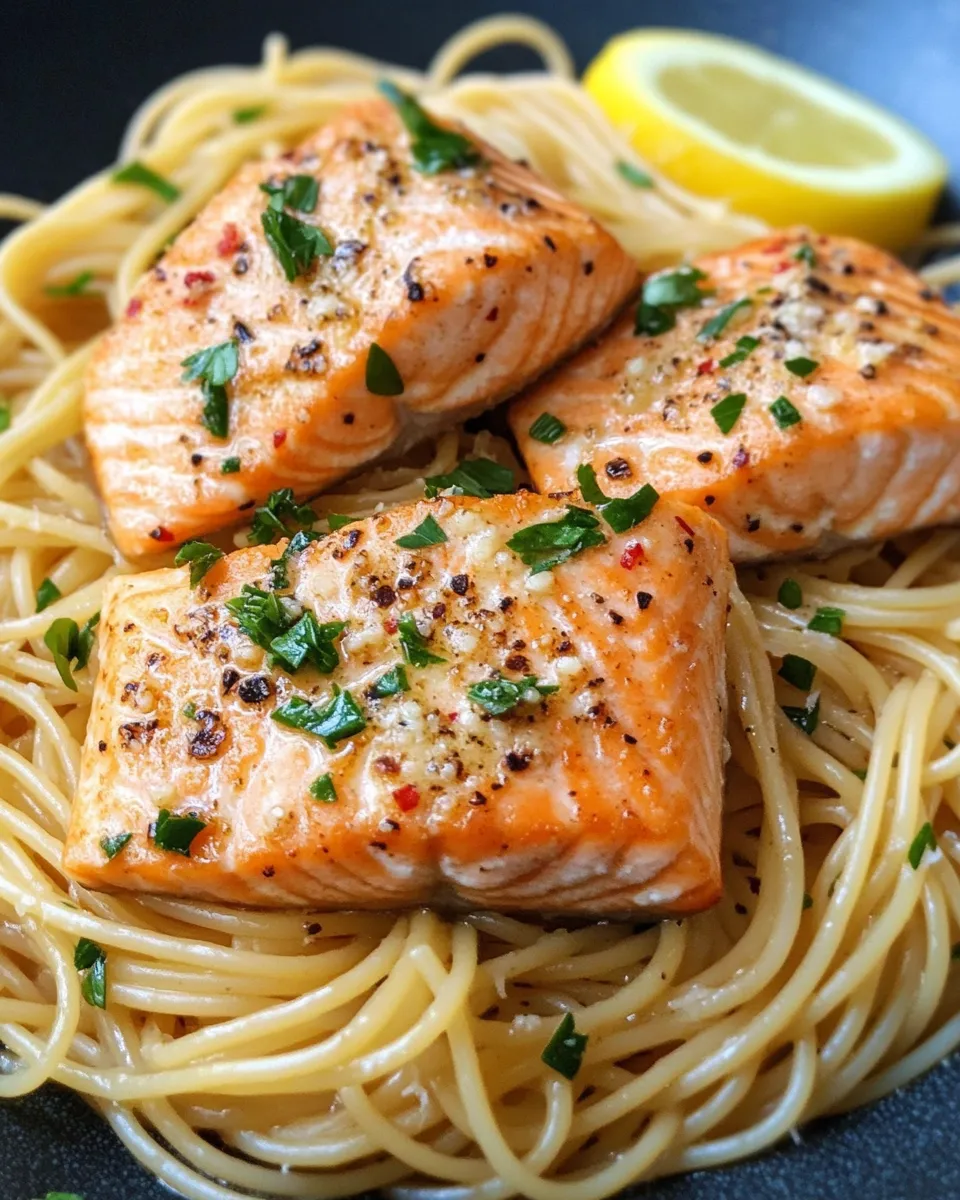
- Taste and adjust salt and pepper if needed. Serve immediately with optional garnishes: fresh parsley, red pepper flakes, and grated Parmesan cheese.
Why You’ll Love This Recipe
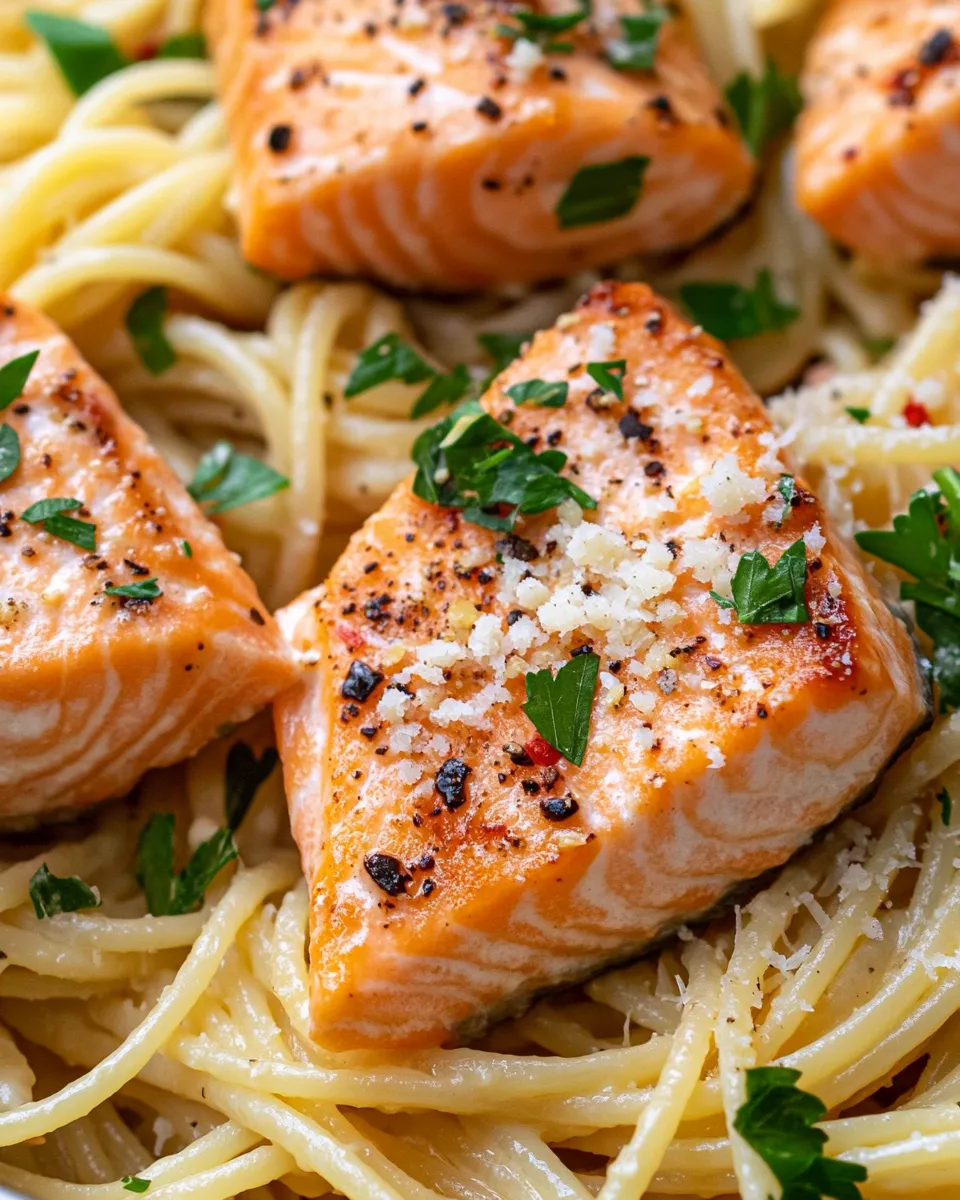
This dish balances richness and brightness. The butter gives the sauce a silky mouthfeel while lemon and broth keep it from feeling heavy. Salmon cooks quickly and pairs naturally with garlic; when you toss it with the pasta the flavors marry fast.
It’s adaptable. Make it with what you have—different pasta shapes, pantry broth, or a squeeze more lemon if you want a fresher bite. Cleanup is minimal: one pan for the sauce and protein, one pot for pasta. That’s a winning combination on busy nights.
Substitutions by Category
Pasta
- Short pasta (penne, rigatoni) — holds sauce in the tubes and is great if you want chunkier bites.
- Long pasta (spaghetti, linguine) — classic pairing, easy to toss with the sauce.
Protein
- Other fish (cod, halibut) — firmer white fish can substitute if you prefer milder flavor and similar texture.
- Cooked shrimp — quick swap; add near the end to avoid overcooking.
Dairy & Fats
- All butter or all oil — the recipe uses both for flavor and heat tolerance; you can use just butter for richness or all oil if avoiding dairy.
- Parmesan — optional, adds umami and salt; grate at the end to finish the dish.
Broth & Acid
- White wine instead of broth — adds acidity and aromatics; reduce slightly before adding lemon.
- Vinegar (white wine or apple cider) — a pinch can stand in for lemon if you have no citrus, but use sparingly.
Setup & Equipment
Gather a large pot for the pasta and a roomy skillet for searing the salmon and building the sauce. A heavy-bottomed skillet (stainless or cast iron) gives an even sear. Keep a slotted spoon or spatula to transfer the fish without breaking it too early.
Other helpful items: a small bowl for the reserved pasta water, paper towels to dry the salmon, and a microplane or fine grater if you plan to finish with Parmesan. Have your garlic minced ahead of time so it sautés quickly without burning.
Troubles You Can Avoid
Salmon that falls apart in the pan: pat it very dry and only flip once. A coating of flour and a hot pan help form a crust and keep the fillet intact long enough to transfer and break apart later for texture.
Burnt garlic: add minced garlic after you reduce the heat to medium and when there is broth in the pan. Garlic burns quickly in hot fat, so give it moisture to cook gently and flavor the sauce.
Sauce too thin or too thick: reserve a few tablespoons of pasta water. If the sauce is too thin, simmer a little longer to reduce; if it’s too thick, add pasta water a splash at a time until you reach the desired silkiness.
Make It Your Way
Prefer more heat? Sprinkle red pepper flakes over individual servings. Want extra herb brightness? Stir in chopped parsley or basil right before serving. For creamier sauce, stir in a tablespoon or two of cream or a grating of ricotta at the end—though the classic version is perfectly balanced without dairy beyond butter and optional Parmesan.
For larger servings, scale the ingredients proportionally: more pasta, more salmon, and a bit more broth and butter to keep the sauce coating properly. Keep the panwork efficient—cook in batches if your skillet isn’t large enough to avoid crowding the salmon.
Behind the Recipe
This recipe leans on a few classical ideas: searing protein for texture, deglazing the pan to capture flavor, and finishing with acid to lift richness. The flour dredge is traditional and practical—it helps create a golden crust that captures browned flavor and slightly thickens the sauce.
It’s a weeknight riff on seafood pasta from coastal traditions where fish and simple aromatics are staples. The result is straightforward comfort—delicious, approachable, and repeated often because it’s always reliable.
Make Ahead Like a Pro
You can cook the salmon and make the sauce a few hours ahead and refrigerate separately from the pasta. Reheat gently in a skillet over low heat with a splash of broth or reserved pasta water to loosen the sauce. Add the drained, freshly cooked pasta just before serving and toss to combine.
Alternatively, fully assemble and store in the fridge for up to 24 hours; reheat gently to avoid drying the salmon and add a little reserved or fresh liquid to restore the sauce consistency. Avoid freezing once assembled—texture changes in the salmon and pasta will be noticeable.
Garlic Butter Salmon Pasta Q&A
Can I use frozen salmon?
Yes. Thaw it in the refrigerator overnight, pat it dry, and proceed as directed. Thawing fully and drying well are key to a good sear.
How do I know the salmon is done?
Salmon flakes easily with a fork and is opaque throughout. Because you break it into bite-size pieces and finish it in the sauce, a few minutes of carryover cooking in the skillet will bring it to the right doneness without drying.
What if I don’t have chicken or vegetable broth?
Use water plus a pinch of salt and a teaspoon of butter or a splash of white wine for flavor. Broth adds depth, but a quick substitute will still yield a tasty sauce.
Can I make this dairy-free?
Yes—use olive oil instead of butter. The depth will shift slightly, but lemon, garlic, and broth will keep the dish flavorful. Omit Parmesan garnish.
The Last Word
This Garlic Butter Salmon Pasta is one of those dependable dinners that looks and tastes like you put in more effort than you did. It’s forgiving, fast, and adaptable—perfect for busy evenings and small celebrations alike. Follow the simple steps, keep a few technique notes in mind (dry the fish, reserve pasta water, don’t overheat the garlic), and you’ll have a consistent, delicious result.
Make it tonight. Once you see how quickly salmon and pasta come together, this will become one of your go-to meals too.
Garlic Butter Salmon Pasta
Equipment
- Pot
- Large Skillet
- Colander
- Spoon
- Paper Towels
- Plate
Ingredients
Ingredients
- 4 ouncesuncooked pasta
- 1/2 poundfresh salmon
- Salt & pepperto taste
- Flourfor dredging
- 1 tablespoonolive oil
- 2 tablespoonsbutter
- 1/2 cupchicken brothor veg broth
- 1 tablespoonlemon juice
- 3-4 clovesgarlicminced
- Optional garnish: fresh parsley red pepper flakes, parmesan cheese
Instructions
Instructions
- Bring a pot of salted water to a boil. Add 4 ounces uncooked pasta and cook until al dente according to package directions. Before draining, reserve a little pasta cooking water (a few tablespoons) and then drain the pasta.
- While the water heats (or while the pasta cooks), pat 1/2 pound fresh salmon dry with paper towels. Season both sides with salt and pepper to taste, then dredge the salmon lightly in flour to coat.
- Heat 1 tablespoon olive oil and 2 tablespoons butter in a large skillet over medium-high heat until the butter is melted and the pan is hot.
- Add the floured salmon to the hot skillet and cook about 2 minutes per side. If the salmon has skin you do not want to eat, you can peel it off after this step. Transfer the cooked salmon to a plate and set aside.
- Reduce the skillet heat to medium. Add 1/2 cup chicken or vegetable broth, 3–4 cloves minced garlic, and 1 tablespoon lemon juice to the pan. Scrape up any browned bits from the bottom of the skillet and simmer the mixture for about 1 minute.
- Return the salmon to the skillet and use a spoon to break it into bite-size pieces. Cook for a few more minutes, until the salmon is cooked through and the sauce has reduced slightly.
- Add the drained pasta to the skillet and toss to combine, adding a little of the reserved pasta water as needed to loosen the sauce and coat the pasta.
- Taste and adjust salt and pepper if needed. Serve immediately with optional garnishes: fresh parsley, red pepper flakes, and grated Parmesan cheese.