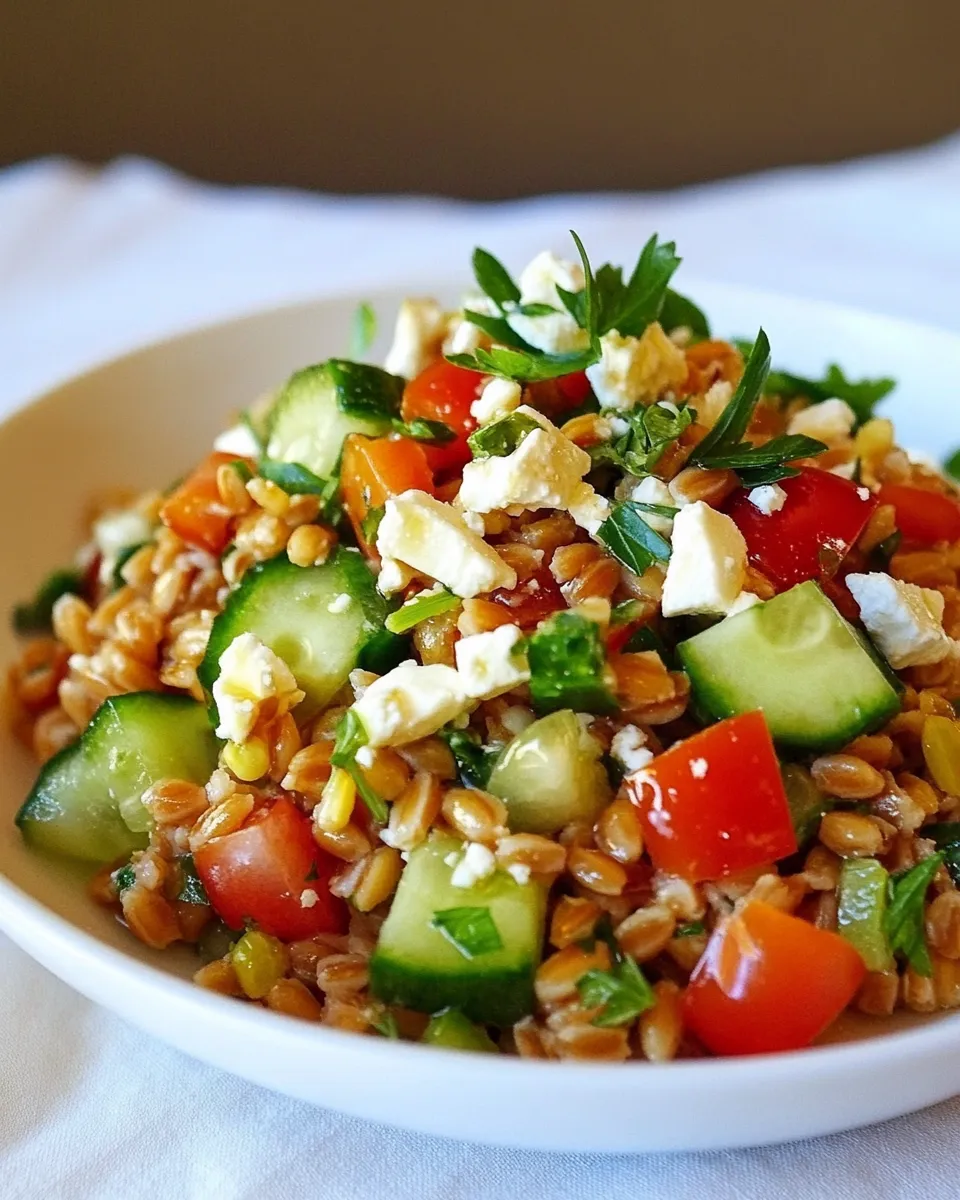
This Greek Farro Salad is the kind of bowl I make when I want something bright, substantial, and make-ahead friendly. It balances nutty, chewy farro with crisp vegetables, briny kalamata olives, and just enough tang from a balsamic-Dijon dressing. It’s straightforward to pull together and travels well for lunches or potlucks.
I love that this salad isn’t precious: it holds up in the fridge, benefits from a brief rest for the flavors to meld, and still tastes great served right away. The texture contrasts—farro’s chew, kale’s backbone, juicy heirloom tomatoes, and crumbled feta—make every bite interesting without fuss.
Below you’ll find the exact ingredient list and step-by-step directions, followed by practical tips, swaps that stick to what you already have on hand, and common mistakes to avoid. If you’re short on time, the quick-cooking farro keeps this recipe accessible without sacrificing that hearty grain feel.
Ingredient Breakdown
Ingredients
- 8ozQuick Cooking Farro — the base grain; quick-cooking farro shortens prep time while keeping a pleasant chew.
- 3cupschopped baby kale — provides structure and color; chop small so it mixes easily with the farro.
- 2cupsdiced heirloom tomatoes — juicy sweetness and acidity; use ripe tomatoes for the best flavor.
- 2cupsdiced english cucumber — adds crispness and cooling contrast to the tomatoes.
- 1cupdiced red onion — sharpness and bite; if you want milder flavor, rinse briefly in cold water.
- 1/2cupchopped kalamata olives — salty, briny element that defines the Greek profile.
- 1/2cupchopped parsley — bright herbaceous lift; chop finely to distribute flavor.
- 6ozfat free crumbled feta cheese — tang and creaminess without the added fat; crumbled so it blends through the salad.
- 1 1/2teaspoonsdried oregano — classic Greek seasoning; sprinkle into the dressing so it hydrates and releases aroma.
- salt & pepperto taste — essential seasoning; add gradually and taste before serving.
- 1clovegarlicgrated — gives depth to the dressing; grating distributes it evenly without big chunks.
- 4teaspoonsdijon mustard — emulsifier and tang in the dressing; whiskes the oil and vinegar together.
- 4tablespoonsbalsamic vinegar — the acidic backbone of the dressing; balances the oil and salt.
- 7tablespoonsolive oil — body and richness for the dressing; use a good-quality oil since its flavor is prominent.
- salt & pepperto taste — listed twice in the source to remind you to season both the dressing and the salad.
Greek Farro Salad: How It’s Done
- Place 8 oz quick-cooking farro in a small pot and cover with water. Bring to a boil, reduce heat to a simmer, and cook until the farro is softened but still slightly chewy. Drain and set aside to cool slightly.
- In a large bowl combine 3 cups chopped baby kale, 2 cups diced heirloom tomatoes, 2 cups diced english cucumber, 1 cup diced red onion, 1/2 cup chopped kalamata olives, 1/2 cup chopped parsley, and 6 oz fat free crumbled feta cheese.
- In a small bowl whisk together 1 clove grated garlic, 4 teaspoons dijon mustard, 4 tablespoons balsamic vinegar, 7 tablespoons olive oil, 1 1/2 teaspoons dried oregano, and salt & pepper to taste until the dressing is well combined and slightly emulsified.
- Add the cooked farro to the bowl with the salad ingredients (if the farro is very hot, let it cool briefly before adding).
- Pour the dressing over the salad and toss gently to combine. Taste and adjust salt & pepper to taste.
- Serve immediately, or store the salad in the refrigerator until ready to serve.
Top Reasons to Make Greek Farro Salad
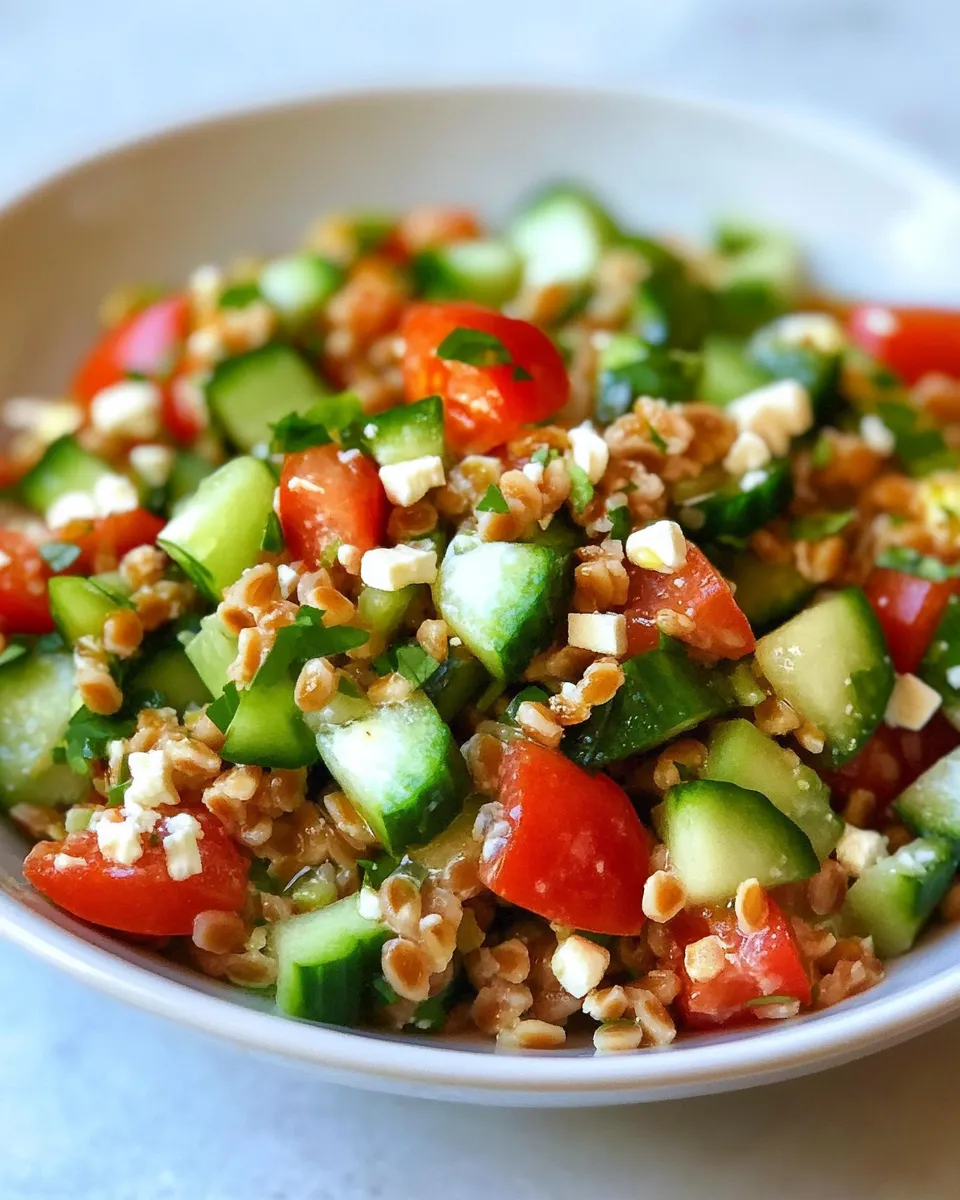
This salad is worth making because it hits practical needs as well as flavor notes. It’s meal-prep friendly—cook once and eat for several meals. The quick-cooking farro gives you a hearty grain without a long simmer, so dinner comes together faster than you’d expect for a grain-forward salad.
It’s balanced: vegetables add hydration and freshness, kale gives structure, olives and feta provide savory depth, and the dressing ties everything together. The components hold up in the fridge, so this is a reliable option for lunches or a casual dinner alongside grilled protein.
Finally, it’s adaptable within the given ingredients. You can serve it warm, at room temperature, or chilled. That flexibility makes it an all-season salad—refreshing in summer, comforting in cooler months.
Ingredient Swaps & Substitutions
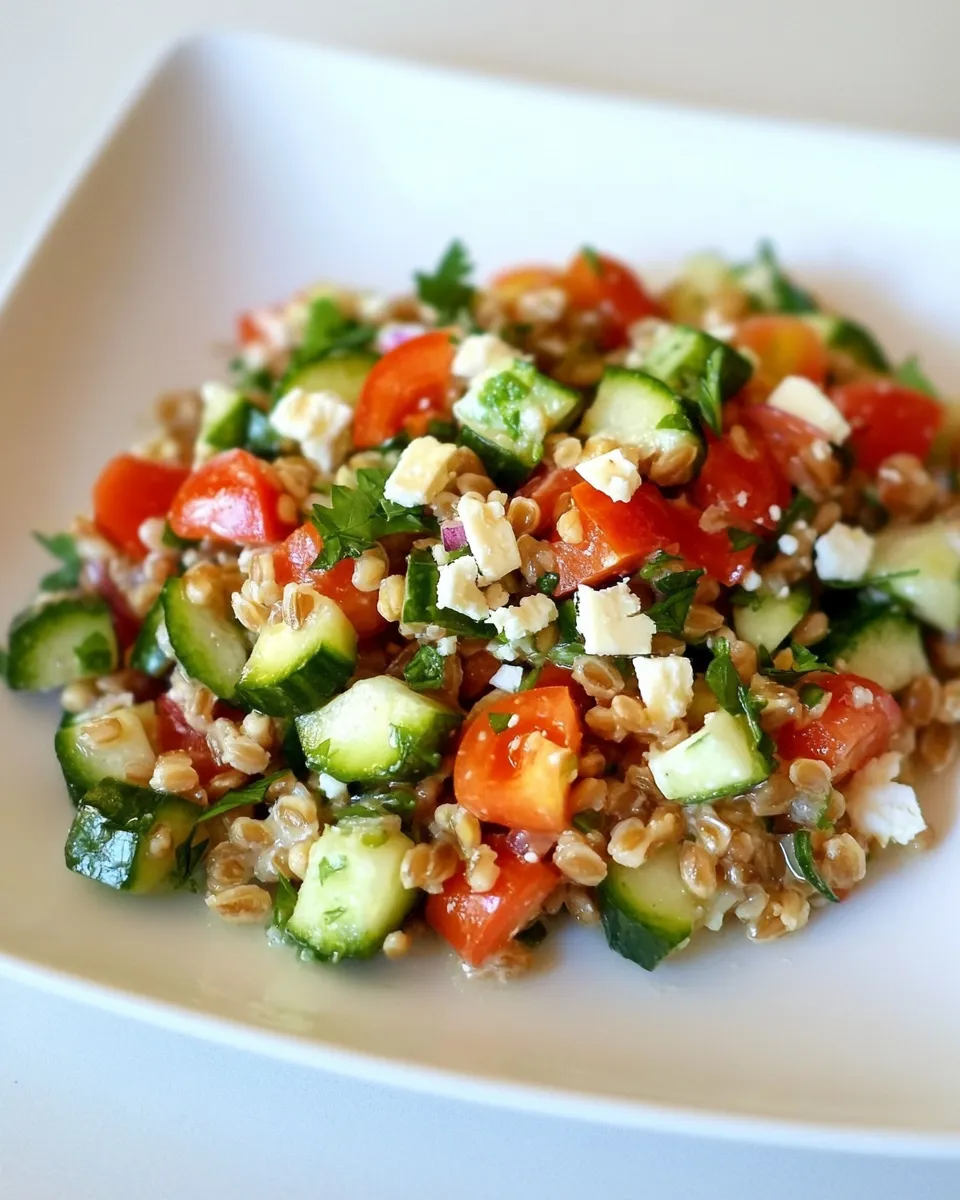
Sticking to the core components in this recipe keeps the Greek character intact. If you need adjustments, consider these options while staying within the supplied ingredient choices:
- Grain texture: If you want a softer grain texture, simply let the cooked farro sit a few minutes longer in the covered pot before draining; it will continue to soften.
- Onion intensity: For a milder onion presence, drain diced red onion in cold water for a minute before adding to the salad.
- Herb emphasis: Increase the amount of chopped parsley (from the listed 1/2 cup) to brighten the overall flavor without introducing new ingredients.
- Olive and cheese balance: Reduce the amount of kalamata olives slightly if you prefer a less briny profile, or reduce crumbled feta if you want lower tang while keeping the same ingredient list.
- Dressing acidity: Modify the 4 tablespoons balsamic vinegar amount up or down to taste; less for a milder dressing, more for a punchier one.
Recommended Tools
- A small pot with lid — to cook the 8ozQuick Cooking Farro efficiently.
- Colander or fine-mesh sieve — to drain the cooked farro.
- Large mixing bowl — roomy enough to toss the farro and all salad components without spilling.
- Small bowl and whisk — for combining the dressing ingredients and emulsifying the oil and vinegar.
- Sharp chef’s knife and cutting board — for quick prep of tomatoes, cucumber, onion, parsley, and kale.
- Spoon or tongs — to toss the salad gently so the ingredients mix without crushing tomatoes or smashing feta too much.
What Not to Do
There are a few easy missteps that can mute or unbalance this salad:
- Don’t add piping-hot farro straight into the salad without pause. If the farro is very hot, let it cool slightly before adding to avoid wilting the kale and making the feta greasy.
- Don’t over-dress from the start. The dressing is flavorful; toss gradually and taste before adding more. You can always add more, but it’s hard to remove excess.
- Don’t skip draining the farro. Excess water dilutes the dressing and makes the salad soggy.
- Don’t neglect seasoning. The combined flavors rely on salt and pepper added to both the dressing and the salad elements to shine.
Variations for Dietary Needs
This recipe is already flexible for several dietary preferences if you keep changes within the provided ingredients:
- Dairy-conscious: Omit or reduce the 6oz fat free crumbled feta cheese to lower dairy content. The salad remains flavorful due to the olives, parsley, and dressing.
- Lower-fat dressing: Keep the 7 tablespoons olive oil but reduce slightly, and increase the balsamic vinegar a touch to maintain dressing volume and brightness.
- Make-ahead friendly: Prepare the farro and chopped vegetables ahead of time and store them separately; toss with the dressing and feta shortly before serving to preserve texture.
Method to the Madness
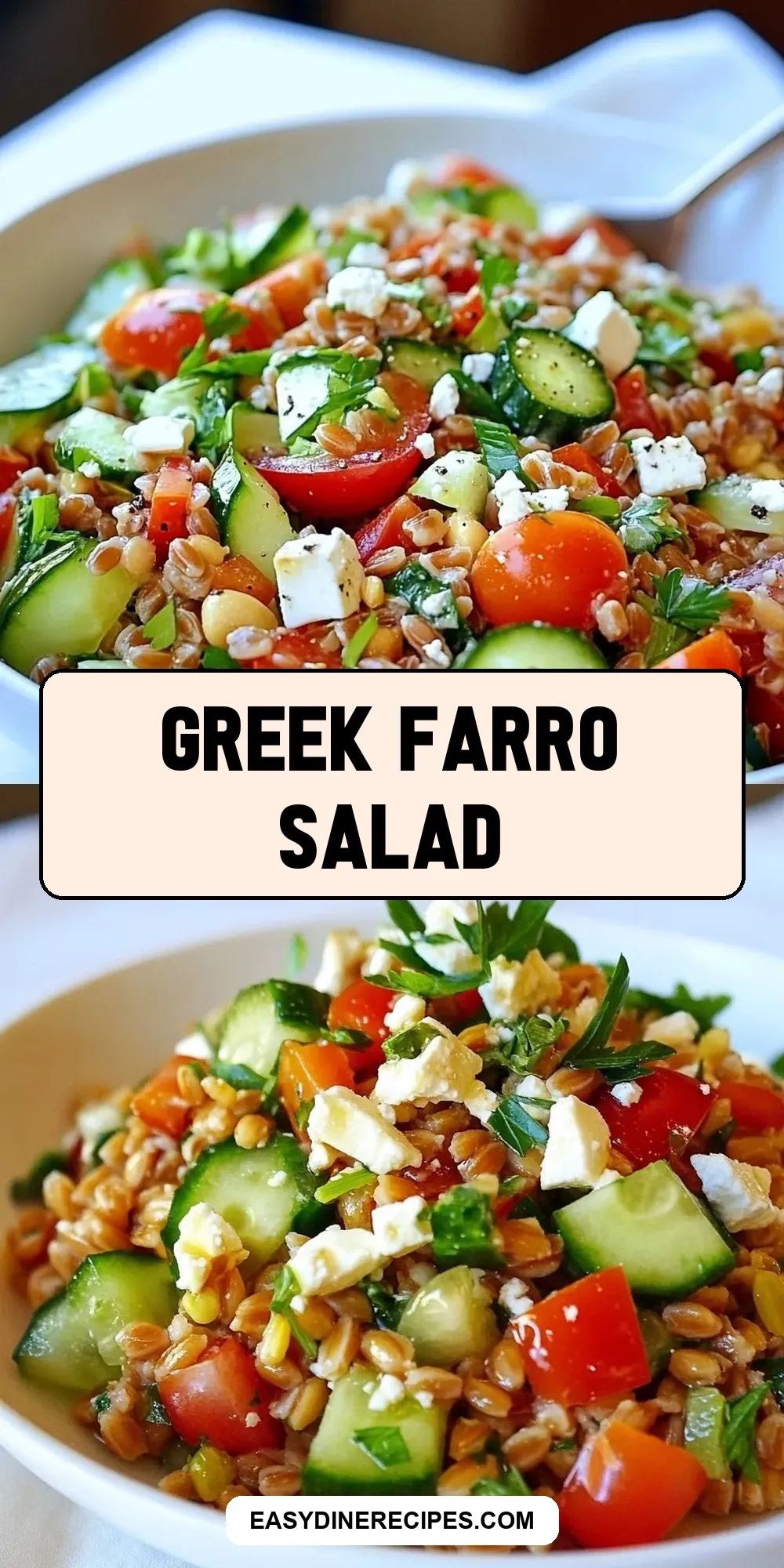
Here are practical technique notes that explain why each step matters and how to get the best results:
Farro
Quick-cooking farro keeps the timeline short but still gives a chew that holds up in the salad. Drain well and let it cool briefly so it doesn’t steam and soften the kale or make the dressing separate.
Greens and Veg
Chopping the baby kale smaller helps it integrate with the farro; large leaves create uneven bites. Dice tomatoes and cucumbers uniformly so each forkful has balance. If your tomatoes are very juicy, you can drain some of the seeds to prevent a watery salad.
Dressing
Whisk the grated garlic, dijon mustard, balsamic vinegar, olive oil, and dried oregano until slightly emulsified. Mustard helps the oil and vinegar bind; grated garlic disperses evenly and avoids biting chunks. Taste for salt and pepper before adding to the salad.
Tossing
Add farro to the assembled vegetables so it can soak up dressing and mingle with the other flavors. Toss gently to keep tomatoes intact and preserve the texture of the ingredients.
Store, Freeze & Reheat
Storage: Store the finished salad in an airtight container in the refrigerator for up to 3–4 days. The flavors continue to meld, and the farro will soften a bit more over time.
Freezing: I don’t recommend freezing this salad as written. The vegetables and dressing will change texture after thawing, and the feta and kale will not return to their fresh state.
Reheating: If you prefer warm farro, you can reheat a portion of the cooked farro separately and then toss it with chilled salad components just before serving. This keeps the vegetables from overcooking and maintains the salad’s intended texture contrasts.
Reader Questions
Can I make this ahead for a week of lunches?
Yes. Cook the farro and chop the vegetables, then store them in separate containers. Combine and toss with dressing when you’re ready to eat to keep textures bright. Expect the texture to change slightly day by day, but flavors will remain robust for 3–4 days.
Will the balsamic vinegar overpower the salad?
Not if you follow the 4 tablespoons measure and whisk it with the oil and Dijon. Adjust to taste—start with the stated amount, toss gently, then add more if you want a tangier profile.
Can I omit the olives or feta?
You can omit either one if preferred. Omitting olives reduces the briny element; omitting feta reduces tang and creaminess. If you omit one, consider increasing parsley slightly to retain brightness.
Ready to Cook?
This Greek Farro Salad is a dependable recipe that rewards simple technique and honest ingredients. Use the quick-cooking farro to keep dinner easy, chop consistently, and taste as you go with the dressing. Whether you serve it immediately or make it for lunches, it delivers satisfying texture and bright, balanced flavor.
When you’re ready, gather the 8ozQuick Cooking Farro and all the listed ingredients, follow the steps in the How It’s Done section, and you’ll have a bowl that’s equally welcome at the weekday table or a weekend gathering.
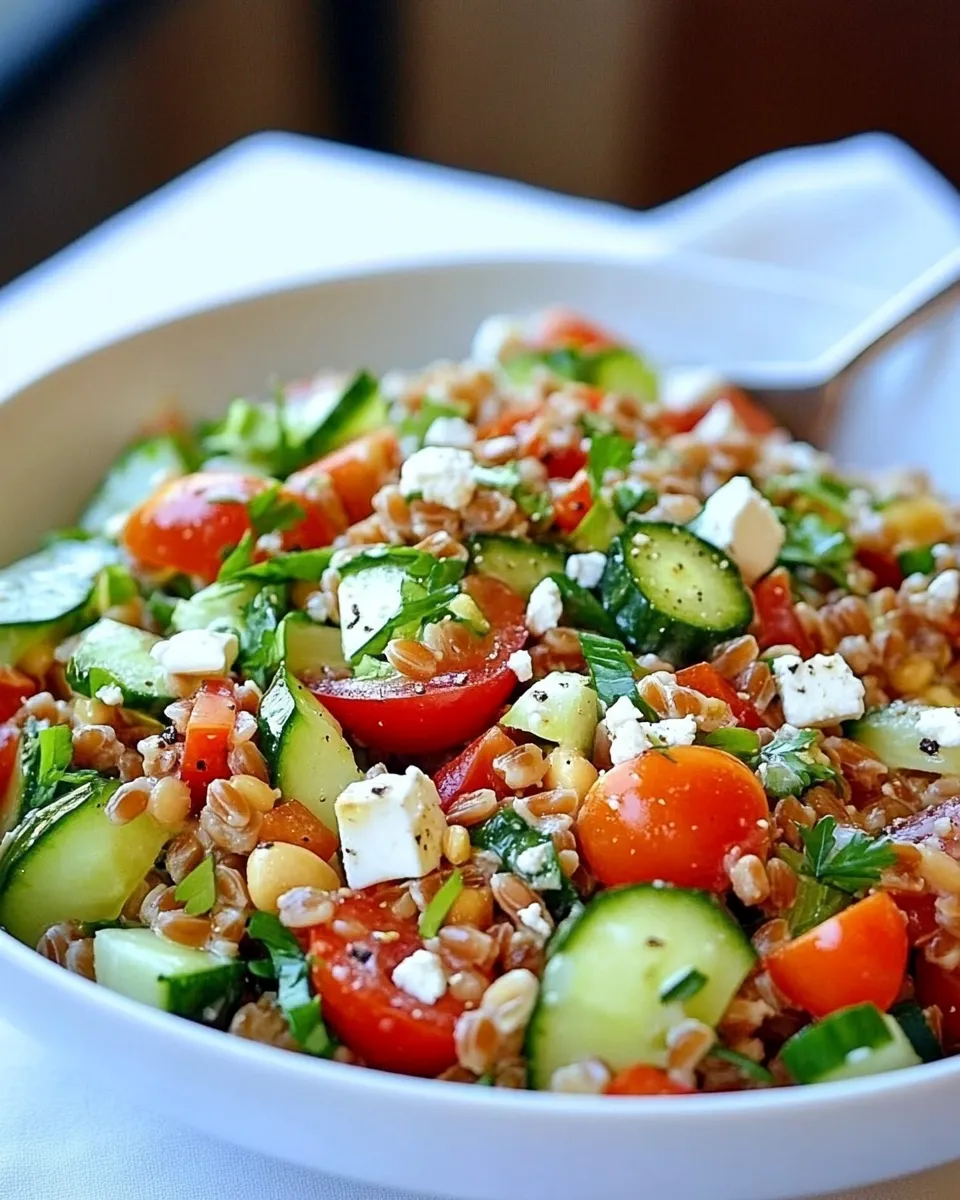
Greek Farro Salad
Equipment
- Small pot
- Large Bowl
- Small Bowl
- Whisk
- Colander
Ingredients
Ingredients
- 8 ozQuick Cooking Farro
- 3 cupschopped baby kale
- 2 cupsdiced heirloom tomatoes
- 2 cupsdiced english cucumber
- 1 cupdiced red onion
- 1/2 cupchopped kalamata olives
- 1/2 cupchopped parsley
- 6 ozfat free crumbled feta cheese
- 1 1/2 teaspoonsdried oregano
- salt & pepperto taste
- 1 clovegarlicgrated
- 4 teaspoonsdijon mustard
- 4 tablespoonsbalsamic vinegar
- 7 tablespoonsolive oil
- salt & pepperto taste
Instructions
Instructions
- Place 8 oz quick-cooking farro in a small pot and cover with water. Bring to a boil, reduce heat to a simmer, and cook until the farro is softened but still slightly chewy. Drain and set aside to cool slightly.
- In a large bowl combine 3 cups chopped baby kale, 2 cups diced heirloom tomatoes, 2 cups diced english cucumber, 1 cup diced red onion, 1/2 cup chopped kalamata olives, 1/2 cup chopped parsley, and 6 oz fat free crumbled feta cheese.
- In a small bowl whisk together 1 clove grated garlic, 4 teaspoons dijon mustard, 4 tablespoons balsamic vinegar, 7 tablespoons olive oil, 1 1/2 teaspoons dried oregano, and salt & pepper to taste until the dressing is well combined and slightly emulsified.
- Add the cooked farro to the bowl with the salad ingredients (if the farro is very hot, let it cool briefly before adding).
- Pour the dressing over the salad and toss gently to combine. Taste and adjust salt & pepper to taste.
- Serve immediately, or store the salad in the refrigerator until ready to serve.