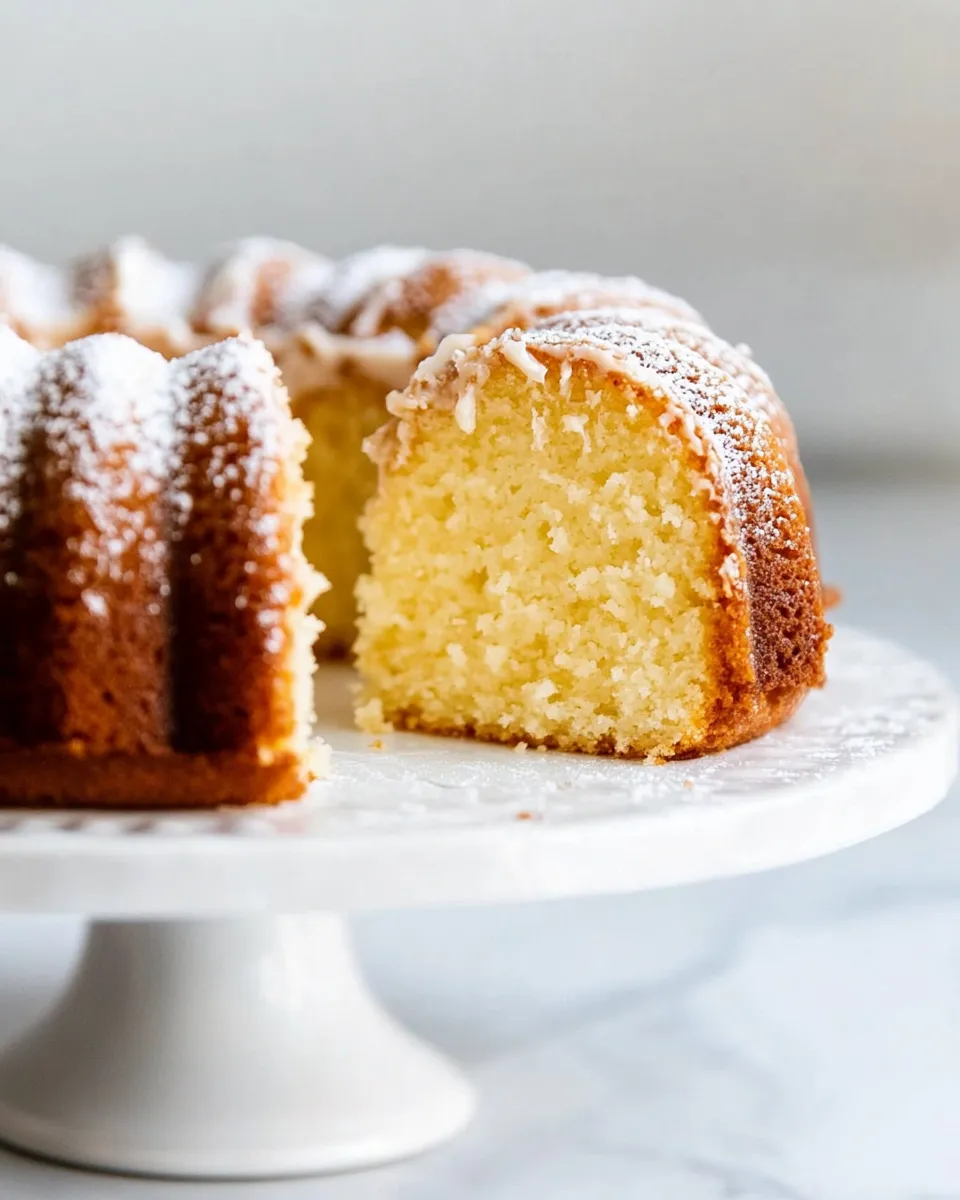
This cake is comfort in a slice: a tender, buttery bundt that soaks up a warm, vanilla-forward sauce and stays moist for days. I make it when guests are coming, when I want a simple showstopper, and when I need a dessert that tastes like a hug. It’s straightforward to assemble, forgiving in the oven, and dramatic on the table.
You’ll find the techniques here are simple—nothing fussy, just good timing and a few small habits that make the difference. That warm butter-sugar sauce is the secret: poke holes, pour it on, and let the cake absorb it while it cools low and slow in the pan. The result is glossy, tender, and impossibly sliceable.
Below I break down what to buy, which equipment to have handy, step-by-step directions, common mistakes and how to avoid them, and ideas for making this cake fit holidays or low-carb needs. Follow the recipe as written for reliable results, and use the tips to get that perfect golden crust and melt-in-your-mouth crumb.
Shopping List
Before you start, gather the essentials so you don’t have to pause mid-recipe. Most items are pantry staples, but double-check quantities for flour, sugar, and butter—this cake leans on generous amounts of each.
- All-purpose flour
- Sugar (granulated)
- Butter (both for batter and sauce)
- Eggs
- Buttermilk
- Baking powder & baking soda
- Salt and vanilla
- Water (for the sauce)
- Bundt pan (greased and floured)
Ingredients
- 3 cups flour — the structure of the cake; spoon into the cup and level for accuracy.
- 1 teaspoon salt — balances sweetness and enhances flavor; use fine salt for even distribution.
- 1 teaspoon baking powder — provides lift; check freshness if it’s been in the pantry a while.
- 1/2 teaspoon baking soda — reacts with buttermilk to tenderize and give ease to the crumb.
- 1 cup butter, softened — creamed with sugar for a light, tender texture; should be room temperature so it’s not greasy.
- 2 cups sugar — helps with browning and structure; creamed thoroughly with butter for proper aeration.
- 4 eggs — add richness and help bind; add one at a time to keep the batter emulsion stable.
- 1 cup buttermilk — adds tang, moisture, and reacts with baking soda; bring to room temperature for even mixing.
- 1/3 cup butter — for the warm sauce; gives that glossy finish and extra richness.
- 3/4 cups sugar — sugar for the sauce; dissolves into a sweet bath that soaks the cake.
- 2 teaspoons vanilla — flavor backbone of the sauce; use pure vanilla if possible for depth.
- 3 Tablespoons water — thins the sauce slightly so it seeps into the cake; measured tablespooons for consistency.
Cooking (Kentucky Butter Cake): The Process
- Preheat oven to 325°F. Grease and flour a bundt pan and set it aside.
- In a medium bowl, whisk together 3 cups flour, 1 teaspoon salt, 1 teaspoon baking powder, and 1/2 teaspoon baking soda. Set the dry mixture aside.
- In a large mixing bowl, cream 1 cup softened butter with 2 cups sugar using a hand mixer until light and fluffy.
- Add 4 eggs to the butter mixture one at a time, mixing just until combined after each egg.
- Add the flour mixture and 1 cup buttermilk to the batter, alternating between them and beginning and ending with the flour mixture. Mix until just combined after each addition.
- Spread the batter evenly into the prepared bundt pan. Bake 55–60 minutes, or until a toothpick inserted into the center comes out clean.
- Remove the cake from the oven and let it cool in the pan for 10–15 minutes.
- While the cake is cooling, make the sauce: in a medium saucepan combine 1/3 cup butter, 3/4 cup sugar, 2 teaspoons vanilla, and 3 tablespoons water. Cook over medium–high heat, stirring occasionally, until the butter is melted and the sugar is dissolved. Do not boil.
- Using a wooden skewer, poke holes all over the warm cake while it is still in the pan.
- Pour the warm sauce evenly over the cake, allowing it to soak in. Let the cake cool completely in the pan so it absorbs the sauce.
- When fully cooled, invert the cake onto a serving plate and serve.
Why Cooks Rave About It
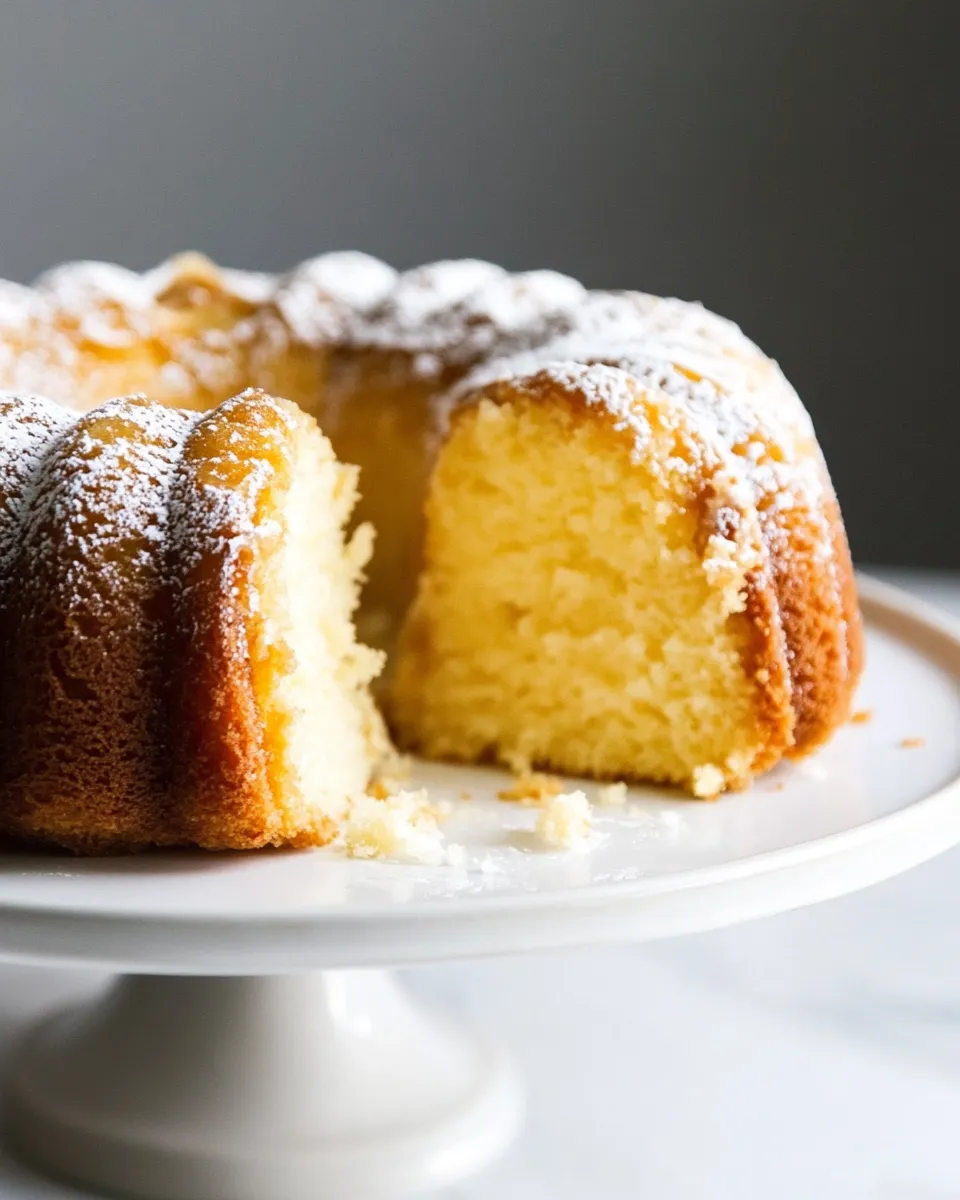
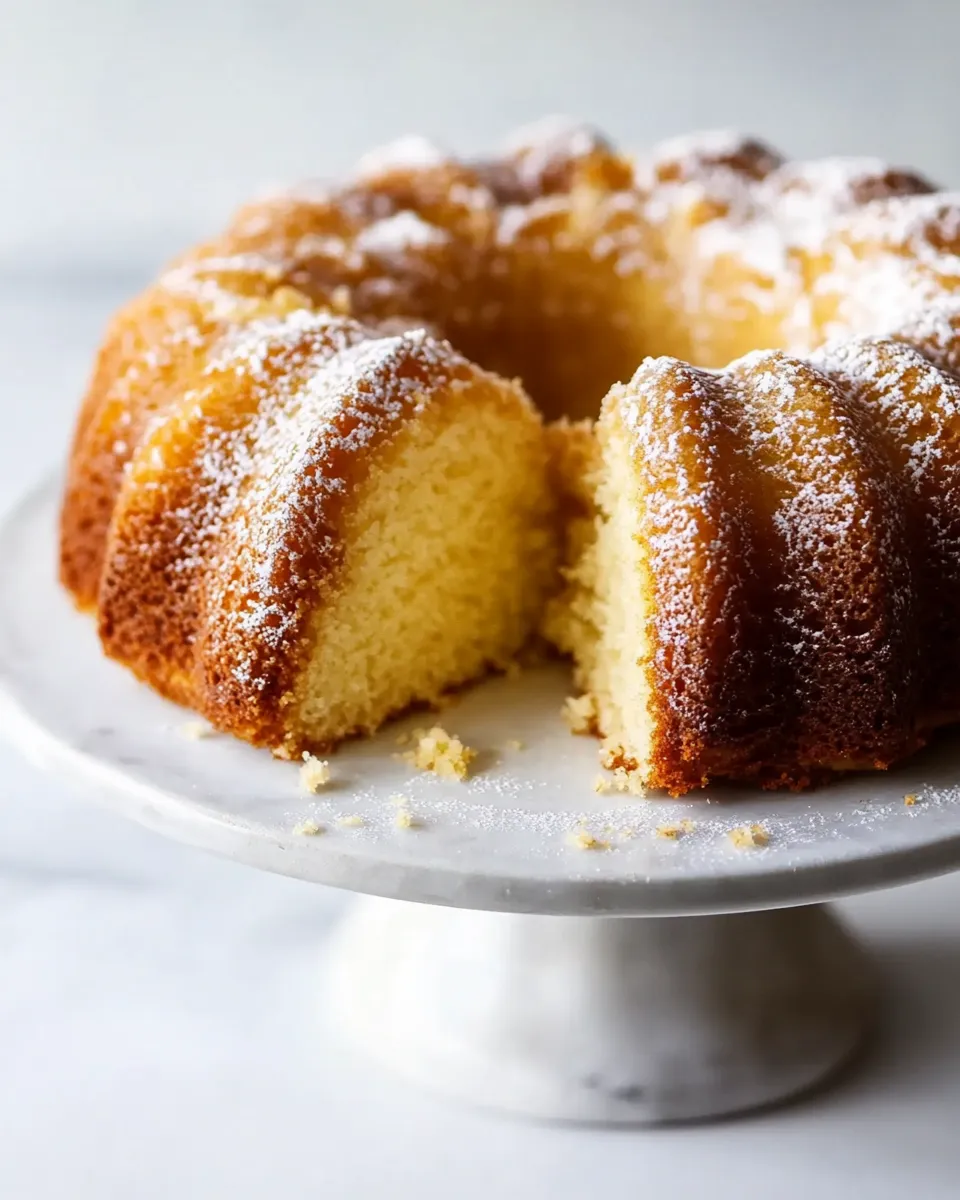
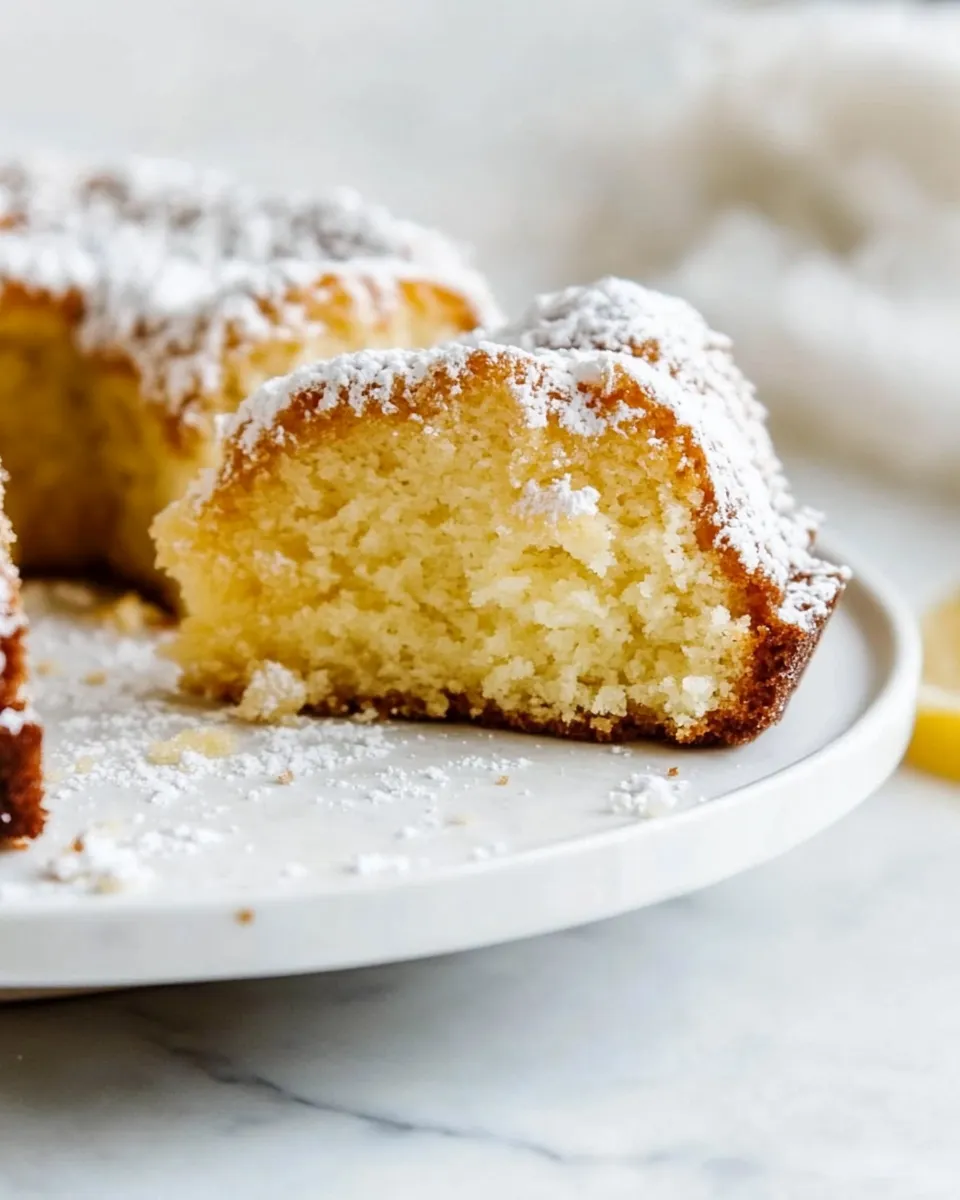
This cake is a lesson in simple chemistry and comfort. The creamed butter and sugar build a light texture while the buttermilk tenderizes and adds subtle tang. The warm butter-sugar sauce is what transforms an ordinary bundt into something legendary: its sugars dissolve and then settle into the crumb, keeping every slice moist and glossy.
Cooks praise it because it’s sturdy enough to travel, forgiving enough for home bakers, and elegant enough for guests. The contrast between a caramelized edge and soft interior is addictive. It’s also embarrassingly easy to scale up for a crowd—double the recipe in separate pans or use multiple bundts for a brunch spread.
Low-Carb/Keto Alternatives
If you need a lower-carb version, you’ll be replacing the flour and sugar while aiming to keep a tender crumb and a sauce that soaks in. Almond flour blends or coconut flour blends can work, but they behave very differently from all-purpose flour—expect a denser cake and adjust binders like eggs. For the sweet elements, granulated erythritol or monk fruit blends can stand in for sugar in both the batter and the sauce.
A practical approach: try a tested almond-flour-based butter cake recipe as your baseline and adapt the sauce by swapping the granulated sugar for a 1:1 granulated erythritol blend and keeping the butter and vanilla the same. Do one small test loaf first. Low-carb flours absorb liquid differently, so you may need slightly less buttermilk or to add a bit more egg. The technique—poke, pour, let it soak—remains the same.
Setup & Equipment
Good setup makes this cake almost effortless. Here’s what I recommend having in order before you start:
- Bundt pan (10–12 cup capacity works best) — grease and flour it so the cake releases cleanly.
- Hand mixer — creaming butter and sugar by hand takes much longer and is less consistent.
- Medium mixing bowl and large mixing bowl — one for dry ingredients, one for wet.
- Measuring cups and spoons — accurate measuring keeps the texture right.
- Wooden skewer or thin skewer — used to make holes for the sauce to penetrate.
- Medium saucepan — for the sauce; choose one with a heavy bottom to prevent hot spots.
Prep tip: have the eggs and buttermilk come to room temperature. Room-temp ingredients combine more uniformly and give a more even bake.
Avoid These Mistakes
Small errors can dull the finish. Here are the common traps and how to avoid them:
- Overmixing the batter — mix until just combined after additions. Overworked batter yields a tougher crumb.
- Undercooking or overcooking — use a toothpick tester. If it comes out with a few moist crumbs, it’s done. If wet batter clings, it needs more time.
- Pouring a boiling sauce — the recipe warns: do not boil. Boiling can change the texture and make the sugar crystallize or burn.\s
- Skipping the poking step — the sauce needs channels to penetrate. A few careful holes across the surface do the job.
- Rushing removal — letting the cake sit in the pan while it absorbs the sauce is crucial. Inverting too soon can spill sauce or tear the cake.
Holiday & Seasonal Touches
This cake dresses up beautifully. For fall, add a touch of warm spice to the dry mix—cinnamon, a pinch of nutmeg, or even a scant half teaspoon of ground ginger will play nicely with the butter sauce. For winter holidays, stirring a tablespoon of spiced rum or dark molasses into the sauce gives extra depth.
Keep in mind the critical rule: small changes to liquids and sugars affect how the cake bakes. If you add spice, you can usually do so freely. If you add liquid flavorings (rum, citrus juice), reduce buttermilk slightly to maintain the batter’s balance. For spring and summer, top slices with lightly macerated berries or a dusting of powdered sugar for a fresh contrast.
Behind the Recipe
Kentucky Butter Cake is a Southern classic—simple, buttery, and built around the idea of soaking a cake with a buttery syrup. The technique of pouring a warm sauce over a warm cake is old-school and brilliant because it yields moister results than glazing a cold cake. In Kentucky kitchens, this cake often appears at family gatherings and church socials because it’s easy to scale and always a crowd-pleaser.
My version above follows a straightforward template: a sturdy, single-layer bundt that’s lightly sweetened, then given a glossy finish by the sauce. I’ve kept the method traditional—nothing experimental—because the charm is in the balance: buttery richness and a tender crumb that drinks up the sauce without collapsing.
Freezer-Friendly Notes
You can freeze this cake, but the timing matters. For best results, bake and cool fully, invert and wrap whole or in slices in multiple layers of plastic wrap and foil. Freeze for up to 2–3 months. Thaw in the refrigerator overnight, then bring to room temperature before serving.
If you plan to make ahead just the batter: I don’t recommend freezing unbaked batter in a bundt pan. The sauce can be made ahead and refrigerated for a few days; rewarm gently before pouring over the warm cake for the same soaking effect.
Ask the Chef
Q: Can I use a tube pan or a different sized bundt?
A: A 10–12 cup bundt pan is ideal. If you use a smaller or larger pan, the bake time will change. A tube pan with similar volume will work, but monitor baking time and toothpick doneness.
Q: My cake stuck to the pan—what went wrong?
A: Make sure you grease and flour the pan well, reaching into the nooks. Also, let the cake rest the full 10–15 minutes before attempting to invert. If the cake is still very hot, it can stick. Using a nonstick spray with flour or brushing melted butter then dusting with flour improves release.
Q: Can I make this dairy-free?
A: You can try swapping dairy butter for a firm non-dairy butter and using a non-dairy buttermilk substitute (like almond milk with a tablespoon of vinegar). Results may vary because texture and moisture change with substitutions; expect a slightly different crumb and flavor.
Wrap-Up
Kentucky Butter Cake is trustworthy, impressive, and undeniably satisfying. Follow the recipe steps exactly the first time, especially the baking time and the sauce temperature. Once you’re comfortable with the basic method, experiment with small seasonal tweaks. Serve it warm or at room temperature—either way, it shines.
If you bake one cake this weekend, let it be this one. The warm sauce, the tender crumb, and the ease of the recipe make it a keeper in my rotation—simple enough for a weeknight dessert, pretty enough for guests, and reliably delicious every time.
Kentucky Butter Cake
Equipment
- Bundt pan
- Mixing Bowls
- Hand Mixer
- Medium Saucepan
- wooden skewer
Ingredients
Ingredients
- 3 cupsflour
- 1 teaspoonsalt
- 1 teaspoonbaking powder
- 1/2 teaspoonbaking soda
- 1 cupbuttersoftened
- 2 cupssugar
- 4 eggs
- 1 cupbuttermilk
- 1/3 cupbutter
- 3/4 cupsugar
- 2 teaspoonsvanilla
- 3 Tablespoonswater
Instructions
Instructions
- Preheat oven to 325°F. Grease and flour a bundt pan and set it aside.
- In a medium bowl, whisk together 3 cups flour, 1 teaspoon salt, 1 teaspoon baking powder, and 1/2 teaspoon baking soda. Set the dry mixture aside.
- In a large mixing bowl, cream 1 cup softened butter with 2 cups sugar using a hand mixer until light and fluffy.
- Add 4 eggs to the butter mixture one at a time, mixing just until combined after each egg.
- Add the flour mixture and 1 cup buttermilk to the batter, alternating between them and beginning and ending with the flour mixture. Mix until just combined after each addition.
- Spread the batter evenly into the prepared bundt pan. Bake 55–60 minutes, or until a toothpick inserted into the center comes out clean.
- Remove the cake from the oven and let it cool in the pan for 10–15 minutes.
- While the cake is cooling, make the sauce: in a medium saucepan combine 1/3 cup butter, 3/4 cup sugar, 2 teaspoons vanilla, and 3 tablespoons water. Cook over medium–high heat, stirring occasionally, until the butter is melted and the sugar is dissolved. Do not boil.
- Using a wooden skewer, poke holes all over the warm cake while it is still in the pan.
- Pour the warm sauce evenly over the cake, allowing it to soak in. Let the cake cool completely in the pan so it absorbs the sauce.
- When fully cooled, invert the cake onto a serving plate and serve.