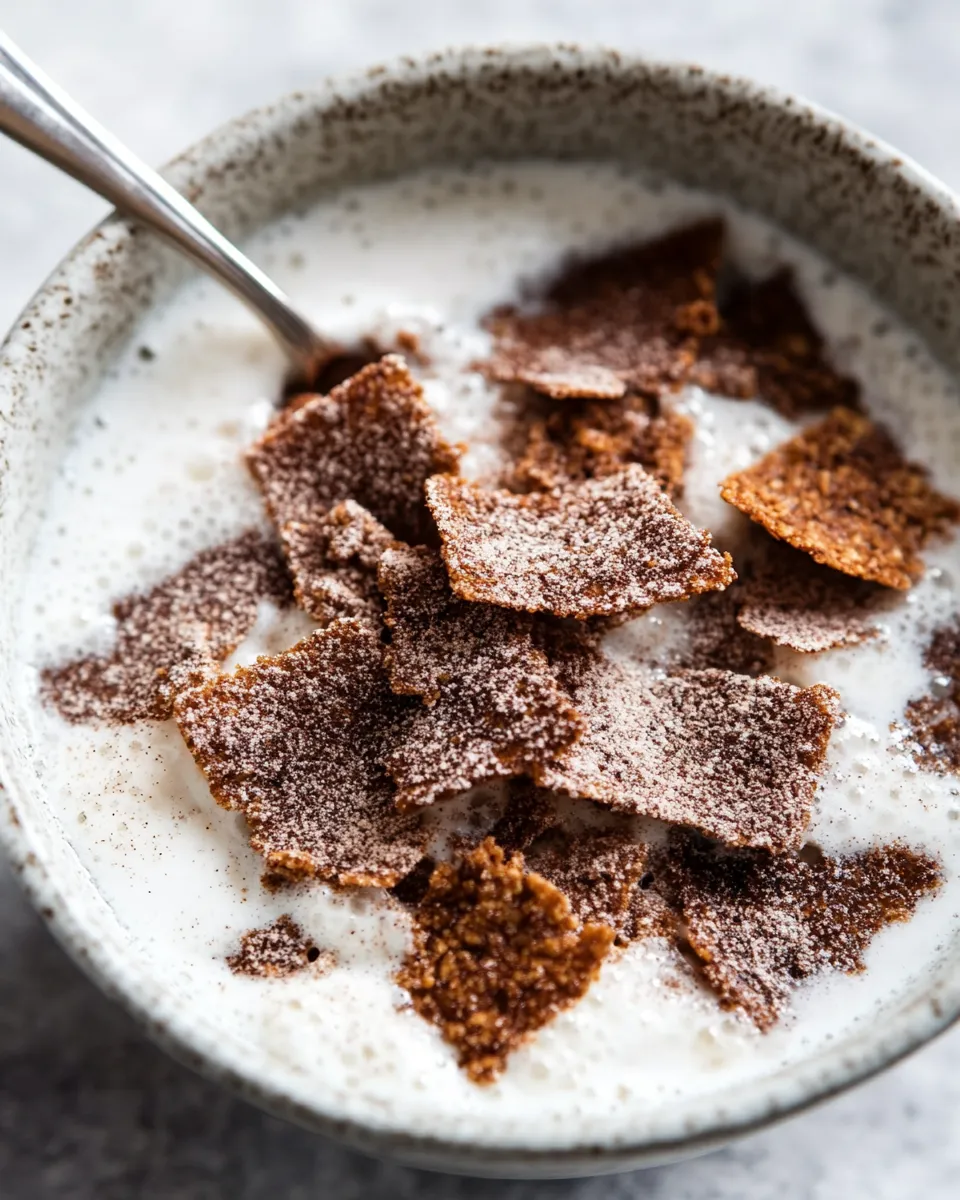
I make this cinnamon cereal almost every week — it’s quick, low-carb, and hits that crunchy-cinnamon craving without the sugar crash. If you’re on keto or just cutting carbs, this recipe gives you a breakfast or snack you can actually look forward to. It’s simple in technique and surprisingly close to the store-bought crunch, but with wholesome pantry ingredients.
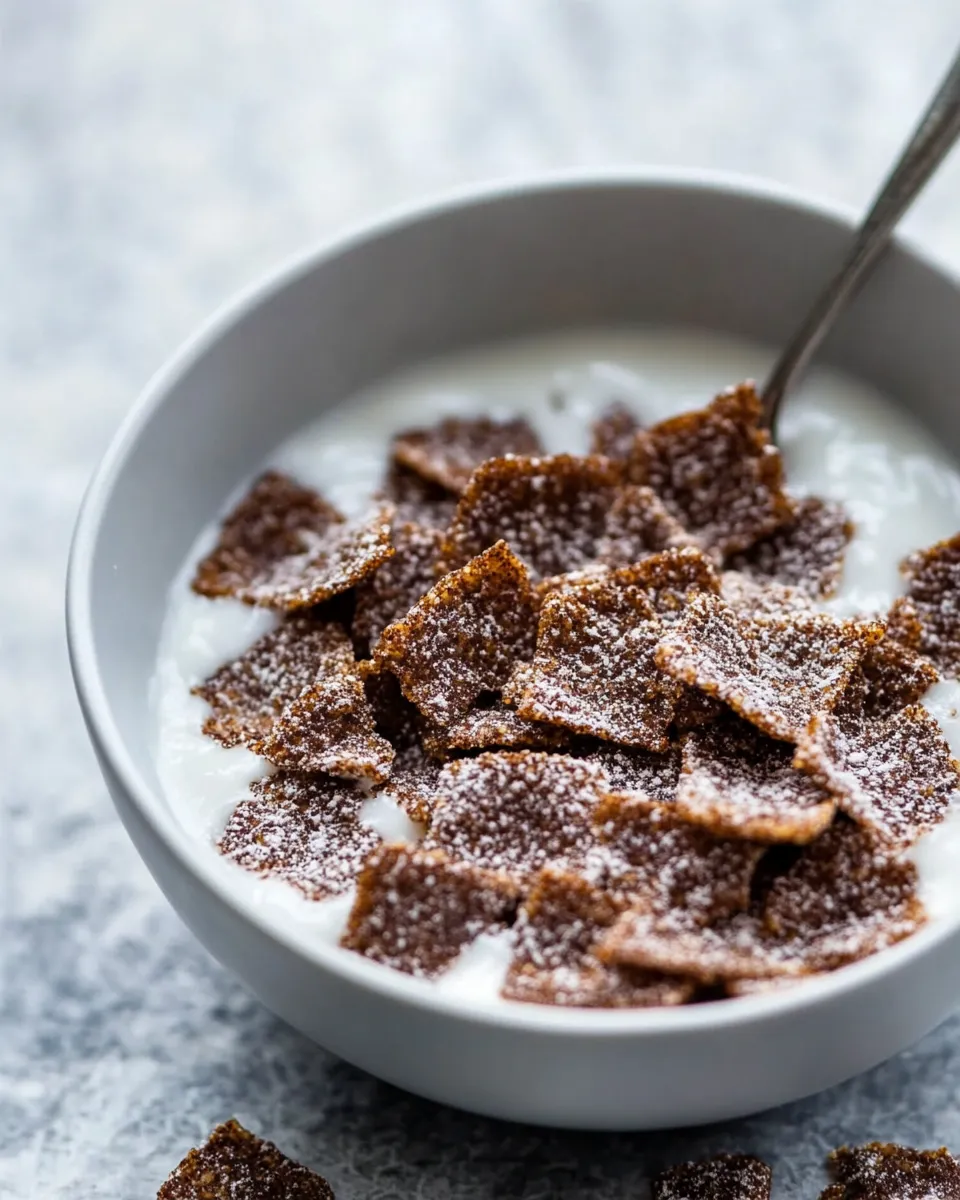
The dough is forgiving and stores well in an airtight container once fully crisp. You’ll press, slice, and bake quickly, then let the squares crisp as they cool. I like to serve it with unsweetened almond milk and a few toasted pecans on top for texture. It’s also an excellent snack straight from the jar.
Below you’ll find the exact ingredient list and step-by-step directions I use, plus practical notes on swaps, equipment, common pitfalls, and storage. No fluff — just what works in my kitchen so you can get a reliable batch every time.
Shopping List
Before you start, gather these essentials so the process stays fast. The recipe hinges on a few specific low-carb staples: almond flour, coconut flour, monk fruit sweetener, cinnamon, salt, an egg white, and coconut oil. Having parchment, a rolling surface, and a ruler or guide for rolling thin will make it easier to get consistent squares.
Ingredients
- 1 cup almond flour (105 g) — provides the base structure and a nutty flavor; use blanched almond flour for a fine texture.
- 1/4 cup coconut flour (25 g) — absorbs moisture and helps the dough hold together; measure by spooning into the cup for accuracy.
- 4 1/2 tablespoons + 2 teaspoons monk fruit sweetener, divided — main sweetener; divided so most is mixed into the dough and a small amount is sprinkled on top before baking.
- 2 tablespoons cinnamon powder — the star spice here; use good-quality cinnamon for the best aroma.
- 1/4 teaspoon salt — balances the sweetness and enhances flavor.
- 1 egg white from 1 large egg — binds the dry ingredients while keeping carbs low; discard or save the yolk for another use.
- 2 tablespoons coconut oil, melted — adds richness and helps the dough come together; can be fractionated or regular melted coconut oil.
Homemade Keto Low-Carb Cinnamon Cereal, Made Easy
- Preheat oven to 450°F. Line a baking sheet with parchment paper and set aside.
- In a large bowl, stir together 1 cup almond flour (105 g), 1/4 cup coconut flour (25 g), 4 1/2 tablespoons monk fruit sweetener, 2 tablespoons cinnamon powder, and 1/4 teaspoon salt until evenly combined.
- Add the egg white (from 1 large egg) and 2 tablespoons melted coconut oil. Mix with a spoon briefly, then use your hands to press the mixture together until it is moistened and can be packed into a ball.
- Divide the dough into two equal portions. Place one portion between two large pieces of parchment paper and roll it out very thinly, about 1/16 inch thick (under 2 mm).
- Remove the top piece of parchment, then cut the rolled dough into 3/4-inch squares. Use a thin spatula or bench scraper to gently transfer the squares to the prepared baking sheet, spacing them slightly apart. Repeat steps 4–5 with the remaining dough.
- Evenly sprinkle the remaining 2 teaspoons monk fruit sweetener over the squares.
- Bake in the preheated oven until the squares just turn golden brown, 5 to 8 minutes—watch them closely, as they burn quickly (many ovens yield perfect results at 6–7 minutes). They will not be crunchy when you remove them.
- Let the squares cool completely on the baking sheet; they will crisp as they cool. Then enjoy.
What Sets This Recipe Apart
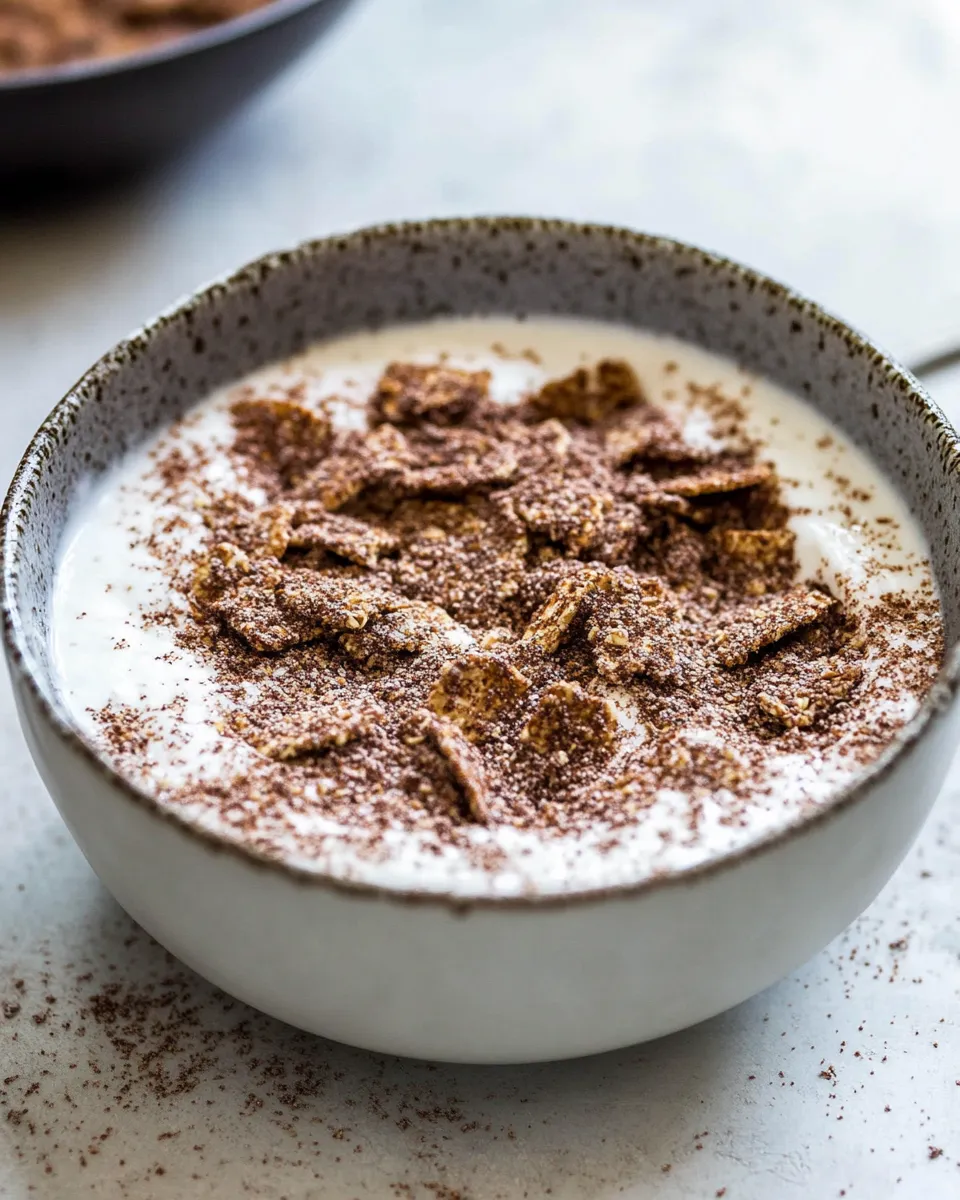
This cereal is deliberately minimal: no xanthan, no protein powders, no eggs beyond a single white. It leans on almond flour for texture and coconut flour for structure, which keeps the carb count low while still producing a satisfyingly crisp result after cooling. The thin rolling and short, high-temperature bake create a snap you wouldn’t expect from such few ingredients.
Monk fruit sweetener is used here for sweetness without the sugar alcohol aftertaste some people detect with erythritol. The two-stage sweetener approach—most mixed into the dough and a little sprinkled on top—gives a subtle crust of sweetness that enhances the cinnamon without overpowering it.
Quick Replacement Ideas
- Almond flour — do not replace with regular flour if you want low-carb. If allergic to almonds, sunflower seed flour can be used but expect a different color and a slight greenish tint when mixed with baking soda in other recipes (not applicable here), and measure carefully as textures differ.
- Coconut flour — keeps the dough absorbent. If you omit it, you’ll need a different binder; omission will make the dough too wet and soft.
- Monk fruit sweetener — can be swapped for another granular zero-carb sweetener that measures like sugar (use the manufacturer’s equivalent), but sweetness and browning behavior may change slightly.
- Coconut oil — any neutral melted fat (like light-tasting olive oil) can work in a pinch, but coconut oil contributes a mild tropical background that pairs nicely with cinnamon.
- Egg white — I don’t recommend skipping it; it’s the primary binder that keeps the dough packable with so little moisture.
Equipment at a Glance
- Baking sheet lined with parchment paper — essential for easy transfer and even browning.
- Rolling pin — to roll the dough very thin (or a heavy jar if you don’t have one).
- Two large pieces of parchment — for rolling between so the dough doesn’t stick.
- Thin spatula or bench scraper — to transfer the delicate squares without breaking them.
- Measuring spoons and cups or a kitchen scale — the recipe gives grams for the almond flour; weighing is more precise.
Easy-to-Miss Gotchas
Oven temperature and timing are the two big traps. At 450°F, these thin squares go from golden to burnt in moments. Many ovens are hotter or have hotspots; set a timer for 5 minutes and then check every 30–60 seconds until you see light golden edges. For me, 6–7 minutes is perfect, but your mileage may vary.
Rolling thickness matters. If the dough is thicker than 1/16 inch, squares will be chewier and may take longer to dry out, possibly resulting in uneven crisping. If you roll too thin, they can burn faster. Aim for that under-2 mm thickness and cut uniform 3/4-inch squares.
Do not try to crisp them in the oven after removing them; they finish crisping on the baking sheet as they cool. Moving them too soon will break them.
Holiday-Friendly Variations
For fall or holiday breakfasts, increase the cinnamon to 3 tablespoons and add a pinch of ground nutmeg and ground cloves if you tolerate those additions. You can also toss in a tablespoon of finely chopped toasted pecans or walnuts pressed lightly onto the squares before baking for more texture—note that will add carbs and calories but a little goes a long way.
To make a “gingerbread” version, swap one tablespoon of cinnamon for 1/2 tablespoon ground ginger and 1/4 teaspoon ground allspice, keeping all other measurements the same.
Pro Tips & Notes
Texture and Thickness
Get consistent squares by rolling between two pieces of parchment and using a ruler to guide your thickness if you want to be exact. Two equal dough rounds ensures even baking.
Sweetness & Browning
Because monk fruit doesn’t brown the way sugar does, the golden edges are subtle; rely on color and timing rather than deep browning. The small sprinkle of extra monk fruit on top helps create perceived browning and a little extra crunch.
Handling the Dough
Wash your hands before you start — you’ll be handling the dough to pack it into a ball. Lightly oiling your hands or dusting with a tiny sprinkle of almond flour can prevent sticking if the dough feels tacky.
Serving Suggestions
Serve with unsweetened almond or coconut milk, or use as a topping for keto yogurt or chia pudding. It also makes a portable snack for busy mornings.
Refrigerate, Freeze, Reheat
Storage is simple: let the squares cool completely, then store in an airtight container at room temperature for up to one week. If you prefer extra crispness, store with a paper towel to absorb any moisture. Refrigeration isn’t necessary and can introduce humidity unless fully sealed.
For longer storage, freeze cooled squares in a single layer on a tray until solid, then transfer to a freezer bag for up to three months. Thaw at room temperature; they usually crisp right back up. Reheating in a 300°F oven for 3–4 minutes can refresh crispness if they’ve softened.
Reader Q&A
Q: Can I make these nut-free?
A: The recipe relies on almond flour for structure and flavor. Sunflower seed flour is sometimes used as a nut-free substitute in low-carb baking, but I haven’t tested it with this exact formula — if you try it, expect color and texture differences and possibly slight adjustments to the coconut flour amount because absorbency varies.
Q: Will the squares keep their crunch in milk?
A: They crisp well but will soften in milk, so if you like crunchy cereal, add milk right before eating. If you prefer them a bit softened, pour the milk and let them sit for a minute or two.
Q: Can I make these thicker for a granola-like texture?
A: Thicker dough will produce chewier pieces and require longer baking, which risks burning the exterior before the center dries. If you want chunkier pieces, bake multiple batches of thin sheets and break them into chunks after cooling.
Q: I don’t have monk fruit — what’s the best swap?
A: Use a granular zero-carb sweetener that measures close to sugar (erythritol or a monk fruit/erythritol blend). Keep in mind sweetness level and potential cooling aftertaste; adjust to taste and watch browning behavior.
In Closing
This Homemade Keto Low-Carb Cinnamon Cereal is one of those recipes I return to when I want a dependable, crunchy breakfast without processed ingredients. It’s straightforward, fast, and forgiving if you watch oven time and roll evenly. Make a double batch, store in an airtight jar, and you’ll have a ready-to-eat, satisfying cereal that fits a low-carb lifestyle.
If you try the recipe, let me know how it turned out and what variations you experimented with — I love hearing what readers tweak and discover in their kitchens.
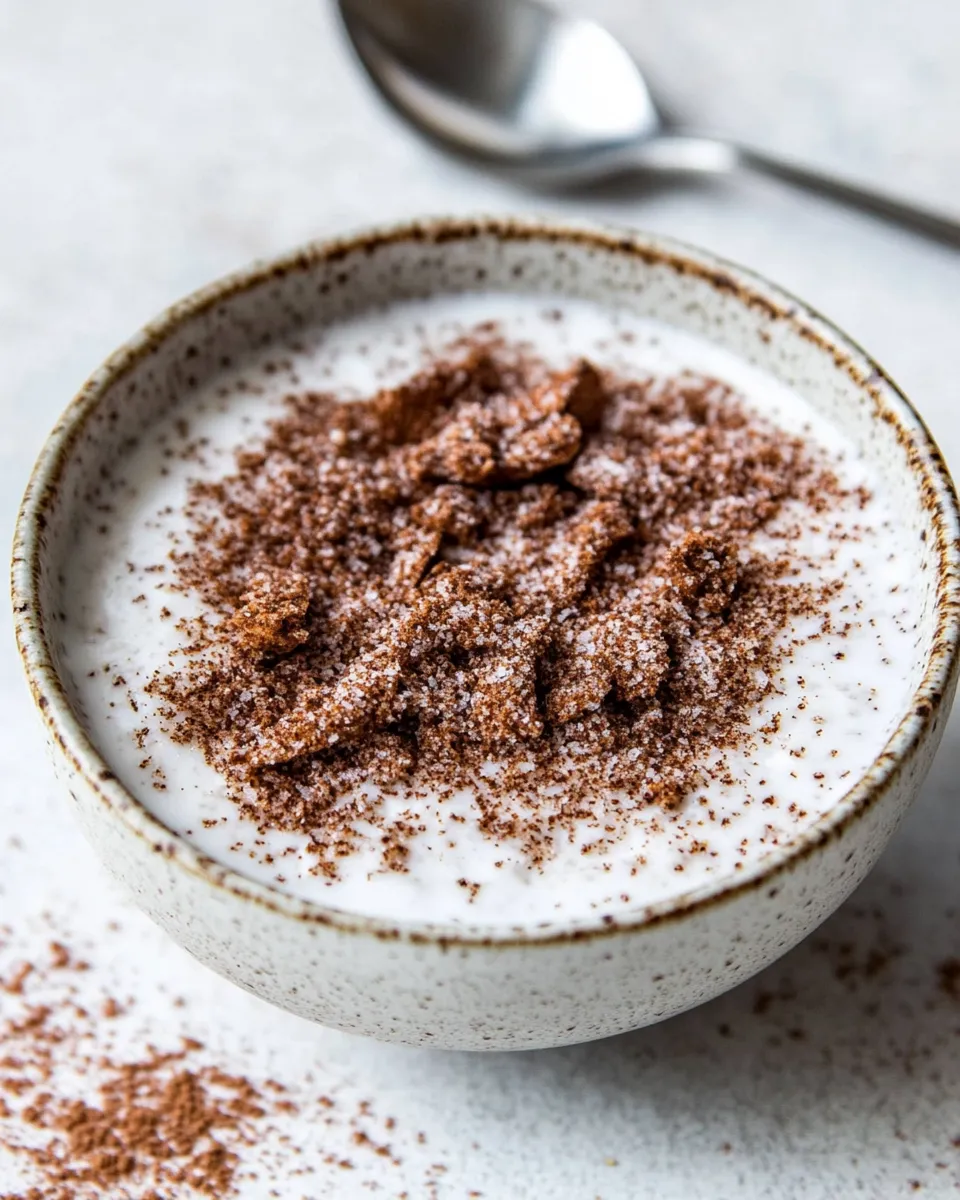
Homemade Keto Low-Carb Cinnamon Cereal
Equipment
- Baking Sheet
- Parchment Paper
- Large Bowl
- Spoon
- Rolling Pin
- thin spatula or bench scraper
Ingredients
Ingredients
- 1 cupalmond flour 105 g
- 1/4 cupcoconut flour 25 g
- 4 1/2 tablespoons + 2 teaspoonsmonk fruit sweetenerdivided
- 2 tablespoonscinnamon powder
- 1/4 teaspoonsalt
- 1 egg whitefrom 1 large egg
- 2 tablespoonscoconut oilmelted
Instructions
Instructions
- Preheat oven to 450°F. Line a baking sheet with parchment paper and set aside.
- In a large bowl, stir together 1 cup almond flour (105 g), 1/4 cup coconut flour (25 g), 4 1/2 tablespoons monk fruit sweetener, 2 tablespoons cinnamon powder, and 1/4 teaspoon salt until evenly combined.
- Add the egg white (from 1 large egg) and 2 tablespoons melted coconut oil. Mix with a spoon briefly, then use your hands to press the mixture together until it is moistened and can be packed into a ball.
- Divide the dough into two equal portions. Place one portion between two large pieces of parchment paper and roll it out very thinly, about 1/16 inch thick (under 2 mm).
- Remove the top piece of parchment, then cut the rolled dough into 3/4-inch squares. Use a thin spatula or bench scraper to gently transfer the squares to the prepared baking sheet, spacing them slightly apart. Repeat steps 4–5 with the remaining dough.
- Evenly sprinkle the remaining 2 teaspoons monk fruit sweetener over the squares.
- Bake in the preheated oven until the squares just turn golden brown, 5 to 8 minutes—watch them closely, as they burn quickly (many ovens yield perfect results at 6–7 minutes). They will not be crunchy when you remove them.
- Let the squares cool completely on the baking sheet; they will crisp as they cool. Then enjoy.