Mascarpone is one of those ingredients that feels luxurious but is surprisingly simple to make at home. With just cream, a little acid, and patience, you can turn ordinary heavy cream into a rich, spreadable cheese that lifts desserts, breakfasts, and savory dishes alike. I’ll walk you through the steps I use in my kitchen so you get consistent, silky results every time.
This recipe is hands-on for a short window and then mostly waiting. The process rewards attention to temperature and timing: heat, cool, heat again with lemon, then rest and drain. The payoff is fresh mascarpone that tastes brighter and cleaner than many store-bought versions.
Below you’ll find the essentials, the specific ingredient list, the exact step-by-step method, and practical notes I picked up while testing. Read the troubleshooting and storage tips—they’ll save you time and prevent common pitfalls.
The Essentials
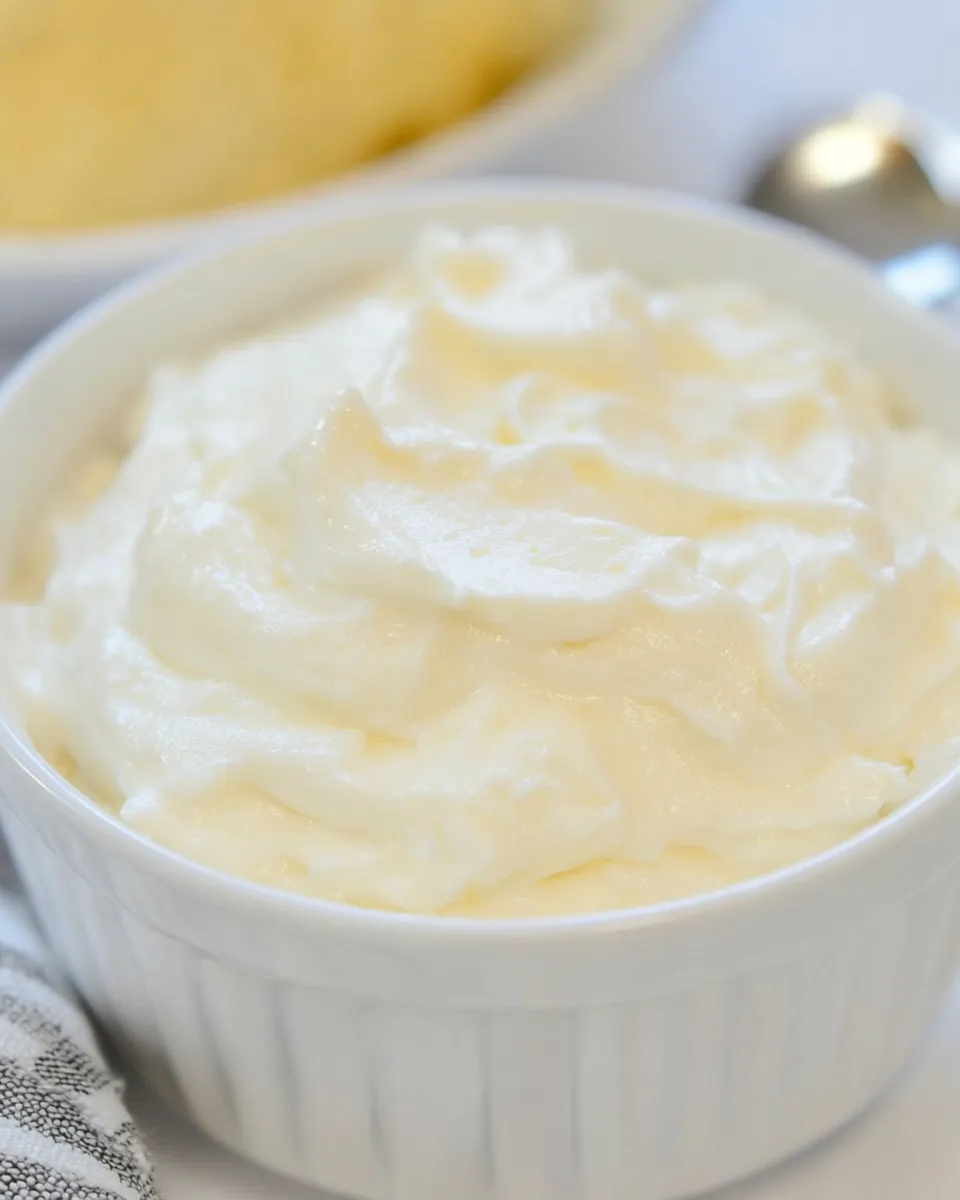
Mascarpone is essentially thickened cream. You’re coaxing the fat and proteins in heavy cream to thicken with gentle heat and a touch of acid. Unlike cultured cheeses, you don’t need cultures or rennet—just a thermometer, heat, and patience.
Key takeaways before you start: use the specified heavy cream, monitor temperatures closely, and give the curd time to develop and drain. Clean equipment and a calm kitchen help too—this is a gentle process rather than aggressive cooking.
Ingredients
- 16 ounces whole heavy cream — the base: choose a fresh, high-fat cream for best texture and flavor.
- 1/2 tablespoon lemon juice — provides the acid to slightly coagulate and flavor the cream; fresh is best.
Mascarpone Cheese Recipe, Made Easy
- Pour 16 ounces whole heavy cream into a medium saucepan. Set over medium heat and stir constantly with a wooden spoon or rubber spatula until the cream reaches 185°F (85°C). Use a candy or instant-read thermometer to check the temperature.
- Remove the saucepan from the heat and continue stirring until the temperature drops to about 140°F (60°C).
- Return the saucepan to medium-low heat. While stirring, add 1/2 tablespoon lemon juice, then bring the mixture back up to 185°F (85°C). Once it reaches 185°F, maintain that temperature and stir gently for about 3 minutes.
- Remove from the heat and stir occasionally until the temperature falls to about 140°F (60°C).
- Pour the cream into a heatproof glass bowl, cover the bowl (lid or plastic wrap) and place a clean tea towel over it. Let the mixture sit at room temperature undisturbed for 3–4 hours to thicken.
- Line a fine-mesh sieve with 3–4 layers of cheesecloth and set the sieve over a medium bowl. Pour the cooled, thickened cream onto the cheesecloth-lined sieve.
- Cover the top with plastic wrap and a clean tea towel, then refrigerate the setup for 24 hours to drain and firm into mascarpone. After 24 hours, transfer the mascarpone to a container and use as desired.
Why This Recipe Belongs in Your Rotation
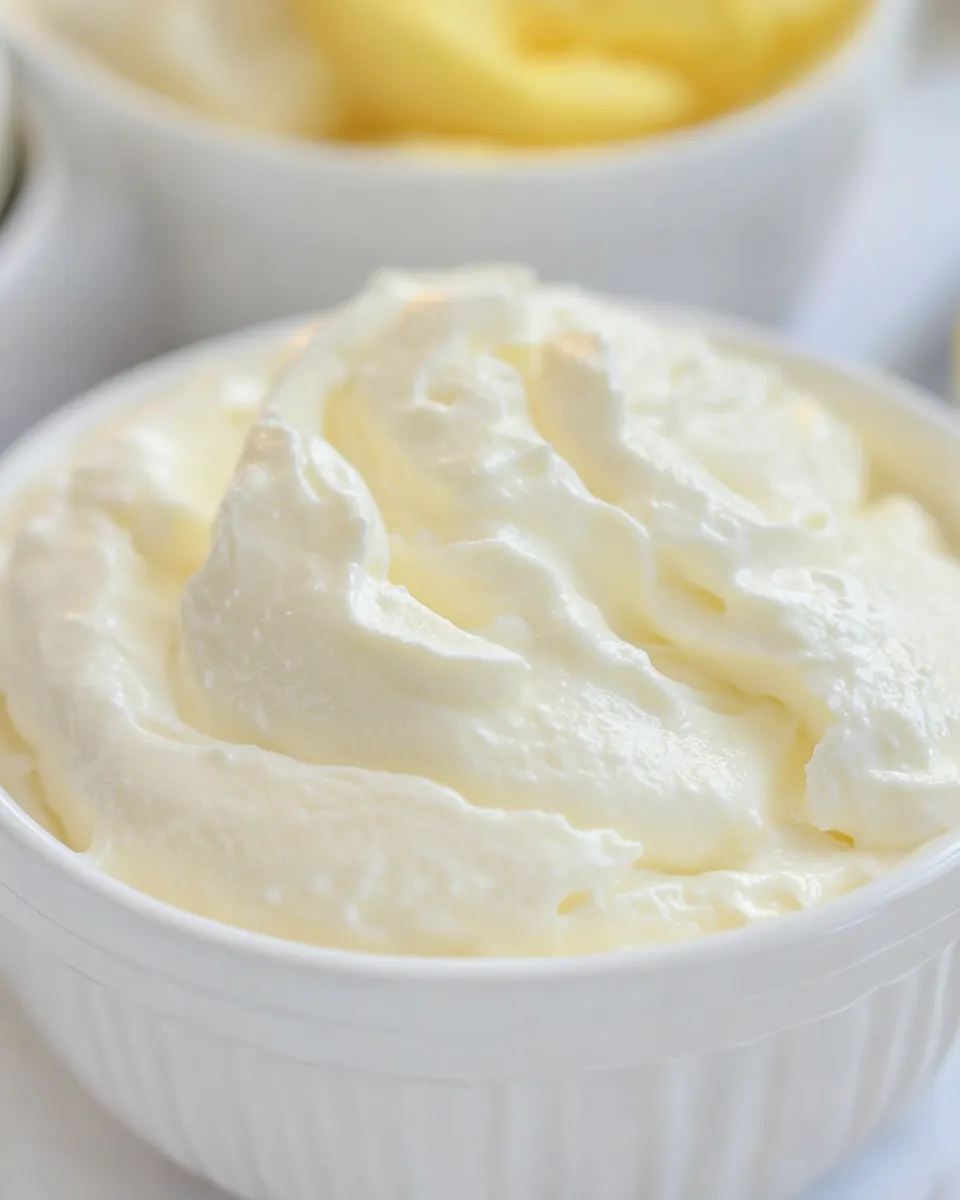
Homemade mascarpone is straightforward, economical, and fresher tasting than most store-bought tubs. Texture is creamier and the flavor is less processed—perfect for tiramisu, cheesecakes, spreading on toast, or folding into frostings and sauces.
Once you’ve made it a couple of times you’ll appreciate how quickly it elevates both sweet and savory recipes. It’s also a small, satisfying project if you enjoy hands-on cooking without a long list of ingredients.
Ingredient Flex Options
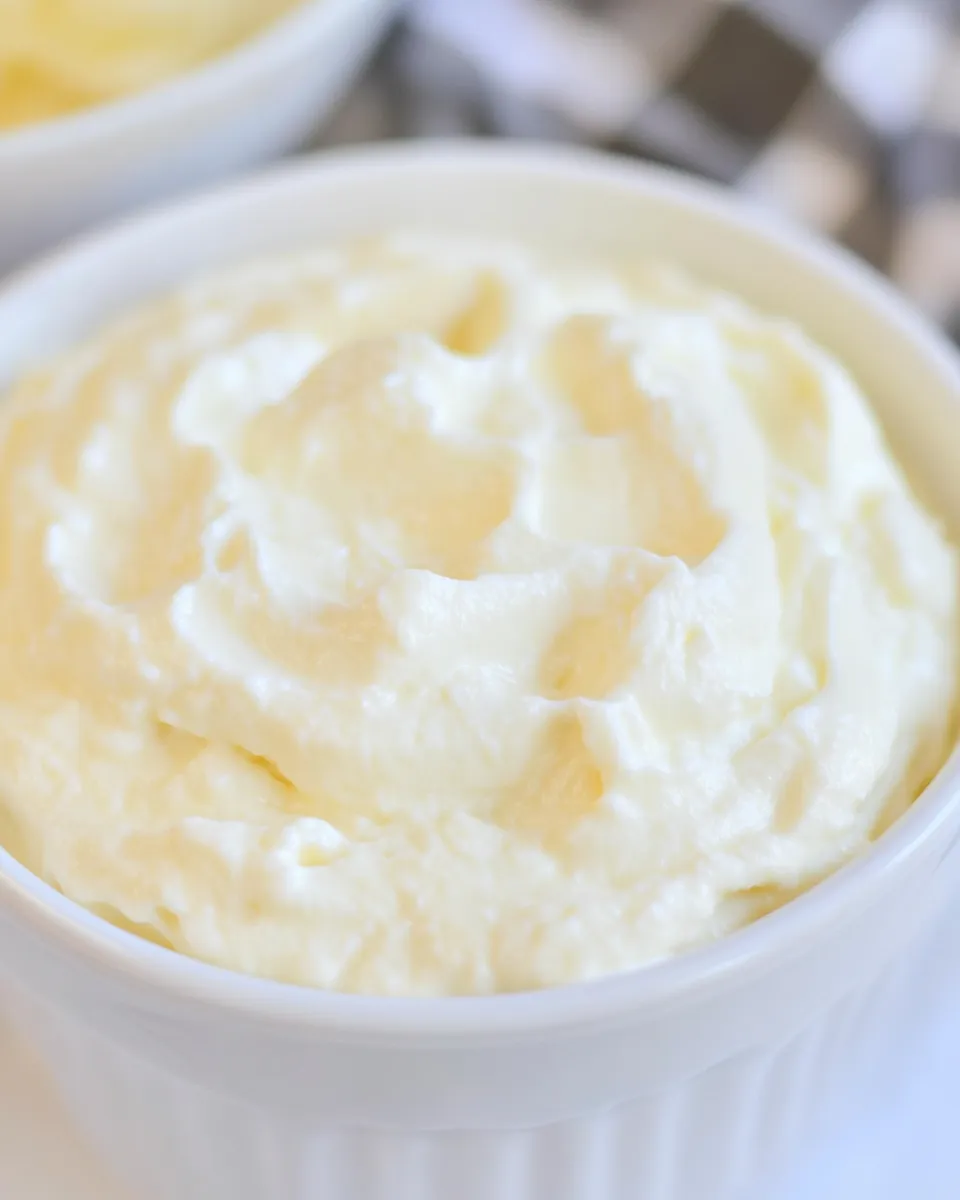
This recipe intentionally uses only cream and lemon juice. Don’t add salt during the process—the clean, slightly sweet flavor is what makes mascarpone versatile. If you want variations, add them after the mascarpone is finished:
- Fold in a pinch of sea salt or a drizzle of honey just before serving for flavor contrast.
- Stir in finely zested lemon or orange zest for a bright citrus version—mix to taste after the mascarpone has set.
- For a subtly flavored spread, fold in herbs like chives or basil at the end and use it immediately on crostini or sandwiches.
What You’ll Need (Gear)
- Medium saucepan — for heating the cream evenly.
- Candy or instant-read thermometer — essential for hitting and holding temperatures accurately.
- Wooden spoon or rubber spatula — gentle stirring while heating preserves texture.
- Heatproof glass bowl — the cream rests and cools here.
- Fine-mesh sieve and cheesecloth (3–4 layers) — for draining and forming the mascarpone.
- Medium bowl to catch the whey — choose one that fits neatly under your sieve.
- Plastic wrap, a clean tea towel, and a refrigerator — for the resting and draining stages.
Troubleshooting Tips
Most problems are temperature-related. Keep your thermometer close and avoid overheating or cooling too quickly.
If the cream won’t thicken
Check your thermometer calibration. If the cream never reaches 185°F (85°C) or cools too fast, the coagulation that creates thickness won’t occur. Reheat gently to the specified temperature, stirring constantly, then follow the cooling and resting steps exactly.
If the finished mascarpone is grainy or separated
Overheating or prolonged high heat can break the emulsion and leave a grainy texture. If you see curdling during the process, remove from heat immediately and follow the cooling step. You may still get usable mascarpone after draining, but the texture can be less smooth. For future batches, keep to the temperature windows: 185°F (85°C) to induce thickening, then cool to ~140°F (60°C) before resting.
If it’s too loose after draining
Drain time and the tightness of your cheesecloth affect firmness. Make sure the setup is refrigerated and undisturbed for the full 24 hours. If it’s still soft, return to the fridge for another 12–24 hours; cold strengthens the texture.
Variations by Season
Mascarpone itself is a neutral canvas, so seasonal additions work beautifully:
- Spring: fold in fresh herbs and lemon zest for a bright, savory spread on grilled vegetables.
- Summer: mix with ripe fruit purée or jam and serve with shortcakes or as a light dessert topping.
- Fall: blend with maple syrup and cinnamon for a cozy spread on pancakes or toast.
- Winter: stir in a little vanilla and rum or citrus liqueur for an indulgent mascarpone to use in trifles or coffee desserts.
What I Learned Testing
I tested this method multiple times, adjusting nothing more than attention to temperature and the cooldown windows. The consistent lesson: accuracy matters more than fancy ingredients. Using a reliable thermometer and resisting the urge to rush the cooling or draining steps produced the silkiest results.
Another note—use fresh cream with a high fat percentage. Low-fat creams or ultra-pasteurized products may behave differently. When I used very old cream, flavors were flat, so freshness matters.
Prep Ahead & Store
Make mascarpone up to 3–4 days ahead and keep it tightly covered in the refrigerator. Homemade mascarpone will keep for about 5–7 days when stored properly in a clean, airtight container; always smell and check before using. If you plan to keep it longer, consider freezing in small portions, though texture can change slightly after thawing.
If you want to prep elements that will use mascarpone—like tiramisu components—make the mascarpone the day before assembling. That allows it to chill and firm properly, and the flavor settles, making it easier to whip or fold into other ingredients.
Your Questions, Answered
Q: Can I use pasteurized cream? A: Yes—most heavy cream sold in stores is pasteurized. Avoid ultra-pasteurized if you can, as it sometimes affects thickening. Q: Can I use vinegar instead of lemon juice? A: The recipe uses lemon juice specifically; vinegar will work as an acid but will change the flavor. I prefer lemon for its clean, bright note.
Q: What do I do with the whey? A: Save it! Whey can be used in smoothies, to water plants (diluted), or in baking as liquid to add a slight tang. It’s not required for the mascarpone but it’s useful to keep.
Ready to Cook?
Set aside about 30–40 minutes of active time spread across the heating and cooling stages, then plan for 3–4 hours of room-temperature resting and 24 hours of refrigeration for draining. The attentive moments are short, and the rest is hands-off—but essential. When the mascarpone is done you’ll have a versatile, creamy ingredient that tastes of fresh cream and a hint of lemon brightness.
Follow the steps in the Mascarpone Cheese Recipe, be patient with temperatures and draining, and you’ll have fresh mascarpone to use in everything from tiramisu to savory spreads. Let me know how yours turns out and what you use it for—I love hearing variations and favorite pairings.
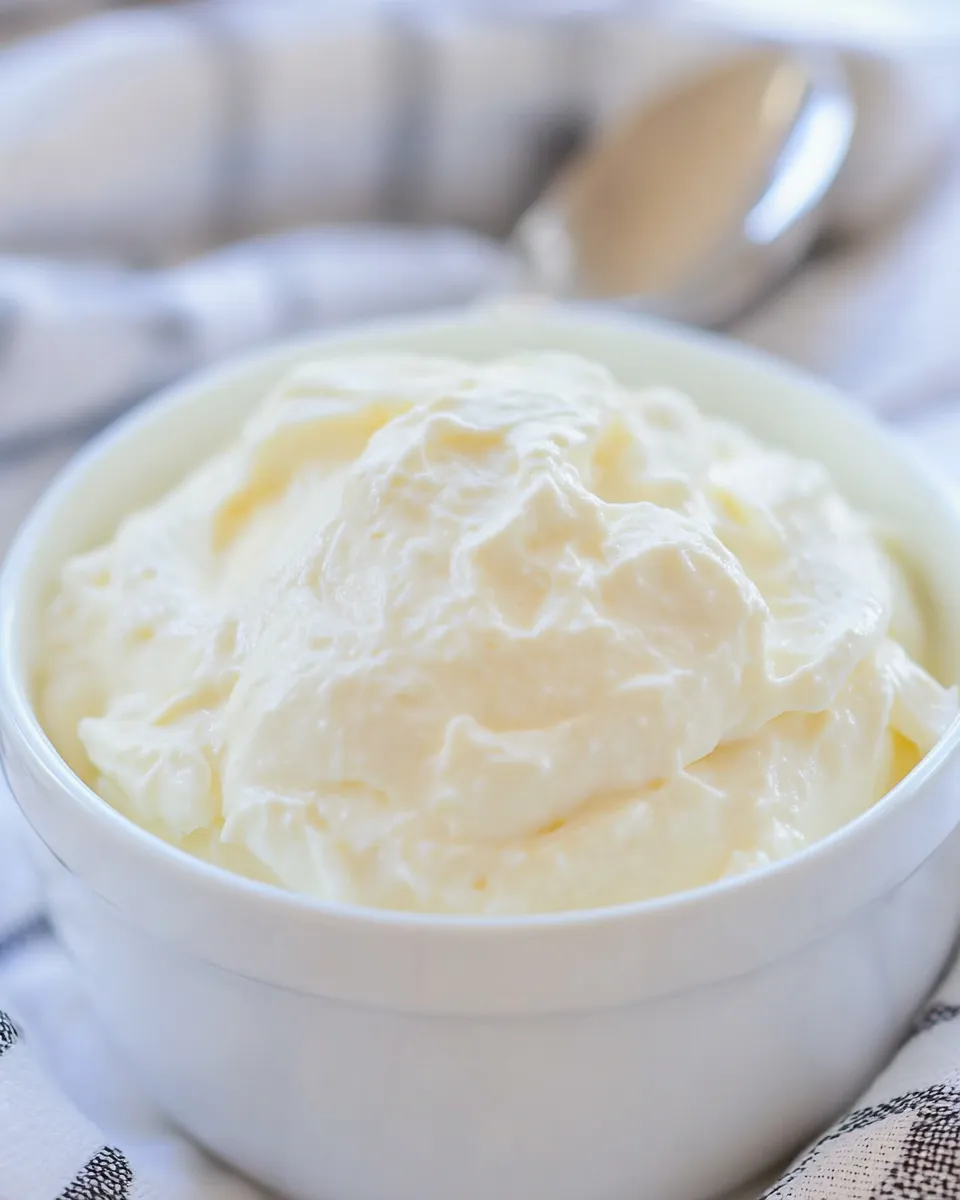
How To Make Mascarpone Cheese Recipe
Equipment
- Medium Saucepan
- Wooden Spoon
- Rubber spatula
- candy or instant-read thermometer
- heatproof glass bowl
- lid or plastic wrap
- clean tea towel
- Fine mesh sieve
- cheesecloth (3–4 layers)
- Medium Bowl
- Refrigerator
Ingredients
Ingredients
- 16 ounceswhole heavy cream
- 1/2 tablespoonlemon juice
Instructions
Instructions
- Pour 16 ounces whole heavy cream into a medium saucepan. Set over medium heat and stir constantly with a wooden spoon or rubber spatula until the cream reaches 185°F (85°C). Use a candy or instant-read thermometer to check the temperature.
- Remove the saucepan from the heat and continue stirring until the temperature drops to about 140°F (60°C).
- Return the saucepan to medium-low heat. While stirring, add 1/2 tablespoon lemon juice, then bring the mixture back up to 185°F (85°C). Once it reaches 185°F, maintain that temperature and stir gently for about 3 minutes.
- Remove from the heat and stir occasionally until the temperature falls to about 140°F (60°C).
- Pour the cream into a heatproof glass bowl, cover the bowl (lid or plastic wrap) and place a clean tea towel over it. Let the mixture sit at room temperature undisturbed for 3–4 hours to thicken.
- Line a fine-mesh sieve with 3–4 layers of cheesecloth and set the sieve over a medium bowl. Pour the cooled, thickened cream onto the cheesecloth-lined sieve.
- Cover the top with plastic wrap and a clean tea towel, then refrigerate the setup for 24 hours to drain and firm into mascarpone. After 24 hours, transfer the mascarpone to a container and use as desired.