There are days when a recipe asks for buttermilk and the fridge says no. I have stood there, spatula in hand, wishing for a quick solution that doesn’t send me back out to the store. This simple vinegar-and-milk trick has been my go-to for years — reliable, fast, and gentle on flavor. It behaves like buttermilk in batters and doughs, giving the same tender crumb and tang without the panic of a missing ingredient.
I want practical guidance, not fluff, so this post walks you through the exact little ritual I use when I need buttermilk fast. You’ll get the exact measurements, the short wait time, and a few real-world tips from tests I run in my kitchen. No exotic gadgets, no guessing.
I’ll also cover common alternatives, appliance suggestions, what to watch out for, and how to store your makeshift buttermilk if you have leftovers. Consider this a friendly, no-nonsense reference you can bookmark for the next time a recipe calls for buttermilk and you don’t have any.
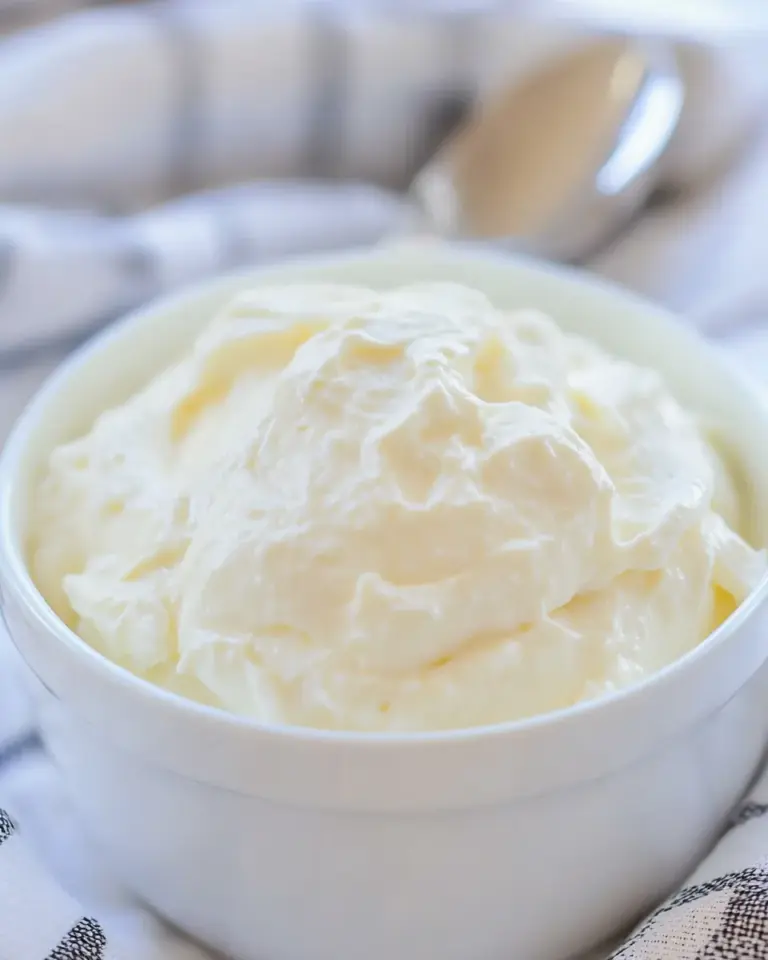
What’s in the Bowl
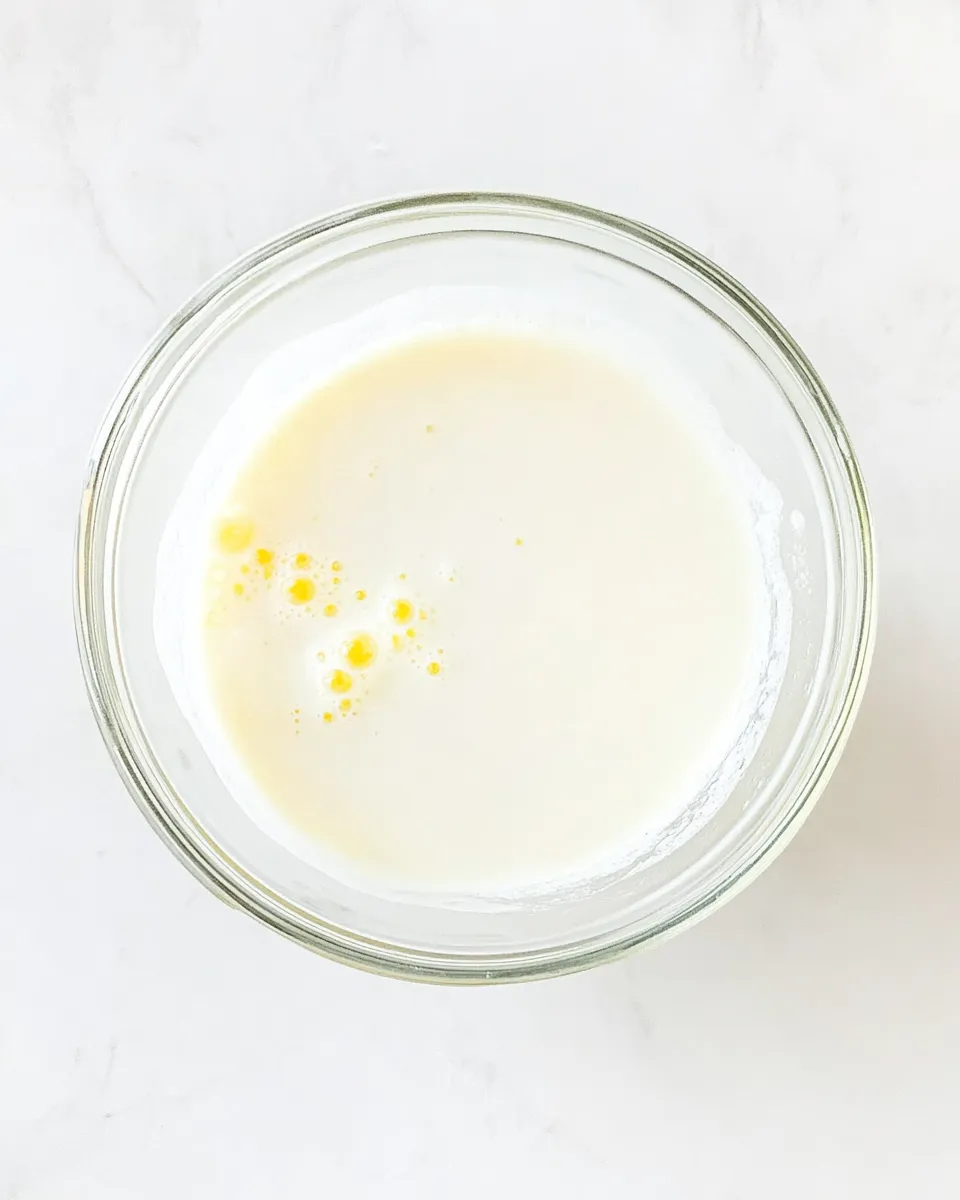
The basic idea is straightforward: acid plus milk mimics the acidity and texture of cultured buttermilk. Acid (vinegar or lemon juice) slightly curdles the milk and changes its pH, which helps with baking reactions and gives a faint tang. The milk provides the liquid, fat, and proteins that interact with leaveners and batters.
Because the proportions are small and the process is brief, the flavor stays clean and the texture is close enough for most recipes — pancakes, muffins, dressings, quick breads, and fried-batter coatings all behave well. Keep in mind this isn’t a cultured product like traditional buttermilk, but for cooking and baking it does the job.
Ingredients
- 1 tablespoon white vinegar or lemon juice — provides the acid that curdles the milk and gives that tang; use whichever you have on hand.
- 1 scant cup milk — the base liquid; whole milk gives richer results, low-fat works fine too.
Buttermilk Substitute — Do This Next
- Use a tablespoon to measure 1 tablespoon white vinegar or lemon juice and pour it into a liquid measuring cup.
- Add milk to the same liquid measuring cup until the milk level is just below the 1-cup line (a scant cup).
- Stir the mixture until well combined.
- Let the mixture sit undisturbed for 5 minutes before using.
Why I Love This Recipe
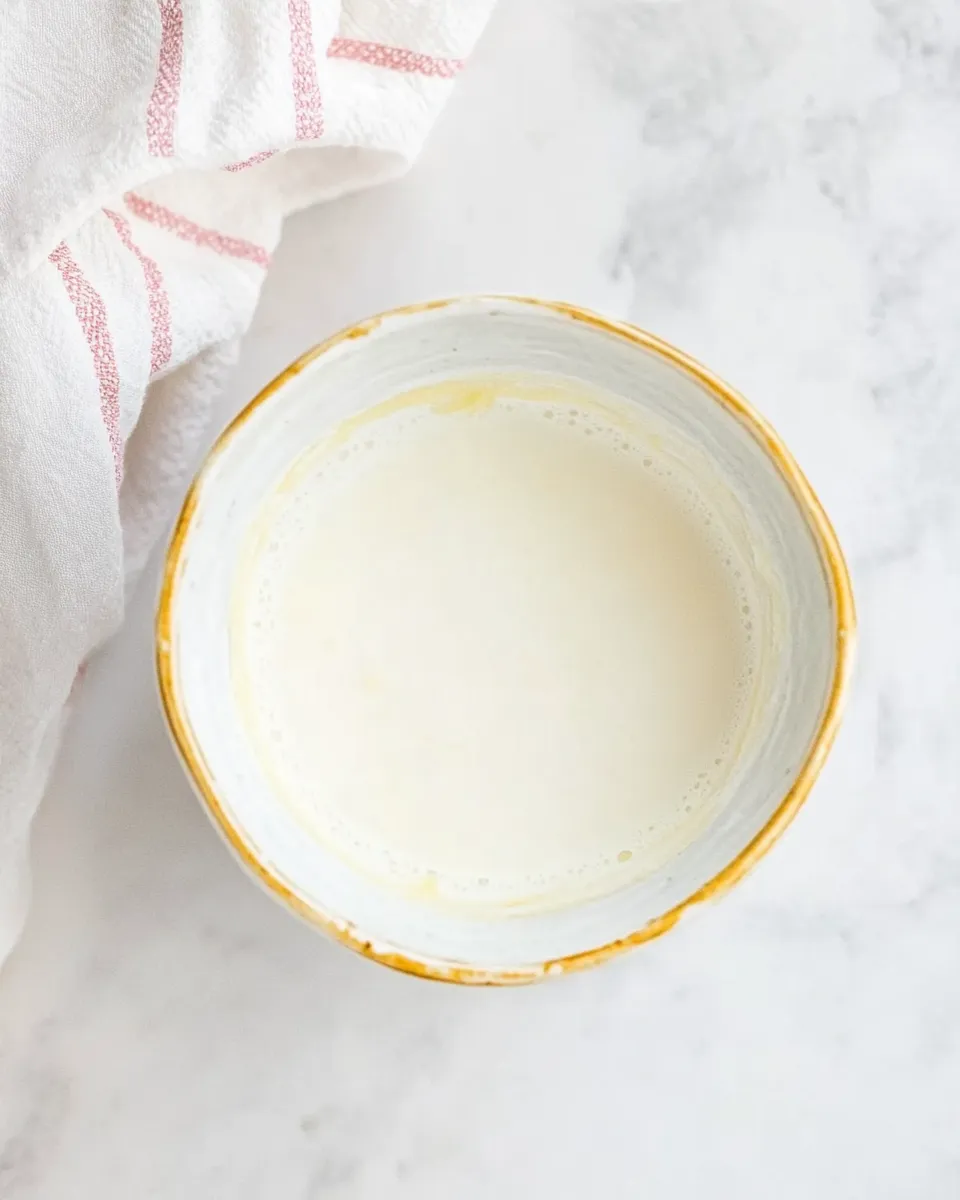
It’s fast, predictable, and flexible. Five minutes is all it takes; you don’t need to wait hours for cultures to develop. For home bakers juggling dinners, school runs, or last-minute guests, that speed matters. The method gives the acidity that activates baking soda, helping cakes and quick breads rise and develop a tender crumb.
It’s also forgiving. You can swap between lemon and white vinegar depending on taste — lemon gives a brighter citrus note, vinegar is neutral. Use whatever milk you have, and you’ll still get good results. For everyday cooking, that kind of practicality beats perfection.
Quick Replacement Ideas
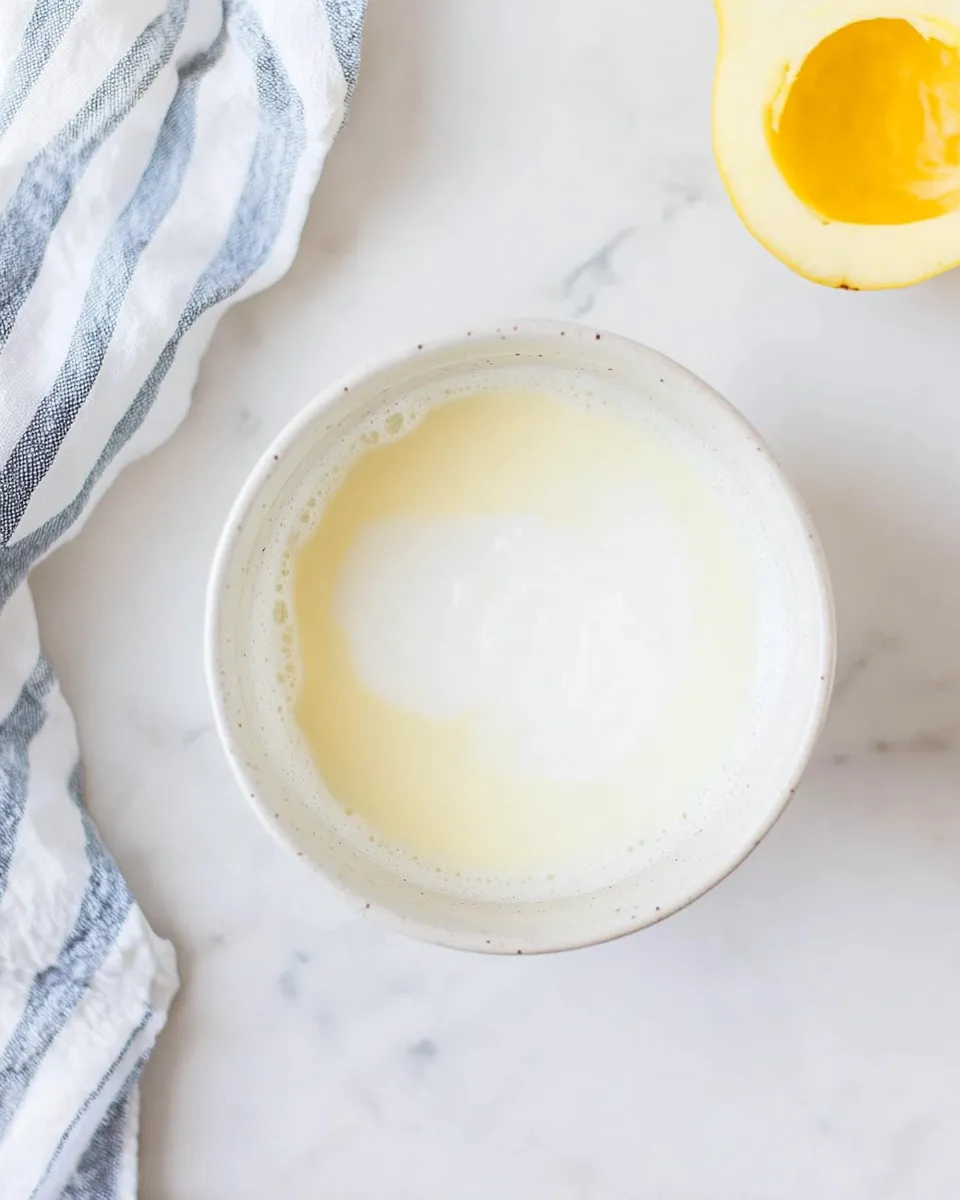
- Plain yogurt (thinned with a splash of water or milk) — adds tang and body; use to replace buttermilk in batters and dressings.
- Sour cream (thinned) — rich and tangy; excellent in muffins and dense cakes.
- Kefir — naturally tangy and pourable; a great direct substitute when available.
- Buttermilk powder reconstituted with water — convenient pantry option when you want a closer flavor profile.
Appliances & Accessories
No special equipment is required. A few simple tools make the process smoother and more repeatable:
- Liquid measuring cup — for accurate measurement and to see the milk level clearly.
- Tablespoon — measure the acid precisely; a slight error won’t ruin things but aim for accuracy.
- Whisk or spoon — for a quick stir to combine.
- Small bowl or jar with lid — handy if you want to prepare a small batch ahead and store it briefly.
Pitfalls & How to Prevent Them
- Too much acid: Using more than the measured tablespoon can make the mixture overly sour and affect leavening. Measure the acid with a tablespoon and stick to the ratio.
- Using ultrahigh-temperature (UHT) milk for certain recipes: UHT or shelf-stable milk can behave slightly differently in batters. If a recipe relies heavily on cultured dairy flavor, consider one of the replacement ideas instead.
- Not waiting long enough: The mixture needs a few minutes to curdle; using it immediately can reduce the tang and alter reactions with leaveners. Wait the full five minutes.
- Overmixing batters after adding substitute: Just like with real buttermilk, handle batters gently once combined to avoid a dense result.
Substitutions by Diet
Vegan & Plant-Based
Use unsweetened plant milk (soy, oat, or almond) with an acid to mimic buttermilk. Add an acid such as lemon juice or apple cider vinegar to the plant milk and let it sit briefly to thicken slightly. Soy and oat milk are neutral and work better in baking for structure.
Lactose-Free
Lactose-free cow’s milk can be treated exactly like regular milk in the vinegar-or-lemon method. Alternatively, lactose-free yogurt thinned with a splash of water serves well for richer baked goods.
Lower Fat
Low-fat or skim milk will produce a leaner substitute. The acidity still works for leavening, but expect a slightly lighter mouthfeel. For tender cakes, consider using a touch more fat elsewhere in the recipe if the texture matters.
What Could Go Wrong
Most failures come down to either measurement mistakes or misapplication. If you add too much acid, the batter can taste off and chemical leavening can be altered. If you use an acid that has a strong flavor (like balsamic or flavored vinegars), it will show through — stick to white vinegar or lemon juice for neutral results.
Another common issue is immediate use. The combination needs moments to curdle and achieve the pH shift that interacts with baking soda. Skipping the rest period can make the mixture less effective. Finally, be mindful when adapting delicate recipes like custards or cultured-based sauces; this quick substitute doesn’t replicate cultured bacteria and their long-term flavor development.
Prep Ahead & Store
If you make a small batch and don’t use it immediately, you can store the substitute in the refrigerator in a sealed container for up to 24 hours. Stir or shake gently before using. Beyond that window the milk may taste off or show separation beyond normal curdling; discard if there’s any sour or unpleasant odor not consistent with the intended tang.
If you frequently need buttermilk, consider mixing an amount to cover several recipes but only for the day. For pantry storage, buttermilk powder offers a shelf-stable alternative you can reconstitute as needed without waste.
Frequently Asked Questions
- Q: Can I use apple cider vinegar instead of white vinegar?
A: Yes, but apple cider vinegar has a slightly fruitier note. It’s fine in most baked goods; for the most neutral flavor use white vinegar. - Q: Will this work in fried batter?
A: Absolutely. The acid helps with tenderness and the milk provides structure. Use the substitute at the same volume as called for by the recipe. - Q: Can I heat the substitute?
A: You can warm it slightly for some preparations, but avoid boiling. Warm temperatures won’t materially change the acidity but can alter how it interacts with other ingredients in delicate applications. - Q: Is there a difference between using lemon juice and vinegar?
A: Lemon juice gives a brighter citrus tang, while vinegar is more neutral. Either works; pick based on the flavor profile you want. - Q: Can I double the recipe?
A: Yes. Maintain the same ratio: one tablespoon of acid per scant cup of milk. For larger batches, mix in a larger container and let rest briefly.
See You at the Table
When a recipe demands buttermilk and you don’t have time to hunt one down, this little hack keeps dinner on schedule and texture on track. It’s fast, predictable, and doesn’t require any special shopping. Keep these steps in your kitchen notes and you’ll rarely be stopped by a missing ingredient.
Try it next time you make pancakes or a quick loaf — you’ll see the effect instantly in the batter and in the bake. If you have questions from your own kitchen experiments, drop a comment on the blog and tell me what you’re making; I love troubleshooting recipes with readers and tailoring tips to real-world kitchens.
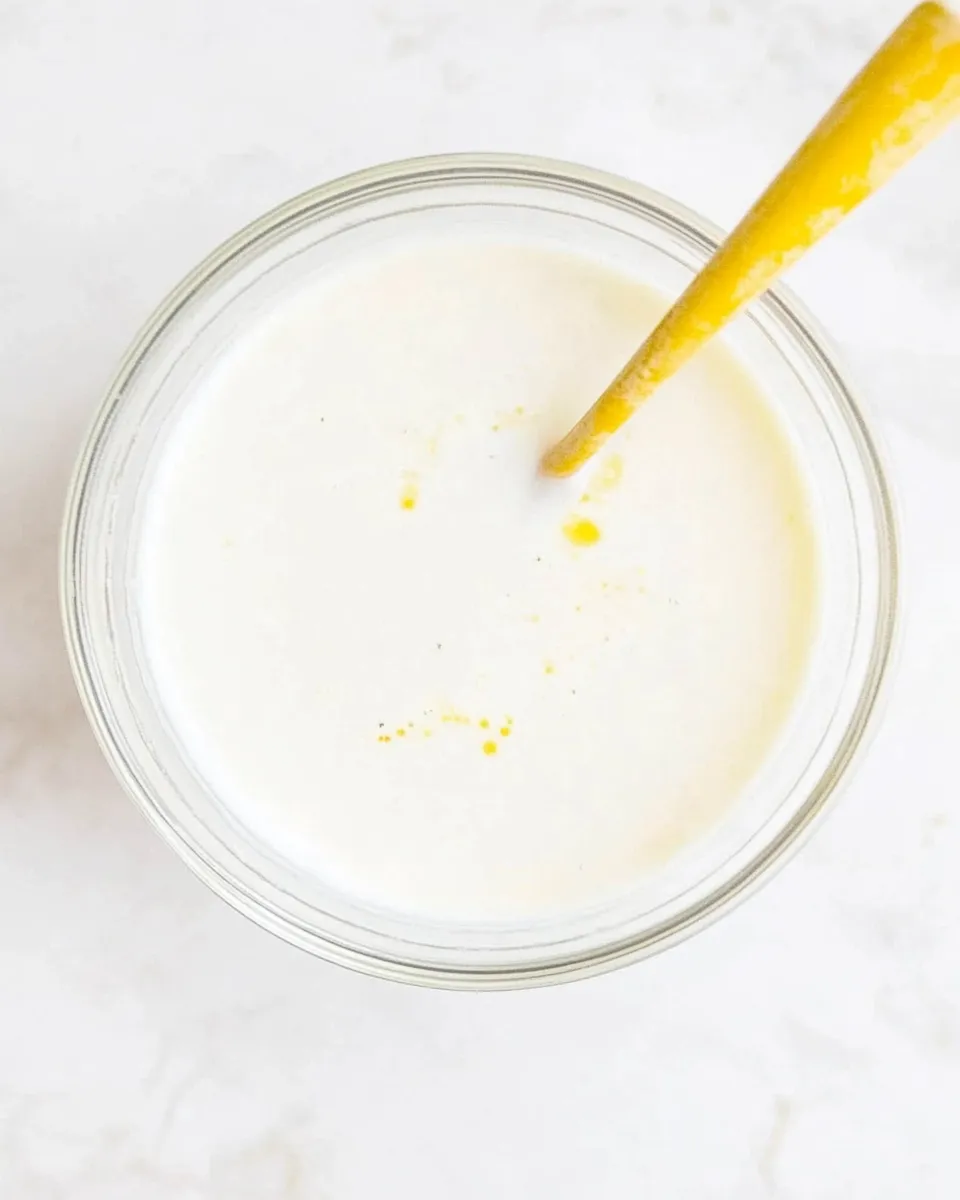
Buttermilk Substitute
Equipment
- Liquid measuring cup
Ingredients
Ingredients
- 1 tablespoonwhite vinegarOR lemon juice
- 1 scant cupmilk
Instructions
Instructions
- Use a tablespoon to measure 1 tablespoon white vinegar or lemon juice and pour it into a liquid measuring cup.
- Add milk to the same liquid measuring cup until the milk level is just below the 1-cup line (a scant cup).
- Stir the mixture until well combined.
- Let the mixture sit undisturbed for 5 minutes before using.