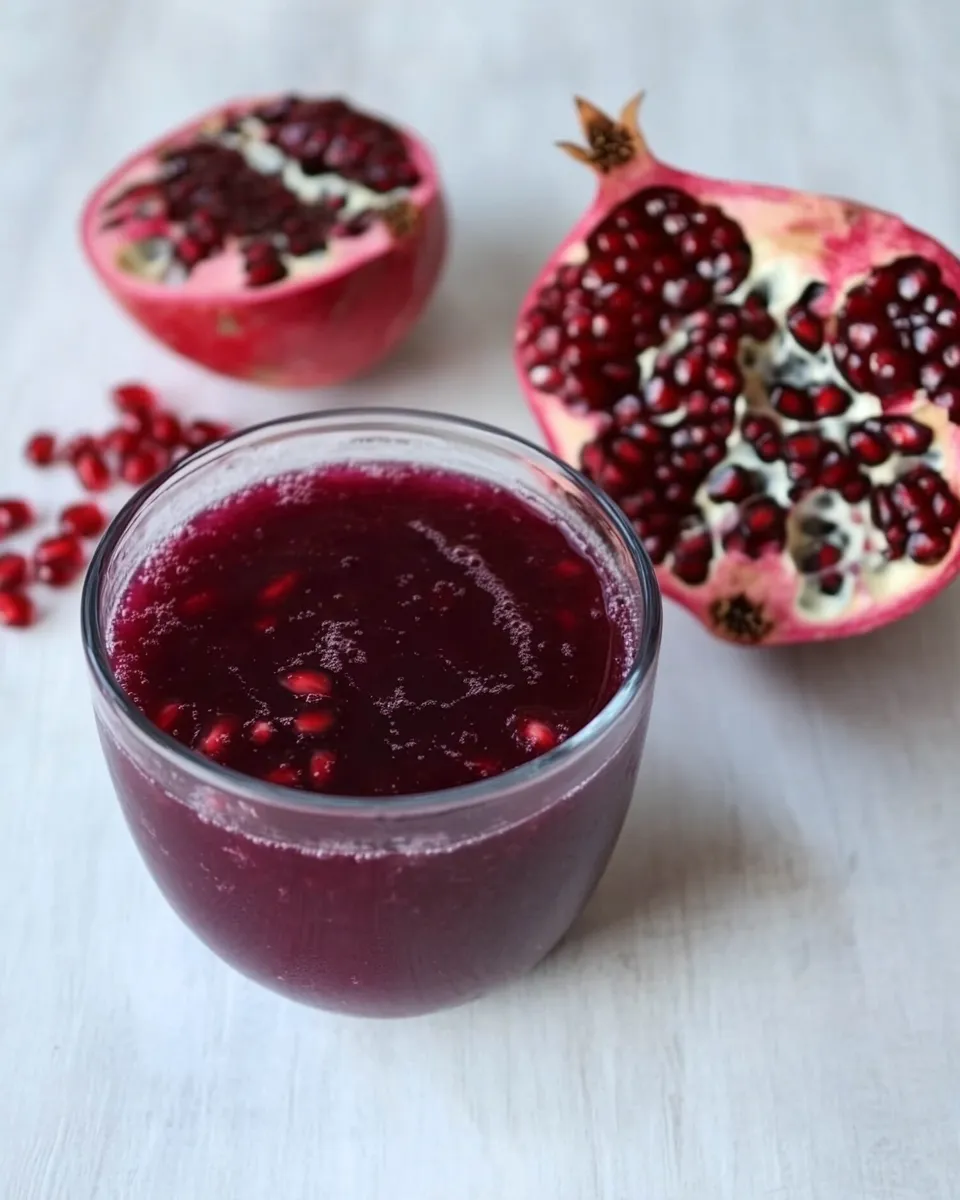
I love pomegranates for their jewel-bright seeds and the way their tart-sweet juice can lift a meal. But getting to that good stuff can feel a little intimidating: the rind is thick, the pith holds on, and those seeds stain like stubborn little beacons. I’ll walk you through a clean, efficient method that keeps your counters safe and your juice clear.
This process separates seeding from juicing into two tidy stages. First, we work the fruit apart under cold water so the arils drop out and the pith floats away. Then, we gently pulse the seeds in a blender and strain for bright, clear juice. It’s surprisingly quick once you get the rhythm.
Below you’ll find the exact equipment list I always use, step-by-step instructions to follow in order, and practical tips for avoiding stains, choosing tools, and storing your juice. No fluff—just a sensible, home-friendly routine that delivers great flavor and minimal mess.
The Ingredient Lineup
- 1large bowl — Holds cold water for the underwater-seeding step; gives seeds room to drop and pith to float.
- 1small sharp knife — For the shallow cuts around the crown and along the rind; keep it very sharp for clean slices.
- Mesh strainer or slotted spoon — Handy for skimming floating pith and lifting large rind pieces from the water.
- 1colander or strainer with small holes — Drains the water and seeds after the soak; small holes keep the arils from slipping through.
- 1pomegranate — The star ingredient; pick one heavy for its size with taut, unbroken skin for the best yield.
- 1small sharp knife — Listed twice in the source; consider keeping a spare or using a paring knife for delicate work.
- 2bowls (1 large, 1 small) — One large for the water bath and one small to collect drained seeds for juicing.
- 1dark colored kitchen towel — Protects surfaces and hides any accidental stains while you work; place it under or near your prep area.
- Blender — Pulses the seeds just enough to release juice without pulverizing seed solids.
- Mesh strainer — For pressing blended pulp to extract clear juice; a fine mesh keeps bits out of the final liquid.
- Container for liquid — Catch the strained juice; use a glass jar or any clean pitcher you have.
- Spoon — To gently press pulp against the strainer and to help transfer seeds and juice.
Method: Seed and Juice a Pomegranate
- Place the dark-colored kitchen towel under your work area or nearby to protect surfaces. Fill the large bowl with cold water and set the colander and an empty small bowl nearby.
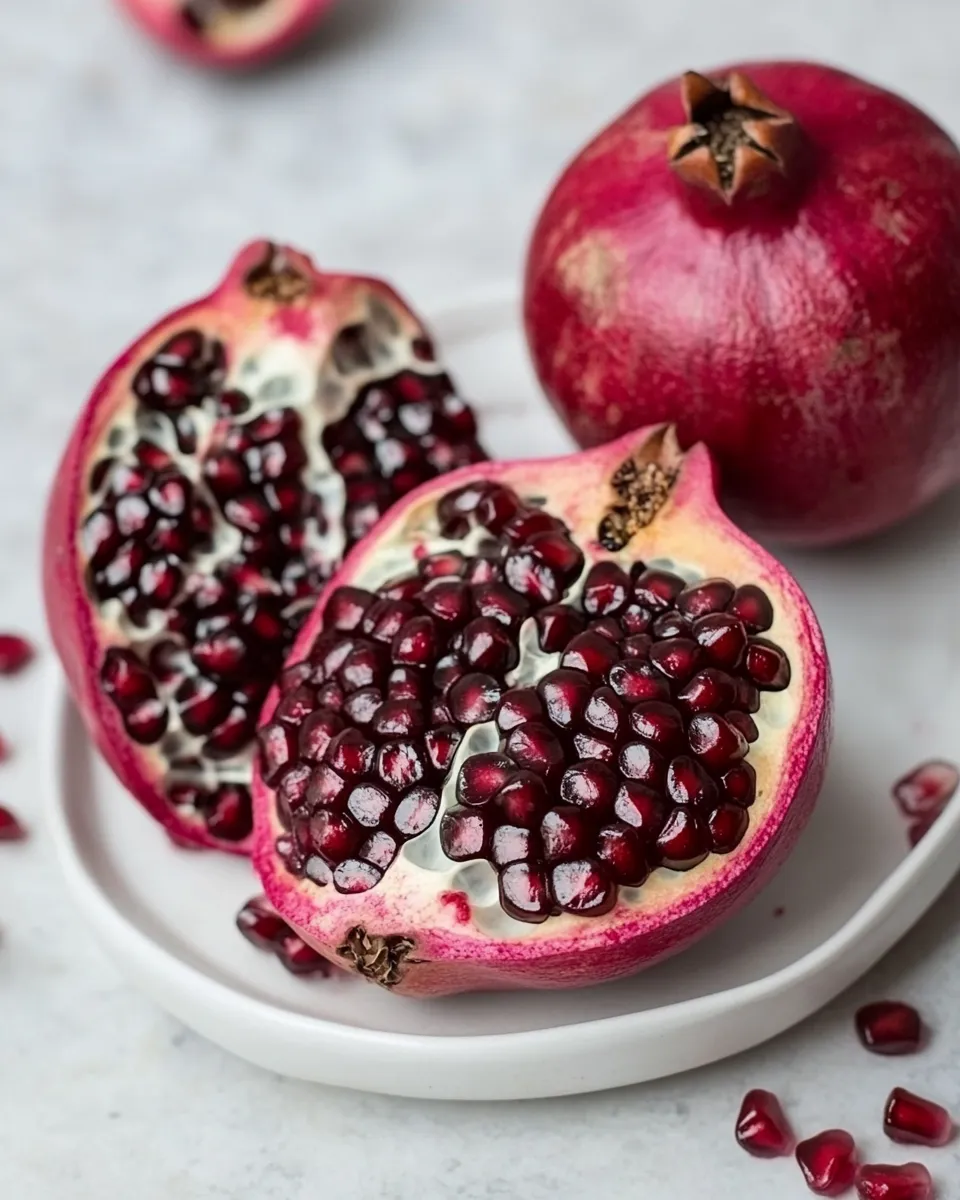
- Hold the pomegranate steady. Use the small sharp knife to make a shallow cut around the top where the crown/stem is, cutting only through the rind (do not cut deeply into the seeds).
- Pry off the crown to expose the interior seeds.
- Turn the fruit and, following the natural white pith lines, make shallow cuts from the top to the bottom of the rind around the fruit (space the cuts evenly). Do not cut deeply into the seeds.
- Gently pull the pomegranate apart into sections along the slits you made.
- Submerge one section at a time in the large bowl of cold water. Using your fingers, break the section apart underwater and loosen the seeds (arils) from the pith and rind. The seeds will sink and the pith will float.
- Remove and discard the large pieces of rind and the floating pith from the water with the mesh strainer or slotted spoon. If any seeds float, pick them out and return them to the water so they sink.
- When all sections are emptied, pour the water and seeds through the colander to drain. Transfer the drained seeds to the small bowl and pick out any remaining bits of pith.
- Place the seeds into the blender. Keep the dark towel nearby for any spills.
- Pulse the seeds a few short times—just enough to break the seeds and release juice but not so long that the seeds are pulverized and the juice becomes cloudy.
- Set the mesh strainer over the container for liquid. Pour the blended mixture into the strainer and use the spoon (or the back of a spoon) to gently press the pulp to extract as much juice as possible.
- Transfer the strained juice to the container for storage or serving. Discard the remaining pulp, wipe any spills with the dark towel, chill if desired, and enjoy.
Why This Seed and Juice a Pomegranate Stands Out
This method keeps the kitchen clean and the juice clear. Submerging sections in cold water minimizes splatter and lets the arils separate on their own—no frantic digging required. The pith rises, the seeds sink, and cleanup becomes mostly removing floating bits.
Pulsing instead of blitzing in the blender makes a big difference. You get most of the liquid without turning it cloudy from crushed seed husks. It’s efficient, and it preserves the bright color and fresh flavor of the juice.
What to Use Instead
- If you don’t have a blender: A food processor can work for small batches; pulse briefly and strain carefully to avoid excess cloudiness.
- If you lack a mesh strainer: A fine sieve or even multiple layers of cheesecloth work for clearer juice—just take your time pressing.
- If you don’t have a colander with small holes: Use the colander you have and place a clean kitchen towel or paper towel inside to trap tiny arils while draining, then discard the towel.
- If you don’t own a slotted spoon: A small sieve or tongs can lift floating pith pieces; scoop gently to avoid returning the pith to the bowl.
Cook’s Kit
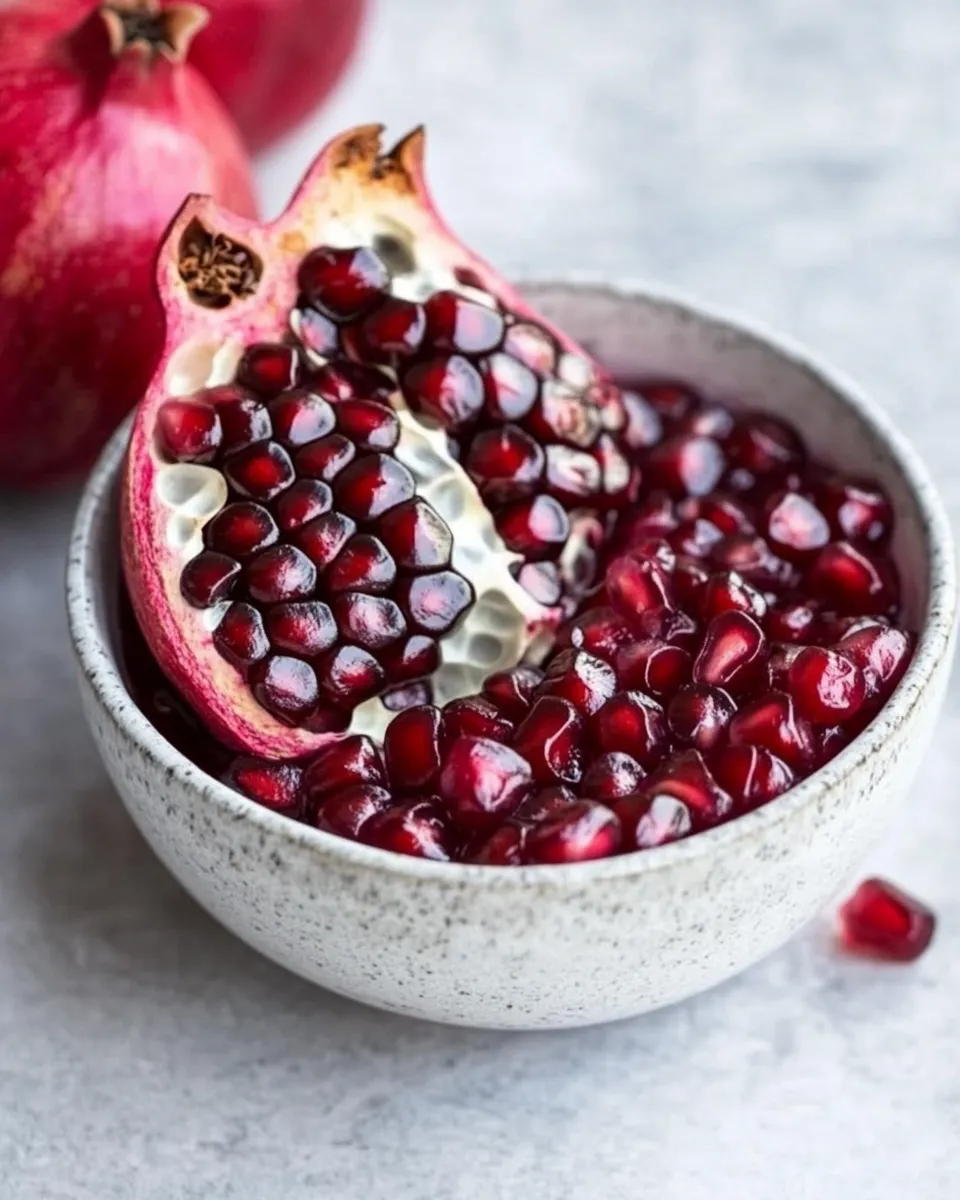
- 1large bowl — For the cold-water bath; makes the seeding step tidy.
- 1small sharp knife — A paring or small utility knife gives control for shallow cuts.
- Mesh strainer or slotted spoon — For skimming pith and removing rind pieces.
- 1colander or strainer with small holes — Keeps arils safe while draining.
- 2bowls (1 large, 1 small) — One for soaking, one for collecting drained seeds.
- Blender — For quick pulsing to release juice.
- Mesh strainer — For final clarification of the juice.
- Container for liquid — To chill or serve your juice.
- Spoon — For gentle pressing and transfer.
- 1dark colored kitchen towel — Protects your surface and absorbs spills fast.
Troubles You Can Avoid
- Staining counters and clothing: Always keep the dark towel under your work and wear an apron if you’re worried. Work over the bowl and avoid squeezing seeds directly over the counter.
- Cutting too deep into the seeds: Make shallow cuts only through the rind. If you nick seeds, you’ll release juice early and increase stickiness and mess.
- Cloudy juice: Don’t overblend. Short pulses break the arils and free juice without pulverizing seed cores, which make the juice murky.
- Forgetting the pith: Remove floating pith thoroughly. Left behind, it will add bitterness and cloudiness.
- Wasting yield: Press the blended pulp gently in a fine mesh; pushing too hard can force solids through and make a gritty juice, while not pressing enough leaves usable liquid behind.
Variations for Dietary Needs
Pomegranate juice and seeds are naturally vegan and gluten-free, so they fit most dietary patterns. The seeds are whole-food, high in fiber, and safe for most people who tolerate seeds. The juice is pure fruit, with no animal products, so it’s suitable for plant-based diets.
For those watching sugar: pomegranate juice is naturally concentrated. Serve it diluted with water or use small quantities as a flavoring rather than a full glass. For kids or sensitive palettes, mix a splash into sparkling water or plain yogurt to stretch flavor without extra sweeteners.
Chef’s Notes
Pick fruit that feels heavy for its size; that usually means more juice per pomegranate. Look for smooth, taut skin without splits. Slightly softer fruit can indicate overripeness, which sometimes yields more juice but can be more acidic.
Keep the dark towel within reach. Even with care, a few drops can escape during blending or straining. Wipe immediately—cold water helps lift the stain before it sets.
If your blender jar is small, work in batches. Overfilling leads to uneven pulsing and crushed seeds. Short pulses, then check, then pulse again as needed.
Store, Freeze & Reheat
Fresh pomegranate juice keeps well in the fridge for about 3–5 days in a sealed container. Give it a sniff and a taste before using—fresh juice is bright and tart. If it smells off or starts to ferment, discard it.
To keep longer, freeze the juice in ice cube trays or a freezer-safe container. Frozen pomegranate cubes are perfect for chilling sparkling water, adding to smoothies, or using in sauces. Thaw in the fridge overnight or add frozen cubes directly to chilled drinks.
Do not heat the fresh juice to reconstitute—it will change the flavor significantly. If you need warm pomegranate for a recipe, add fresh juice at the end of cooking or reduce gently on the stove to concentrate flavor, watching carefully so it doesn’t scorch.
Reader Q&A
- Q: Can I eat the seeds whole? Yes. The arils are edible and nutritious. Some people chew and swallow the white seed inside; others spit it out. It’s a matter of personal preference.
- Q: What if seeds float? Floating seeds can mean air pockets or immature arils. Return them to the water and gently press—many will sink. Pick out any that persistently float.
- Q: Why is my juice bitter? Bitter juice usually means some pith made it into the blend. Be thorough when removing floating pith and pick through the drained seeds before blending.
- Q: Can I juice pomegranates with a citrus press? A citrus press won’t work efficiently for whole arils; you’ll get some juice but leave a lot behind. Blending and straining—or a masticating juicer—gives better yield.
- Q: How many pomegranates for one cup of juice? Yield varies by fruit size and juiciness. Heavy, ripe pomegranates give more juice. Expect several fruits for a cup, but check your batch and adjust.
The Last Word
Seeding and juicing a pomegranate doesn’t have to be messy or mysterious. With a shallow cut, a cold-water bath, short blender pulses, and a fine strain, you get clear, bright juice and minimal cleanup. Keep your towel handy, work deliberately, and you’ll be sipping or cooking with the jewel-bright flavor in no time.
Try it once and you’ll see how straightforward it becomes. Store leftovers correctly, and you’ll have a vibrant ingredient ready for drinks, dressings, or a simple chilled glass. Enjoy the process—it’s a small ritual with a delicious payoff.
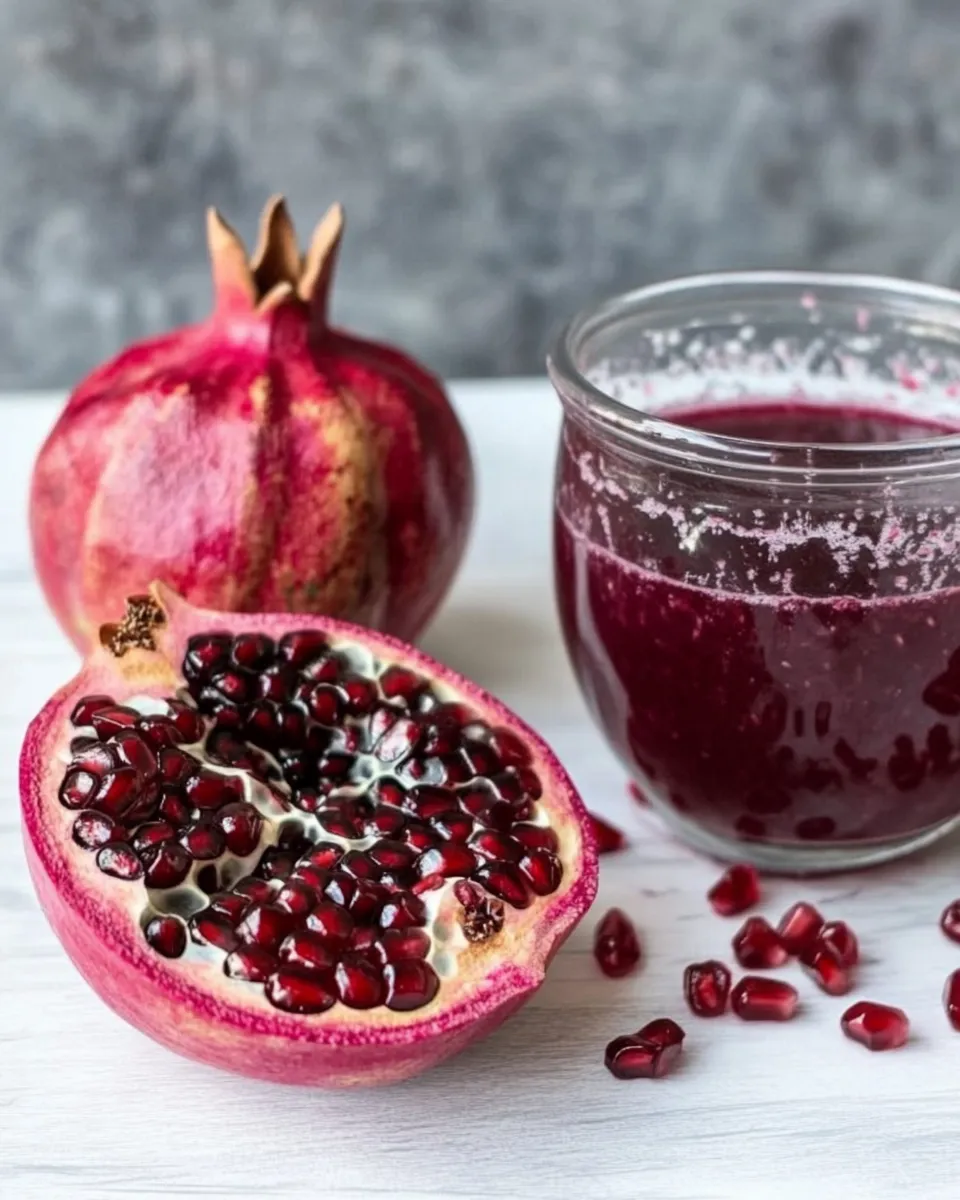
How to Seed and Juice a Pomegranate
Equipment
- Large Bowl
- Small sharp knife
- mesh strainer or slotted spoon
- Colander or strainer with small holes
- 2 bowls (1 large, 1 small)
- Dark-colored kitchen towel
- Blender
- Mesh strainer
- Container for liquid
- Spoon
Ingredients
Ingredients
- 1 large bowl
- 1 small sharp knife
- Mesh strainer or slotted spoon
- 1 colander or strainer with small holes
- 1 pomegranate
- 1 small sharp knife
- 2 bowls 1 large, 1 small
- 1 dark colored kitchen towel
- Blender
- Mesh strainer
- Container for liquid
- Spoon
Instructions
Instructions
- Place the dark-colored kitchen towel under your work area or nearby to protect surfaces. Fill the large bowl with cold water and set the colander and an empty small bowl nearby.
- Hold the pomegranate steady. Use the small sharp knife to make a shallow cut around the top where the crown/stem is, cutting only through the rind (do not cut deeply into the seeds).
- Pry off the crown to expose the interior seeds.
- Turn the fruit and, following the natural white pith lines, make shallow cuts from the top to the bottom of the rind around the fruit (space the cuts evenly). Do not cut deeply into the seeds.
- Gently pull the pomegranate apart into sections along the slits you made.
- Submerge one section at a time in the large bowl of cold water. Using your fingers, break the section apart underwater and loosen the seeds (arils) from the pith and rind. The seeds will sink and the pith will float.
- Remove and discard the large pieces of rind and the floating pith from the water with the mesh strainer or slotted spoon. If any seeds float, pick them out and return them to the water so they sink.
- When all sections are emptied, pour the water and seeds through the colander to drain. Transfer the drained seeds to the small bowl and pick out any remaining bits of pith.
- Place the seeds into the blender. Keep the dark towel nearby for any spills.
- Pulse the seeds a few short times—just enough to break the seeds and release juice but not so long that the seeds are pulverized and the juice becomes cloudy.
- Set the mesh strainer over the container for liquid. Pour the blended mixture into the strainer and use the spoon (or the back of a spoon) to gently press the pulp to extract as much juice as possible.
- Transfer the strained juice to the container for storage or serving. Discard the remaining pulp, wipe any spills with the dark towel, chill if desired, and enjoy.