I get asked this question all the time: should you boil lobster tails or bake them? Both methods work, and both produce tender, sweet lobster when done right. What changes is texture, flavor profile, and how much hands-on time you want. I’ll walk you through the practical differences and show you a reliable method you can repeat without stress.
In short: boiling gives a clean, plump texture and is forgiving; baking gives a slightly richer, roasted edge and more concentrated flavor, especially when you baste with butter or seasonings. There’s also steaming, grilling, and air-frying—each has its place depending on the result you want and the tools you have on hand.
Below you’ll find a clear ingredient list, step-by-step directions (kept exactly as the tested source), and focused notes on when to choose each technique. I aim to be practical and honest—no shorthand, no guessing. If you want restaurant-style lobster tails at home, pick the method that matches the texture and timing you need. Let’s get into it.
What You’ll Need
Ingredients
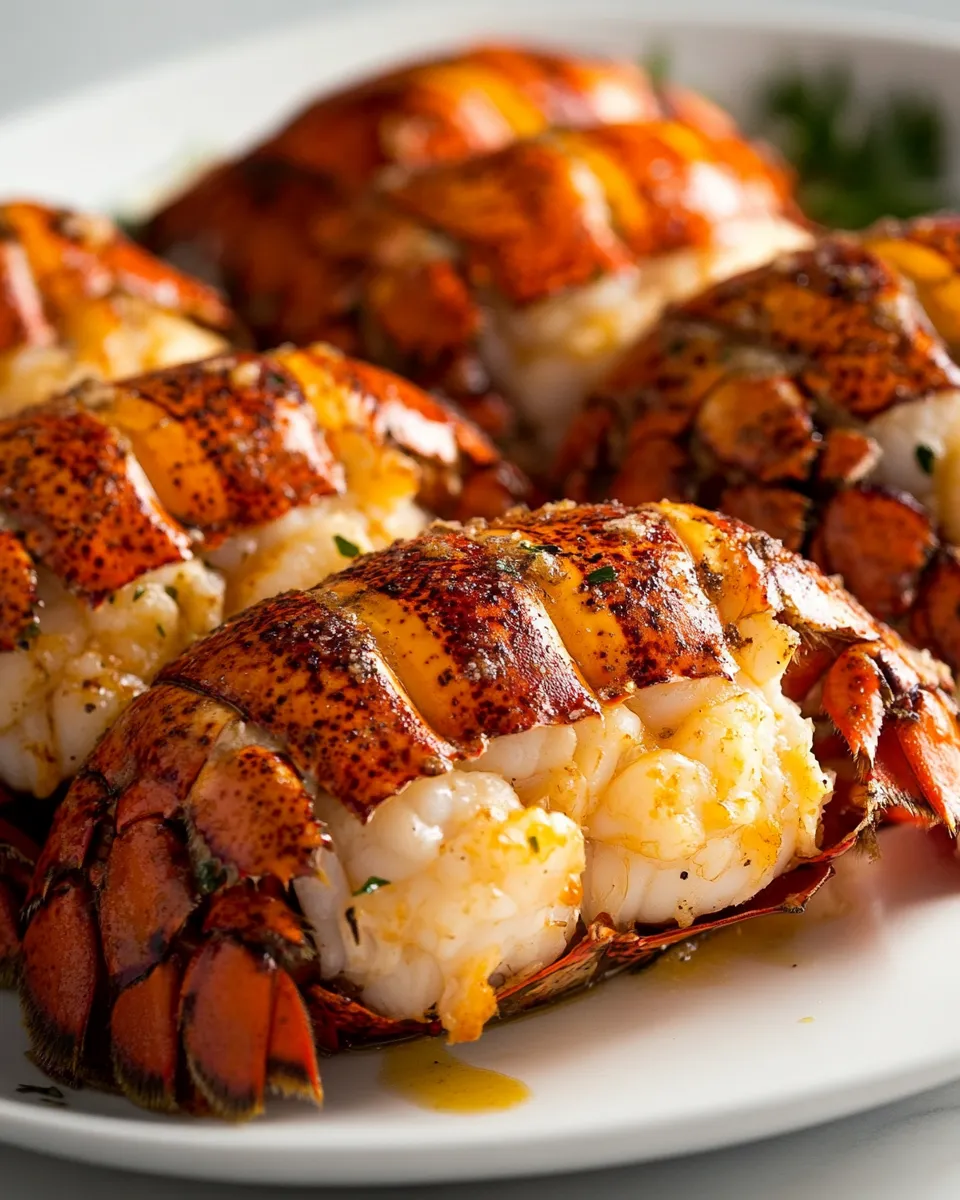
- 2 lobster tails — the centerpiece; thaw completely if frozen and pat dry for best browning.
- 1 tablespoon butter or ghee — for basting and finishing; melts quickly and adds flavor.
- Salt and pepper or Cajun seasoning — simple seasoning options; use salt and pepper for a classic finish or Cajun for a spicier kick.
Optional but useful
- Kitchen shears — for splitting shells cleanly.
- Meat thermometer — to check doneness precisely (useful if you’re nervous about overcooking).
- Rimmed baking sheet, grill, steam basket, or air fryer — depending on your chosen method.
Directions: Lobster Tails
- Place the 2 lobster tails on a cutting board with the fins facing away from you. Use sharp kitchen shears to cut a seam down the top center of each shell toward the fin, cutting through the shell but not through the tail meat.
- Insert your finger into the seam and gently separate the tail meat from the inside of the shell, leaving the meat attached at the base near the fin.
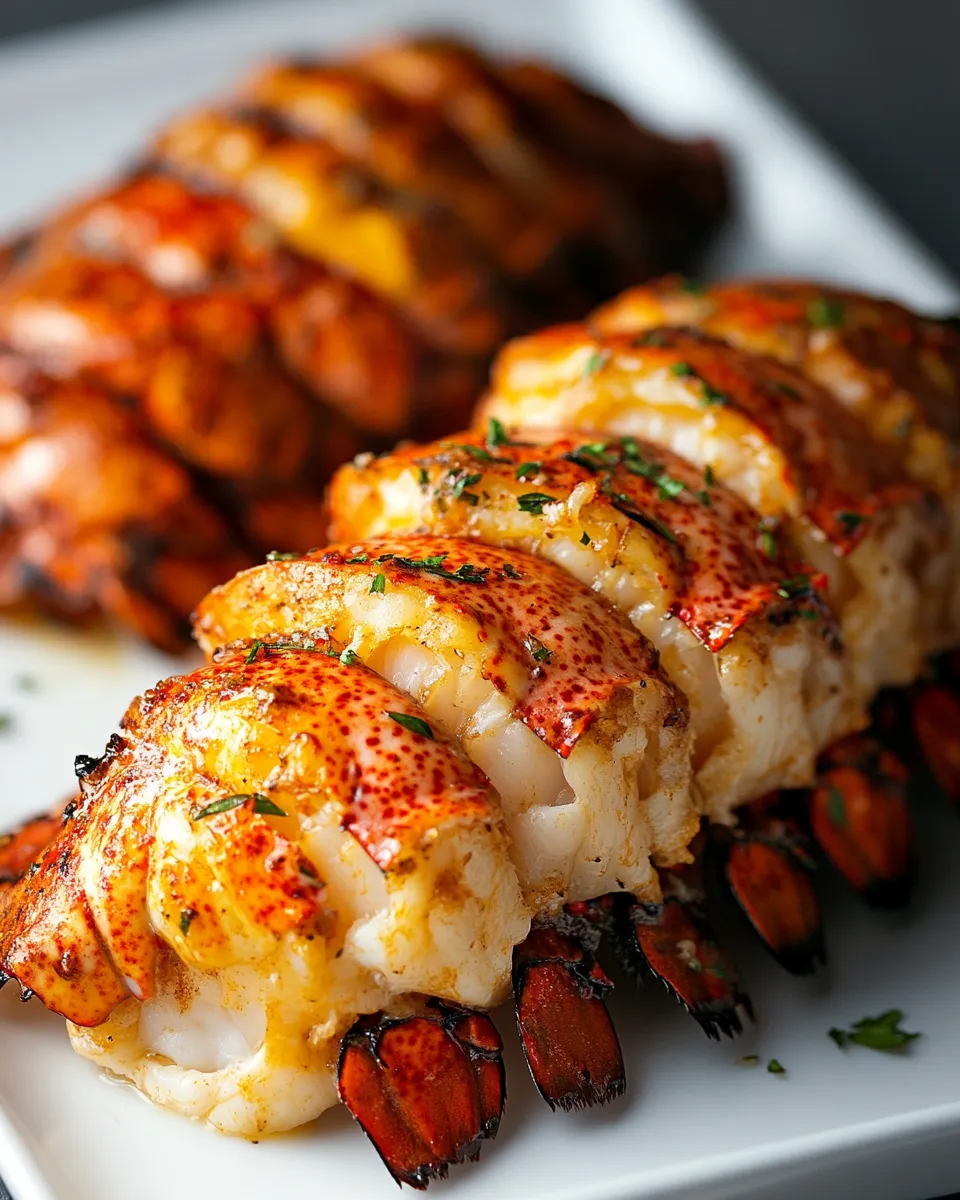
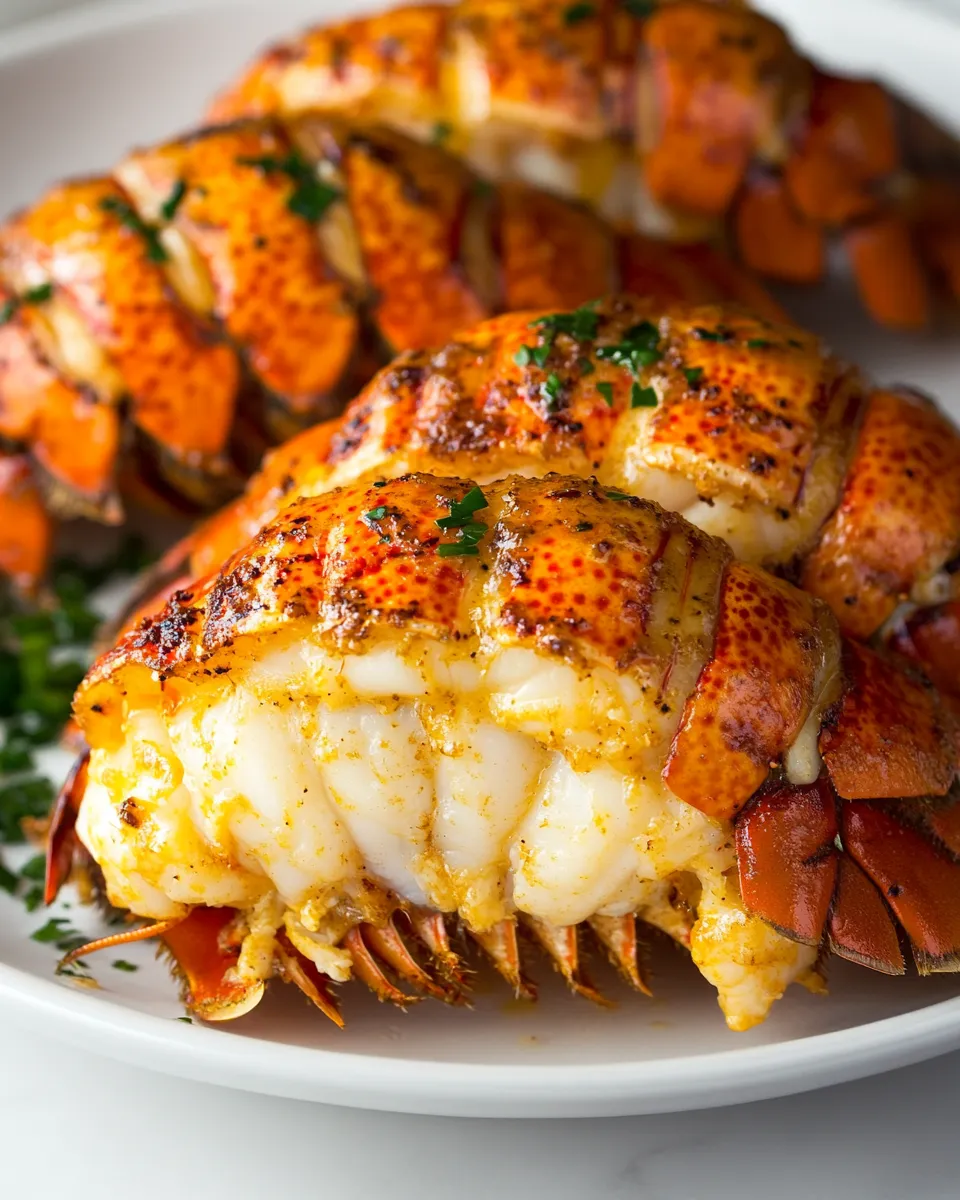
- For a butterflied presentation: gently lift the exposed tail meat up and lay it on top of the empty shell. For grilling (optional), you may leave the meat sitting inside the shell instead of lifting it.
- Melt 1 tablespoon butter or ghee. Brush the melted butter evenly over the top of the lobster meat on both tails, then sprinkle with salt and pepper or with Cajun seasoning to taste.
- To bake: preheat the oven to 400°F. Place the prepared lobster tails on a rimmed baking sheet and put the sheet in the hot oven. Bake small 3–4 ounce tails for about 10 minutes and larger 6–8 ounce tails for about 20 minutes. Check doneness with a meat thermometer at the lowest stated time, then add minutes as needed.
- To grill: keep the tails in the shell if possible and preheat the grill to 425°F. Place the tails cut-side-down on the grill, then flip to finish. Grill small 3–4 ounce tails 3 minutes cut-side-down, then flip and grill 1 additional minute. Grill larger 6–8 ounce tails 5 minutes cut-side-down, then flip and grill 2–3 additional minutes.
- To steam: set a large 6-quart pot on the stovetop with a steaming basket and add 1 inch of water. Cover and bring the water to a boil. Place the prepared lobster tails in the steam basket, cover, and steam small 3–4 ounce tails for 5–6 minutes or larger 6–8 ounce tails for 8–9 minutes.
- To air fry: preheat the air fryer to 380°F. Place the two lobster tails in the basket cut-side-up. Air fry small 3–4 ounce tails for 3–5 minutes and larger 6–8 ounce tails for 5–7 minutes.
- Remove the lobster tails when opaque and cooked through, serve immediately, and enjoy.
What You’ll Love About This Recipe
This is a short list but it sums up why lobster tails are worth the little effort: clarity of flavor, speed, and versatility.
- Taste: Lobster meat is naturally sweet. Minimal seasoning and a pat of butter highlight that sweetness rather than masking it.
- Speed: From prep to plate you’re looking at 10–20 minutes for baking, a handful of minutes on the grill, or just minutes in an air fryer—great for weeknight celebrations.
- Presentation: Butterflying the tail instantly looks restaurant-level. It’s a simple move with a big impact.
- Control: Multiple cooking methods let you tailor texture—from the plumpness of steam to the slight roast of baking.
Swap Guide
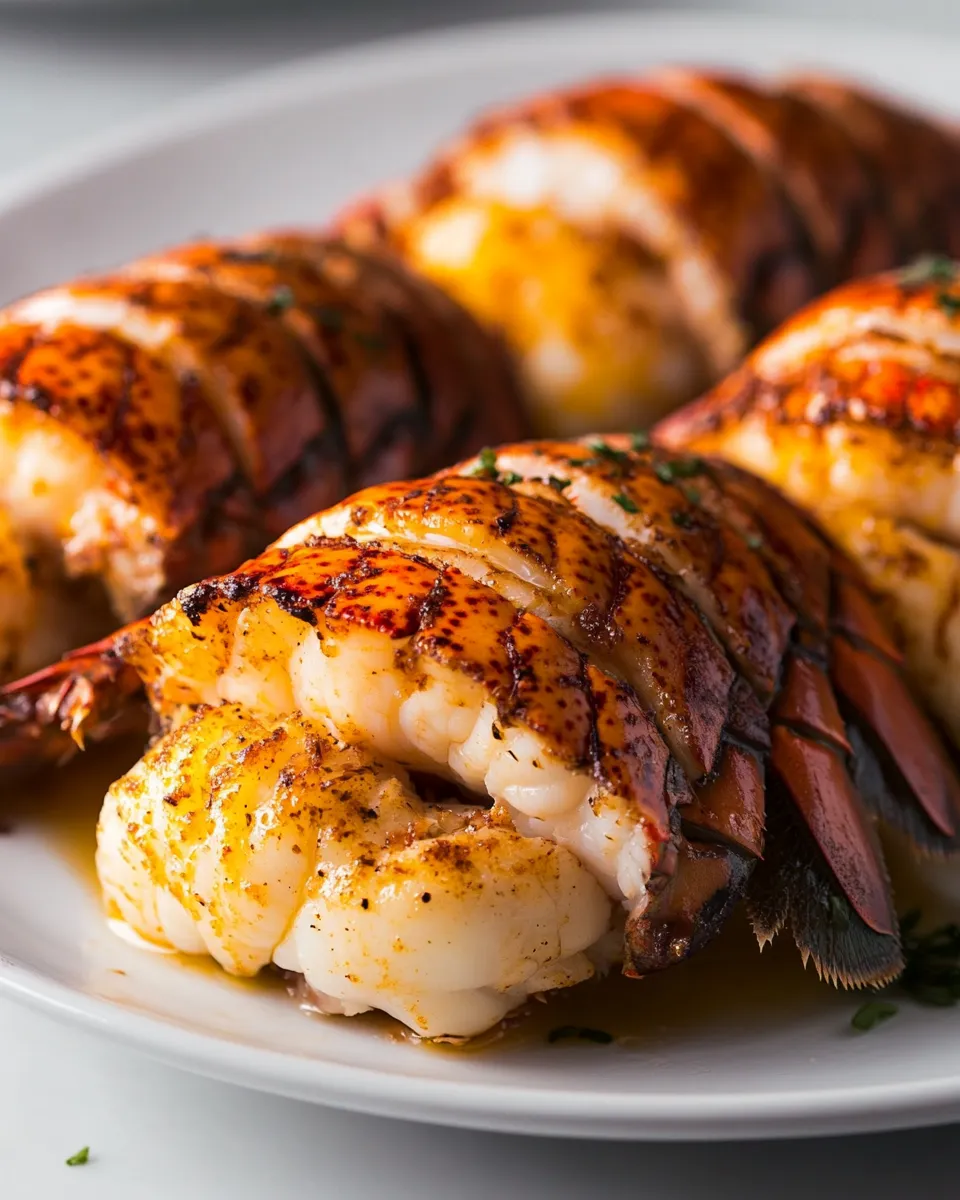
Want a different result or have limited tools? Here’s a direct swap guide to match your goal.
- Want plump and pure? Choose steaming or boiling (steaming is gentler and keeps juices locked in).
- Want a roasted top and slightly firmer texture? Bake at 400°F as described in the directions.
- Want char and smoky notes? Grill at 425°F and use the shell to protect the meat while adding crust.
- Low-fuss, fast, and slightly crisp? Use the air fryer at 380°F for the quickest turnaround.
- No butter on hand? Use ghee as indicated in the ingredients; it tolerates heat well and still gives that buttery flavor.
Must-Have Equipment
- Sharp kitchen shears — the difference between a clean split and a mangled shell.
- Rimmed baking sheet — keeps any juices contained for baking.
- Grill or air fryer — optional but useful if you prefer char or speed.
- Steaming basket and a 6-quart pot — for even, gentle steaming.
- Meat thermometer — small investment for perfectly cooked lobster (aim for opaque, not rubbery).
What Not to Do
- Don’t overcook. Lobster goes from tender to rubbery quickly. Check early and often when trying a new weight or appliance.
- Don’t skip the shell-splitting step if you want a butterflied presentation. It also helps heat reach the meat evenly.
- Don’t assume all lobster tails cook the same time—size matters. Follow the times for 3–4 oz vs 6–8 oz as given.
- Don’t forget to dry thawed lobster meat before cooking; excess moisture prevents good browning.
Dietary Swaps & Alternatives
If you need to adapt for dietary preferences, here are practical swaps that maintain flavor and texture.
- Butter-free: Use clarified butter or ghee (already included) for a dairy-alternative that still brings richness. For strict vegan households, lobster itself is not replaceable; consider a different main like grilled king oyster mushrooms for a meaty texture.
- Lower sodium: Skip the seasoning rub and finish with a squeeze of lemon and a pinch of salt at the table so diners control their intake.
- Spice level: Use Cajun seasoning as listed for heat, but start light—seasonings concentrate on a small piece of meat.
Pro Tips & Notes
Timing and doneness
- Always check at the lower end of the suggested time. For baking, probe with a thermometer or look for opaque white meat that flakes easily. A thermometer will help you avoid guesswork.
- If using a thermometer, the meat should reach just opaque and feel springy—there’s no single fixed internal temperature widely agreed for lobster like for poultry, so visual cues matter.
Seasoning and finish
- Brush melted butter or ghee as directed in step 4 for immediate flavor. You can reserve a bit of melted butter to serve on the side for dipping.
- Salt lightly before cooking and adjust after; a finishing spritz of lemon brightens the meat without overpowering it.
Prep tips
- Thaw frozen tails overnight in the fridge, then bring to room temperature for 15–20 minutes before cooking for even results.
- When lifting the meat for a butterflied look, keep it tethered at the base near the fin for a neat presentation and to avoid the meat slipping away from the shell.
Storage Pro Tips
- Leftovers: Cool quickly and refrigerate in an airtight container for up to 2 days. Lobster meat dries and toughens in the fridge, so use it quickly.
- Reheating: Gently reheat in a covered pan with a splash of water or butter over low heat, or in a 275°F oven until just warmed. Avoid high heat—again, rubbery is the enemy.
- Freezing: Cooked lobster can be frozen, but texture will change. If you must freeze, wrap tightly and use within 1 month for best quality.
Top Questions & Answers
Here are the handful of questions I hear most often, answered directly.
- Which is better: boiling or baking? Both. Boiling (or steaming) gives plump, pure meat. Baking gives a slightly roasted surface and richer flavor when you baste with butter. Choose based on texture and how you want to serve it.
- How do I know when lobster tails are done? They turn opaque and white and the flesh flakes easily. Check at the lower end of the suggested time and add minutes as needed. If you have a thermometer, check early.
- Can I grill lobster tails? Yes—keep the meat in the shell if you can and follow the grill times in the directions for a nice char without drying out.
- Is it safe to undercook slightly? Lobster should be cooked through to opaque. Slightly underdone remains translucent and is not ideal. Use the step times as your guide.
- Why is my lobster rubbery? Overcooking. Reduce heat or time next attempt and check earlier.
See You at the Table
Lobster tails are simple once you know what outcome you want. Steam or boil for a tender, clean bite. Bake for a little caramelized flavor. Grill for smoke. Air fry when you’re short on time. The method you choose changes the nuance, not the fact that lobster tastes wonderful with a little butter and good seasoning.
If you try this, start with two tails and follow the exact preparation and times above. Keep notes: oven variations, tail size, and seasoning preferences. With a couple of tries you’ll know exactly how you like them. Enjoy—and I’ll see you at the table.
Is It Better To Boil Or Bake Lobster Tails?
Equipment
- Kitchen shears
- Cutting Board
- Rimmed Baking Sheet
- Oven
- Grill
- Large Pot
- steaming basket
- Air Fryer
- Meat Thermometer
- Basting brush
Ingredients
Ingredients
- 2 lobster tails
- 1 tablespoonbutteror ghee
- Salt and pepperor Cajun seasoning
Instructions
Instructions
- Place the 2 lobster tails on a cutting board with the fins facing away from you. Use sharp kitchen shears to cut a seam down the top center of each shell toward the fin, cutting through the shell but not through the tail meat.
- Insert your finger into the seam and gently separate the tail meat from the inside of the shell, leaving the meat attached at the base near the fin.
- For a butterflied presentation: gently lift the exposed tail meat up and lay it on top of the empty shell. For grilling (optional), you may leave the meat sitting inside the shell instead of lifting it.
- Melt 1 tablespoon butter or ghee. Brush the melted butter evenly over the top of the lobster meat on both tails, then sprinkle with salt and pepper or with Cajun seasoning to taste.
- To bake: preheat the oven to 400°F. Place the prepared lobster tails on a rimmed baking sheet and put the sheet in the hot oven. Bake small 3–4 ounce tails for about 10 minutes and larger 6–8 ounce tails for about 20 minutes. Check doneness with a meat thermometer at the lowest stated time, then add minutes as needed.
- To grill: keep the tails in the shell if possible and preheat the grill to 425°F. Place the tails cut-side-down on the grill, then flip to finish. Grill small 3–4 ounce tails 3 minutes cut-side-down, then flip and grill 1 additional minute. Grill larger 6–8 ounce tails 5 minutes cut-side-down, then flip and grill 2–3 additional minutes.
- To steam: set a large 6-quart pot on the stovetop with a steaming basket and add 1 inch of water. Cover and bring the water to a boil. Place the prepared lobster tails in the steam basket, cover, and steam small 3–4 ounce tails for 5–6 minutes or larger 6–8 ounce tails for 8–9 minutes.
- To air fry: preheat the air fryer to 380°F. Place the two lobster tails in the basket cut-side-up. Air fry small 3–4 ounce tails for 3–5 minutes and larger 6–8 ounce tails for 5–7 minutes.
- Remove the lobster tails when opaque and cooked through, serve immediately, and enjoy.
Notes
Fresh thyme, rosemary, and garlic
Lemon zest and garlic
Cayenne pepper and smoked paprika