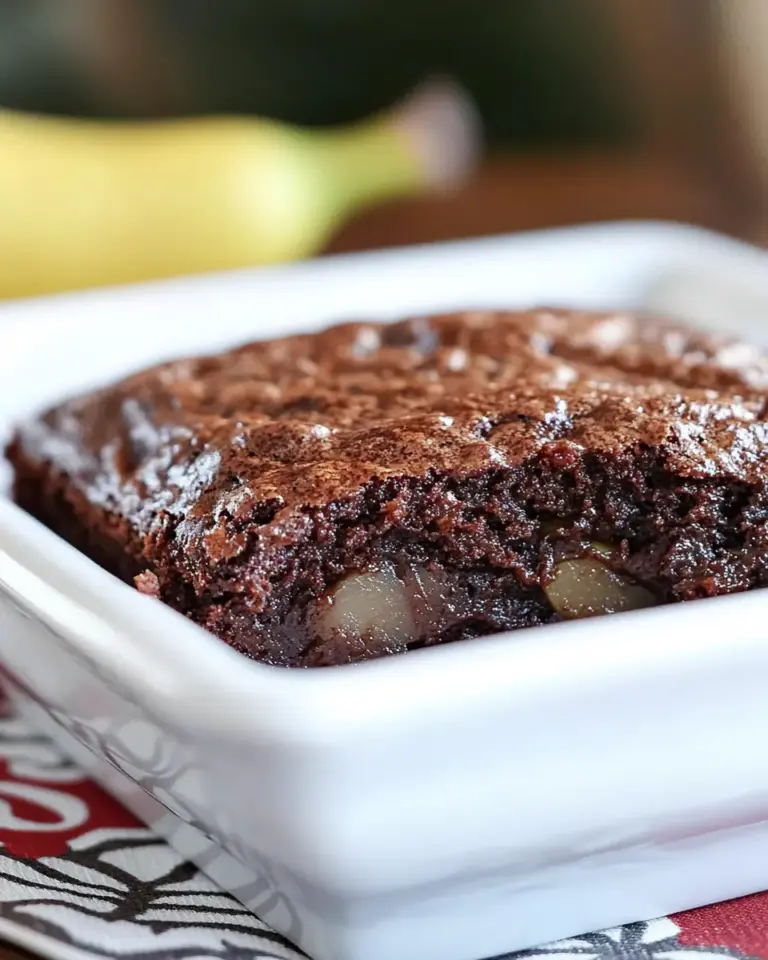
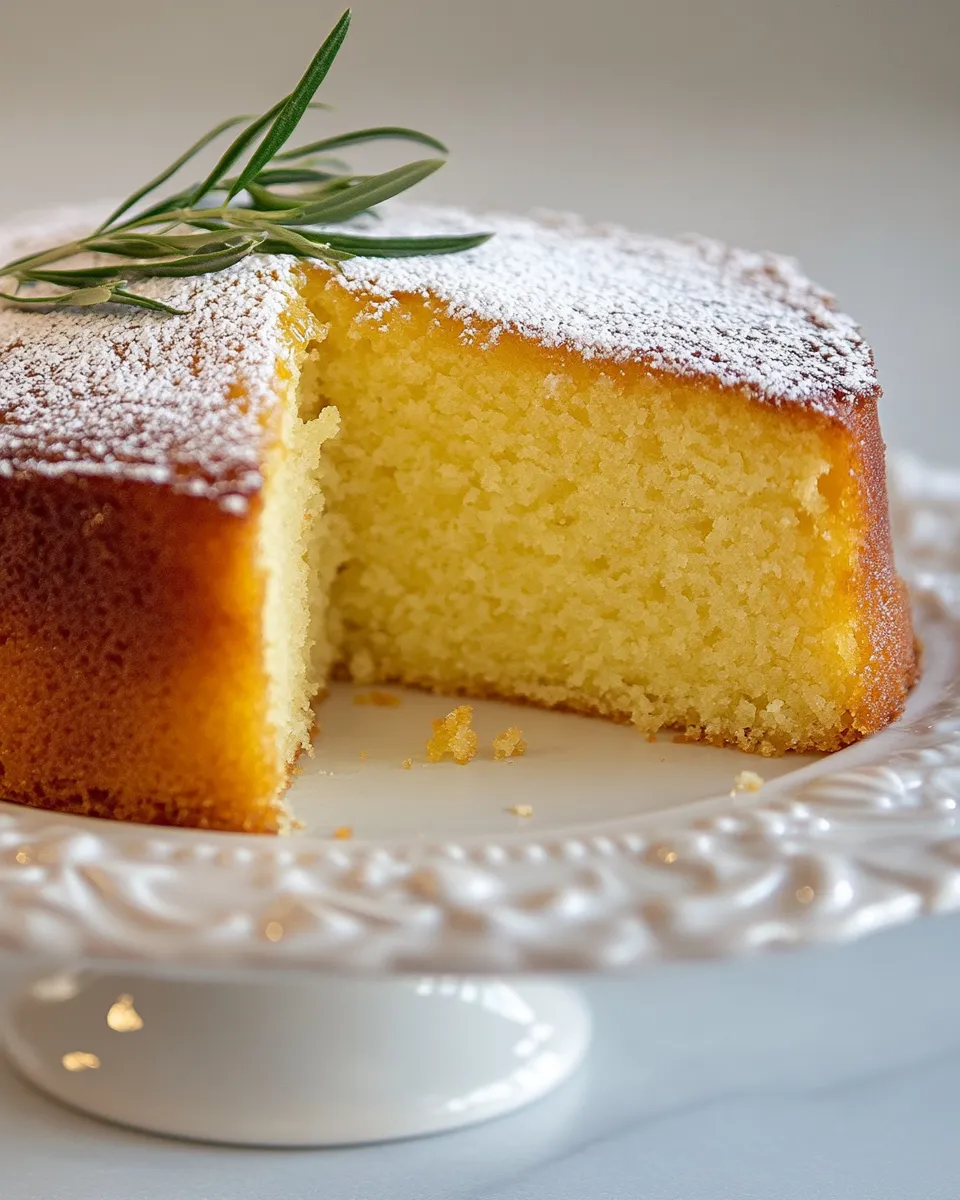
This cake is one of those reliably simple things I turn to when I want a dessert that feels thoughtful but isn’t fussy. It’s tender, gently citrusy, and keeps beautifully because of the olive oil. The crumb is delicate and the flavor is clean — not overly sweet — which makes it perfect with morning coffee or after-dinner tea.
I like to keep the method straightforward: good ingredients, room-temperature eggs and milk, and careful mixing. The result is a cake that’s moist without being heavy, with a subtle olive oil aroma that plays nicely against the lemon zest and juice.
Below you’ll find a shopping list, a precise step-by-step Cooking Guide, and tips to troubleshoot, swap ingredients, and store the cake so it stays great for days. No fluff — just what you need to make a reliably excellent Olive Oil Cake.
Ingredients

- 1 3/4 cups (235 g) cake flour,* plus more for dusting pan — light flour keeps the crumb tender; reserve a bit for dusting the pan so the cake releases cleanly.
- 1 tsp baking powder — gives gentle lift.
- 1/4 tsp baking soda — balances acidity and helps browning.
- 3/4 tsp salt — enhances flavor and balances the sweetness.
- 3 large eggs, brought to room temperature** — eggs provide structure and richness; room temperature eggs whip better.
- 1 1/4 cups (250 g) granulated sugar — sweetness and aeration when whipped with the eggs.
- 2 tsp lemon zest — brightens the flavor; zest has concentrated citrus oils.
- 1 cup extra virgin olive oil (good quality) — the star; choose a fruity, not overly peppery oil for best results.
- 1 cup whole milk, brought to room temperature** — adds moisture and tenderness.
- 1 Tbsp lemon juice — a little acid to accent the lemon zest and react with leaveners.
- Powdered sugar, for dusting top (optional) — for a light finish.
- Nonstick cooking spray, preferably olive oil — for preparing the springform so the cake releases cleanly.
What to Buy
Prioritize quality where it matters: a good extra virgin olive oil and fresh lemons. The oil’s flavor shows up in the final cake, so pick one you enjoy on a slice of bread or in a salad. You don’t need the most expensive bottle, but avoid anything too grassy or bitter.
Buy cake flour if you can; it has lower protein and makes for a softer crumb. If cake flour isn’t available, see the swaps section below for what to do. Also make sure you have room-temperature eggs and milk before you start — that little detail changes how the batter comes together.
Olive Oil Cake Cooking Guide
- Preheat the oven to 350°F (175°C). Place the oven rack in the center. Verify the eggs and milk are at room temperature.
- Prepare a 9-inch springform pan (one that doesn’t leak): spray the bottom and sides with nonstick cooking spray (preferably olive oil). Line the bottom with a round of parchment paper, spray the parchment, then lightly dust the pan with a little cake flour and tap out the excess.
- Sift 1 3/4 cups (235 g) cake flour into a medium mixing bowl. Add 1 tsp baking powder, 1/4 tsp baking soda, and 3/4 tsp salt. Whisk together for about 20 seconds and set the dry mixture aside.
- In the bowl of a stand mixer fitted with the whisk attachment, add the 3 large room-temperature eggs. Beat on medium-high until foamy, about 1 minute.
- Add 1 1/4 cups (250 g) granulated sugar and 2 tsp lemon zest to the eggs. Whip on high speed until the mixture is pale, thickened, and fluffy, about 3–4 minutes. Scrape down the sides and bottom of the bowl as needed.
- With the mixer running on medium-low, slowly and steadily pour in 1 cup extra-virgin olive oil in a thin stream until fully incorporated. Scrape down the bowl.
- Reduce the mixer to low. Add half of the reserved dry flour mixture and mix just until combined. Pour in 1 cup whole milk and 1 Tbsp lemon juice, mixing on low until combined. Add the remaining dry flour mixture and mix on low until just combined and no large streaks of flour remain. Do not overmix.
- Pour the batter into the prepared springform pan and smooth the top with a spatula.
- Bake on the center oven rack for 45–55 minutes, or until a toothpick inserted into the center comes out free of wet batter but may have a few moist crumbs.
- Remove the cake from the oven and let it cool on a wire rack for 10 minutes. Run a knife around the edge to loosen the cake, then remove the springform ring.
- Let the cake cool at least 1 hour on the wire rack before slicing. Dust the top with powdered sugar if desired.
Why It Works Every Time

This recipe relies on three key principles: aeration from whipped eggs and sugar, emulsion from the slow addition of olive oil, and minimal mixing once the flour is added. Whipping the eggs with the sugar traps air, which gives lift without heavy butter. Pouring the oil slowly while the mixer runs creates a stable emulsion so the batter holds together.
Using cake flour limits gluten development and keeps the texture delicate. The small amount of baking soda with baking powder balances the lemon juice and provides an even rise. Finally, room-temperature dairy and eggs blend more uniformly, preventing overmixing and ensuring a consistent crumb.
Easy Ingredient Swaps
Want to adapt? Keep proportions similar and proceed with the same method for best success.
- Milk: If you’re out of whole milk, a slightly lower-fat milk will work, though the cake may be a touch less rich. Plant-based milks can work but may change flavor.
- Olive oil: If you prefer a milder taste, use a neutral oil such as grapeseed or light vegetable oil. The cake will be less distinctly olive-tinged but still moist.
- Lemons: Swap lemon zest and juice for orange if you want a sweeter citrus profile. Keep the same quantities of zest and juice.
- Flour: If you must use all-purpose flour, your cake will be slightly denser. For every cup of cake flour, you can substitute 1 cup all-purpose flour minus 2 tablespoons, plus 2 tablespoons cornstarch to mimic cake flour texture. (If you have cake flour, stick with it.)
Tools & Equipment Needed
- 9-inch springform pan (one that doesn’t leak)
- Stand mixer with whisk attachment (or a hand mixer and a large bowl)
- Sifter or fine-mesh sieve for the flour
- Measuring cups and kitchen scale (scale recommended for accuracy)
- Rubber spatula and offset spatula for smoothing
- Parchment paper and nonstick cooking spray
- Wire rack for cooling and a toothpick for doneness checks
Frequent Missteps to Avoid
- Adding the oil too quickly — pour it slowly while the mixer runs to form a stable emulsion. If you dump it in, the batter can separate and become greasy.
- Overmixing after adding the flour — once the dry ingredients go in, mix only until just combined. Overworking the batter makes a tougher cake.
- Using cold eggs or milk — cold ingredients make the batter seize and reduce volume. Let them sit at room temperature for 20–30 minutes beforehand.
- Skipping the parchment or not dusting the pan — this can make release messy; prep the pan as directed so the cake comes out cleanly.
- Relying solely on color to test doneness — ovens vary. Use a toothpick in the center; it should come out free of wet batter but may have a few moist crumbs.
Nutrition-Minded Tweaks
If you’re watching sugar or calories, you can reduce the sugar slightly; expect a less sweet cake but similar texture if you reduce by up to 10–15%. Replacing some of the oil with unsweetened applesauce will reduce fat but will also change the texture and flavor. For a lighter option, try half the oil and half applesauce, but don’t expect the same crumb.
Using lower-fat milk reduces calories a bit, but whole milk gives a richer mouthfeel. If sodium is a concern, you can trim the salt slightly, but keep some — it’s important for flavor balance.
If You’re Curious
Why olive oil rather than butter? Olive oil produces a moister cake and keeps well at room temperature. Butter gives a different, richer flavor and firmer crumb. This cake is intentionally simple: subtle olive oil notes and bright lemon keep it elegant and not overly sweet.
Can you make this as cupcakes? Yes. Bake at the same temperature but check after 18–22 minutes; cupcakes will bake faster. Use the same batter and fill tins about two-thirds full.
Save for Later: Storage Tips
Store the cake at room temperature, covered, for up to 48 hours. The olive oil helps keep it moist; refrigeration can dry it out. If your kitchen is warm, store in the fridge and bring to room temperature before serving for the best texture.
For longer storage, wrap tightly and freeze slices up to 2 months. Thaw in the refrigerator overnight or at room temperature for a couple of hours. A quick 10–15 second zap in the microwave (if desired) refreshes texture for serving.
Reader Questions
Q: My cake is dense — what went wrong?
A: Most often that’s from under-whipping the eggs and sugar, or from overmixing after adding flour. Make sure the egg-sugar mixture reaches a pale, fluffy stage and fold the flour in gently.
Q: I taste too much olive oil — any fix?
A: Use a milder extra virgin olive oil or a light neutral oil. Also be sure to choose an oil that isn’t overly peppery or grassy if you’re sensitive to those notes.
Q: Can I add a glaze or finish?
A: Yes. A simple lemon glaze (powdered sugar + lemon juice) or a light drizzle of honey thinned with a teaspoon of warm water works well. Dusting with powdered sugar keeps it simple and elegant.
Final Thoughts
Olive Oil Cake is dependable, uncomplicated, and versatile. It rewards small attentions — room-temperature ingredients, slow oil incorporation, and gentle mixing — without demanding hours of work. Whether you bake it for breakfast visitors or to finish off a casual dinner, it strikes the right balance of flavor and texture.
Follow the Cooking Guide exactly the first time, then tweak little things to match your tastes. Keep the oil good, the lemons bright, and the method steady. You’ll have a cake that’s quietly impressive every time.

Olive Oil Cake
Equipment
- 9-inch Springform Pan
- Nonstick cooking spray
- Parchment Paper
- stand mixer (whisk attachment)
- Wire Rack
- Spatula
- Knife
- Toothpick
Ingredients
Ingredients
- 1 3/4 cups 235 gcake flour, *plus more for dusting pan
- 1 tspbaking powder
- 1/4 tspbaking soda
- 3/4 tspsalt
- 3 largeeggs brought to room temperature**
- 1 1/4 cups 250 ggranulated sugar
- 2 tsplemon zest
- 1 cupextra virgin olive oil good quality
- 1 cupwhole milk brought to room temperature**
- 1 Tbsplemon juice
- Powdered sugar for dusting top (optional)
- Nonstick cooking spray preferably olive oil
Instructions
Instructions
- Preheat the oven to 350°F (175°C). Place the oven rack in the center. Verify the eggs and milk are at room temperature.
- Prepare a 9-inch springform pan (one that doesn't leak): spray the bottom and sides with nonstick cooking spray (preferably olive oil). Line the bottom with a round of parchment paper, spray the parchment, then lightly dust the pan with a little cake flour and tap out the excess.
- Sift 1 3/4 cups (235 g) cake flour into a medium mixing bowl. Add 1 tsp baking powder, 1/4 tsp baking soda, and 3/4 tsp salt. Whisk together for about 20 seconds and set the dry mixture aside.
- In the bowl of a stand mixer fitted with the whisk attachment, add the 3 large room-temperature eggs. Beat on medium-high until foamy, about 1 minute.
- Add 1 1/4 cups (250 g) granulated sugar and 2 tsp lemon zest to the eggs. Whip on high speed until the mixture is pale, thickened, and fluffy, about 3–4 minutes. Scrape down the sides and bottom of the bowl as needed.
- With the mixer running on medium-low, slowly and steadily pour in 1 cup extra-virgin olive oil in a thin stream until fully incorporated. Scrape down the bowl.
- Reduce the mixer to low. Add half of the reserved dry flour mixture and mix just until combined. Pour in 1 cup whole milk and 1 Tbsp lemon juice, mixing on low until combined. Add the remaining dry flour mixture and mix on low until just combined and no large streaks of flour remain. Do not overmix.
- Pour the batter into the prepared springform pan and smooth the top with a spatula.
- Bake on the center oven rack for 45–55 minutes, or until a toothpick inserted into the center comes out free of wet batter but may have a few moist crumbs.
- Remove the cake from the oven and let it cool on a wire rack for 10 minutes. Run a knife around the edge to loosen the cake, then remove the springform ring.
- Let the cake cool at least 1 hour on the wire rack before slicing. Dust the top with powdered sugar if desired.
Notes
**To bring eggs to room temperature quickly cover with warm water and let rest 5 minutes. To bring milk to room temperature quickly heat in the microwave briefly until it reaches 70 degrees.
***If needed you can tent cake with domed foil during the last 10 minutes to prevent excess browning. If doing so though open oven and layer it over very quickly, because otherwise cake can deflate in center.
Fruit sauce (from fresh or frozen berries) such as strawberry, raspberry or blueberry.
Fresh fruit
Citrus curd (omit zest from cake)
Whipped cream, mascarpone creamorricotta cream
Ice cream