I bake because a simple, well-made cake hits the spot every time. This yellow cake with chocolate frosting is exactly that: straightforward, dependable, and built on classic technique. No boxed mixes. No shortcuts that hide flavor. Just reliable steps and ingredients that play well together.
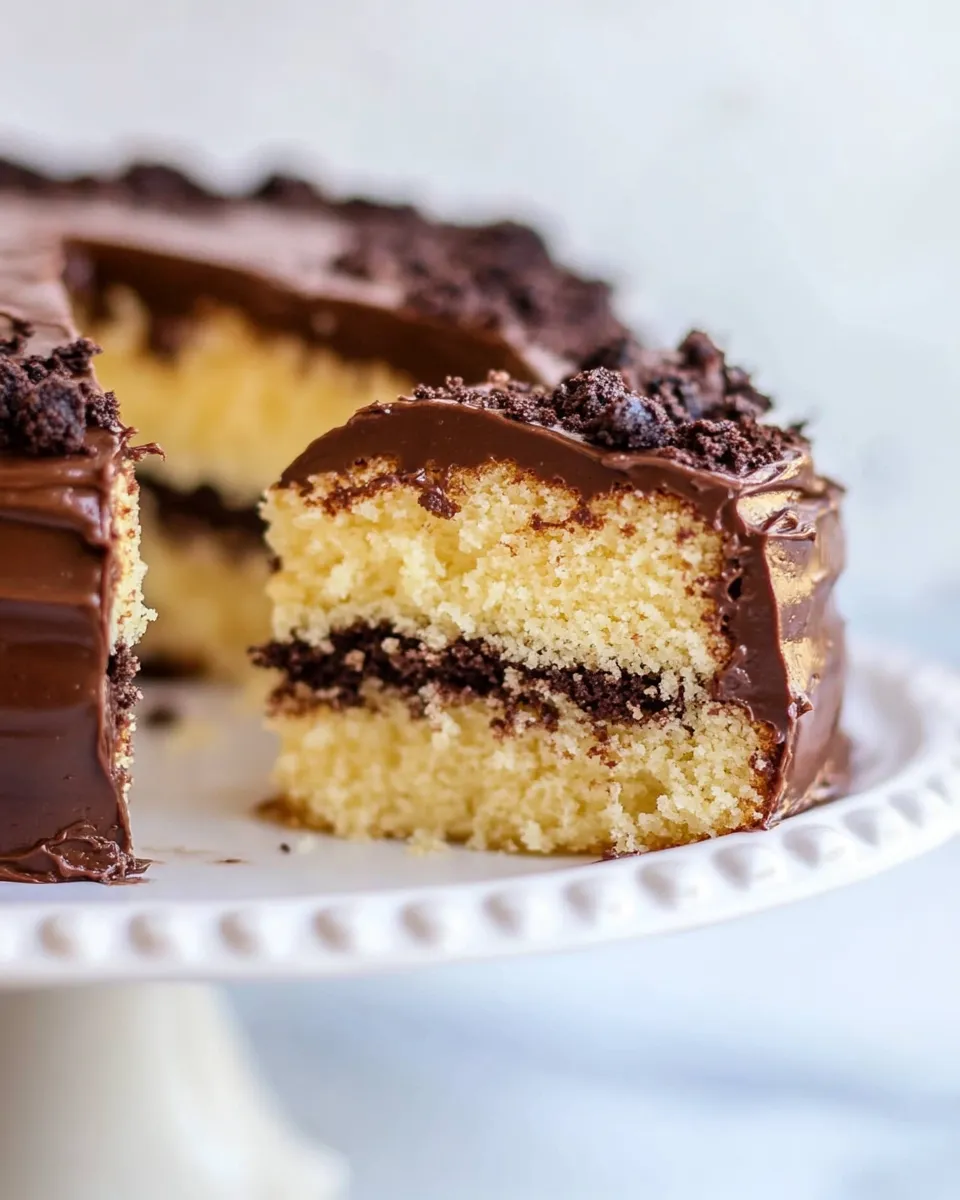
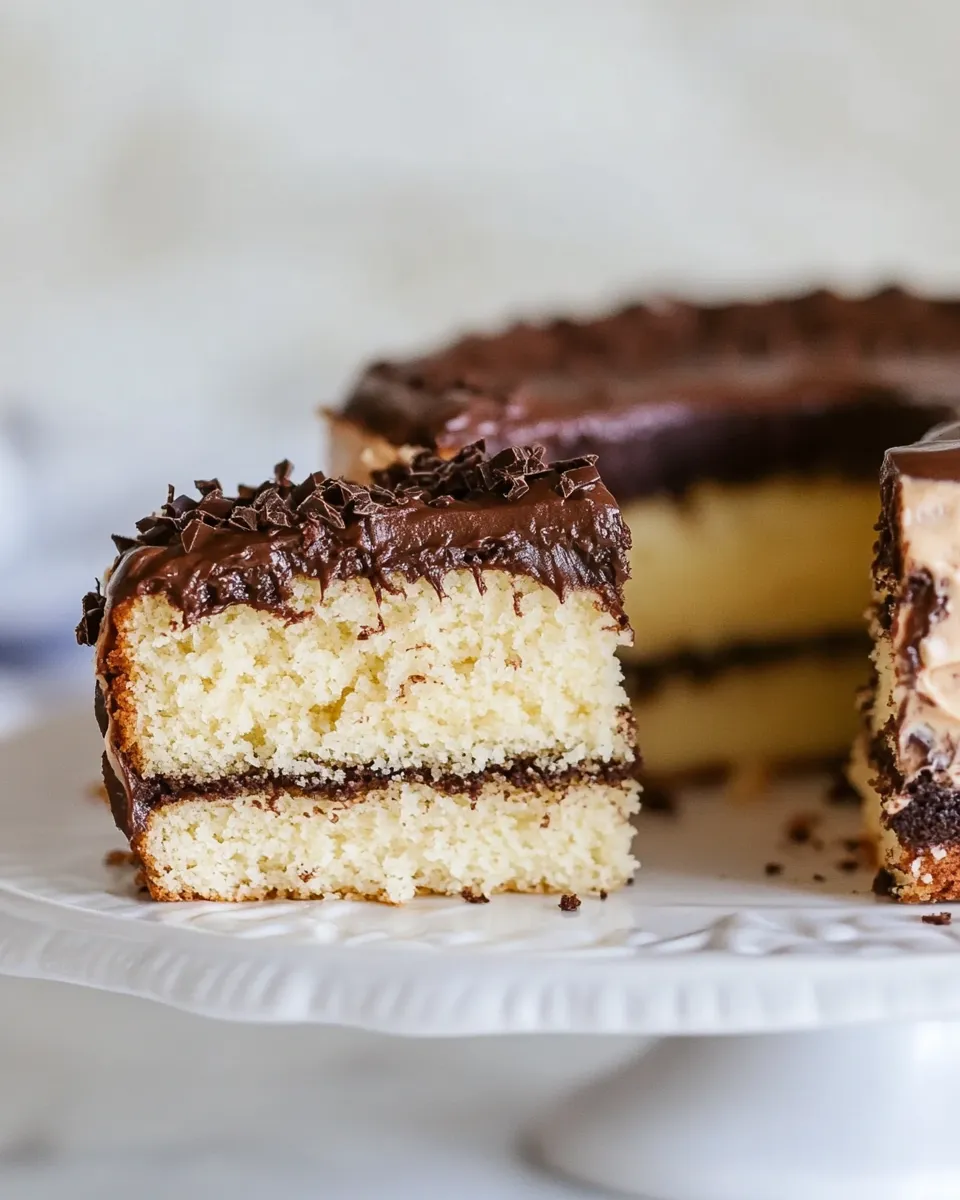
Expect a tender, buttery crumb and a glossy chocolate frosting that spreads smoothly and keeps its shape. I’ll walk you through what matters — temperature, timing, and a few small habits that consistently improve the result. If you follow the directions below, you will get a great cake.
Short on gear or time? I include alternates and troubleshooting so you can adapt without guessing. Let’s get to it — the oven goes on in step one.
Ingredients at a Glance
- 2¼ cups (281.25 g) all-purpose flour — Provides the cake’s structure; measure accurately for a tender crumb.
- 2 teaspoons baking powder — Helps the cake rise; make sure it’s fresh.
- 1 teaspoon baking soda — Works with the buttermilk to lift the batter and add tenderness.
- 1 teaspoon salt — Balances sweetness and brightens flavors.
- ½ cup (113.5 g) unsalted butter, at room temperature — For richness in the cake; use softened, not melted.
- 1½ cups (300 g) granulated sugar — Sweetens and helps with the cake’s fine texture.
- 3 large eggs, at room temperature — Add structure and moisture; room temperature eggs incorporate better.
- 1 teaspoon vanilla extract — Adds background flavor to the batter.
- 1¼ cups (300 ml) buttermilk, at room temperature — Keeps the cake tender and reacts with the baking soda for lift.
- 20 tablespoons unsalted butter, at cool room temperature — Base fat for the frosting; cool room temperature makes a glossy, stable frosting.
- 1 cup (120 g) powdered sugar — Sweetens and helps thicken the frosting.
- ¾ cup (64.5 g) Dutch-processed cocoa — Gives the frosting deep chocolate flavor and color.
- Pinch of salt — Balances the sweetness in the frosting.
- ¾ cup (255.75 ml) light corn syrup — Keeps the frosting shiny and spreadable.
- 1 teaspoon vanilla extract — Flavoring for the frosting; listed separately from the batter’s vanilla.
- 8 ounces (226.8 ml) milk or semisweet chocolate, melted and cooled slightly — The chocolate component of the frosting; melted and cool to avoid breaking the emulsion.
- Stand Mixer or Hand Mixer — Makes creaming and aeration easier for the cake batter.
- Round Cake Pans — Two 8-inch pans are specified; they define baking time and layer size.
- Wire Cooling Racks — Essential for even cooling and preventing soggy bottoms.
- Food Processor — Used to make the frosting smooth and glossy quickly.
- Large Icing Spatula — For even spreading and finishing the cake.
From Start to Finish: Yellow Cake with Chocolate Frosting (From Scratch!)
- Preheat the oven to 350°F (177°C). Grease and flour two 8-inch round cake pans and set them aside on a baking sheet or counter.
- In a medium bowl, whisk together 2¼ cups (281.25 g) all-purpose flour, 2 teaspoons baking powder, 1 teaspoon baking soda, and 1 teaspoon salt. Set this dry mixture aside.
- In the bowl of a stand mixer fitted with the paddle attachment (or in a large bowl with a hand mixer), beat ½ cup (113.5 g) unsalted butter (room temperature) and 1½ cups (300 g) granulated sugar on medium speed until light and fluffy, about 3–5 minutes. Scrape down the sides and bottom of the bowl with a spatula.
- With the mixer on low, add the 3 large eggs, one at a time, beating about 1 minute after each addition. Scrape the bowl, then beat in 1 teaspoon vanilla extract until combined.
- Add the dry ingredient mixture to the batter all at once and mix on low speed just until incorporated (don’t overmix). Stop and scrape the bowl.
- With the mixer on low, add 1¼ cups (300 ml) buttermilk (room temperature) and mix until combined, about 1 minute. Increase speed to medium and beat for an additional 2–3 minutes until batter is smooth and slightly aerated. Scrape the bowl once more to ensure even mixing.
- Divide the batter evenly between the two prepared 8-inch pans (use a scale or an even-eye measure). Smooth the tops with a spatula.
- Bake on the center oven rack for 33–38 minutes, or until a skewer inserted into the center comes out with just a few moist crumbs attached. Rotate the pans halfway through baking if your oven has hot spots.
- Remove the pans from the oven and let the cakes cool in the pans on wire cooling racks for 10 minutes. Run a knife around the edges, invert the cakes out of the pans, and transfer them to the wire racks to cool completely before frosting.
- While the cakes cool, make the frosting: in a food processor, combine 20 tablespoons unsalted butter (cool room temperature), 1 cup (120 g) powdered sugar, ¾ cup (64.5 g) Dutch-processed cocoa, and a pinch of salt. Process until smooth, about 30 seconds, stopping once to scrape down the sides.
- Add ¾ cup (255.75 ml) light corn syrup and 1 teaspoon vanilla extract to the food processor and process just until combined, about 5–10 seconds. Scrape down the sides again.
- Add 8 ounces (226.8 ml) milk or semisweet chocolate (melted and cooled slightly) to the food processor and pulse/process until the frosting is smooth and creamy, about 10–15 seconds. Scrape and pulse once more if needed. Transfer frosting to a bowl and chill briefly (5–10 minutes) if it is too soft to spread.
- Assemble the cake: place one cooled cake layer on your serving platter or cake stand. Spread 1 cup of the frosting evenly over the top of the first layer using a large icing spatula.
- Place the second cake layer on top, then use the remaining frosting to cover the top and sides of the cake. Use the spatula to smooth the surface or create the desired texture.
- Store and serve: the assembled cake can be kept at room temperature for up to 1 day before serving. After cutting, store leftover slices in an airtight container at room temperature for up to 4 days.
Reasons to Love Yellow Cake with Chocolate Frosting (From Scratch!)
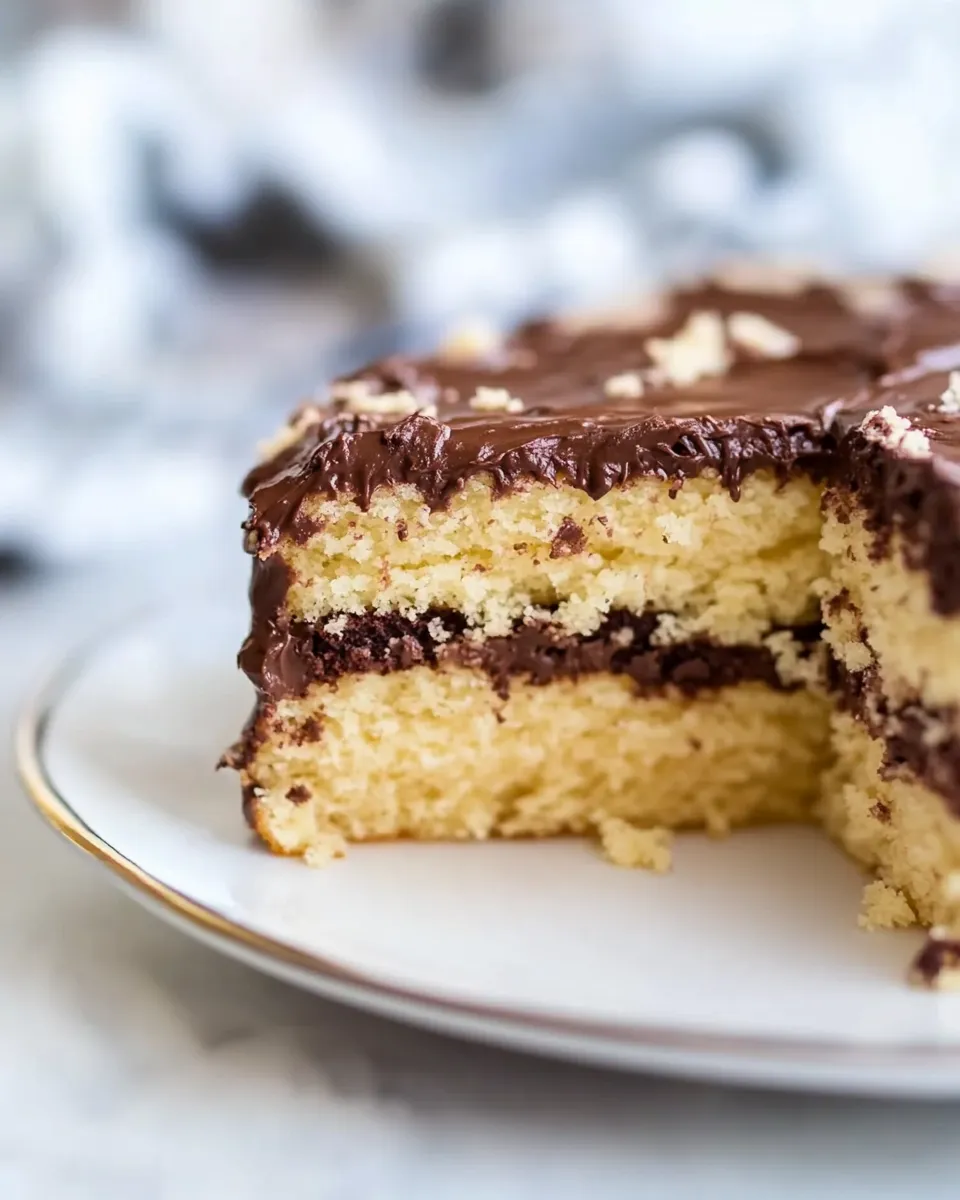
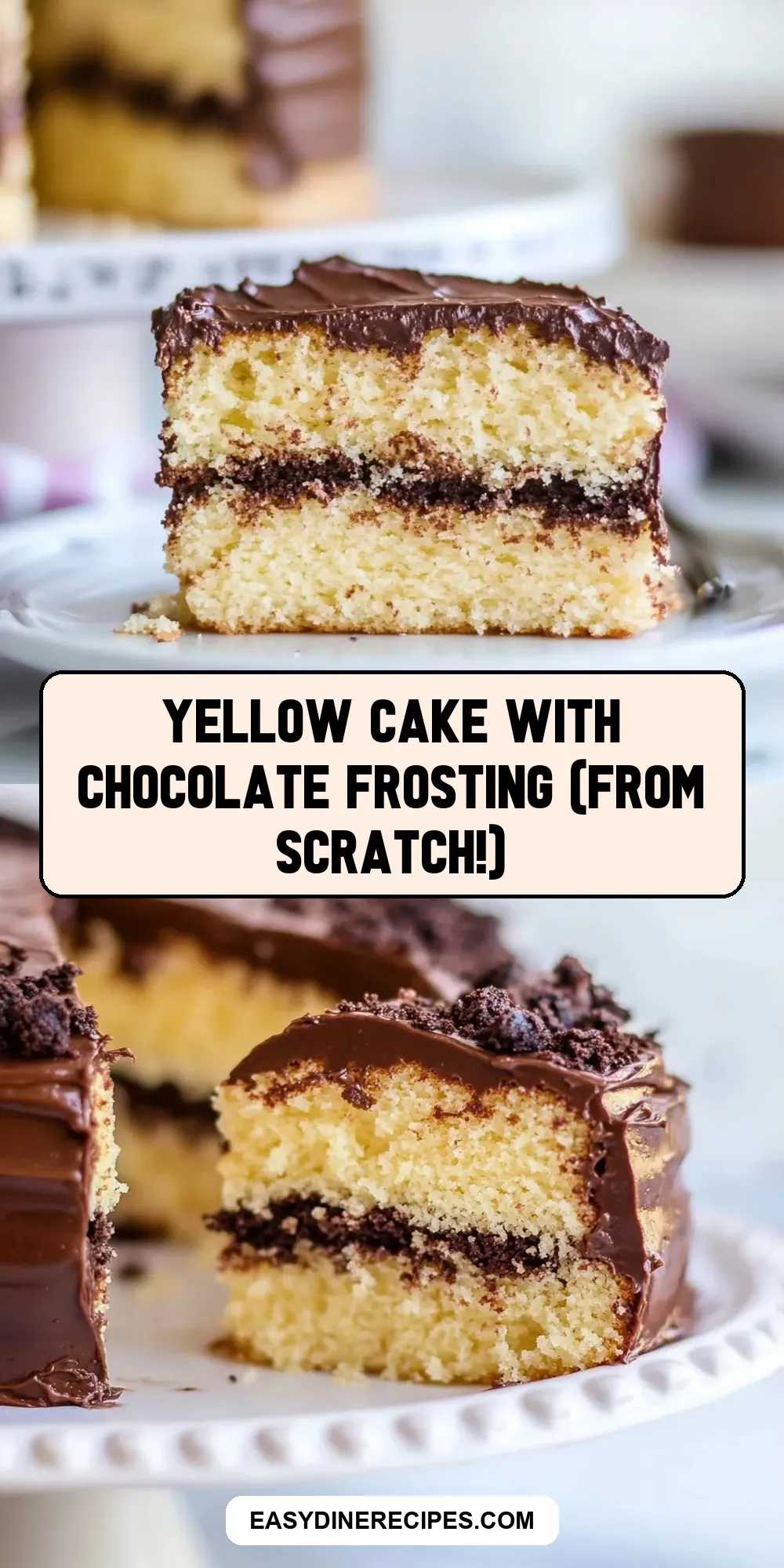
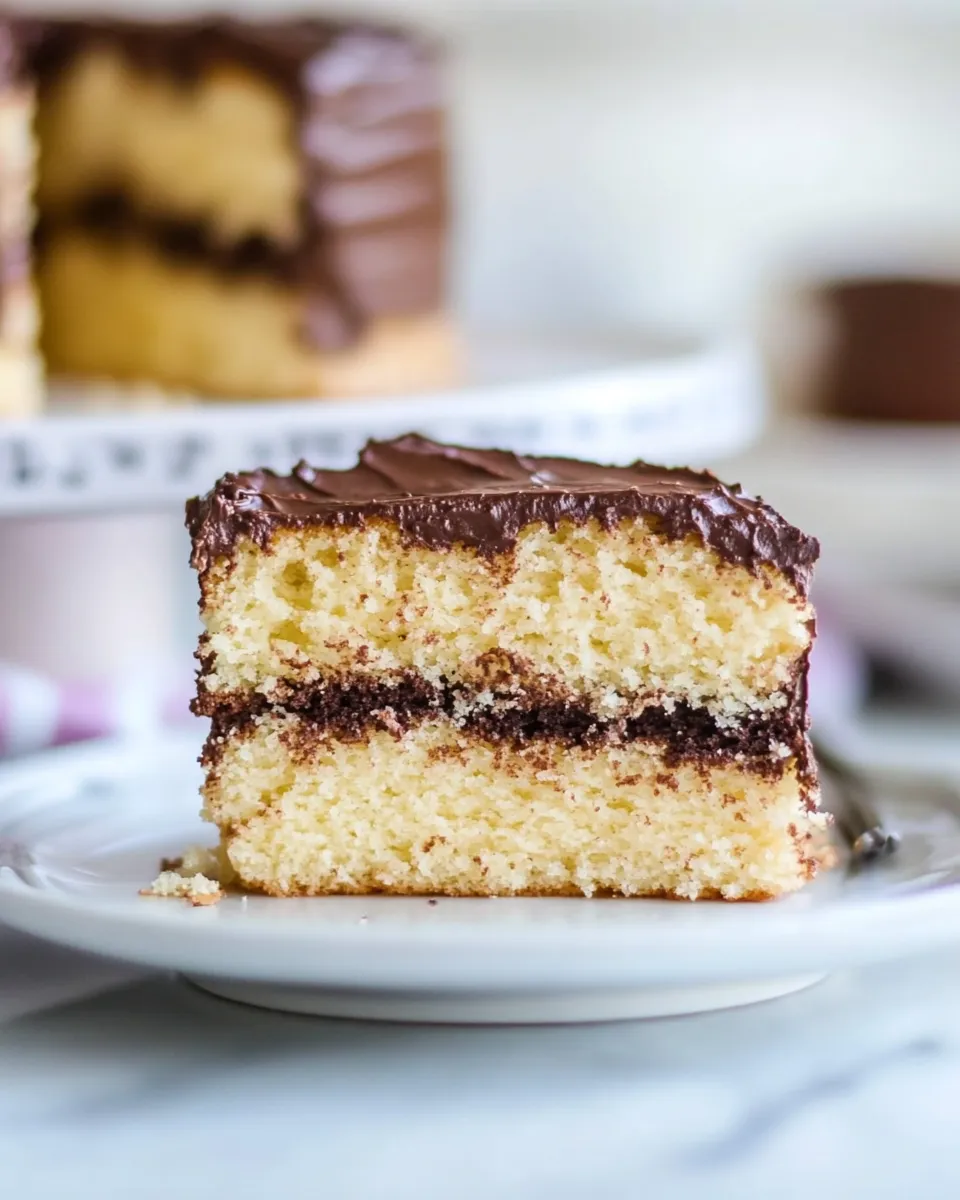
This cake is reliably classic. The yellow base is buttery without being heavy, and the frosting adds the kind of chocolate intensity most people want with a slice of cake. It’s familiar and crowd-pleasing — perfect for birthdays, weeknight dessert, or an impromptu celebration.
The technique here is instructive: proper creaming, room-temperature dairy and eggs, and a measured approach to mixing deliver an even crumb every time. The frosting is glossy and stable thanks to the corn syrup and the food processor method, so it looks as good as it tastes.
You’ll also like how forgiving this recipe is. Slight variations in oven temperature or mixing time won’t ruin it. Follow the order and the small notes I give, and you’ll get a beautiful, tasty result often enough to feel confident baking it again and again.
No-Store Runs Needed
Look through the ingredient list before you start. The most critical items are flour, butter, sugar, eggs, buttermilk, cocoa, and chocolate for the frosting. If you have those, you can bake this cake without an emergency trip to the store.
Small items like baking powder and baking soda are easy to forget. Check their freshness — they don’t cost much to replace and they make a noticeable difference in rise and texture.
Gear Checklist
- Stand Mixer or Hand Mixer — Speeds up creaming and aeration; a hand mixer works fine if you don’t have a stand mixer.
- Round Cake Pans — Two 8-inch pans are specified; use the same size for even baking times.
- Wire Cooling Racks — For cooling cakes quickly and evenly.
- Food Processor — Makes the frosting ultra-smooth; whisking by hand is possible but takes longer and changes texture.
- Large Icing Spatula — Helpful for an even finish and clean edges.
What Not to Do
Do not overmix after adding the flour. Once the dry mix goes in, mix only until incorporated. Overworking the batter develops gluten and makes the cake dense.
Don’t frost warm layers. If the cake is still warm, the frosting will melt and slide. Cool the layers completely on wire racks.
Don’t assume ovens are accurate. If your oven runs hot, reduce the temperature by 10–15°F or test with an oven thermometer and check the cake a few minutes early.
Adaptations for Special Diets
Want to adjust for preferences or needs? Here are practical approaches without altering the recipe’s proportions:
Smaller changes
- Swap types of chocolate for the frosting to vary sweetness. Taste as you go because cocoa and chocolate intensity vary.
- If you prefer a lighter crumb, beat the batter a touch less after adding the dry ingredients; the steps call for mixing until just combined.
When you need a true substitute
Major changes — gluten-free, dairy-free — require ingredient swaps and possibly different mixing or baking times. If you pursue those, follow the package instructions of your chosen replacements and expect to tweak baking time and texture. For example, flour blends and non-dairy fats behave differently. Test once and take notes for next time.
Chef’s Notes
1) Room temperature matters. Cold butter or eggs slow emulsification and give uneven texture. Set butter and eggs out 30–60 minutes before starting.
2) Scrape the bowl often. The recipe specifies scraping — do it. It ensures even incorporation and prevents streaks of flour or butter.
3) Use a kitchen scale if you can. The recipe provides grams for key dry ingredients. Weighing removes the variability of cups and delivers consistent results.
4) Cooling is part of the process. Ten minutes in the pan prevents a collapsed top, and full cooling on the racks prevents the frosting from melting.
Storage Pro Tips
At room temperature, the assembled cake is best within 24 hours. The frosting and crumb stay pleasant through that window. After cutting, store slices in an airtight container at room temperature for up to 4 days.
If you want to keep slices longer, refrigerate them in an airtight container; bring to room temperature before serving for the best texture. You can also freeze unfrosted layers wrapped tightly for up to 2 months — thaw in the refrigerator before frosting.
Ask & Learn
Q: My cake sank in the middle. What happened?
A: Likely underbaked or the oven door was opened too often. Also check that your baking powder is still active. Slight adjustments to oven temperature or an extra 3–5 minutes in the oven usually fix it.
Q: My frosting is too soft. How do I firm it up?
A: Chill the frosting briefly (5–10 minutes) as the directions suggest, then try spreading again. If it’s still too soft, a short refrigeration will firm it; allow it to soften slightly before you smooth the finish.
Q: Can I make cupcakes instead?
A: Yes. Fill liners two-thirds full and reduce bake time; start checking around 16–18 minutes depending on your oven and size of cupcake liners. Use the same frosting but expect to adjust chilling for easier piping.
See You at the Table
This Yellow Cake with Chocolate Frosting is one of those recipes you’ll return to. It’s classic, approachable, and forgiving. Follow the order of steps, respect temperatures, and give yourself the small kindness of timing your cool-down and frosting. The result will be a tender, buttery cake and a glossy, chocolate frosting that looks like you spent more time than you did.
When you try it, let me know what you changed and how it turned out. Baking is a conversation — and I’m always here for the next slice.
Yellow Cake with Chocolate Frosting (From Scratch!)
Equipment
- Stand Mixer or Hand Mixer
- Round Cake Pans
- Wire Cooling Racks
- Food Processor
- Large Icing Spatula
Ingredients
Ingredients
- 2 1/4 cups 281.25 gall-purpose flour
- 2 teaspoonsbaking powder
- 1 teaspoonbaking soda
- 1 teaspoonsalt
- 1/2 cup 113.5 gunsalted butter, at room temperature
- 1 1/2 cups 300 ggranulated sugar
- 3 large eggs at room temperature
- 1 teaspoonvanilla extract
- 1 1/4 cups 300 mlbuttermilk, at room temperature
- 20 tablespoonsunsalted butter at cool room temperature
- 1 cup 120 gpowdered sugar
- 3/4 cup 64.5 gDutch-processed cocoa
- Pinchof salt
- 3/4 cup 255.75 mllight corn syrup
- 1 teaspoonvanilla extract
- 8 ounces 226.8 mlmilk or semisweet chocolate, melted and cooled slightly
- Stand MixerorHand Mixer
- Round Cake Pans
- Wire Cooling Racks
- Food Processor
- Large Icing Spatula
Instructions
Instructions
- Preheat the oven to 350°F (177°C). Grease and flour two 8-inch round cake pans and set them aside on a baking sheet or counter.
- In a medium bowl, whisk together 2¼ cups (281.25 g) all-purpose flour, 2 teaspoons baking powder, 1 teaspoon baking soda, and 1 teaspoon salt. Set this dry mixture aside.
- In the bowl of a stand mixer fitted with the paddle attachment (or in a large bowl with a hand mixer), beat ½ cup (113.5 g) unsalted butter (room temperature) and 1½ cups (300 g) granulated sugar on medium speed until light and fluffy, about 3–5 minutes. Scrape down the sides and bottom of the bowl with a spatula.
- With the mixer on low, add the 3 large eggs, one at a time, beating about 1 minute after each addition. Scrape the bowl, then beat in 1 teaspoon vanilla extract until combined.
- Add the dry ingredient mixture to the batter all at once and mix on low speed just until incorporated (don’t overmix). Stop and scrape the bowl.
- With the mixer on low, add 1¼ cups (300 ml) buttermilk (room temperature) and mix until combined, about 1 minute. Increase speed to medium and beat for an additional 2–3 minutes until batter is smooth and slightly aerated. Scrape the bowl once more to ensure even mixing.
- Divide the batter evenly between the two prepared 8-inch pans (use a scale or an even-eye measure). Smooth the tops with a spatula.
- Bake on the center oven rack for 33–38 minutes, or until a skewer inserted into the center comes out with just a few moist crumbs attached. Rotate the pans halfway through baking if your oven has hot spots.
- Remove the pans from the oven and let the cakes cool in the pans on wire cooling racks for 10 minutes. Run a knife around the edges, invert the cakes out of the pans, and transfer them to the wire racks to cool completely before frosting.
- While the cakes cool, make the frosting: in a food processor, combine 20 tablespoons unsalted butter (cool room temperature), 1 cup (120 g) powdered sugar, ¾ cup (64.5 g) Dutch-processed cocoa, and a pinch of salt. Process until smooth, about 30 seconds, stopping once to scrape down the sides.
- Add ¾ cup (255.75 ml) light corn syrup and 1 teaspoon vanilla extract to the food processor and process just until combined, about 5–10 seconds. Scrape down the sides again.
- Add 8 ounces (226.8 ml) milk or semisweet chocolate (melted and cooled slightly) to the food processor and pulse/process until the frosting is smooth and creamy, about 10–15 seconds. Scrape and pulse once more if needed. Transfer frosting to a bowl and chill briefly (5–10 minutes) if it is too soft to spread.
- Assemble the cake: place one cooled cake layer on your serving platter or cake stand. Spread 1 cup of the frosting evenly over the top of the first layer using a large icing spatula.
- Place the second cake layer on top, then use the remaining frosting to cover the top and sides of the cake. Use the spatula to smooth the surface or create the desired texture.
- Store and serve: the assembled cake can be kept at room temperature for up to 1 day before serving. After cutting, store leftover slices in an airtight container at room temperature for up to 4 days.
Notes
The only substitution I'm aware of for the corn syrup isLyle's golden syrup, which has a more pronounced flavor. If you cannot find (or do not want to use) corn syrup, I would recommend usingThe Best Chocolate Frosting.