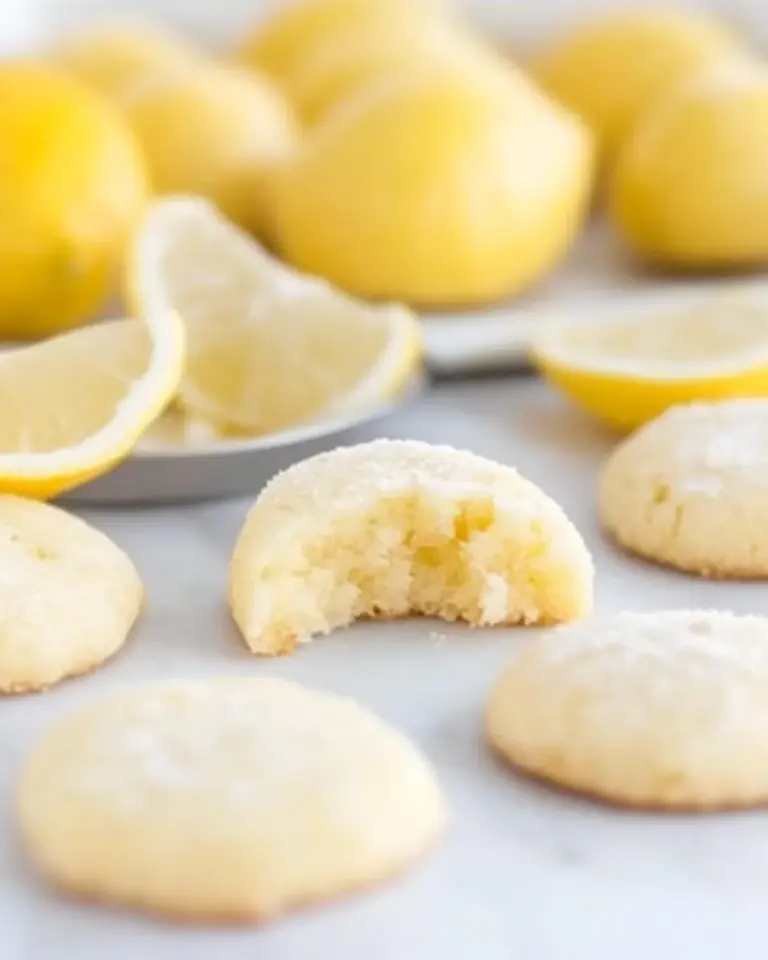
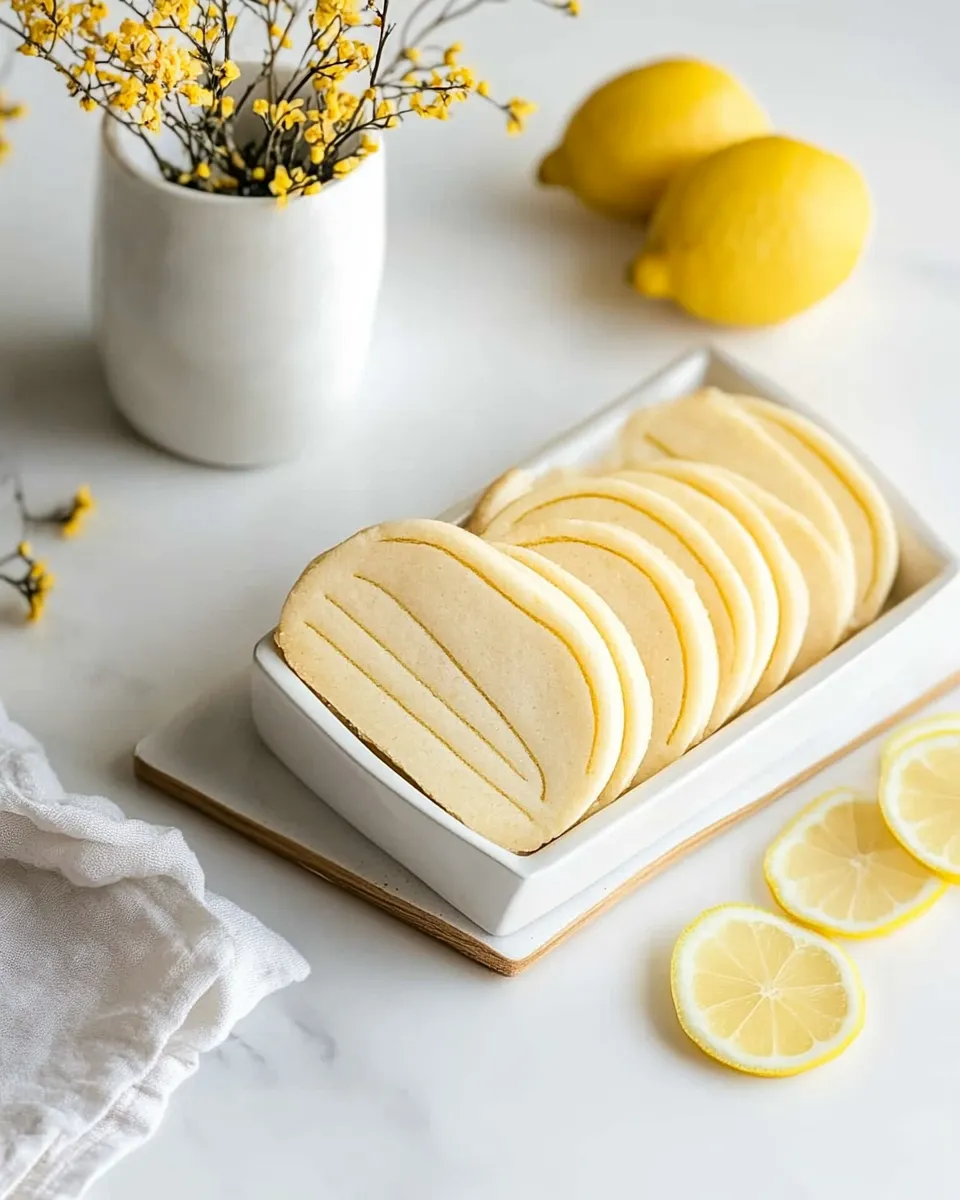
These lemon shortbread cookies are my little weekday pleasure: tidy, buttery rounds with a bright kiss of lemon that make the kitchen smell like sunshine. They’re not fussy, they don’t demand much hands-on time, and they keep their shape and bite—exactly what I reach for when I want something buttery but not heavy.
If you like shortbread that’s delicate but not crumbly to the point of falling apart, this version hits the balance. The texture comes mostly from the method—softened butter whipped until light, a quick chill, and a final freeze before baking so the edges stay neat and the centers stay tender.
I test recipes the way I live: practically. Small tweaks for timing and tools can rescue a day when the dough warms up, or when you need to double the batch for a party. Below you’ll find the ingredients exactly as used, step-by-step directions from start to finish, and the practical notes I actually rely on when baking these at home.
Ingredients
- 1 cup salted butter, softened — provides the rich, tender base and flavor; bring to room temperature so it whips light.
- 1/2 cup powdered sugar — gives tenderness and a fine crumb; sifted or not, it blends very smoothly with butter.
- 1 teaspoon lemon zest — fresh zest is aromatic and essential for a bright lemon note.
- 2 cups all-purpose flour — structure for the cookies; measure by spooning into the cup and leveling for accuracy.
- 3 tablespoons milk — binds and softens the dough without making it wet; keep it chilled if your kitchen is warm.
- 1 teaspoon lemon extract — amplifies the lemon flavor consistently; a little goes a long way.
The Essentials
Make no mistake: technique matters more than bells and whistles here. Softened butter beaten until light and fluffy creates pockets of air that translate to a tender-but-stable shortbread. Chill the dough twice—first to firm the disk for rolling, and then on the baking sheet in the freezer—so the cookies keep their shape and don’t spread into sad puddles.
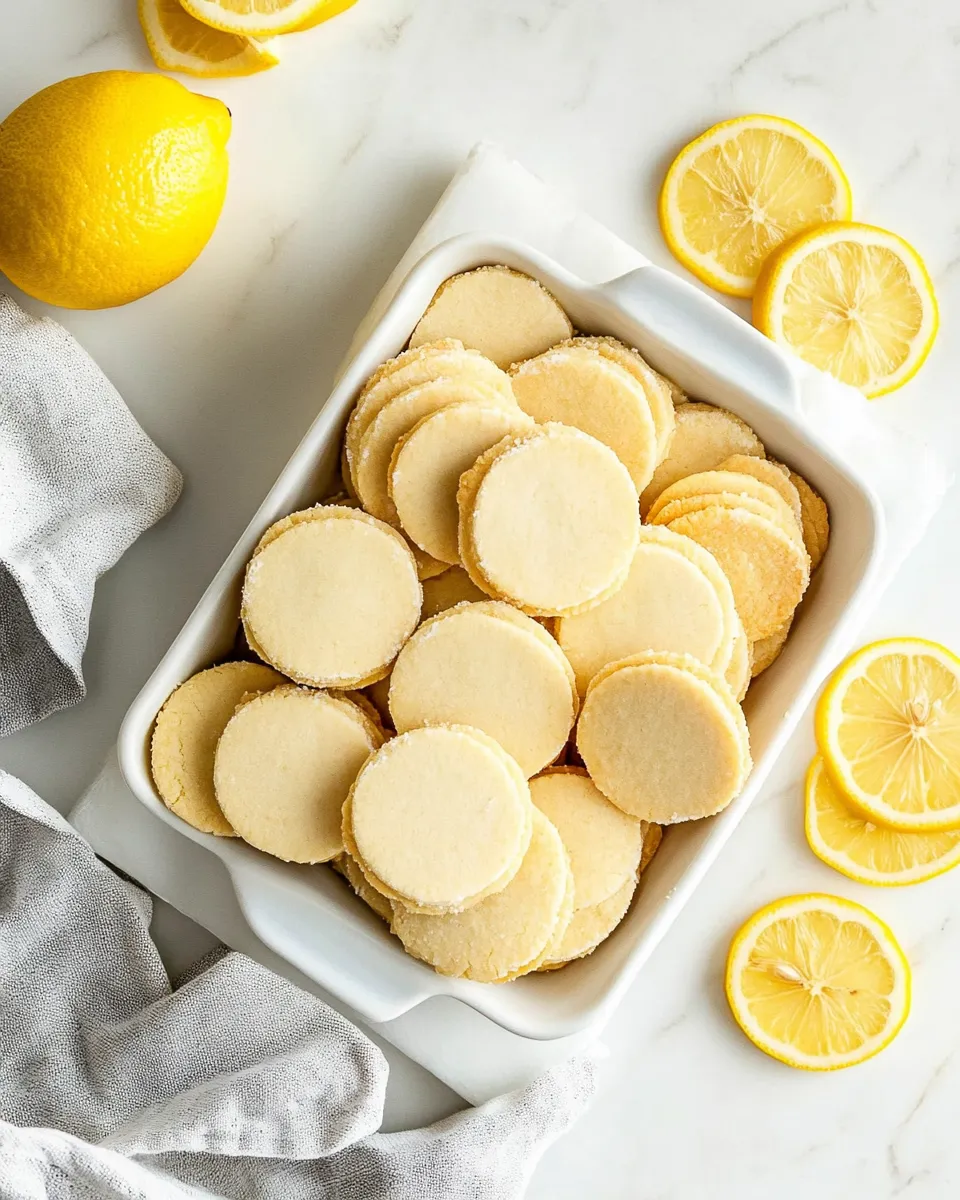
Keep surfaces lightly floured when rolling and work quickly. If the dough warms while you shape it, don’t fight it—pop it back in the fridge for 5–10 minutes. Use a round cutter (or any cutter you like); the original recipe made about 10 cookies with a round cutter, so expect a small batch unless you double it.
Baking at 350°F (175°C) for 12–14 minutes gives a gentle bake that browns the edges and keeps the centers pale and tender. Remove the cookies to a wire rack as soon as they hold their shape to finish cooling.
From Start to Finish: Lemon Shortbread Cookies
- Preheat the oven to 350°F (175°C). Line two baking sheets with parchment paper.
- In a large bowl, beat the softened butter on medium speed with a hand or stand mixer until light and fluffy, about 1–2 minutes.
- Reduce the mixer to low speed and add the powdered sugar and lemon zest. Mix until well incorporated, stopping to scrape down the sides of the bowl as needed.
- With the mixer still on low, gradually add the all-purpose flour and mix until combined.
- Add the milk and lemon extract and mix on low until a shaggy dough forms, about 1 minute.
- Turn the dough out onto a lightly floured surface, gently bring it together if needed, form it into a disk, wrap in plastic wrap, and refrigerate for 15 minutes to firm.
- On a lightly floured surface, roll the chilled dough to 1/4-inch thickness. If the dough softens while working, chill it for 5–10 minutes before continuing.
- Use a cookie cutter to cut out shapes and transfer the cookies to the prepared baking sheets, spacing them about 1 inch apart. (Using a round cutter as in the original produced about 10 cookies.)
- Place the baking sheets in the freezer for 10 minutes to chill the dough and help prevent spreading.
- Bake the chilled cookies at 350°F for 12–14 minutes, or until the edges are golden brown.
- Let the cookies cool on the baking sheets for a few minutes, then transfer them to a wire rack to cool completely.
- Store cooled cookies in a plastic container at room temperature for up to 3 days.
Why It’s My Go-To
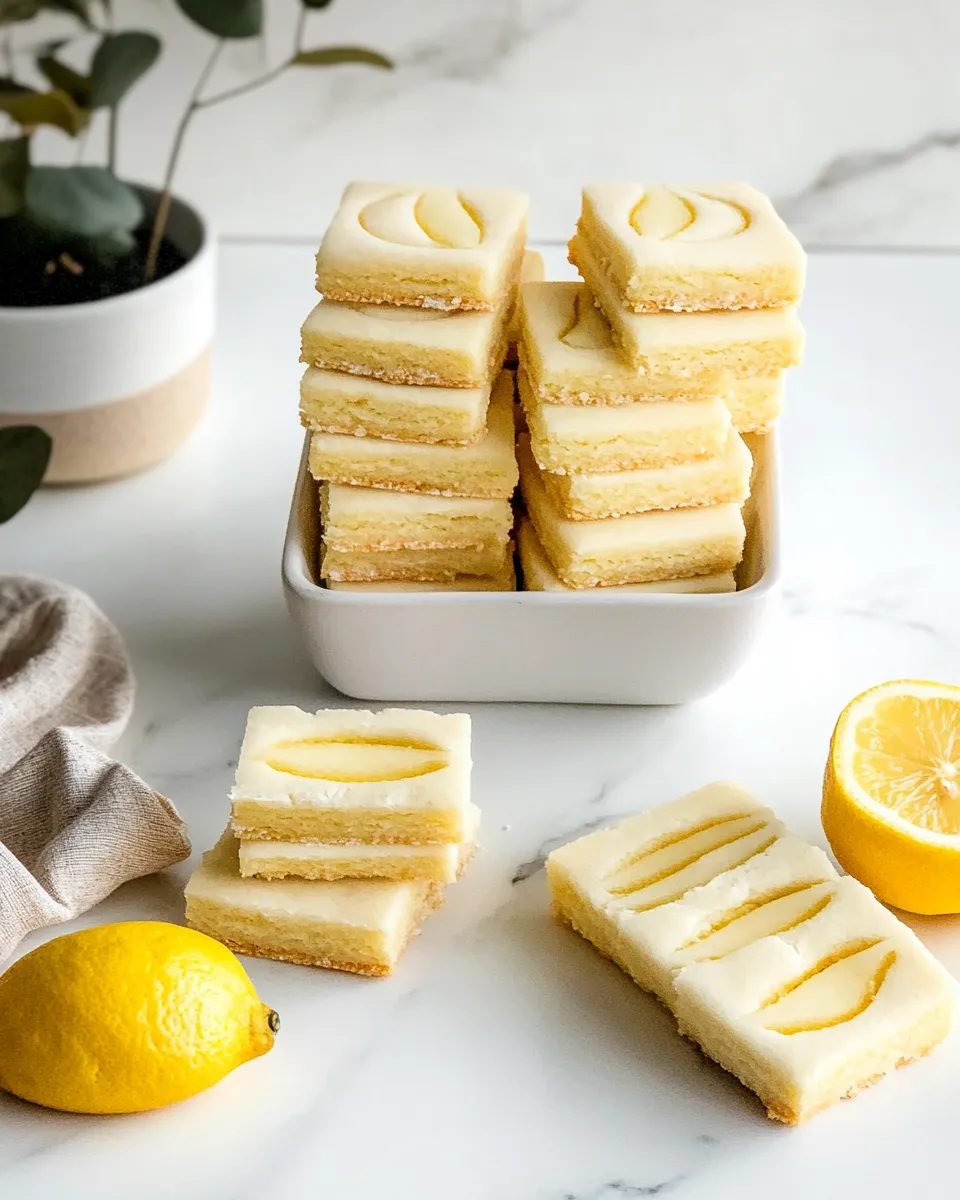
I come back to this cookie recipe because it balances simplicity and result. The ingredient list is short and straightforward, and the method is forgiving: a quick chill or a 10-minute freeze on the sheet saves many batches. The butter-forward base keeps the flavor familiar and comforting, while lemon zest and extract introduce a lift that keeps the cookie from being too rich.
It’s also versatile. These cookies pair well with tea, coffee, or a scoop of vanilla ice cream, and they travel well in a tin. Because they don’t have eggs or active leavening, they are straightforward to shape, stack, and arrange for a bake sale or small gift box.
Budget & Availability Swaps
If a listed item is hard to find or you’re watching the grocery bill, a few practical swaps work well without changing the process:
- Butter: If you only have unsalted butter, you can use it—just taste the dough and, if it seems flat, a tiny pinch of salt can brighten it. (Do this carefully; no precise amount is required by the recipe.)
- Powdered sugar: If you must, make a small amount of powdered sugar at home by blitzing granulated sugar in a blender until it’s very fine, but powdered sugar gives the best texture.
- Lemon flavor: If lemon extract is unavailable, increase the amount of fresh lemon zest slightly and consider a small splash of lemon juice for extra brightness—work quickly to avoid softening the dough.
- Milk: Any dairy milk works; a lower-fat skim will thin the dough a touch more than whole milk, so use cautiously.
Hardware & Gadgets
Must-haves
- Hand mixer or stand mixer — for creaming the butter properly.
- Rolling pin — a smooth, even roll is important for uniform baking.
- Cookie cutters — round or decorative shapes, depending on the occasion.
- Baking sheets and parchment paper — helps cookies release and wards off sticking.
- Wire cooling rack — cools cookies evenly and prevents sogginess.
Nice-to-haves
- Bench scraper — useful for lifting cut shapes without deforming them.
- Silicone baking mat — an alternative to parchment for reusable baking.
- Small sieve — for dusting powdered sugar or for sifting the powdered sugar if it’s lumpy.
Problems & Prevention
Here are the common slip-ups and how I prevent them.
Cookies spreading or becoming flat: Make sure the initial refrigeration step is completed and don’t skip the 10-minute freezer rest on the baking sheet. Warm dough spreads quickly in a hot oven.
Crumbly, dry cookies: That usually comes from overbaking or using too much flour. Measure flour by spoon-and-level rather than scooping with the measuring cup. Bake until edges are just golden.
Dough too sticky to handle: Chill it. Fifteen minutes in the fridge, or brief 5–10 minute rests, will firm the butter enough to roll and cut without fighting the dough.
Make It Fit Your Plan
Gifts and packaging: These cookies stack well in a tin or flat box. Layer with parchment to prevent sticking and consider a small note with a best-by date of three days at room temperature (or longer if frozen).
Scaling: To make more, double the ingredients and mix in a bowl large enough to allow air to be incorporated into the butter; you may need to divide the dough into portions to chill and roll comfortably.
Dietary changes: If you’re experimenting with gluten-free flour blends, expect slight differences in texture and possible need for an adjustment to the liquid to achieve a shaggy dough. Because the recipe depends on the ratio of butter to flour for structure, any flour change will alter the result.
Behind-the-Scenes Notes
Why powdered sugar? It gives a softer texture than granulated sugar because its fine particles dissolve into the butter quickly. The lemon extract is included for consistent citrus flavor without increasing liquid; zest gives fresh aromatic oils, and the extract rounds the character so you taste lemon in every bite.
Why no egg or baking powder? Shortbread relies on butter and flour for its crumb, not chemical leaveners. The lack of egg keeps the texture crumbly but tender and makes the dough simple to handle.
Small-batch nature: The original produced about 10 cookies with a round cutter—this is a small-batch, approachable recipe that’s ideal when you don’t need dozens of cookies but want a plate of fresh baking.
Storing, Freezing & Reheating
Room temperature: As the recipe states, store cooled cookies in a plastic container at room temperature for up to 3 days. Keep them in a single layer or separated with parchment to avoid breakage.
Freezing dough or baked cookies: You can freeze the unbaked cut cookies on the baking sheet until firm, then transfer them to a freezer bag for up to 1 month. Bake from frozen—add a minute or two to the bake time and watch the edges for color. Baked cookies freeze well too; thaw at room temperature.
Reheating: These are best eaten at room temperature. If you want the butter aroma warmed up, pop a cookie in a 250°F oven for 3–4 minutes; don’t overdo it or they’ll lose tenderness.
Troubleshooting Q&A
Q: My cookies came out greasy. A: That usually means the butter was too warm when baked. Chill the dough longer and make sure the freezer step is followed.
Q: They’re dry and sandy. A: Likely overbaked or too much flour—use the spoon-and-level method when measuring flour and remove cookies when the edges just begin to turn golden.
Q: The lemon flavor is faint. A: Increase the lemon zest a bit or check your lemon extract; extracts lose potency over time. Fresh zest adds immediate aroma.
Q: My cookies spread into odd shapes. A: Ensure proper chilling—both the disk and the sheet rest—and avoid overcrowding on the pan.
The Takeaway
These Lemon Shortbread Cookies are a compact, reliable recipe that delivers buttery texture and a clean citrus note without fuss. Follow the simple chilling steps, use the ingredients as listed, and you’ll get neat, tender cookies every time. They’re small-batch-friendly, forgiving, and the sort of recipe I reach for when I want something both homey and bright.
Make them plain, or decorate them if you like, but most days I keep them simple: a clean round, a cup of tea, and the quiet satisfaction of a well-made shortbread.
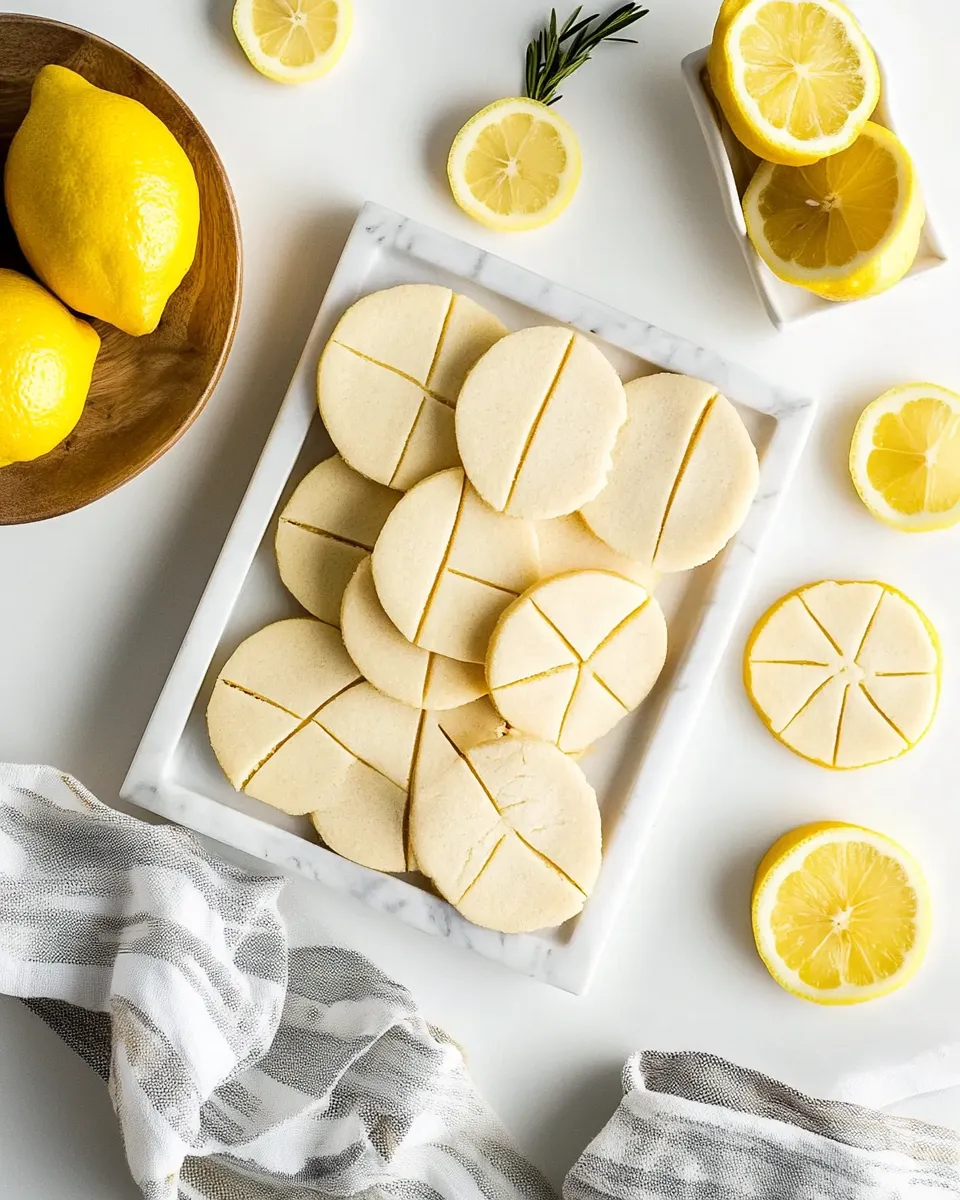
Lemon Shortbread Cookies
Equipment
- Pure Lemon Extract
- Parchment Paper Baking Sheets
- Baking Sheet Pan
Ingredients
Ingredients
- 1 cupsalted butter softened
- 1/2 cuppowdered sugar
- 1 teaspoonlemon zest
- 2 cupsall-purpose flour
- 3 tablespoonsmilk
- 1 teaspoonlemon extract
Instructions
Instructions
- Preheat the oven to 350°F (175°C). Line two baking sheets with parchment paper.
- In a large bowl, beat the softened butter on medium speed with a hand or stand mixer until light and fluffy, about 1–2 minutes.
- Reduce the mixer to low speed and add the powdered sugar and lemon zest. Mix until well incorporated, stopping to scrape down the sides of the bowl as needed.
- With the mixer still on low, gradually add the all-purpose flour and mix until combined.
- Add the milk and lemon extract and mix on low until a shaggy dough forms, about 1 minute.
- Turn the dough out onto a lightly floured surface, gently bring it together if needed, form it into a disk, wrap in plastic wrap, and refrigerate for 15 minutes to firm.
- On a lightly floured surface, roll the chilled dough to 1/4-inch thickness. If the dough softens while working, chill it for 5–10 minutes before continuing.
- Use a cookie cutter to cut out shapes and transfer the cookies to the prepared baking sheets, spacing them about 1 inch apart. (Using a round cutter as in the original produced about 10 cookies.)
- Place the baking sheets in the freezer for 10 minutes to chill the dough and help prevent spreading.
- Bake the chilled cookies at 350°F for 12–14 minutes, or until the edges are golden brown.
- Let the cookies cool on the baking sheets for a few minutes, then transfer them to a wire rack to cool completely.
- Store cooled cookies in a plastic container at room temperature for up to 3 days.