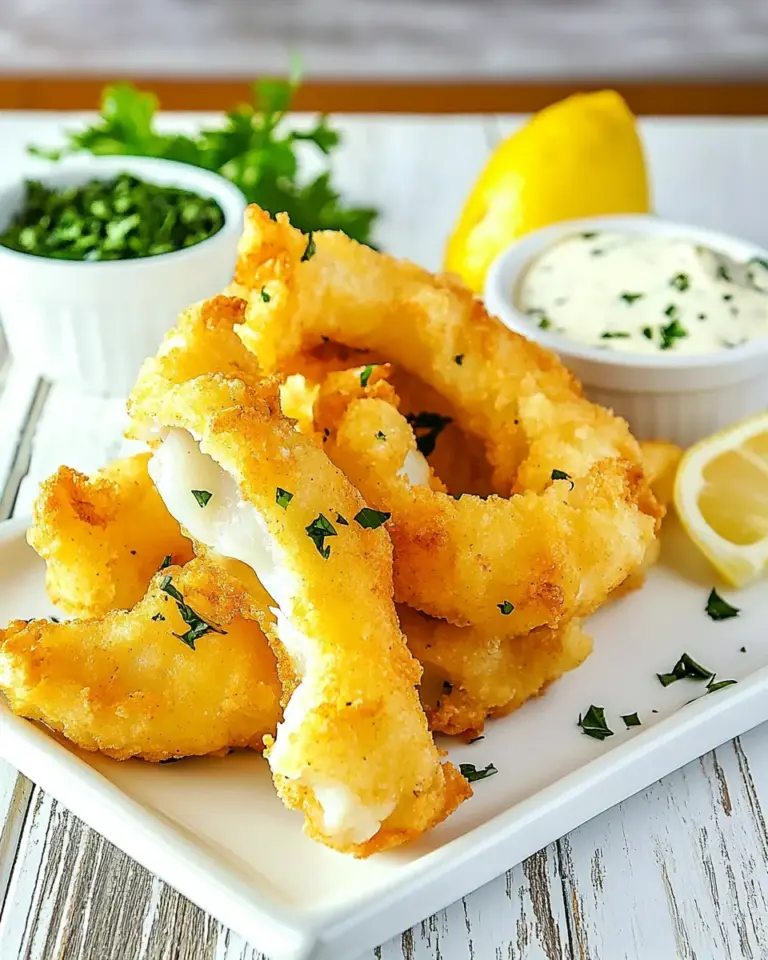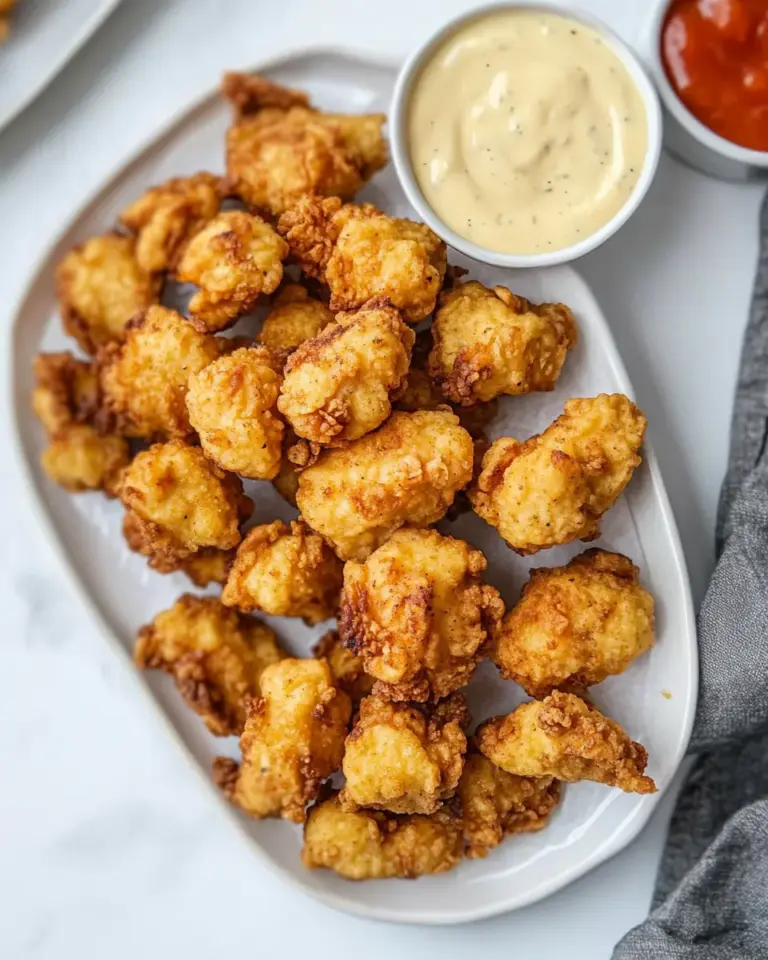
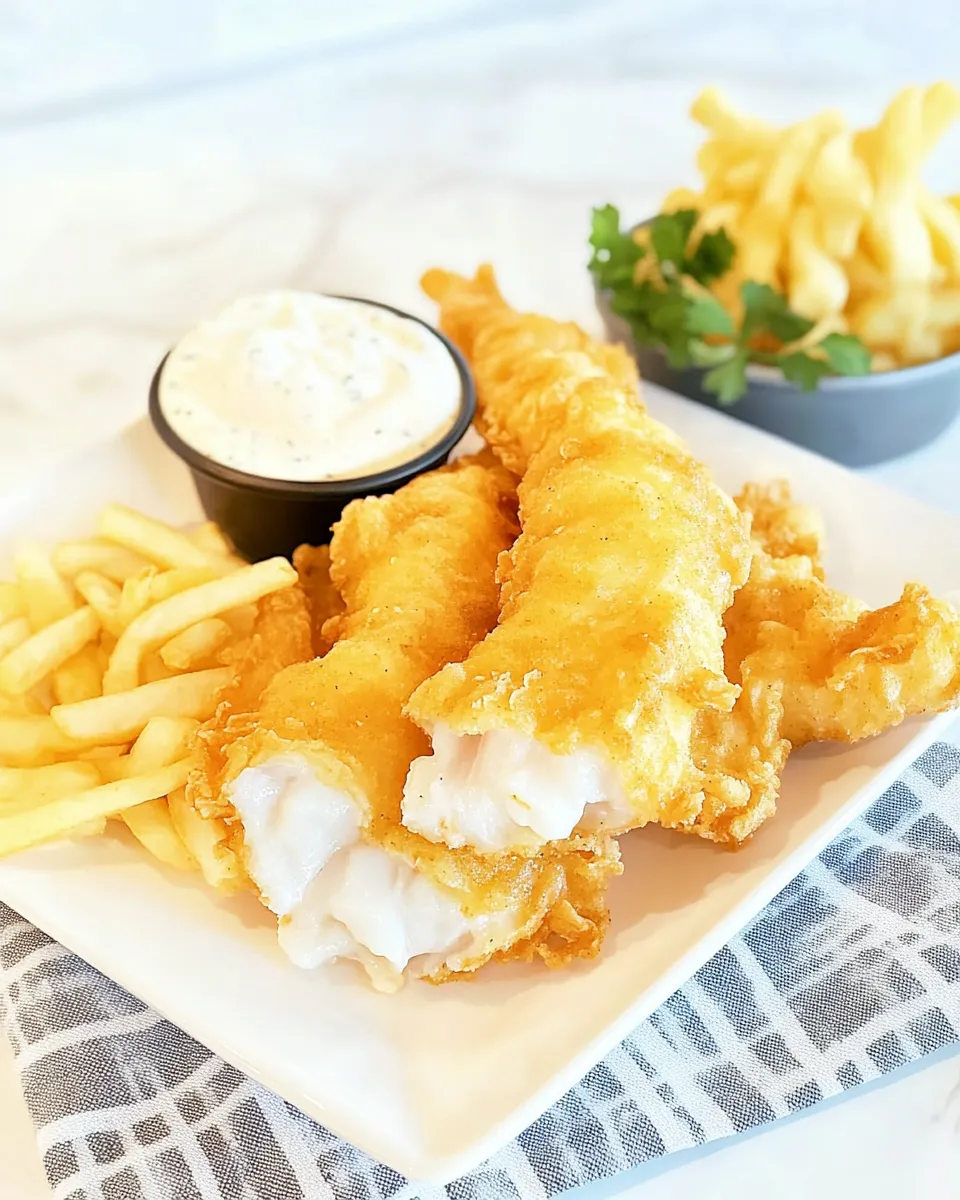
There’s something comforting about a crunchy piece of fried fish—golden batter, tender white flesh, and that first flaky bite. I’ve tweaked and tested this copycat batter until it hits the familiar texture and flavor I remember from a favorite fast-food stop. It’s straightforward, dependable, and perfect for a weekend family dinner or a Saturday night fry-up.
Short on time? This version remains practical: a single bowl batter, a thermometer to hold oil temperature, and a rhythm of battering and frying. Don’t overthink it. Follow the steps, respect the hot oil, and you’ll have crisp, airy fish with a tender interior.
Below I break down ingredients, provide the exact frying steps, and share the small details that make this recipe repeatable at home. I’ll also cover substitutions, tools to have on hand, storage, and the common mistakes to avoid so your fry stays golden every time.
Ingredient Rundown
- 8 cups vegetable oil — for frying; enough oil ensures an even fry and quick recovery of temperature between batches.
- 2 cups flour — the base for structure in the batter; pairs with cornstarch for a lighter crust.
- 1/4 cup cornstarch — lightens the batter and helps create a crisp, delicate shell.
- 2 teaspoons sugar — balances flavor and aids in browning.
- 2 teaspoons salt — seasons the batter so the crust isn’t bland.
- 1/2 teaspoon baking powder — adds lift and makes the batter puff during frying for an airy texture.
- 1/2 teaspoon baking soda — works with club soda to increase lightness and crispness.
- 1/2 teaspoon onion salt — subtle savory note that echoes classic fried-fish seasoning.
- 1/2 teaspoon paprika — mild color and a hint of warmth to the batter.
- 1/4 teaspoon ground black pepper — a touch of heat; keeps the flavor balanced without overpowering.
- 16 ounces club soda — provides carbonation that makes the batter foamy and airy; stir gently to keep bubbles.
- 2 pounds cod or other white fish, sliced into 3-ounce pieces — use firm, flaky white fish; portioning into uniform pieces ensures even frying.
Long John Silvers Fish in Steps
- Pour 8 cups vegetable oil into a deep fryer or a heavy, deep pot and heat to 350°F (use a thermometer).
- In a large mixing bowl combine 2 cups flour, 1/4 cup cornstarch, 2 teaspoons sugar, 2 teaspoons salt, 1/2 teaspoon baking powder, 1/2 teaspoon baking soda, 1/2 teaspoon onion salt, 1/2 teaspoon paprika, and 1/4 teaspoon ground black pepper. Stir to blend the dry ingredients evenly.
- Pour 16 ounces club soda into the dry ingredients and stir gently until the batter is combined and foamy. Do not overmix.
- Pat the 2 pounds cod (or other white fish) dry with paper towels and slice into 3-ounce pieces if not already cut.
- Working one piece at a time, coat each fish piece fully in the batter, letting excess batter drip back into the bowl.
- Carefully lower battered fish pieces into the hot oil with tongs or a slotted spoon. Fry in batches—do not overcrowd the pot—to keep the oil temperature near 350°F.
- Fry each batch for 2 to 3 minutes, until the batter is golden and the fish pieces begin to float.
- Remove the fish with a slotted spoon or skimmer and place on a wire rack to drain. Repeat with remaining fish.
Why This Recipe Is Reliable
This batter is built to be predictable. The mix of flour and cornstarch gives a crisp bite without being heavy. Baking powder, baking soda, and club soda create lift and air pockets that keep the crust light. The salt and onion salt season the batter itself rather than relying only on the fish or a finishing salt—this means every bite tastes finished right off the rack.
Temperature control is the key to consistency. Keeping oil at 350°F ensures the batter cooks quickly, sealing the fish and preventing excessive oil absorption. The recipe’s batch-frying approach avoids overcrowding, which can lower oil temperature and result in soggy, greasy crusts.
Substitutions by Category
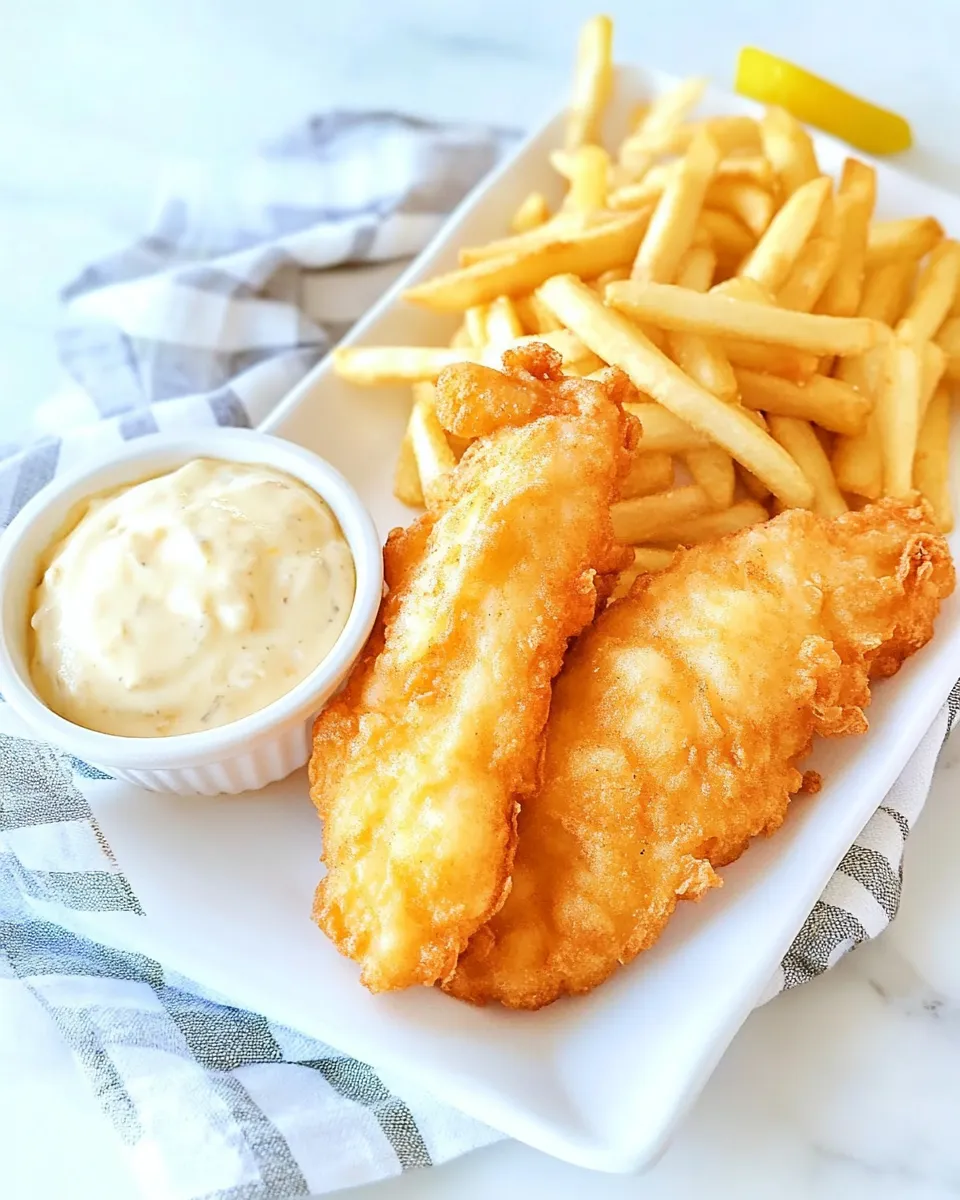
Fish: Cod is recommended, but any firm white fish like haddock, pollock, or halibut can be used. Adjust portion size to roughly 3 ounces per piece for even cooking.
Flour and Crispness: For a slightly lighter crust, you can replace up to half of the all-purpose flour with cake flour. Do not eliminate cornstarch—its role in texture is significant.
Carbonation: If club soda is unavailable, plain sparkling water will work. Avoid still water; the carbonation helps the batter puff and crisp.
Oil: Vegetable oil is specified for neutral flavor and high smoke point. You can use canola oil or peanut oil if you prefer; keep the smoke point similar and stick to the oil quantity listed.
Hardware & Gadgets
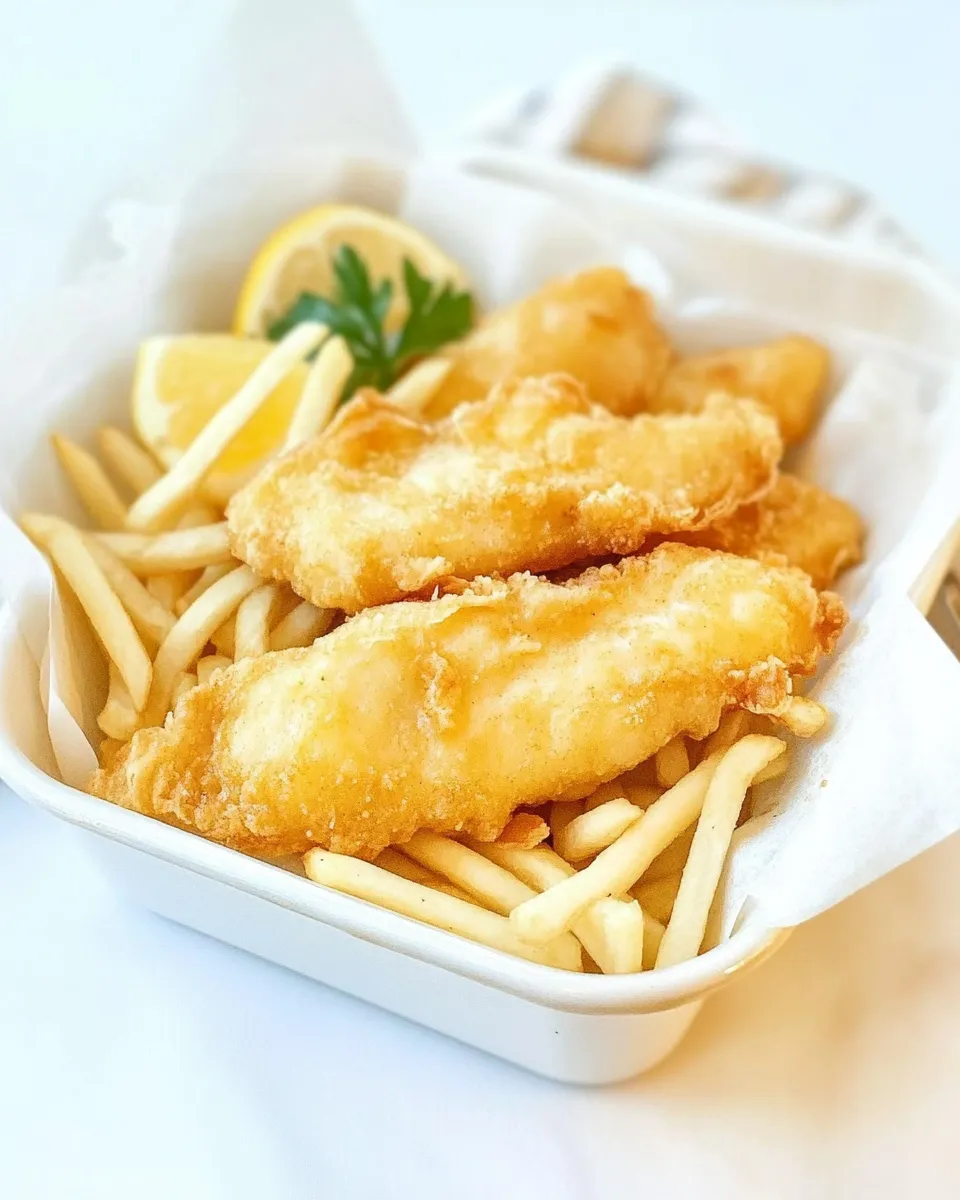
- Deep fryer or heavy, deep pot — a pot with high sides reduces oil splatter and holds temperature better.
- Deep-fry thermometer — essential. The whole recipe depends on maintaining 350°F.
- Tongs or a slotted spoon — for safely lowering and lifting battered fish.
- Wire rack and baking sheet — let fried fish drain on a rack over a sheet; paper towels alone trap steam and soften the crust.
- Mixing bowl and whisk or fork — to combine dry ingredients and gently incorporate the club soda.
Easy-to-Miss Gotchas
Overmixing the batter kills the bubbles. When the directions say “stir gently until combined and foamy,” take that literally. A thick, gluey batter is a sign of overmixing and will yield a dense crust.
Not drying the fish is a classic mistake. Wet fish causes batter to slide off and the oil temperature to drop. Pat each piece completely dry before battering to ensure the coating adheres and fries properly.
Overcrowding the fryer lowers oil temperature fast. If pieces bump into each other, they’ll steam instead of crisp. Work in batches and give pieces space to float freely.
Make It Year-Round
This recipe scales for gatherings and works across seasons. In summer, serve the fish with a bright slaw and lemon wedges to keep flavors light. In winter, pair it with mashed potatoes, tartar sauce warmed with a little chopped dill, or a hearty pea puree.
For holiday crowds, halve the fish into smaller pieces so guests can sample without committing to a full portion. The batter holds up well if you keep fried pieces on a warm oven rack (about 200°F) for 10–15 minutes while finishing batches.
Insider Tips
Batter handling
Keep the batter foamy. Mix until just combined; small streaks of dry flour are okay and will disappear in the oil. The air trapped in the batter is what makes the crust light—so be gentle.
Frying technique
Use a thermometer and watch the oil closely. If the oil creeps above 375°F, the crust will darken before the fish cooks through. If it drops below ~330°F, the crust absorbs more oil and becomes greasy. Reheat oil back to 350°F between batches.
Lift the fish out when it’s golden and floating. A quick jiggle in the oil will reveal if the batter has set. Let the fish rest briefly on a wire rack so steam escapes and the crust stays crispy.
Storing Tips & Timelines
Short term: Store cooked fish in an airtight container in the refrigerator for up to 2 days. To re-crisp, place on a wire rack on a baking sheet and heat in a 375°F oven for 8–10 minutes.
Freezing: Flash-freeze raw, battered fish pieces on a tray until firm, then transfer to a sealed bag for up to 1 month. Fry from frozen, adding a minute or two to the cook time and watching oil temperature carefully to avoid overbrowning.
Do not refrigerate fried fish under plastic wrap on a plate—condensation will soften the crust. Always use a wire rack to allow airflow.
Top Questions & Answers
Q: Can I make the batter ahead of time?
A: It’s best to make the batter right before frying. The carbonation in the club soda dissipates over time, reducing lift. If you must prep, combine dry ingredients ahead, then add club soda just before frying.
Q: What if my batter is too thick or thin?
A: This recipe’s proportions should yield a dippable, foamy batter. If it’s noticeably too thick, a tablespoon or two of club soda can thin it slightly. If too thin, a small dusting of flour can thicken. Avoid heavy-handed adjustments—small tweaks go a long way.
Q: How do I know the fish is cooked?
A: With 3-ounce pieces, 2–3 minutes at 350°F will cook most white fish. The fish should flake easily and be opaque all the way through. If you cut a piece open, the interior should be steam-hot and flaky.
Q: Can I bake instead of frying?
A: The texture will differ—baked fish won’t achieve the same airy, deep-fried crust. If you prefer a lighter version, coat the fish lightly with the batter, place on a parchment-lined sheet, and spray with oil before baking at 425°F, but note this deviates from the frying method and results will vary.
Bring It Home
This Long John Silvers Fish-style batter is a reliable route to crisp, airy fried fish at home. Follow the steps faithfully: dry the fish, keep the batter frothy, maintain 350°F oil, and don’t crowd the pan. With those basics, the rest falls into place.
Serve with whatever your family loves—tartar sauce, lemon wedges, fries, or a simple slaw. The real win is the first bite: golden, crisp, and perfectly flaky inside. That’s the moment the effort pays off, every single time.
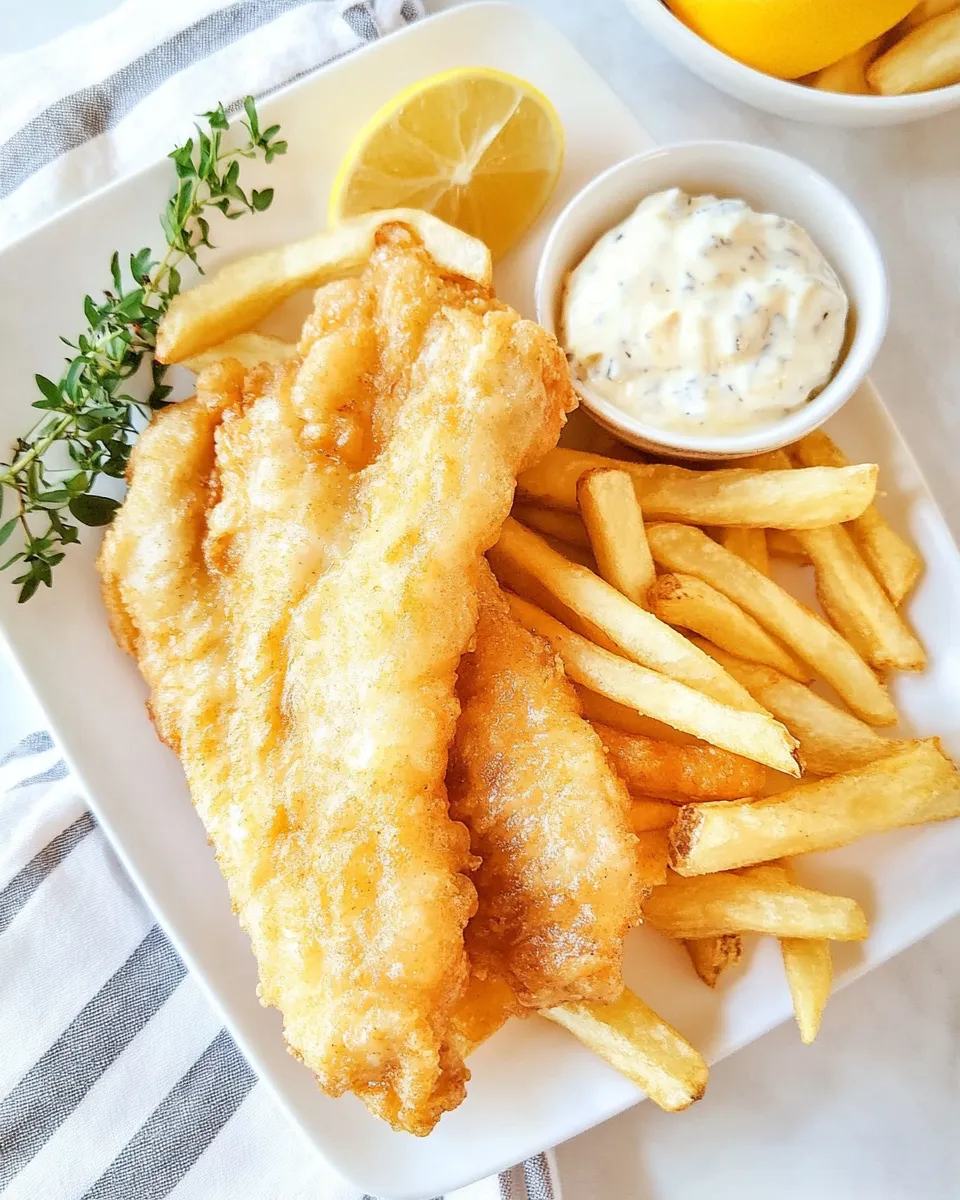
Long John Silvers Fish Recipe
Equipment
- deep fryer or heavy deep pot
- Thermometer
- Large Mixing Bowl
- Tongs
- Slotted Spoon
- Wire Rack
Ingredients
Ingredients
- 8 cupsvegetable oilfor frying
- 2 cupsflour
- 1/4 cupcornstarch
- 2 teaspoonssugar
- 2 teaspoonssalt
- 1/2 teaspoonbaking powder
- 1/2 teaspoonbaking soda
- 1/2 teaspoononion salt
- 1/2 teaspoonpaprika
- 1/4 teaspoonground black pepper
- 16 ouncesclub soda
- 2 poundscod or other white fishsliced into 3-ounce pieces
Instructions
Instructions
- Pour 8 cups vegetable oil into a deep fryer or a heavy, deep pot and heat to 350°F (use a thermometer).
- In a large mixing bowl combine 2 cups flour, 1/4 cup cornstarch, 2 teaspoons sugar, 2 teaspoons salt, 1/2 teaspoon baking powder, 1/2 teaspoon baking soda, 1/2 teaspoon onion salt, 1/2 teaspoon paprika, and 1/4 teaspoon ground black pepper. Stir to blend the dry ingredients evenly.
- Pour 16 ounces club soda into the dry ingredients and stir gently until the batter is combined and foamy. Do not overmix.
- Pat the 2 pounds cod (or other white fish) dry with paper towels and slice into 3-ounce pieces if not already cut.
- Working one piece at a time, coat each fish piece fully in the batter, letting excess batter drip back into the bowl.
- Carefully lower battered fish pieces into the hot oil with tongs or a slotted spoon. Fry in batches—do not overcrowd the pot—to keep the oil temperature near 350°F.
- Fry each batch for 2 to 3 minutes, until the batter is golden and the fish pieces begin to float.
- Remove the fish with a slotted spoon or skimmer and place on a wire rack to drain. Repeat with remaining fish.
Notes
The “Dip and Lift” Technique: When placing battered fish in hot oil, dip it and lift it back out slightly a few times in quick succession. This allows the outer layer of the batter to set slightly, preventing the batter from sliding off or expanding too dramatically.
Carbonation Timing: Add the club soda only when you’re ready to fry. The carbonation creates a light texture, and it diminishes quickly once it is opened and mixed into the batter.