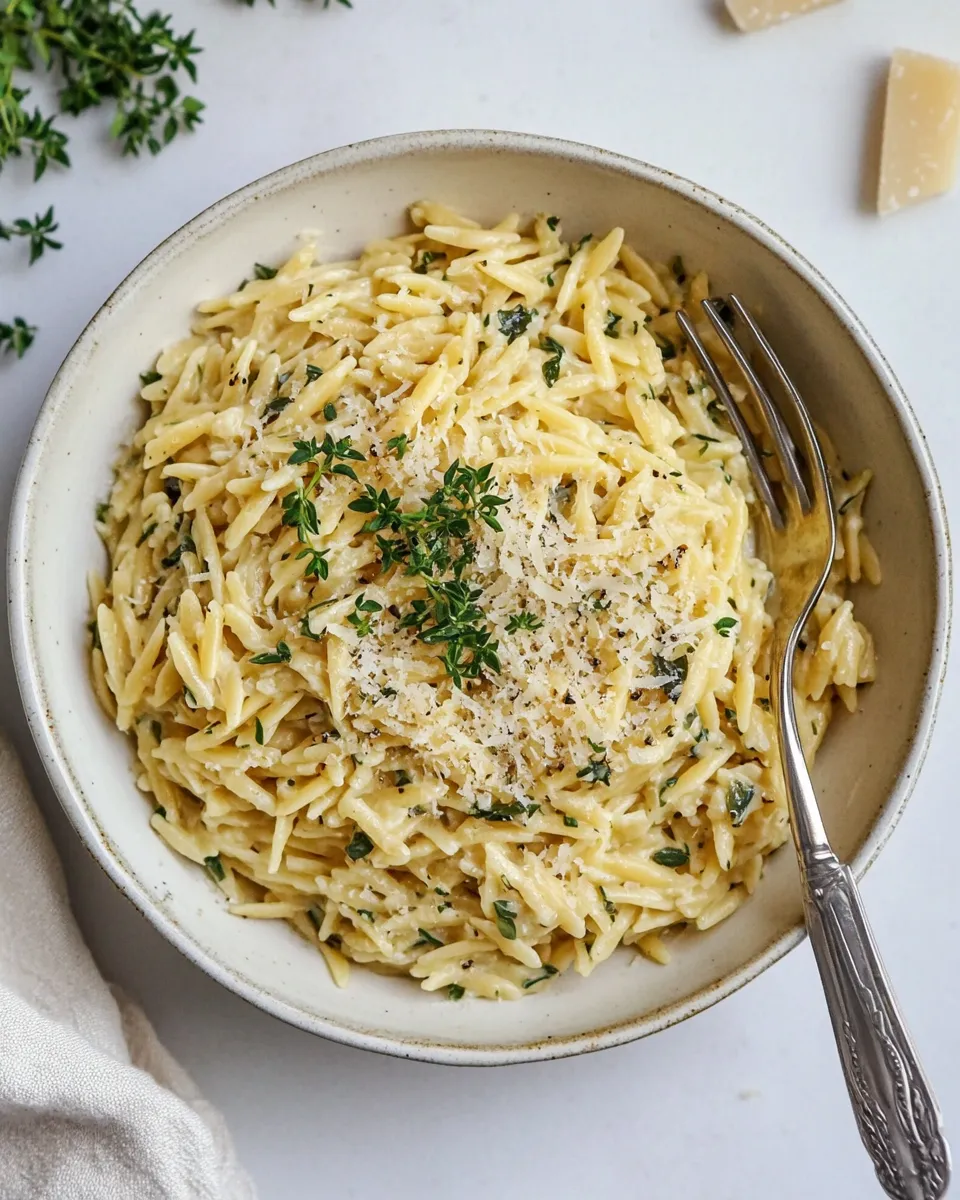
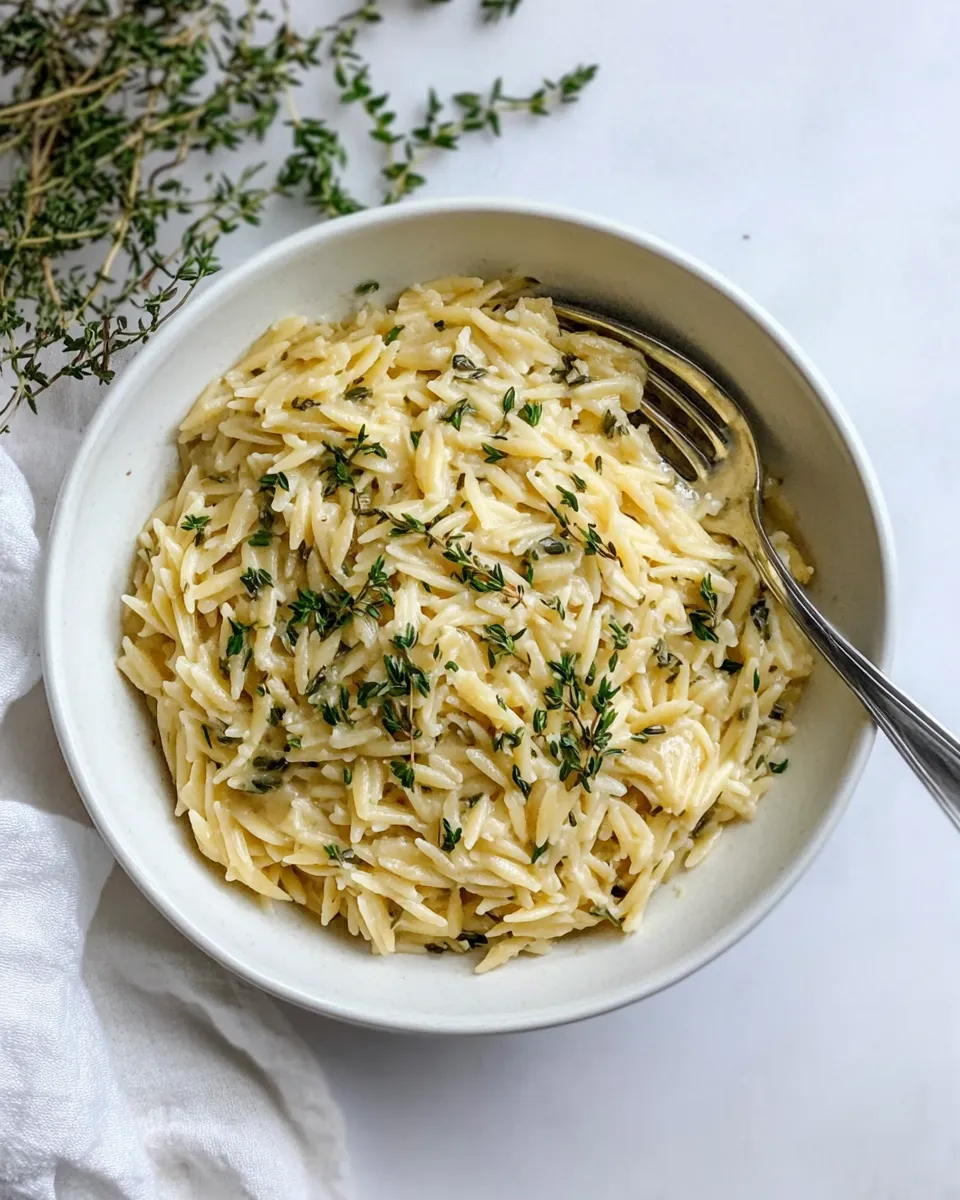
This Parmesan Herb Orzo is the kind of simple, cozy side dish that becomes an instant favorite on weeknights and when you want to impress without the fuss. It’s creamy, bright with fresh herbs, and buttery with just enough bite from the orzo. Whether you’re pairing it with roasted vegetables, a seared protein, or a green salad, this little pasta rice hybrid brings comfort and elegance in equal measure.
Why this recipe works: orzo cooks quickly in flavorful stock, absorbing savory notes so every bite shines. The butter and freshly grated parmesan create a glossy, lightly creamy finish, and the herbs—fresh or dried—lift the whole dish with aromatic brightness. The ingredient list is short, the technique is forgiving, and the result feels restaurant-worthy.
Ingredients
- 3 tablespoons unsalted butter
- 16 ounces orzo
- 32 ounces chicken or vegetable stock
- kosher salt and pepper
- ½ cup freshly grated parmesan cheese
- ¼ cup fresh chopped herbs, or 1 tablespoon mixed dried herbs (basil, parsley, rosemary, thyme, oregano)
About the ingredients
Choose a good-quality parmesan for the best flavor—freshly grated gives a smoother melt and a brighter, nuttier taste than pre-grated options. If you use chicken stock, pick a low-sodium version so you can season to taste. The herbs are flexible: a mix of parsley and basil keeps things fresh, while a touch of rosemary or thyme adds savory depth. If you prefer dried herbs, the recipe includes clear guidance for that swap.
Equipment
- Large saucepan or deep skillet with lid
- Wooden spoon or heatproof spatula
- Measuring cups and spoons
- Fine grater for parmesan
Step-by-step instructions
Follow these clear steps to prepare this comforting side dish. The directions below keep the same order as the original recipe but are rewritten for clarity and flow.
- Measure out your ingredients so everything is ready. Have 3 tablespoons unsalted butter, 16 ounces orzo, 32 ounces chicken or vegetable stock, kosher salt and pepper, ½ cup freshly grated parmesan cheese, and either ¼ cup fresh chopped herbs or 1 tablespoon mixed dried herbs on hand.
- Place a large saucepan or deep skillet over medium heat. Add the 3 tablespoons unsalted butter and let it melt completely, swirling the pan so the butter coats the bottom evenly.
- Add the 16 ounces orzo to the melted butter. Stir frequently for 2 to 3 minutes to toast the orzo lightly. You want a faint golden color and a nutty aroma—this step adds depth of flavor and helps the grains stay separate.
- Carefully pour in the 32 ounces chicken or vegetable stock. Increase the heat to medium-high so the stock comes to a gentle boil. Stir once to combine, making sure no orzo is sticking to the bottom.
- Once the liquid is boiling, reduce the heat to low or a gentle simmer. Cover the pan with a lid and cook for about 8 to 10 minutes, or until the orzo is tender but still has a slight bite. Check at 8 minutes and taste a small piece; if it’s still too firm, cook in one-minute increments until done.
- If the orzo absorbs the stock before it reaches your preferred texture and it looks dry, add up to ¼ cup additional hot stock or water and stir. Continue cooking uncovered for a minute or two so excess liquid can evaporate if needed. The goal is a creamy, not soupy, consistency.
- Once the orzo is cooked to your liking, remove the pan from heat. Immediately stir in the ½ cup freshly grated parmesan cheese until it melts and coats the orzo evenly.
- Add the ¼ cup fresh chopped herbs (or 1 tablespoon mixed dried herbs if using dried). Stir thoroughly so the herbs are distributed throughout the dish. Taste and season with kosher salt and freshly ground black pepper to your preference.
- Let the orzo rest for 1 to 2 minutes so flavors meld. Give it a final stir, then transfer to a serving bowl or plate. If desired, finish with an extra sprinkle of parmesan and a few herb leaves for garnish.
Serving suggestions
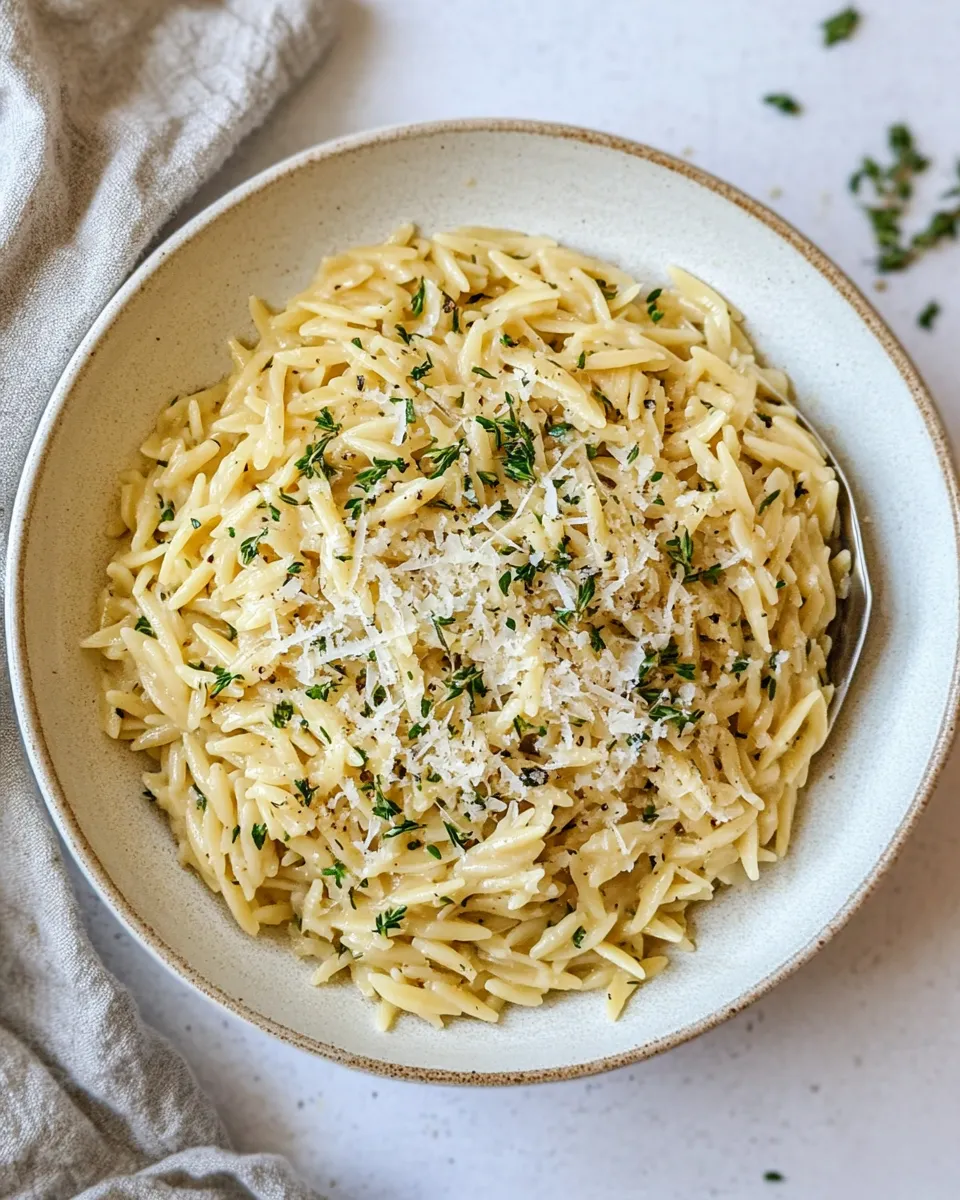
This Parmesan Herb Orzo is wonderfully versatile. Here are a few serving ideas:
- Serve alongside roasted or grilled chicken or fish for an elegant weeknight dinner.
- Fold in roasted vegetables—cherry tomatoes, asparagus tips, or sautéed mushrooms—right before serving for a heartier vegetarian option.
- Use it as a base for a warm grain bowl: top with sliced grilled halloumi, lemony greens, and a drizzle of extra virgin olive oil.
- For a lighter meal, pair with a crisp green salad and a bright vinaigrette to cut through the richness.
Tips and variations
Small adjustments make this dish yours. Try one of these ideas to change the flavor or texture:
- For a brighter finish, stir in a teaspoon of lemon zest or a tablespoon of lemon juice with the parmesan.
- Use a blend of cheeses—swap a couple of tablespoons of parmesan for pecorino or a mild Asiago for a different character.
- If you want a richer finish, incorporate an extra tablespoon of butter at the end, stirring until melted and glossy.
- To make this dairy-free, use a dairy-free butter alternative and a sprinkle of nutritional yeast in place of parmesan; adjust salt to taste.
- If using dried herbs instead of fresh, add them earlier (when the orzo is cooking) so they rehydrate and infuse the dish.
Make-ahead and storage
This orzo holds up well and makes excellent leftovers. Cool completely, then store in an airtight container in the refrigerator for up to 4 days. Reheat gently on the stovetop with a splash of hot stock or water to revive the creaminess, stirring until warmed through. For freezing, note that the texture of the orzo may change; freeze for up to one month and thaw overnight in the refrigerator before reheating.
Frequently asked questions
Can I use broth with lower sodium? Yes. Using low-sodium stock gives you more control over seasoning. Taste the finished dish and add kosher salt as needed.
Is orzo the same as rice? Orzo is a pasta shaped like a grain of rice. It cooks like pasta but gives the visual effect of rice, which is perfect when you want a creamy, pasta-based side that looks grain-like on the plate.
How do I keep the orzo from sticking together? Toasting the orzo briefly in butter before adding stock helps each piece stay separated. Also, avoid overcooking and stir a few times while it simmers to prevent clumping.
Flavor profile and texture
This dish balances savory, buttery richness and bright herbaceous notes. The parmesan brings umami and a slightly salty, nutty finish, while fresh herbs add lift and fragrance. The texture should be tender with a pleasing bite; if you prefer a looser, creamier texture, add a few tablespoons of extra hot stock when finishing and stir until you reach your desired consistency.
Why you’ll make this again
Parmesan Herb Orzo hits that sweet spot: it’s fast, forgiving, and adaptable. It elevates weeknight meals with minimal effort and pairs with so many mains. Once you get comfortable with the simple formula—toast, simmer, fold in cheese and herbs—you can riff endlessly on additions and pairings to keep the dish fresh every time you make it.
Nutritional note
This recipe is centered around pantry-friendly ingredients and moderate portions of butter and cheese. The orzo provides carbohydrates, while the butter and parmesan contribute healthy fats and protein. Adding vegetables or a lean protein alongside will round the meal out and increase fiber and micronutrients.
Final thoughts
Simple cooking techniques paired with a few quality ingredients are all you need to create a memorable side. This Parmesan Herb Orzo brings comforting, layered flavors with minimal hands-on time and maximum satisfaction. Keep the ingredients stocked and you’ll always have a reliable, delicious dish ready for any meal.
Recipe recap
Ready for the quick version? Here’s the short recipe recap to follow in the kitchen:
- Melt 3 tablespoons unsalted butter in a large saucepan over medium heat.
- Add 16 ounces orzo and toast for 2–3 minutes, stirring often.
- Pour in 32 ounces chicken or vegetable stock; bring to a boil, then reduce to a simmer.
- Cover and cook 8–10 minutes until orzo is tender. Add a bit more liquid if needed.
- Remove from heat and stir in ½ cup freshly grated parmesan cheese until melted.
- Stir in ¼ cup fresh chopped herbs or 1 tablespoon mixed dried herbs. Season with kosher salt and pepper to taste.
- Let rest 1–2 minutes, then serve warm.
Enjoy this simple, satisfying Parmesan Herb Orzo as a reliable weeknight side or a starring comfort dish for guests. It’s the kind of recipe that becomes a regular in your rotation for its ease, flavor, and the way it complements so many meals.
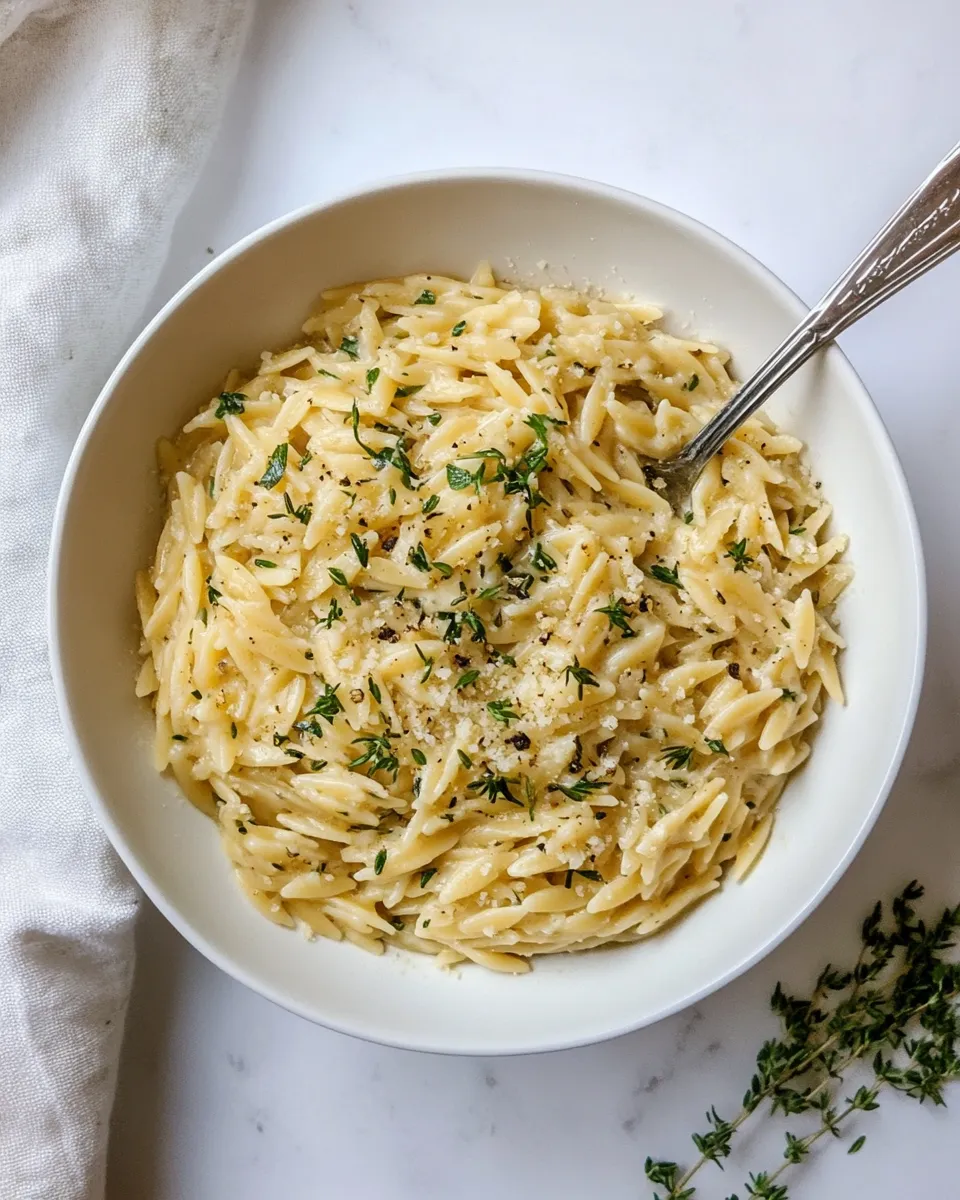
Parmesan Herb Orzo.
Equipment
- Saucepan
- Wooden Spoon or Spatula
- Measuring cups and spoons
- Ladle or measuring cup (for stock)
Ingredients
- 3 tablespoons unsalted butter
- 16 ounces orzo
- 32 ounces chicken or vegetable stock
- kosher salt to taste
- black pepper to taste
- 1/2 cup freshly grated Parmesan cheese
- 1/4 cup fresh chopped herbs or 1 tablespoon mixed dried herbs (basil, parsley, rosemary, thyme, oregano)
Instructions
- Melt the butter in a medium saucepan over medium heat.
- Add the orzo and cook, stirring frequently, for 2–3 minutes until the orzo is lightly toasted.
- Pour in the stock and add a pinch of kosher salt and black pepper; bring to a boil.
- Reduce heat to a simmer, cover, and cook for 12–15 minutes, stirring once or twice, until the liquid is absorbed and the orzo is tender.
- Remove from heat and stir in the grated Parmesan and chopped fresh herbs (or the dried herb mixture) until combined.
- Taste and adjust seasoning with additional salt and pepper if needed, then serve warm.
Notes
- Use low-sodium stock if you plan to add more salt.
- Stir occasionally while simmering to prevent sticking.
- Fresh herbs give the best flavor but dried herbs are a fine substitute.