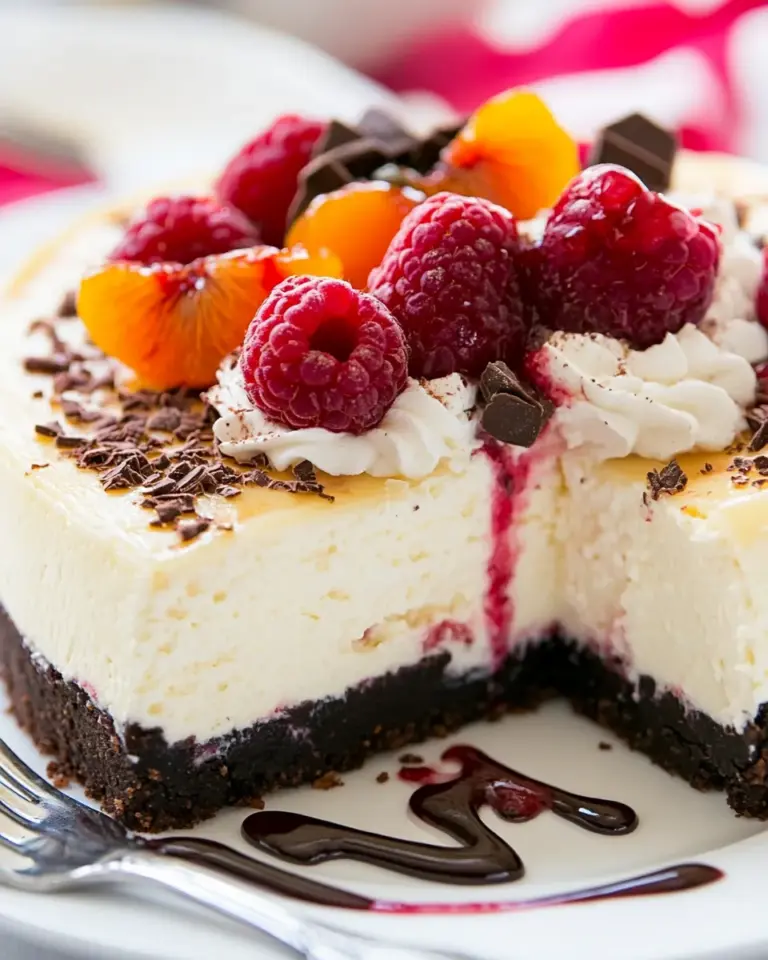
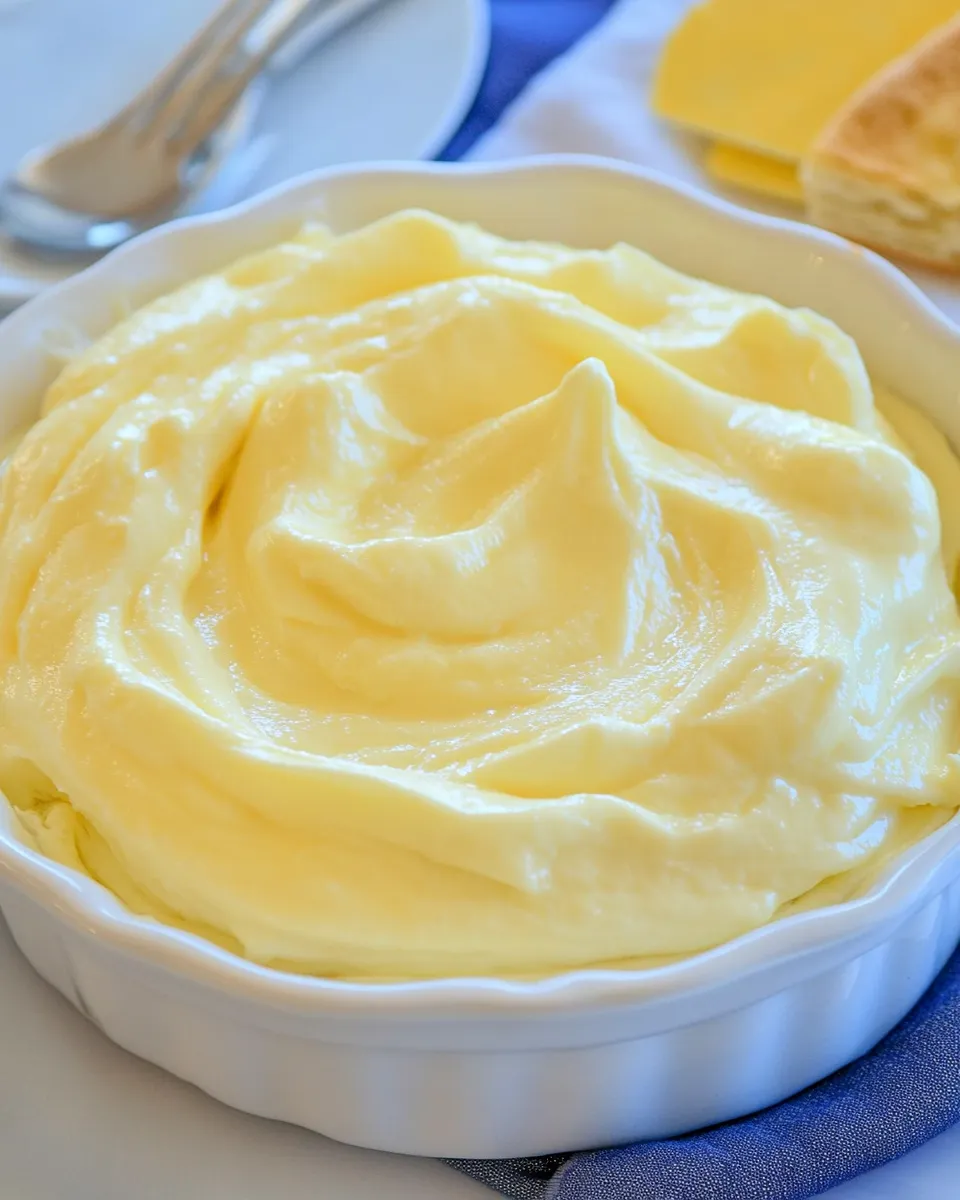
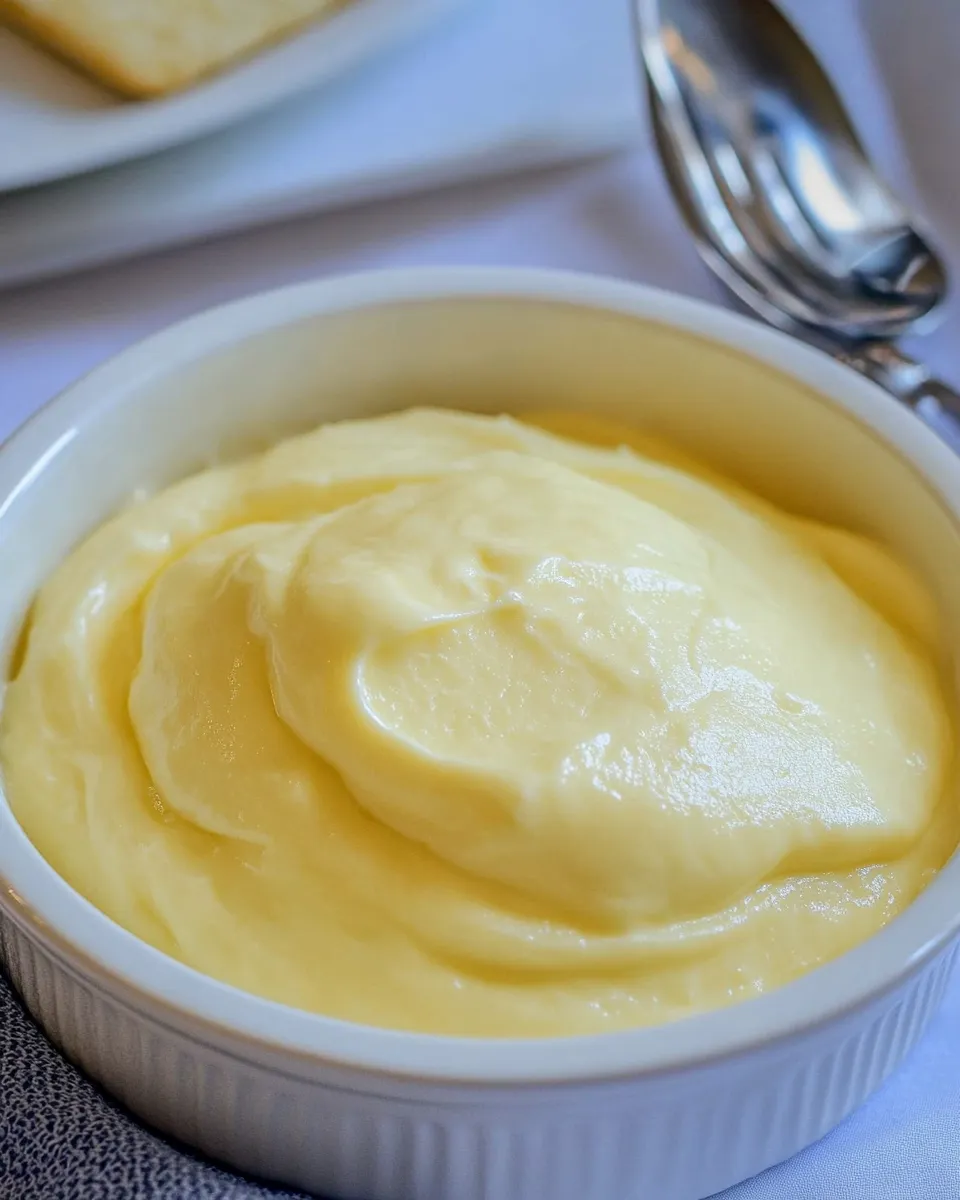
This is the classic pastry cream you reach for when you need a reliable, silky custard: for filled éclairs, tart shells, Boston cream, or as a base for whipped creams and mousses. It’s sturdy, smooth, and holds shape well thanks to the cornstarch. It also keeps its flavor and texture in the refrigerator for a few days, which makes it a great make-ahead component for desserts.
I test and tweak pastry cream often because so many desserts hinge on its texture. The method below focuses on simple steps that prevent curdling, eliminate lumps, and ensure the cornstarch is fully cooked. The result is an elegant crème pâtissière with real vanilla flavor and a clean finish.
Read through the ingredient list and the step-by-step directions once before you begin. The technique is straightforward, but timing and temperature matter. With a whisk and a little attention, you’ll have a pastry cream that’s glossy, smooth, and reliably stable.
Ingredient List
- 1 whole large egg — adds structure and richness; the whole egg contributes body and helps emulsify.
- 2 large egg yolks — concentrate fat and flavor, creating a silkier, custard-like texture.
- 1/2 cup granulated sugar — sweetens and helps stabilize the egg mixture while preventing curdling when tempered.
- 3 Tbsp cornstarch — the thickening agent that gives the cream body and a smooth, stable set.
- 1/8 tsp fine sea salt — balances sweetness and enhances vanilla; use fine salt so it dissolves evenly.
- 1 cup whole milk — provides dairy base and flavor; whole milk gives the best mouthfeel.
- 1 cup heavy whipping cream — enriches the custard and yields a creamier finish.
- 2 Tbsp unsalted butter — added at the end for sheen and a silkier texture.
- 2 tsp vanilla extract — primary flavor; use real vanilla for the cleanest, most aromatic result.
Pastry Cream Recipe (Crème Pâtissière): Step-by-Step Guide
- In a medium heatproof mixing bowl, whisk together 1 whole large egg, 2 large egg yolks, 1/2 cup granulated sugar, 3 Tbsp cornstarch, and 1/8 tsp fine sea salt until completely smooth and slightly lightened in color, about 1–2 minutes.
- In a large saucepan, combine 1 cup whole milk, 1 cup heavy whipping cream, and 2 Tbsp unsalted butter. Heat over medium, stirring occasionally, until the mixture is steaming and small bubbles form at the edges (just beginning to boil). Remove from heat as soon as it reaches this stage.
- With the egg mixture whisking constantly, slowly drizzle in about one-third of the hot milk mixture in a thin stream to temper the eggs. Continue whisking until the mixture is smooth and warmed.
- Pour the warmed egg mixture back into the saucepan with the remaining hot milk mixture and return the pan to medium heat.
- Whisk constantly over medium heat until the mixture thickens and becomes smooth and glossy, about 1–3 minutes. As soon as the custard reaches a gentle simmer (small steady bubbles), reduce the heat to low and continue whisking vigorously for 1 full minute to cook the cornstarch.
- Remove the saucepan from the heat and whisk in 2 tsp vanilla extract until incorporated.
- Transfer the pastry cream to a shallow bowl. Press a piece of plastic wrap directly onto the surface of the hot cream to prevent a skin from forming. Let come to room temperature, then refrigerate until fully chilled, at least 2 hours. The pastry cream will keep in the refrigerator up to 3 days.
Why This Recipe Works
This method balances temperature control and starch gelatinization. Tempering the eggs with a small amount of hot dairy raises their temperature slowly so they don’t scramble. Cornstarch thickens quickly and gives the custard structural stability without the sometimes-grainy finish of flour.
Bringing the custard to a gentle simmer is crucial: the cornstarch needs the sustained heat to fully gelatinize. The extra minute at low heat after the first simmer ensures the starch is cooked through, which removes any pasty flavor and avoids a thin finish after chilling.
Butter and vanilla are folded in off the heat so they don’t lose aroma or separate. Pressing plastic wrap to the surface eliminates any skin, which keeps the texture uniformly smooth from edge to center.
Substitutions by Category
- Dairy — For lower-fat options, swap heavy cream for additional whole milk. The texture will be lighter and less rich, but still usable. Avoid skim milk; it yields a thin, less satisfying mouthfeel.
- Thickener — You can use an equal amount of potato starch or tapioca starch in place of cornstarch, though they may give a slightly different finish. Do not substitute with flour in a 1:1 ratio without adjusting amounts and technique.
- Sweetener — Granulated sugar can be reduced by up to 25% if you prefer less sweet pastry cream. If substituting with a liquid sweetener (honey, maple), reduce other liquids slightly and taste as you go; those will alter flavor and texture.
- Flavorings — Swap vanilla extract for an equal amount of vanilla paste or the seeds from 1 vanilla bean for a more intense, speckled finish. You can also fold in citrus zest, espresso, or a liqueur after the cream cools.
- Eggs — For a lighter set, you could try using 3 whole eggs instead of whole egg + yolks, but this changes texture and richness: the recipe tested here uses a yolk-forward ratio for silk and body.
What You’ll Need (Gear)
- Medium heatproof mixing bowl — for whisking the eggs and starch; heatproof lets you use it for tempering.
- Large saucepan — wide-bottomed is best for even heating and easier whisking.
- Fine-mesh whisk — necessary for smoothing the egg-starch mixture and de-lumping.
- Rubber spatula — to scrape down the pan and transfer the cream cleanly.
- Plastic wrap — to press onto the cream surface and prevent a skin.
- Shallow bowl or container — for faster cooling and even chilling.
- Instant-read thermometer (optional)
Easy-to-Miss Gotchas
- Not whisking enough during heating: Cornstarch sets quickly; stop whisking and you risk lumps or scorching on the bottom.
- Tempering too slowly or too quickly: Add the hot milk too quickly and the eggs will scramble. Add it too slowly and you’ll waste time—about a third of the hot milk in a thin stream is the sweet spot.
- Stopping at the first bubble: The custard must hit a gentle simmer and then cook for an additional minute on low to fully cook the starch. Under-cooked starch tastes starchy and can thin out after chilling.
- Skipping the plastic wrap: Leaving air between the cream and the wrap forms a skin as it cools. A skin ruins the texture for fillings and piping.
- Using cold butter or cold vanilla: Add them off heat but not ice-cold; very cold additions can cause a slight seize or shock in the hot cream—room temperature is best.
Year-Round Variations
Pastry cream is a flexible canvas. Here are ways to tailor it by season without changing the core technique.
- Spring: Fold in fresh lemon or orange zest after cooling for a bright, tangy finish. Use it to fill tartlets topped with berries.
- Summer: Chill the cream fully and fold in lightly whipped cream to make a lighter crème diplomate — great with stone fruits.
- Autumn: Stir in a smooth pumpkin purée and a touch of warming spices (cinnamon, nutmeg) after the cream cools for a seasonal filling.
- Winter: Add melted dark chocolate (cooled slightly) to make a chocolate pastry cream. Alternatively, stir in espresso or a bit of spiced liqueur for depth.
Notes from the Test Kitchen
I tested this exact ratio repeatedly to balance stability and flavor. The combination of whole milk and heavy cream gives a creamy mouthfeel without being overly heavy. Reducing the butter produces a slightly less glossy finish; increasing it makes the cream richer but softer when chilled.
On texture: if your cream looks slightly grainy after chilling, it usually means it wasn’t whisked vigorously enough while reaching and holding the simmer. Reheating gently and whisking will often smooth it out. If the grains remain, you can press the chilled cream through a fine sieve to rescue the texture.
On flavor: real vanilla extract gives a clean aroma. Vanilla beans add speckles and a deeper, more complex flavor but are unnecessary for a classic result. If you plan to fold in further flavors (chocolate, fruit purée), reduce additional liquid to avoid thinning the cream.
How to Store & Reheat
Refrigeration: Cover the surface of the pastry cream with plastic wrap and refrigerate. It will keep up to 3 days. Stir gently before using. If the cream has thickened too much, whisk briefly to soften.
Freezing: I don’t recommend freezing pastry cream. Freezing breaks the emulsion and alters texture on thawing, often producing a grainy or watery result.
Reheating: If you need to loosen chilled pastry cream, warm it gently in a heatproof bowl set over barely simmering water and whisk until smooth. Avoid direct high heat; rapid reheating can split the cream or create lumps.
Pastry Cream Recipe (Crème Pâtissière) Q&A
Why did my pastry cream curdle?
Curdling happens when the egg proteins cook too quickly. It’s most often due to adding the hot dairy too fast or overheating after returning the tempered eggs to the pan. Keep the whisk moving and bring the mixture to a gentle simmer rather than a rolling boil. If curdling occurs, pass the cream through a fine sieve and whisk in a small knob of cold butter to help smooth it.
Why is my pastry cream thin after chilling?
Undercooked cornstarch will loosen after cooling. Make sure to whisk vigorously for the full minute after the mixture hits a gentle simmer. If the cream is thin and cold, you can briefly reheat it and whisk until it thickens, then cool and chill again.
Can I make this ahead?
Yes. Pastry cream can be made up to 3 days in advance and chilled, tightly covered. For some uses, like filled choux, chill overnight so it firms fully for piping.
Can I use milk alone?
Yes, but the texture will be lighter and less rich. The heavy cream contributes fat and silkiness; removing it makes the pastry cream leaner and less luxurious.
Wrap-Up
This pastry cream is dependable, adaptable, and suited for a wide range of classic and modern desserts. Follow the tempering step, bring the custard to a gentle simmer, give the cornstarch its full minute of heat, and you’ll avoid the common pitfalls. Make it ahead, chill it well, and use it to fill tarts, layer cakes, or pipe into choux for polished results every time.
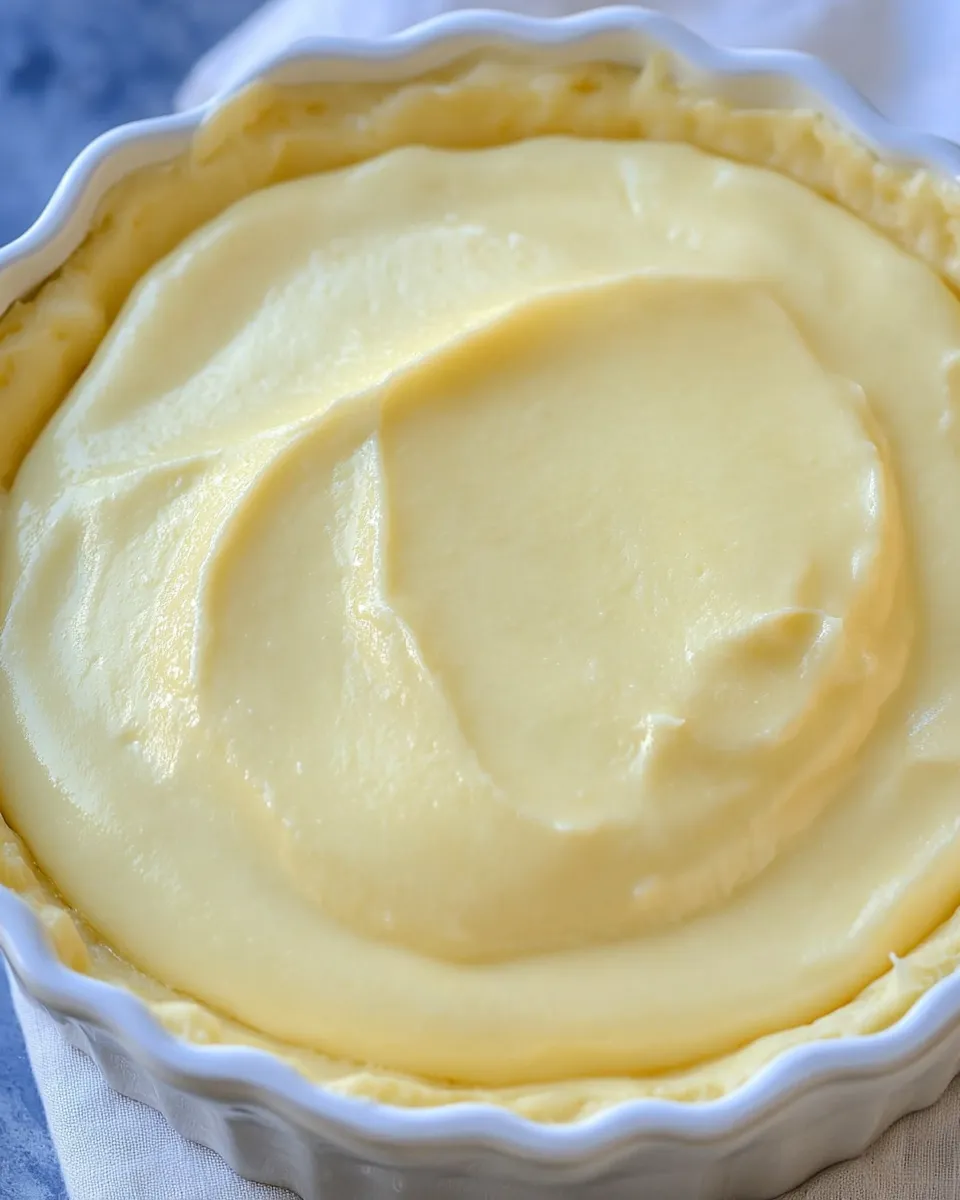
Pastry Cream Recipe (Crème Pâtissière)
Equipment
- Mixing Bowl
- Saucepan
- Whisk
- Shallow bowl
- Plastic Wrap
Ingredients
Ingredients
- 1 whole large egg
- 2 large egg yolks
- 1/2 cupgranulated sugar
- 3 Tbspcorn starch
- 1/8 tspfine sea salt
- 1 cupwhole milk
- 1 cupheavy whipping cream
- 2 Tbspunsalted butter
- 2 tspvanilla extract
Instructions
Instructions
- In a medium heatproof mixing bowl, whisk together 1 whole large egg, 2 large egg yolks, 1/2 cup granulated sugar, 3 Tbsp cornstarch, and 1/8 tsp fine sea salt until completely smooth and slightly lightened in color, about 1–2 minutes.
- In a large saucepan, combine 1 cup whole milk, 1 cup heavy whipping cream, and 2 Tbsp unsalted butter. Heat over medium, stirring occasionally, until the mixture is steaming and small bubbles form at the edges (just beginning to boil). Remove from heat as soon as it reaches this stage.
- With the egg mixture whisking constantly, slowly drizzle in about one-third of the hot milk mixture in a thin stream to temper the eggs. Continue whisking until the mixture is smooth and warmed.
- Pour the warmed egg mixture back into the saucepan with the remaining hot milk mixture and return the pan to medium heat.
- Whisk constantly over medium heat until the mixture thickens and becomes smooth and glossy, about 1–3 minutes. As soon as the custard reaches a gentle simmer (small steady bubbles), reduce the heat to low and continue whisking vigorously for 1 full minute to cook the cornstarch.
- Remove the saucepan from the heat and whisk in 2 tsp vanilla extract until incorporated.
- Transfer the pastry cream to a shallow bowl. Press a piece of plastic wrap directly onto the surface of the hot cream to prevent a skin from forming. Let come to room temperature, then refrigerate until fully chilled, at least 2 hours. The pastry cream will keep in the refrigerator up to 3 days.