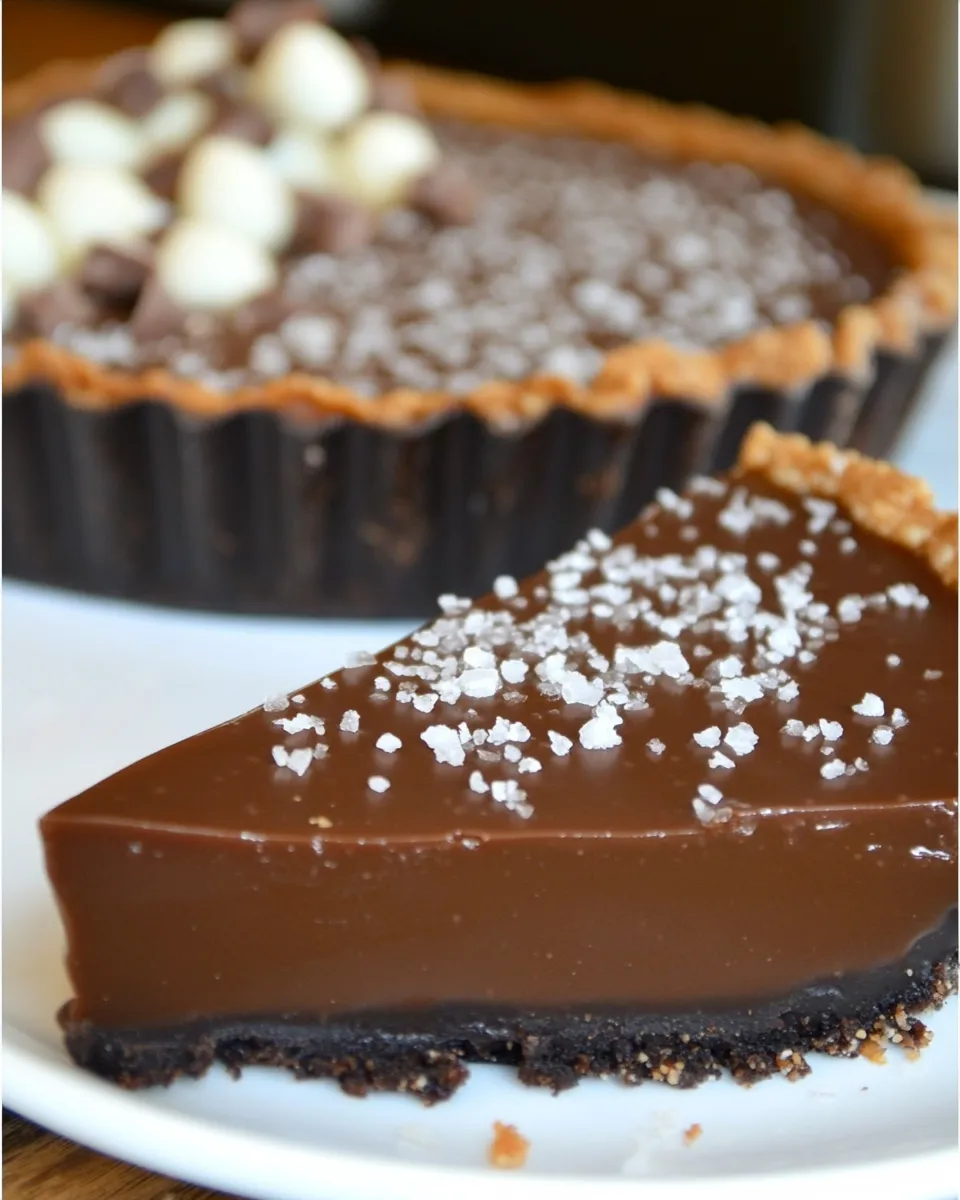
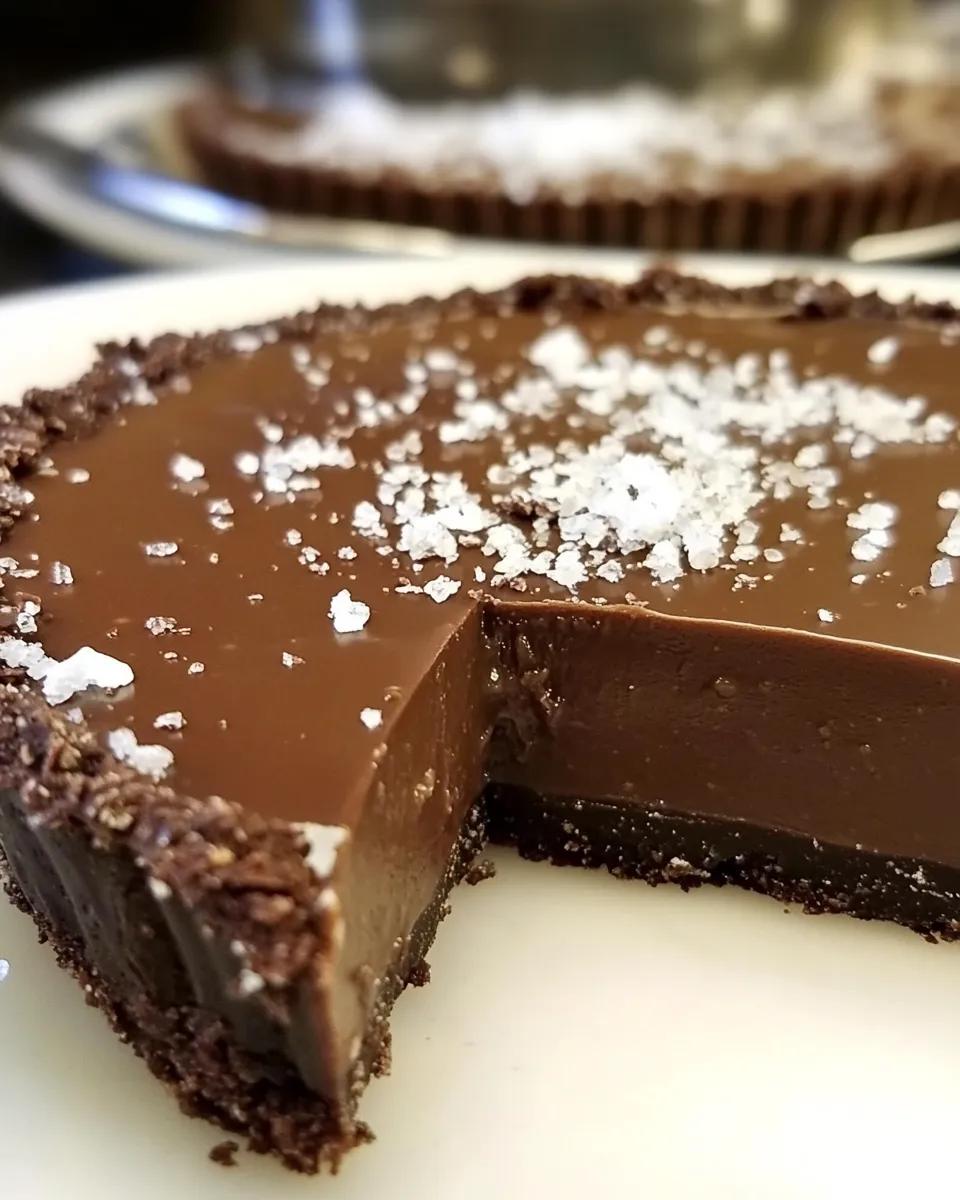
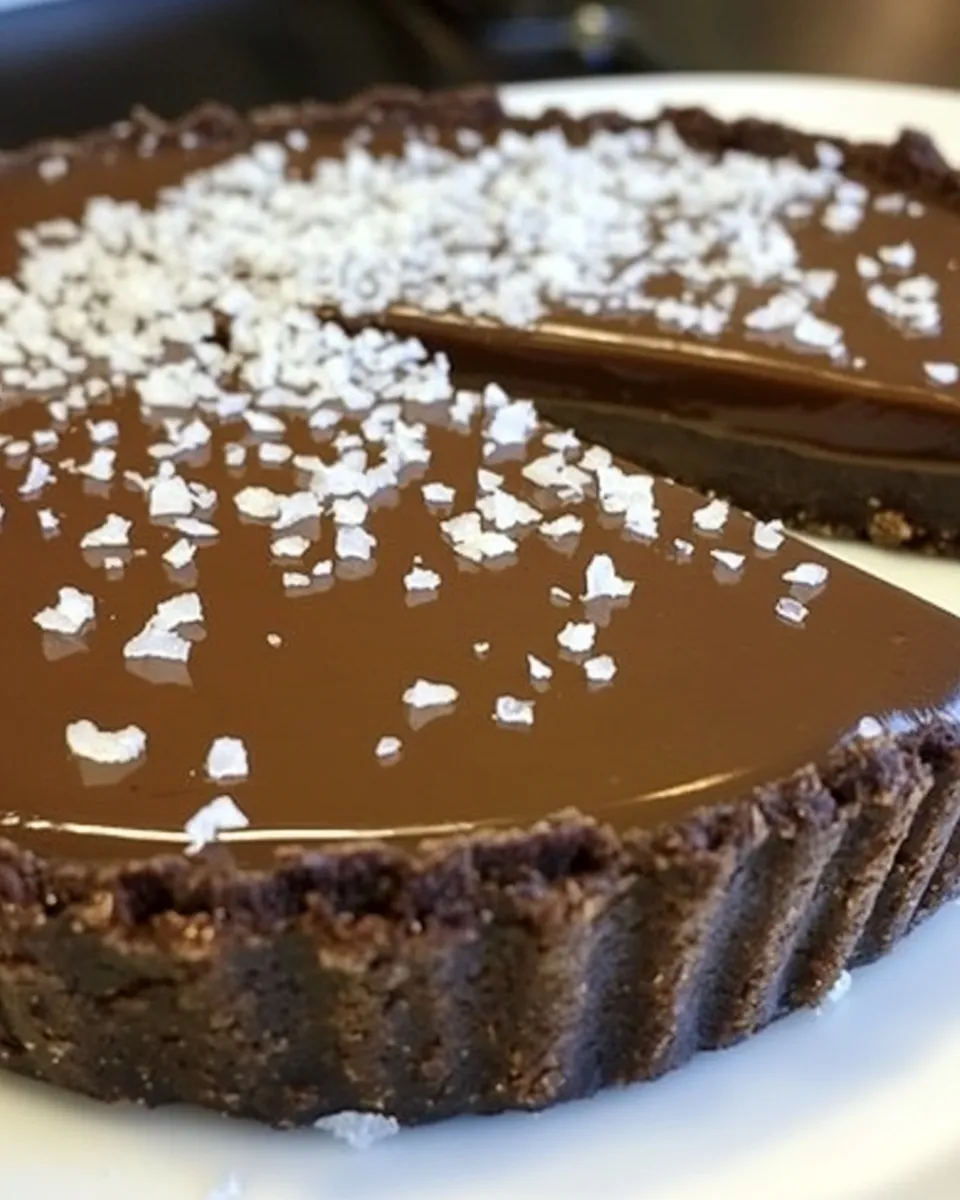
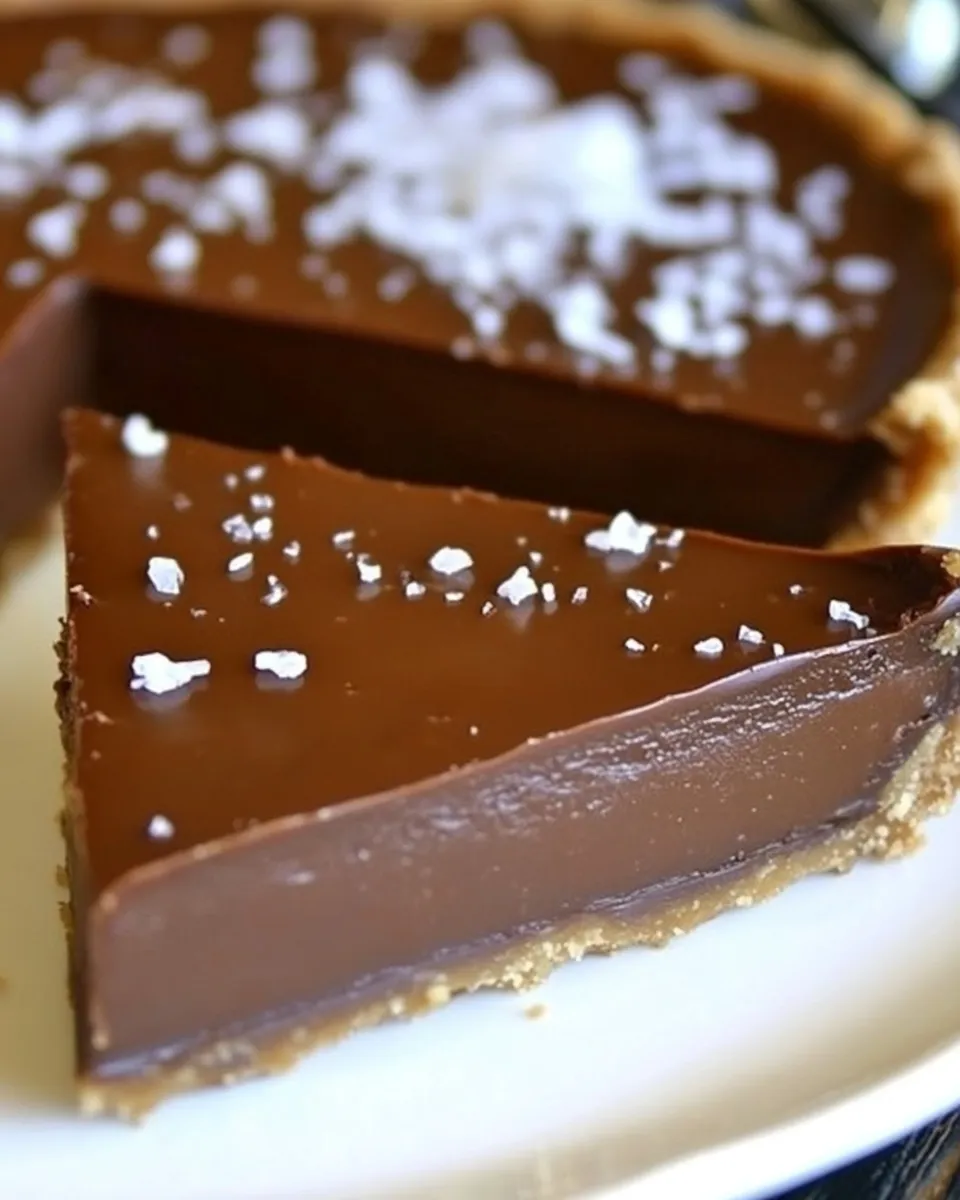
This tart is a small-plate theater: a crisp, cocoa shortcrust shell holding a warm, glossy caramel beneath a bolstered layer of dark chocolate. It balances buttery, bitter, sweet and salt with straightforward technique. Once you understand the rhythm — make the crust, pour the caramel, and top with chocolate — the rest is patience and timing.
I like to keep this recipe practical. The crust is baked blind-free, the caramel is cooked to a clear target temperature, and the glaze is a simple chocolate ganache. Nothing fussy, but a few precise steps make a huge difference in texture and finish.
Read the directions fully before starting. Have a candy thermometer, a tart pan, and your ingredients at hand. Work in stages and cool fully when instructed. The finish is worth the mild attention it asks for.
Ingredient List
- 10 tablespoons unsalted butter, softened — provides the fat for the chocolate shortcrust and gives a tender, rich texture.
- ⅔ cup (80 g) powdered sugar — lightly sweetens and helps create a delicate, crumbly crust.
- ⅓ cup (28.67 g) Dutch-process cocoa powder — deep cocoa flavor and color for the crust; Dutch-process gives a mellow chocolate note.
- 1½ cups (187.5 g) all-purpose flour — structural backbone of the crust; measure by weight when possible for consistency.
- 2 egg yolks — bind the dough and add richness to the crust.
- 1 teaspoon vanilla extract — subtle background flavor that lifts the chocolate.
- ¾ cup (178.5 ml) heavy cream — used in the caramel; brings creaminess and helps suspend butter for a smooth caramel.
- 6 tablespoons unsalted butter — added to the caramel for shine and a softer finish.
- 1½ cups (300 g) superfine sugar — the sugar to be caramelized; superfine dissolves more evenly and reduces the chance of gritty caramel.
- ½ cup (125 ml) water — helps the sugar dissolve and cook evenly into a clear syrup before caramelizing.
- ½ teaspoon (0.5 teaspoon) fleur de sel, or other flaky sea salt — folded into the caramel to give that signature salted contrast.
- ½ cup (119 ml) heavy cream — for the chocolate glaze (ganache); provides shine and a soft set.
- 5 ounces (141.75 g) dark chocolate, finely chopped — the chocolate layer; finely chopping helps even melting and a smooth glaze.
- Fleur de sel, to garnish — a final sprinkle on top to highlight the salted component and add a delicate crunch.
- 9-inch tart pan — the correct pan size for fit and bake times; a removable-bottom tart pan makes release easier.
Stepwise Method: Salted Chocolate Caramel Tart
- Make the crust: In a food processor, combine 10 tablespoons softened unsalted butter and 2/3 cup (80 g) powdered sugar. Process until pale in color, about 10 seconds.
- Add 1/3 cup (28.67 g) Dutch-process cocoa powder, 1½ cups (187.5 g) all-purpose flour, 2 egg yolks, and 1 teaspoon vanilla extract. Pulse in short 1-second bursts (about 10 pulses) until a soft dough forms.
- Turn the dough out into a 9-inch tart pan. Press the dough evenly into the bottom and up the sides of the pan. Smooth the surface. Refrigerate until firm, at least 30 minutes.
- Preheat the oven to 350°F (175°C). Remove the chilled tart shell from the refrigerator and prick the bottom all over with a fork.
- Bake the crust for 15 minutes, or until the crust is set and firm to the touch. Remove from the oven and let the crust cool to room temperature.
- Make the caramel filling: In a small saucepan, combine 3/4 cup (178.5 ml) heavy cream and 6 tablespoons unsalted butter. Warm over low heat until the butter has melted, then remove from the heat and keep warm.
- In a medium saucepan, combine 1½ cups (300 g) superfine sugar and 1/2 cup (125 ml) water. Cook over low heat, stirring only until the sugar dissolves.
- Increase the heat to high and boil the sugar mixture without stirring until it turns dark golden and reaches 340°F on a candy thermometer. (Do not stir while boiling.)
- Remove the saucepan from the heat and, very slowly, whisk in the warm cream-and-butter mixture (the mixture will bubble vigorously). When incorporated, return the pan to low heat and cook, stirring constantly, for 5 minutes or until the caramel has thickened.
- Stir in 1/2 teaspoon fleur de sel. Pour the hot caramel into the cooled pastry shell and spread evenly. Refrigerate until the caramel is set, at least 30 minutes.
- Make the chocolate glaze: Place 5 ounces (141.75 g) finely chopped dark chocolate in a medium bowl. In a small saucepan, heat 1/2 cup (119 ml) heavy cream over medium heat until it just begins to simmer. Remove from the heat and pour the hot cream over the chopped chocolate.
- Let the chocolate and cream sit undisturbed for 2 minutes, then stir until smooth and glossy.
- Pour the chocolate glaze over the set caramel layer and spread evenly. Refrigerate until the chocolate is set, at least 15 minutes.
- Sprinkle additional fleur de sel to garnish before serving.
- Store leftovers covered in the refrigerator for up to 5 days.
Why It Works Every Time
Every successful tart here comes down to control of three textures: the crust, the caramel, and the chocolate finish. The crust is a shortcrust made with cold-ish, softened butter and powdered sugar for a tender crumb; pulsing briefly prevents gluten development and keeps the texture delicate. Chilling the pressed dough firms the butter and prevents slumping in the oven.
The caramel is made by dissolving sugar in water and bringing it to a specific temperature (340°F). That number matters — it’s the difference between a syrupy mess and a glossy, sliceable caramel. Adding warm cream and butter slowly tempers the hot sugar and prevents premature seizing, and returning it to low heat develops body and sheen.
The final chocolate layer is essentially a ganache. Heating the cream to a simmer and letting it sit on the chopped chocolate ensures even melting and a smooth emulsion when stirred. The contrast between the brittle shell, the soft-but-sliceable caramel, and the glossy chocolate is what gives the tart its satisfying structure.
Dairy-Free/Gluten-Free Swaps
- If you need a dairy-free caramel, use full-fat coconut cream in place of heavy cream and a quality vegan butter in place of the butter. Expect a slight coconut flavor and a softer set.
- For the chocolate glaze, a dairy-free cream alternative works; make sure the chocolate you use is dairy-free and properly tempered for the best set.
- To make a gluten-free crust, substitute a cup-for-cup gluten-free flour blend formulated for baking in place of all-purpose flour. The texture will differ slightly; chill the dough longer to help it hold shape.
- Avoid inventing quantities for swaps mid-recipe: use the same volumes listed and rely on tested gluten-free blends and firming techniques (longer chilling, blind baking if needed) to compensate.
Tools & Equipment Needed
- Food processor — for quick, even mixing of the crust.
- 9-inch tart pan — removable bottom preferred for easy release.
- Candy thermometer — necessary for cooking the sugar to 340°F for reliable caramel.
- Medium and small saucepans — one for the sugar syrup, one for warming cream and butter.
- Mixing bowls — for the chocolate and any staging.
- Spatula and whisk — spatula to spread caramel and glaze, whisk for deglazing and combining when safe.
- Fork — to prick the tart bottom before baking.
- Sharp knife or offset spatula — for spreading the ganache cleanly.
- Refrigerator — for setting the caramel and chocolate layers.
Common Errors (and Fixes)
- Burnt caramel: If the sugar smells acrid or turns very dark, it’s overcooked. Start over; burnt sugar cannot be rescued. Watch closely as it nears the target color and temperature.
- Grainy caramel: This can come from undissolved sugar crystals. Stir at low heat only until the sugar dissolves; avoid stirring once it begins to boil. If crystals form on the pan edge, brush them down with a wet pastry brush during the early stage, before boiling.
- Seized caramel when adding cream: Add the warm cream-and-butter mixture very slowly and whisk continuously at first to temper the hot sugar. Using warm cream reduces the shock that causes seizing.
- Soggy crust: Press the dough evenly and chill well. Baking until the crust is set and firm will also prevent weeping. If you repeatedly get soggy bottoms, try blind baking briefly or brushing the interior with a thin layer of melted chocolate before adding the caramel (this creates a moisture barrier).
- Cracked chocolate glaze: Pour the ganache only after the caramel is fully set and at cool room temperature. If the glaze cracks when slicing, let the tart sit at room temperature for 10–15 minutes before cutting.
Seasonal Spins
Seasonal ingredients can update the tart without changing the method. In fall, a thin spread of spiced pumpkin purée (lightly sweetened and well-drained) between crust and caramel adds autumnal warmth; keep the layer thin to avoid moisture issues. In winter, stir a pinch of orange zest into the caramel for a citrus lift that pairs beautifully with dark chocolate.
Spring and summer call for fresh fruit accents: top the set chocolate with a scatter of halved strawberries or raspberries just before serving. Their bright acidity balances the caramel. For holiday entertaining, sprinkle toasted chopped hazelnuts atop the ganache for crunch and aroma.
Pro Tips & Notes
- Measure by weight when possible. The recipe lists gram measurements where relevant; precision is especially helpful for the crust and caramel.
- Keep the cream and butter warm when adding to the hot sugar. This reduces dramatic reactions and helps you maintain a silky, uniform caramel.
- Work confidently with hot sugar. Use long-handled utensils, and stand back when combining the cream to avoid splatters.
- Chill times are as important as the cooking times. The caramel needs at least 30 minutes to set so the ganache doesn’t sink into it; don’t rush this stage.
- To get clean slices, chill until set and wipe a sharp knife between cuts. A brief rest at room temperature before serving softens the bite without collapsing layers.
Freezer-Friendly Notes
You can freeze the tart, whole or in slices. Wrap tightly in plastic wrap and then in foil to avoid freezer burn. Frozen, it keeps well for up to 1 month. Thaw overnight in the refrigerator, then bring to room temperature for 20–30 minutes before serving to restore texture and flavor.
Top Questions & Answers
- Can I make the crust ahead? Yes. You can prepare and refrigerate the pressed crust for up to 24 hours before baking. If frozen, allow it to thaw in the refrigerator before baking.
- What if I don’t have a candy thermometer? A thermometer is highly recommended for reliable caramel. Without one, watch for a deep amber color and expect more variation. If you attempt it visually, remove the sugar from heat soon after it reaches a dark golden stage, but this is less precise.
- Can I use regular cocoa instead of Dutch-process? You can, but the flavor will be brighter and slightly more acidic; baking powder interactions aren’t a concern here, so it’s mostly a matter of taste and color.
- Why does the caramel sometimes weep or separate? Overcooking or undercooking can cause textural issues. Proper temperature and gentle, constant stirring during the final cook after adding cream will yield a smooth, stable caramel.
- How do I store leftovers? Store leftovers covered in the refrigerator for up to 5 days. The recipe includes this as the recommended window for best texture and flavor.
Let’s Eat
Bring the tart to the table chilled but not ice cold; a brief 10–15 minute rest at room temperature will soften the caramel and let aromas of chocolate and fleur de sel shine. Slice with a sharp knife wiped clean between cuts. Serve plain, or offer lightly whipped cream or a small scoop of vanilla ice cream for contrast.
Leftovers keep well in the refrigerator for up to 5 days. If you want to get fancy, finish slices with a tiny sprinkle of additional fleur de sel and a few toasted nuts or fresh berries depending on the season. This tart is showy enough for guests and simple enough for an indulgent weekday dessert — enjoy.
Salted Chocolate Caramel Tart
Equipment
- Food Processor
- 9-inch Tart Pan
- Fork
- Oven
- Small saucepan
- Medium Saucepan
- candy thermometer
- Medium Bowl
- Whisk
Ingredients
Ingredients
- 10 tablespoonsunsalted butter softened
- 2/3 cup 80 gpowdered sugar
- 1/3 cup 28.67 gDutch-process cocoa powder
- 1 1/2 cups 187.5 gall-purpose flour
- 2 egg yolks
- 1 teaspoonvanilla extract
- 3/4 cup 178.5 mlheavy cream
- 6 tablespoonsunsalted butter
- 1 1/2 cups 300 gsuperfine sugar
- 1/2 cup 125 mlwater
- 1/2 teaspoon 0.5 teaspoonfleur de sel, or other flaky sea salt
- 1/2 cup 119 mlheavy cream
- 5 ounces 141.75 gdark chocolate, finely chopped
- Fleur de sel to garnish
- 9- inch tart pan
Instructions
Instructions
- Make the crust: In a food processor, combine 10 tablespoons softened unsalted butter and 2/3 cup (80 g) powdered sugar. Process until pale in color, about 10 seconds.
- Add 1/3 cup (28.67 g) Dutch-process cocoa powder, 1½ cups (187.5 g) all-purpose flour, 2 egg yolks, and 1 teaspoon vanilla extract. Pulse in short 1-second bursts (about 10 pulses) until a soft dough forms.
- Turn the dough out into a 9-inch tart pan. Press the dough evenly into the bottom and up the sides of the pan. Smooth the surface. Refrigerate until firm, at least 30 minutes.
- Preheat the oven to 350°F (175°C). Remove the chilled tart shell from the refrigerator and prick the bottom all over with a fork.
- Bake the crust for 15 minutes, or until the crust is set and firm to the touch. Remove from the oven and let the crust cool to room temperature.
- Make the caramel filling: In a small saucepan, combine 3/4 cup (178.5 ml) heavy cream and 6 tablespoons unsalted butter. Warm over low heat until the butter has melted, then remove from the heat and keep warm.
- In a medium saucepan, combine 1½ cups (300 g) superfine sugar and 1/2 cup (125 ml) water. Cook over low heat, stirring only until the sugar dissolves.
- Increase the heat to high and boil the sugar mixture without stirring until it turns dark golden and reaches 340°F on a candy thermometer. (Do not stir while boiling.)
- Remove the saucepan from the heat and, very slowly, whisk in the warm cream-and-butter mixture (the mixture will bubble vigorously). When incorporated, return the pan to low heat and cook, stirring constantly, for 5 minutes or until the caramel has thickened.
- Stir in 1/2 teaspoon fleur de sel. Pour the hot caramel into the cooled pastry shell and spread evenly. Refrigerate until the caramel is set, at least 30 minutes.
- Make the chocolate glaze: Place 5 ounces (141.75 g) finely chopped dark chocolate in a medium bowl. In a small saucepan, heat 1/2 cup (119 ml) heavy cream over medium heat until it just begins to simmer. Remove from the heat and pour the hot cream over the chopped chocolate.
- Let the chocolate and cream sit undisturbed for 2 minutes, then stir until smooth and glossy.
- Pour the chocolate glaze over the set caramel layer and spread evenly. Refrigerate until the chocolate is set, at least 15 minutes.
- Sprinkle additional fleur de sel to garnish before serving.
- Store leftovers covered in the refrigerator for up to 5 days.
Notes
Nutritional values are based on one serving