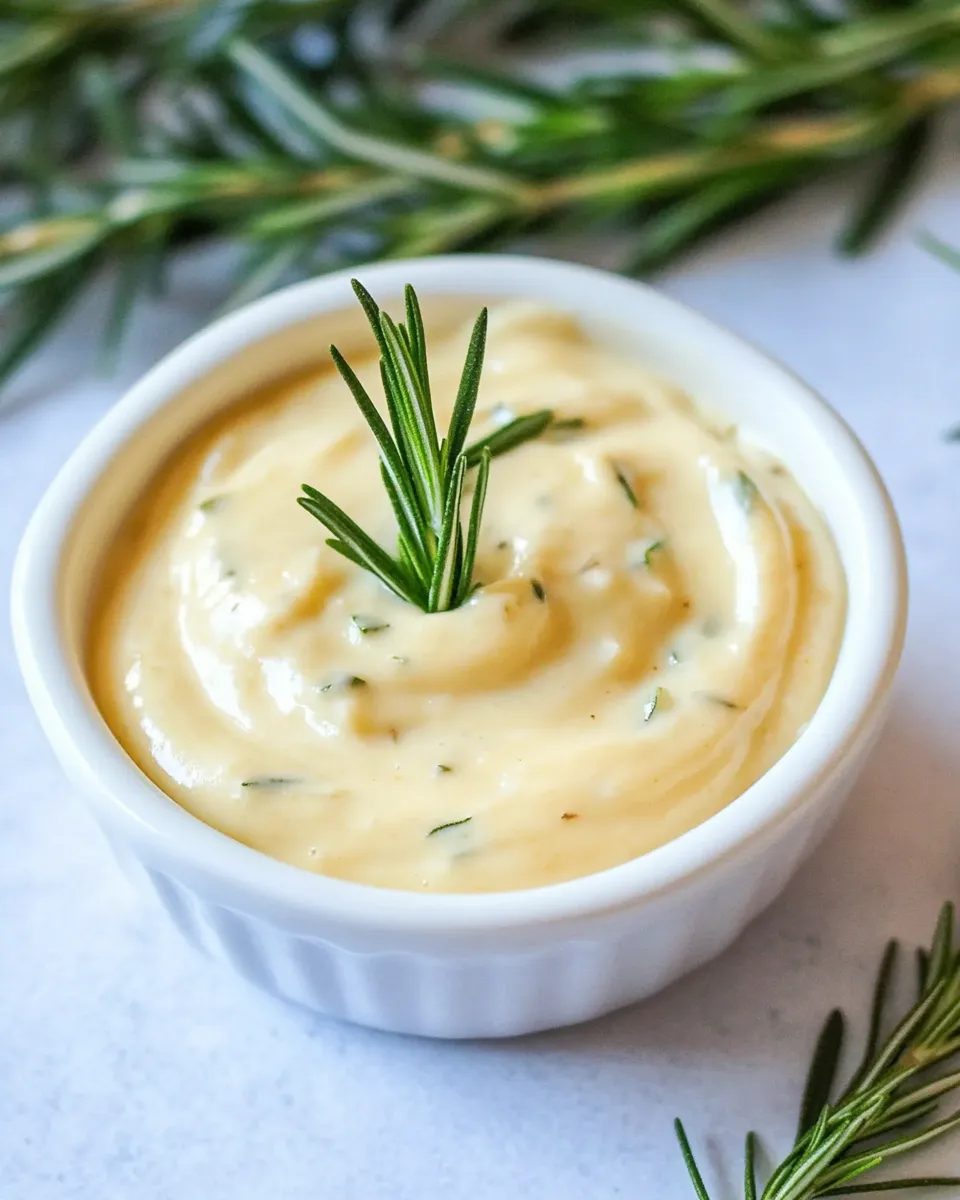
This aioli is one of those small, reliable sauces that lifts an everyday meal into something worth repeating. It’s bright, garlicky and anchored by the piney note of fresh rosemary. I reach for it when fries need a partner, when roasted vegetables look a little thirsty, or when a sandwich needs a fine, flavorful smear.
There’s nothing fancy in the technique — just sharp garlic, fresh herbs, a little acid and a smooth mayonnaise base. The recipe is forgiving, which is why I keep the ingredients short and the steps straightforward. It’s easy to tweak if you want softer garlic, more lemon brightness, or a balsamic edge.
Read through the steps, gather the few pantry items you need, and give it a quick whisk. The reward is immediate: a versatile, creamy condiment that keeps for a short while in the fridge and makes simple food taste intentional.
Shopping List
- Mayonnaise — plain, full-flavor store-bought mayo works fine.
- Garlic cloves — fresh, firm bulbs for the best raw garlic bite.
- Fresh lemon — for 1 tablespoon fresh lemon juice.
- Balsamic vinegar — a tablespoon for depth and balance.
- Fresh rosemary — a couple teaspoons, aromatic and bright.
- Dijon mustard — a small amount to help emulsify and add tang.
- Salt and pepper — to taste, simple seasoning essentials.
Rosemary and Garlic Aioli Made Stepwise
- Finely mince 3 garlic cloves (or push them through a garlic press) and finely chop 2 teaspoons fresh rosemary.
- In a medium-sized bowl, combine 3/4 cup mayonnaise, the minced garlic, 1 tablespoon fresh lemon juice, 1 tablespoon balsamic vinegar, 2 teaspoons Dijon mustard, and the chopped rosemary.
- Whisk until the mixture is smooth and well blended.
- Season with salt and pepper to taste; whisk again and adjust seasoning if needed.
- Cover the bowl with plastic wrap and refrigerate. It can be made up to 1 day ahead.
- Before serving, give the aioli a final stir and re-taste, adjusting salt and pepper as desired.
Ingredients
- 3/4 cup mayonnaise — the creamy base and body of the aioli; use a good-quality mayo for best flavor.
- 3 garlic cloves — finely minced, or pushed through a garlic press; provides the sharp, savory backbone.
- 1 tablespoon fresh lemon juice — brightens and lifts the richness.
- 1 tablespoon balsamic vinegar — adds subtle sweetness and depth to balance the lemon.
- 2 teaspoon fresh rosemary — chopped; contributes aromatic, savory notes that define the aioli.
- 2 teaspoon Dijon mustard — helps emulsify and adds a gentle tang.
- Salt and pepper — to taste; essential for finishing and bringing flavors forward.
Why It Works Every Time
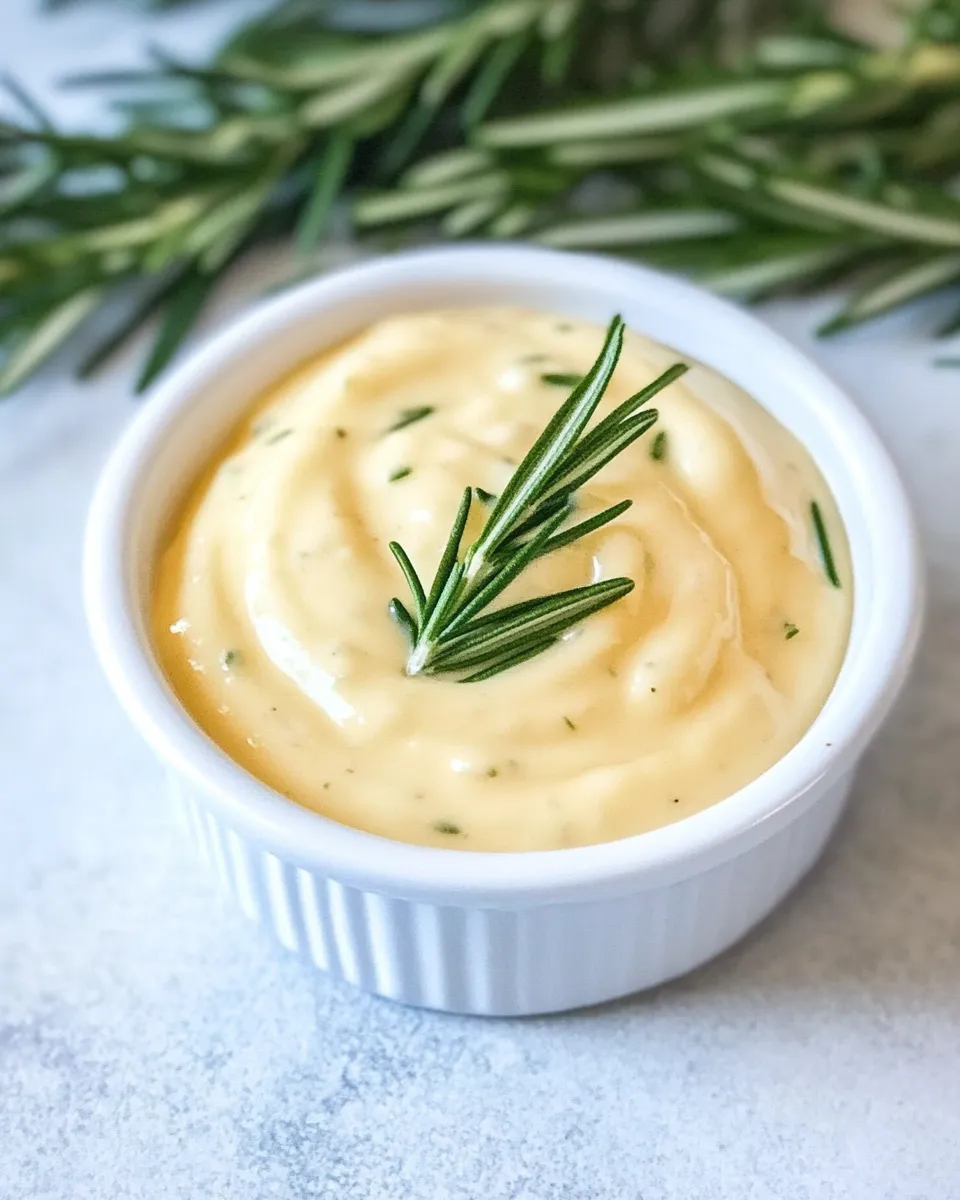
This aioli relies on three fundamentals: a stable fat base (mayonnaise), acid (lemon and balsamic), and aromatics (garlic and rosemary). Mayonnaise is already emulsified, so you avoid the common trap of trying to make mayonnaise from scratch and failing to hold an emulsion. Dijon mustard reinforces emulsification and introduces a mild piquant note that complements the garlic.
The balance of lemon and balsamic keeps the sauce from tasting one-dimensional. Lemon brings brightness; balsamic adds roundness. Fresh rosemary is strong, so the small amount registers without overpowering. Finally, seasoning at the end lets you calibrate salt and pepper to your taste and to the food you’re serving with it.
Vegan & Vegetarian Swaps
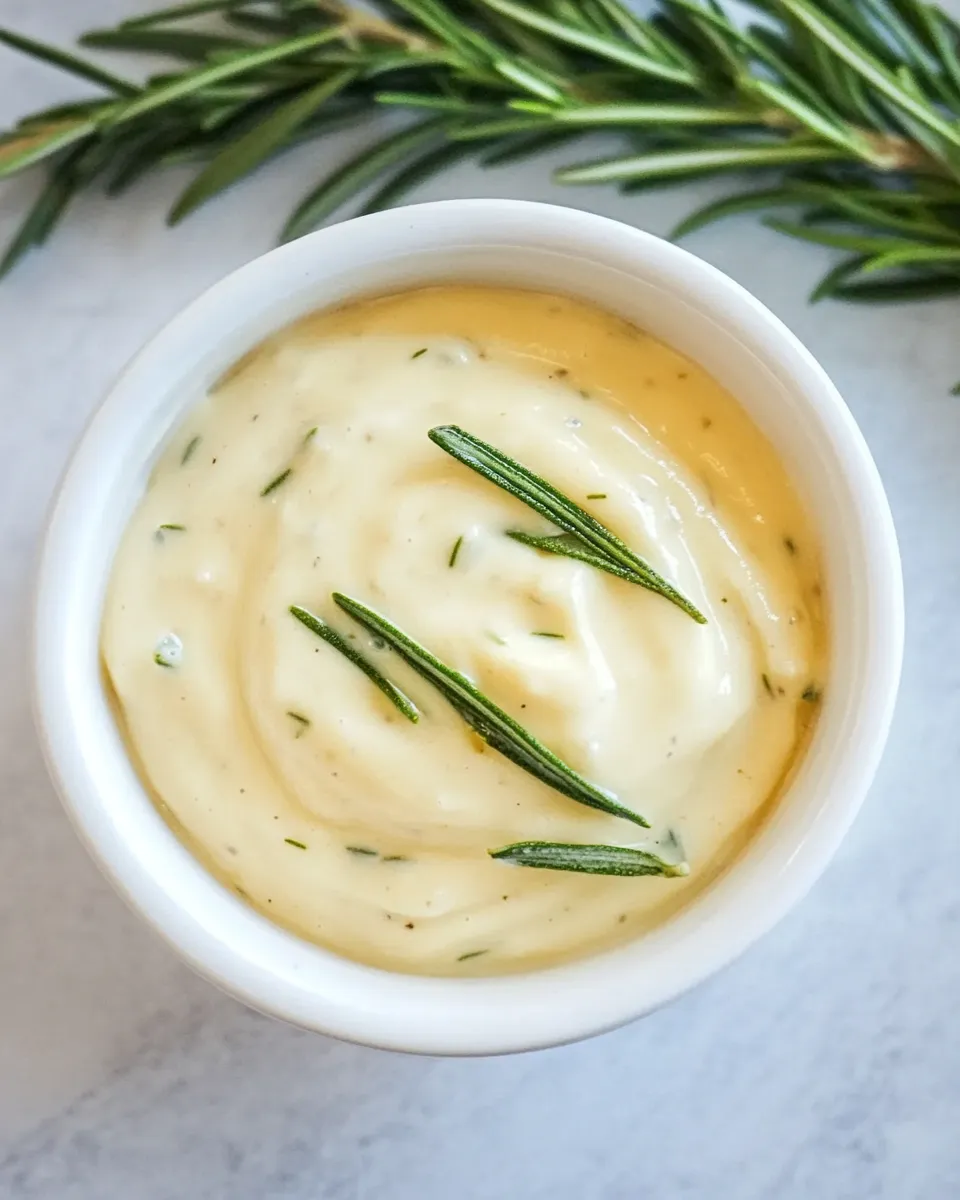
- For a vegan version, swap the mayonnaise for a plant-based mayo made from aquafaba or soy. The rest of the ingredients (garlic, lemon, balsamic, rosemary, Dijon, salt, pepper) can stay the same.
- For a lighter vegetarian option, use a light mayonnaise, but taste carefully: lighter mayos sometimes lack the richness and salt you expect, so you may need a pinch more seasoning or a touch more lemon.
Toolbox for This Recipe
- Medium-sized mixing bowl — roomy enough to whisk comfortably.
- Sharp knife and cutting board — for mincing garlic and chopping rosemary.
- Whisk — a small balloon whisk works well to get a smooth texture.
- Measuring spoons and measuring cup — to keep proportions accurate.
- Garlic press (optional) — speeds up mincing and yields a finer garlic texture.
- Plastic wrap or airtight container — for chilling and storing.
What Not to Do
- Don’t overdo the garlic if you prefer a milder aioli. Three cloves is assertive; you can halve that if you’re sensitive to raw garlic.
- Don’t skip the lemon or balsamic entirely. They play different roles; removing one will change the balance noticeably.
- Don’t add oil to try to thin the aioli. If it’s too thick, a teaspoon of water or extra lemon juice will loosen it without risking separation.
- Don’t serve immediately without tasting. Salt and pepper at the end make a real difference; adjust before serving.
Tailor It to Your Diet
- Low-salt: Reduce added salt and rely on bright lemon to lift flavors. Taste twice before adding any more salt.
- Lower-fat: Use a light mayonnaise, but increase herb and acid slightly to compensate for the reduced richness.
- Herb-forward: If you want a fresher, greener sauce, increase the rosemary in small increments or add a tiny pinch of finely chopped parsley for contrast.
- Spicy: Stir in a small pinch of cayenne or a few drops of hot sauce to introduce heat without changing texture.
Notes from the Test Kitchen
Texture and Flavor Adjustments
When I tested this aioli several times, the most common tweaks centered on garlic intensity and rosemary size. Mincing garlic very finely (or pressing it) disperses the garlic evenly so no one bite is too sharp. If your rosemary leaves are large or tough, strip and chop them finely; big pieces can feel gritty against a creamy base.
Temperature
Chilling softens the flavors and lets them meld. I prefer to make it at least 30 minutes ahead when possible; this calms the raw garlic a touch and allows the balsamic and lemon to knit with the mayo. The recipe explicitly notes you can make it up to one day ahead — that timing ensures freshness while letting flavors harmonize.
Shelf Life & Storage
Store the aioli covered in the refrigerator. As the recipe states, it can be made up to 1 day ahead, so plan to use it within that window. If you make a larger batch or keep it longer, follow standard guidelines for store-bought mayonnaise-based condiments and use good judgment: keep it cold, in an airtight container, and discard if it develops an off smell, separation, or discoloration.
Common Questions
- Can I use dried rosemary? — Yes, but dried rosemary is more concentrated and lacks the brightness of fresh. If you substitute, use a fraction of the amount and chop or crush it finely; flavor will differ.
- Can I use roasted garlic instead of raw? — Roasted garlic will give a sweeter, milder profile. Use a few cloves roasted until soft, then mash and fold in; it changes the final flavor but still makes a pleasant aioli.
- Can I make this without mustard? — You can omit the Dijon, but it helps with texture and tang. If you leave it out, consider a tiny extra splash of lemon to replace the acidity.
- Is this safe to leave at room temperature during service? — Keep the aioli refrigerated until just before serving. If it sits out for more than a couple of hours (hot weather less), discard it for safety.
- Can I double the recipe? — Yes. Maintain the same ratios and taste as you go, especially when scaling garlic and rosemary.
Wrap-Up
This Rosemary and Garlic Aioli is a compact, reliable sauce: few ingredients, fast prep, and high impact. It’s useful as a dip, a spread, or a finishing spoonful for vegetables and proteins. The method is intentionally simple so you can adjust it freely — milder garlic, a touch less balsamic, more rosemary — until it fits your palate.
Whisk it up, let it rest briefly, and use it to quietly upgrade weeknight plates. Keep the core ratios in mind and taste at the end; that small act of seasoning is what moves the aioli from good to exactly right.
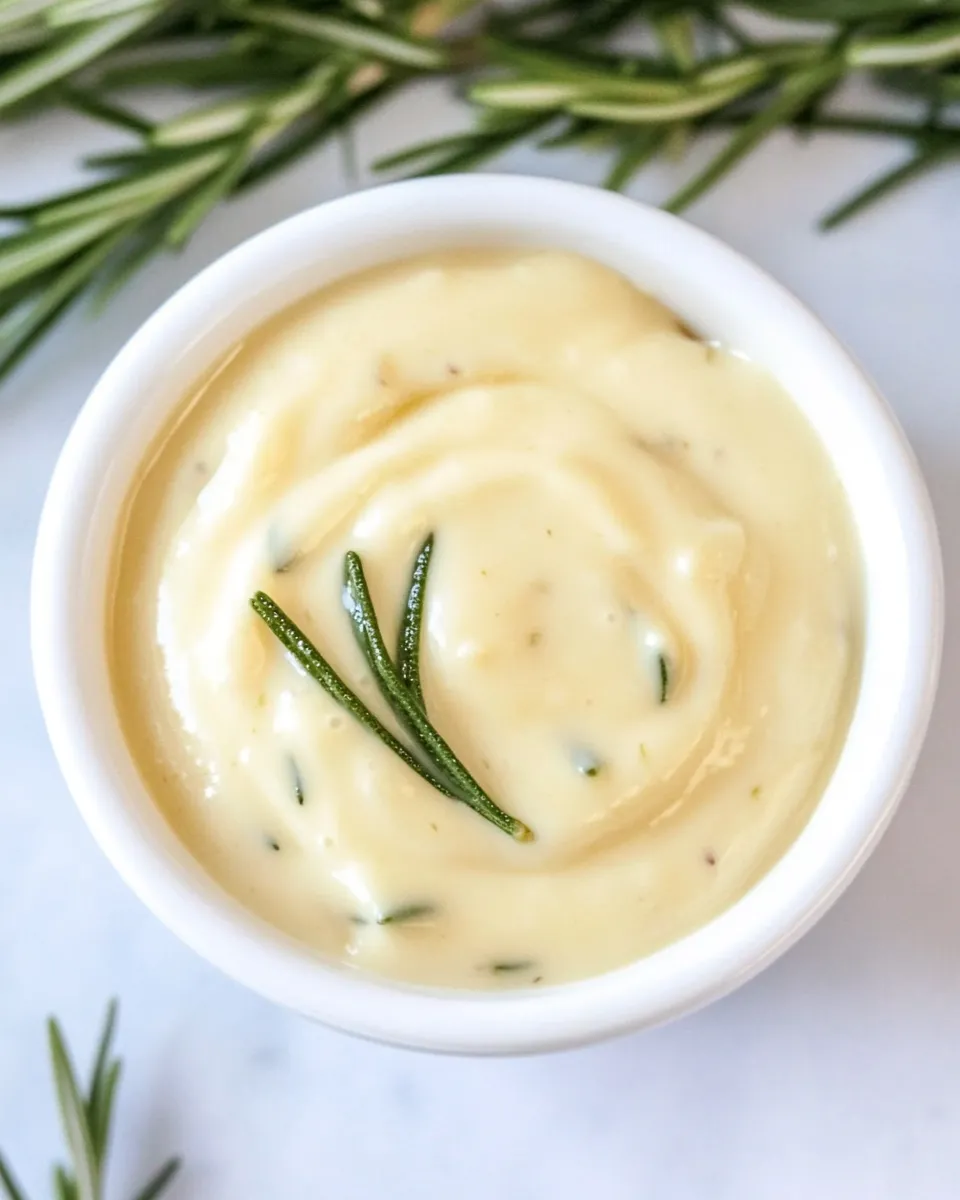
Rosemary and Garlic Aioli
Equipment
- Medium Bowl
- Whisk
- Plastic Wrap
- Refrigerator
Ingredients
Ingredients
- 3/4 cupmayonnaise
- 3 garlic clovesfinely minced or pushed through a garlic press
- 1 tablespoonfresh lemon juice
- 1 tablespoonbalsamic vinegar
- 2 teaspoonfresh rosemarychopped
- 2 teaspoonDijon mustard
- Salt and pepperto taste
Instructions
Instructions
- Finely mince 3 garlic cloves (or push them through a garlic press) and finely chop 2 teaspoons fresh rosemary.
- In a medium-sized bowl, combine 3/4 cup mayonnaise, the minced garlic, 1 tablespoon fresh lemon juice, 1 tablespoon balsamic vinegar, 2 teaspoons Dijon mustard, and the chopped rosemary.
- Whisk until the mixture is smooth and well blended.
- Season with salt and pepper to taste; whisk again and adjust seasoning if needed.
- Cover the bowl with plastic wrap and refrigerate. It can be made up to 1 day ahead.
- Before serving, give the aioli a final stir and re-taste, adjusting salt and pepper as desired.
Notes
See the video near the top of the blog post for visual guidance. If you liked the video, please
subscribe to our YouTube channel.
The aioli will keep covered in the fridge for up to 10 days. We don't recommend freezing it.