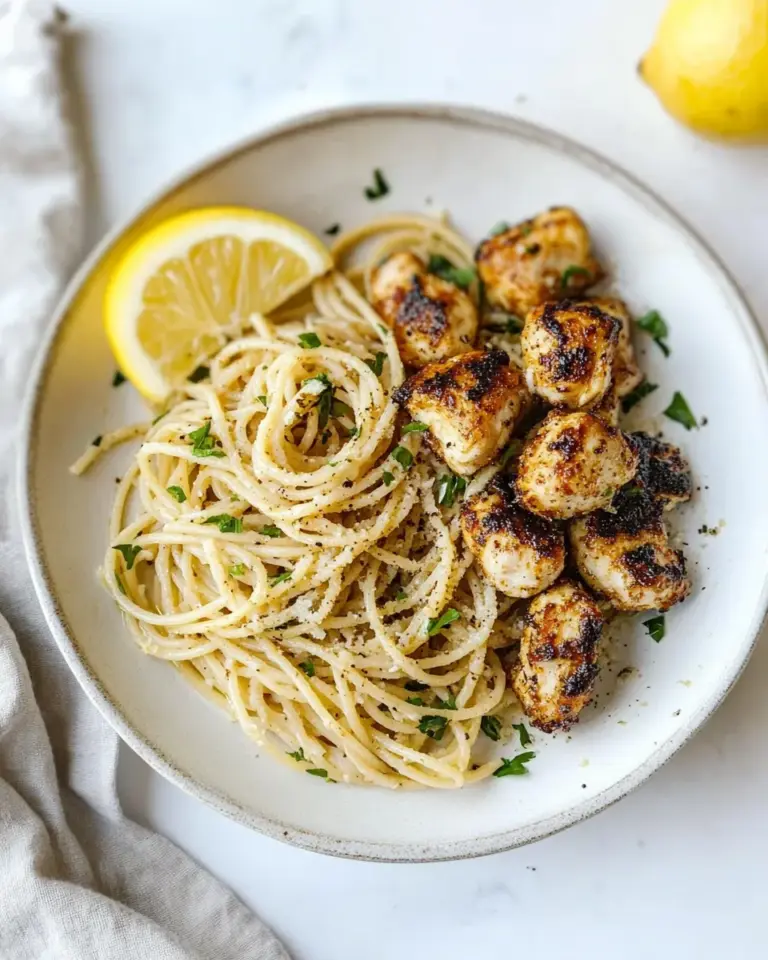
This is a simple, stunning pasta that proves a handful of pantry staples can become something unforgettable. Spaghetti Aglio e Olio is the kind of dinner I reach for when I want comfort that’s fast, bright, and deeply satisfying. With just pasta, garlic, olive oil, red pepper flakes, and a sprinkle of parsley and cheese if you like, it comes together in roughly the time it takes to boil water. The result is silky spaghetti perfumed with golden garlic and kissed by heat — deceptively simple, endlessly comforting.
Why this version works
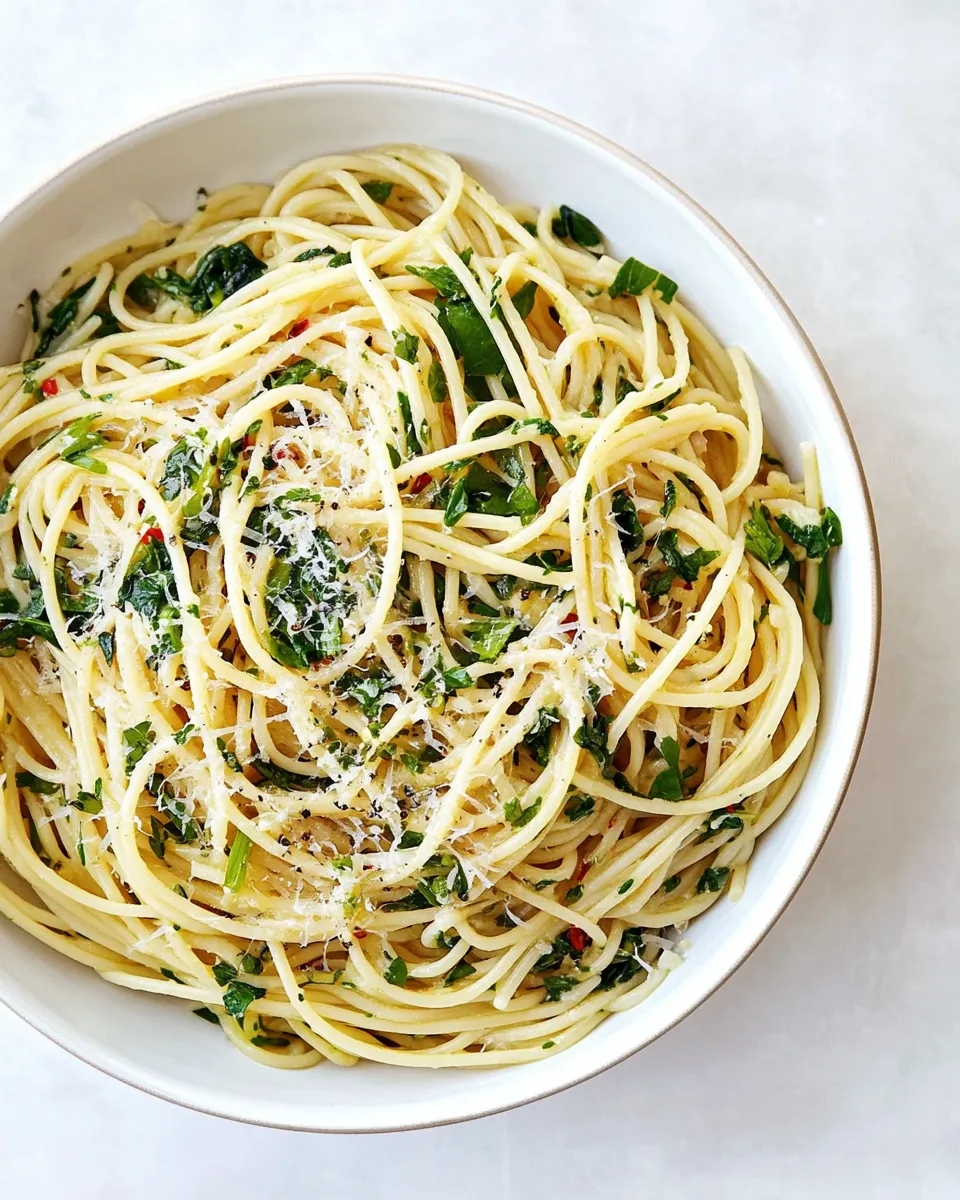
I love this recipe because it respects the original spirit of Spaghetti Aglio e Olio while keeping the technique approachable for cooks of any level. The long strands of spaghetti soak up fragrant oil, while thinly sliced garlic crisps up around the edges to add toasty, nutty flavor. A pinch of red pepper flakes gives it a subtle lift without overpowering the dish. Finish with chopped parsley for freshness and grated cheese for a savory touch if you prefer.
Ingredients
- ▢1poundspaghetti, uncooked
- ▢6cloves garlic, thinly sliced
- ▢⅓cupextra virgin olive oil
- ▢¼teaspoonred pepper flakes
- ▢¼cupchopped parsley, optional
- ▢1cupgrated Parmesan, optional
Equipment you’ll need
Nothing fussy here: a large pot for boiling pasta, a wide skillet for infusing the oil and cooking the garlic, a slotted spoon or tongs to transfer pasta, and a bowl or serving plate. A cheese grater and a sharp knife for slicing garlic will make the process tidy and fast.
Make it your own
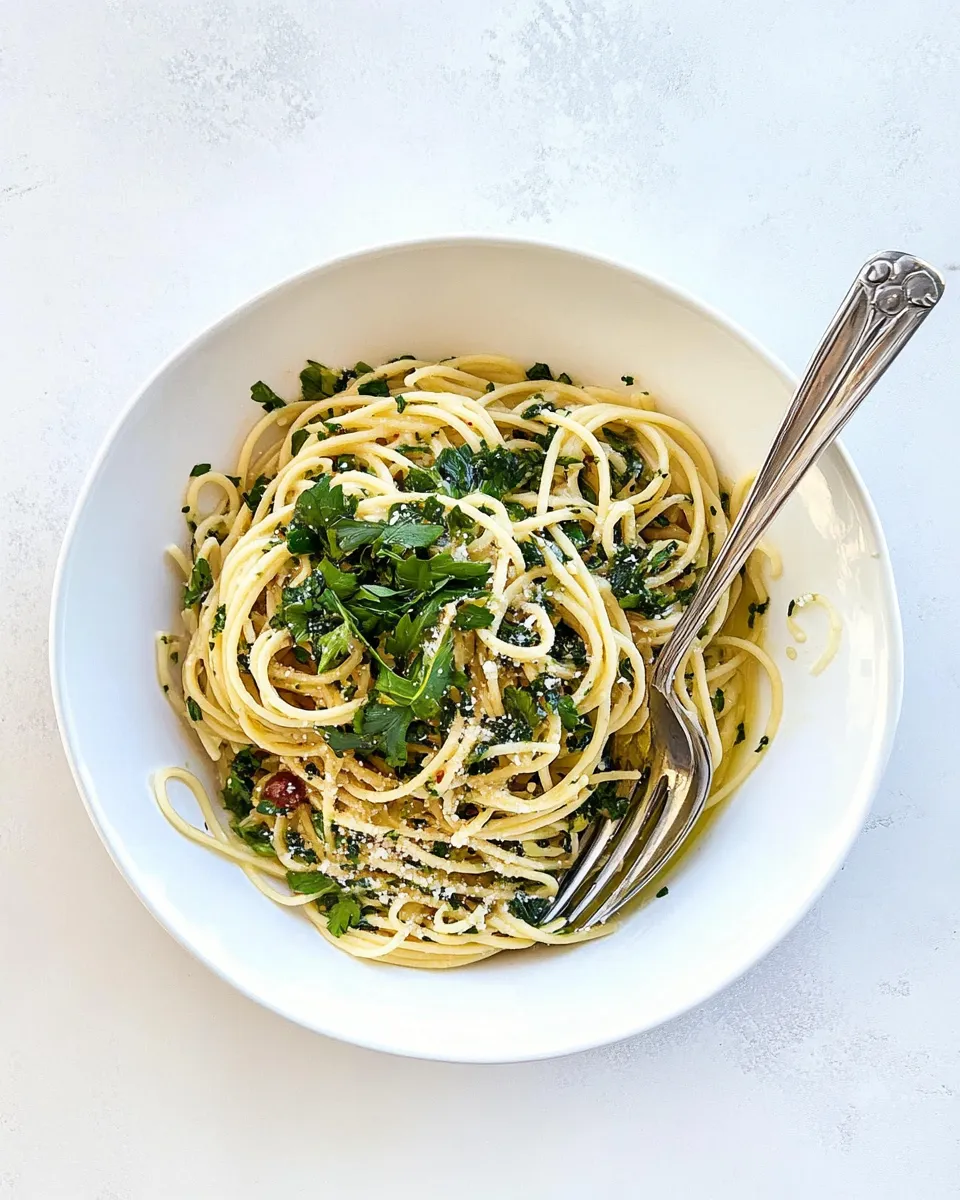
Keep the core recipe intact — the proportions are balanced so the oil sufficiently coats a pound of spaghetti — but there’s room for small personal touches. Swap parsley for basil for a slightly sweeter lift, or stir in a spoonful of lemon zest for brightness. Add a handful of toasted breadcrumbs on top for crunch, or fold in cooked vegetables or legumes if you want more substance. If you include the grated cheese, sprinkle it just before serving so the heat of the pasta melts it into silky ribbons.
Step-by-step instructions
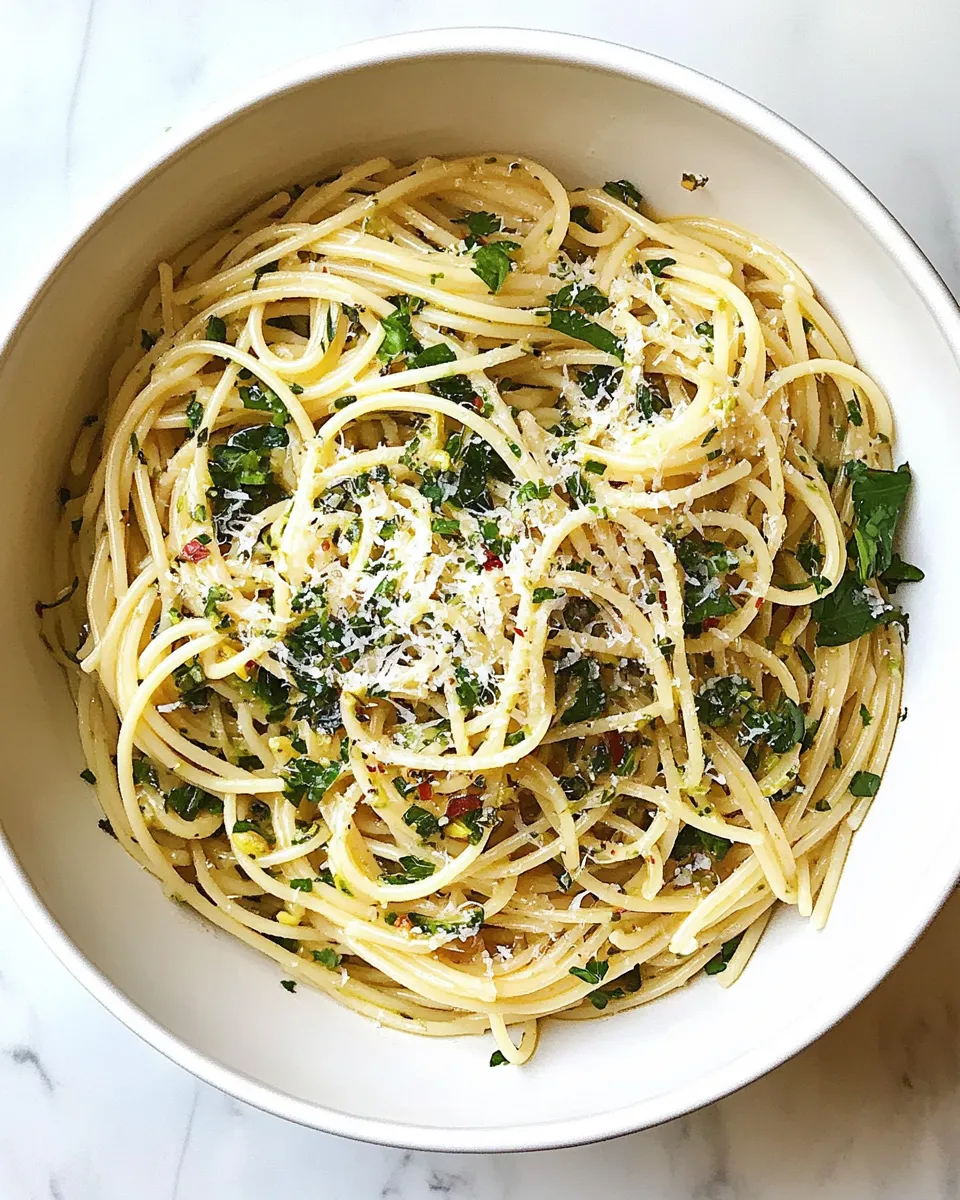
Below are clear, chronological steps that honor the original method but are written to be easy to follow while you cook. I’ve kept the ingredient amounts exactly as listed above.
- Bring the pasta water to a boil. Fill a large pot with water and bring it to a rolling boil over high heat. Salt the water generously; it should taste like the sea. Add ▢1poundspaghetti, uncooked and stir occasionally to prevent sticking. Cook according to the package for al dente, usually about 8–10 minutes, testing a strand a minute or two before the lower end of the range.
- Reserve pasta water. Before you drain the spaghetti, scoop out at least 1 cup of the starchy cooking water and set it aside. This liquid will help the sauce cling to the pasta and create a silky texture.
- Slice the garlic and heat the oil. While the pasta cooks, thinly slice ▢6cloves garlic and measure ▢⅓cupextra virgin olive oil. In a wide skillet over medium-low heat, pour in the olive oil and let it warm gently. Add the sliced garlic in a single layer so each piece has contact with the skillet.
- Infuse the oil and crisp the garlic. Keep the heat at medium-low so the garlic softens and slowly turns golden. Stir occasionally to promote even browning. Watch carefully — garlic can go from golden to bitter very quickly. Once the slices are a warm golden color, remove the skillet from the heat to stop the cooking.
- Add the red pepper flakes. Sprinkle ▢¼teaspoonred pepper flakes into the warm oil and gently stir to release their flavor. If you prefer more heat, add a pinch more; if you like it milder, use less. Let the flakes bloom in the warm oil for a few seconds.
- Combine pasta and oil. Drain the pasta once it reaches al dente, then immediately add the hot spaghetti to the skillet with the garlic and oil. If your skillet is small, transfer everything to a large bowl. Toss the pasta so each strand is coated in the infused oil and studded with golden garlic slices.
- Create a silky sauce with reserved water. Add a few tablespoons of the reserved pasta water to the skillet and toss. Continue adding small amounts of the starchy water until the sauce becomes glossy and clings to the noodles. You may not need the entire cup; use just enough to reach a silky consistency.
- Finish with parsley and cheese (optional). Toss in ▢¼cupchopped parsley if using, which brightens the dish and provides contrast to the oil. If you want a richer, savory finish, add ▢1cupgrated Parmesan and toss again so it melts into the sauce. Taste and add a little more pasta water if the mixture seems dry.
- Season and serve immediately. Give the pasta a final taste and adjust seasoning with salt and a crack of black pepper if needed. Serve right away while it’s warm and the sauce is glossy. Offer extra Parmesan at the table for sprinkling.
Timing and tips for success
- Start heating the oil and slicing the garlic when the pasta water is approaching a boil. The oil and garlic should be ready as the pasta finishes so everything comes together quickly.
- Keep the garlic slices thin and even so they cook uniformly. Thick slices take longer and won’t crisp properly; too-thin slices risk burning.
- Use medium-low heat when cooking the garlic. Patience here yields sweet, nutty garlic rather than a bitter bite.
- Don’t forget to reserve pasta water. That starchy liquid is the magic that turns oil into a sauce that clings to each strand.
- If you want even more texture, reserve a few of the crispiest garlic slices and set them aside to sprinkle on top at the end.
Serving suggestions
Spaghetti Aglio e Olio shines when served simply. A crisp green salad and a loaf of crusty bread make for a balanced meal. For a heartier plate, add roasted vegetables, a handful of sautéed shrimp, or a spoonful of cooked chickpeas. Leftovers reheat well in a skillet with a splash of water or oil to bring the sauce back to life.
Make-ahead and storage
This pasta is best the day you make it, while the oil is vivid and the garlic is crisp-tender. If you must store leftovers, cool the pasta to room temperature, transfer to an airtight container, and refrigerate for up to 2 days. Reheat gently in a skillet over low heat with a splash of water or olive oil to refresh the sauce.
Nutritional notes
With olive oil as the primary fat and garlic as a standout flavor, this recipe is a relatively simple plate that relies on quality ingredients for depth. Olive oil provides heart-healthy monounsaturated fats, while garlic contributes aromatic compounds and a punch of savory flavor. Adding Parmesan brings protein and calcium; parsley adds a dose of vitamin C and freshness.
Troubleshooting
- If the pasta seems dry after tossing, stir in more reserved pasta water a tablespoon at a time until you reach the desired silkiness.
- If garlic burns, discard it and start the oil again with fresh slices. Burnt garlic tastes bitter and will carry that flavor through the whole dish.
- If the oil tastes flat, a squeeze of lemon or a pinch more red pepper flakes can wake up the flavors without changing the character of the dish.
Why I keep this recipe in heavy rotation
There are nights when time is short and fuss is unwelcome. Spaghetti Aglio e Olio is that reassuring friend who shows up with just enough personality to make a meal feel like an occasion. It’s deceptively quick, endlessly adaptable, and a beautiful reminder that great food doesn’t always need a long list of ingredients. With the step-by-step approach above, you’ll get consistently delicious results every time.
Final thoughts
This version of Spaghetti Aglio e Olio uses pantry-friendly ingredients and straightforward technique to produce a plate of pasta that tastes like effort, even when it’s fast. Follow the steps in order, mind the heat when cooking garlic, and use the reserved pasta water to pull the sauce together. Whether you serve it as a weeknight main or a simple dinner for guests, it sings with clean, honest flavors.
Now tie an apron on, put a pot of water on the stove, and enjoy a classic that’s as comforting as it is elegant.
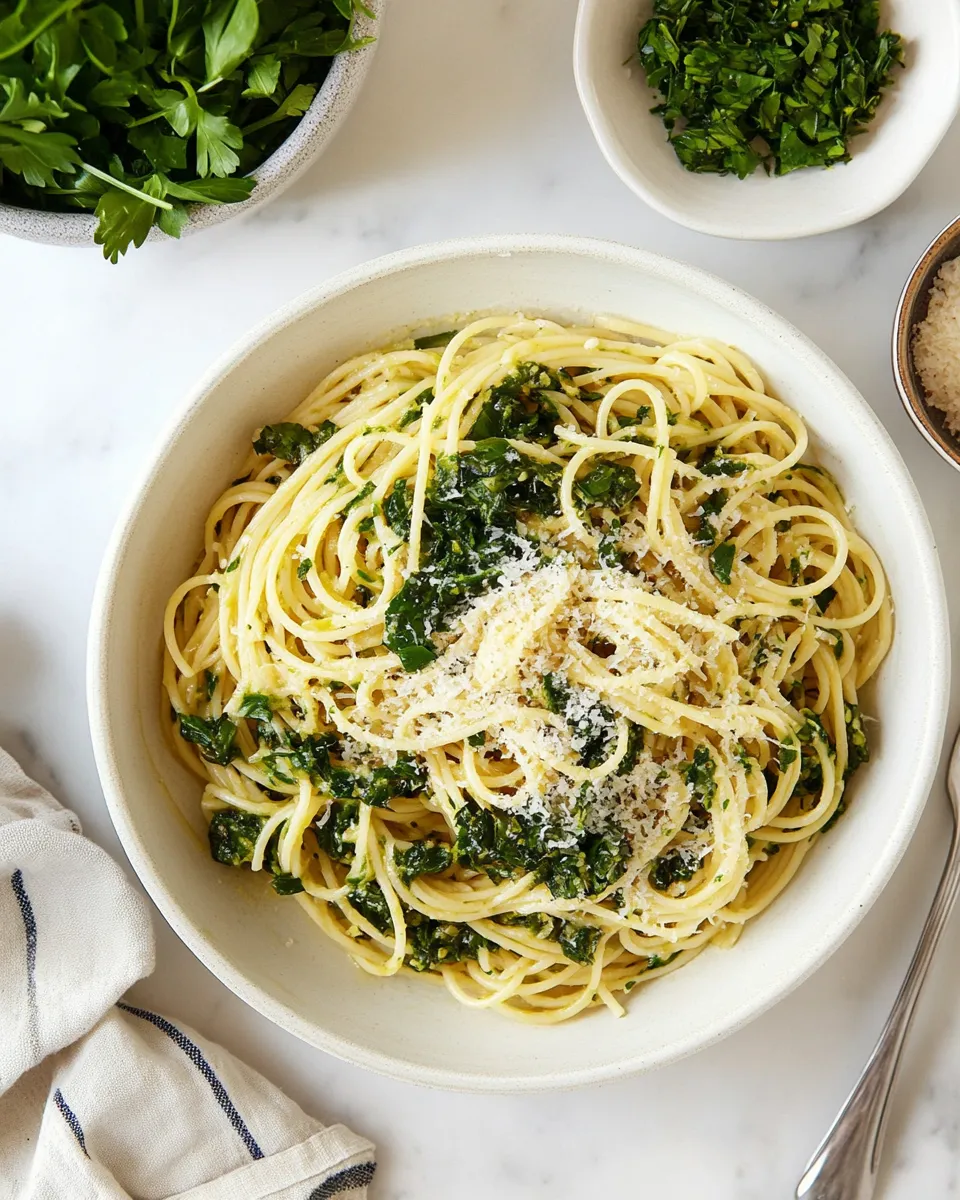
Spaghetti Aglio e Olio
Equipment
- Large Pot
- Large Skillet
- Colander
- Knife
- Cutting Board
- Tongs or pasta fork
Ingredients
- 1 pound spaghetti uncooked
- 6 cloves garlic thinly sliced
- 1/3 cup extra virgin olive oil
- 1/4 teaspoon red pepper flakes
- 1/4 cup parsley chopped, optional
- 1 cup Parmesan grated, optional
Instructions
- Bring a large pot of water to a rolling boil and season generously with salt, then add the spaghetti and cook until al dente according to package directions.
- While the pasta cooks, heat the olive oil in a large skillet over medium to medium-low heat.
- Add the thinly sliced garlic to the oil and stir frequently to prevent burning; cook just until the garlic turns golden.
- Stir in the red pepper flakes, then remove the skillet from the heat to prevent the garlic from overcooking.
- When the pasta is done, reserve at least 1/2 cup of the pasta cooking water, then drain the pasta in a colander.
- Transfer the drained pasta to the skillet with the garlic and oil, add about 1/2 cup of the reserved pasta water, and toss with tongs until the pasta is evenly coated; add more pasta water as needed to loosen the sauce.
- If using, add the chopped parsley and grated Parmesan and toss lightly to combine.
- Serve immediately.
Notes
- Nutrition is calculated using the parsley and Parmesan cheese.