This cake is one of those recipes I turn to when I want something unfussy but unmistakably homey. It bakes into a tender, fine-crumbed Bundt with a clean vanilla flavor and a glossy buttermilk glaze. No complicated techniques. No fussy decorations unless you want them.
I like it warm from the oven with a cup of strong coffee, or served cool for a simple dessert. The buttermilk keeps the crumb soft and the vanilla—whether from a bean or extract—keeps things bright. It’s forgiving, which makes it excellent for a first Bundt or for a last-minute afternoon treat.
Below you’ll find a straightforward shopping list, the exact ingredient notes, step-by-step instructions, and practical tips so you get the texture and flavor right every time. Read the method through once, then follow the steps in order. Let’s bake.
What to Buy
Buy the freshest vanilla you can find—a real vanilla bean or a good-quality extract. For the best crumb, choose cake flour rather than all-purpose flour. Pick up unsalted butter so you can control the salt level, and get buttermilk (or make a quick substitute if needed) for that tender, slightly tangy finish. If you plan to glaze and decorate, have confectioners’ sugar and sprinkles on hand.
Ingredients
- 1 cup granulated sugar — sweetens and helps tenderize the crumb.
- 1/2 cup unsalted butter, melted — fat for flavor and moistness; melted for easy incorporation.
- 2 large eggs, at room temperature — structure and lift; room temperature eggs emulsify better.
- 3/4 cup buttermilk — adds tang and keeps the cake tender.
- 1 vanilla bean or 2 teaspoons vanilla extract — primary flavor; bean gives flecks and aromatic depth.
- 2 cups cake flour — finer protein for a soft, tender crumb.
- 2 teaspoons baking powder — the leavening agent; fresh is important for rise.
- 1/2 teaspoon salt — balances sweetness and enhances flavor.
- 2 cups confectioners’ sugar; sifted — base for the glaze; sifted to avoid lumps.
- 3-4 tablespoons buttermilk — for thinning the glaze to the right consistency.
- 1 1/2 teaspoons vanilla extract — flavoring for the glaze.
- 1/2 cup rainbow sprinkles, optional — for a festive finish; purely decorative.
How to Prepare Vanilla Buttermilk Bundt Cake
- Preheat oven to 350°F. Generously grease a Bundt pan and set it aside.
- In the bowl of a stand mixer fitted with the paddle attachment, combine 1 cup granulated sugar and 1/2 cup unsalted butter (melted). Beat on medium speed until combined and creamy, about 2 minutes.
- Add 2 large eggs, one at a time, beating well after each addition.
- Reduce mixer speed to medium-low. Add 3/4 cup buttermilk and either the seeds from 1 vanilla bean or 2 teaspoons vanilla extract; mix until evenly combined. (If using a vanilla bean: split it lengthwise and scrape the seeds with the back of a knife; discard the pod.)
- With the mixer on low, add 2 cups cake flour, 2 teaspoons baking powder, and 1/2 teaspoon salt. Beat just until the batter is smooth and no large streaks of flour remain—do not overmix.
- Pour the batter into the prepared Bundt pan and smooth the top. Bake for 35–45 minutes, until a toothpick inserted into the center comes out clean or with just a few crumbs attached.
- Remove the cake from the oven and let it cool in the pan on a wire rack for about 10–15 minutes. Run a butter knife around the edges to loosen the cake, then invert the pan onto the wire rack and allow the cake to cool completely.
- While the cake cools, make the glaze: sift 2 cups confectioners’ sugar into a medium bowl. Add 3–4 tablespoons buttermilk and 1 1/2 teaspoons vanilla extract. Whisk until smooth. If the glaze is too thick, add more buttermilk 1 tablespoon at a time; if it is too thin, add more confectioners’ sugar 2 tablespoons at a time. The glaze should be pourable but thick enough to hold some shape.
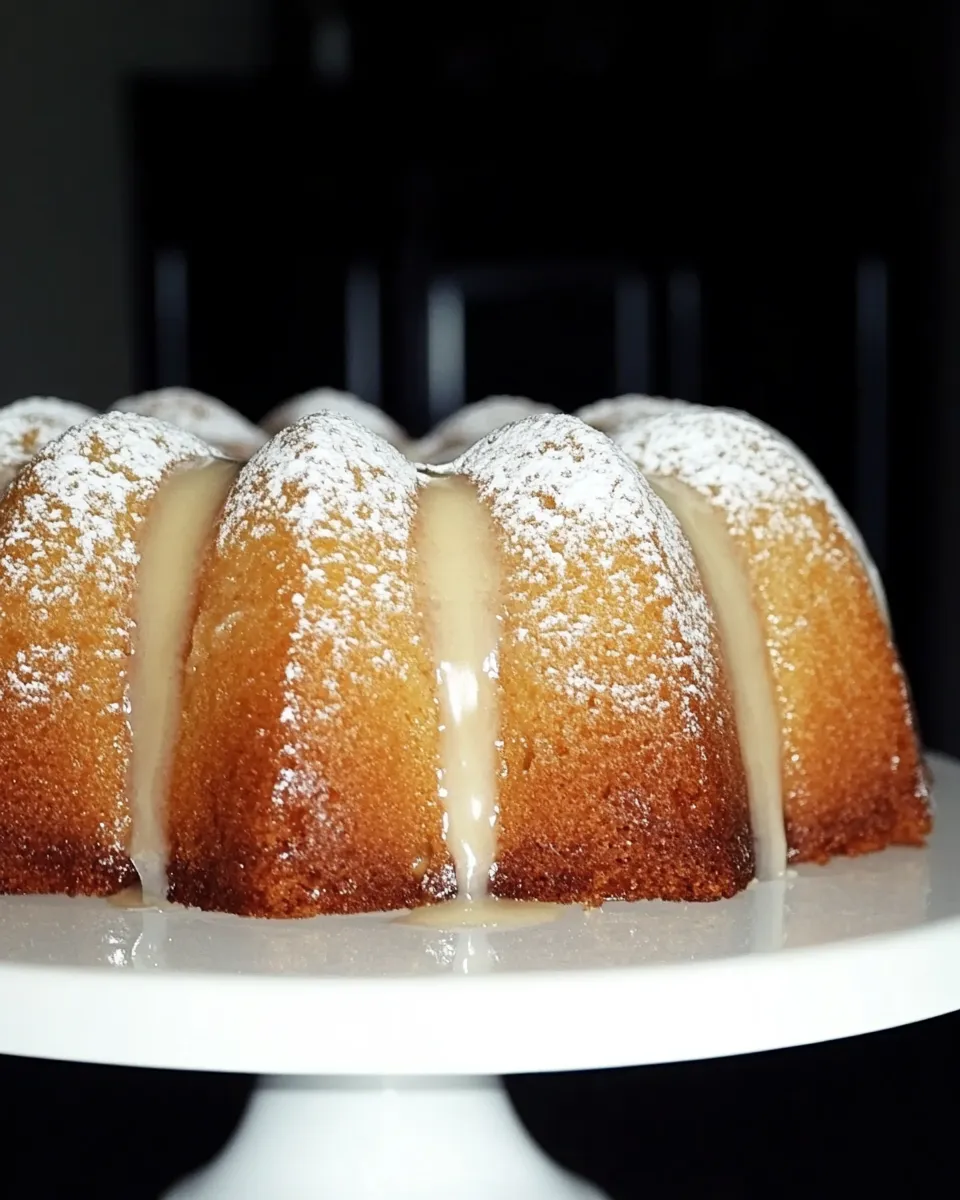
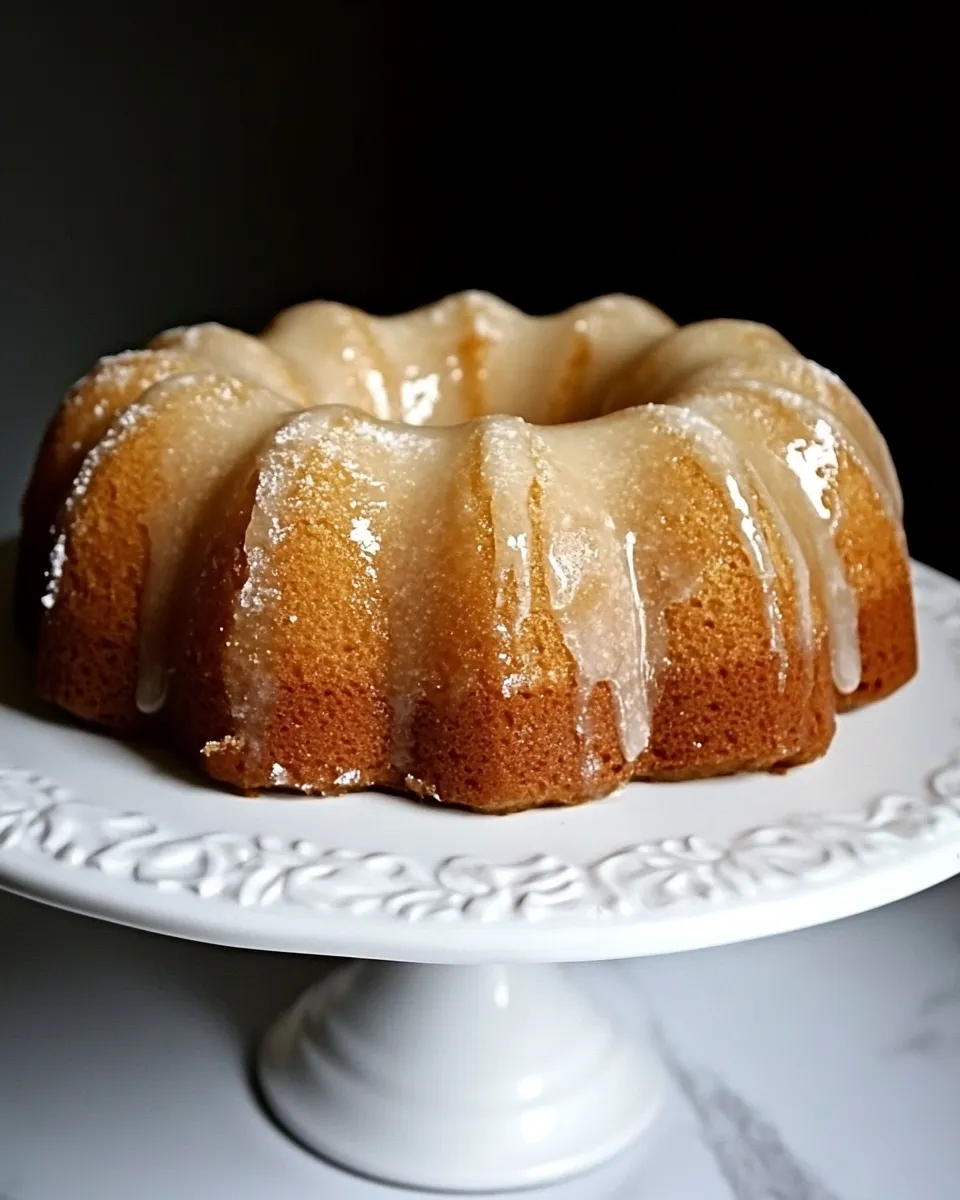
- When the cake is completely cool, place it on a serving plate or keep it on the wire rack with a tray underneath. Pour the glaze over the top of the cake, letting it drip down the sides. If desired, sprinkle 1/2 cup rainbow sprinkles on top.
Top Reasons to Make Vanilla Buttermilk Bundt Cake
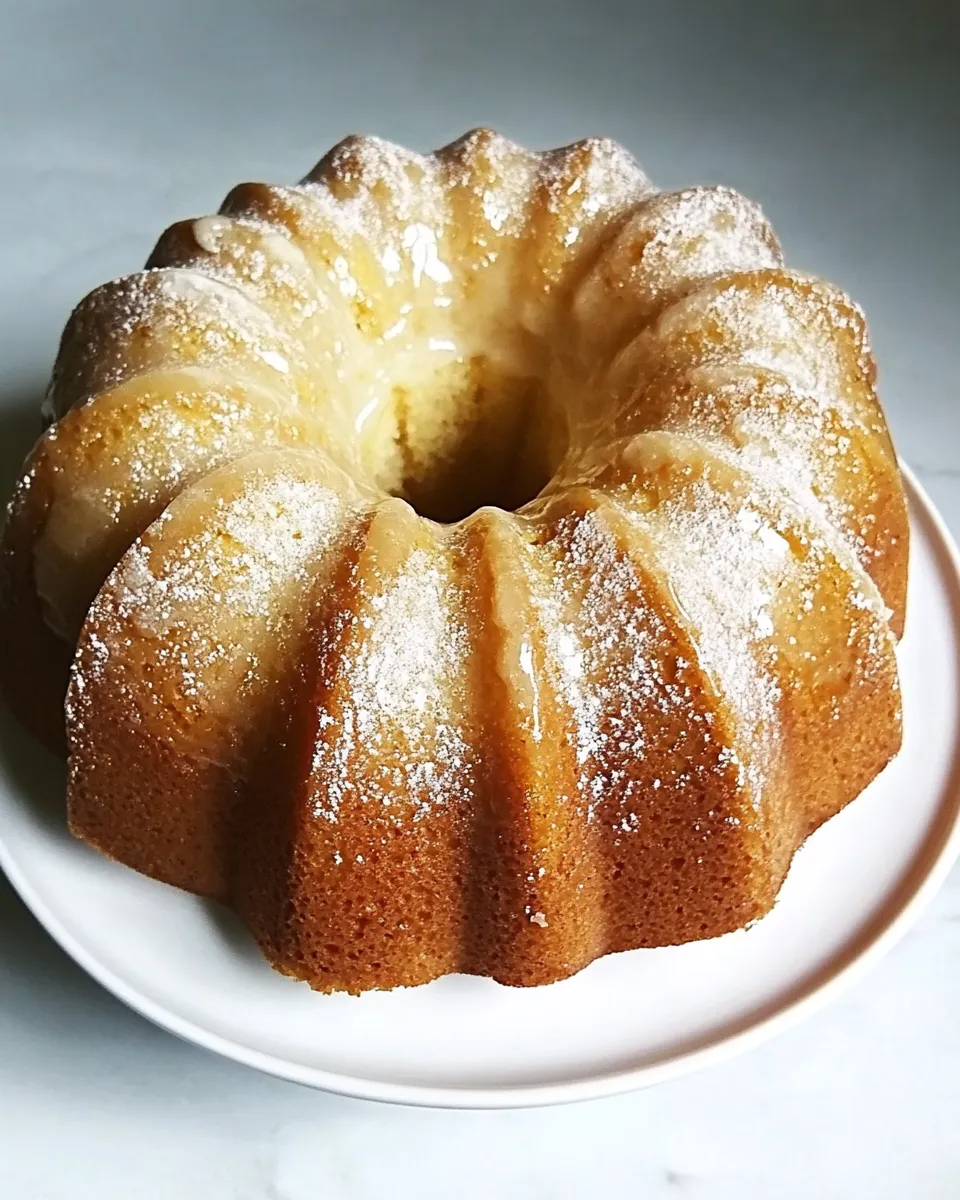
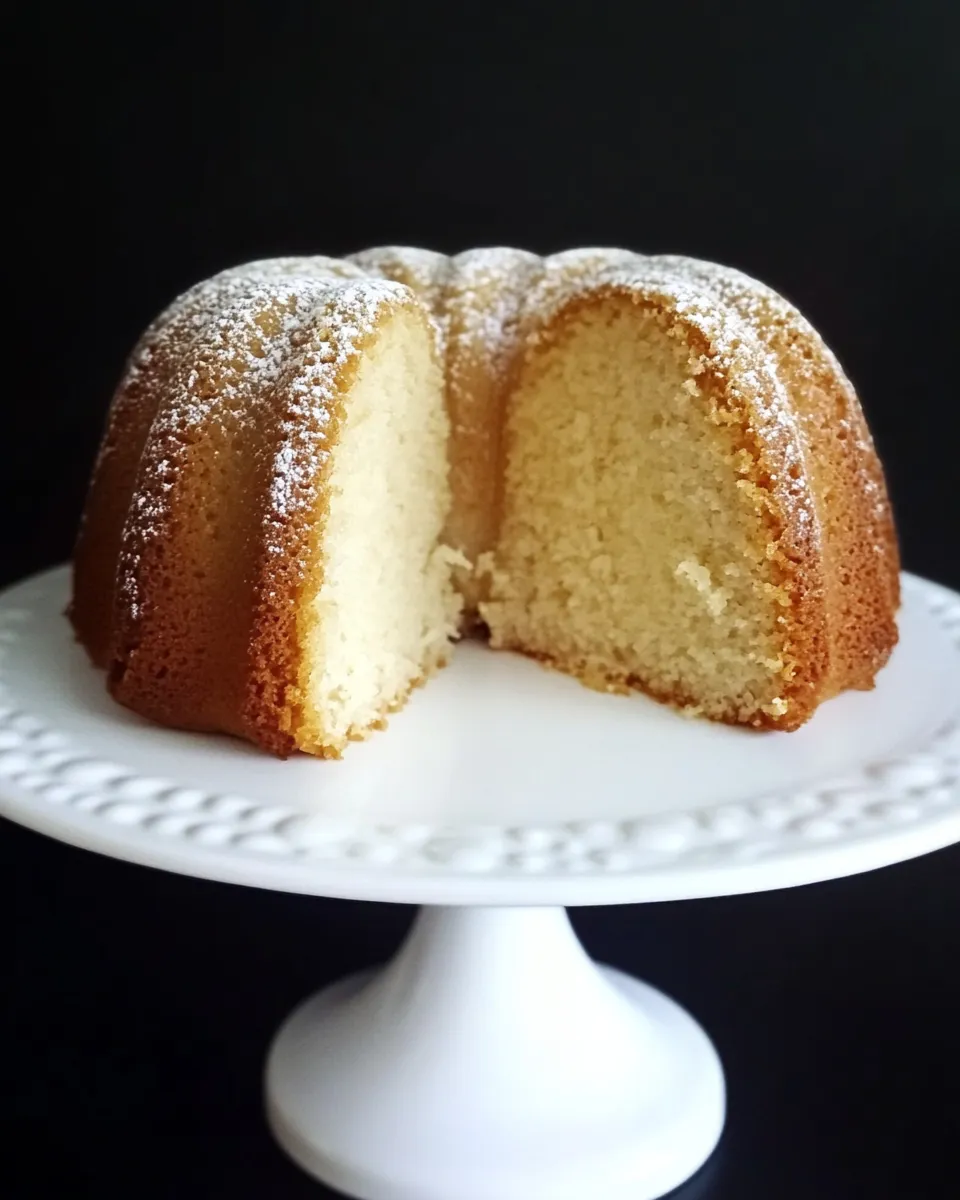
It’s simple and impressive. A Bundt cake presents beautifully with almost no effort—no need to level layers or crumb-coat. The recipe balances classic flavors: butter, vanilla, and tangy buttermilk. That results in a cake that feels both homey and slightly elevated.
This recipe is forgiving. The batter is straightforward, and the bake time range covers most ovens. The glaze hides minor imperfections and adds a glossy finish that’s crowd-pleasing. It’s also versatile: serve it for breakfast with coffee, as a casual dessert, or as a centerpiece for small gatherings.
Flavor-Forward Alternatives
If you want to change direction without rewriting the recipe, here are a few easy swaps and additions that keep the method intact:
- Add zest: Fold in the finely grated zest of 1 lemon or orange for a citrus lift. Zest pairs beautifully with vanilla and brightens the batter.
- Spice it: Beat 1/2 to 1 teaspoon ground cinnamon or a pinch of nutmeg into the batter for warm spice notes.
- Nutty twist: Fold 1/2 cup finely chopped toasted almonds or pecans into the batter after mixing to keep the crumb tender but add crunch.
- Extract play: Swap the vanilla extract in the glaze for almond extract (use sparingly) for a different aroma profile.
Cook’s Kit
Essentials to have ready for success:
- Bundt pan (10–12 cup capacity recommended); grease it well so the cake releases cleanly.
- Stand mixer with a paddle attachment, or a large bowl and a sturdy hand mixer.
- Wire rack for cooling—crucial for the cake to cool without trapping steam.
- Sifter or fine mesh sieve for the confectioners’ sugar to prevent lumpy glaze.
- Small offset spatula or knife to loosen the edges before inverting.
Mistakes That Ruin Vanilla Buttermilk Bundt Cake
Here are the most common missteps and how to avoid them.
- Under-greasing the pan: If the pan isn’t well-greased, the cake can stick and break when inverted. Use a solid coating of butter or a baking spray designed for baked goods, and get into nooks.
- Overmixing the batter: Once you add the flour, mix only until the streaks disappear. Overmixing develops gluten and yields a dense, tough cake.
- Removing too early: Inverting while the cake is piping hot often causes it to break. Let it rest 10–15 minutes in the pan first, then invert. If it feels tight, give it another minute or two.
- Glazing warm cake: Pouring glaze on a warm cake will cause it to melt into the crumb and look sloppy. Wait until completely cool for clean drips and better texture.
Adaptations for Special Diets
Use these ideas as starting points; changing ingredients can alter texture or bake time.
- Dairy-free: Substitute melted dairy-free butter and a cultured dairy-free buttermilk (or make vegan “buttermilk” with plant milk + acid). Texture will be close, but monitor moisture.
- Egg-free: For an egg-free version, experiment with commercial egg replacers or use 2 tablespoons ground flaxseed mixed with 6 tablespoons water (let sit until gelatinous) as a binder. Expect a slightly denser crumb.
- Gluten-free: Use a high-quality 1:1 gluten-free baking flour blend that contains xanthan gum. I recommend testing with a single batch to dial in texture; you may need a touch more liquid.
Method to the Madness
A few technique notes that make a difference:
Mixing order
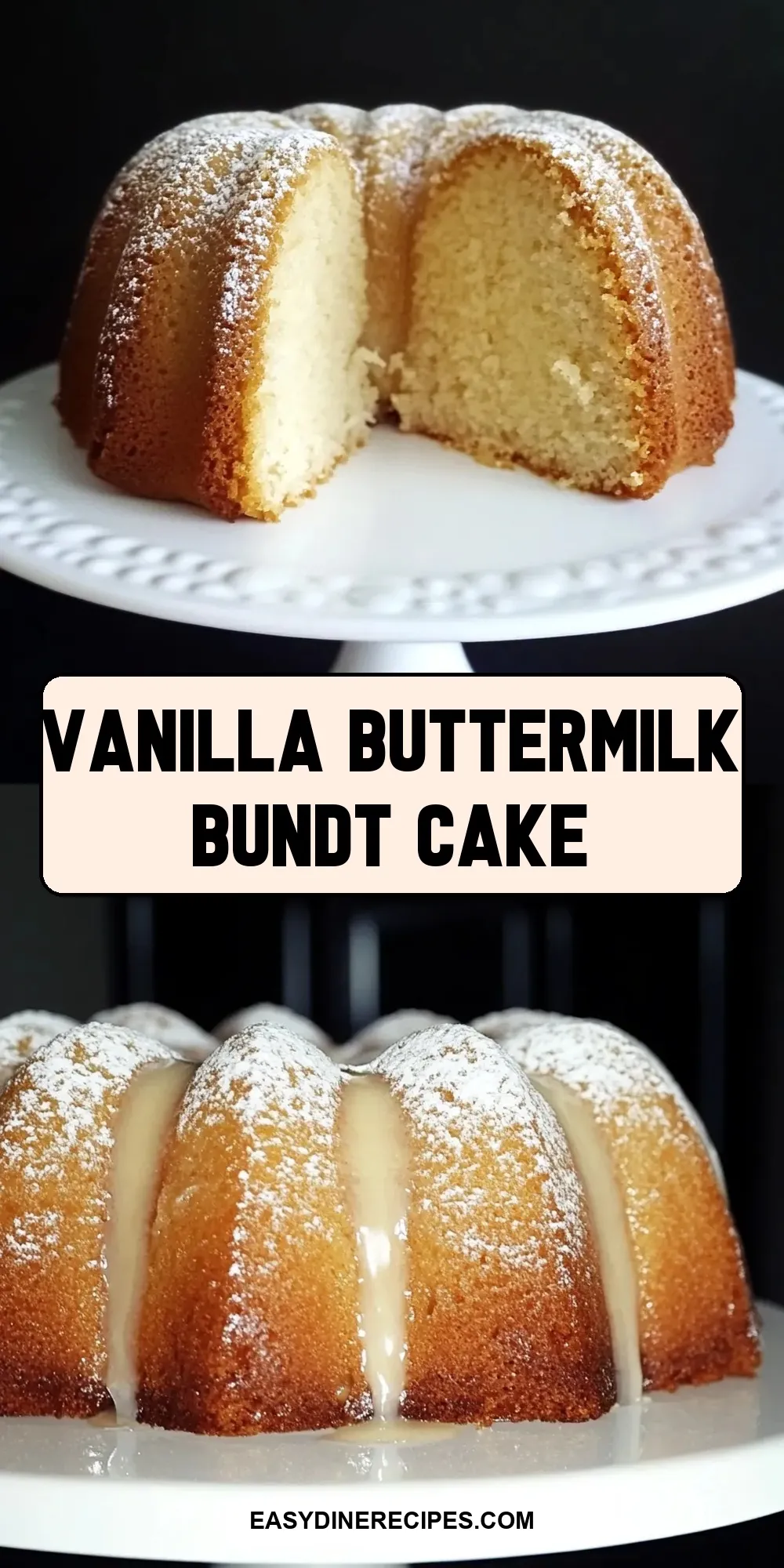
Creaming the sugar into the melted butter for about two minutes helps incorporate air and distribute fat evenly. Adding eggs one at a time ensures a stable emulsion. When you lower the mixer speed and add wet and dry components alternately—or in this case, combine wet then add dry on low—you reduce the risk of overmixing.
Bake testing
Ovens vary. Start checking at 35 minutes. If the top is browning too quickly but the center still looks wet, tent the cake loosely with foil and continue to bake until the toothpick test passes.
Meal Prep & Storage Notes
Store the glazed cake at room temperature, covered, for up to 2 days. If your kitchen is warm, keep it loosely covered in the fridge; bring to room temperature before serving for best flavor. Unglazed, the cake keeps well for 3 days at room temperature wrapped in plastic. The cake freezes well—wrap tightly in plastic wrap and a layer of foil for up to 2 months. Thaw overnight in the fridge and bring to room temperature before glazing.
Questions People Ask
Q: Can I use all-purpose flour instead of cake flour? A: Cake flour yields a softer crumb, but you can substitute AP flour by removing 2 tablespoons per cup of AP flour and replacing with cornstarch. Measure carefully, and expect a slightly sturdier texture.
Q: What if I don’t have buttermilk? A: Make an instant buttermilk by stirring 1 tablespoon white vinegar or lemon juice into 3/4 cup milk and letting it sit 5–10 minutes until slightly curdled. Use as directed.
Q: My cake sank in the center—why? A: Common causes are underbaking, opening the oven door too early, or too much liquid. Confirm baking time and avoid opening the oven before the cake starts to set.
Q: Can I halve this recipe? A: You can, but Bundt pans are large. Halving may work in a smaller tube pan; adjust bake time and test for doneness earlier.
See You at the Table
This Vanilla Buttermilk Bundt Cake is one of those quietly dependable recipes that rewards patience with simple, true flavor. Follow the steps, mind the small technique points, and you’ll pull a tender, fragrant cake from the oven that looks like you spent more time on it than you did.
Make it for a weekend brunch, a birthday that doesn’t need fuss, or just because you want something comforting. If you try a twist—citrus, nuts, or a spice—let me know how it turns out. Happy baking, and see you at the table.
Vanilla Buttermilk Bundt Cake
Equipment
- Bundt pan
- Stand mixer
- paddle attachment
- Wire Rack
- Butter Knife
- Sifter
- Mixing Bowl
- Medium Bowl
Ingredients
Ingredients
- 1 cupgranulated sugar
- 1/2 cupunsalted butter melted
- 2 large eggs at room temperature
- 3/4 cupbuttermilk
- 1 vanilla bean or 2 teaspoons vanilla extract
- 2 cupscake flour
- 2 teaspoonsbaking powder
- 1/2 teaspoonsalt
- 2 cupsconfectioners' sugar; sifted
- 3-4 tablespoonsbuttermilk
- 1 1/2 teaspoonsvanilla extract
- 1/2 cuprainbow sprinkles optional
Instructions
Instructions
- Preheat oven to 350°F. Generously grease a Bundt pan and set it aside.
- In the bowl of a stand mixer fitted with the paddle attachment, combine 1 cup granulated sugar and 1/2 cup unsalted butter (melted). Beat on medium speed until combined and creamy, about 2 minutes.
- Add 2 large eggs, one at a time, beating well after each addition.
- Reduce mixer speed to medium-low. Add 3/4 cup buttermilk and either the seeds from 1 vanilla bean or 2 teaspoons vanilla extract; mix until evenly combined. (If using a vanilla bean: split it lengthwise and scrape the seeds with the back of a knife; discard the pod.)
- With the mixer on low, add 2 cups cake flour, 2 teaspoons baking powder, and 1/2 teaspoon salt. Beat just until the batter is smooth and no large streaks of flour remain—do not overmix.
- Pour the batter into the prepared Bundt pan and smooth the top. Bake for 35–45 minutes, until a toothpick inserted into the center comes out clean or with just a few crumbs attached.
- Remove the cake from the oven and let it cool in the pan on a wire rack for about 10–15 minutes. Run a butter knife around the edges to loosen the cake, then invert the pan onto the wire rack and allow the cake to cool completely.
- While the cake cools, make the glaze: sift 2 cups confectioners' sugar into a medium bowl. Add 3–4 tablespoons buttermilk and 1 1/2 teaspoons vanilla extract. Whisk until smooth. If the glaze is too thick, add more buttermilk 1 tablespoon at a time; if it is too thin, add more confectioners' sugar 2 tablespoons at a time. The glaze should be pourable but thick enough to hold some shape.
- When the cake is completely cool, place it on a serving plate or keep it on the wire rack with a tray underneath. Pour the glaze over the top of the cake, letting it drip down the sides. If desired, sprinkle 1/2 cup rainbow sprinkles on top.
Notes
*You will cut the vanilla bean in half, then scrape the inside into the batter, or simply use vanilla extract.