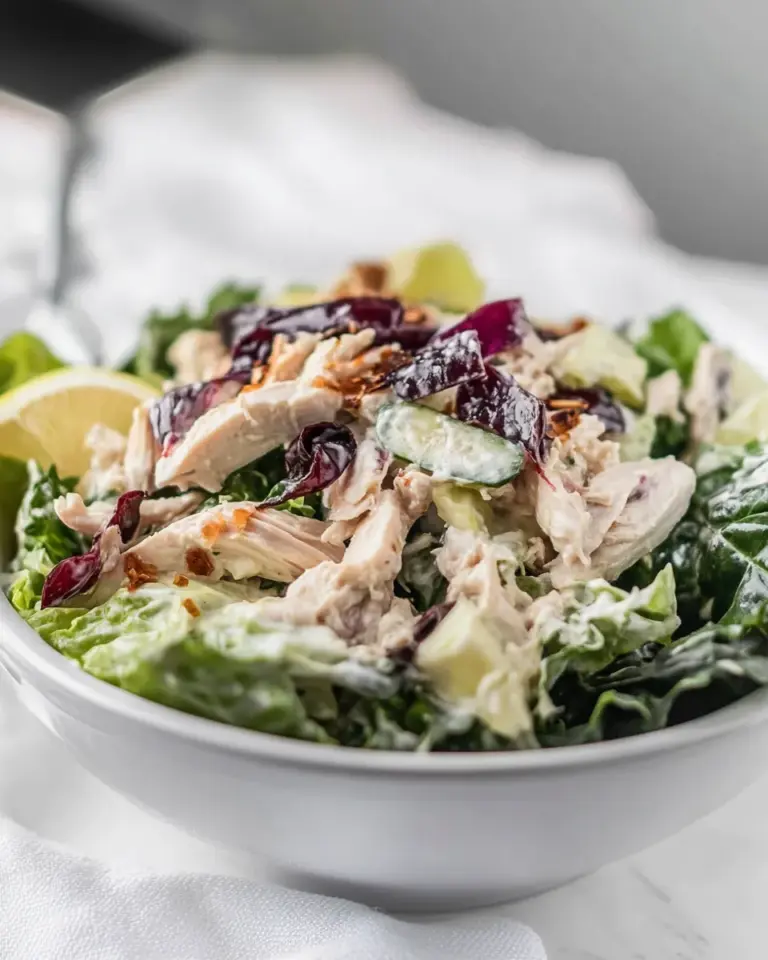
This is a straightforward, reliable Whole30-friendly salad dressing that I reach for nearly every week. It’s bold enough to lift a bowl of greens but simple enough to make in a minute. The ingredient list is short and intentional — acid, emulsifier, oil, garlic, and salt — and the technique is what turns those five items into something silky and well-balanced.
I like it because it’s flexible in texture and flavor without needing extra sugar, honey, or dairy. It follows the Whole30 template: real-food ingredients, no added sweeteners, and bright, clean flavor. Once you master the whisking rhythm, you’ll get a consistent dressing every time.
Below you’ll find the exact ingredients and step-by-step method, plus practical tips for emulsifying, storing, and adapting the dressing to your needs. Read through the “Don’t Do This” section before you start — it’ll save you from a broken dressing and a mess to clean up.
What Goes Into Whole30 Salad Dressing
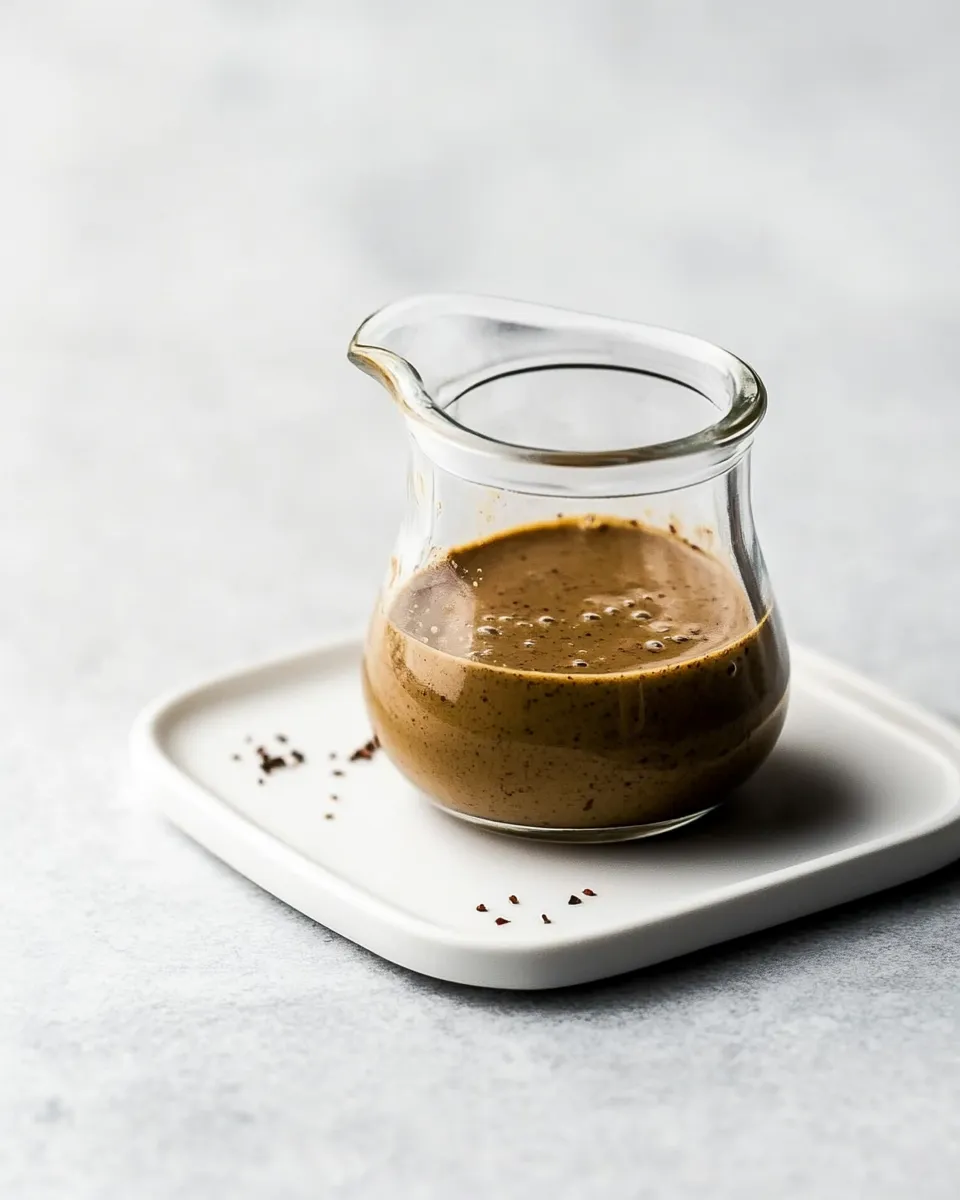
This dressing is built on a simple acid-to-fat backbone. Balsamic vinegar provides the bright, slightly sweet tang; Dijon mustard stabilizes the emulsion and adds a subtle spice; crushed garlic gives fresh savory depth; extra virgin olive oil is the fat that carries flavor and mouthfeel; salt finishes and balances everything. Keep those roles in mind as you taste and tweak.
Ingredients
- 1/4 cup balsamic vinegar — the acid anchor; brings brightness and a touch of sweetness.
- 2 tablespoons Dijon mustard — acts as an emulsifier and adds savory, tangy depth.
- 1/2 teaspoon crushed garlic — fresh aromatic note; adjust down if raw garlic is too strong.
- 11 tablespoons extra virgin olive oil — the fat that gives body and sheen; pour slowly to emulsify.
- Salt to taste — balances acidity and rounds flavors; add incrementally.
Stepwise Method: Whole30 Salad Dressing
- Add 1/4 cup balsamic vinegar, 2 tablespoons Dijon mustard, and 1/2 teaspoon crushed garlic to a medium bowl.
- Whisk the ingredients together until they are evenly combined.
- While whisking vigorously, slowly pour in 11 tablespoons extra virgin olive oil in a thin, steady stream.
- Continue whisking until the oil is fully incorporated and the mixture emulsifies into a uniform dressing.
- Season with salt to taste and whisk briefly to combine.
- Drizzle over your salad or use as desired.
Why It Works Every Time
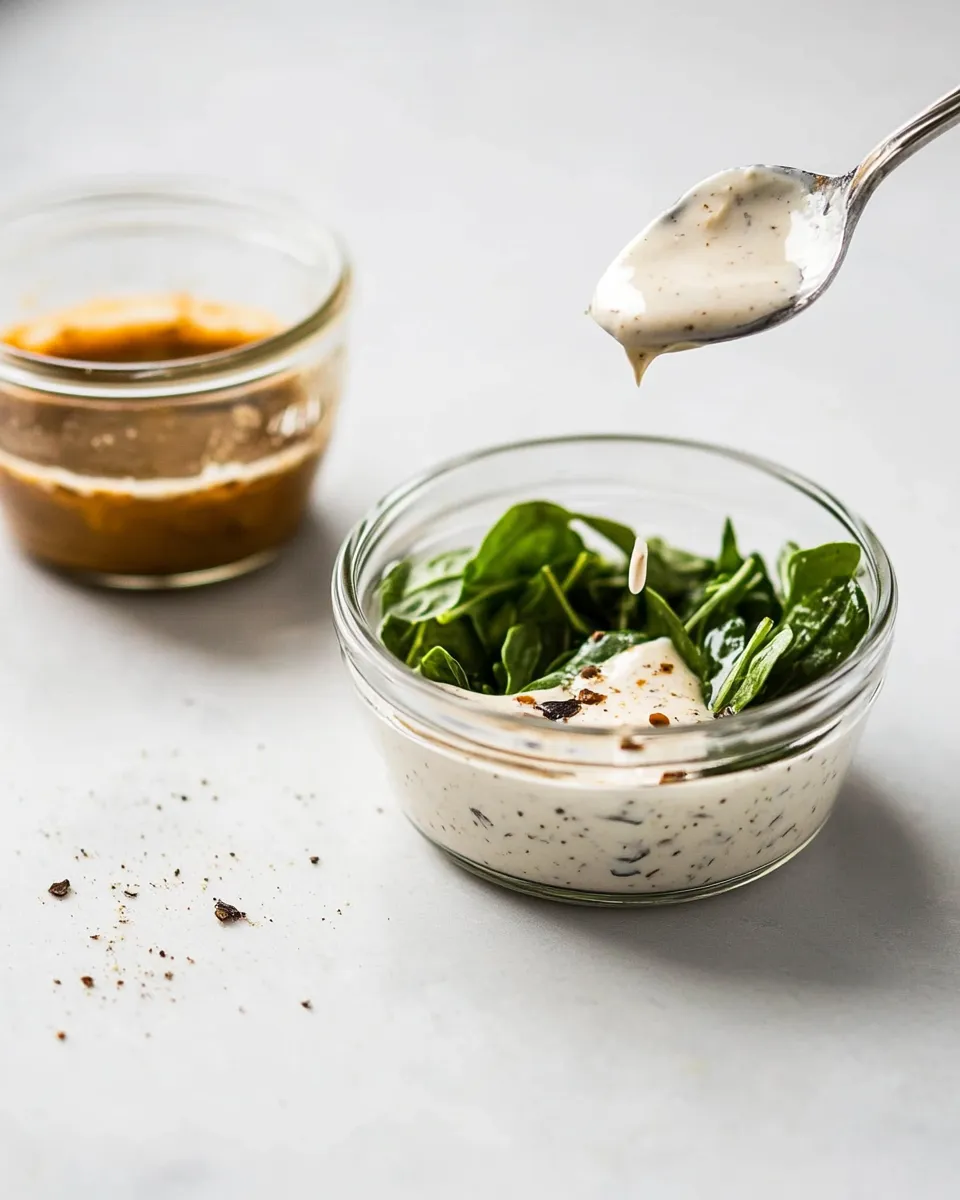
The success of this dressing comes down to a few reliable principles: the right ratio of acid to oil, an effective emulsifier, and a controlled technique. Balsamic vinegar provides the acidic component that brightens flavor; the oil supplies richness and mouthfeel. Dijon mustard isn’t just for flavor — it contains emulsifying compounds that help oil and vinegar combine and stay combined for longer.
Technique matters as much as ingredients. Adding the oil slowly while whisking creates many tiny oil droplets suspended in the vinegar-mustard base; that’s an emulsion. If you pour the oil too quickly, the droplets stay large and separate, leaving you with a greasy layer instead of a cohesive dressing. The specified oil amount gives a medium-viscosity dressing — enough body to cling to leaves without being gloopy.
Finally, salt is the finishing move. It reduces any flatness, enhances the perceived sweetness in balsamic, and ties garlic into the background. Tasting and adjusting at the end ensures a balanced final result every time.
Easy Ingredient Swaps
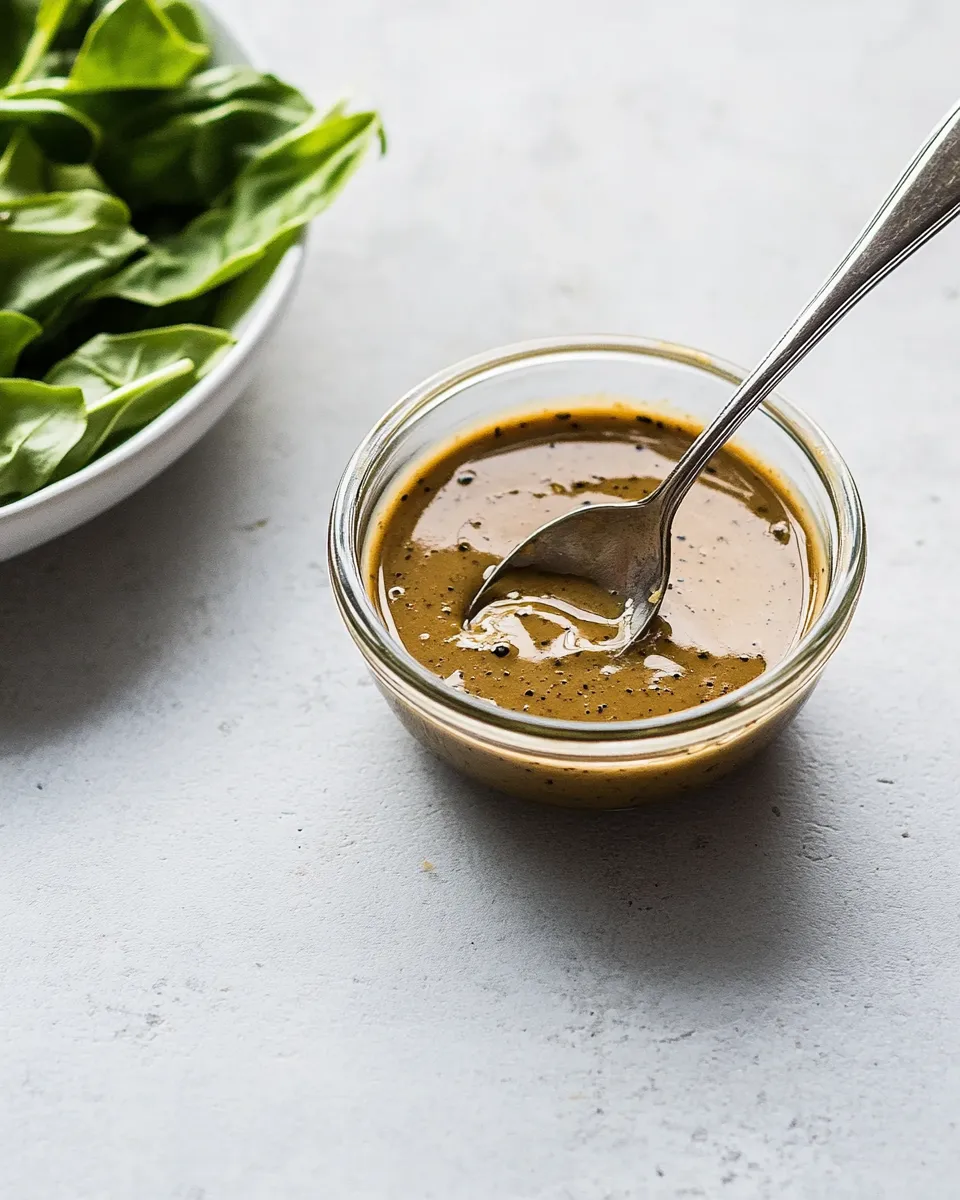
If you want to change the final flavor or texture without introducing new ingredients outside this recipe, tweak quantities rather than items. These are safe, in-recipe adjustments that keep the dressing Whole30-friendly and predictable.
- For a brighter, tangier dressing: increase balsamic vinegar by 1 to 2 teaspoons and reduce olive oil slightly to keep balance.
- For a creamier, more stable emulsion: increase Dijon mustard by 1/2 teaspoon; it strengthens the emulsifying base.
- If raw garlic is too sharp: halve the crushed garlic to 1/4 teaspoon or let it sit in the vinegar for 5–10 minutes before whisking to mellow the bite.
- To adjust thickness: reduce oil by 1–2 tablespoons for a thinner dressing, or add an extra tablespoon of oil for a thicker, more glossy finish.
Kitchen Gear Checklist
- Medium mixing bowl — wide enough to whisk comfortably.
- Whisk — a balloon whisk gives good aeration and control for emulsions.
- Measuring spoons and cups — accuracy matters, especially with the oil amount.
- Small bowl or ramekin (optional) — handy for mashing or measuring the crushed garlic first.
- Jar with lid (optional) — for storing and shaking the dressing if you prefer a quick alternative to whisking.
- Salad spinner and serving bowl — to prep and present the salad you’ll dress.
Don’t Do This
There are a few common mistakes that will derail this dressing quickly. Don’t pour the oil in all at once. A fast pour breaks the emulsion process and leaves the dressing separated. Don’t skip the Dijon; it’s small in quantity but key for stability. Don’t overdo the garlic without tasting — the raw edge can dominate instantly.
Avoid using a bowl that’s too small. Crowding reduces your whisking efficiency and makes it harder to form an emulsion. Don’t add salt at the start and walk away. Salt evolves the flavor during resting, so always finish by seasoning to taste and then reassess after a minute.
Fit It to Your Goals
If you’re on a Whole30, this recipe checks the boxes: no sweeteners, no dairy, and simple, whole ingredients. It’s naturally low in carbohydrates and pairs well with protein-forward salads that keep you satisfied.
For calorie-conscious eating, be mindful of the oil: a tablespoon of oil adds meaningful calories. Use the dressing sparingly or measure per serving if you’re tracking intake. If you want to bulk up a salad without extra oil, add more vegetables or lean protein and use the dressing as a finishing accent rather than the main component.
For a flavor boost without extra calories, increase mustard slightly or let the crushed garlic sit in the vinegar a bit longer to infuse the acid. These small moves change perception of richness without changing fat content.
Chef’s Rationale
I’ve kept the formula tight on purpose. Balsamic supplies both acid and a hint of sweetness so the dressing feels complete without added sweeteners. Dijon mustard functions on two levels: flavor and science. It stabilizes the mixture by allowing oil and vinegar to form a fine suspension, and its flavor cuts through the olive oil so the dressing tastes bright and layered.
The relatively high amount of oil (11 tablespoons) compared to the vinegar keeps the dressing rich and glossy; the slow-pour technique ensures the oil integrates properly. Crushed garlic adds fresh aromatics that lift salad greens and proteins. Salt at the end lets you tailor the finish to your palate and the salad ingredients being dressed.
Meal Prep & Storage Notes
Make a batch and store it in the refrigerator for up to 7 days. Because the dressing is an emulsion, it may thicken or slightly separate when chilled; this is normal. Bring it to room temperature for a few minutes and re-whisk, or shake vigorously in a jar to recombine before using.
To portion ahead: divide into small jars or dressing containers so you can grab-and-go during the week. Measure roughly 1 to 2 tablespoons per serving when dressing a standard salad; this helps control portions and prevents overdressing.
If the dressing tastes muted after refrigeration, let it sit at room temperature for 10–15 minutes and whisk again. Taste for salt and acidity before serving and adjust as needed — a little more vinegar or a pinch of salt will often revive a refrigerated dressing.
Popular Questions
Q: Can I use less oil?
A: Yes. Reducing the oil by 1–2 tablespoons will make a thinner, tangier dressing. Keep pouring slowly when whisking to maintain the emulsion.
Q: My dressing separated. Can I fix it?
A: Start with a clean bowl and place a small spoonful of mustard or a tablespoon of vinegar in it. Slowly whisk the separated dressing into that base in a thin stream; the fresh mustard or vinegar helps rebuild the emulsion.
Q: How strong will the garlic be?
A: At 1/2 teaspoon crushed, garlic is noticeable but not overpowering for most people. Reduce to 1/4 teaspoon if you prefer a subtler garlic note, or let it sit in the vinegar for a few minutes to mellow.
Q: Can I make this in a jar?
A: Yes. If you prefer not to whisk, add the ingredients to a jar in the order listed, screw the lid on tightly, and shake vigorously while pouring the oil slowly. The shaking motion can create an emulsion; just be mindful of the slow oil incorporation.
Q: Is this Whole30-compliant?
A: Yes. The recipe contains vinegar, mustard, garlic, olive oil, and salt — all compliant when you check for any additives in store-bought mustards or vinegars. Use a clean-label Dijon and a balsamic without added sugars or preservatives.
Ready to Cook?
When you’re ready, gather your ingredients and gear, then follow the step-by-step method above. Whisk patiently, taste twice, and store any leftovers in the fridge. This is a dressing that rewards attention to technique more than fancy ingredients — take your time with the slow pour and you’ll have a reliably delicious dressing every time.
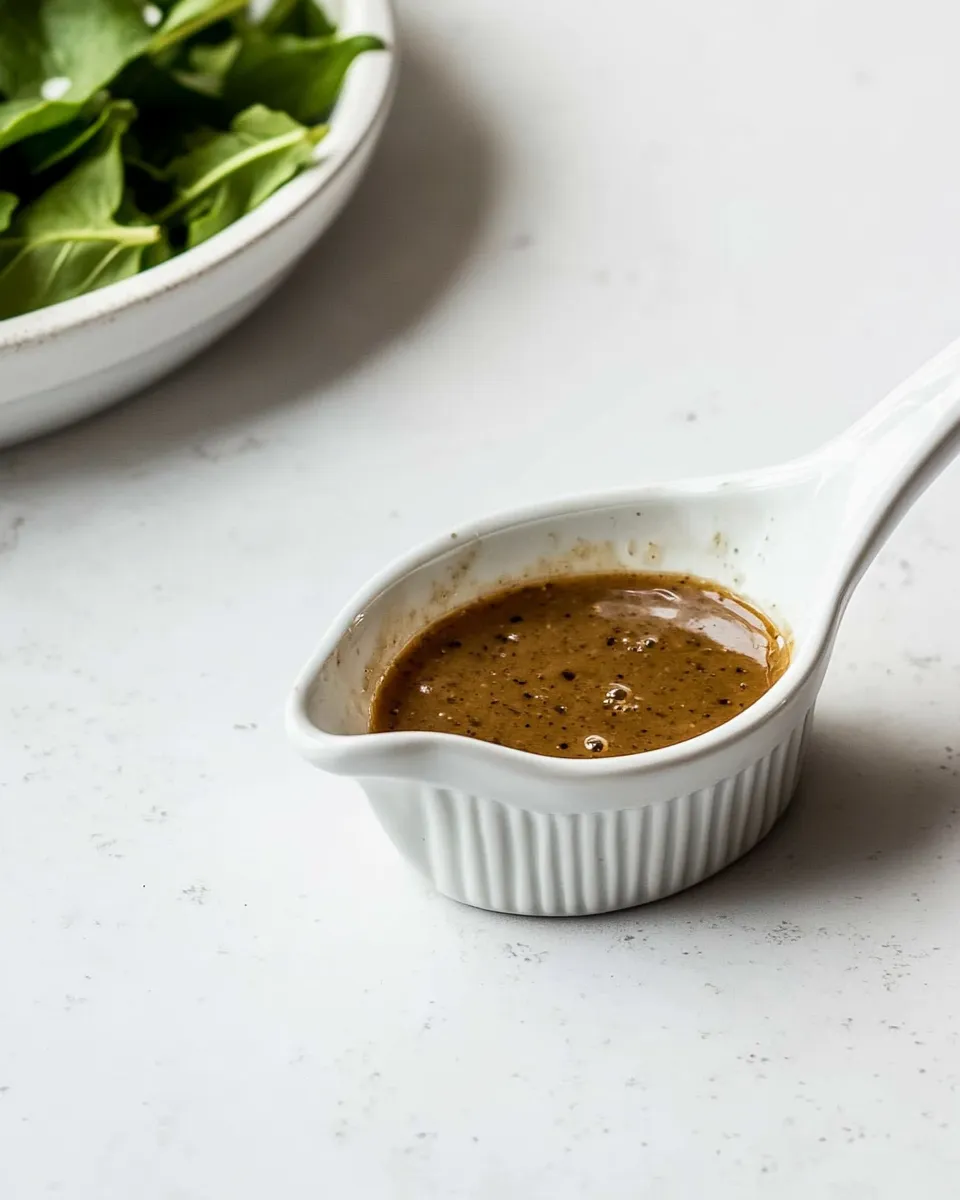
Whole30 Salad Dressing
Equipment
- Medium Bowl
- Whisk
Ingredients
Ingredients
- 1/4 cupbalsamic vinegar
- 2 tablespoonsDijon mustard
- 1/2 teaspooncrushed garlic
- 11 tablespoonsextra virgin olive oil
- Saltto taste
Instructions
Instructions
- Add 1/4 cup balsamic vinegar, 2 tablespoons Dijon mustard, and 1/2 teaspoon crushed garlic to a medium bowl.
- Whisk the ingredients together until they are evenly combined.
- While whisking vigorously, slowly pour in 11 tablespoons extra virgin olive oil in a thin, steady stream.
- Continue whisking until the oil is fully incorporated and the mixture emulsifies into a uniform dressing.
- Season with salt to taste and whisk briefly to combine.
- Drizzle over your salad or use as desired.