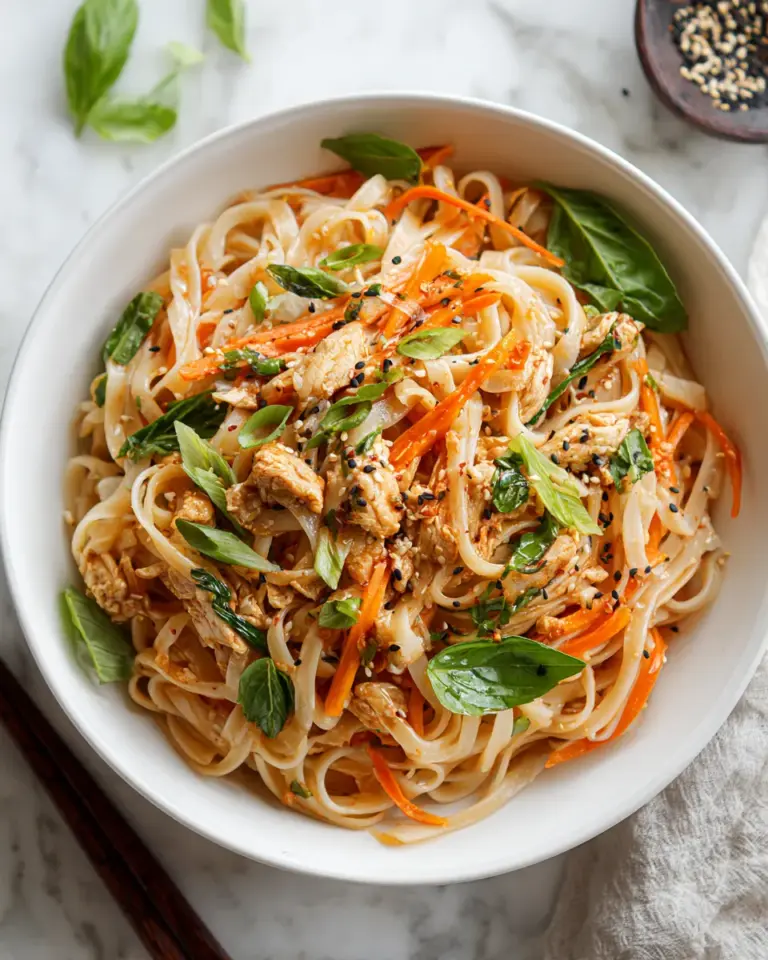
This bright, simple weeknight pasta marries the familiar comfort of spaghetti with the light, vibrant flavors of an Asian-inspired sauce. Crisp snow peas, earthy cremini mushrooms, and sweet carrots are tossed with long, glossy strands of spaghetti and a garlicky tamari dressing. A few pantry-friendly pantry staples — tamari, garlic, and a splash of sesame oil if you like — come together fast, making this a go-to when you want a satisfying vegetable-forward meal that feels both cozy and fresh.
The recipe below uses 8 ounces of spaghetti (choose gluten-free spaghetti if you prefer), 8 ounces of cremini mushrooms, 5 ounces of snow peas (about 1.5 cups), 2 medium carrots, 6 green onions, 3–4 cloves garlic, and 1/4 cup tamari. Optional additions include 1/2 teaspoon freshly grated ginger and 2 teaspoons toasted sesame oil. Finish with sesame seeds and mung bean sprouts for crunch and contrast. The directions are rewritten as a clear, step-by-step method so you can move confidently from stovetop to table.
Why you’ll love this recipe
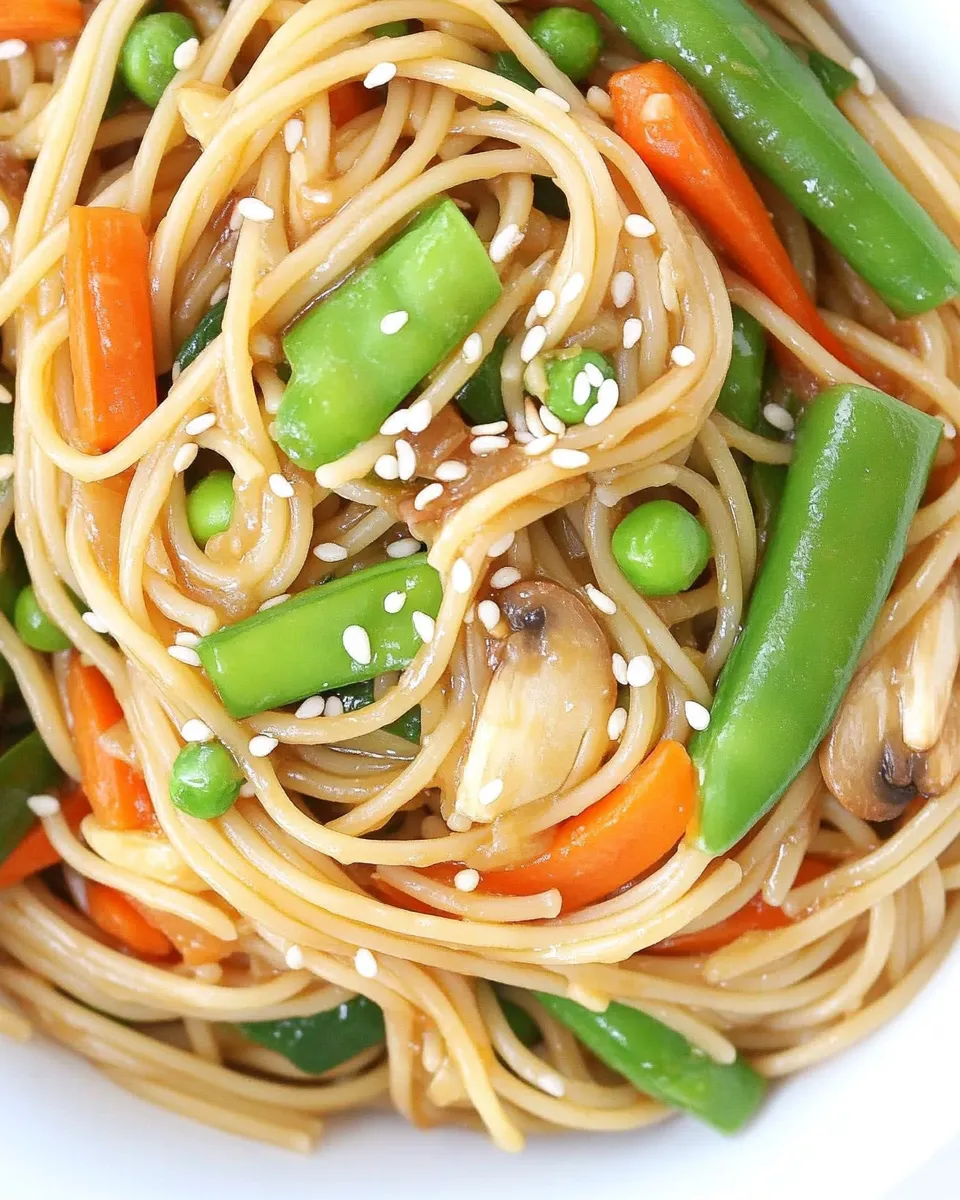
- Quick: ready in about 25–30 minutes from start to finish.
- Flexible: swap the spaghetti for gluten-free, add extra veggies, or toss in a protein of your choice.
- Flavorful: the garlicky tamari sauce is savory with a hint of sweetness and toasty sesame notes when you opt for the oil.
- Textural contrast: tender pasta, crisp snow peas, juicy mushrooms, and crunchy green onions and sprouts.
Ingredients
- 8 oz. spaghetti (gluten-free if desired)
- 8 oz. mushrooms (I use cremini)
- 5 oz. snow peas (about 1.5 cups)
- 2 medium carrots
- 6 green onions
- 3–4 cloves garlic
- 1/4 cup tamari (or less, to taste)
- Optional: 1/2 tsp. freshly grated ginger
- Optional: 2 tsp. toasted sesame oil
- Garnish: sesame seeds, mung bean sprouts
Equipment
- Large pot for boiling pasta
- Large skillet or sauté pan
- Knife and cutting board
- Colander
- Tongs or pasta fork
Prep: how to get everything ready
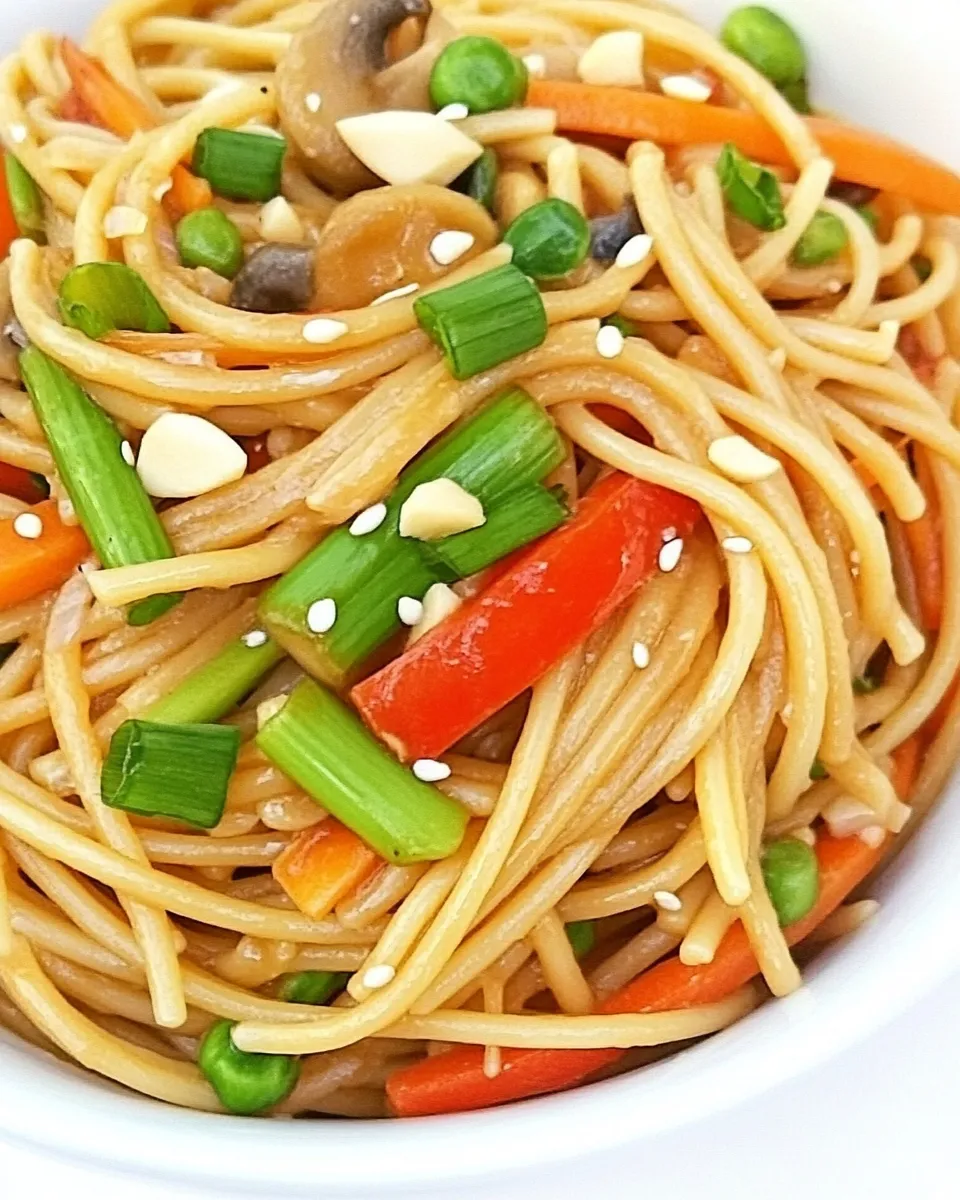
Prep is the key to a fast, relaxed cooking rhythm. Clean the mushrooms with a damp towel and slice them thinly. Trim the snow peas and rinse them under cold water. Peel and julienne or shave the carrots into thin ribbons so they cook quickly. Slice the green onions on the diagonal into thin pieces, keeping the white and green parts separate if you like to add the green as a fresh garnish. Mince the garlic and, if using, grate the ginger finely so it blends smoothly into the sauce.
Step-by-step instructions
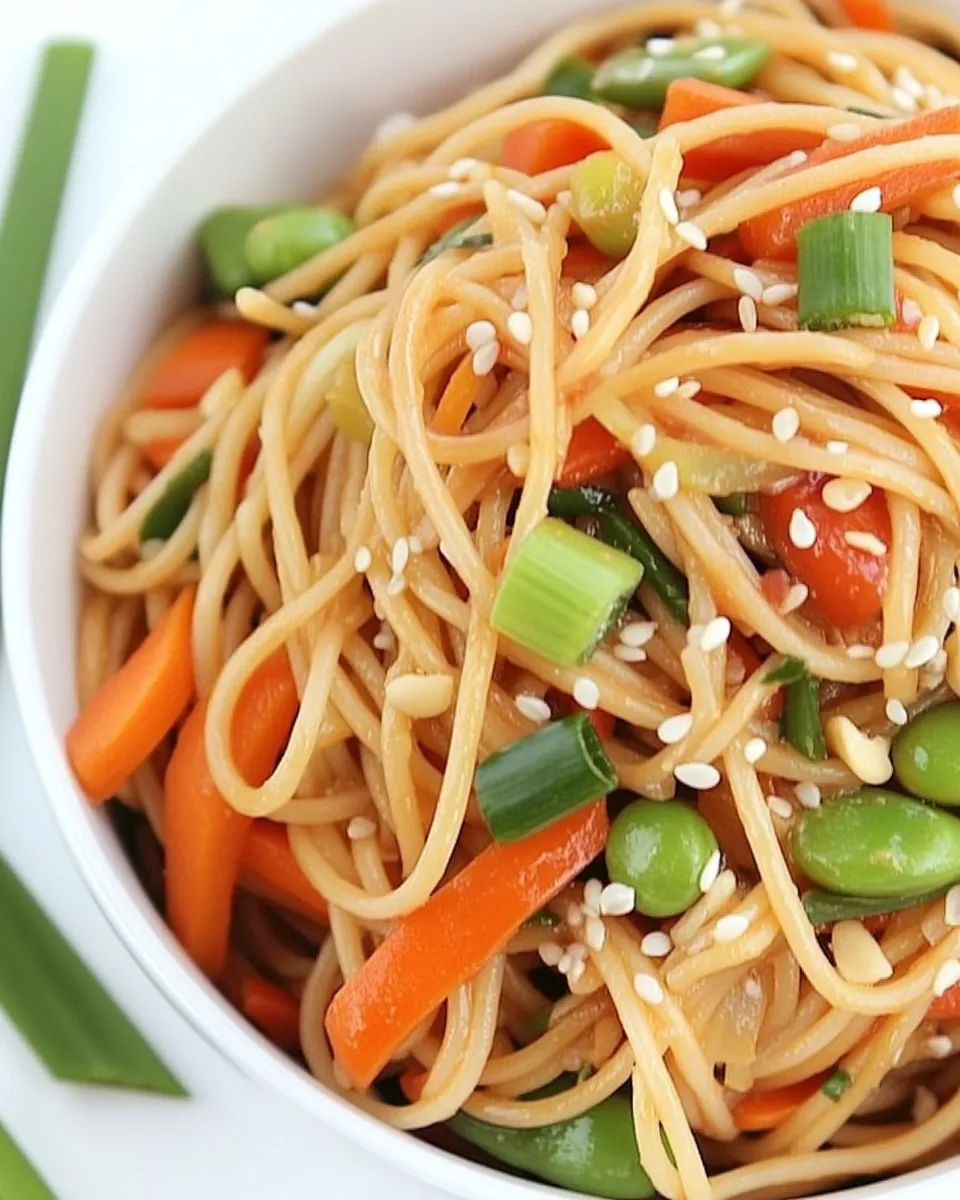
- Bring the pasta water to a boil: Fill a large pot with water and bring it to a rolling boil over high heat. Salt the water lightly if desired. Add 8 oz. spaghetti and cook according to package instructions until al dente (usually a minute or two less than fully tender). Reserve about 1/2 cup of the starchy pasta cooking water, then drain the spaghetti in a colander and set it aside.
- Prepare the vegetables while the pasta cooks: While the pasta is boiling, slice 8 oz. mushrooms, trim and rinse 5 oz. snow peas, and peel and julienne 2 medium carrots. Slice 6 green onions on the diagonal and mince 3–4 cloves garlic. If you’re using 1/2 tsp. freshly grated ginger, grate it now and keep it with the garlic.
- Sauté the mushrooms first: Heat a large skillet over medium-high heat. Add a small splash of neutral oil or a light drizzle of water if you prefer oil-free sautéing. Add the sliced mushrooms and cook, stirring occasionally, until they begin to release their liquid and turn golden at the edges, about 4–5 minutes.
- Add carrots and snow peas: Add the julienned carrots and the snow peas to the skillet with the mushrooms. Sauté for 2–3 minutes until the carrots soften slightly and the snow peas are bright green and still crisp-tender.
- Introduce the aromatics: Push the vegetables to one side of the skillet and add the minced garlic and grated ginger (if using) to the cleared space. Cook for 30–45 seconds, stirring, until fragrant but not browned. Then toss the garlic and ginger with the vegetables so everything is evenly combined.
- Combine the spaghetti and tamari: Add the drained spaghetti to the skillet with the vegetables. Pour in 1/4 cup tamari (use slightly less if you prefer a milder salt level). Toss everything together with tongs or two forks until the pasta is coated and the tamari is distributed evenly.
- Adjust the sauce and texture: If the mixture looks dry or the tamari seems too concentrated, add 1–2 tablespoons of the reserved pasta cooking water at a time until the sauce loosens and glazes the noodles. You may not need the full 1/2 cup; just use enough to achieve a glossy coating.
- Finish with green onions and sesame oil: Stir in the sliced white parts of the 6 green onions and, if using, 2 teaspoons toasted sesame oil. Taste and adjust seasoning — add a touch more tamari if you want it saltier, or a small splash of water to calm intensity.
- Plate and garnish: Divide the pasta among bowls. Scatter the green parts of the green onions over the top, sprinkle with sesame seeds, and add a handful of mung bean sprouts for crunch. Serve immediately while warm.
Troubleshooting and tips
- If your spaghetti sticks together after draining, toss it with a teaspoon of oil or a small splash of the reserved pasta water to loosen it before adding to the skillet.
- Want more color? Add thinly sliced bell pepper, baby spinach, or shredded cabbage at the same time as the carrots.
- If you like heat, add a pinch of red pepper flakes or a small drizzle of chili oil when you finish the dish.
- For extra protein, stir in cooked edamame, baked tofu cubes, or shredded cooked chicken right before serving.
- To make this recipe gluten-free, use a certified gluten-free spaghetti and double-check the tamari label for gluten-free status.
Make-ahead and storage
This dish is best eaten the day it’s made, but you can refrigerate leftovers in an airtight container for up to 3 days. Reheat gently in a skillet over medium-low heat with a splash of water to restore moisture, or microwave in short bursts, stirring between intervals. Add a fresh sprinkle of sesame seeds and sliced green onions after reheating to refresh the flavors and texture.
Variations to try
- Sesame-Ginger Boost: Increase the grated ginger to 1 teaspoon, add 1 tablespoon rice vinegar, and finish with the toasted sesame oil for a brighter, tangier sauce.
- Nutty Crunch: Stir in 2 tablespoons chopped roasted peanuts or cashews for crunch and richness.
- Sriracha-Lime: Mix 1–2 teaspoons Sriracha with the tamari before tossing with the pasta, and add a squeeze of lime at the end for a tangy, spicy twist.
- Herb Freshness: Toss in a handful of cilantro or basil leaves just before serving for herbal brightness.
Serving suggestions
Serve this pasta with a simple green salad or steamed vegetables to round out the meal. A cold cucumber salad or a bowl of miso soup complements the garlicky tamari flavors nicely. This dish also pairs well with pickled vegetables for a crisp, acidic contrast.
Notes on ingredients
Use 8 oz. spaghetti — traditional wheat or gluten-free — depending on your preference. The recipe calls for cremini mushrooms for their meaty texture and deep flavor, but button mushrooms work fine too. Snow peas add a pop of color and snap; if you prefer, sugar snap peas can be used instead. Tamari supplies the savory backbone of the sauce; use less than the 1/4 cup if you prefer a subtler saltiness. Garlic is essential here — the dish relies on 3–4 cloves for that robust, aromatic foundation. Optional grated ginger and toasted sesame oil add warmth and depth, but the recipe is delicious without them.
Nutrition snapshot (approximate)
A rough estimate per serving (assuming 2–3 servings depending on portions): calories 350–450, primarily from the pasta; protein 8–12 g; fiber 3–5 g; fat 6–10 g (higher if sesame oil or nuts are added). Exact values will vary based on pasta type and any additions.
Final thoughts
This Asian Spaghetti with Garlic and Vegetables is a simple, satisfying dish that brings together pantry staples and fresh produce in under half an hour. It’s flexible, colorful, and comforting — everything you want from a weeknight dinner with just enough flair to feel special. Once you get the balance of tamari and reserved pasta water dialed in, this becomes a go-to for busy nights, lunches, or even as a tasty base to build bolder flavors on.
Recipe recap
Ingredients: 8 oz. spaghetti (gluten-free if desired); 8 oz. mushrooms (cremini); 5 oz. snow peas (about 1.5 cups); 2 medium carrots; 6 green onions; 3–4 cloves garlic; 1/4 cup tamari (or less); optional: 1/2 tsp. freshly grated ginger, 2 tsp. toasted sesame oil; garnish: sesame seeds, mung bean sprouts.
Follow the step-by-step instructions above to boil, sauté, aromatize, and toss your way to a bright bowl of Asian Spaghetti with Garlic and Vegetables. Enjoy!
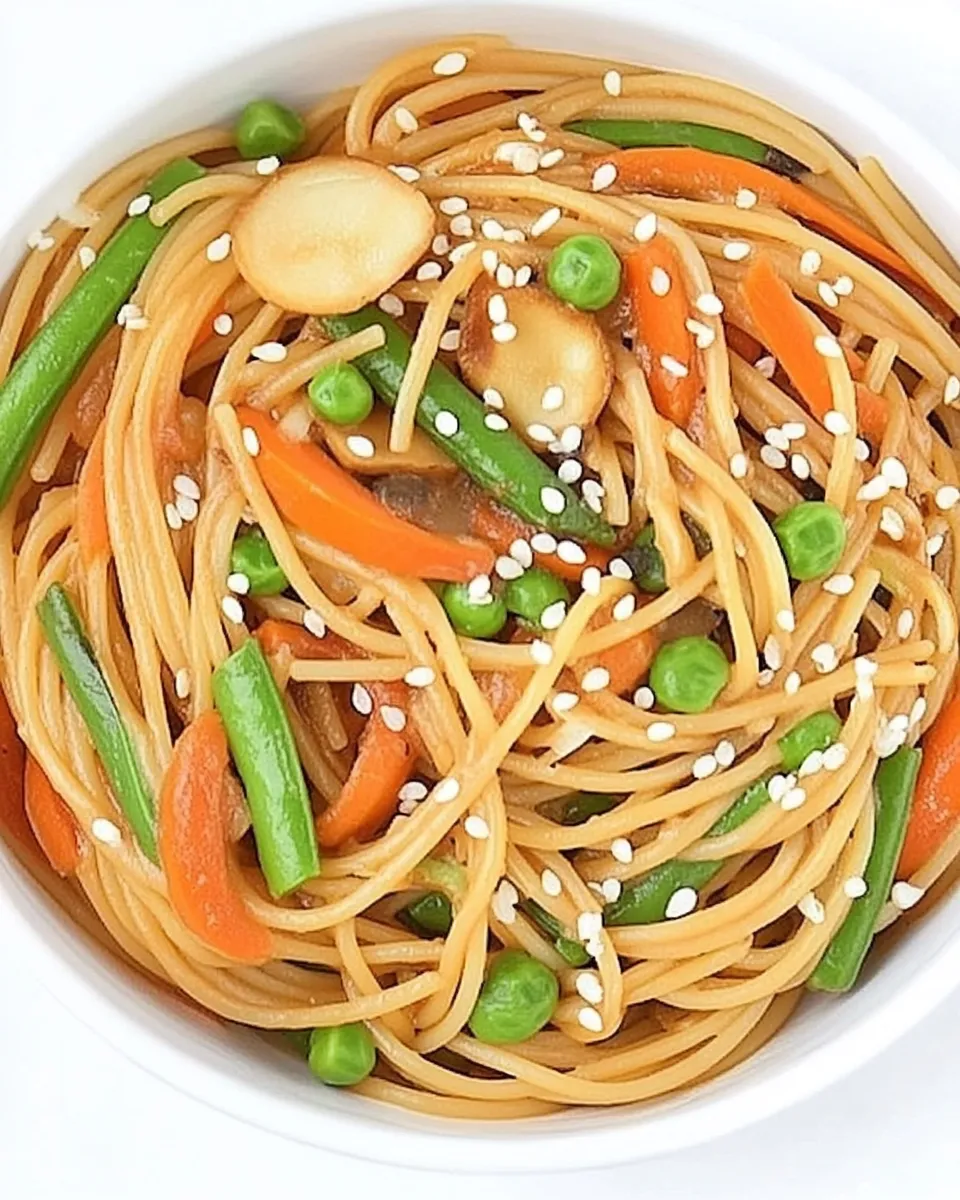
Asian Spaghetti with Garlic and Vegetables
Equipment
- Large Pot
- Large Skillet or Wok
- Colander
- Cutting Board
- Knife
- Tongs or pasta fork
Ingredients
- 8 oz spaghetti gluten-free if desired
- 8 oz mushrooms cremini recommended, sliced
- 5 oz snow peas about 1.5 cups
- 2 medium carrots cut into matchsticks or julienned
- 6 green onions cut into 1/2-inch pieces
- 3-4 cloves garlic minced
- 1/4 cup tamari or less to taste
- 1/2 tsp fresh ginger freshly grated, optional
- 2 tsp toasted sesame oil optional
- sesame seeds for topping, optional
- mung bean sprouts optional
Instructions
- Bring a large pot of salted water to a boil and cook the spaghetti according to package directions until al dente; drain and set aside.
- While the pasta cooks, slice the mushrooms, trim the snow peas, cut the green onions into 1/2-inch pieces, and cut the carrots into matchsticks or shred them; mince the garlic and grate the ginger if using.
- Heat a large skillet or wok over medium-high. Add mushrooms and sauté 2–3 minutes, using 3 tablespoons water or broth for a no-oil method, or add toasted sesame oil if using for more flavor.
- Add the snow peas, carrots, and green onions to the skillet and cook about 5 minutes, stirring occasionally, until vegetables are crisp-tender.
- Reduce heat to medium and add the minced garlic (and grated ginger if using); stir and cook about 1 minute until fragrant.
- Add the cooked spaghetti and tamari to the skillet; toss well to combine and heat through for 2–3 minutes, adjusting tamari amount to taste.
- Remove from heat and top with sesame seeds and mung bean sprouts if desired, then serve warm or chilled.
Notes
- I use gluten-free brown rice and quinoa spaghetti and break the noodles in half before cooking.
- Start with less tamari (2–3 Tbsp) if you prefer a milder salt level.
- Use 3 Tbsp water or broth to sauté mushrooms for an oil-free option.
- Toasted sesame oil adds more flavor when sautéing.