This recipe is a reliable classic: simple, forgiving, and exactly the kind of loaf I reach for when I need something comforting on the counter. It’s not fussy. You don’t need special flours, exotic ingredients, or complicated equipment. Measure, mix, and bake—then wait for the house to smell like warm vanilla and bananas.
What I like most about this Betty Crocker Banana Bread is that it rewards imperfect baking. Overripe bananas, a little rushed creaming, or a slightly warm mixing bowl won’t ruin the final loaf. Still, there are a few clear steps that matter for texture and even rise, and I’ll point those out as we go so you get consistent results every time.
Below you’ll find the ingredients that match the original recipe, step-by-step instructions in the exact order, and practical notes on equipment, common mistakes, and storage. If you want to tweak things—nuts or chocolate, a different milk—I’ll give safe options and explain why they work.
What We’re Using
Ingredients
- 1 1/4 cups granulated sugar — sweetens and helps with browning and tenderness.
- 1/2 cup unsalted butter, softened — softened; salted butter is fine to use as well. Creams with sugar to trap air.
- 2 large eggs — binders and structure; room temperature eggs mix more evenly.
- 1 1/2 cups mashed ripe bananas — approximately 4–5 medium bananas; the primary flavor and moisture source.
- 1/2 cup buttermilk — adds moisture and a subtle tang; helps tenderize the crumb.
- 1 tsp vanilla — boosts banana flavor and rounds sweetness.
- 2 1/2 cups all-purpose flour — provides structure; measure accurately for best texture.
- 1 tsp baking soda — leavening agent; reacts with buttermilk for lift.
- 1 tsp salt — balances sweetness and strengthens flavor.
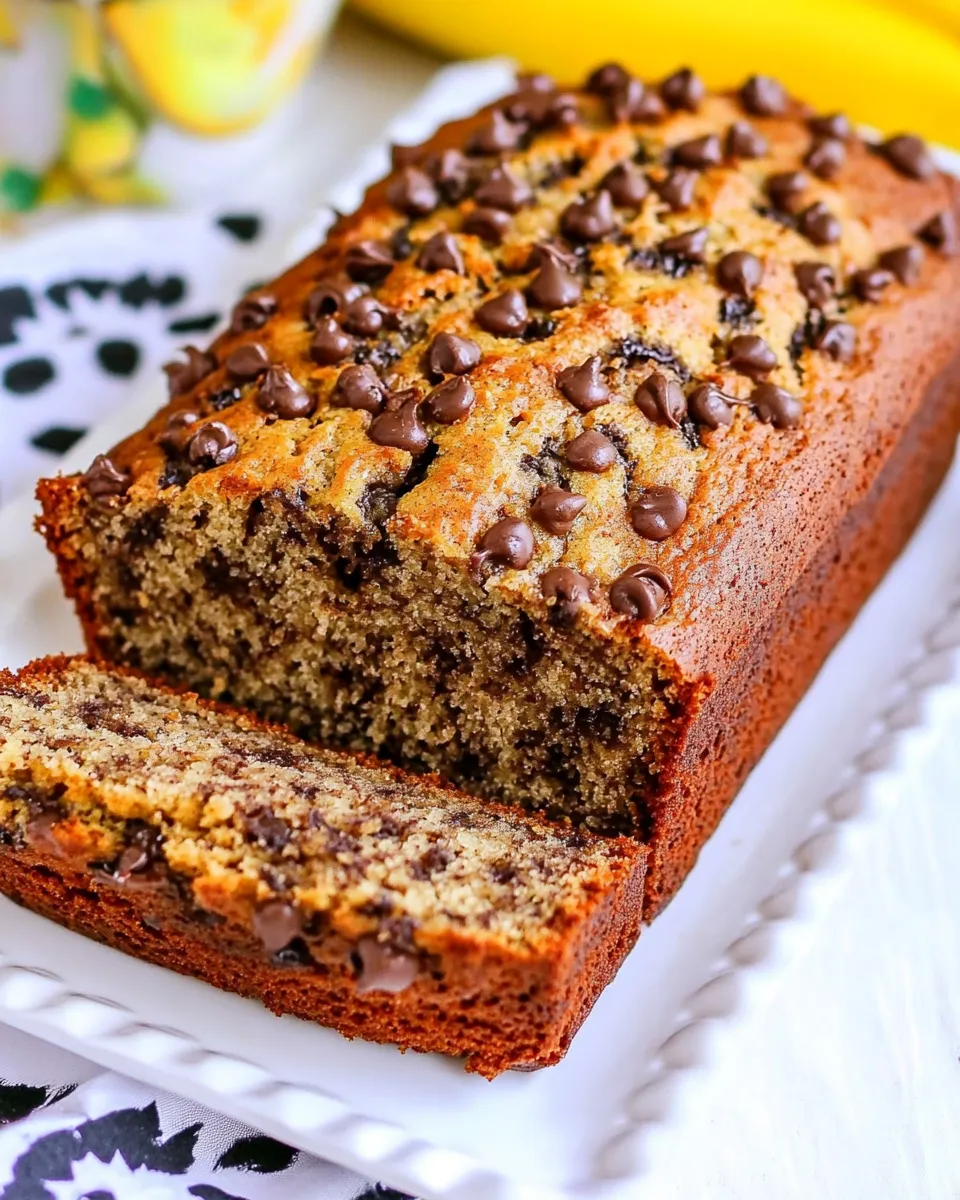
- 1 cup chopped nuts or semi-sweet chocolate chips — OPTIONAL; adds texture and mix-in flavor.
Betty Crocker Banana Bread, Made Easy
- Position an oven rack in the center of the oven and preheat the oven to 350°F.
- Grease the bottoms and about halfway up the sides of two loaf pans; set pans aside.
- In a large bowl, cream together 1/2 cup softened butter and 1 1/4 cups granulated sugar until light and creamy.
- Add the 2 large eggs to the butter-sugar mixture and mix until blended.
- Stir in 1 1/2 cups mashed ripe bananas (about 4–5 medium) until combined.
- Add 1/2 cup buttermilk and 1 teaspoon vanilla to the bowl and mix until well blended.
- In a separate bowl, whisk together 2 1/2 cups all-purpose flour, 1 teaspoon baking soda, and 1 teaspoon salt to distribute the dry ingredients evenly.
- Add the dry ingredients to the wet ingredients and stir gently until just combined; do not overmix.
- If using, fold in 1 cup chopped nuts or 1 cup semi-sweet chocolate chips.
- Divide the batter evenly between the two prepared loaf pans and smooth the tops.
- Bake in the preheated oven for approximately 60 minutes, or until a toothpick inserted into the center comes out clean or with a few moist crumbs.
- Remove the pans from the oven and let the loaves cool in the pans on a wire rack for about 10 minutes. Run a dull knife or spatula around the edges to loosen, then remove the loaves from the pans.
- Transfer the loaves to the wire rack and allow them to cool completely, about 2 hours, before slicing.
Why It Works Every Time
There are a few straightforward reasons this formula gives consistently good banana bread. First, the creaming of butter and sugar traps tiny air pockets, which begin the lift process. Adding eggs after creaming stabilizes that structure so the loaf can support moisture from the bananas without collapsing.
The mash-to-dry ratio here (1 1/2 cups mashed banana to 2 1/2 cups flour) keeps the crumb tender but not wet. Buttermilk plays a key role: it brightens flavor and reacts with baking soda to give a gentle, even rise. Baking soda needs an acid to activate—here, the buttermilk does that job. Finally, the instruction to mix the dry and wet only until combined prevents over-developing gluten, which would make the loaf tough rather than tender.
International Equivalents
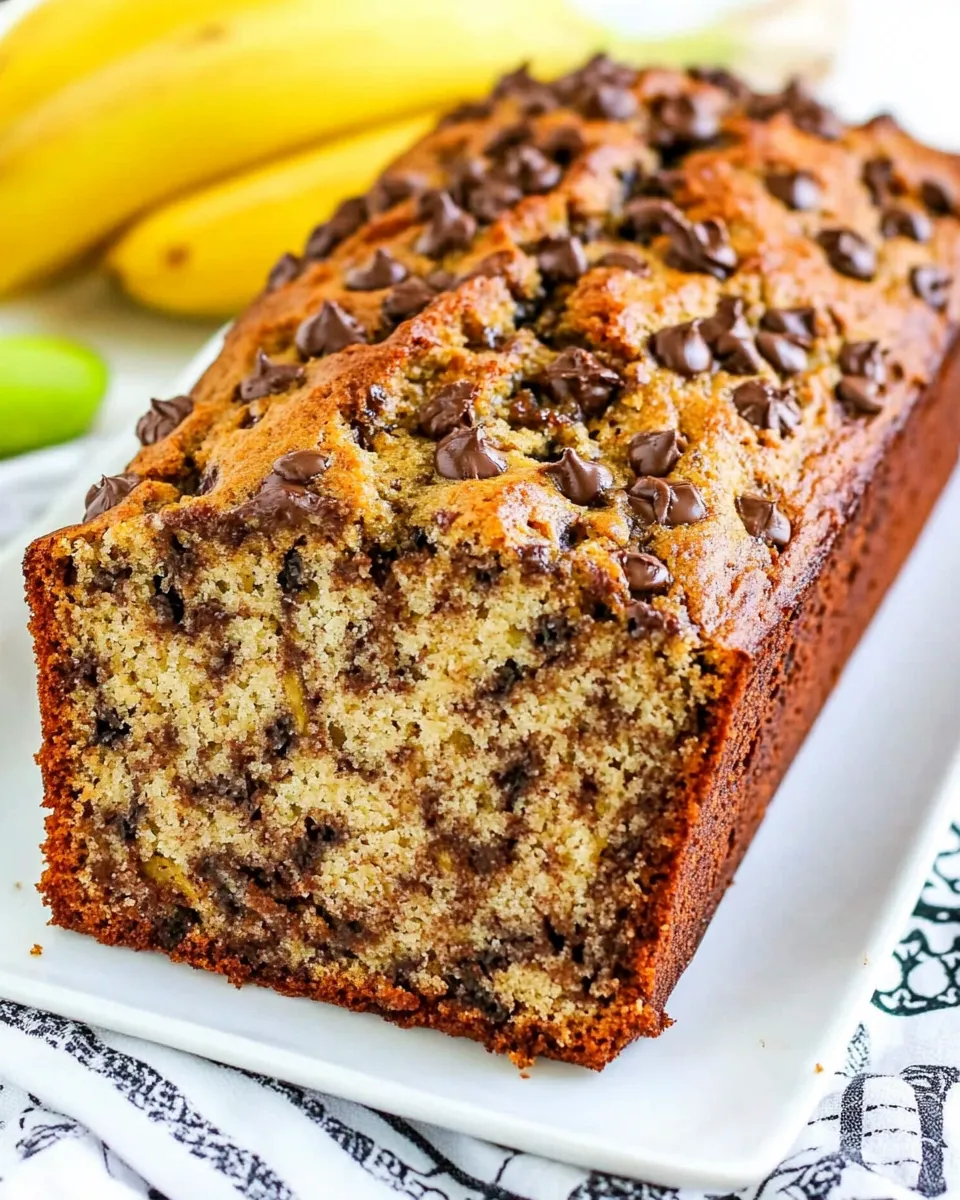
If you’re outside the U.S., here are practical equivalents to keep the recipe reliable:
- Oven: 350°F ≈ 175°C (no need to convert to gas marks; follow 175°C if your oven uses Celsius).
- Flour: 2 1/2 cups all-purpose flour ≈ 300–325 g, depending on how you measure. Spoon and level for best accuracy.
- Sugar: 1 1/4 cups granulated sugar ≈ 250 g.
- Butter: 1/2 cup butter ≈ 115 g.
- Buttermilk: 1/2 cup ≈ 120 ml.
- Vanilla: 1 tsp ≈ 5 ml.
Notes: “All-purpose” in the U.S. is similar to “plain flour” in the UK and many other countries. If your flour has a different protein level, expect small crumb differences, but the method will still produce a good loaf.
Setup & Equipment
Keep your setup simple and efficient. You’ll need:
- A pair of standard loaf pans (8×4 or 9×5 inch). The recipe divides into two pans, which shortens bake time and evens heat distribution.
- An oven thermometer if your oven runs hot or cold—accuracy matters when the difference between done and overdone is subtle.
- A mixing bowl and a separate small bowl for dry ingredients to whisk together. A stand mixer or hand mixer makes creaming easier, but a sturdy whisk and elbow grease work too.
- A wire rack to cool the loaves so steam doesn’t condense and sog the bottom crust.
Grease pans well, brushing the bottom and halfway up the sides as the recipe says. That short step keeps the loaves from sticking and breaking when you remove them.
Mistakes That Ruin Betty Crocker Banana Bread
There are a few easy mistakes to avoid if you want consistent loaves:
- Overmixing batter after the flour goes in. Stir until just combined. If you keep beating, gluten develops and the bread gets chewy.
- Using under-ripe bananas. The flavor comes from sugar in the fruit—dark-spotted, overly soft bananas give the best banana taste.
- Skipping the buttermilk or replacing it with plain milk without an acid. The soda needs acid to react properly. If you don’t have buttermilk, stir 1/2 tablespoon lemon juice or vinegar into the 1/2 cup milk and let it sit 5 minutes.
- Opening the oven repeatedly in the first 30–40 minutes. Sudden temperature drops can cause the loaf to sink in the center.
- Using loaf pans that are too small or too deep. Divide batter evenly between two pans as instructed for an even bake and proper crumb.
Fresh Seasonal Changes
You don’t need to change the base recipe to get seasonal interest. Focus on the topping and the mix-ins:
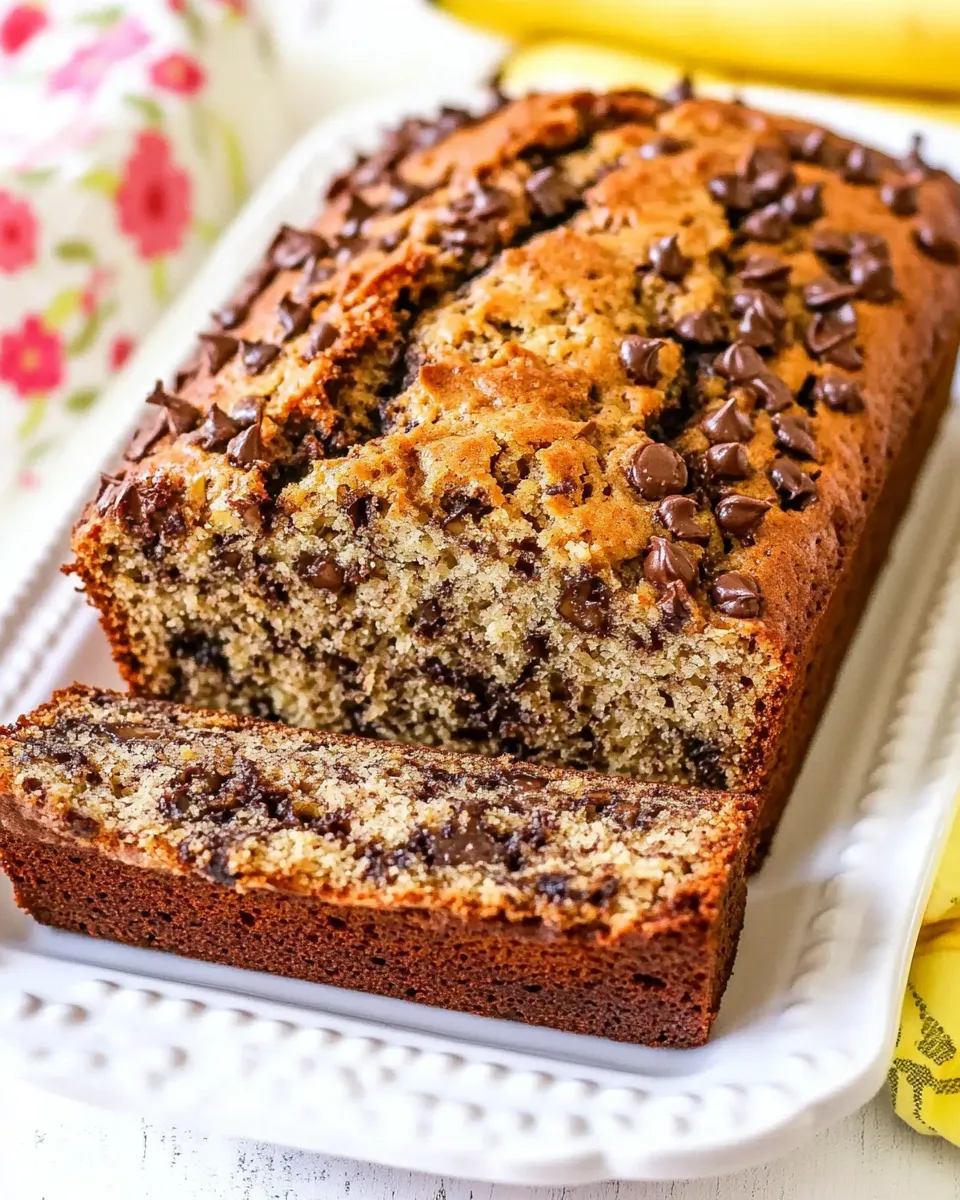
In fall and winter, toast the optional nuts briefly before folding them in to deepen their flavor. In summer, fold in chocolate chips and top with thin banana slices for a fresh look. The recipe already offers the option to use nuts or chocolate chips—lean on that. A sprinkle of coarse sugar or a few banana slices on top before baking adds a caramelized finish that suits late-summer fruit, while toasted nuts pair beautifully with autumn spices if you choose to add them sparingly.
Chef’s Rationale
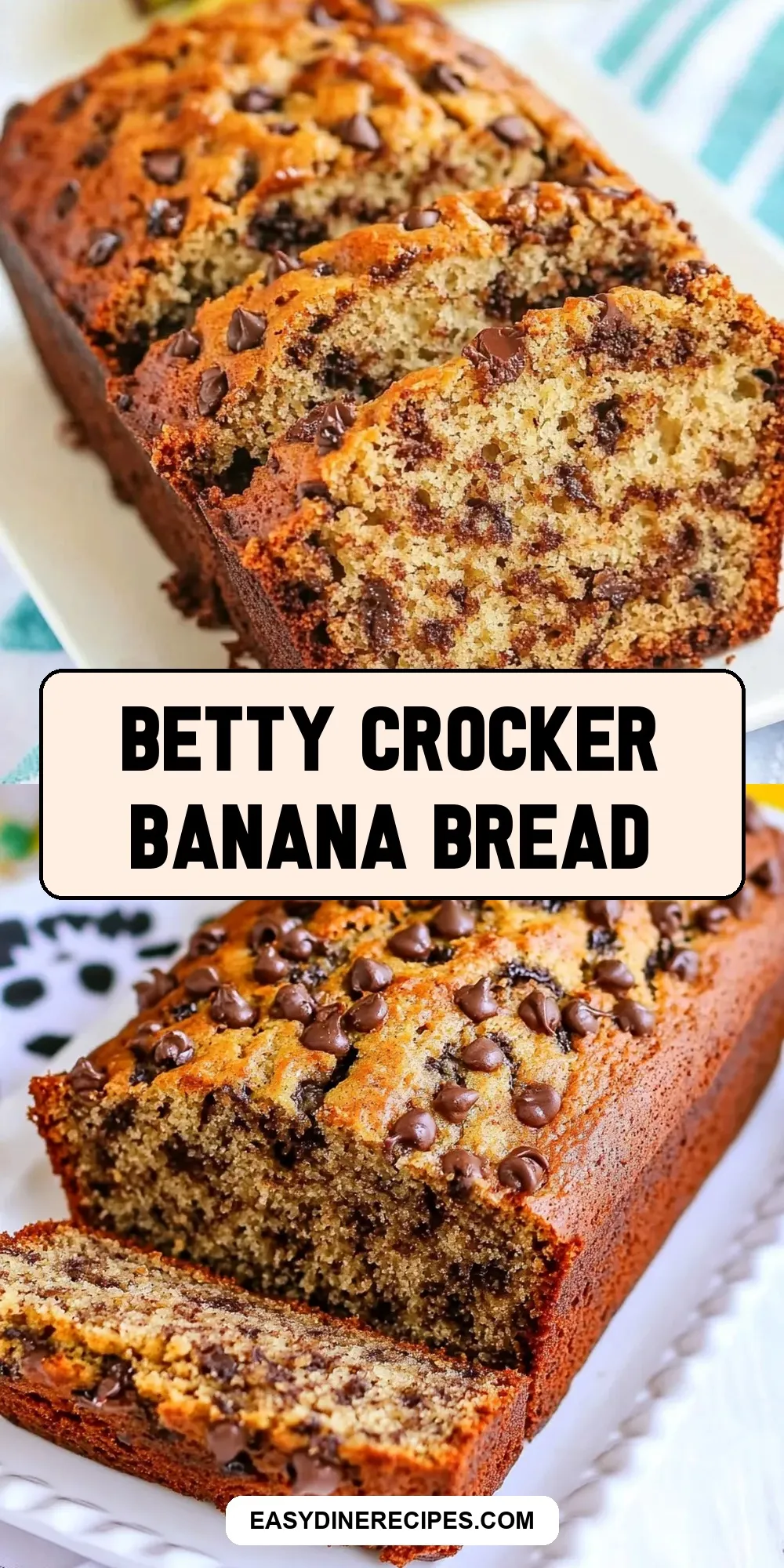
I follow this trusted Betty Crocker ratio because it balances convenience and predictability. Creaming butter and sugar builds a light matrix that the eggs then stabilize. The mashed bananas and buttermilk provide both flavor and necessary acidity to react with baking soda. Whisking the dry ingredients separately ensures even distribution of baking soda and salt, so you don’t get patches of metallic baking soda taste or uneven rise.
Dividing the batter between two loaf pans is intentional: it reduces bake time and produces loaves with a better crust-to-crumb ratio. A single larger loaf can bake unevenly and risk overbaking the edges while the center finishes.
Leftovers & Meal Prep
Store cooled loaves wrapped tightly at room temperature for 2–3 days. For longer storage, wrap slices or whole loaves in plastic wrap and freeze up to 3 months. Thaw overnight in the fridge or at room temperature for a few hours, then warm slices in a toaster oven or microwave for a few seconds. Fresh-baked slices also crisp up nicely under a broiler for a minute—watch closely.
If you make two loaves, keep one whole for the freezer and enjoy the other over the next couple of days. That way you always have a fresh-sliced loaf on hand without a last-minute bake.
Your Top Questions
Can I use only one loaf pan? Yes, but the bake time will be longer and less predictable. You’ll need to test with a toothpick; expect perhaps 70–80 minutes depending on the pan size.
Can I swap brown sugar for granulated? The recipe calls for granulated sugar. Brown sugar will add moisture and a molasses note; it’s an acceptable tweak but will darken flavor and crumb.
Why did my loaf sink in the middle? Common causes: underbaked center, too much leavening, or overmixing. Check oven temperature with a thermometer and don’t open the oven door early.
How ripe should the bananas be? Very ripe—lots of brown spots or mostly brown skin. They should yield easily when squeezed and mash smoothly.
Time to Try It
This Betty Crocker Banana Bread is one of those recipes that proves a good method beats flash trends. Follow the steps, respect the mix-and-rest details, and you’ll have a dependable loaf—soft, flavorful, and ready for morning coffee or an afternoon snack. Bake the batch, wrap one loaf to freeze, and slice the rest as you go. Then let me know which mix-in you chose: nuts or chocolate chips? I’ll always pick chocolate chips when I want a simple treat, and nuts when I’m sharing with neighbors.
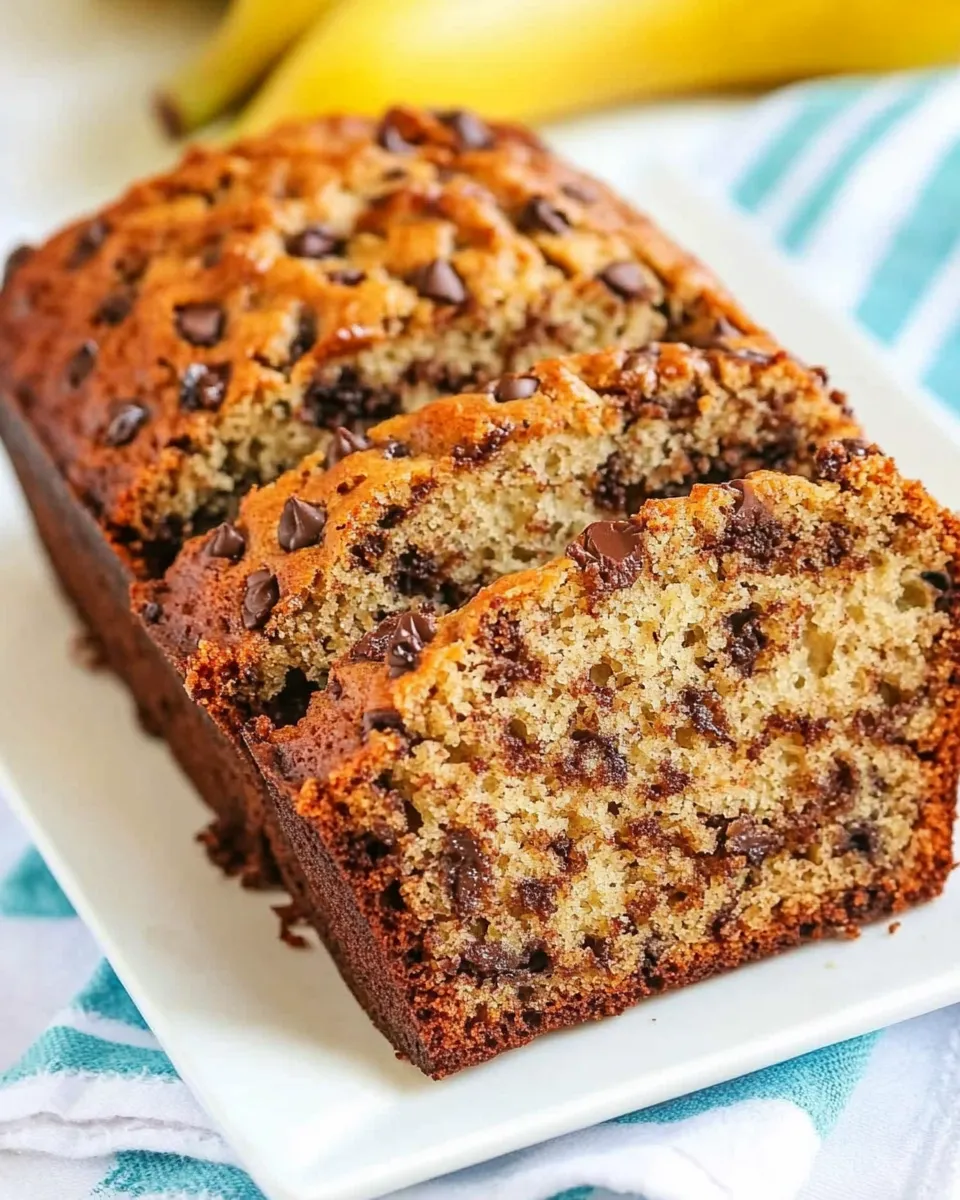
Betty Crocker Banana Bread
Equipment
- ▢Two 8 1/2 x 4 1/2 x 2 1/2 inch loaf pans
Ingredients
Ingredients
- 1 1/4 cupsgranulated sugar
- 1/2 cupunsalted butter softenedsalted butter is fine to use as well
- 2 largeeggs
- 1 1/2 cupsmashed ripe bananasapproximately 4-5 medium bananas
- 1/2 cupbuttermilk
- 1 tspvanilla
- 2 1/2 cupsall-purpose flour
- 1 tspbaking soda
- 1 tspsalt
- 1 cupchopped nuts or semi-sweet chocolate chipsOPTIONAL
Instructions
Instructions
- Position an oven rack in the center of the oven and preheat the oven to 350°F.
- Grease the bottoms and about halfway up the sides of two loaf pans; set pans aside.
- In a large bowl, cream together 1/2 cup softened butter and 1 1/4 cups granulated sugar until light and creamy.
- Add the 2 large eggs to the butter-sugar mixture and mix until blended.
- Stir in 1 1/2 cups mashed ripe bananas (about 4–5 medium) until combined.
- Add 1/2 cup buttermilk and 1 teaspoon vanilla to the bowl and mix until well blended.
- In a separate bowl, whisk together 2 1/2 cups all-purpose flour, 1 teaspoon baking soda, and 1 teaspoon salt to distribute the dry ingredients evenly.
- Add the dry ingredients to the wet ingredients and stir gently until just combined; do not overmix.
- If using, fold in 1 cup chopped nuts or 1 cup semi-sweet chocolate chips.
- Divide the batter evenly between the two prepared loaf pans and smooth the tops.
- Bake in the preheated oven for approximately 60 minutes, or until a toothpick inserted into the center comes out clean or with a few moist crumbs.
- Remove the pans from the oven and let the loaves cool in the pans on a wire rack for about 10 minutes. Run a dull knife or spatula around the edges to loosen, then remove the loaves from the pans.
- Transfer the loaves to the wire rack and allow them to cool completely, about 2 hours, before slicing.
Notes
A single 9x5x3 loaf pan can also be used in place of two smaller loaf pans. When doing so, bake for approximately 75 minutes.
Bread can be stored tightly wrapped at room temperature for 3-4 days, or in the refrigerator for up to a week. This recipe also freezes well.