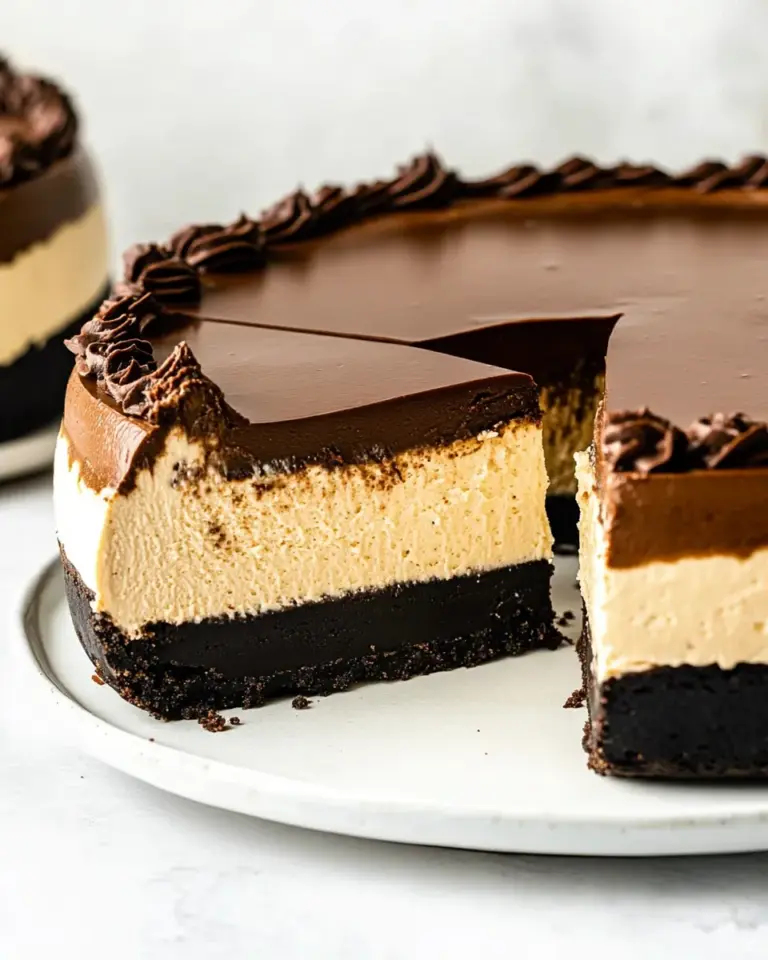
This is the dessert I reach for when I want something that feels indulgent but isn’t fussy. Chocolate Velvet is silky, layered, and comes together with basic tools you already have. The texture is somewhere between a mousse and a torte — light from whipped egg whites, dense from melted unsweetened chocolate, and pleasantly crunchy from chocolate wafer crumbs.
There’s a small technical note up front: the recipe uses raw or undercooked eggs in the final assembly. I’ll point out safe alternatives later, but if you’re comfortable with pasteurized eggs or taking standard precautions, this treat is straightforward. The layering gives it a professional look in individual glasses, and it’s perfect for making ahead.
Below you’ll find the ingredient list, the exact step-by-step directions to follow, and practical tips for success, troubleshooting, and variations. I’ve written this to be useful in a busy home kitchen — no needless steps, just what works.
Ingredient Notes
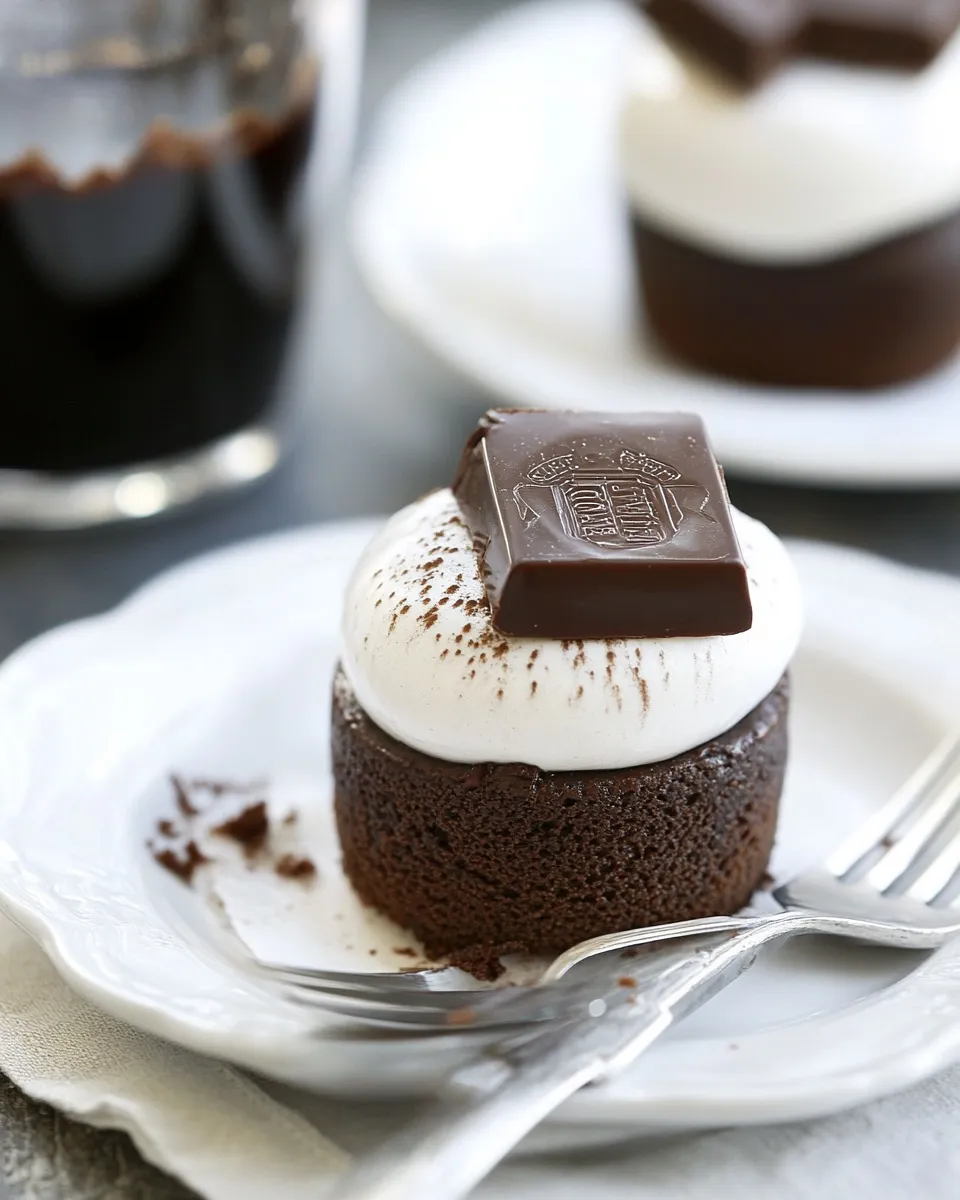
Chocolate Velvet depends on a few key components that each pull their weight:
- Chocolate — provides the backbone: intense cocoa richness and structure when melted and combined with egg yolks.
- Sugar and water — create a syrupy medium to melt the chocolate smoothly and help temper the yolks without scrambling them.
- Egg yolks — add body, silkiness, and richness to the chocolate base when gently cooked and tempered.
- Egg whites and cream of tartar — whipped to stiff peaks, they lighten the mixture and give that mousse-like lift.
- Chocolate wafer crumbs — contribute texture and a complementary cookie flavor; they also create layered contrast.
- Fresh whipped cream — a final, soft finishing touch that rounds the experience with a creamy note.
Ingredients
- 4 ounces unsweetened chocolate, chopped — provides deep cocoa intensity; chop small so it melts quickly and evenly.
- 3/4 cup granulated sugar — sweetens the chocolate mixture and helps create a stable hot syrup for tempering yolks.
- 1/4 cup water — combined with sugar to make a thin syrup that keeps the melted chocolate smooth.
- 5 eggs, separated — yolks enrich and thicken the chocolate; whites give volume when whipped to stiff peaks.
- 1/2 tablespoon Cointreau or Triple Sec — a splash of orange liqueur brightens the chocolate; optional but recommended for balance.
- 1/8 teaspoon cream of tartar — stabilizes the egg whites so they hold stiff peaks.
- 1 9 ounce box chocolate wafer cookies, finely ground (about 2 cups crumbs) — gives the crunchy layers and chocolate-cookie flavor; reserve some for topping.
- Fresh whipped cream, for topping — adds creaminess and a fresh contrast to the rich chocolate layers.
Cook (Chocolate Velvet) Like This
- Finely grind the 9-ounce box of chocolate wafer cookies (about 2 cups crumbs) in a food processor or by placing cookies in a sealed bag and crushing with a rolling pin; set aside.
- Set up a double boiler: simmer about 1–2 inches of water in a saucepan over medium-low heat. Place a heatproof bowl over the saucepan so it sits above the water without touching it.
- In the heatproof bowl, combine the 4 ounces chopped unsweetened chocolate, 3/4 cup granulated sugar, and 1/4 cup water. Stir constantly until the chocolate is fully melted and the mixture is smooth. Keep the mixture warm over the double boiler.
- In a small bowl, whisk the 5 egg yolks until blended.
- Temper the yolks: very slowly ladle about half of the hot chocolate mixture into the yolks in a thin stream, whisking constantly to combine and prevent the yolks from cooking.
- Return the tempered yolk mixture to the bowl over the simmering water and cook, stirring constantly, for 2 to 3 minutes or until the mixture is slightly thickened. Remove from heat, stir in 1/2 tablespoon Cointreau or Triple Sec, and let the mixture cool to lukewarm.
- In a clean large bowl or the bowl of a stand mixer fitted with the whisk attachment, combine the 5 egg whites and 1/8 teaspoon cream of tartar. Whisk on high speed until stiff peaks form, about 5 to 7 minutes.
- Fold one-third of the whipped egg whites into the lukewarm chocolate mixture using a rubber spatula to lighten it. Then gently fold in the remaining egg whites until no white streaks remain and the mixture is uniform.
- Fold 1 1/2 cups of the cookie crumbs into the chocolate mixture until evenly incorporated.
- Divide half of the chocolate mixture among your serving dishes or shot glasses.
- Sprinkle half of the remaining cookie crumbs over that layer (the remaining crumbs after folding in 1 1/2 cups will be about 1/2 cup, so use roughly 1/4 cup here).
- Spoon the remaining chocolate mixture over the crumbs, then finish with the last of the cookie crumbs (about 1/4 cup).
- Refrigerate the assembled desserts at least 2 hours or until set. Just before serving, top each with fresh whipped cream.
- Note: this recipe contains raw or undercooked eggs. If you are uncomfortable consuming raw eggs, use pasteurized eggs in the shell or omit.
Top Reasons to Make Chocolate Velvet
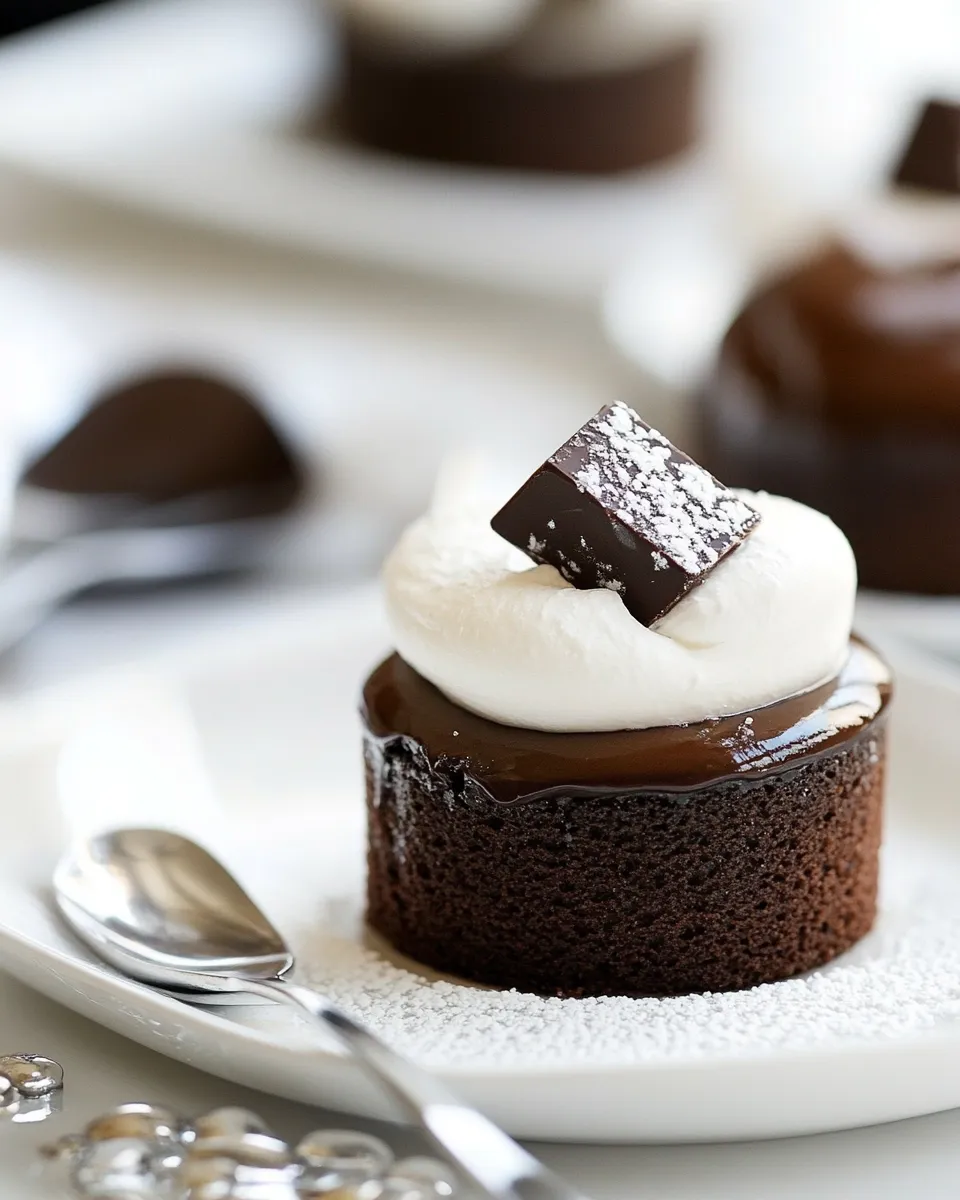
This dessert is worth making because it looks elegant with minimal fuss, is texturally interesting, and scales easily. Make it in individual glasses for a dinner party or in a single short trifle dish for family-style service.
Other solid reasons: it keeps well for a day or two, uses pantry-friendly cookies as a structural element (no fragile sponge to bake), and benefits from chilling — so you can prepare it ahead and enjoy less last-minute work. The flavor is chocolate-forward but finished with a hint of orange from the liqueur for balance.
Dairy-Free/Gluten-Free Swaps
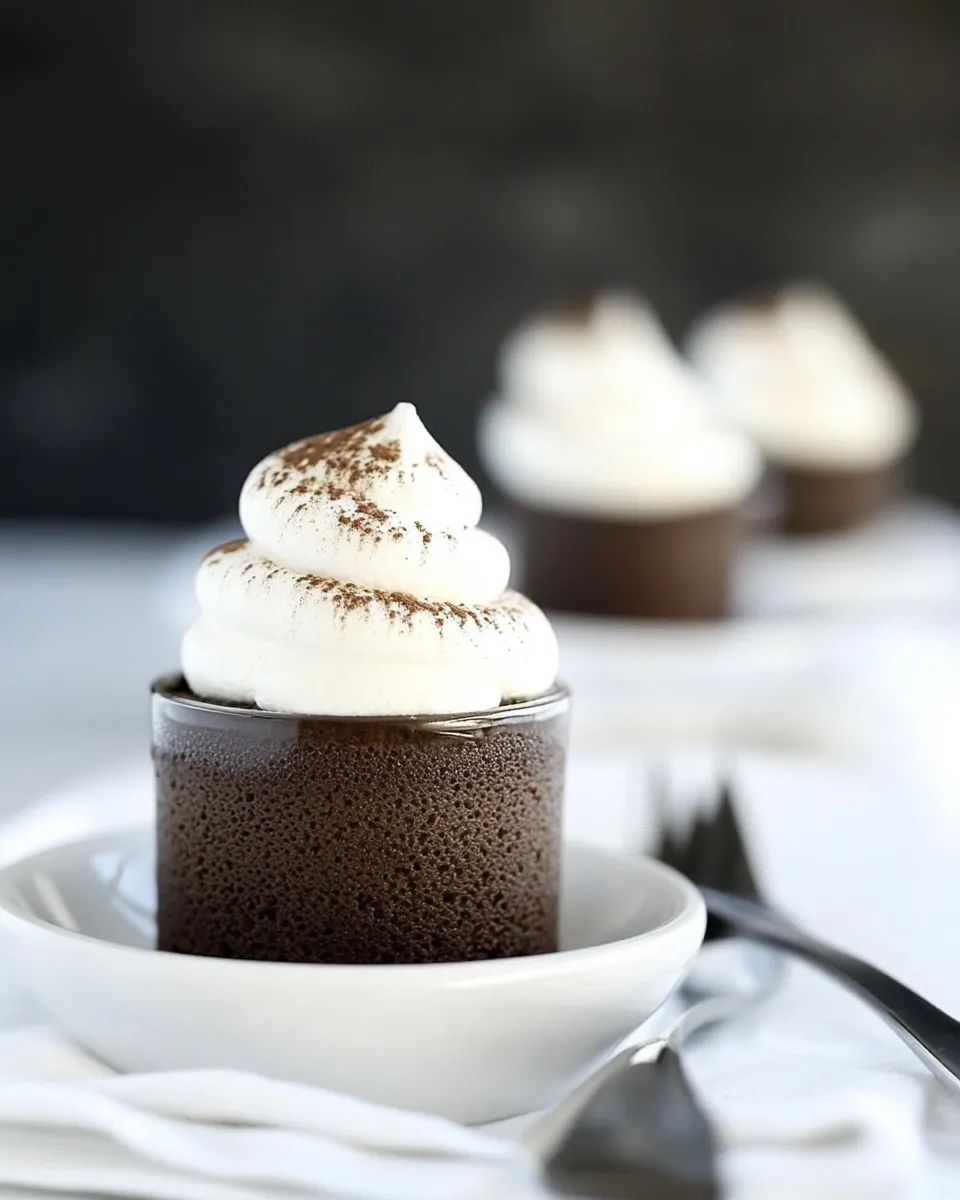
If you need to avoid dairy or gluten, there are straightforward swaps that preserve texture and flavor without changing method or quantities:
- Gluten-free option: Substitute gluten-free chocolate wafer cookies for the wafer crumbs. The technique for grinding and layering stays the same.
- Dairy-free chocolate: Use a high-quality dairy-free unsweetened chocolate or a dark chocolate labeled vegan; it will melt and behave similarly when combined with sugar and water.
- Whipped cream alternative: Top with a dairy-free whipped topping or whipped coconut cream chilled and aerated well. Add it just before serving for the best texture.
- Eggs: If you must avoid eggs entirely, this recipe would require a different structure (egg whites give essential volume). For a fully egg-free adaptation, consider a separate egg-free chocolate mousse recipe — this version relies on the egg components and can’t be directly swapped without changing technique.
Toolbox for This Recipe
These are the tools that make the job easier and more consistent:
- Food processor or heavy-duty plastic bag and rolling pin (for grinding the cookies)
- Small saucepan (to simmer water for the double boiler)
- Heatproof bowl that nests over the saucepan without touching the water
- Whisk and rubber spatula
- Stand mixer with whisk attachment or an electric hand mixer (to beat egg whites to stiff peaks)
- Measuring cups and spoons
- Serving glasses, ramekins, or a trifle dish for assembly
Things That Go Wrong
When a recipe uses eggs and a double boiler there are a couple of common traps. I’ll list them and how to fix or avoid them.
- Scrambled yolks during tempering — If you add hot chocolate mixture too quickly to the yolks, they can cook and become grainy. Fix: strain the mixture through a fine-mesh sieve to remove cooked bits, then continue. Prevent: add the hot liquid in a very thin stream while whisking constantly.
- Over- or under-whipped egg whites — Under-whipped whites will not give enough lift; over-whipped whites become dry and lose shine. Aim for stiff peaks that are still glossy. If overwhipped, you can sometimes rescue by adding a small spoonful of the lukewarm chocolate mixture and folding gently to rehydrate.
- Grainy chocolate mixture — If chocolate seizes or the mixture becomes grainy, gentle heat with constant stirring over the double boiler and a bit of patience usually smooths it out. Avoid direct high heat.
- Layers blending together — If you assemble too soon while the chocolate mixture is still warm, the cookie crumbs will soften too quickly. Allow the chocolate mixture to cool to lukewarm before folding in whites and assembling so layers remain distinct.
- Too soft after chilling — If the mousse seems runny after chilling, it may not have chilled long enough to set. Give it more time in the fridge. If it still doesn’t set, the whites may not have been whipped to proper stiffness or the yolk-chocolate mixture was too warm when folded in.
Holiday & Seasonal Touches
For holidays, small flavor or presentation tweaks make Chocolate Velvet feel festive without changing the core recipe. Sprinkle grated orange zest over the whipped cream for winter citrus brightness, or fold a pinch of cinnamon into the cookie crumbs for warmth at Thanksgiving.
Top with toasted nuts for crunch in colder months, or add a few raspberries and a mint leaf for contrast in spring. For winter celebrations, dust with a light sprinkling of cocoa or powdered sugar to mimic a dusting of snow.
Notes on Ingredients
Quality matters for a dessert that’s mostly chocolate. Use the best unsweetened chocolate you can reasonably source — its cocoa intensity and mouthfeel are central. The wafers can be an inexpensive box of chocolate wafers; their role is texture and chocolate-cookie flavor more than nuance, but fresher cookies will give cleaner flavor and crispness.
The 1/2 tablespoon of Cointreau or Triple Sec is small but effective: it lifts the chocolate with a subtle orange lift. If you prefer to omit alcohol, add a teaspoon of orange zest to the cooled mixture for aromatic brightness instead.
Storage & Reheat Guide
Store Chocolate Velvet covered in the refrigerator for up to 2 days for best texture. The cookie crumbs will soften over time but the dessert holds well for make-ahead service. If you assemble in a single dish, wrap tightly to prevent absorption of fridge odors.
Do not freeze individual servings — freezing changes the airy texture and can cause separation when thawed. When ready to serve, remove from the fridge 5–10 minutes before plating (this helps the whipped cream feel less cold and allows flavors to open). Add fresh whipped cream only right before serving to keep it from weeping.
Chocolate Velvet FAQs
Can I make this without raw eggs?
The recipe’s structure relies on eggs for both richness and lift. If you want to avoid raw eggs, use pasteurized eggs in the shell, or use a different egg-free chocolate mousse recipe. Pasteurized eggs give peace of mind without changing flavor or texture.
How long ahead can I assemble?
Assemble up to 24 hours in advance. The cookie layers will soften but the dessert will still taste great. Add whipped cream just before serving for best presentation.
Can I scale the recipe?
You can scale, but keep the ratios and the technique the same. Working with smaller volumes may change whipping times for the egg whites; watch for stiff peaks, not a set time.
Why is the double boiler necessary?
The double boiler provides gentle, even heat for melting chocolate and warming the sugar-water without scorching. It’s also the safe surface to finish cooking the tempered yolk mixture to the proper thickness without direct high heat.
Let’s Eat
When the Chocolate Velvet comes out of the fridge and you add the final swirl of whipped cream, you should have a quietly impressive dessert: silky chocolate, airy body, and a satisfying cookie layer in every spoonful. Serve it with a small spoon so guests can reach those layers, and expect compliments.
Make it for a dinner where you want a hands-off dessert that still looks thoughtful. Keep a stash of wafer cookies in the pantry and a jar of good unsweetened chocolate, and this will become one of your reliable, special-occasion desserts.
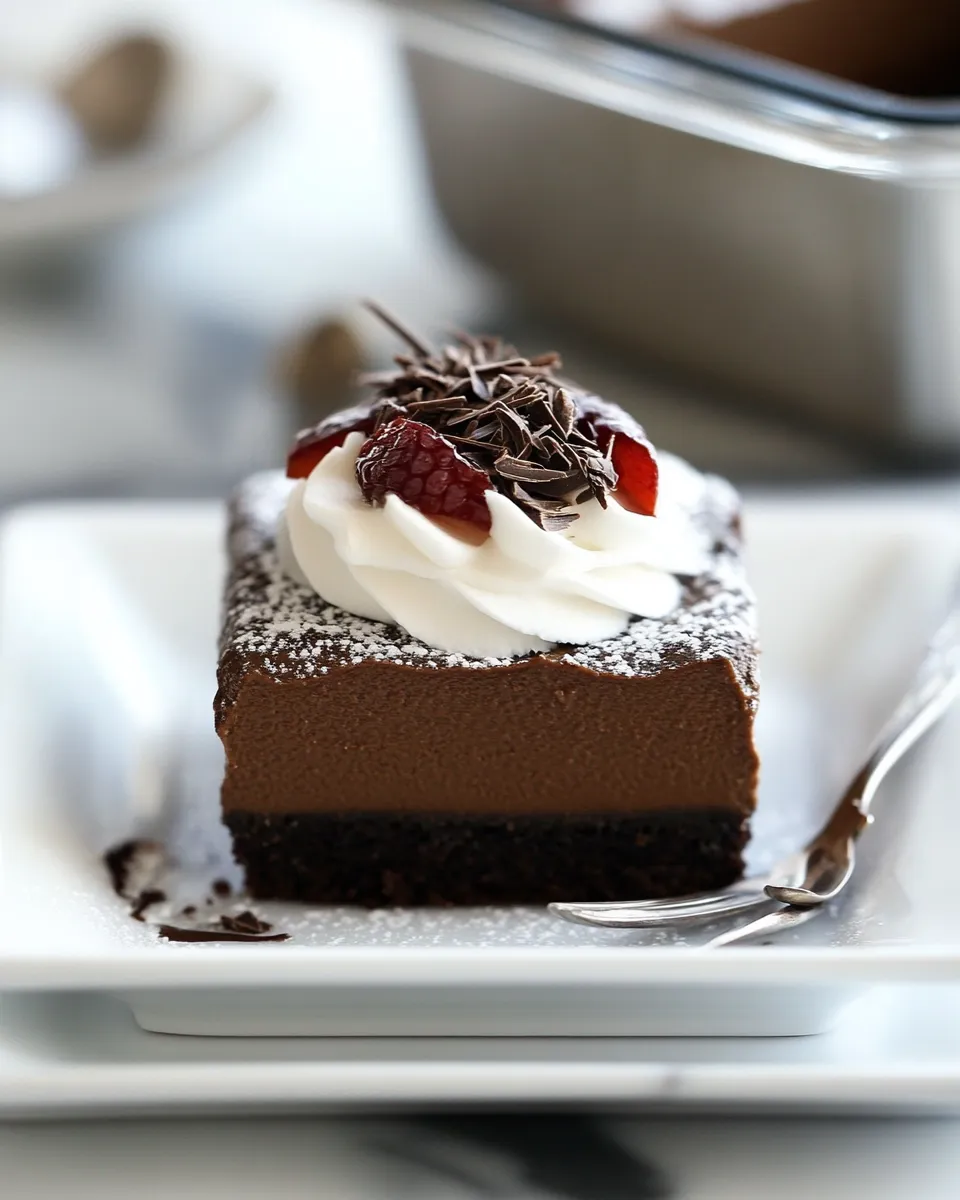
Chocolate Velvet
Ingredients
Ingredients
- 4 ounces unsweetened chocolate chopped
- 3/4 cup granulated sugar
- 1/4 cup water
- 5 eggs separated
- 1/2 tablespoon Cointreau or Triple Sec
- 1/8 teaspoon cream of tartar
- 1 9 ounce box chocolate wafer cookies finely ground (about 2 cups crumbs)
- Fresh whipped cream for topping
Instructions
Instructions
- Finely grind the 9-ounce box of chocolate wafer cookies (about 2 cups crumbs) in a food processor or by placing cookies in a sealed bag and crushing with a rolling pin; set aside.
- Set up a double boiler: simmer about 1–2 inches of water in a saucepan over medium-low heat. Place a heatproof bowl over the saucepan so it sits above the water without touching it.
- In the heatproof bowl, combine the 4 ounces chopped unsweetened chocolate, 3/4 cup granulated sugar, and 1/4 cup water. Stir constantly until the chocolate is fully melted and the mixture is smooth. Keep the mixture warm over the double boiler.
- In a small bowl, whisk the 5 egg yolks until blended.
- Temper the yolks: very slowly ladle about half of the hot chocolate mixture into the yolks in a thin stream, whisking constantly to combine and prevent the yolks from cooking.
- Return the tempered yolk mixture to the bowl over the simmering water and cook, stirring constantly, for 2 to 3 minutes or until the mixture is slightly thickened. Remove from heat, stir in 1/2 tablespoon Cointreau or Triple Sec, and let the mixture cool to lukewarm.
- In a clean large bowl or the bowl of a stand mixer fitted with the whisk attachment, combine the 5 egg whites and 1/8 teaspoon cream of tartar. Whisk on high speed until stiff peaks form, about 5 to 7 minutes.
- Fold one-third of the whipped egg whites into the lukewarm chocolate mixture using a rubber spatula to lighten it. Then gently fold in the remaining egg whites until no white streaks remain and the mixture is uniform.
- Fold 1 1/2 cups of the cookie crumbs into the chocolate mixture until evenly incorporated.
- Divide half of the chocolate mixture among your serving dishes or shot glasses.
- Sprinkle half of the remaining cookie crumbs over that layer (the remaining crumbs after folding in 1 1/2 cups will be about 1/2 cup, so use roughly 1/4 cup here).
- Spoon the remaining chocolate mixture over the crumbs, then finish with the last of the cookie crumbs (about 1/4 cup).
- Refrigerate the assembled desserts at least 2 hours or until set. Just before serving, top each with fresh whipped cream.
- Note: this recipe contains raw or undercooked eggs. If you are uncomfortable consuming raw eggs, use pasteurized eggs in the shell or omit.