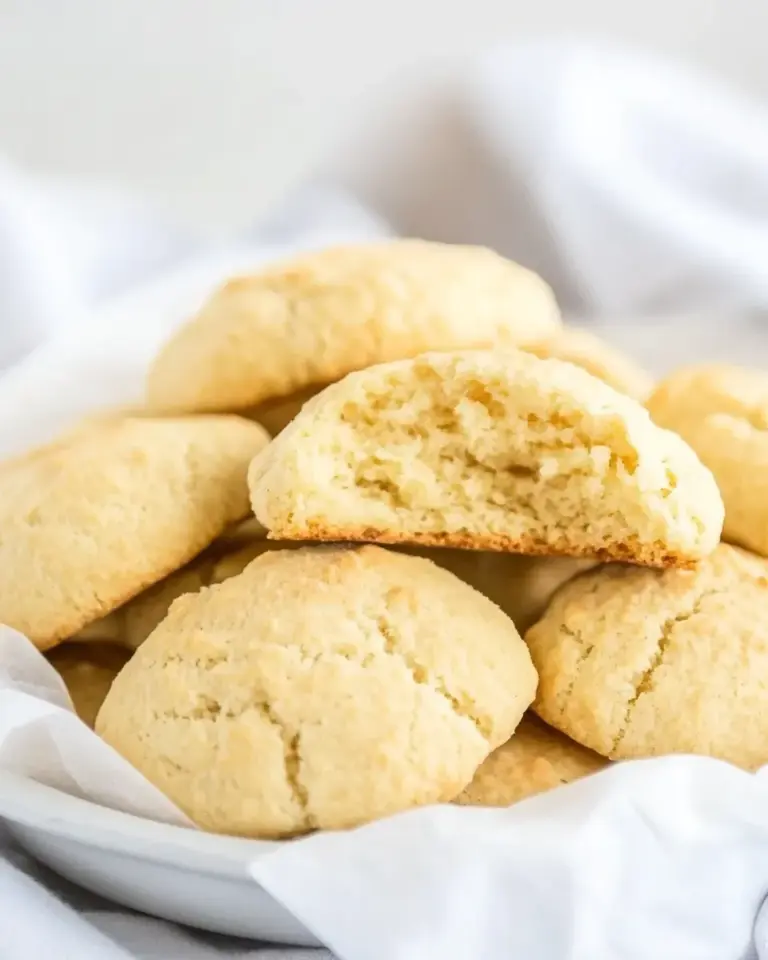
If you’ve ever found yourself craving fresh, homemade bread but needed to skip the dairy, this Dairy Free Bread recipe is here to satisfy those carb cravings without compromise. Soft, slightly tangy, and incredibly easy to whip up, this bread uses simple pantry staples and a clever trick to mimic that tender crumb we all love. Whether you’re dairy-sensitive, vegan, or just curious about trying something new, this loaf has a place on your kitchen counter.
Why It Deserves a Spot
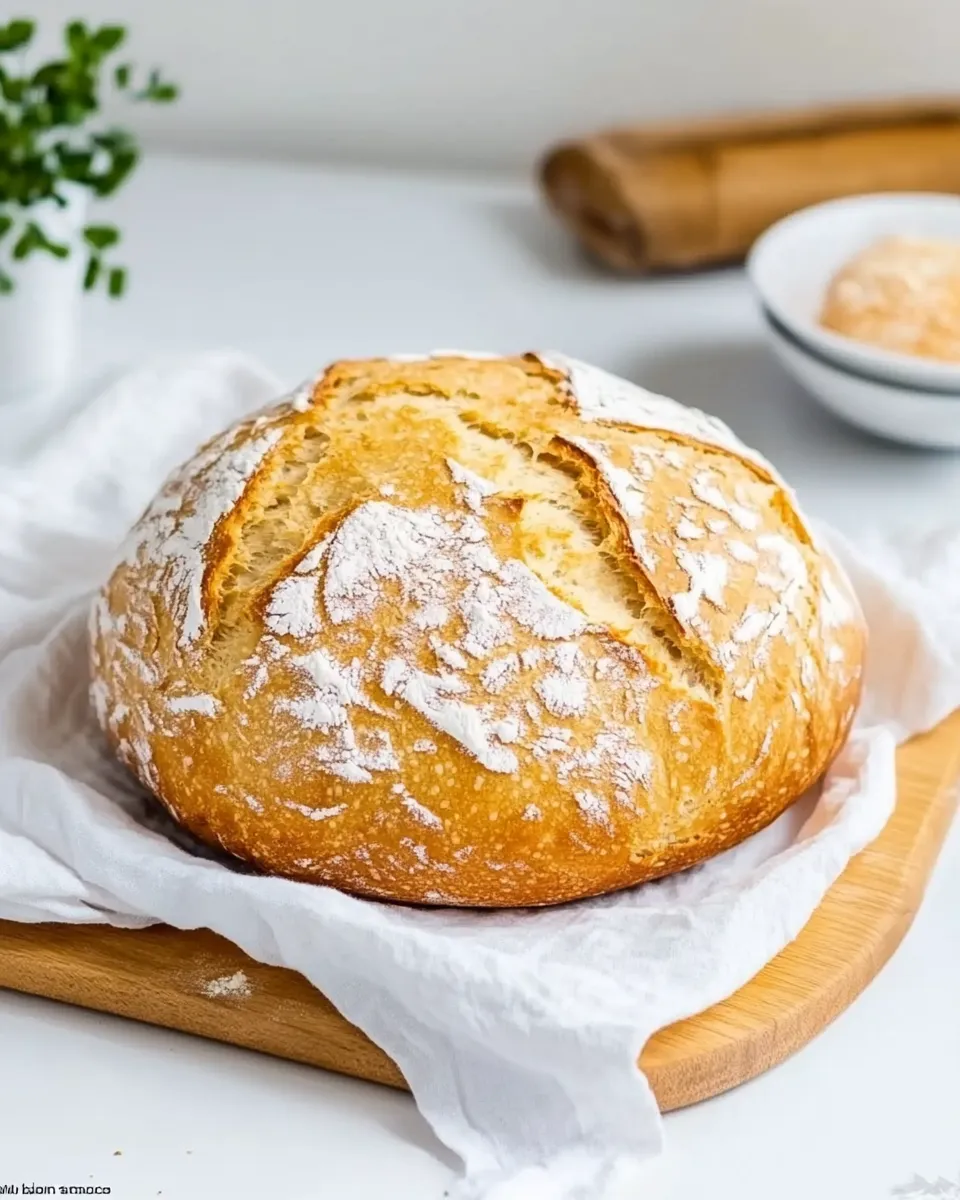
Bread is a universal comfort food, but dairy often plays a starring role in traditional recipes. This Dairy Free Bread flips the script without sacrificing texture or flavor. It’s not only straightforward but also versatile enough for everything from sandwiches to toast slathered with your favorite jam. Plus, it’s perfect for those who prefer or require dairy-free options while still wanting a homemade loaf that feels special.
What sets this bread apart is the use of oat milk combined with white vinegar—a simple pairing that creates a dairy-free “buttermilk” effect. This tangy swap helps activate the baking soda, giving the bread just the right lift and softness. And since it uses all-purpose flour, you can easily swap in gluten-free flour if you need to keep it gluten-free too!
What We’re Using
- 1 cup milk of choice: I used oat milk, but almond, soy, or coconut milk work beautifully as well.
- 2 tablespoons white vinegar: This creates that tangy acidity to react with baking soda and enhance rise. (See notes below.)
- 2 cups all-purpose flour: The base of the bread. Gluten-free blends can be used if necessary.
- 1/2 teaspoon baking soda: Works with the vinegar to make the bread light and airy.
- 1/2 teaspoon salt: Balances the flavors and enhances the overall taste.
- 1 tablespoon sugar: Just enough to feed the baking soda and add a hint of sweetness.
What’s in the Gear List
- Mixing bowl: For combining your wet and dry ingredients effortlessly.
- Whisk or fork: To mix the vinegar and milk, and later the dry ingredients.
- Loaf pan: An 8×4 inch pan works perfectly for this recipe.
- Measuring cups and spoons: For accuracy in your ingredients.
- Oven: Preheated to 350°F (175°C) to bake your bread to golden perfection.
- Cooling rack: To let the bread cool evenly and avoid sogginess.
Build Dairy Free Bread Step by Step
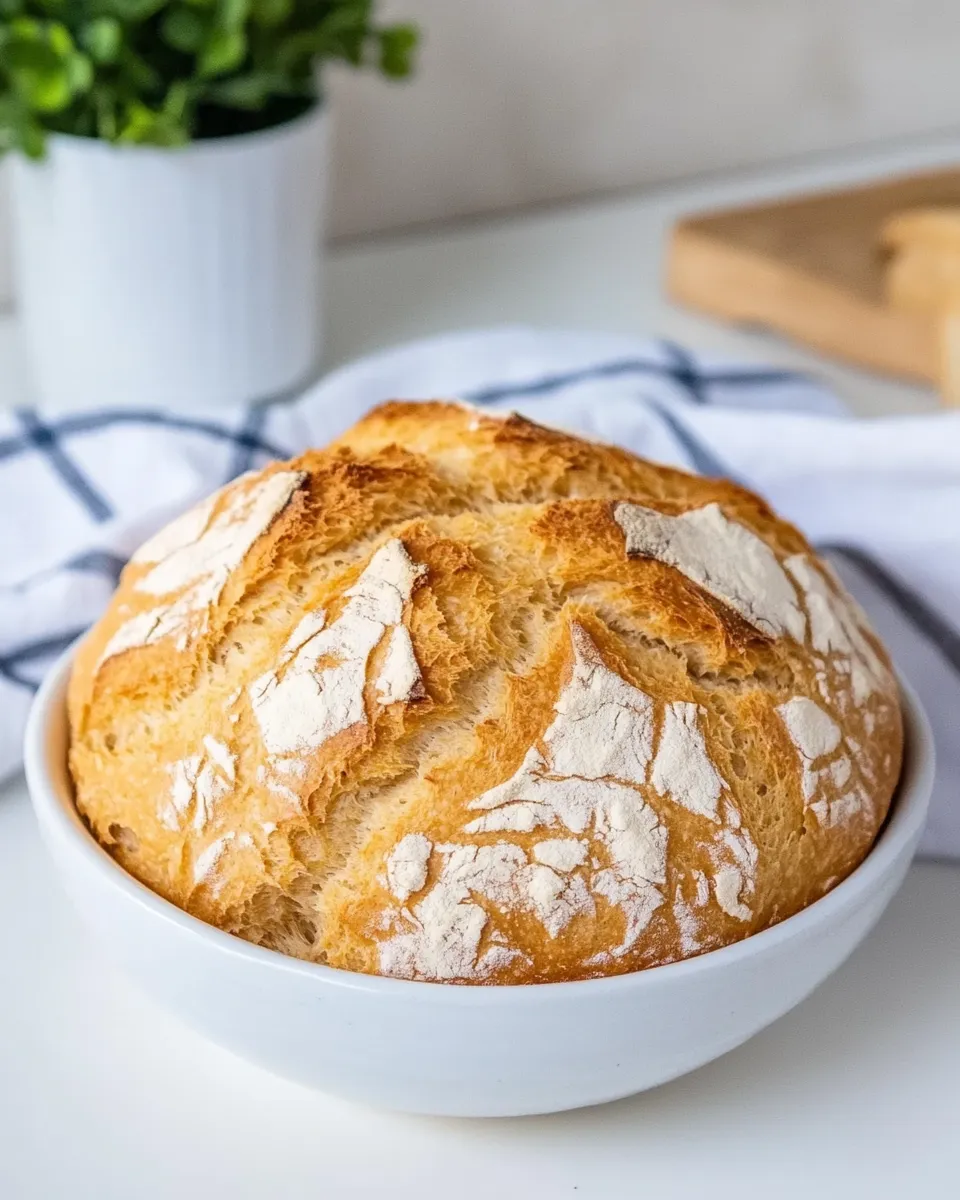
Step 1: Prepare the Dairy-Free “Buttermilk”
Start by pouring 1 cup of your chosen milk into a mixing bowl. Add 2 tablespoons of white vinegar and stir gently. Let this sit for about 5-10 minutes. You’ll notice it thickens slightly and curdles—this is your dairy-free buttermilk, essential for tender crumb and rise.
Step 2: Mix Dry Ingredients
In a separate bowl, whisk together 2 cups of all-purpose flour, 1/2 teaspoon baking soda, 1/2 teaspoon salt, and 1 tablespoon sugar. Make sure everything is evenly combined to avoid pockets of baking soda or salt in your bread.
Step 3: Combine Wet and Dry
Slowly pour the dry ingredients into the dairy-free buttermilk mixture. Stir gently with a spoon or spatula until just combined. The batter will be thicker than a cake batter but not as firm as traditional dough—don’t overmix here to keep the bread tender.
Step 4: Pour and Smooth
Transfer your batter into a greased or parchment-lined loaf pan. Use a spatula to smooth the top evenly for a nice, uniform loaf.
Step 5: Bake to Golden Perfection
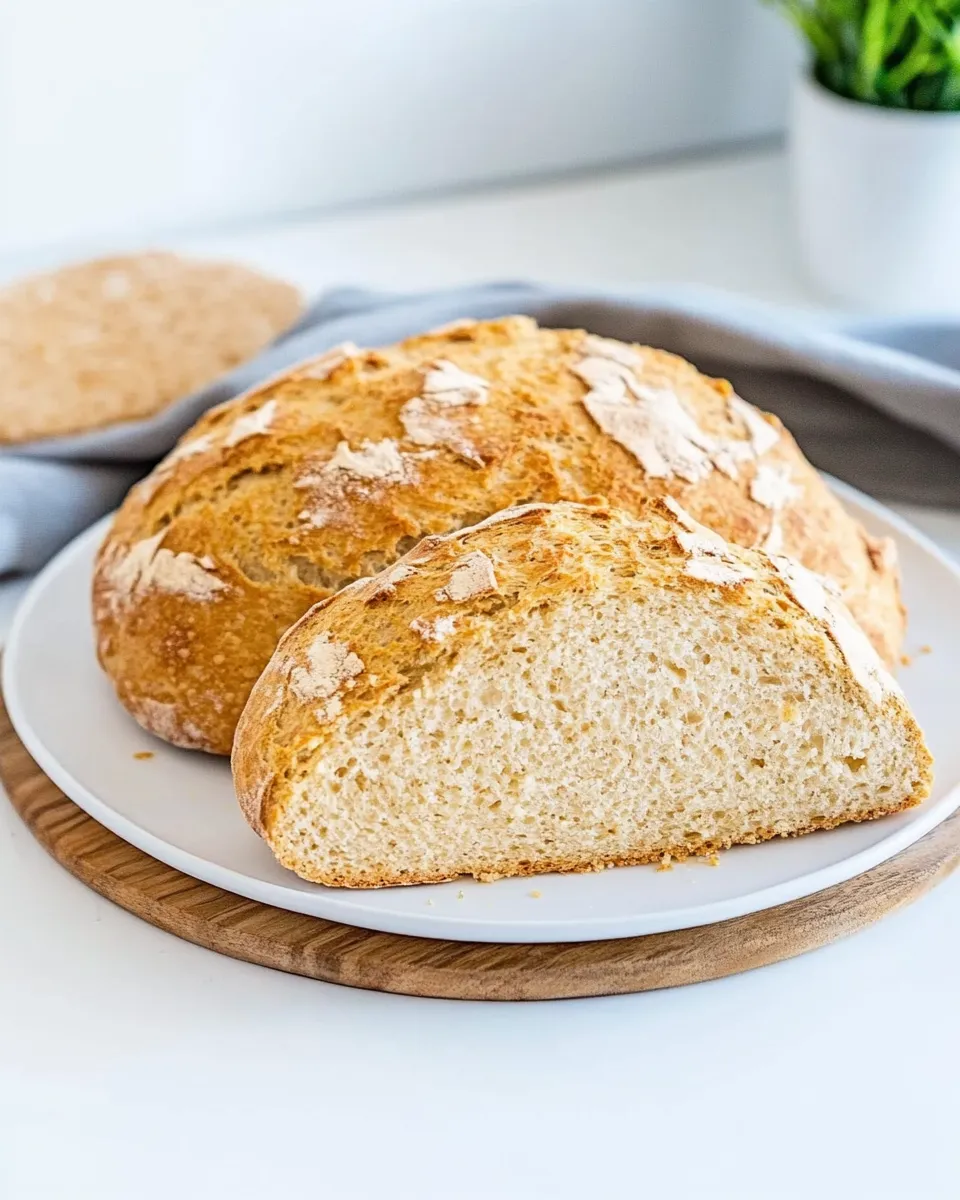
Place the loaf in your preheated oven at 350°F (175°C). Bake for 40-45 minutes, or until the top is golden brown and a toothpick inserted in the center comes out clean. If the bread starts browning too quickly, tent with foil.
Step 6: Cool Completely
Remove the bread from the oven and let it cool in the pan for about 10 minutes. Then transfer it to a cooling rack to cool completely. This step is crucial to prevent sogginess and help the bread set properly.
Budget & Availability Swaps
- Milk: Use any plant-based milk you have on hand, like soy, rice, or cashew milk instead of oat milk.
- Vinegar: Apple cider vinegar can replace white vinegar if preferred or more readily available.
- Flour: Gluten-free all-purpose flour blends work well here, making the bread accessible for gluten-sensitive eaters.
- Sugar: Swap granulated sugar for coconut sugar or maple syrup (reduce liquid slightly if using syrup).
- Baking soda: Essential for rise, so keep this ingredient on hand for best results.
Cook’s Notes
- Don’t skip the vinegar: It’s the magic behind creating tender bread without dairy.
- Mix gently: Overmixing can lead to dense bread instead of light and fluffy.
- Check your oven: Baking times may vary slightly depending on your oven’s heat distribution.
- Storage: Store bread in an airtight container at room temperature for up to 3 days.
- Add-ins: Feel free to mix in herbs, garlic powder, or seeds for extra flavor and texture.
Freezer-Friendly Notes
This Dairy Free Bread freezes beautifully, making it a perfect make-ahead staple. Slice the bread after it has completely cooled, then wrap individual slices or the whole loaf tightly in plastic wrap followed by aluminum foil or a freezer-safe bag. It can be frozen for up to 3 months.
To thaw, simply leave slices on the counter for 30-60 minutes or warm them directly in a toaster or oven. This quick method revives the bread’s fresh-from-the-oven texture.
Your Questions, Answered
Can I use other types of flour besides all-purpose?
Absolutely! You can substitute all-purpose flour with gluten-free blends to make this bread gluten-free, or try whole wheat flour for a nuttier flavor. Just note that whole wheat may make the bread denser, so you might want to add a bit more liquid.
Why is vinegar necessary in this recipe?
The vinegar reacts with the baking soda to create carbon dioxide bubbles, which help the bread rise. This interaction also adds a subtle tang that mimics the effect of buttermilk, which is key in dairy-based breads for texture and flavor.
Can I make this bread without sugar?
While sugar is minimal and mainly helps with browning and feeding the baking soda, you can reduce or omit it if you prefer. Just keep in mind that the bread may be less golden and slightly less tender.
How do I know when the bread is fully baked?
The best test is inserting a toothpick or skewer into the center of the loaf. If it comes out clean or with just a few crumbs, your bread is done. Also, the top should be golden brown and spring back lightly when pressed.
The Takeaway
This Dairy Free Bread recipe is a game-changer for anyone looking to enjoy fresh, homemade bread without dairy. With just a few simple ingredients and easy steps, you can create a loaf that’s tender, flavorful, and versatile enough for all your favorite toppings. Whether you’re new to dairy-free baking or a seasoned pro, this bread fits seamlessly into your routine. It’s budget-friendly, adaptable, and freezer-friendly too — making it a staple you’ll want to bake again and again.
Enjoy the simple joy of bread baking, minus the dairy fuss, and embrace the wholesome comfort of this delicious loaf. Happy baking!
Share on Pinterest
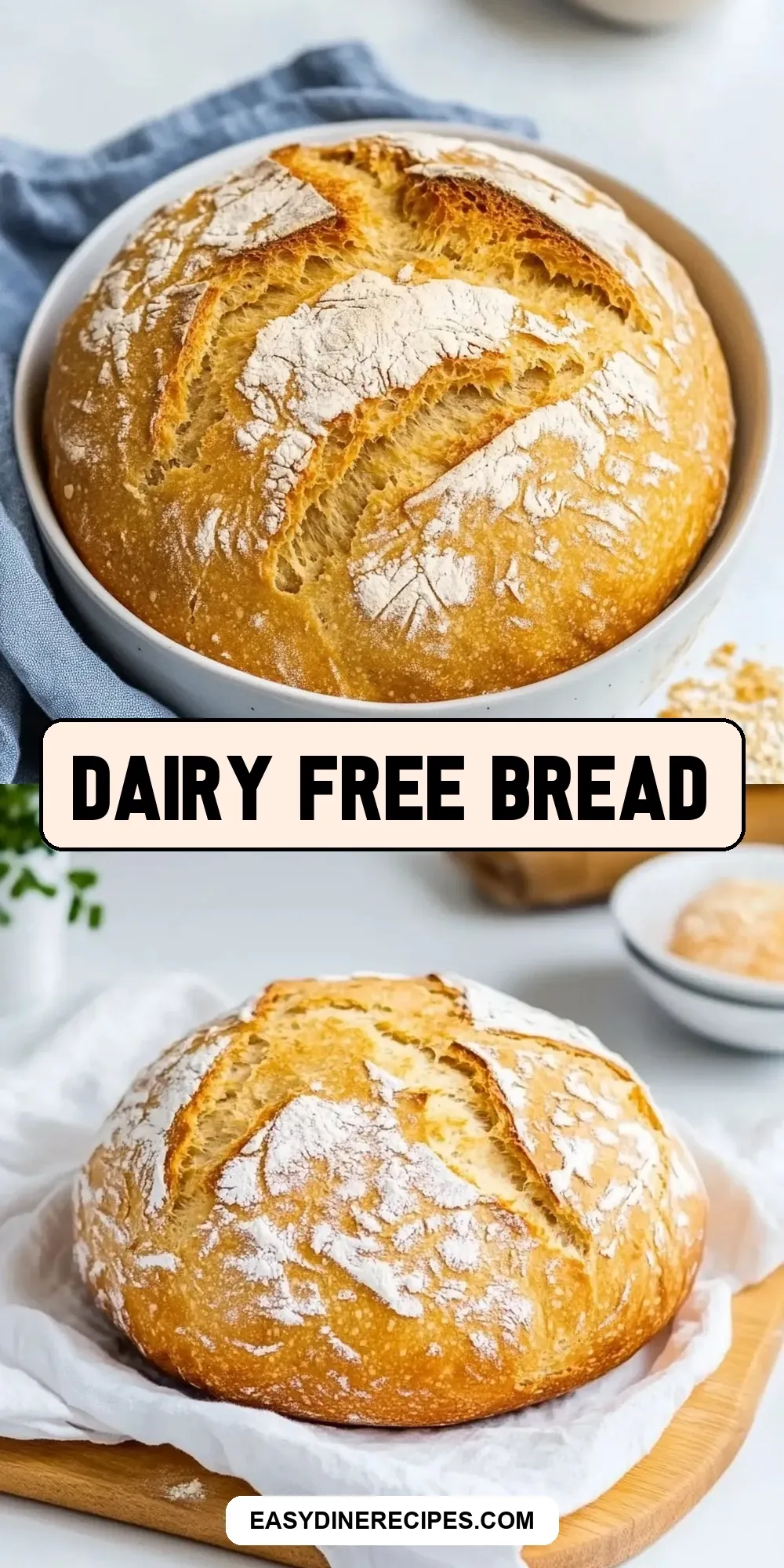
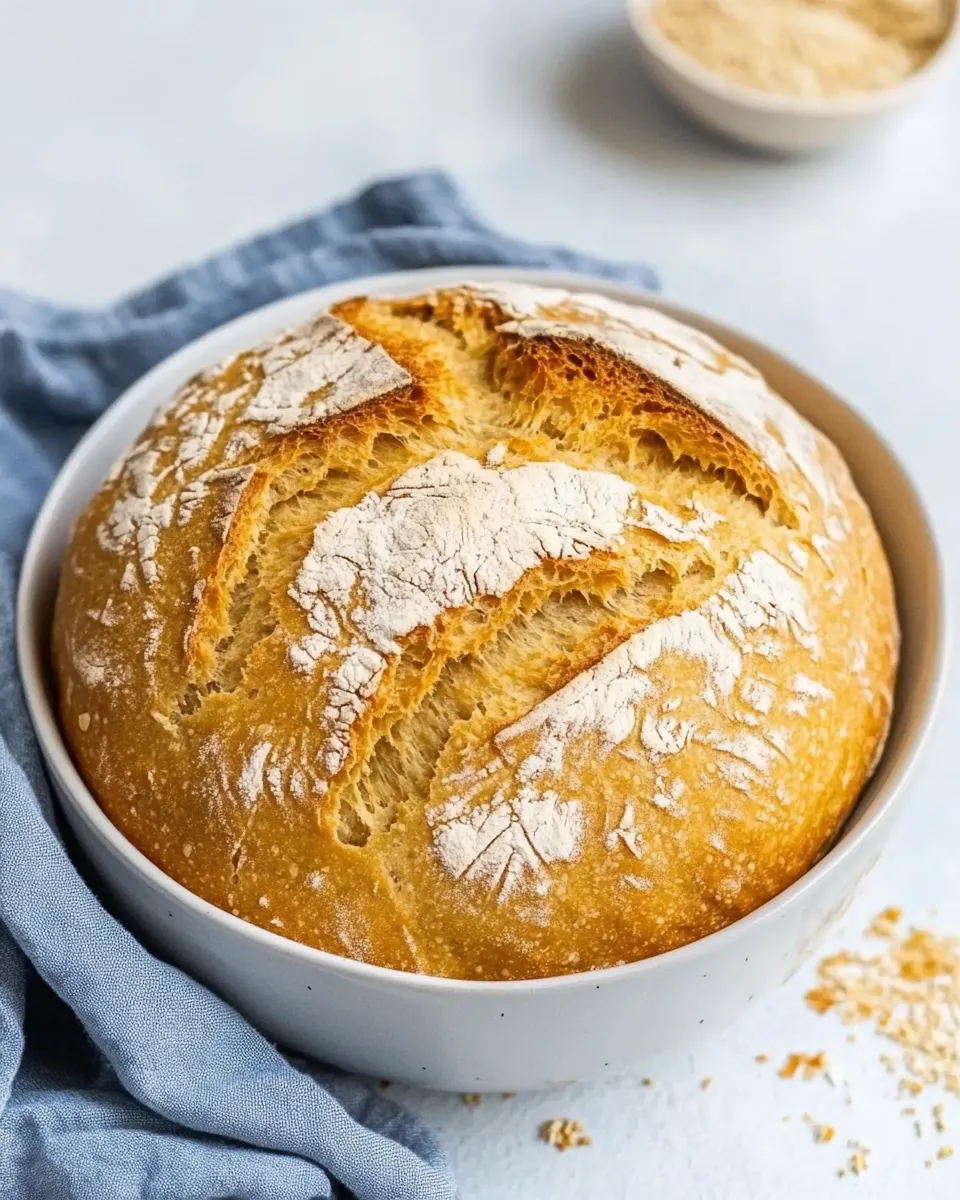
Dairy Free Bread
Equipment
- Mixing Bowl
- Whisk or fork
- Loaf Pan
- Measuring cups and spoons
- Oven
- Cooling rack
Ingredients
- 1 cup milk of choice e.g., oat, almond, soy, or coconut milk
- 2 tablespoons white vinegar creates dairy-free buttermilk effect
- 2 cups all-purpose flour can substitute gluten-free flour
- 1/2 teaspoon baking soda reacts with vinegar to make bread light
- 1/2 teaspoon salt balances flavor
- 1 tablespoon sugar feeds baking soda and adds sweetness
Instructions
- Pour 1 cup of chosen milk into a mixing bowl. Add 2 tablespoons white vinegar and stir gently. Let sit 5-10 minutes until slightly thickened and curdled to create dairy-free buttermilk.
- In a separate bowl, whisk together 2 cups all-purpose flour, 1/2 teaspoon baking soda, 1/2 teaspoon salt, and 1 tablespoon sugar until evenly combined.
- Slowly pour the dry ingredients into the dairy-free buttermilk mixture. Stir gently with a spoon or spatula until just combined; do not overmix.
- Transfer batter into a greased or parchment-lined 8x4 inch loaf pan. Smooth the top evenly with a spatula.
- Bake in a preheated oven at 350°F (175°C) for 40-45 minutes until golden brown and a toothpick inserted in the center comes out clean. Tent with foil if browning too quickly.
- Remove from oven and let cool in pan for 10 minutes. Then transfer to a cooling rack to cool completely to prevent sogginess.
Notes
- Don’t skip the vinegar; it’s crucial for tender, risen bread without dairy.
- Mix gently to avoid dense bread; overmixing reduces fluffiness.
- Store bread in an airtight container at room temperature for up to 3 days.
- Feel free to add herbs, garlic powder, or seeds for extra flavor and texture.
- This bread freezes well for up to 3 months; slice and wrap tightly before freezing.