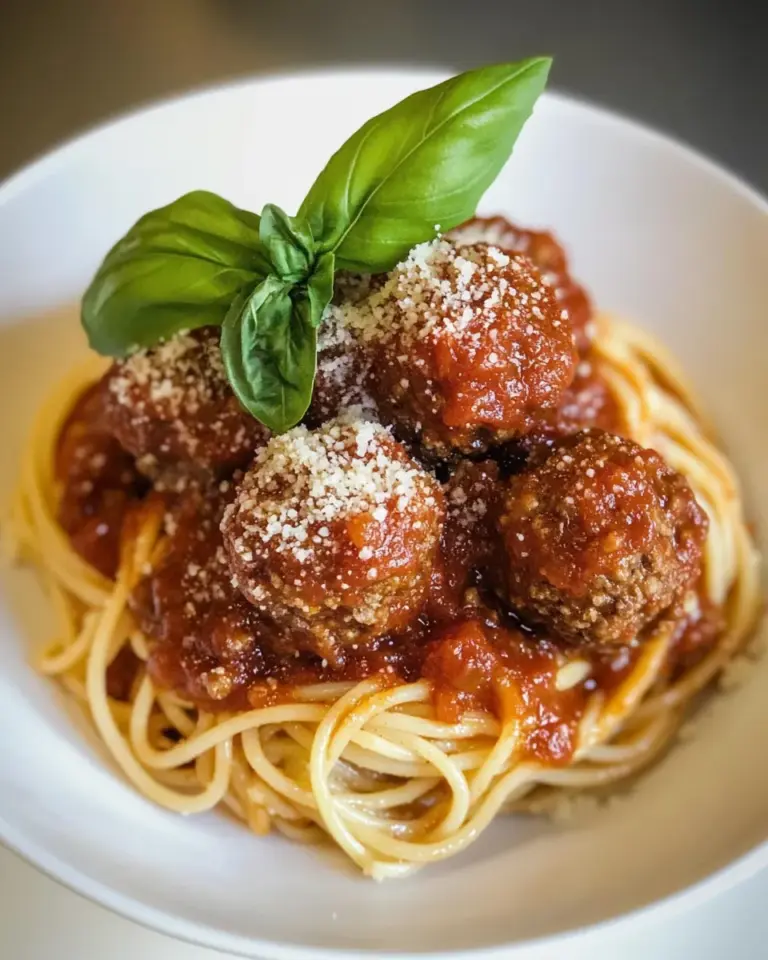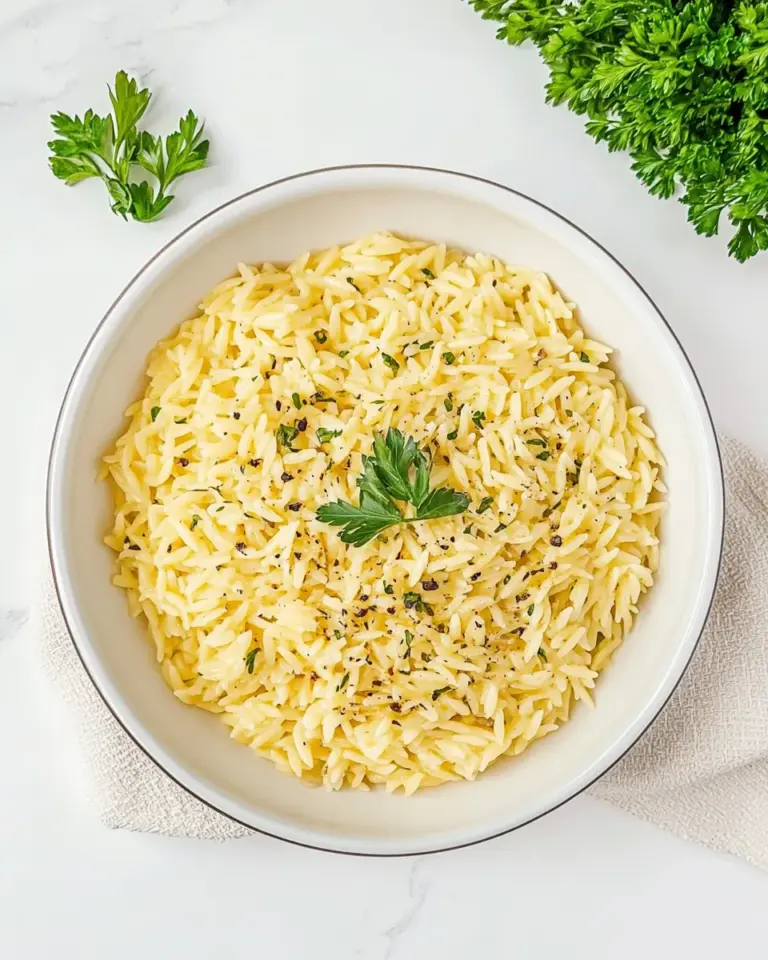
Denver steak is one of those under-the-radar cuts that rewards a little attention with a lot of flavor. It comes from the chuck, but when butchered and cooked right it gives you a steak with deep beefiness and a tender bite. I love it because it behaves like a steakhouse cut while often being easier on the wallet.
In this recipe we keep things direct: a short, bright marinade, a hot surface, and a firm resting period. No complicated steps, no elaborate pan sauces. The goal is to coax maximum flavor from a single steak cut in about half an hour from start to finish.
Below you’ll find the ingredient breakdown, exact step-by-step directions, practical troubleshooting, and notes on equipment, storage, and small tweaks to make this steak your go-to weeknight favorite.
Ingredient Breakdown
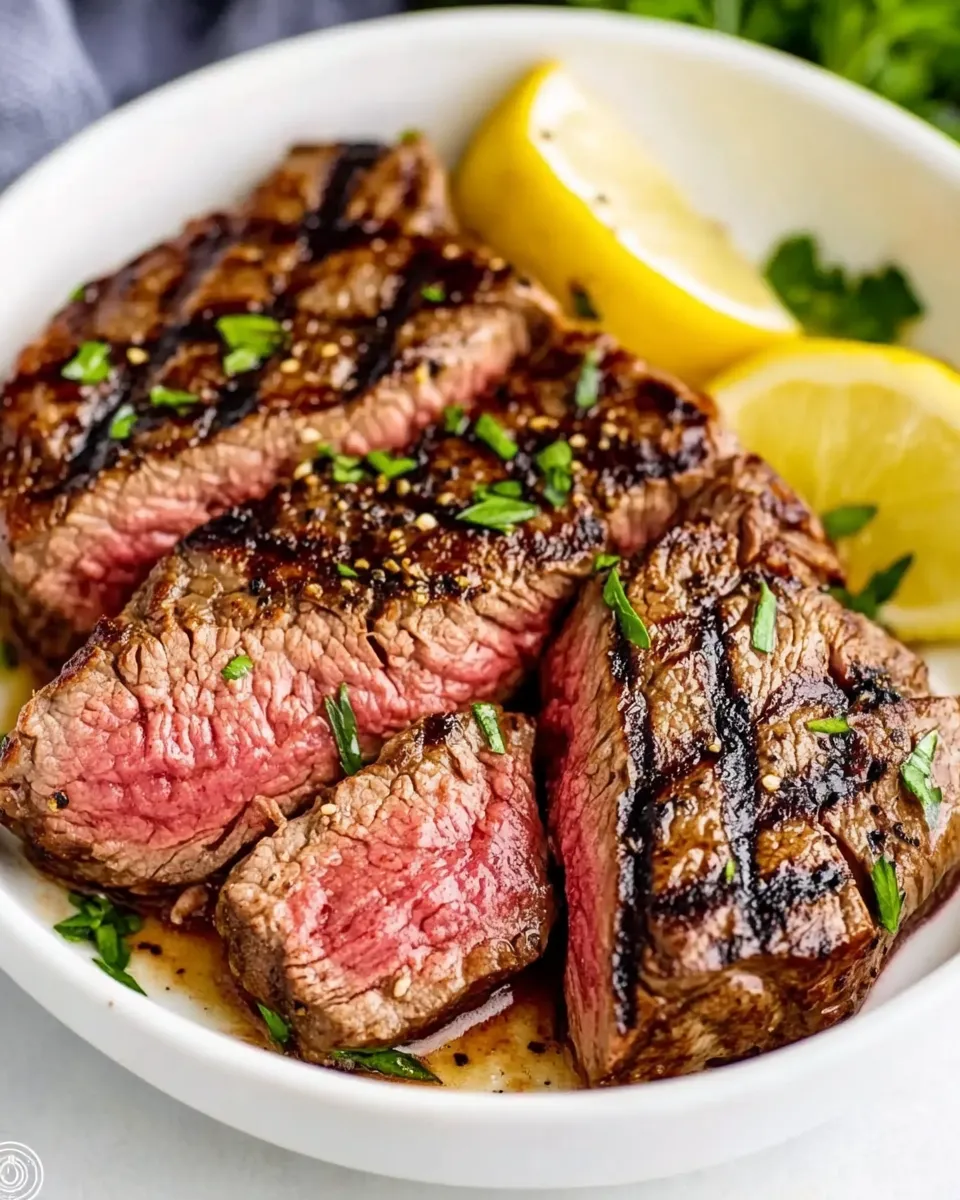
- 1 1/4poundDenver steak — The star: well-marbled and flavorful. Let it come close to room temperature before cooking to promote even doneness.
- 1tablespoonolive oil — Anchors the marinade, helps carry flavors and encourages surface browning during cooking.
- 3/4tablespoonbalsamic vinegar — Provides acid and a touch of sweetness to tenderize slightly and brighten the meat.
- 1teaspoonWorcestershire sauce — Adds savory umami and depth; a little goes a long way in boosting beefy flavors.
- 1clovegarlicminced — Fresh garlic gives aromatic lift; mince fine so it distributes through the marinade.
- 1/2teaspoonsalt — Essential for seasoning. Applied just before searing to help form a flavorful crust.
- 1/4teaspoonpepper — A light touch of pepper for background heat and contrast to the balsamic.
Directions: Denver Steak
- In a small bowl, whisk together 1 tablespoon olive oil, 3/4 tablespoon balsamic vinegar, 1 teaspoon Worcestershire sauce, and 1 clove minced garlic.
- Place the 1 1/4 pound Denver steak in a bowl and pour the marinade over it. Turn the steak to coat both sides and let it sit for 5 minutes at room temperature.
- Meanwhile, preheat a grill pan, outdoor grill, or cast-iron skillet over medium-high heat until hot.
- Remove the steak from the marinade and let any excess drip off or pat lightly dry with a paper towel.
- Season both sides of the steak with 1/2 teaspoon salt and 1/4 teaspoon pepper.
- Place the steak on the hot grill pan, grill, or skillet. Cook 8 minutes on one side, then flip and cook 8 minutes on the other side, or until an instant-read thermometer inserted into the thickest part reads 140–145°F.
- Transfer the steak to a cutting board and let it rest for 10 minutes before slicing.
- Slice the steak against the grain and serve.
Why Cooks Rave About It
Denver steak surprises many people. It has both tenderness and connective tissue that melts during a short, hot cook, so you get a meaty bite without toughness. The cut shows good marbling, which means flavor and juiciness when you sear it properly. That balance—beefy flavor plus tenderness—is why home cooks and professionals alike enjoy it.
Another reason cooks like it: versatility. You can present it simply—salt, pepper, sear—or build a quick pan sauce, slice it for tacos, or serve it over a grain salad. It responds well to direct heat and benefits from a short rest to let juices redistribute. In short: efficient, flavorful, and forgiving when you pay attention to temperature and timing.
If You’re Out Of…

If you find you’re missing one small element from the ingredient list, focus on technique rather than agonizing over swaps. The recipe leans on acid, fat, and aromatics. If the exact acid or aromatic isn’t available, any short splash of acid will brighten the meat. If you lack fresh garlic, a tiny pinch of garlic powder will add garlic character—use sparingly so it doesn’t become harsh.
If you don’t have a specific cooking surface ready, don’t worry: the method accepts options. A hot cast-iron skillet, a preheated grill pan, or a clean outdoor grill will all deliver the sear you need. The key is a hot surface and steady heat rather than matching an ingredient exactly.
Must-Have Equipment

Cooking a Denver steak well doesn’t require a lot of specialized gear, but a few tools make the job easier and more consistent:
- Hot flat surface: Heavy skillet, cast iron, or grill pan—something that holds and transfers heat quickly and evenly.
- Instant-read thermometer: The most reliable way to hit the target 140–145°F without overcooking. It removes guesswork.
- Sharp knife and cutting board: For clean slices against the grain and a presentable plate.
- Tongs: For confident flips without piercing the steak and losing juices.
- Small bowl and whisk or fork: To mix the quick marinade evenly so every bit of steak gets coated.
Errors to Dodge
Overcrowding the pan. Give the steak room. If the surface is crowded the meat steams, and you lose the browned crust that adds flavor and texture.
Cooking straight from very cold. A steak taken directly from the fridge will cook unevenly. Let it sit briefly at room temperature as the recipe instructs so the center isn’t stone cold when it hits the heat.
Skipping the rest. Cutting immediately after cooking robs the steak of juiciness. Let it rest for the full 10 minutes, tented lightly if you like, so juices redistribute and slice presentation improves.
Relying on time alone without checking temperature. The specified times are a great guideline, but thickness and pan temperature vary. Use an instant-read thermometer to be precise.
Nutrition-Minded Tweaks
If you want to nudge this recipe toward lighter goals, focus on portion size and trimming. Denver steak will have a natural fat cap and marbling. Trimming any thick external fat before cooking reduces calories while preserving flavor from internal marbling.
Reduce sodium by holding back a small portion of the salt if you’re watching intake, and finish with a light sprinkle if needed after tasting. The marinade already brings flavor from vinegar and Worcestershire, which helps you rely less on salt for taste.
For lower fat cooking, use a nonstick skillet with the same timing so you can use slightly less olive oil in the marinade. Remember that fat contributes to mouthfeel, so balance reductions with acid and aromatics to keep the steak satisfying.
Chef’s Rationale
Every step in this recipe has a purpose. The short marinade time—just five minutes—isn’t meant to deeply tenderize. Instead, it layers bright, savory flavors on the surface and helps the garlic, balsamic, and Worcestershire meld with the meat. Denver steak doesn’t need long wet marinades to become tender; over-marinating can create an unpleasant texture.
Drying the steak before seasoning ensures the surface can brown properly. Moisture is the enemy of a good sear. Salt and pepper are applied after the brief marinade so salt can do its job at the surface, forming a crust that locks in juices and creates flavor compounds through the Maillard reaction.
The long, steady sear—8 minutes per side—assumes a medium-high heat and a steak of this size. It aims for an internal 140–145°F, which yields a medium result where Denver’s marbling is juicy but fully flavored. Resting is non-negotiable: it solidifies the work of the cook and transforms a good steak into a great one.
Storing, Freezing & Reheating
Leftover steak keeps well when handled properly. After cooling to room temperature (no more than two hours out), wrap slices tightly or store in an airtight container in the refrigerator. Use within 3–4 days for best texture and safety.
For freezing, slice or wrap the whole cooked steak in plastic wrap and then a layer of foil or an airtight freezer bag to prevent freezer burn. Label and freeze for up to 2–3 months. Thaw overnight in the fridge before reheating.
Reheat gently: a low oven (250–275°F) on a rack inside a sheet pan will warm slices without overcooking. For faster reheating, a covered skillet over low heat with a splash of beef broth or water will bring slices up to temperature while protecting juiciness. Avoid high heat; it will overcook the meat and dry it out.
Reader Questions
Q: What doneness will 140–145°F give me?
A: 140–145°F is a medium doneness. The center will be warm with a blush of pink. Denver steak’s marbling shines at this range because the fat softens but doesn’t fully render away.
Q: Can I make the marinade ahead?
A: Yes. You can mix the olive oil, balsamic, Worcestershire, and minced garlic in advance and store it covered in the fridge for a day. If you do, bring the marinade to room temperature before using so the oil isn’t congealed.
Q: How thick should the steak be?
A: The recipe assumes a typical single-piece Denver steak around 1 to 1 1/2 inches thick. Thinner pieces will cook faster—reduce time and rely on a thermometer. Thicker cuts may need a minute or two more per side or a lower finish in the oven after searing to avoid burning the exterior.
Time to Try It
This Denver steak routine is deliberately short and focused. In about 30 minutes you can have a satisfying, restaurant-style steak at home without fuss. Follow the steps, trust the thermometer, and let the meat rest. Then slice against the grain and enjoy that deep, beefy flavor alongside a green salad, roasted vegetables, or a simple starch.
When you try it, I’d love to know: did you keep it classic, or did you slice it for tacos or a grain bowl? Share your version and any small tweaks you made—those notes are how a recipe keeps getting better in real kitchens.

Denver Steak
Equipment
- Small Bowl
- Grill Pan
- outdoor grill
- Cast-Iron Skillet
- Paper Towel
- Cutting Board
- Instant Read Thermometer
Ingredients
Ingredients
- 1 1/4 poundDenver steak
- 1 tablespoonolive oil
- 3/4 tablespoonbalsamic vinegar
- 1 teaspoonWorcestershire sauce
- 1 clovegarlicminced
- 1/2 teaspoonsalt
- 1/4 teaspoonpepper
Instructions
Instructions
- In a small bowl, whisk together 1 tablespoon olive oil, 3/4 tablespoon balsamic vinegar, 1 teaspoon Worcestershire sauce, and 1 clove minced garlic.
- Place the 1 1/4 pound Denver steak in a bowl and pour the marinade over it. Turn the steak to coat both sides and let it sit for 5 minutes at room temperature.
- Meanwhile, preheat a grill pan, outdoor grill, or cast-iron skillet over medium-high heat until hot.
- Remove the steak from the marinade and let any excess drip off or pat lightly dry with a paper towel.
- Season both sides of the steak with 1/2 teaspoon salt and 1/4 teaspoon pepper.
- Place the steak on the hot grill pan, grill, or skillet. Cook 8 minutes on one side, then flip and cook 8 minutes on the other side, or until an instant-read thermometer inserted into the thickest part reads 140–145°F.
- Transfer the steak to a cutting board and let it rest for 10 minutes before slicing.
- Slice the steak against the grain and serve.
Notes
TO STORE:
Keep leftovers in an airtight container in the refrigerator for 3 to 4 days.
TO FREEZE:
Let cool, then freeze the leftover steak in a container or ziplock bag for 2 to 3 months.
TO REHEAT:
The best way to reheat steak without drying it out is to heat it in a 250ºF oven until the internal temperature reaches 110ºF. Heating in a covered pan on the stove also works well.