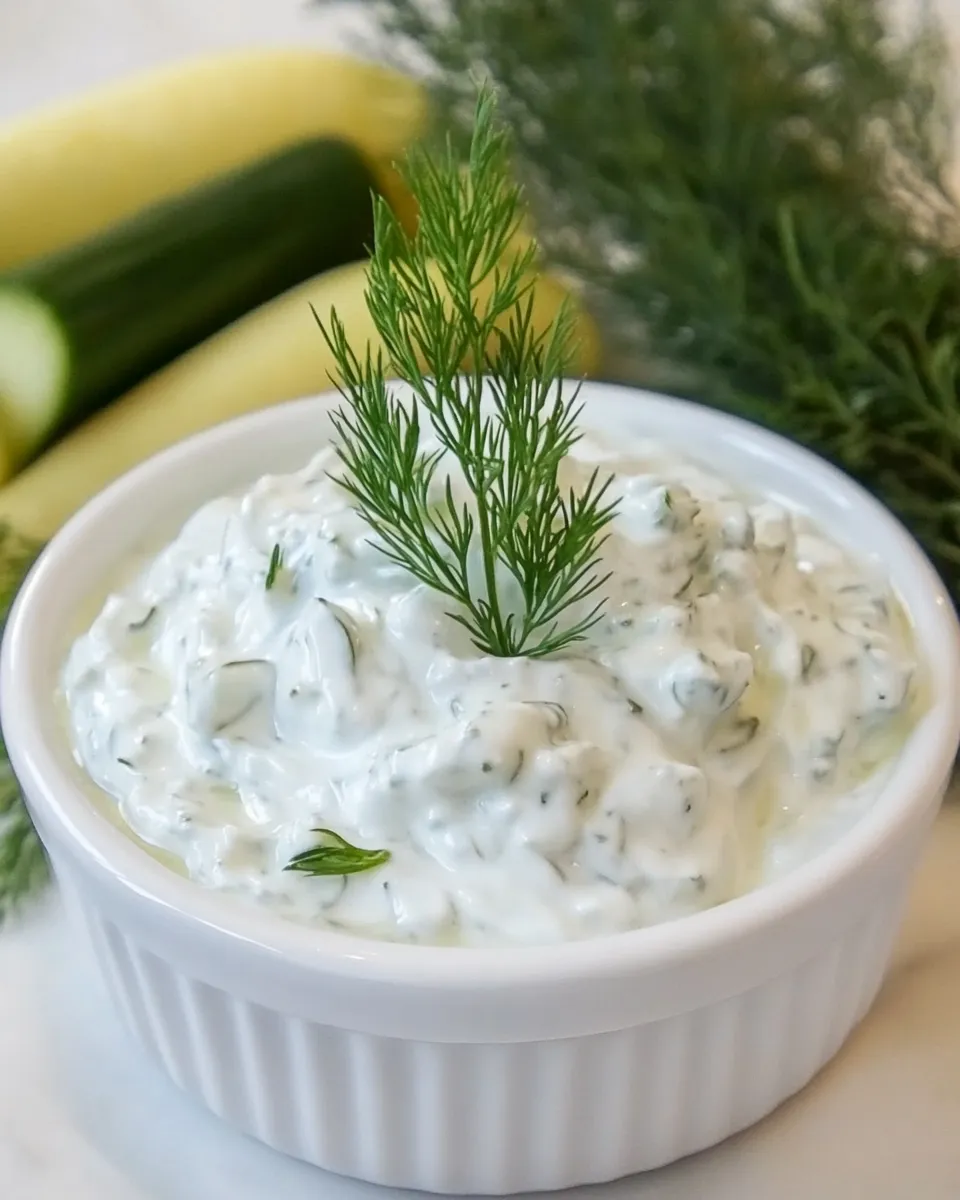
Fresh, tangy, and impossibly simple — that’s tzatziki in a jar. This sauce is a small set of good ingredients doing exactly what they’re meant to do: cool bright yogurt, crisp cucumber, lemony bite, and fragrant herbs. It lives on my table during warm-weather meals, but honestly it improves nearly everything from sandwiches to roasted vegetables.
I make this version when I want a clean, reliably creamy tzatziki that isn’t watery or one-note. The trick is in drying the yogurt and squeezing the cucumber; the rest is gentle seasoning and a short rest so flavors meld. You can make it ahead and it will taste even better after a little time in the fridge.
Below you’ll find exactly what I use, the one-by-one instructions I follow, and practical tips to avoid the common slip-ups. No fuss, just a dependable tzatziki you can make with ingredients you likely already keep on hand.
What You’ll Gather
This section covers both the things you eat and the tools you’ll use. The ingredient list is right below, with a short note on each item’s role. After that, I walk you through the method step by step — follow it and you won’t end up with a watery dip.
Ingredients
- 2 cups greek yogurt or regular yogurt, drained overnight in a colander lined with cheesecloth over a bowl — Draining concentrates flavor and prevents a runny sauce.
- 1 cup coarsely grated cucumber (seedless) — Adds crunch and cooling texture; salting and squeezing removes excess water.
- 2 tablespoons fresh lemon juice — Bright acid that lifts the yogurt and herbs.
- 1 tablespoon extra virgin olive oil — Adds silkiness and a touch of richness.
- 2–3 garlic cloves (split, germ removed and minced) — Fresh garlic gives bite; remove the green germ for a cleaner flavor.
- 2 tablespoons minced fresh dill — Classic herb note that defines tzatziki.
- 2 tablespoons minced fresh mint — Cooling, aromatic counterpoint to the dill.
- Salt and pepper to taste — Essential for balance; add gradually and taste.
Greek Tzatziki Sauce: Step-by-Step Guide
- If your yogurt is not already drained, line a colander with cheesecloth, set it over a bowl, add the yogurt, cover, and refrigerate overnight to drain. Use 2 cups of the drained yogurt in the recipe.
- Seed a cucumber and coarsely grate it. Measure out 1 cup of the grated, seedless cucumber.
- Sprinkle the measured grated cucumber with a little salt (salt is listed “to taste”), let it sit for 10–30 minutes to draw out moisture, then drain it. Squeeze the grated cucumber in a cheesecloth, clean dish towel, or between paper towels to remove as much liquid as possible, then transfer the drained cucumber to a mixing bowl.
- Split 2–3 garlic cloves, remove the green germ, and mince the garlic finely.
- Mince fresh dill and fresh mint to yield 2 tablespoons of each.
- Add the drained 2 cups yogurt to the bowl with the drained cucumber. Stir in 2 tablespoons fresh lemon juice, 1 tablespoon extra virgin olive oil, the minced garlic, 2 tablespoons minced dill, and 2 tablespoons minced mint. Season with salt and pepper to taste and mix until well combined.
- Taste and adjust seasoning if needed. Chill at least 30 minutes to let the flavors meld, then serve cold.
Why It Works Every Time
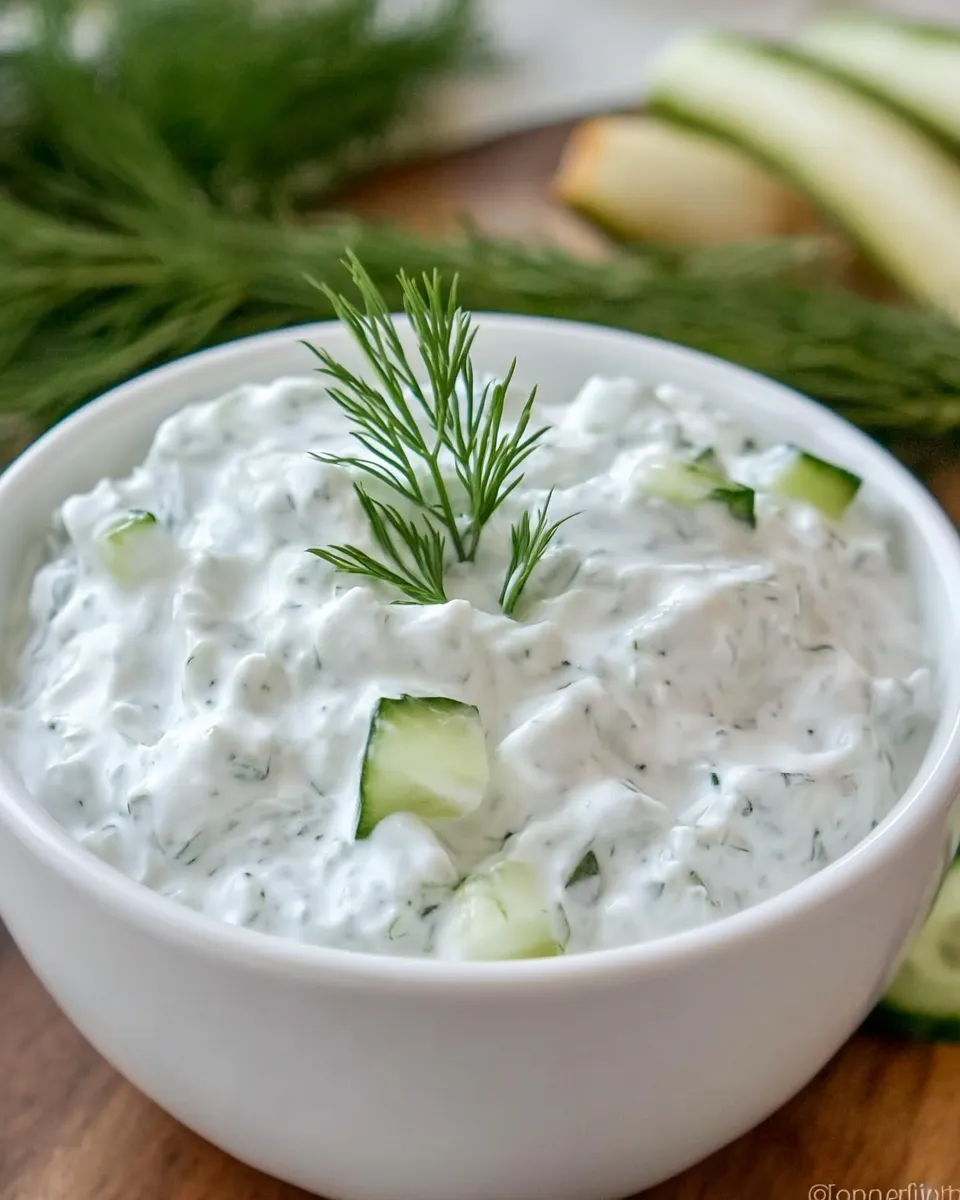
Two simple steps make a huge difference: drain the yogurt and drain the cucumber. Yogurt contains whey, which thins the sauce. Draining concentrates the solids so you get a creamy texture without diluting the flavor. Likewise, the cucumber’s natural water will break the emulsion if you don’t remove it.
Salt on the grated cucumber does two things: it extracts excess water and seasons the vegetable so its flavor doesn’t dilute the yogurt. Removing the green germ from garlic keeps the garlic bright rather than bitter. Fresh dill and mint add complementary aromatics — dill gives the classic Mediterranean profile, mint keeps the sauce lively and cooling.
Finally, a short chill lets the lemon, herbs, and garlic settle into the yogurt. Tzatziki made right is balanced across acid, fat, salt, and fresh herb notes — no one element should dominate.
No-Store Runs Needed
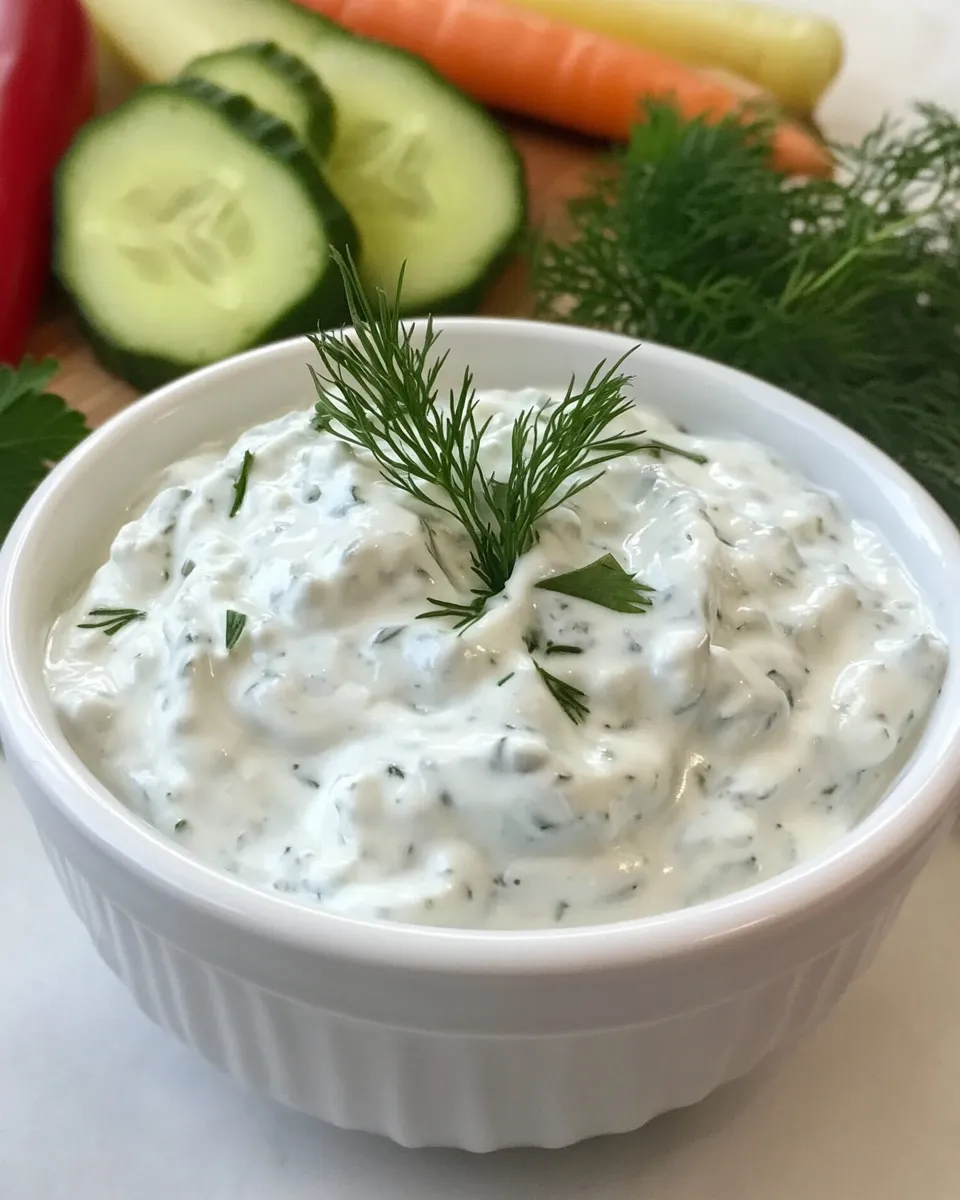
This recipe is intentionally short on exotic ingredients. Most kitchens already have yogurt, a cucumber, lemon, olive oil, garlic, and some fresh herbs. If you find you don’t have Greek yogurt, the directions already include draining plain yogurt to get the same effect — you don’t need to buy specialty tubs.
Two practical on-hand tips: if you lack cheesecloth, use a clean thin dish towel or several layers of paper towels to drain yogurt and squeeze the cucumber. If you’re out of fresh lemon, a small splash of something acidic (vinegar) might help in a pinch, but I recommend keeping fresh lemon for the clean finish.
What’s in the Gear List
- Colander — for draining the yogurt.
- Cheesecloth or clean dish towel — lines the colander and squeezes the cucumber; important for removing liquid.
- Large bowl — to catch drained whey and to mix the tzatziki.
- Box grater or coarse grater — for grating the cucumber quickly.
- Measuring spoons and cups — for accuracy with the lemon juice, oil, and yogurt.
- Sharp knife and cutting board — for mincing garlic and herbs.
- Spoon or spatula — for folding the ingredients together gently.
Things That Go Wrong
Watery tzatziki is the most common issue, and it almost always comes from not draining the yogurt or cucumber well enough. If the sauce looks loose after mixing, line a fine mesh sieve with a clean towel and let it sit in the fridge for an hour to tighten up.
Another snag is overly sharp garlic. That happens when you use too many cloves, don’t remove the green germ, or mince it too coarsely. Mince garlic very fine and remove the germ for a cleaner, less acrid garlic presence. If the garlic taste is too strong after chilling, a little extra yogurt can mellow it.
Finally, underseasoning flattens everything. Taste twice — once before chilling and again after — and adjust salt and pepper gently.
Holiday-Friendly Variations
This tzatziki is versatile enough to scale up for a crowd. For a holiday spread, double or triple the quantities and chill the sauce in a shallow bowl so guests can serve themselves. Because the flavor improves with time, make it a few hours ahead — it will be fresher and more cohesive by serving time.
If you prefer a bolder herb emphasis, lean into the dill or mint from the original recipe. You can also let the sauce sit a little longer so the garlic and herbs infuse more deeply. Serve it cold as a condiment alongside roasted meats or as part of a mezze board — it keeps the palate bright amid richer holiday dishes.
Behind the Recipe
I first learned a version of this sauce in a seaside taverna, where everything was built around simplicity and seasonality. The best tzatziki I tasted was unhurried: yogurt hung overnight, cucumber salted and drained, and the herbs snipped and added at the last minute. I tested this method at home and tightened the steps so it’s easy to reproduce on a weeknight.
This recipe is the version I reach for when I want that same clean, refreshing finish without fuss. It’s the sort of recipe I give to friends learning to cook: small list, clear steps, and predictable results.
How to Store & Reheat
Tzatziki stores well in the refrigerator in an airtight container. Keep it chilled and use within 3 to 4 days for best texture and flavor. The sauce will separate a little over time; just stir gently before serving.
Reheating isn’t necessary or recommended — the herbs and yogurt are best served cold or room temperature. If you want a looser consistency after chilling, let the container sit at room temperature for 15–20 minutes and stir; the olive oil will loosen and the yogurt will relax.
Common Qs About Greek Tzatziki Sauce
- Can I use regular yogurt instead of Greek? Yes. The recipe instructs to drain regular yogurt overnight to achieve the same thickness as Greek yogurt; use 2 cups of the drained yogurt in the recipe.
- How much garlic should I use? The recipe lists 2–3 garlic cloves. Start with two if you’re unsure and add the third only if you want a stronger garlic kick.
- Do I have to use both dill and mint? The recipe includes 2 tablespoons of each. They work together to create a balanced herbal profile, but if you prefer one over the other you can adjust them within the recipe.
- How long should I chill before serving? Chill at least 30 minutes to let flavors meld. If you make it several hours ahead, the flavors will develop even more.
- Is this suitable for make-ahead entertaining? Yes. Make it the day before and keep it chilled until serving. Stir before you plate and taste for a final seasoning adjustment.
Time to Try It
Make this tzatziki the next time you want a simple, dependable sauce that brightens a meal. Follow the drain-and-squeeze steps, taste as you go, and give it a short chill — those small efforts yield a wonderfully fresh and stable sauce. I keep a batch in the fridge most weeks; it’s an easy way to elevate weeknight dinners or feed a small crowd without stress.
When you try it, notice the difference between a hurried version and one that’s been properly drained and rested: the texture is creamier, the flavors more balanced, and the cucumber stays pleasantly crisp. Enjoy the process and the result — then come back and tell me how you used it.
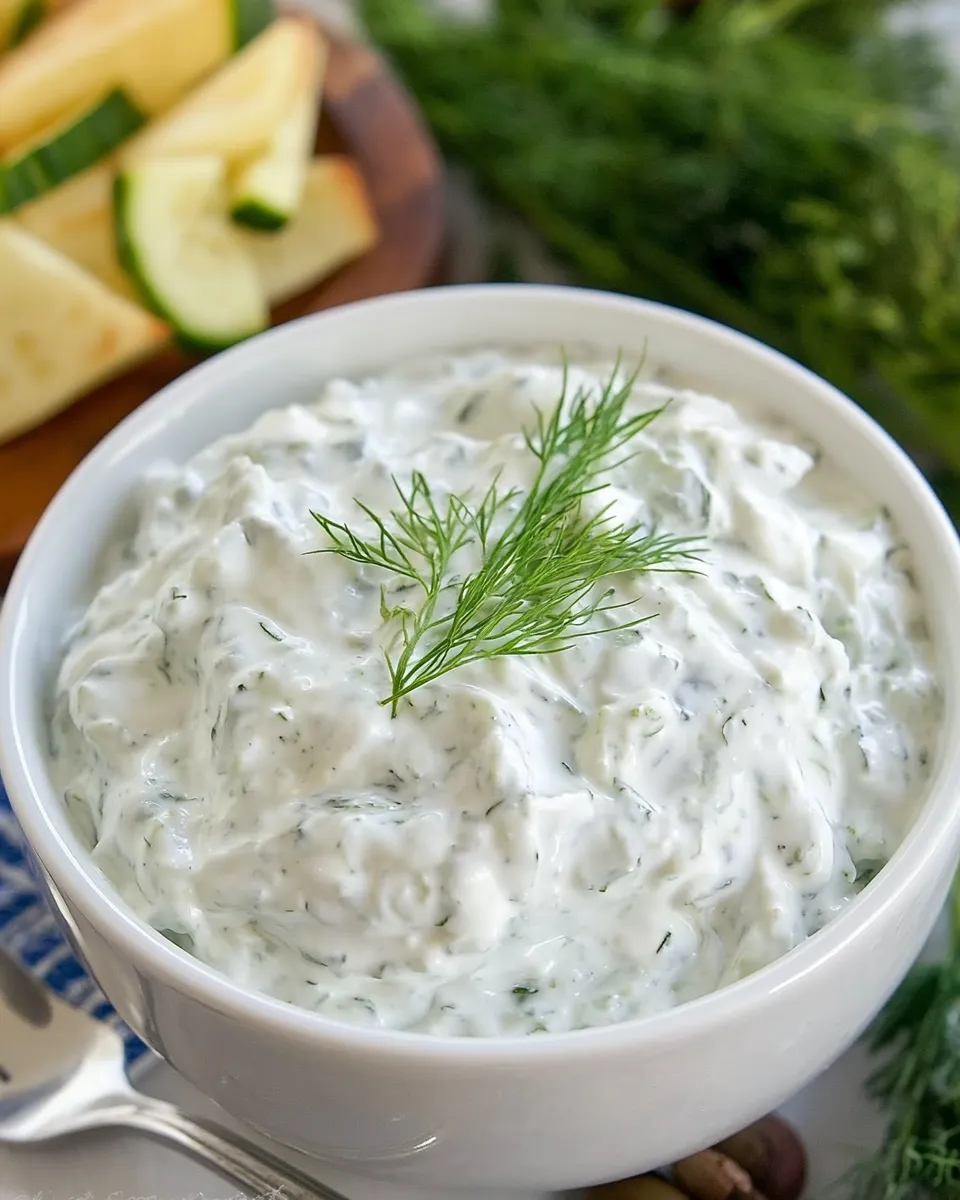
Greek Tzatziki Sauce
Equipment
- Colander
- Cheesecloth
- Bowl
- Grater
- Mixing Bowl
- Knife
- Paper Towels
- clean dish towel
Ingredients
Ingredients
- 2 cups greek yogurt or regular yogurt drained overnight in a colander lined with cheesecloth over a bowl
- 1 cup coarsely grated cucumber seedless
- 2 tablespoons fresh lemon juice
- 1 tablespoon extra virgin olive oil
- 2 –3 garlic cloves split, germ removed and minced
- 2 tablespoons minced fresh dill
- 2 tablespoons minced fresh mint
- Salt and pepper to taste
Instructions
Instructions
- If your yogurt is not already drained, line a colander with cheesecloth, set it over a bowl, add the yogurt, cover, and refrigerate overnight to drain. Use 2 cups of the drained yogurt in the recipe.
- Seed a cucumber and coarsely grate it. Measure out 1 cup of the grated, seedless cucumber.
- Sprinkle the measured grated cucumber with a little salt (salt is listed “to taste”), let it sit for 10–30 minutes to draw out moisture, then drain it. Squeeze the grated cucumber in a cheesecloth, clean dish towel, or between paper towels to remove as much liquid as possible, then transfer the drained cucumber to a mixing bowl.
- Split 2–3 garlic cloves, remove the green germ, and mince the garlic finely.
- Mince fresh dill and fresh mint to yield 2 tablespoons of each.
- Add the drained 2 cups yogurt to the bowl with the drained cucumber. Stir in 2 tablespoons fresh lemon juice, 1 tablespoon extra virgin olive oil, the minced garlic, 2 tablespoons minced dill, and 2 tablespoons minced mint. Season with salt and pepper to taste and mix until well combined.
- Taste and adjust seasoning if needed. Chill at least 30 minutes to let the flavors meld, then serve cold.
Notes
After grating the cucumber, salting and squeezing out excess moisture is important to avoid a watery tzatziki.