I make this chia pudding at least once a week. It’s forgiving, fast, and keeps well for quick breakfasts or a grab-and-go snack when the day gets busy. The texture is creamy and satisfying, with a subtle nutty background that plays nicely with bright-tasting toppings. No long list of ingredients and no complicated steps—just a few pantry staples and a little patience while the seeds do their work.
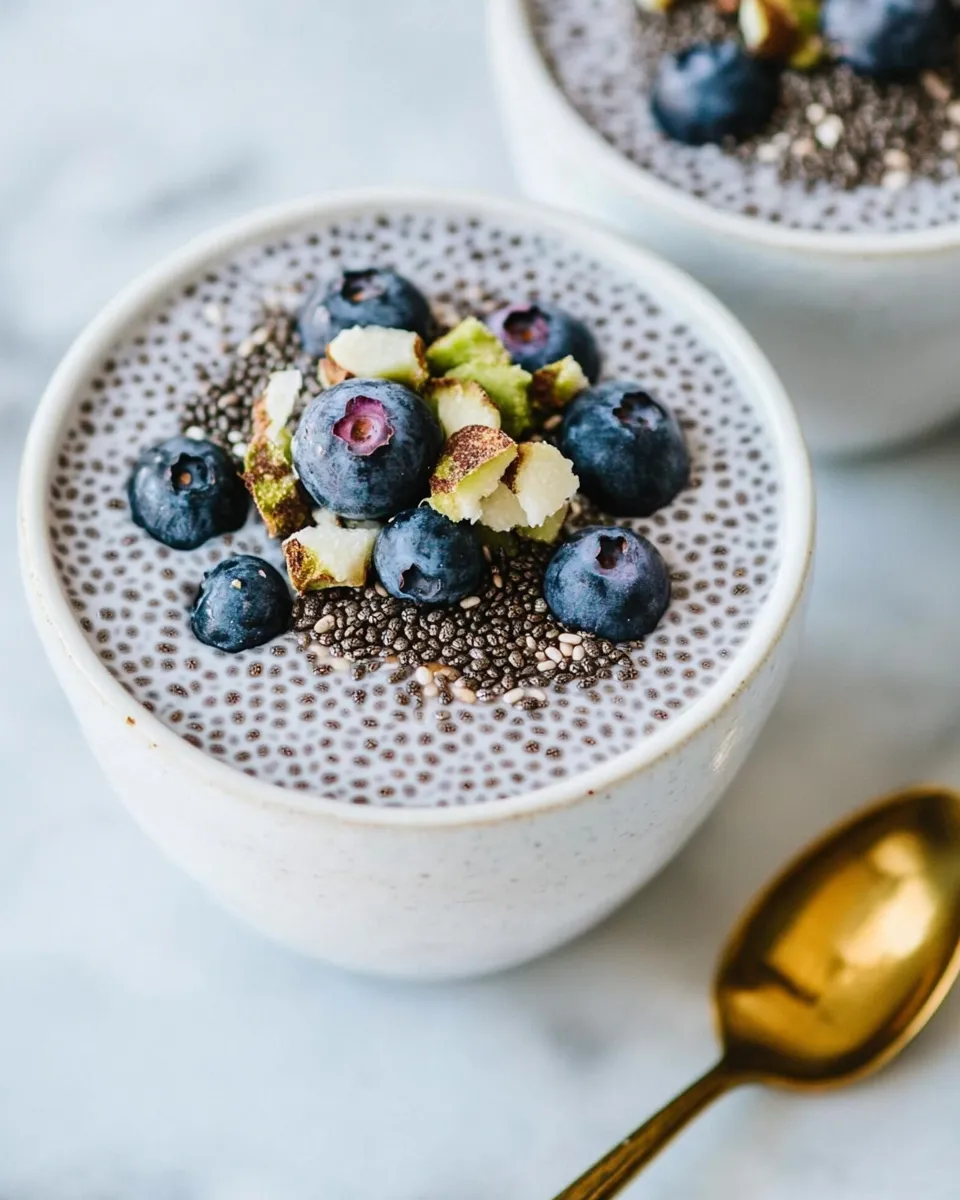
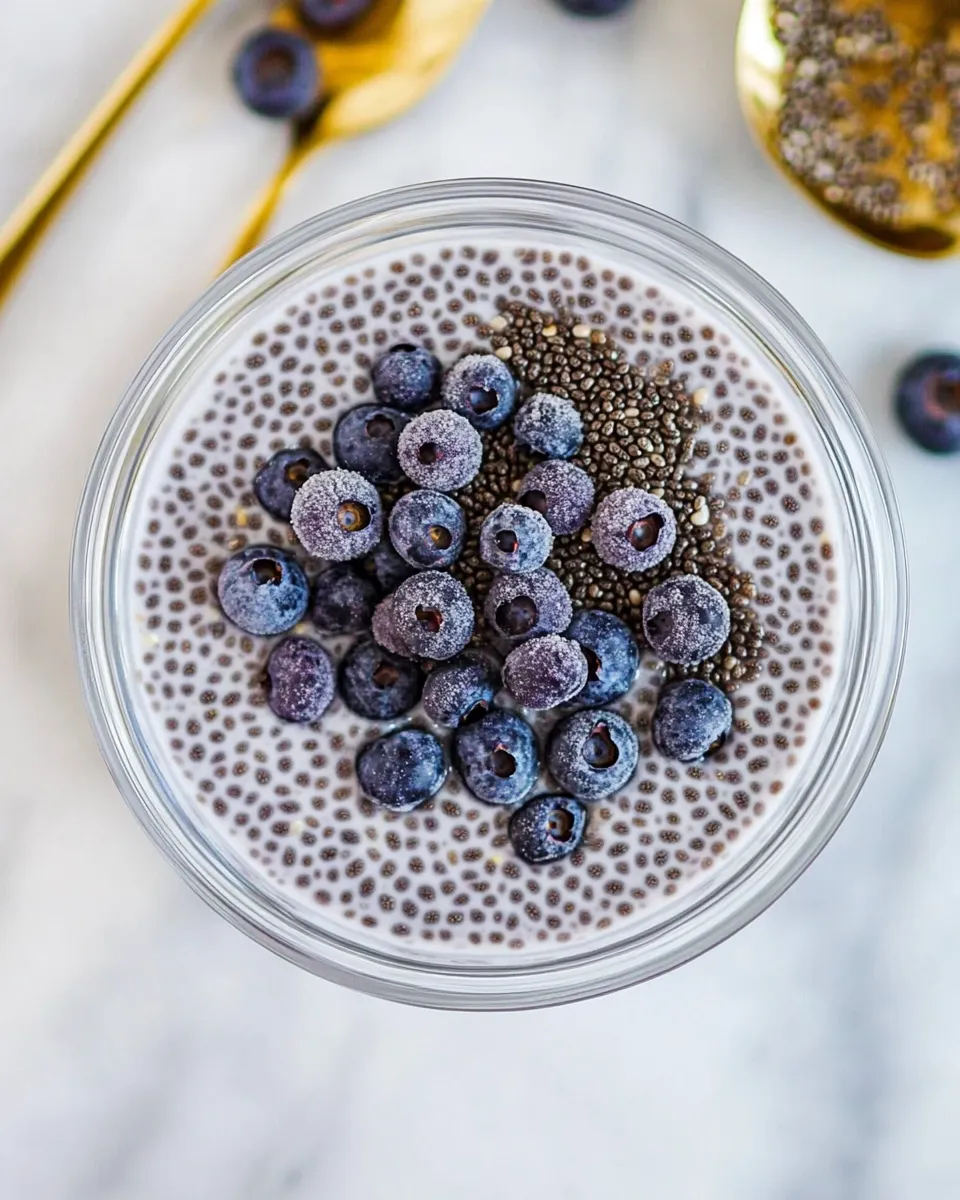
This recipe is designed for low-carb lifestyles without feeling austere. The ratio of liquid to chia seeds creates a pudding that’s set but still spoonable; the sugar-free sweetener gives you sweetness without the carbs. I keep the toppings simple—fresh blueberries, cacao nibs, and hemp hearts—so each spoonful has a balance of freshness, crunch, and healthy fats.
If you’re new to chia pudding, you’ll like how little hands-on time it requires. Shake or stir, let it chill, and then finish with a quick stir and toppings. Below you’ll find the exact ingredient list and step-by-step method, plus shopping notes, troubleshooting, and ways to vary the flavor while keeping it keto-friendly.
Ingredients
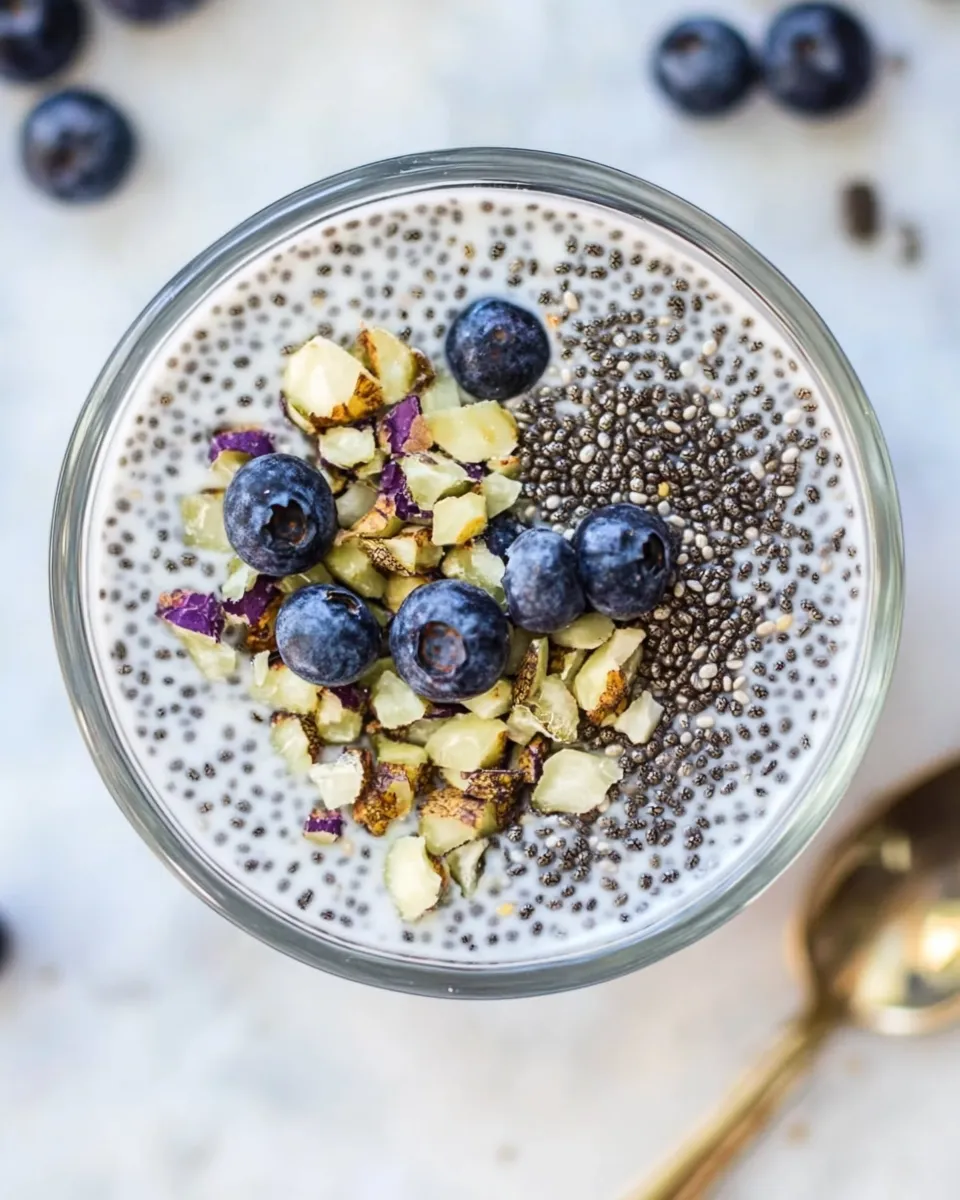
- 2 1/2 cups non-dairy milk — base liquid; choose unsweetened almond, coconut, or macadamia for lower carbs and a neutral or rich profile.
- 2/3 cup chia seeds — the gelling agent that creates the pudding texture; stir well so they don’t clump.
- 2 Tbsps sugar-free sweetener of choice — provides sweetness without carbs; adjust to taste but follow the amount if you prefer the same sweetness level.
- fresh blueberries — bright, slightly tart topping; adds freshness and a pop of color.
- cacao nibs — crunchy, bitter-chocolate notes; contrast the creaminess and add texture.
- hemp hearts — nutty finish and extra healthy fats; sprinkle to boost creaminess and mouthfeel.
Your Shopping Guide
When you shop for the non-dairy milk, look for unsweetened varieties to keep the carbohydrate count low. Unsweetened almond milk is a common choice for a light flavor; full-fat coconut or macadamia milk will yield a creamier, richer pudding. If you prefer a neutral taste, unsweetened cashew or oat options can work, though oat typically has more carbs—so check labels if you’re tracking macros.
For chia seeds, a standard bag from the bulk section or pantry aisle is fine. White or black chia seeds perform the same way; black seeds give a darker color while white keeps the pudding paler. Choose a sugar-free sweetener you already like—erythritol, xylitol, monk fruit blends, or liquid stevia all work. If you use a concentrated sweetener (like liquid stevia), reduce the volume compared with granular sweeteners—stick to the recipe’s “of choice” phrasing when measuring by sweetness rather than volume.
Blueberries, cacao nibs, and hemp hearts are optional but recommended. Fresh blueberries add a juicy contrast; frozen berries can be used but will release liquid as they thaw. Cacao nibs provide textural interest without added sugar. Hemp hearts are a good source of healthy fats and a mild nutty note. Buy small packs if you only use them occasionally; they stay fresh for months when stored cool and dry.
The Method for Keto Chia Pudding
- Pour 2 1/2 cups non-dairy milk into a large jar. Add 2/3 cup chia seeds and 2 tablespoons sugar-free sweetener of choice.
- Secure the lid and shake the jar vigorously for about 2 minutes (or stir vigorously) so the chia seeds are evenly dispersed and the sweetener begins to dissolve.
- Refrigerate the jar for at least 4 hours, preferably overnight. If possible, shake or stir the jar once every 1 to 2 hours during the first few hours to prevent the chia seeds from settling and clumping.
- When the pudding is set, open the jar and stir well to ensure an even, smooth texture.
- Top with fresh blueberries, cacao nibs, and hemp hearts, then serve.
Why This Recipe Works
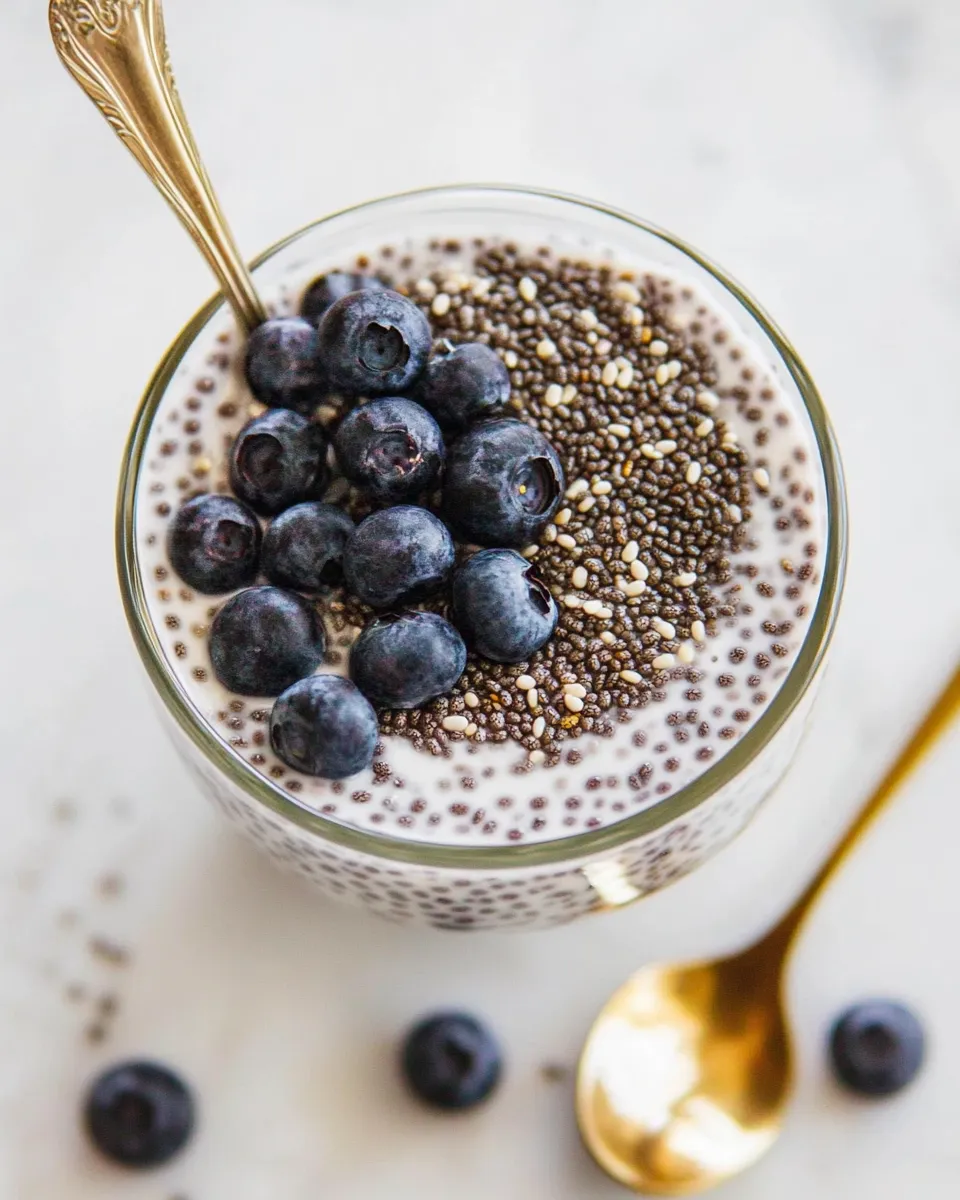
The success of chia pudding comes down to one simple interaction: chia seeds absorb liquid and form a gel around each seed. The 2 1/2 cups of liquid to 2/3 cup of seeds ratio used here reliably produces a pudding that’s set but not rock-solid. That balance gives a pleasant spoonable texture rather than a gelatinous block.
Shaking or stirring immediately after combining ensures the seeds are evenly dispersed. If they clump at the start, you’ll end up with pockets of dense, under-hydrated seeds. Refrigeration time allows the gel to fully develop; an overnight chill both improves texture and intensifies flavor as the sweetener integrates into the mix.
The sugar-free sweetener keeps the carbohydrate profile low while preserving the sensory cues of sweetness. The toppings are chosen to introduce contrasting textures—juicy berries, crunchy cacao nibs, and soft hemp hearts—so each bite feels layered and satisfying without extra sugar.
Flavor-Forward Alternatives
You can adapt this pudding to different flavor directions while staying keto-friendly. A little citrus zest (lemon or lime) can brighten the mix—add just a pinch to the jar before chilling. For a richer dessert-style pudding, a splash of unsweetened coconut milk or a teaspoon of cocoa powder stirred into the base works well. If you want a spiced version, cinnamon or cardamom can be added to the liquid before shaking.
Swap the blueberries for other low-carb berries like raspberries or blackberries in small amounts. If you enjoy a nutty finish, stir in a tablespoon of almond or peanut butter after the pudding sets for extra creaminess and flavor depth.
Tools & Equipment Needed
A handful of simple tools is all you need. A large jar with a tight-fitting lid is the easiest vessel for shaking and refrigerating. Alternatively, a bowl and whisk work if you prefer to stir. Measuring cups and spoons are necessary for accuracy—especially with the chia-to-liquid ratio. If you like single-serve portions, use several small jars or ramekins for storage and presentation.
Missteps & Fixes
Clumpy pudding: This happens when chia seeds aren’t distributed well at the start. Fix: remove the lid and vigorously stir or whisk. If clumps persist, add a tablespoon or two of extra liquid and stir to loosen the mixture, then chill for another hour.
Too thin: If the pudding hasn’t set after the recommended time, the seeds may be old or the ratio was off. Fix: stir in an extra tablespoon of chia seeds, let sit 15 minutes, then refrigerate until set.
Too thick or gelatinous: This can occur if the mixture was left very cold or if extra chia was accidentally added. Fix: fold in a splash of non-dairy milk until you reach the desired consistency.
Bland flavor: If you find the base under-flavored, stir in a touch more sweetener or a pinch of salt to amplify taste. A few drops of vanilla extract can also make a big difference—add sparingly to keep carbs low.
Substitutions by Diet
Low-carb / Keto: This recipe is already keto-friendly—keep the non-dairy milk unsweetened and use a sugar-free sweetener.
Dairy-free: Use any unsweetened non-dairy milk (almond, coconut, macadamia, soy). The recipe is written for non-dairy milk, so no change is necessary.
Nut-free: If you need to avoid tree nuts, choose a seed-based milk like hemp milk (if available) or unsweetened oat or soy milk—check carbs for oat milk and use sparingly if tracking carbs closely.
Whole-food preferences: You can skip processed sweeteners and use a small amount of mashed, low-sugar fruit for sweetness, but that will change the carb count. If minimizing processed products is a priority, try a splash of full-fat coconut milk and rely on the natural flavor of toppings.
Chef’s Rationale
I keep the ingredient list short because chia pudding shines through simplicity. The chosen ratio prioritizes a creamy mouthfeel while minimizing the chance of a slimy or overly gelatinous result. I prefer a neutral, unsweetened non-dairy milk so the toppings and the sweetener you choose can drive the flavor. The toppings in this recipe are purposeful: blueberries for brightness, cacao nibs for contrast and crunch, and hemp hearts for richness and nutty depth.
Shaking in a jar is an intentional technique. It’s quick, reduces dishwashing, and helps evenly hydrate the seeds. Stirring periodically during the first few hours discourages settling and clumping, which is a common oversight when leaving the mixture untouched.
Storage & Reheat Guide
Store chia pudding in a covered container or jar in the refrigerator for up to 5 days. Portion it into individual jars for easy breakfasts. The texture will firm slightly as it chills; give it a good stir before serving to regain a smooth consistency.
Freezing is possible but not ideal. Thawed chia pudding often separates and becomes watery. If you freeze single portions, expect a change in texture; stir well and allow extra time in the fridge to rehydrate after thawing.
If you like your pudding chilled, serve directly from the fridge. If you prefer it slightly less cold, let it sit at room temperature for 10–15 minutes and stir before enjoying. Avoid heating in the microwave—warmth changes the texture and can make it too loose.
Frequently Asked Questions
- Can I use regular milk instead of non-dairy milk? — Yes, but regular dairy milk will increase carbs slightly and change the flavor and creaminess. Unsweetened nut milks keep the carb count lower.
- How long will it take to set? — At least 4 hours, but overnight is best for full texture development.
- Can I make this in individual servings? — Absolutely. Divide the liquid and seeds into mason jars or small containers before chilling for ready-made portions.
- Is the sweetener necessary? — It’s optional. The sweetener provides the expected sweet profile. If you skip it, rely on naturally sweet toppings like a few berries.
- Can I add protein powder? — You can, but protein powders may alter the texture. If you do add powdered protein, mix it into the liquid first until smooth, then add chia and proceed as directed.
Serve & Enjoy
Spoon the chilled pudding into bowls or serve straight from the jar. Top with fresh blueberries, a sprinkle of cacao nibs, and a scattering of hemp hearts to mirror the original build—each topping adds its own texture and flavor dimension. Eat it for breakfast with a cup of coffee, as a mid-afternoon pick-me-up, or as a light dessert when you want something sweet but still in line with keto goals.
Pack a jar for busy mornings or keep a few ready in the fridge for quick portioned snacks. The result is a versatile, nutrient-dense option that feels indulgent without the sugar. Enjoy it as written the first time, then iterate: tweak the milk for creaminess, change the sweetener to suit your palate, and adjust toppings for variety. This is one of those recipes where small swaps lead to reliably good results.
Keto Chia Pudding
Equipment
- jar
- Refrigerator
Ingredients
Ingredients
- 2 1/2 cupsnon-dairy milk
- 2/3 cupchia seeds
- 2 Tbspsugar-free sweetenerof choice
- fresh blueberries
- cacao nibs
- hemp hearts
Instructions
Instructions
- Pour 2 1/2 cups non-dairy milk into a large jar. Add 2/3 cup chia seeds and 2 tablespoons sugar-free sweetener of choice.
- Secure the lid and shake the jar vigorously for about 2 minutes (or stir vigorously) so the chia seeds are evenly dispersed and the sweetener begins to dissolve.
- Refrigerate the jar for at least 4 hours, preferably overnight. If possible, shake or stir the jar once every 1 to 2 hours during the first few hours to prevent the chia seeds from settling and clumping.
- When the pudding is set, open the jar and stir well to ensure an even, smooth texture.
- Top with fresh blueberries, cacao nibs, and hemp hearts, then serve.