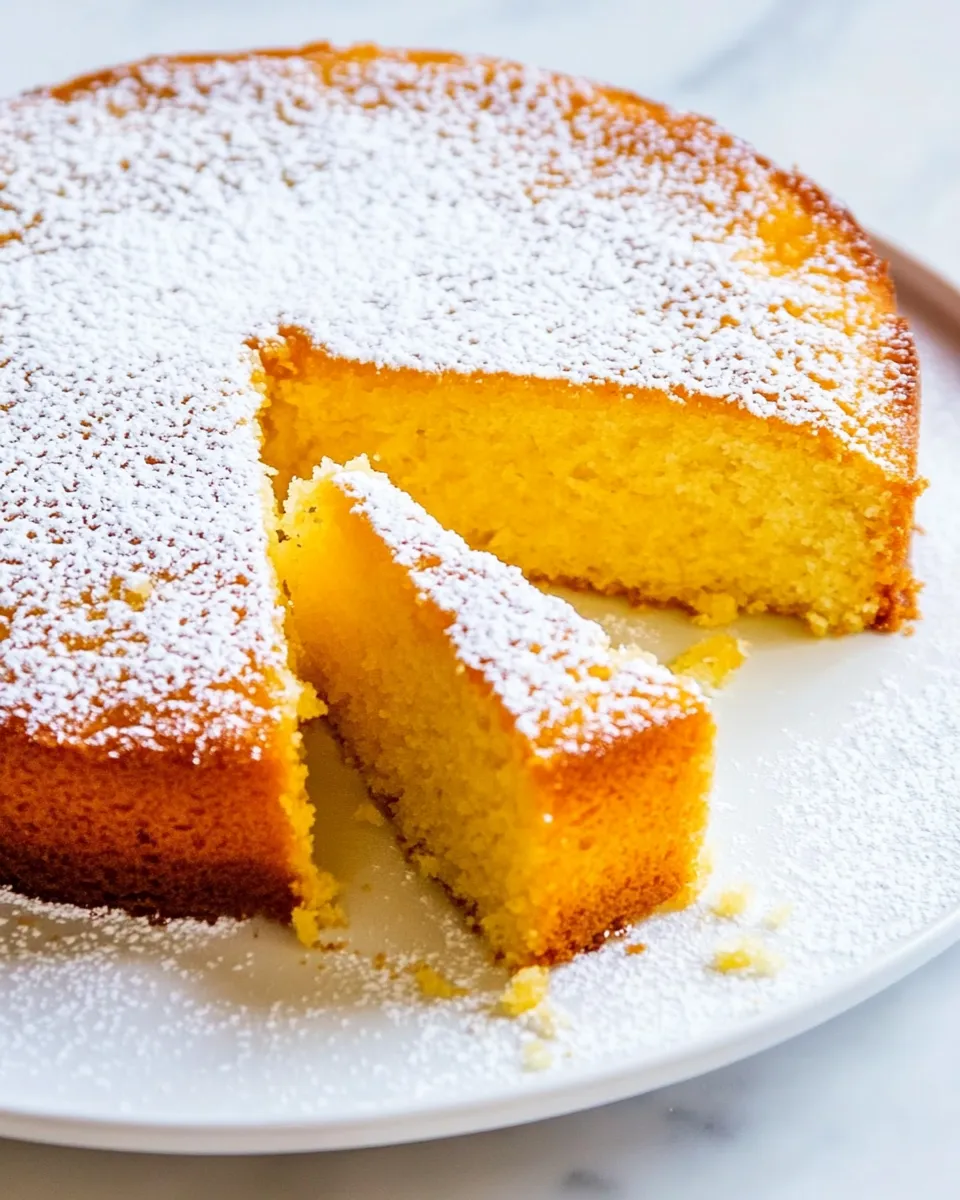
This olive oil orange cake is one of those simple, unfussy recipes that delivers bright citrus character and a tender, moist crumb. It leans on quality olive oil and real orange—zest and juice—for flavor, with a splash of Grand Marnier for depth. The result is a cake that feels elegant without any complicated steps.
I like to bake it when I want something that travels well and keeps its texture for days. It’s forgiving: the batter is thin, the bake time is long, and a springform pan helps the tall cake release cleanly. Serve it with a dusting of confectioners’ sugar, fresh oranges, or a dollop of lightly sweetened cream.
What We’re Using
Ingredients
- 1 1/3 cups extra-virgin olive oil — provides fat, moisture, and a fruity backbone; choose a mild, good-quality oil.
- 3 large eggs — bind the batter and add structure; room temperature is best for even mixing.
- 1 1/4 cups whole milk — softens the crumb and thins the batter; don’t swap for water if you can avoid it.
- 1 1/2 tablespoons grated orange zest — concentrated citrus flavor; grate only the colored part to avoid bitterness.
- 1/4 cup orange freshly squeezed juice — brightens the cake and adds acidity to balance sweetness.
- 1/4 cup Grand Marnier — orange-flavored liqueur that deepens aroma; it’s optional but recommended for complexity.
- 1 3/4 cups granulated sugar — sweetens and helps with browning; the recipe is not overly sweet.
- 2 cups all-purpose flour — provides structure; measure by spooning into the cup and leveling, not scooping.
- 1 1/2 teaspoons kosher salt, or to taste — enhances flavor and balances the sweetness.
- 1/2 teaspoon baking powder — light leavening to lift the cake.
- 1/2 teaspoon baking soda — works with the acids in orange juice for extra lift.
- Confectioners’ sugar, for dusting — a final touch; sift over the cooled cake just before serving.
Olive Oil Orange Cake: From Prep to Plate
- Preheat the oven to 325°F. Prepare a 9-inch springform pan: place a circle of parchment paper in the base and lightly grease the parchment and the sides of the pan. (Do not use a regular 9-inch cake pan — this cake rises higher than most standard pans and may overflow.)
- In a large bowl, whisk the olive oil and the eggs together until well combined and slightly emulsified.
- Add the milk, grated orange zest, freshly squeezed orange juice, and Grand Marnier to the bowl with the oil and eggs. Whisk until evenly combined.
- Add the granulated sugar to the wet mixture and whisk until the sugar is incorporated.
- In a separate bowl, whisk together the all-purpose flour, kosher salt, baking powder, and baking soda to distribute the leavening evenly.
- Add the dry ingredients to the wet ingredients and whisk just until combined. Do not overmix; the batter will be on the thin side.
- Pour the batter into the prepared springform pan. Place the pan on a rimmed baking sheet (to catch any possible leaks) and put it in the preheated oven.
- Bake for about 70–75 minutes, beginning to check for doneness after 60 minutes. The cake is done when the top is golden brown and domed and a toothpick inserted in the center comes out clean or with a few moist crumbs.
- Remove the cake from the oven and let it cool in the springform pan on a wire rack for about 1 hour.
- Release and remove the sides of the springform pan, transfer the cake to the wire rack if it isn’t already there, and allow it to finish cooling. Dust with confectioners’ sugar just before serving.
What Sets This Recipe Apart
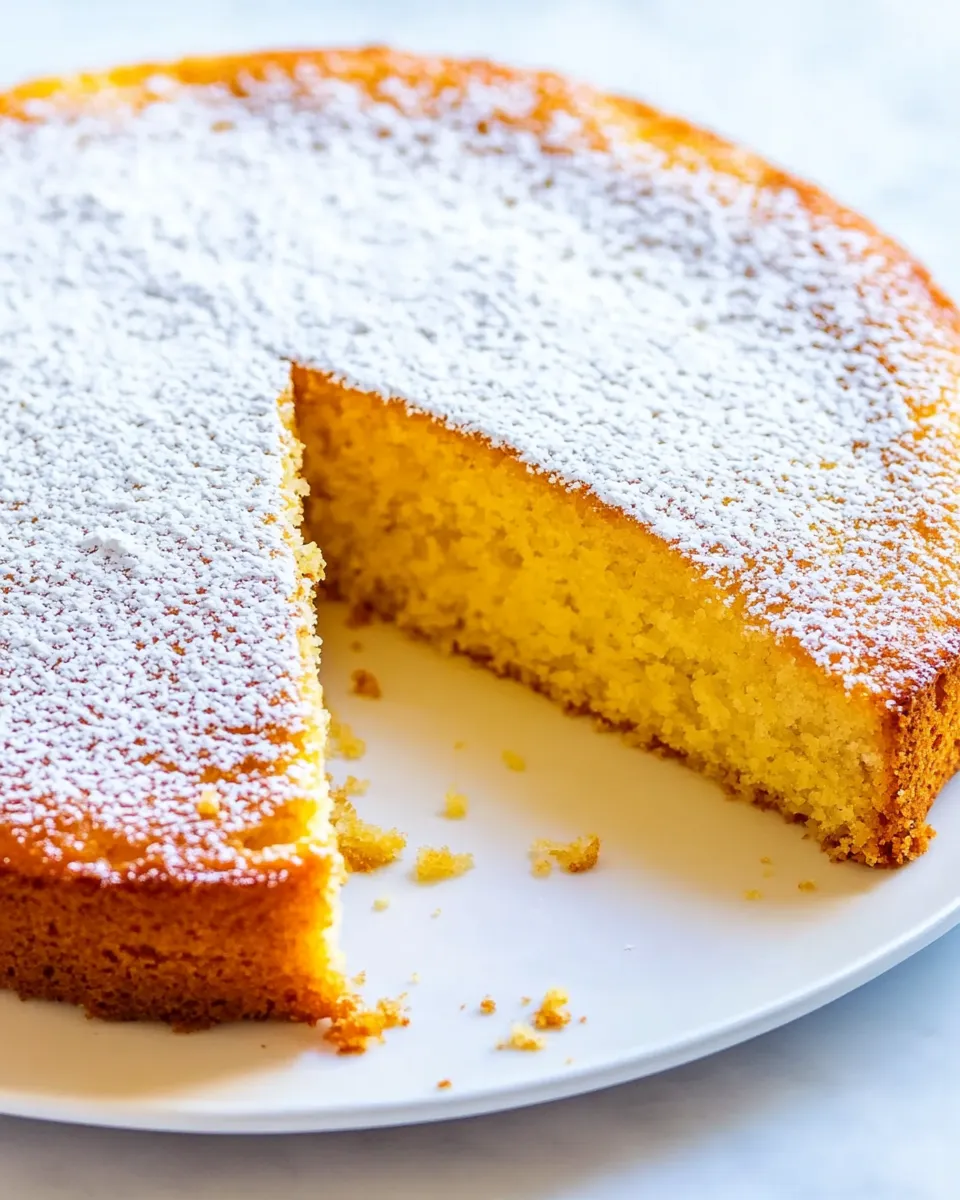
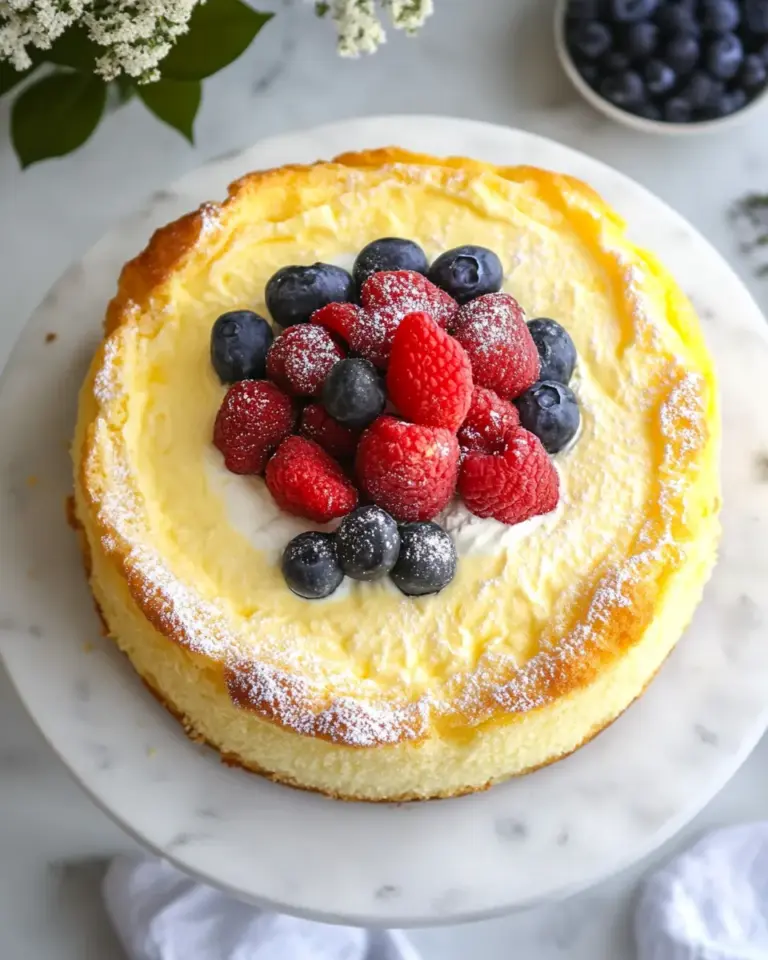
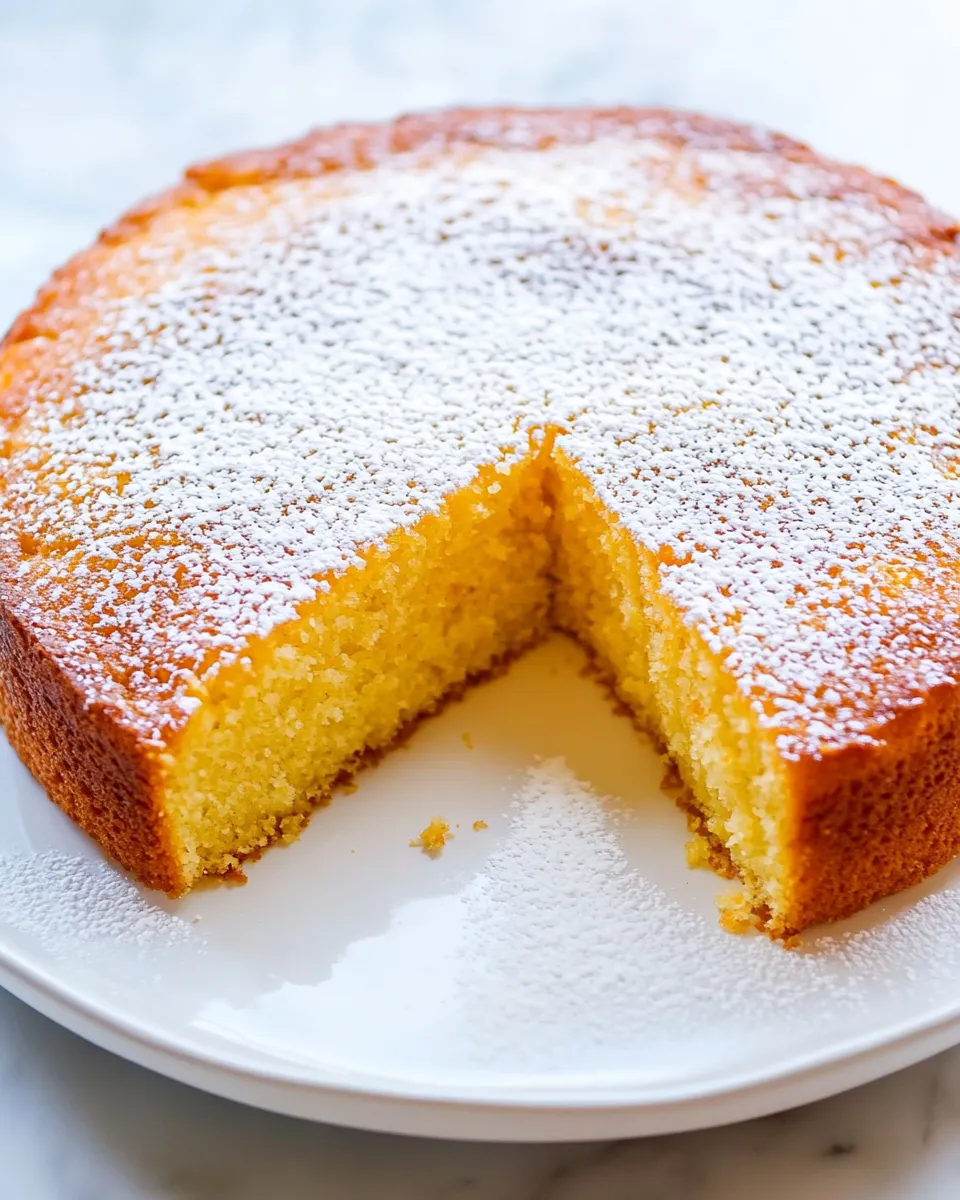
This cake stands out because it uses olive oil instead of butter. That choice keeps the crumb moist, gives a subtle fruitiness, and makes the cake slightly denser in the best way. The long, gentle bake at 325°F yields a domed, glossy top and a tender interior that’s not crumbly.
The balance of orange zest, fresh juice, and a touch of Grand Marnier creates layers of citrus flavor—bright, floral, and faintly boozy. It’s sophisticated without asking for complicated techniques. You whisk, you fold, you wait; the oven does the rest.
Low-Carb/Keto Alternatives
This cake is built on flour and sugar, so converting it to strict low-carb or keto requires trade-offs that change texture and flavor. If you need a lower-carb idea, consider these general approaches without exact amounts: replace part or all of the sugar with a granular erythritol blend designed for baking, and swap the all-purpose flour for a low-carb flour blend formulated to mimic wheat in cakes. Expect a different crumb, shorter rise, and a denser bite.
Another pragmatic option: make smaller individual portions to reduce per-serving carbs, or serve thin slices with unsweetened whipped cream to lower perceived sweetness and calorie density. If you follow a strict medical keto plan, test a single altered batch first—results vary by sweetener and flour substitute.
Toolbox for This Recipe
- 9-inch springform pan — essential; the cake rises high and needs the removable ring for easy release.
- Rimmed baking sheet — catches any leaks from the springform and keeps your oven clean.
- Wire rack — for cooling the hot cake evenly and preventing sogginess on the bottom.
- Mixing bowls (one large, one medium) — keep wet and dry ingredients separate until you’re ready to combine.
- Whisk and rubber spatula — whisk for emulsifying wet ingredients and sugar; a spatula helps scrape the bowl and fold without overworking.
- Microplane or fine grater — for zesting the orange without the bitter white pith.
- Toothpick or cake tester — the simplest way to check doneness in the center.
Troubles You Can Avoid
Overflow: Don’t bake this in a regular 9-inch cake pan. The batter is thin and the cake rises higher than standard mixes; a springform with parchment in the base prevents overflow and allows easy removal.
Tough crumb: Overmixing after adding flour develops gluten and tightens the crumb. Whisk just until combined. The batter should be on the thin side.
Dry cake: Underbaking leaves a raw center, but overbaking dries the cake. Start checking after 60 minutes. Look for a golden brown, domed top and a toothpick with a few moist crumbs, not wet batter.
Bitter orange flavor: Zest only the colored part of the orange skin. The white pith is bitter and will show up in the finished cake if you grate too deeply.
Variations for Dietary Needs
Egg-free: This recipe relies on eggs for structure; replacing them will require a tested egg-free cake formula. If you must, consider a commercial egg replacer designed for cakes and test bake ahead of serving.
Dairy-free: Swap whole milk for an unsweetened plant milk with a similar fat level (like full-fat canned coconut milk diluted with water or an unsweetened oat milk). The cake will be slightly different in texture but will still be moist.
Alcohol-free: Omit the Grand Marnier. Replace it with an equal measure of extra orange juice or a splash of vanilla extract for aroma. The cake will lose a layer of flavor but remain citrus-forward.
Flavor Logic
Citrus works on multiple levels here. Zest brings intense, volatile oils that perfume the batter. Fresh juice adds acidity and moisture; that acid reacts with the baking soda to lift the cake. Olive oil contributes fat without masking the orange, and a higher oven time lets the oil and sugar mingle for a caramelized, slightly crisp crust.
Grand Marnier adds warmth and a rounded orange essence that isn’t possible with juice alone. It’s an accent, not the dominant note. The confectioners’ sugar on top adds a soft sweetness and a pretty first impression without overwhelming the citrus.
Shelf Life & Storage
Store the cake at room temperature, covered, for up to 3 days. Wrap it loosely with plastic wrap or keep it in a cake carrier to prevent it from drying out. Refrigerating will extend shelf life to about 5–6 days, but the chill can slightly firm the crumb and mute the olive oil aroma.
For longer storage, slice and freeze individual portions wrapped tightly in plastic and placed in a freezer bag or container. Thaw at room temperature or gently warm in a low oven. Dust with confectioners’ sugar after thawing for best presentation.
Ask & Learn
Common question: Can I use a different citrus? Yes. Lemon or blood orange will work; adjust zest and juice to taste. If you use a less sweet citrus, taste the batter before baking to decide if it needs a touch more sugar.
Common question: My cake sank in the middle—why? Likely underbaked in the center or removed too abruptly from heat. Let it cool in the pan for the recommended hour so steam and structure stabilize before releasing the sides.
If you want help troubleshooting a specific batch—texture, timing, or flavor—tell me the exact symptom and what equipment you used. Small differences in oven calibration, pan size, or ingredient temperature change outcomes.
Next Steps
Try this cake as written once to get a baseline: use a springform pan, don’t overmix, and check for doneness after 60 minutes. After that, experiment—add thinly sliced oranges on top before baking for a glazed look, or serve with mascarpone and honey for a richer dessert. Keep notes so you remember what you liked.
When you’re ready, share how your cake turned out and any tweaks you made. I’ll help refine timing or flavor adjustments. Happy baking—this cake rewards patience and good oranges. Enjoy.
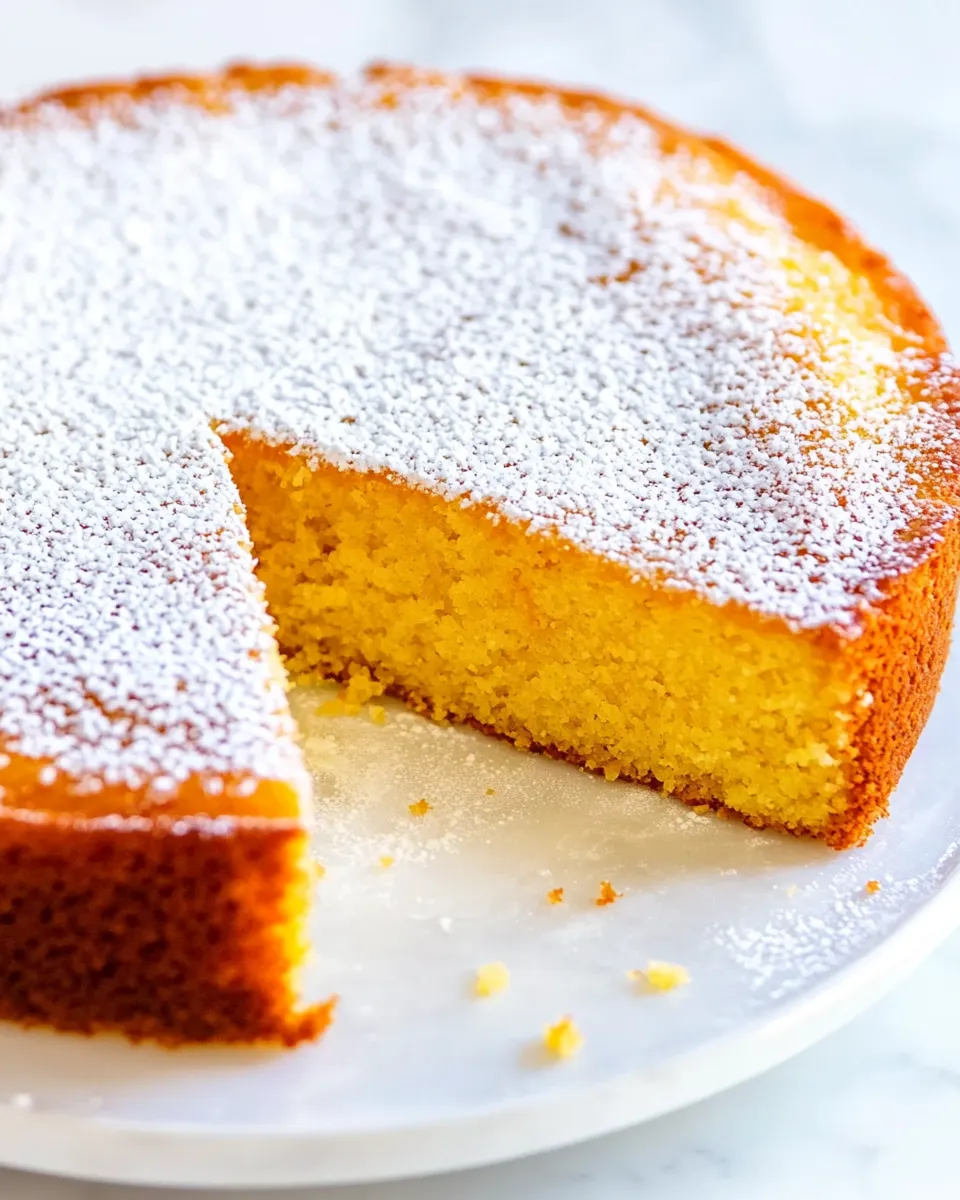
Olive Oil Orange Cake
Equipment
- 9-inch Springform Pan
- Parchment Paper
- Rimmed Baking Sheet
- Wire Rack
- Mixing Bowls
- Whisk
Ingredients
Ingredients
- 1 1/3 cupsextra-virgin olive oil
- 3 large eggs
- 1 1/4 cupswhole milk
- 1 1/2 tablespoonsgrated orange zest
- 1/4 cuporange freshly squeezed juice
- 1/4 cupGrand Marnier
- 1 3/4 cupsgranulated sugar
- 2 cupsall-purpose flour
- 1 1/2 teaspoonskosher salt or to taste
- 1/2 teaspoonbaking powder
- 1/2 teaspoonbaking soda
- confectioners’ sugar for dusting
Instructions
Instructions
- Preheat the oven to 325°F. Prepare a 9-inch springform pan: place a circle of parchment paper in the base and lightly grease the parchment and the sides of the pan. (Do not use a regular 9-inch cake pan — this cake rises higher than most standard pans and may overflow.)
- In a large bowl, whisk the olive oil and the eggs together until well combined and slightly emulsified.
- Add the milk, grated orange zest, freshly squeezed orange juice, and Grand Marnier to the bowl with the oil and eggs. Whisk until evenly combined.
- Add the granulated sugar to the wet mixture and whisk until the sugar is incorporated.
- In a separate bowl, whisk together the all-purpose flour, kosher salt, baking powder, and baking soda to distribute the leavening evenly.
- Add the dry ingredients to the wet ingredients and whisk just until combined. Do not overmix; the batter will be on the thin side.
- Pour the batter into the prepared springform pan. Place the pan on a rimmed baking sheet (to catch any possible leaks) and put it in the preheated oven.
- Bake for about 70–75 minutes, beginning to check for doneness after 60 minutes. The cake is done when the top is golden brown and domed and a toothpick inserted in the center comes out clean or with a few moist crumbs.
- Remove the cake from the oven and let it cool in the springform pan on a wire rack for about 1 hour.
- Release and remove the sides of the springform pan, transfer the cake to the wire rack if it isn’t already there, and allow it to finish cooling. Dust with confectioners’ sugar just before serving.
Notes
**This cake bakes in a fairly cool oven for a long duration, low and slow. Don’t be alarmed if a small circular patch on the top of the cake appears to be burning early on in the baking process. Ultimately it doesn’t darken much more and when the cake is done, the cake is approximately the same color as the initial dark patch. This may or may not happen to you and possibly is just what happens in my oven, but I am pointing it out as nothing to worry about.
Recipe adapted fromFood52