I love quick dinners that look like you spent more time than you did. This Baked Tilapia Parmesan is one of those weeknight wins: few steps, reliable results, and a topping that browns into a crisp, savory cap while the fish underneath stays moist. I reach for this when I want comfort without fuss—simple ingredients, straightforward technique, and a satisfying finish.
The beauty of this recipe is its predictability. You don’t need special skills or exotic tools. A little prep, a single bowl for the topping, and the oven do the heavy lifting. The flavor comes from Parmesan’s nutty saltiness, a touch of lemon brightness, and a creamy binder that keeps the topping adhered as the fish cooks.
Below I walk through ingredient notes, the exact step-by-step instructions, substitutions that respect the original components, and tips I’ve learned from many tests. Read through the sections you need and keep the recipe card handy when you cook.
Ingredient Notes
Before you start, a quick guide to what each component is doing so you can tweak with confidence. The list under Ingredients uses the exact items and quantities the recipe calls for; here I explain function and technique so you get consistent results.
Ingredients
- 1/2 cup Parmesan cheese — provides the savory, salty, and slightly granular crust once baked; use freshly grated for best melt and flavor.
- 1/4 cup butter (softened) — binds the topping and adds richness; softened butter spreads easily and helps the topping brown.
- 4 tablespoons mayonnaise — keeps the topping moist and helps it adhere to the fish while contributing creaminess.
- 2 tablespoons lemon juice — brightens the overall flavor and cuts through the richness; adds a subtle tang without cooking away.
- 1/4 teaspoon dried parsley — offers a mild herb note and visual flecks; dried parsley is fine here since it’s mixed into the topping.
- 1/4 teaspoon ground black pepper — brings gentle heat; freshly ground is ideal but pre-ground works.
- 1/4 teaspoon garlic salt — gives savory depth and garlic flavor in one ingredient; adjust or omit if watching sodium.
- 1/8 teaspoon onion powder — adds background umami and rounds out the topping’s aromatics.
- 1/8 teaspoon celery salt — a small pinch that enhances savory complexity; provides a mild celery note and extra seasoning.
- 2 pounds tilapia fillets — the main protein; thin, mild fillets cook quickly and let the Parmesan topping shine.
Baked Tilapia Parmesan: How It’s Done
- Preheat oven to 350°F (175°C).
- Line a baking sheet with foil.
- In a medium bowl, mix together 1/2 cup Parmesan cheese, 1/4 cup softened butter, 4 tablespoons mayonnaise, 2 tablespoons lemon juice, 1/4 teaspoon dried parsley, 1/4 teaspoon ground black pepper, 1/4 teaspoon garlic salt, 1/8 teaspoon onion powder, and 1/8 teaspoon celery salt until well combined and spreadable.
- Pat 2 pounds tilapia fillets dry with paper towels and place them in a single layer on the prepared baking sheet.
- Spread the Parmesan mixture evenly over the top of each fillet.
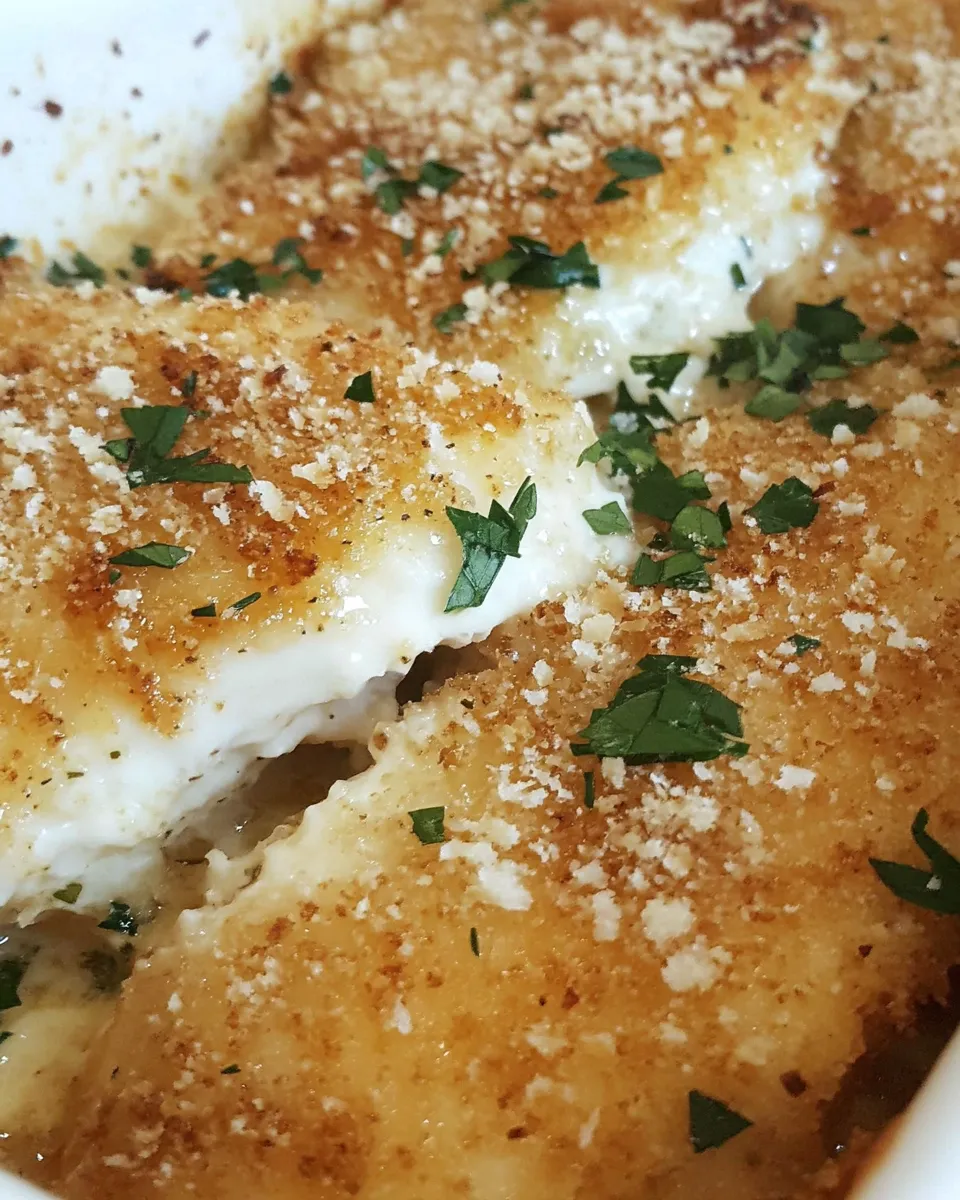
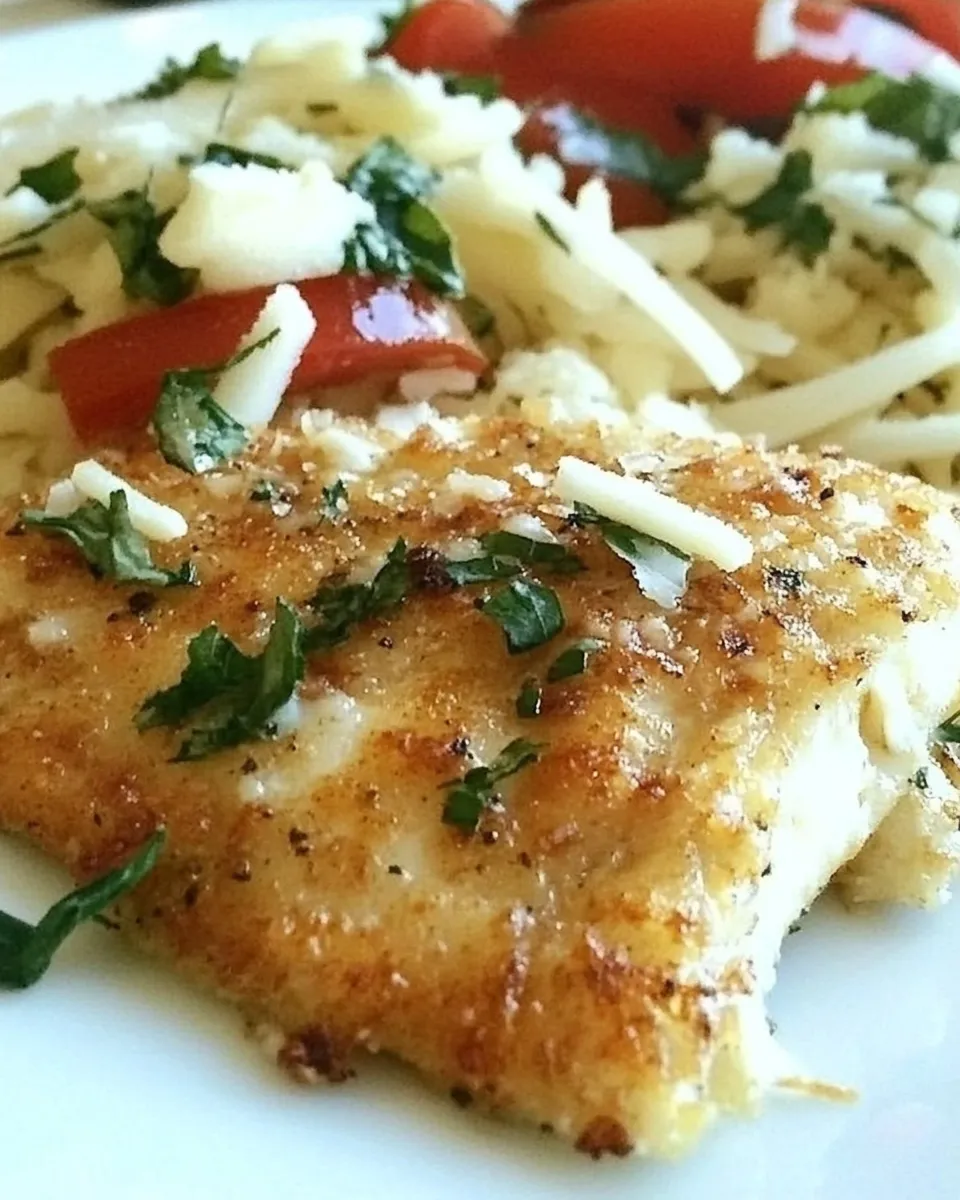
- Bake on the center rack at 350°F (175°C) for 15–20 minutes, or until the topping is light golden brown and the fish flakes easily with a fork.
Why This Recipe Works
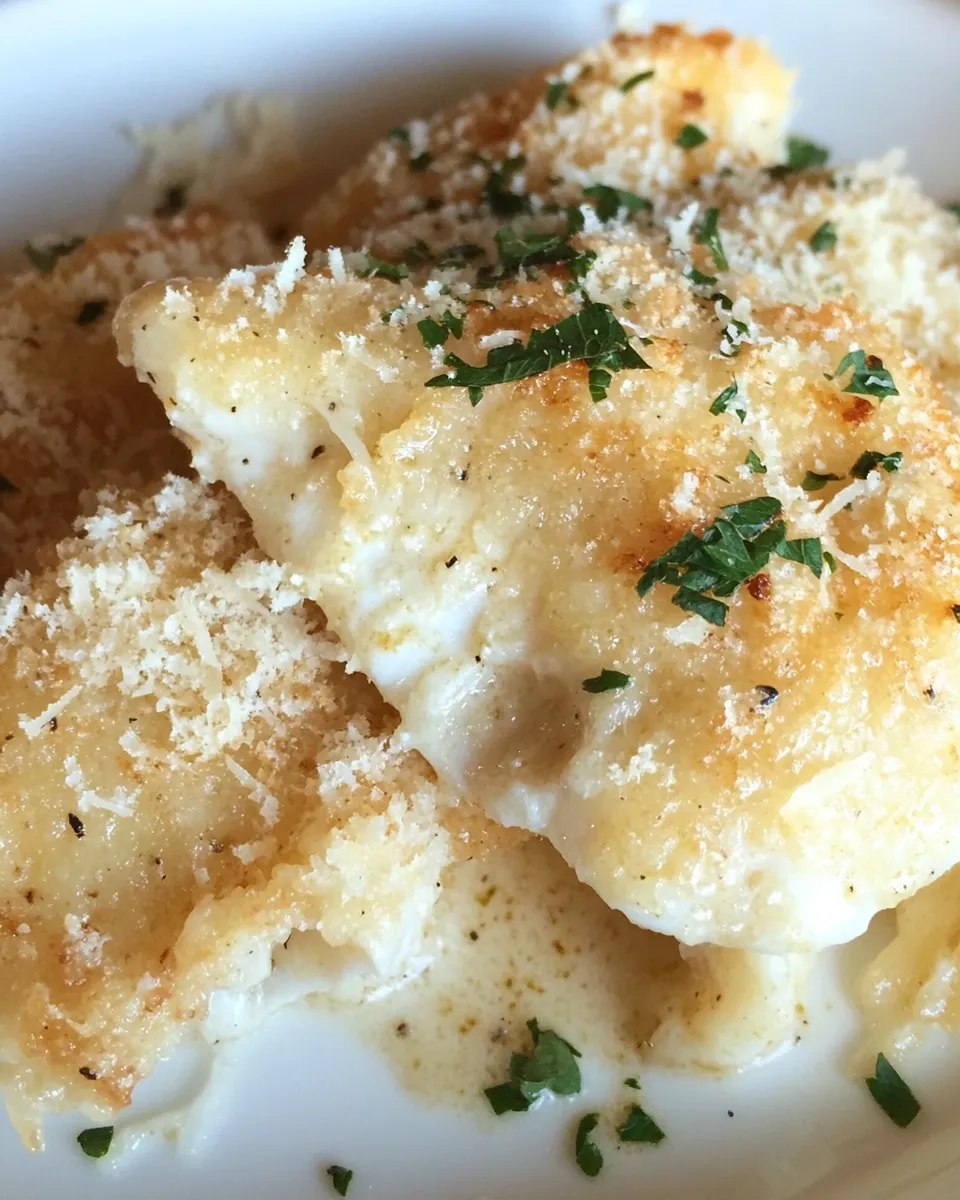
The method leans on three fundamentals: seasoning the topping, ensuring intimate contact between topping and fish, and gentle, even heat. The Parmesan butter-mayo mix creates a cohesive crust that browns rather than burns when cooked at a moderate 350°F. Because tilapia fillets are thin and delicate, that lower temperature prevents the fish from drying while still allowing the topping to develop color and texture.
Each ingredient in the topping plays a role: fat for richness and browning, acid for balance, cheese for salt and structure, and small amounts of seasonings to deepen complexity without overpowering the fish’s mild flavor. Lining the pan with foil makes cleanup easy and prevents sticking, so you can focus on finishing sides or plates while the oven does the rest.
Smart Substitutions
I keep substitutions faithful to the recipe’s intent—don’t stray so far you lose the balance between richness, acid, and salt. Here are safe swaps that keep the same structure and ratios.
- Parmesan cheese — use freshly grated rather than pre-shredded when possible for better melt and a brighter flavor; if your Parmesan is very salty, reduce the garlic salt slightly.
- Butter — if you only have melted butter, chill it briefly so the topping remains spreadable rather than runny; softened butter is ideal because it holds the mixture’s texture.
- Mayonnaise — light or reduced-fat mayonnaise will work but may slightly change the richness; keep the same volume so consistency remains spreadable.
- Lemon juice — fresh is preferred; bottled works in a pinch but check flavor strength and adjust to taste.
- Seasonings — you can tweak ratios slightly to preference (a touch more pepper for heat, less garlic salt for sodium control), but keep the overall small measures to preserve balance.
Tools of the Trade
No special gadgets are required. A few thoughtful tools make this faster and more reliable:
- Mixing bowl — medium size to combine the topping neatly.
- Spoon or small spatula — for mixing and spreading the topping evenly over fillets.
- Baking sheet lined with foil — prevents sticking and simplifies cleanup.
- Paper towels — patting fillets dry removes surface moisture so the topping adheres.
- Oven thermometer (optional) — to confirm your oven runs true to 350°F; consistent heat gives consistent results.
Mistakes Even Pros Make
Several small missteps are common and easy to avoid. First, don’t skip patting the fillets dry. Excess moisture creates steam that keeps the topping from adhering and browning properly. Second, avoid using too hot an oven; while you might be tempted to rush the cook, higher heat can burn the topping before the fish cooks through.
Another frequent error is uneven topping distribution—thicker blobs will take longer to brown and can insulate the fish beneath, leading to uneven doneness. Finally, using pre-grated, aged Parmesan with added cellulose can give a drier texture; freshly grated yields a creamier melt.
Seasonal Spins
This recipe shines year-round but adapts nicely to seasonal produce and mood. In spring, serve with a simple salad of baby greens, radishes, and a lemon vinaigrette to echo the topping’s brightness. Summer calls for grilled vegetables or a tomato-cucumber salad with basil for freshness. In autumn and winter, pair the fish with roasted root vegetables or a warm grain salad to add heartiness.
For a cozy twist in colder months, finish the baked fillets with a pat of extra butter or a drizzle of warm olive oil before serving to add sheen and warmth to the dish.
Testing Timeline
Timing is straightforward because the recipe relies on a single, short bake. Here’s a quick timeline for planning:
- 0–5 minutes: Preheat oven and line baking sheet.
- 5–10 minutes: Mix topping and pat fillets dry.
- 10–15 minutes: Spread topping and slide the sheet into the oven.
- 15–20 minutes: Bake on the center rack; start checking at 15 minutes for flakiness and light golden browning.
If your fillets are on the thinner side, err toward the lower end of the baking window. Thicker pieces or crowded pans may need the full 20 minutes. The primary doneness test is whether the fish flakes easily with a fork and is opaque through the thickest part.
Keep-It-Fresh Plan
Leftovers store well if handled promptly. Transfer cooled fish to an airtight container and refrigerate within two hours of cooking. Eat within 2–3 days for best texture and flavor. Reheat gently in a low oven (300°F) for 8–10 minutes or until warmed through; high heat will dry the fillets and toughen the topping.
For freezing, place cooled fillets in a single layer on a tray, flash-freeze until firm, then transfer to a freezer-safe container or bag. Use within one month. Thaw overnight in the refrigerator before reheating slowly to retain moisture.
Ask the Chef
Q: Can I double the recipe? A: Yes. Keep the topping ratio identical and arrange fillets in a single layer across two baking sheets if needed. Avoid stacking, which causes uneven cooking.
Q: Can I prepare the topping ahead? A: You can mix the topping up to a day ahead and refrigerate. Allow it to come close to room temperature or soften slightly before spreading so it’s easy to work with. If it firms too much, a brief stir will restore spreadability.
Q: How do I know when the fish is done? A: The best indicators are flakiness and opacity. Insert a fork gently at the thickest point and twist—if the fish separates into moist flakes and is opaque throughout, it’s done. Use the oven time as guidance but prioritize these visual and textural cues.
Final Bite
This Baked Tilapia Parmesan turns simple pantry ingredients into a dependable, weeknight-worthy dinner. It’s forgiving, quick to assemble, and delivers pleasing contrasts—crisp, cheesy topping over delicate, flaky fish. Pair it with a bright salad, steamed vegetables, or a light pilaf, and you’ve got a meal that feels complete without complicated prep.
I make versions of this often because it hits that sweet spot: fast enough to fit into a busy evening, but thoughtful enough to feel like a special plate. Try it once exactly as written, then adjust small details to match your taste. You’ll be surprised how often this formula becomes a go-to in your rotation.
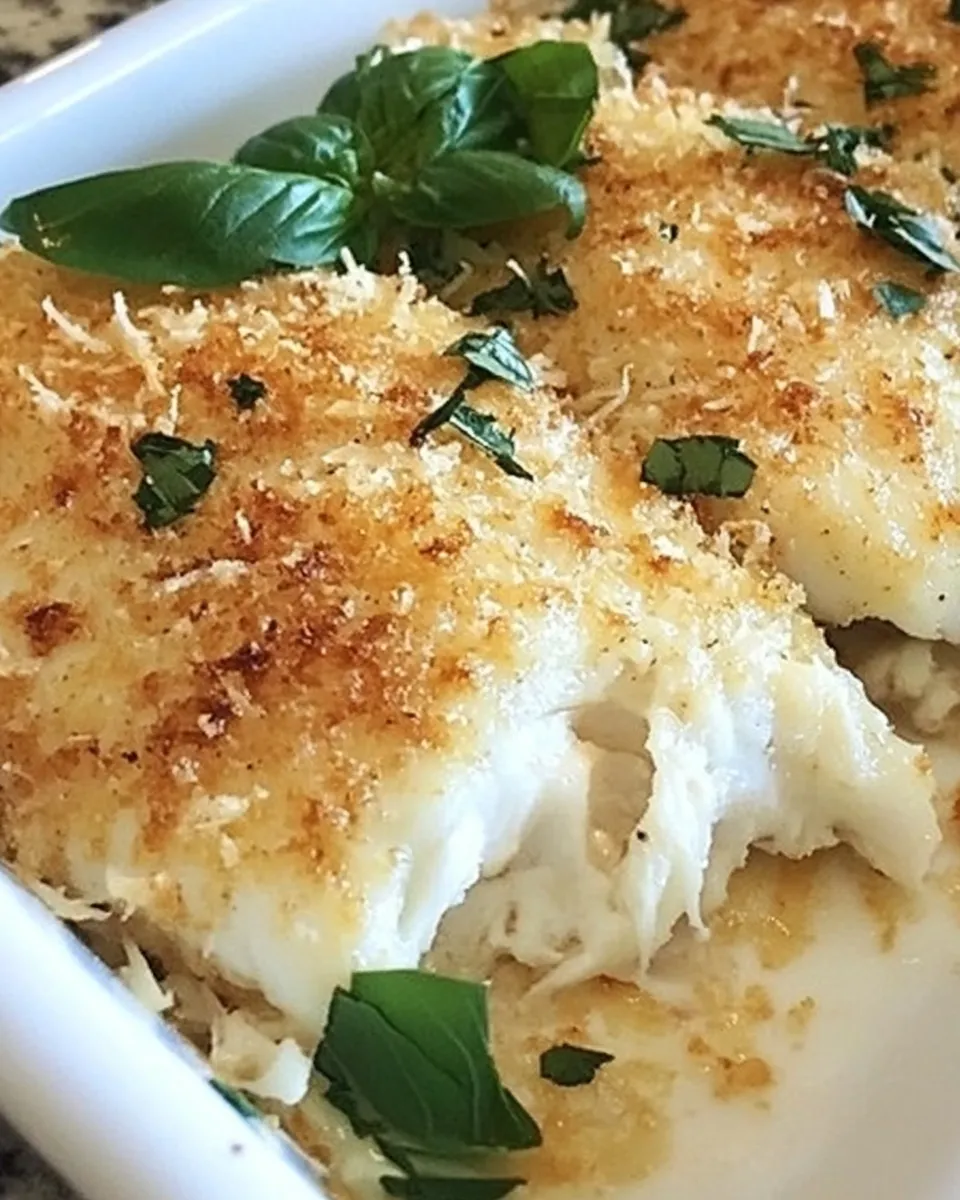
Baked Tilapia Parmesan
Equipment
- Oven
- Baking Sheet
- Aluminum Foil
- Medium Bowl
- Spatula or spoon
- Paper Towels
Ingredients
Ingredients
- 1/2 cupParmesan cheese
- 1/4 cupbutter softened
- 4 tablespoonsmayonnaise
- 2 tablespoonslemon juice
- 1/4 teaspoondried parsley
- 1/4 teaspoonground black pepper
- 1/4 teaspoongarlic salt
- 1/8 teaspoononion powder
- 1/8 teaspooncelery salt
- 2 poundstilapia fillets
Instructions
Instructions
- Preheat oven to 350°F (175°C).
- Line a baking sheet with foil.
- In a medium bowl, mix together 1/2 cup Parmesan cheese, 1/4 cup softened butter, 4 tablespoons mayonnaise, 2 tablespoons lemon juice, 1/4 teaspoon dried parsley, 1/4 teaspoon ground black pepper, 1/4 teaspoon garlic salt, 1/8 teaspoon onion powder, and 1/8 teaspoon celery salt until well combined and spreadable.
- Pat 2 pounds tilapia fillets dry with paper towels and place them in a single layer on the prepared baking sheet.
- Spread the Parmesan mixture evenly over the top of each fillet.
- Bake on the center rack at 350°F (175°C) for 15–20 minutes, or until the topping is light golden brown and the fish flakes easily with a fork.