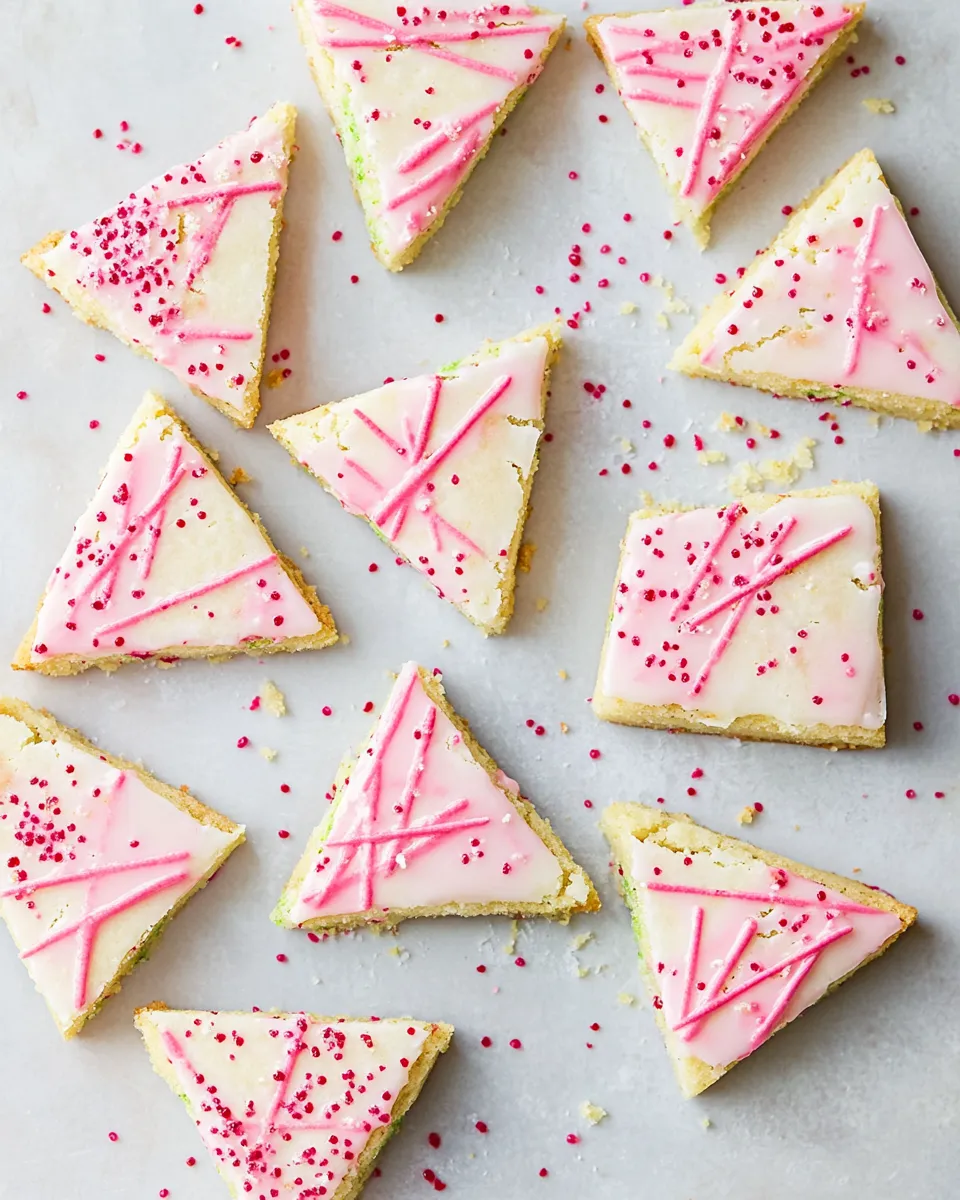
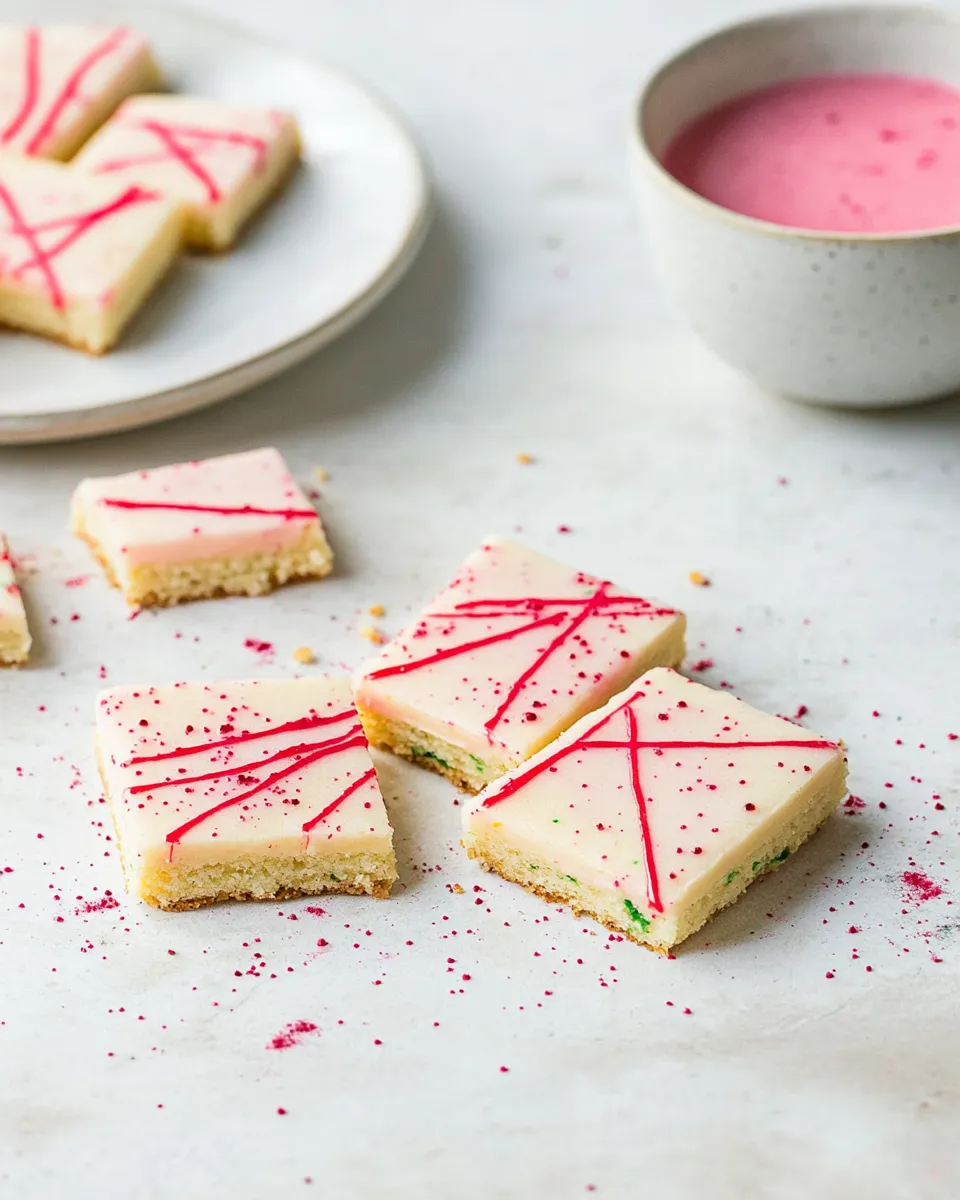
This shortbread is one of those recipes I go to when I want something quietly elegant without a lot of fuss. The base is a tender, buttery shortbread gently scented with finely ground Earl Grey tea — just enough bergamot to be unmistakable but not overpowering. The blood orange glaze adds a bright, floral citrus finish that cuts through the richness and makes each bite sing.
It’s a straightforward tray bake: no chilling the dough, no heavy rolling, just cream, combine, press, and bake. That simplicity is the point. You get clean, buttery shortbread with a delicate fragrance and a glaze that feels elevated but is quick to whisk together while the cookies cool.
Below you’ll find everything you need to make these, from the precise ingredient list and the step-by-step method (kept exactly as written) to practical tips for texture, timing, and storage. If you’re baking for a small gathering or want a giftable tray of cookies, this recipe is reliably lovely.
What You’ll Need
- 1/2 cup (1 stick) unsalted butter, room temperature — provides the tender, rich base; room temperature helps it cream smoothly with sugar.
- 3/4 cup granulated sugar — sweetens and lightens the dough when creamed with butter.
- 1 large egg — binds the dough and contributes to a tender crumb.
- 1/2 teaspoon pure vanilla extract or vanilla bean paste — adds depth to the flavor and complements the bergamot notes.
- 1/2 teaspoon kosher salt — balances sweetness and enhances flavor.
- 1 1/2 cups (6.75 oz) all-purpose flour — the structure of the shortbread; measure accurately for correct texture.
- 1 teaspoon finely ground Earl Grey tea (from 1 tea bag) — the defining aromatic ingredient; grind the tea leaves finely so they disperse evenly.
- 1/4 cup powdered sugar, sifted — for the glaze; sifting prevents lumps and gives a smooth finish.
- 1 tablespoon freshly squeezed blood orange juice — the glaze’s flavoring and thinning agent; fresh juice gives the best color and brightness.
Cooking (Earl Grey Shortbread with Blood Orange Glaze): The Process
- Preheat the oven to 350°F. Line an 8×8-inch baking pan with parchment paper, leaving an overhang on at least two opposite sides to use as handles.
- In a large mixing bowl or the bowl of a stand mixer fitted with the paddle attachment, beat the room-temperature butter and granulated sugar together on medium speed until light and fluffy, about 2–3 minutes.
- Add the egg, then add the 1/2 teaspoon pure vanilla extract and the 1/2 teaspoon kosher salt. Beat just until combined, stopping to scrape down the sides and bottom of the bowl as needed.
- In a small bowl, combine the 1 1/2 cups all-purpose flour and the 1 teaspoon finely ground Earl Grey tea (opened from the tea bag and finely ground). Add the flour–tea mixture to the butter mixture and mix on low speed until just incorporated. Do not overmix.
- Transfer the dough to the prepared pan. The dough will be sticky; lightly flour your fingertips or place a sheet of plastic wrap over the dough and use it to press the dough into an even layer in the bottom of the pan.
- Bake for 28–30 minutes, until the top is puffed and matte and the edges are just beginning to turn a very light golden brown. Remove the pan from the oven and set it on a wire rack to cool completely in the pan.
- Make the glaze while the shortbread cools: in a small bowl whisk together the 1/4 cup sifted powdered sugar and the 1 tablespoon blood orange juice until smooth. The glaze should be the consistency of honey — a drizzle should hold its shape for a few seconds before settling. If the glaze is too thin, add a little more sifted powdered sugar to thicken. If it is too thick, add more blood orange juice in 1/2-teaspoon increments until you reach the desired consistency.
- When the shortbread is completely cool, lift the entire block from the pan using the parchment overhang. Place it on a cutting board or leave on the parchment.
- Drizzle the glaze over the shortbread using a fork, whisk, or a squeeze bottle for more control. Allow the glaze to set briefly.
- Cut the shortbread into squares, then cut each square in half diagonally to make triangles. Store the cookies in an airtight container at room temperature for up to one week, or freeze for longer storage.
Why This Earl Grey Shortbread with Blood Orange Glaze Stands Out
There are two straightforward reasons this shortbread feels special: the aromatics and the balance. Finely ground Earl Grey tea infuses the dough with bergamot perfume that works beautifully against the pure, buttery backbone of shortbread. The blood orange glaze brings a counterpoint — its bright, floral-citrus notes lift the palate and prevent the richness from feeling heavy.
Texture matters too. This recipe produces a shortbread that’s tender but holds its shape when cut into triangles, making it both comforting and elegant. The method avoids overworking the dough and eliminates fiddly shaping, so the final cookie is consistently even and finely crumbed.
Ingredient Flex Options
There’s a bit of room to nudge flavors without changing the method. A couple of practical notes:
- You can use vanilla bean paste instead of extract for a slightly deeper vanilla character (the recipe already lists this as an option).
- If your Earl Grey tea has larger leaf fragments, grind the tea more finely so the flavor disperses evenly through the flour.
- Adjust the glaze thickness by varying the powdered sugar or blood orange juice as described in the method; this changes appearance and sweetness without affecting the cookie texture.
Before You Start: Equipment
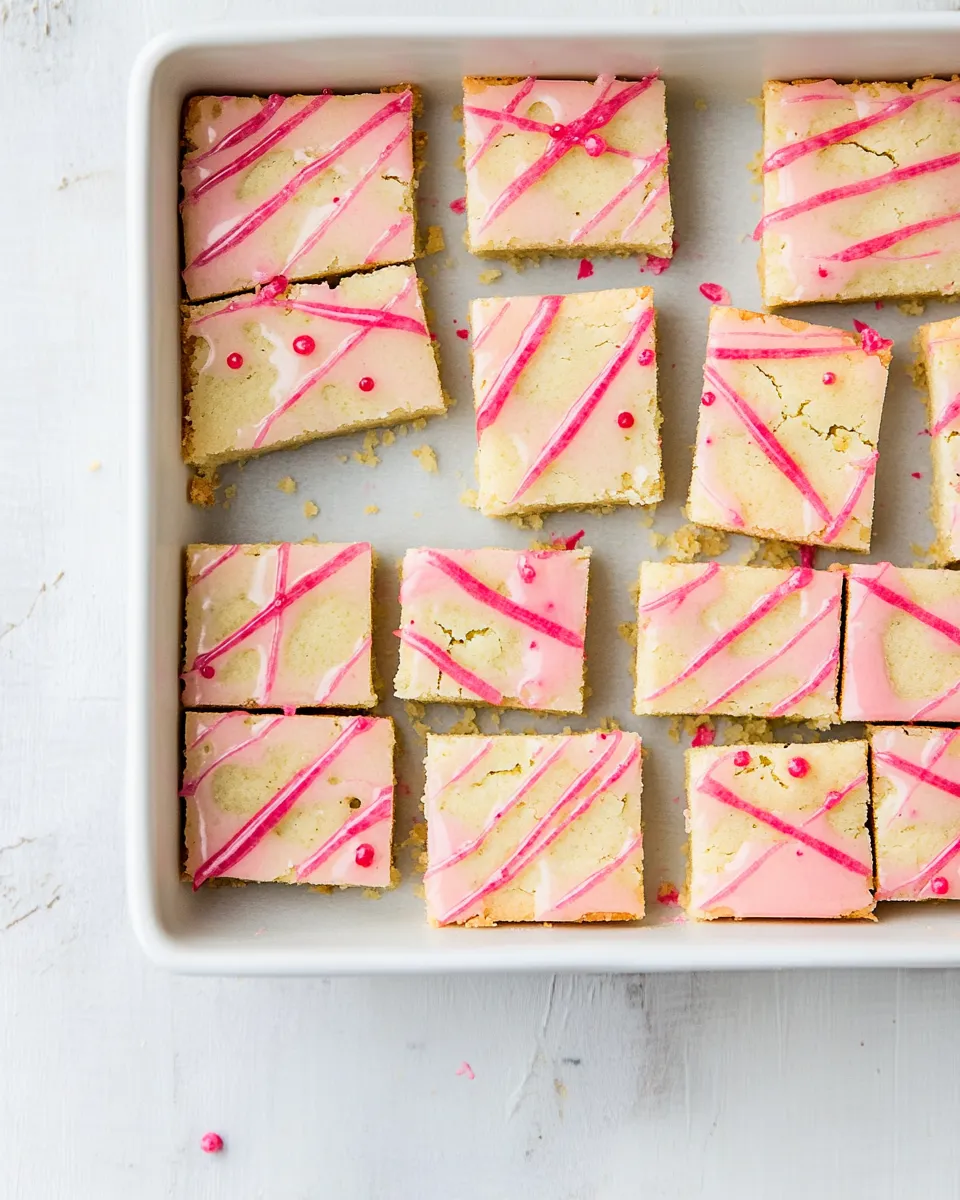
Minimal equipment is needed, which is part of what makes this a great midweek or last-minute bake:
- 8×8-inch baking pan (lined with parchment with overhang) — the recipe is sized for this pan for even baking and easy removal.
- Stand mixer with paddle attachment or a large mixing bowl and a hand mixer — for creaming butter and sugar efficiently.
- Small bowl for mixing dry ingredients, and a separate small bowl for the glaze.
- Fine grater, mortar and pestle, or coffee/spice grinder — to finely grind the contents of the Earl Grey tea bag.
- Wire rack for cooling, cutting board, and a fork or squeeze bottle for glazing.
Frequent Missteps to Avoid
- Using cold butter: Cold butter won’t cream properly with sugar, which affects texture and may result in a dense shortbread. Use room-temperature butter.
- Overmixing after adding flour: Mix only until the flour and tea are incorporated. Overmixing develops gluten and can make the shortbread tough.
- Not grinding the tea finely enough: Large tea pieces can create uneven flavor pockets and a slightly gritty texture. Grind until very fine.
- Glazing too soon: Apply the glaze only after the shortbread is completely cool, or it will melt into the surface and lose its glossy contrast.
- Underbaking or overbaking: Watch the 28–30 minute window. The top should be puffed and matte, edges just barely golden; remove at that point and cool in pan.
Adaptations for Special Diets
Adapting for dietary needs typically requires ingredient substitutions. General guidance:
- Gluten-free adaptation will require a flour substitute formulated to match all-purpose flour’s weight and binding properties; expect slight differences in texture and possibly a need for added binders.
- For dairy-free needs, use a butter replacement designed for baking that behaves like butter at room temperature; results will vary depending on the product.
- For egg-free baking, a binder replacement can work, but it will change the shortbread’s structure and crumb. Shortbreads rely on the egg here for cohesion; any swap should be tested in small batches first.
Testing Timeline
If you want to test this recipe or make adjustments, here’s a practical timeline to follow for a single batch:
- Preparation (measuring, grinding tea, lining pan): 10–15 minutes.
- Creaming and mixing: 5–7 minutes.
- Pressing into pan and baking: about 30–35 minutes including oven warm-up if needed.
- Cooling completely in pan: 30–45 minutes (glaze is made while cooling).
- Glazing, setting, and cutting: 15–20 minutes.
Plan for roughly 1 hour 30 minutes from start to finish, with most of that time passive while the shortbread cools and the glaze sets.
Storage Pro Tips
Shortbread stores beautifully when handled correctly. Keep the cookies in an airtight container at room temperature for up to a week — layering pieces with parchment keeps them from sticking. If you want to keep them longer, freeze the cut pieces (after glazing and once the glaze has set) in a single layer on a baking sheet until firm, then transfer to a freezer-safe container for longer storage. Thaw at room temperature before serving.
Popular Questions
- Q: Can I use a different citrus for the glaze?
A: The recipe is written for blood orange juice for its flavor and color; other citrus will work but will change the final taste and color. - Q: Do I have to remove the tea leaves from the bag?
A: Yes — open the tea bag and finely grind the leaves so they disperse evenly through the flour and avoid textural pockets. - Q: Will the shortbread keep its shape when cut?
A: Yes — bake to the described doneness and cool completely in the pan; using the parchment overhang helps remove the block intact for clean cutting. - Q: Can I double the recipe?
A: You can scale the ingredients, but adjust baking to a larger pan or multiple pans and watch the time; aim for the same visual cues (puffed, matte top and lightly golden edges).
Make It Tonight
If you’re ready to bake: preheat your oven and line the pan first, then measure and prep the tea so it’s ready when you cream the butter. The actual hands-on time is short, and the glaze can be whisked up while the shortbread cools. Expect to have a tray of shortbread that looks impressive and tastes elevated without a lot of fuss — perfect for a spontaneous hostess gift or a quieter dessert to enjoy with tea.
When you slice those triangles and taste the first bite — buttery, fragrant, and bright with blood orange — you’ll see why I keep this one in my repertoire. Happy baking.
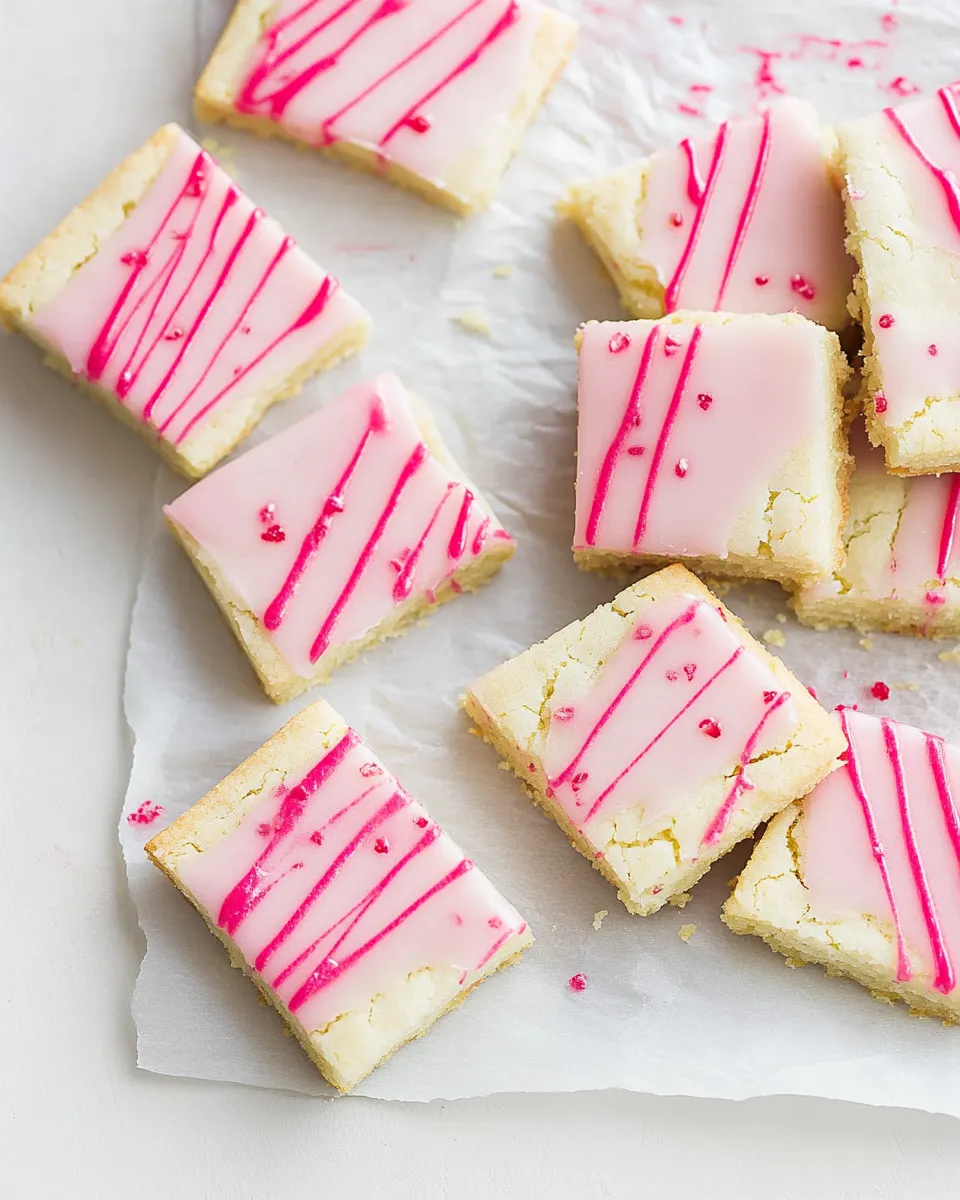
Earl Grey Shortbread with Blood Orange Glaze
Equipment
- 8x8-inch baking pan
- Parchment Paper
- stand mixer or mixing bowl
- paddle attachment
- Small Bowl
- Wire Rack
- Cutting Board
- fork or squeeze bottle
- Plastic wrap (optional)
Ingredients
Ingredients
- 1/2 cup 1 stick unsalted butter, room temperature
- 3/4 cup granulated sugar
- 1 large egg
- 1/2 teaspoon pure vanilla extract or vanilla bean paste
- 1/2 teaspoon kosher salt
- 1 1/2 cups 6.75 oz all-purpose flour
- 1 teaspoon finely ground Earl Grey tea from 1 tea bag
- 1/4 cup powdered sugar sifted
- 1 tablespoon freshly squeezed blood orange juice
Instructions
Instructions
- Preheat the oven to 350°F. Line an 8×8-inch baking pan with parchment paper, leaving an overhang on at least two opposite sides to use as handles.
- In a large mixing bowl or the bowl of a stand mixer fitted with the paddle attachment, beat the room-temperature butter and granulated sugar together on medium speed until light and fluffy, about 2–3 minutes.
- Add the egg, then add the 1/2 teaspoon pure vanilla extract and the 1/2 teaspoon kosher salt. Beat just until combined, stopping to scrape down the sides and bottom of the bowl as needed.
- In a small bowl, combine the 1 1/2 cups all-purpose flour and the 1 teaspoon finely ground Earl Grey tea (opened from the tea bag and finely ground). Add the flour–tea mixture to the butter mixture and mix on low speed until just incorporated. Do not overmix.
- Transfer the dough to the prepared pan. The dough will be sticky; lightly flour your fingertips or place a sheet of plastic wrap over the dough and use it to press the dough into an even layer in the bottom of the pan.
- Bake for 28–30 minutes, until the top is puffed and matte and the edges are just beginning to turn a very light golden brown. Remove the pan from the oven and set it on a wire rack to cool completely in the pan.
- Make the glaze while the shortbread cools: in a small bowl whisk together the 1/4 cup sifted powdered sugar and the 1 tablespoon blood orange juice until smooth. The glaze should be the consistency of honey — a drizzle should hold its shape for a few seconds before settling. If the glaze is too thin, add a little more sifted powdered sugar to thicken. If it is too thick, add more blood orange juice in 1/2-teaspoon increments until you reach the desired consistency.
- When the shortbread is completely cool, lift the entire block from the pan using the parchment overhang. Place it on a cutting board or leave on the parchment.
- Drizzle the glaze over the shortbread using a fork, whisk, or a squeeze bottle for more control. Allow the glaze to set briefly.
- Cut the shortbread into squares, then cut each square in half diagonally to make triangles. Store the cookies in an airtight container at room temperature for up to one week, or freeze for longer storage.