Brown butter is one of those magical ingredients that can elevate your culinary creations from ordinary to extraordinary. With its rich, nutty flavor and beautifully amber hue, brown butter adds depth to everything from cookies and cakes to savory dishes. In this guide, we’ll explore how to make brown butter using just 1 cup (113g) of unsalted butter. Get ready to transform your kitchen into a haven of delicious aromas!
Why This Recipe Belongs in Your Rotation
Understanding how to make brown butter is essential for anyone who enjoys cooking or baking. Not only is it incredibly simple, but it also introduces a whole new flavor profile to your dishes. The nutty taste of brown butter complements both sweet and savory recipes, making it a versatile addition to your kitchen repertoire. Once you learn this technique, you’ll find yourself reaching for brown butter in everything from your morning pancakes to your evening pasta.
What Goes Into How to Make Brown Butter
To make brown butter, you will need just one ingredient:
- 1 cup (113g) unsalted butter: This is the star of the show. Unsalted butter allows you to control the saltiness of your final dish.
That’s it! It doesn’t get much simpler than this.
Before You Start: Equipment
Before diving into the process of how to make brown butter, gather the following equipment:
- Heavy-bottomed saucepan: A pan with a thick base helps distribute heat evenly, preventing the butter from burning.
- Wooden spoon or silicone spatula: You’ll need something sturdy to stir the butter as it melts and browns.
- Heatproof container: Use a glass jar or bowl to store your brown butter once it’s ready.
- Stove: The source of heat is crucial, so ensure you’re using a reliable one.
The Method for How to Make Brown Butter
Now that you have your ingredients and equipment ready, let’s walk through the steps to achieve that perfect brown butter.
Step 1: Melt the Butter
Place your unsalted butter in the heavy-bottomed saucepan over medium heat. Allow it to melt completely, stirring occasionally to help it along.
Step 2: Observe the Changes
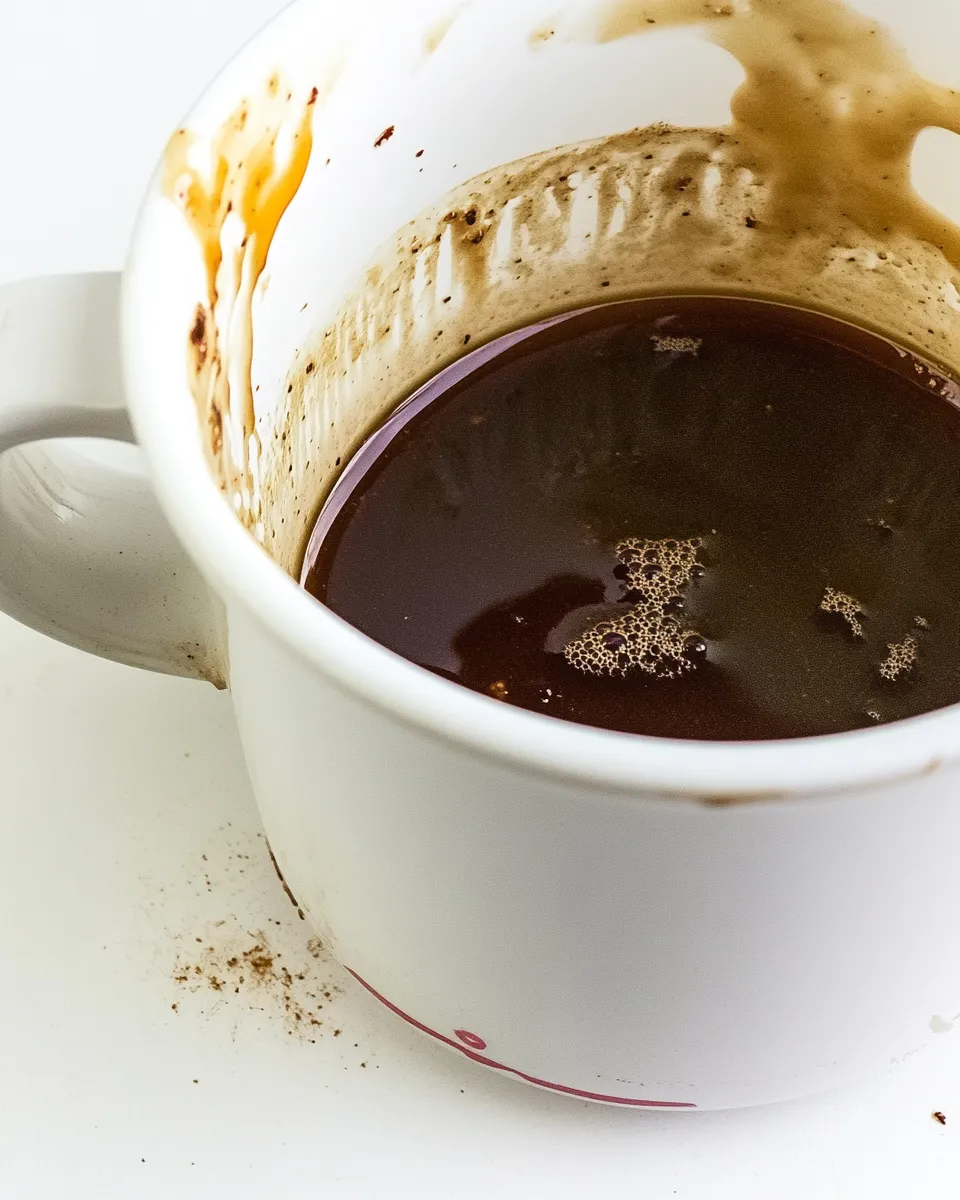
As the butter continues to heat, it will first melt, then foam, and finally begin to turn a golden color. This is where the magic happens! Keep stirring to ensure even cooking and to prevent any parts from burning.
Step 3: Watch for Browning
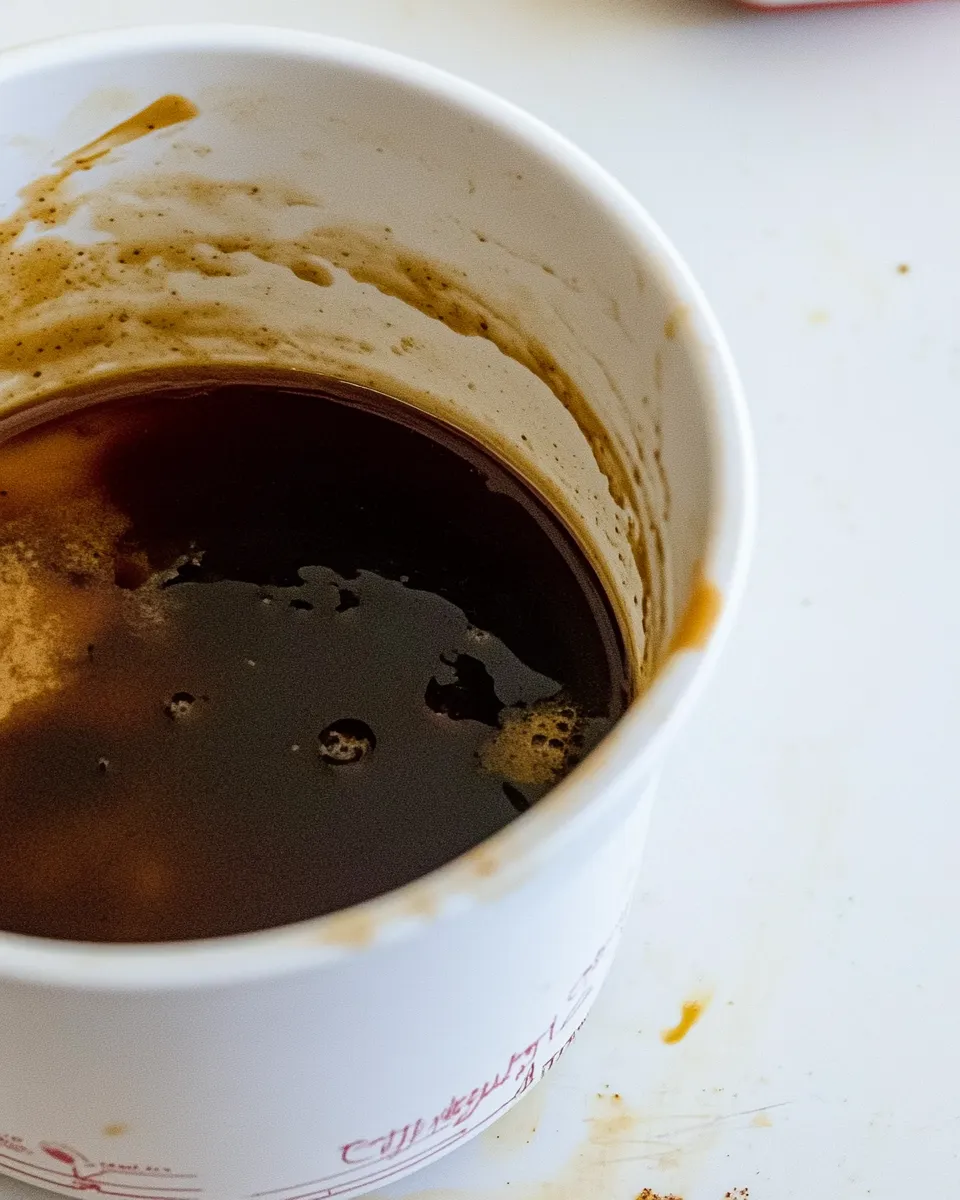
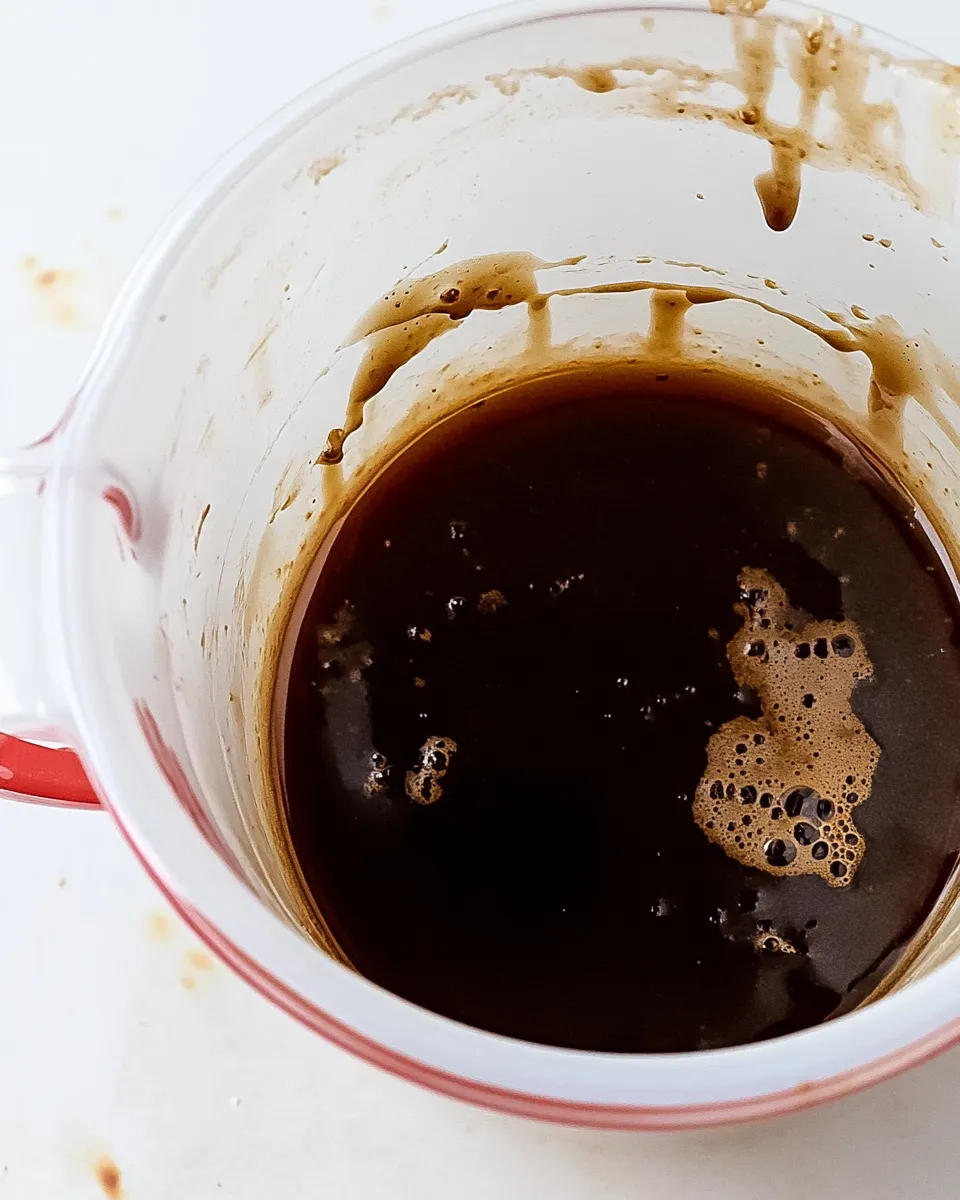
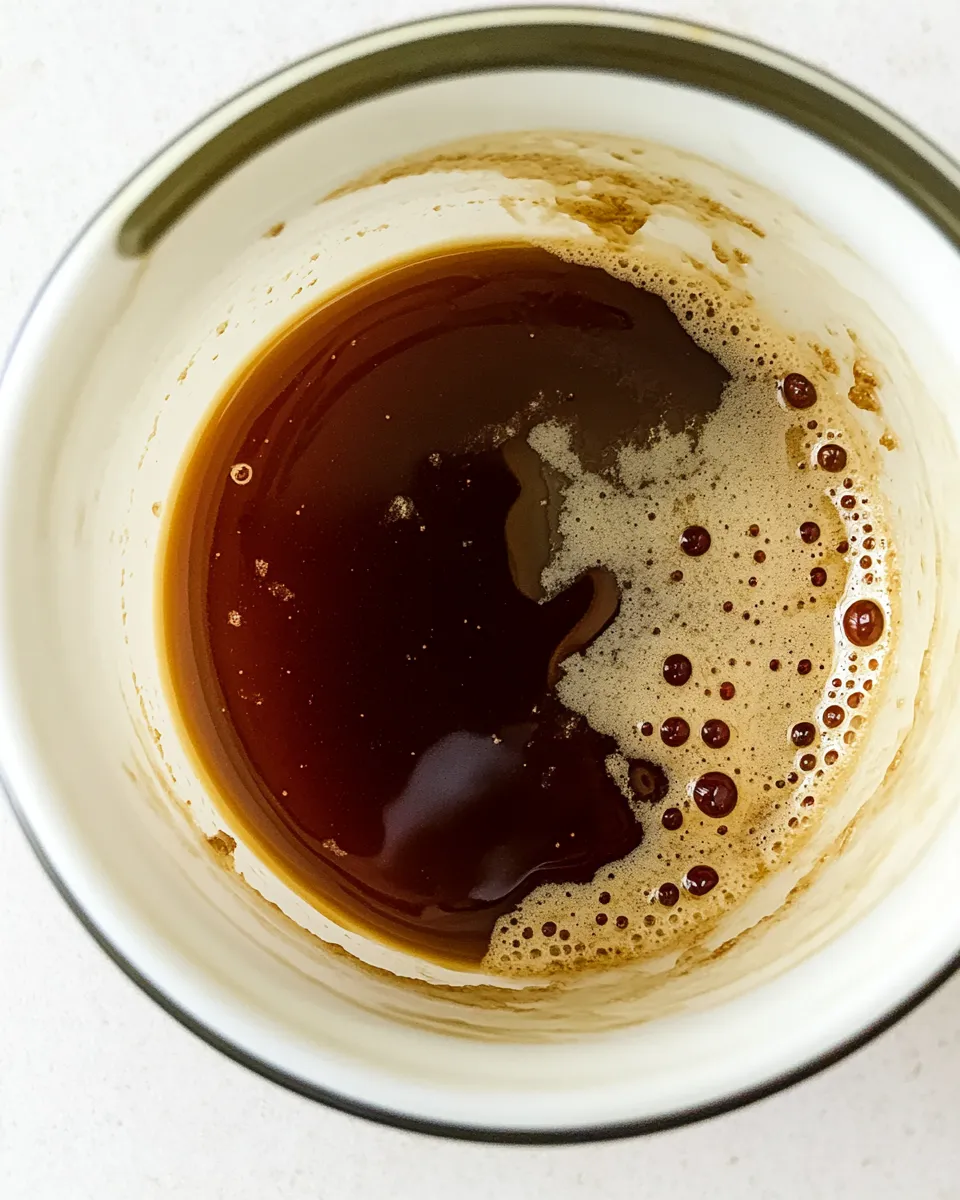
After a few minutes, the butter will start to brown. You’ll notice a nutty aroma filling your kitchen. This is the moment to pay close attention! You want to catch it just as it turns a deep amber color. This process usually takes around 5-7 minutes, depending on your stove.
Step 4: Remove from Heat
Once the butter has reached the desired color and aroma, immediately remove it from the heat to prevent it from cooking further. Pour it into your heatproof container to stop the cooking process.
Step 5: Cool and Store
Let your brown butter cool before using it in your favorite recipes. It can be stored in the refrigerator for up to two weeks or frozen for later use.
Vegan & Vegetarian Swaps
If you’re looking for alternatives to traditional brown butter, consider these options:
- Coconut oil: This provides a slightly sweet, nutty flavor.
- Vegan butter: Many brands offer plant-based butter that can be used in the same way as regular butter.
- Olive oil: While it won’t have the same flavor profile, it can be used for a savory twist.
What Could Go Wrong
Making brown butter is generally straightforward, but here are a few pitfalls to avoid:
- Burning the butter: This is the most common mistake. Keep a close eye on it, as it can go from perfect to burnt quickly.
- Using too high heat: Medium heat is crucial for controlled browning. Higher temperatures can lead to burning.
- Not stirring enough: Stirring helps distribute the heat and ensures even browning.
Save It for Later
Brown butter is incredibly versatile and can be used in various recipes, but it’s also great to have on hand for later. Here are some tips for storing it:
Once cooled, transfer the brown butter to an airtight container. It can be refrigerated for up to two weeks or frozen for up to three months. When ready to use, simply warm it gently until it reaches a pourable consistency.
Quick Questions
Can I use salted butter instead of unsalted butter?
Yes, you can use salted butter, but keep in mind that it will alter the flavor of your dishes. Unsalted butter is recommended for better control over salt levels.
How do I know when brown butter is done?
Brown butter is ready when it turns a deep amber color and emits a nutty aroma. Be cautious, as it can burn quickly once it reaches this stage.
Can I use brown butter in baking?
Absolutely! Brown butter can be used in various baked goods, such as cookies, cakes, and brownies, to add a unique flavor.
Is brown butter the same as clarified butter?
No, brown butter is made by cooking butter until it browns, which develops a rich flavor, while clarified butter is made by removing the milk solids and water, resulting in a clear fat.
If you enjoyed learning how to make brown butter, check out these delicious recipes:
See You at the Table
Now that you know how to make brown butter, it’s time to get cooking! This flavorful ingredient is sure to impress your friends and family, and it will undoubtedly become a staple in your kitchen. Transform ordinary dishes into extraordinary ones with just a little bit of brown butter magic. Happy cooking!
How to Make Brown Butter
Equipment
- Heavy-bottomed saucepan
- Wooden Spoon or Silicone Spatula
- Heatproof container
- Stove
Ingredients
- 1 cup unsalted butter
Instructions
- Place your unsalted butter in the heavy-bottomed saucepan over medium heat. Allow it to melt completely, stirring occasionally to help it along.
- As the butter continues to heat, it will first melt, then foam, and finally begin to turn a golden color. Keep stirring to ensure even cooking and to prevent any parts from burning.
- After a few minutes, the butter will start to brown. You’ll notice a nutty aroma filling your kitchen. Watch for it to turn a deep amber color, usually after 5-7 minutes.
- Once the butter has reached the desired color and aroma, immediately remove it from the heat to prevent it from cooking further. Pour it into your heatproof container to stop the cooking process.
- Let your brown butter cool before using it in your favorite recipes. Store it in the refrigerator for up to two weeks or freeze for later use.
Notes
- Use medium heat to avoid burning the butter.
- Stir constantly to promote even browning and prevent scorching.
- Store brown butter in an airtight container refrigerated for up to two weeks or frozen for three months.