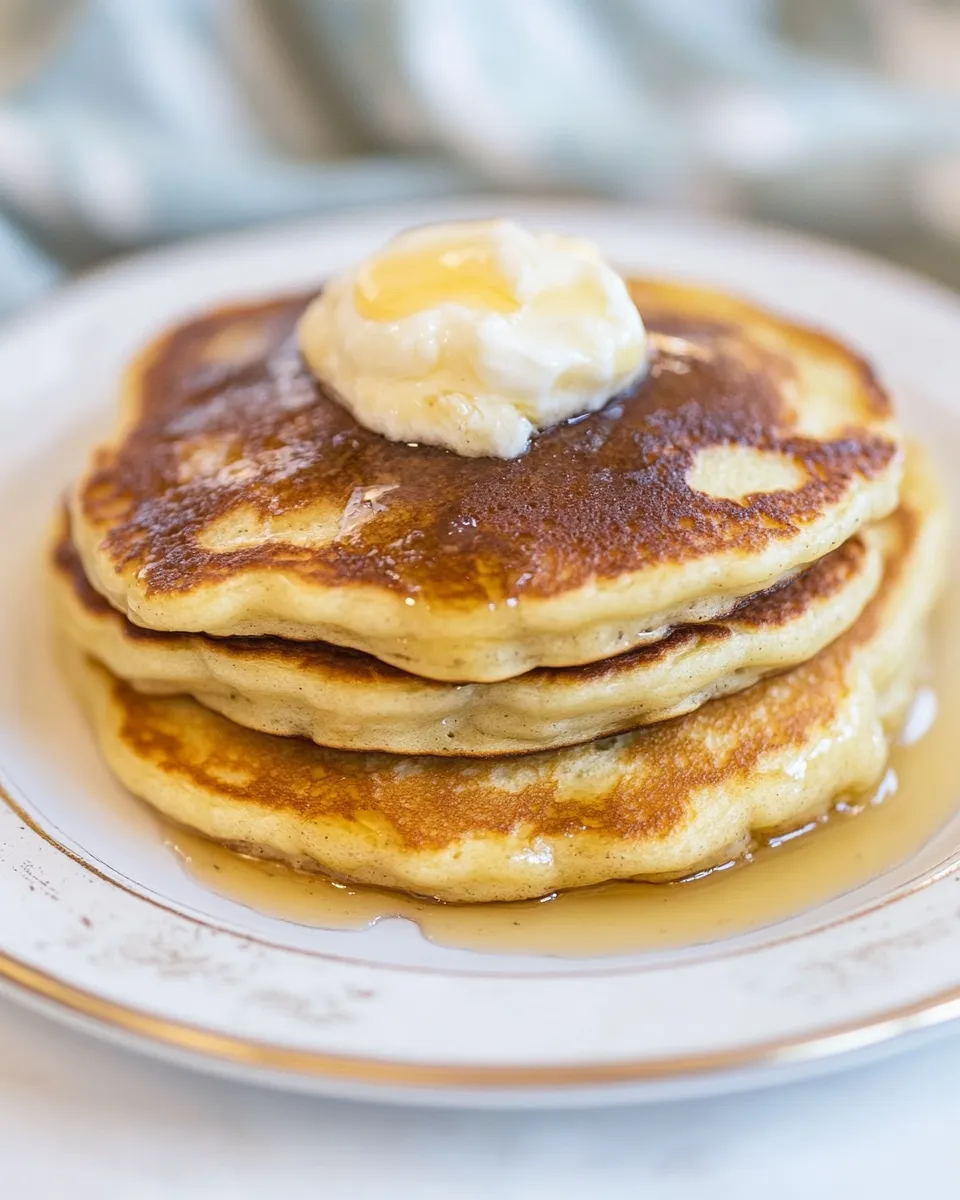
These pancakes are my weekend reset: quick to mix, forgiving in the pan, and reliably fluffy despite using coconut flour. They’re built for low-carb mornings without trading texture. If you’ve tried almond-flour pancakes and missed that tender, moist bite, this coconut-flour version fixes that—egg-forward structure and a slick of melted fat keep them from turning dry.
I test this batter on busy mornings and slow Sunday brunches. The batter is unusually thick; that’s intentional. It makes small, tall pancakes that cook through without collapsing. You’ll like that each cake stays tender and won’t taste heavily of coconut if you follow the simple measurements below.
No need for exotic tools or long ingredient lists. Simple pantry items and a single pan are all you need. Read through the steps first, measure carefully, and adjust heat gently while you cook. These keep well, reheat beautifully, and are easy to portion for meal prep.
Ingredient List
- 4 large eggs — provide structure, lift, and moisture.
- 1 cup full‑fat canned coconut milk — adds fat and richness; gives a tender crumb.
- 4 Tbsp butter or coconut oil, melted — tenderizes and browns the pancakes.
- 1 tsp pure vanilla extract (optional) — flavor enhancer; use only if you want a sweeter, bakery-style note.
- 2/3 cup coconut flour — the primary dry binder; absorbs liquid quickly, which is why the batter is thick.
- 1 Tbsp sugar-free granulated sweetener (optional) — adds sweetness without carbs; omit if you prefer savory or neutral pancakes.
- 1/4 tsp baking soda — a small lift agent that helps with browning and lightness.
- Pinch sea salt — balances sweetness and enhances overall flavor.
- Avocado oil for cooking — high smoke point for a golden, nonstick surface. Use sparingly.
From Start to Finish: Keto Pancakes
- In a mixing bowl, whisk together 4 large eggs, 1 cup full‑fat canned coconut milk, and 4 Tbsp melted butter or coconut oil. Whisk in 1 tsp pure vanilla extract only if using it. Mix until uniform and slightly combined.
- Add 2/3 cup coconut flour, 1 Tbsp sugar‑free granulated sweetener if using, 1/4 tsp baking soda, and a pinch of sea salt to the wet mixture. Whisk vigorously until the batter is fully combined and there are no visible dry clumps. The batter will be very thick.
- Heat a large nonstick skillet over medium heat. Add 1–2 Tbsp avocado oil and swirl to coat the pan. Allow the skillet and oil to heat until the oil is shimmering and the pan is warm.
- Measure a scant 1/4 cup of batter for each pancake and spoon it onto the skillet. The batter will be thick; use the back of the spoon, a small spatula, or your finger to gently shape each mound into a round.
- Cook each pancake 3 to 5 minutes, until the edges appear set and the bottom is golden. Carefully flip and cook 2 to 3 minutes more, until the pancake is cooked through and both sides are golden.
- Transfer cooked pancakes to a plate and repeat with the remaining batter, adding more avocado oil to the skillet as needed and adjusting the heat to prevent burning.
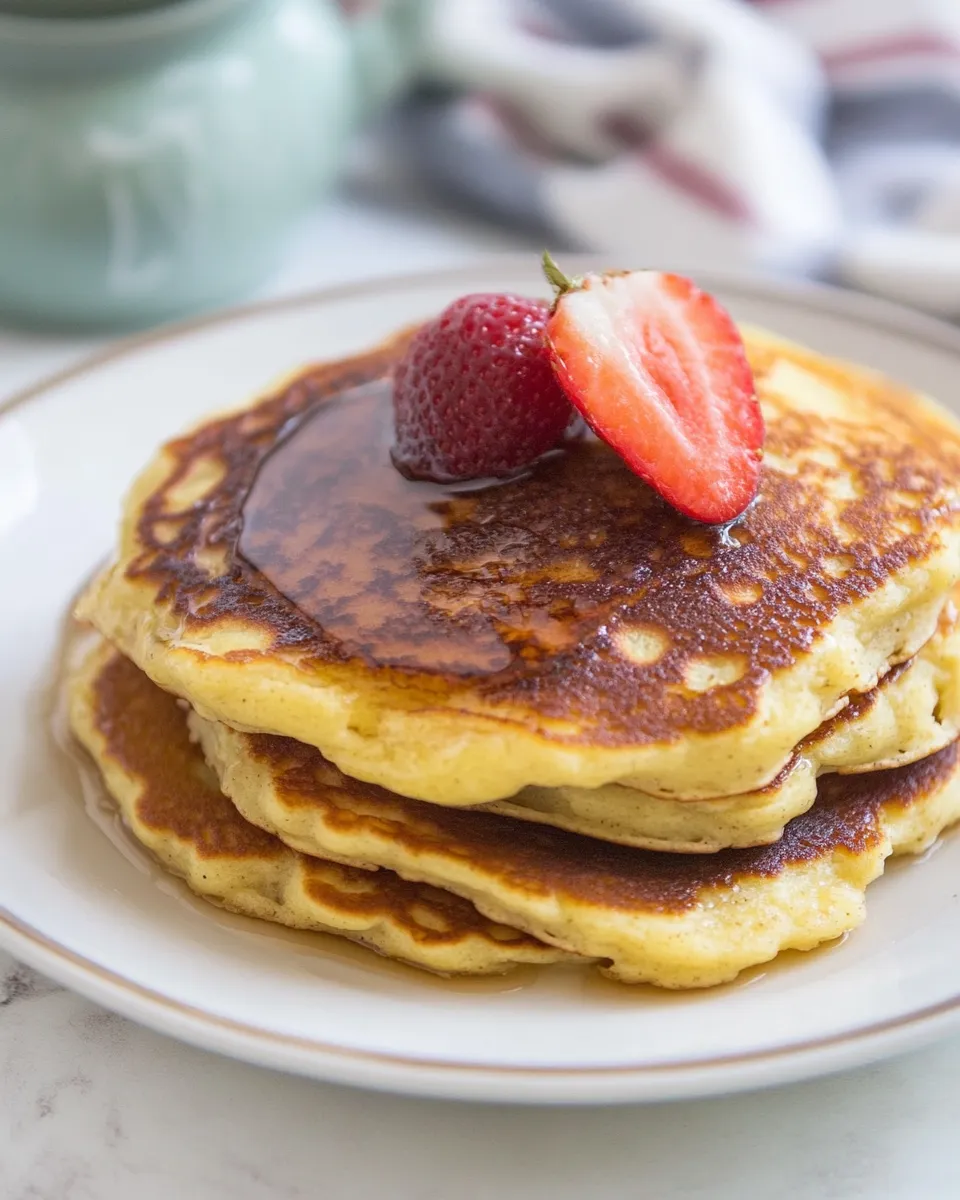
- Serve with desired toppings and enjoy.
Why It’s My Go-To
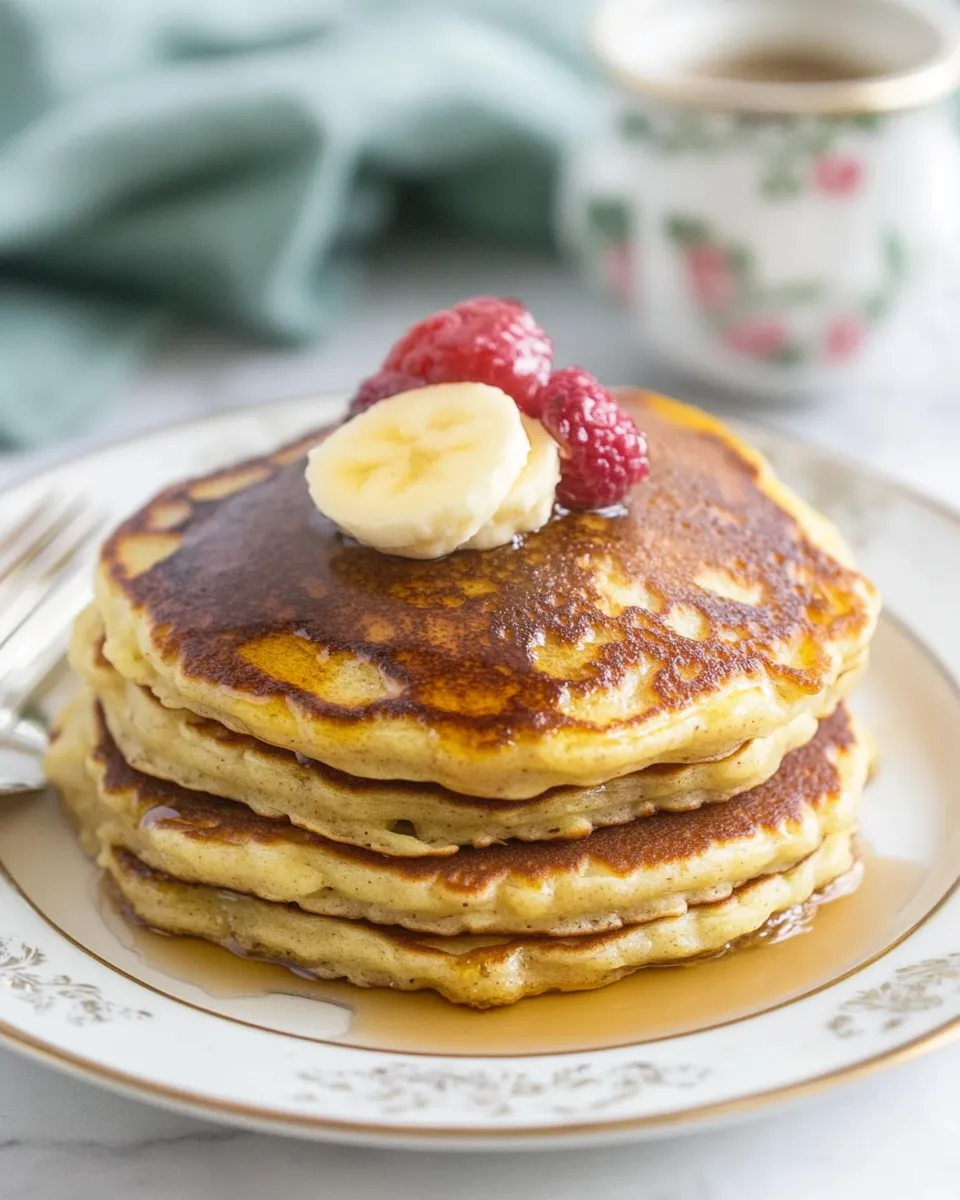
This recipe wins when I want speed without sacrificing texture. The eggs and coconut milk create a silkiness that typical coconut-flour recipes sometimes lack, and the small amount of baking soda gives a subtle lift. I like keeping the pancakes small and tall; they cook evenly and stack neatly on a plate.
They play well with a range of low-carb toppings and feel indulgent without being fussy. Because the batter is thick, it’s forgiving—if your skillet runs hot or cool, you can adjust the shape and size on the fly. For busy mornings, I double the batch and freeze the extras.
Budget & Availability Swaps
- If you don’t have both butter and coconut oil on hand, either one listed in the ingredients works interchangeably for melting into the batter—use whichever you already have.
- If avocado oil is unavailable for the pan, heat a small amount of the melted fat from the recipe (butter or coconut oil) in the skillet instead; it performs the same role for browning and nonstick.
- The optional vanilla extract and sweetener are just that—optional. Skip them to simplify the recipe and keep costs down.
Before You Start: Equipment
- Large mixing bowl — for combining wet and dry ingredients.
- Whisk — for smoothing eggs and integrating coconut milk and melted fat.
- Measuring cups and spoons — accurate measurement matters with coconut flour.
- Large nonstick skillet — ensures even cooking and easy flipping.
- Small spatula or spoon — for shaping thick batter into rounds.
- Plate or wire rack — to hold cooked pancakes while you finish the batch.
Don’t Do This
- Don’t try to thin the batter with more liquid than the recipe calls for. Coconut flour soaks up liquid differently; thinning can make you end up with flat, fragile pancakes.
- Don’t flip too early. If the edges aren’t set and the bottom isn’t golden, the pancake will tear or remain raw inside.
- Don’t crowd the pan. Give each pancake room so you can flip without tearing and so heat circulates evenly.
- Don’t skip heating the oil until it shimmers. Cold oil leads to sticking and uneven browning.
Nutrition-Minded Tweaks
If you’re watching carbs strictly, omit the optional sugar-free sweetener—these pancakes are satisfying without added sweetener, thanks to the eggs and fat. For lower fat, you could slightly reduce the melted fat in the batter, but expect a small change in texture and browning. Keep the full‑fat canned coconut milk for the best mouthfeel; thinning it will alter how the batter binds.
For a higher-protein option, serve smaller pancakes with an extra egg on the side or pair with a high-protein topping. If you want fewer calories per pancake, portion smaller than the scant 1/4 cup—just reduce the cooking time slightly and watch for doneness.
Chef’s Notes
Batter texture: expect a very thick batter. That thickness is normal with coconut flour. Work with it by shaping pancakes with a spoon or spatula rather than pouring. If your batter seems dry after resting a minute, whisk vigorously to reincorporate moisture; the eggs and coconut milk will unify.
Heat control: medium heat is the baseline. If your skillet runs hot and the pancakes brown too quickly, reduce to medium-low. If they’re taking too long to brown, increase slightly but watch closely.
Flavor: the optional vanilla and sweetener add a mild bakery note. If you leave them out, the pancakes are excellent with savory toppings or a simple pat of butter.
Batching: the recipe scales well. For a larger batch, cook in multiple skillets or keep pancakes warm in a low oven (about 200°F / 95°C) on a rack to preserve texture while you finish the rest.
Save It for Later
Cool cooked pancakes completely before storing. For short-term, stack with parchment between and refrigerate for up to 3 days. For longer storage, flash-freeze in a single layer on a sheet, then transfer to a sealed container or freezer bag for up to 2 months. Reheat frozen pancakes in a toaster oven or oven at moderate heat until warm and crisped, or microwave briefly if you’re in a rush.
Troubleshooting Q&A
- Q: My pancakes are dry and crumbly. A: That usually means too much coconut flour relative to liquid, or overcooking. Measure the coconut flour carefully and avoid prolonged cooking. Check that you used full‑fat canned coconut milk—not a thin beverage-style milk.
- Q: The tops stay wet after flipping. A: Your pancakes are too thick or the pan is too hot. Lower the heat and cook a little longer on the first side so the center has time to set before flipping.
- Q: They stick to the pan. A: Ensure your nonstick skillet is truly nonstick and give the avocado oil time to heat until it shimmers. Add a touch more oil between batches if needed.
- Q: Batter looks lumpy with dry specks. A: Whisk more vigorously when you add the coconut flour; coconut flour absorbs quickly and can clump. Use a spatula to press out any stubborn bits if needed.
- Q: Pancakes taste strongly of coconut. A: Reduce or omit the vanilla and serve with savory accompaniments. Using full-fat canned coconut milk still carries a mild coconut note, but it should not be overpowering.
Ready to Cook?
Set out your ingredients, heat the skillet, and whisk—this is a short, productive recipe that rewards attention at the stove. The thick batter and modest flip window give you control over final texture: golden exterior, tender interior. Make a double batch if you like leftovers. Take a breath, start with step one, and enjoy pancakes that feel indulgent and work with a low-carb lifestyle.
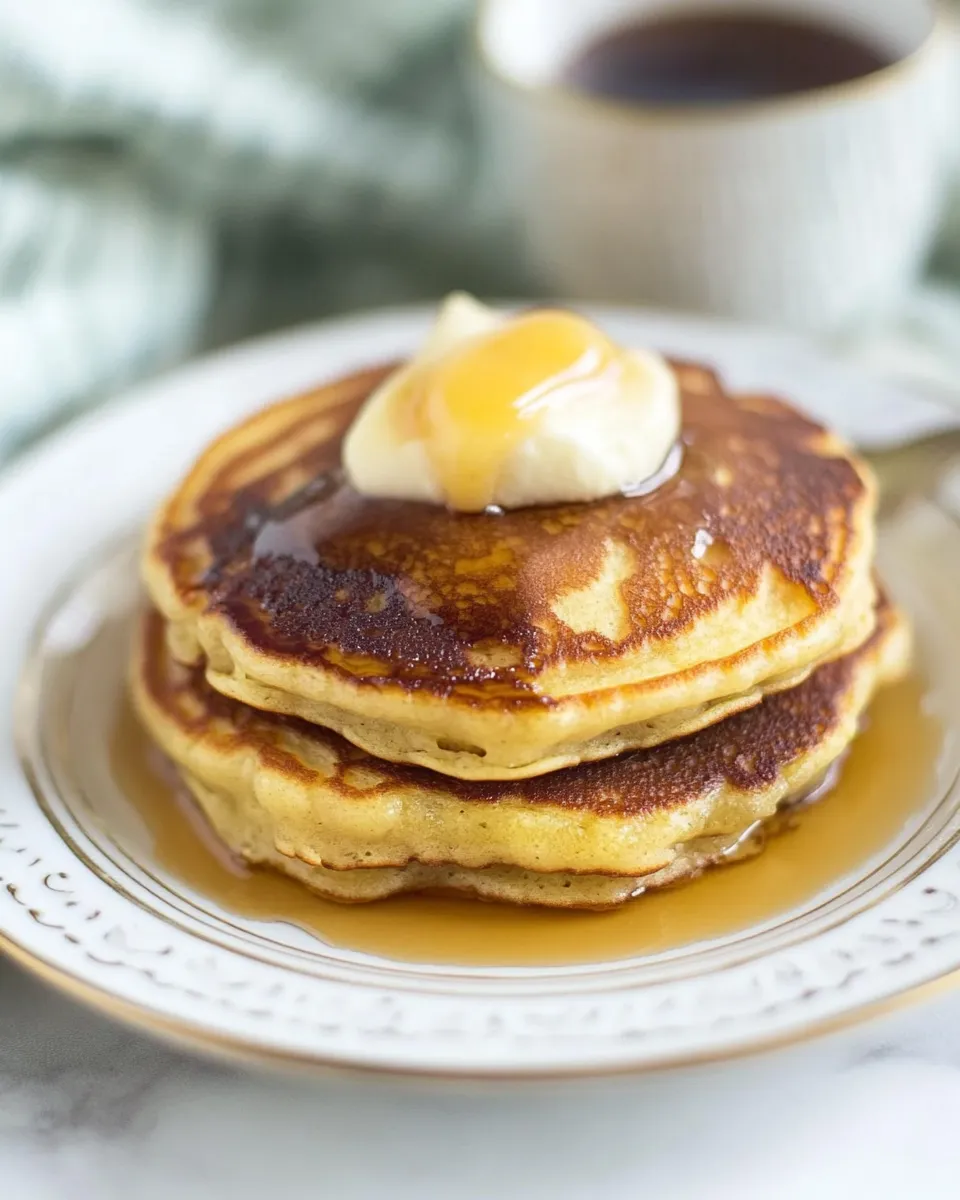
Keto Pancakes (Moist, Fluffy, Made with Coconut Flour)
Equipment
- Mixing Bowl
- Whisk
- Measuring cup
- Measuring Spoons
- nonstick skillet
- Spatula
Ingredients
Ingredients
- 4 large eggs
- 1 cupfull-fat canned coconut milk
- 4 Tbspbutteror coconut oil melted
- 1 tsppure vanilla extractoptional
- 2/3 cupcoconut flour
- 1 Tbspsugar-free granulated sweeteneroptional
- 1/4 tspbaking soda
- Pinchsea salt
- Avocado oil for cooking
Instructions
Instructions
- In a mixing bowl, whisk together 4 large eggs, 1 cup full‑fat canned coconut milk, and 4 Tbsp melted butter or coconut oil. Whisk in 1 tsp pure vanilla extract only if using it. Mix until uniform and slightly combined.
- Add 2/3 cup coconut flour, 1 Tbsp sugar‑free granulated sweetener if using, 1/4 tsp baking soda, and a pinch of sea salt to the wet mixture. Whisk vigorously until the batter is fully combined and there are no visible dry clumps. The batter will be very thick.
- Heat a large nonstick skillet over medium heat. Add 1–2 Tbsp avocado oil and swirl to coat the pan. Allow the skillet and oil to heat until the oil is shimmering and the pan is warm.
- Measure a scant 1/4 cup of batter for each pancake and spoon it onto the skillet. The batter will be thick; use the back of the spoon, a small spatula, or your finger to gently shape each mound into a round.
- Cook each pancake 3 to 5 minutes, until the edges appear set and the bottom is golden. Carefully flip and cook 2 to 3 minutes more, until the pancake is cooked through and both sides are golden.
- Transfer cooked pancakes to a plate and repeat with the remaining batter, adding more avocado oil to the skillet as needed and adjusting the heat to prevent burning.
- Serve with desired toppings and enjoy.