Have you ever found yourself in the middle of a baking project, only to realize you’re out of buttermilk? Before you panic and run to the store, let me assure you that making a buttermilk substitute is easier than you might think. With just a couple of common ingredients, you can whip up a creamy, tangy alternative that works beautifully in your favorite recipes. This simple concoction will save you time and add a delightful flavor to your baked goods. Let’s dive in and learn how to make this easy buttermilk substitute!
What Makes This Recipe Special
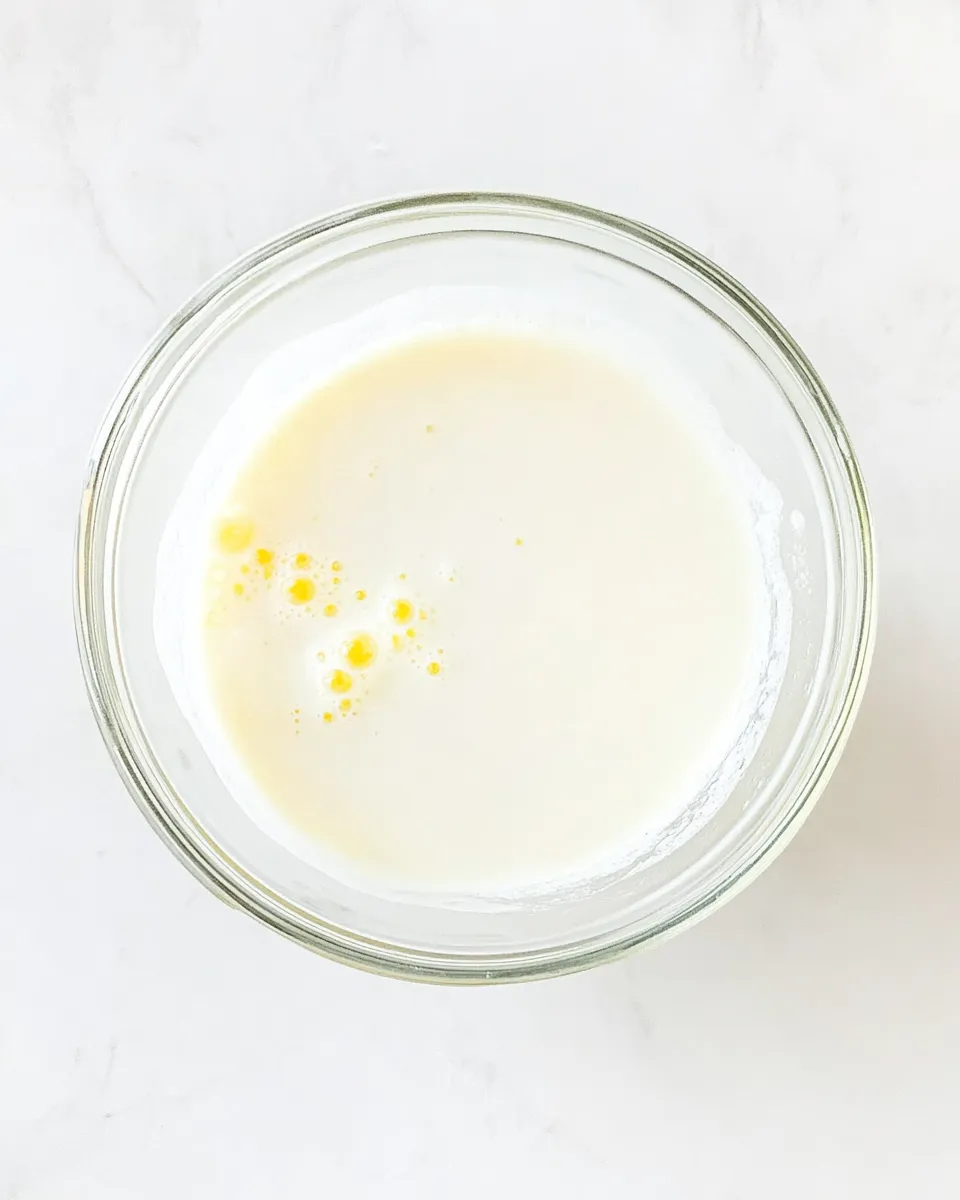
This buttermilk substitute is a game-changer for home bakers. Using just one tablespoon of white vinegar or lemon juice mixed with a scant cup of milk, you can create a product that mimics the acidity and richness of traditional buttermilk. This is particularly useful in recipes that require buttermilk for leavening, tenderness, or flavor. Whether you’re baking fluffy pancakes, moist cakes, or tangy muffins, this substitute will ensure your treats turn out perfectly every time. Plus, it’s a fantastic option for those who may not frequently stock buttermilk in their fridge.
What Goes Into Buttermilk Substitute
To make your own buttermilk substitute, you only need two ingredients:
- 1 tablespoon white vinegar or lemon juice – This adds the necessary acidity that mimics buttermilk.
- 1 scant cup milk – Any type of milk will work, whether it’s whole, skim, or even non-dairy alternatives like almond or soy milk.
Equipment at a Glance
Before you start, gather a few essential tools:
- Measuring spoons – To accurately measure the vinegar or lemon juice.
- Measuring cup – For the milk.
- Mixing bowl – To combine your ingredients.
- Whisk or spoon – For stirring the mixture together until well combined.
Step-by-Step: Buttermilk Substitute
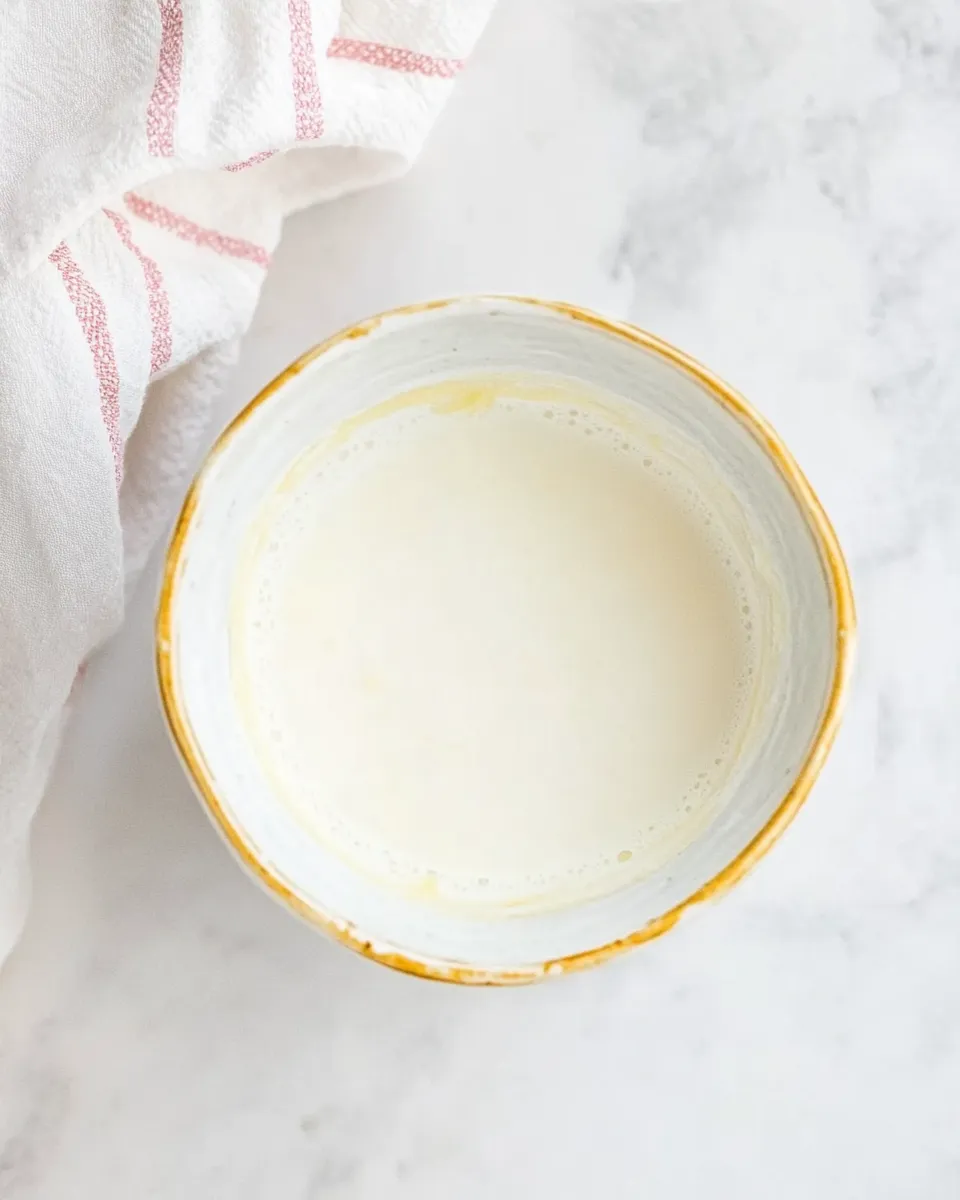
Step 1: Measure the Vinegar or Lemon Juice
Start by measuring out 1 tablespoon of white vinegar or lemon juice. Both options will provide a similar tangy flavor to your buttermilk substitute.
Step 2: Add the Milk
Pour a scant cup of milk into the same mixing bowl. Make sure not to overfill; a scant cup is slightly less than a full cup.
Step 3: Combine the Ingredients
Add the tablespoon of vinegar or lemon juice to the milk. Stir gently to combine. You will notice that the milk may start to curdle slightly, which is a good sign that it’s working!
Step 4: Let it Sit
Allow the mixture to sit for about 5-10 minutes. This resting period helps develop the tangy flavor and thicker consistency similar to buttermilk.
Step 5: Use in Your Recipes
After the resting period, your buttermilk substitute is ready to use! Simply incorporate it into your recipes in place of buttermilk.
Year-Round Variations
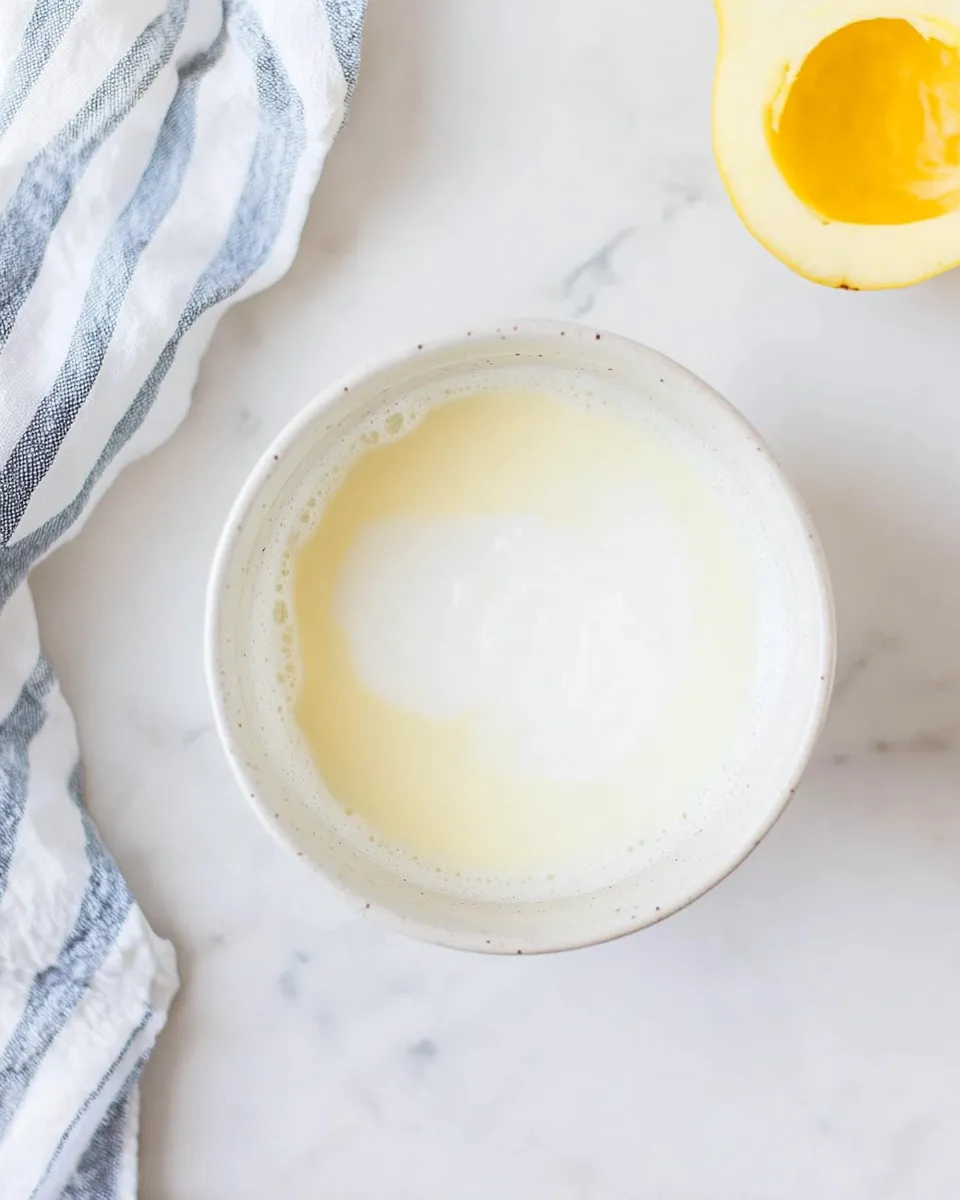
The beauty of this buttermilk substitute is its versatility. Here are some variations to consider:
- Use apple cider vinegar instead of white vinegar for a slightly different flavor profile.
- For a dairy-free option, try using non-dairy milk such as almond, soy, or oat milk.
- Add a pinch of salt to enhance the flavor if desired.
- Experiment with flavored vinegars for a unique twist, such as herb-infused vinegar.
Missteps & Fixes
Even the best bakers encounter mishaps. Here are some common missteps and how to fix them:
- If the milk doesn’t curdle, double-check your vinegar or lemon juice’s freshness; it should be potent enough to create the desired effect.
- For a thicker buttermilk substitute, use less milk or allow it to sit a bit longer.
- If the flavor is too strong, dilute it with a bit more milk before using it in your recipe.
Cooling, Storing & Rewarming
This buttermilk substitute is best used fresh, but if you have leftovers:
- Store it in an airtight container in the refrigerator for up to 2 days.
- Before using, give it a good stir to recombine the ingredients.
- Avoid freezing the mixture, as it may alter the texture and flavor.
Common Questions
Can I use this substitute in any recipe that calls for buttermilk?
Yes, this buttermilk substitute works well in most recipes that require buttermilk, including pancakes, cakes, and muffins.
What if I don’t have vinegar or lemon juice?
You can also use cream of tartar as a substitute by mixing 1 ½ teaspoons of cream of tartar with 1 cup of milk to achieve a similar effect.
Can I use non-dairy milk for this substitute?
Absolutely! Non-dairy milks like almond, soy, or coconut milk can be used to make a dairy-free buttermilk substitute.
Is this substitute suitable for savory dishes?
Yes, this buttermilk substitute can also be used in savory recipes, such as marinades or dressings, where a tangy flavor is desired.
Here are some delicious recipes that benefit from using buttermilk substitute:
See You at the Table
Now that you know how to create a quick and easy buttermilk substitute, you can bake with confidence knowing you have a solution on hand. This simple trick will open up a whole new world of delicious recipes for you to explore. So gather your ingredients, get into the kitchen, and let your baking adventures begin!
With just a tablespoon of vinegar or lemon juice and a scant cup of milk, you can create a buttermilk substitute that will enhance the flavor and texture of countless recipes. Whether you’re whipping up a batch of pancakes for breakfast or baking a decadent cake for a special occasion, this easy substitute is a must-have in your culinary toolbox. Happy baking!
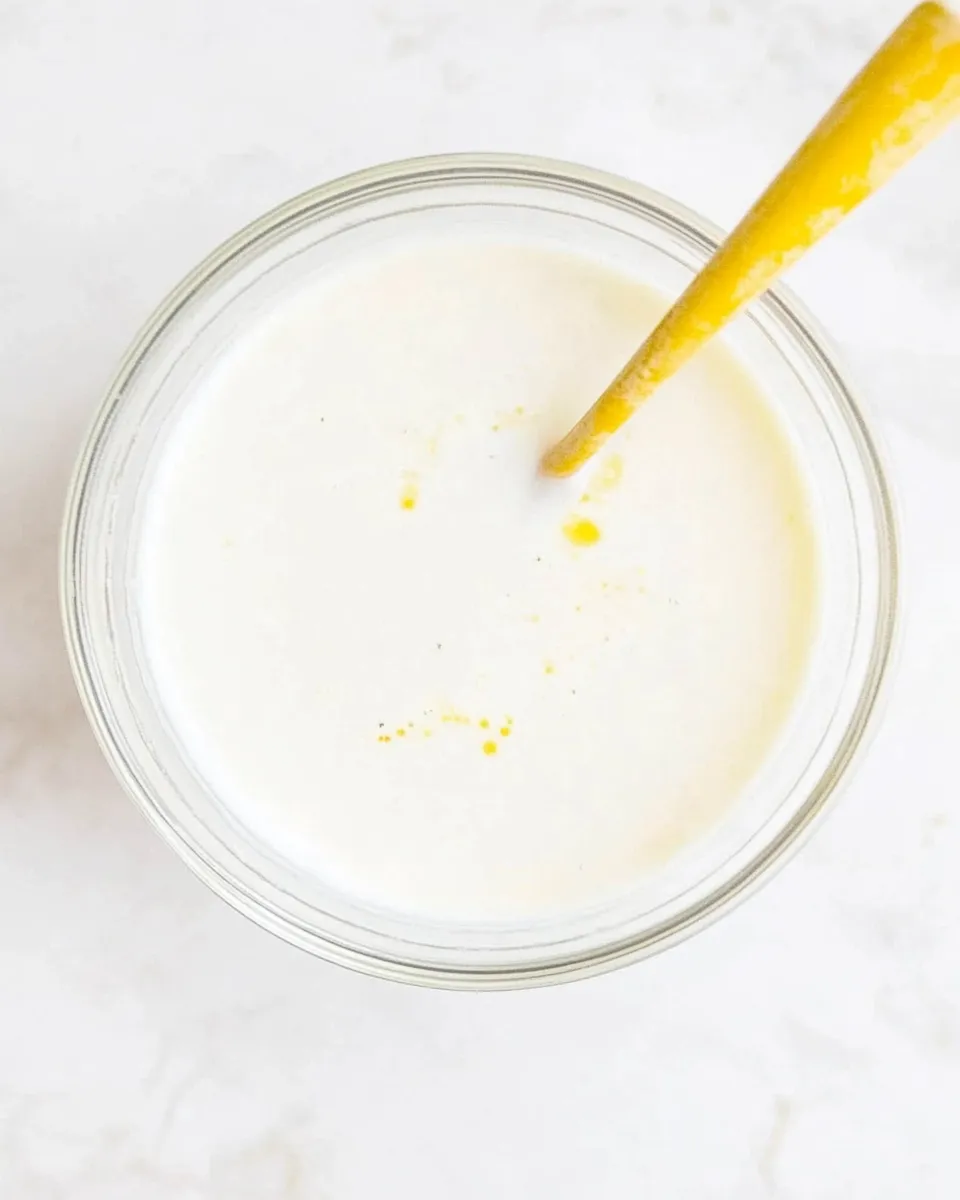
Buttermilk Substitute
Equipment
- Measuring Spoons
- Measuring cup
- Mixing Bowl
- Whisk or Spoon
Ingredients
- 1 tablespoon white vinegar or lemon juice
- 1 scant cup milk any type, including non-dairy like almond or soy
Instructions
Step-by-Step: Buttermilk Substitute
- Measure out 1 tablespoon of white vinegar or lemon juice.
- Pour a scant cup of milk into a mixing bowl.
- Add the vinegar or lemon juice to the milk and stir gently to combine; the milk may start to curdle slightly.
- Let the mixture sit for 5-10 minutes to thicken and develop a tangy flavor.
- Use the buttermilk substitute immediately in your recipe as a 1:1 replacement for buttermilk.
Notes
- Use apple cider vinegar as a flavor variation for a different tang.
- Try non-dairy milks like almond or soy for a dairy-free substitute.
- Store any leftovers in the refrigerator for up to 2 days and stir before use.